Beyond Words

Words, Wit and Wisdom for Today's Style and Decision Makers

Music to My Ears February 24, 2024

Filed under: Uncategorized — carlawordsmithblog @ 9:41 pm

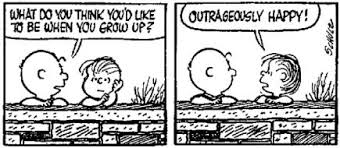
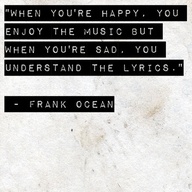
I recently saw that meme online and literally laughed out loud as I said to myself, “Yep; they should!” This, mere days after I was grocery shopping and surprisingly heard my all-time favorite Bruce Springsteen song play overhead. I sang along as nope, not “Born to Run” or “Born in the USA” played, but “Growin’ Up.” Yeah, not what you expected but boy was I happy to sing along as I loaded my cart.


Music has a way of shaping our thoughts and making our day. It can also literally change lives, which is something I learned from none other than a sweet Hulu movie called “Harmony from the Heart.” In it, “Musical therapist Violet meets handsome doctor Blake while caring for his grandfather. While at first they clash over methods, they soon come to realize that sometimes music is the best medicine of all.” I’ve loved music all my life but I somehow didn’t realize that it can indeed be medicine.


According to “Psychology Today,” Music Therapy is a form of treatment that uses music within a therapeutic relationship to help accomplish a patient’s individualized goals. In the movie I watched, an elderly man was showing signs of aging and had suddenly lost the ability to speak. Enter a darling Music Therapist who convinces his “brilliant” but skeptical surgeon grandson and voila, he speaks!
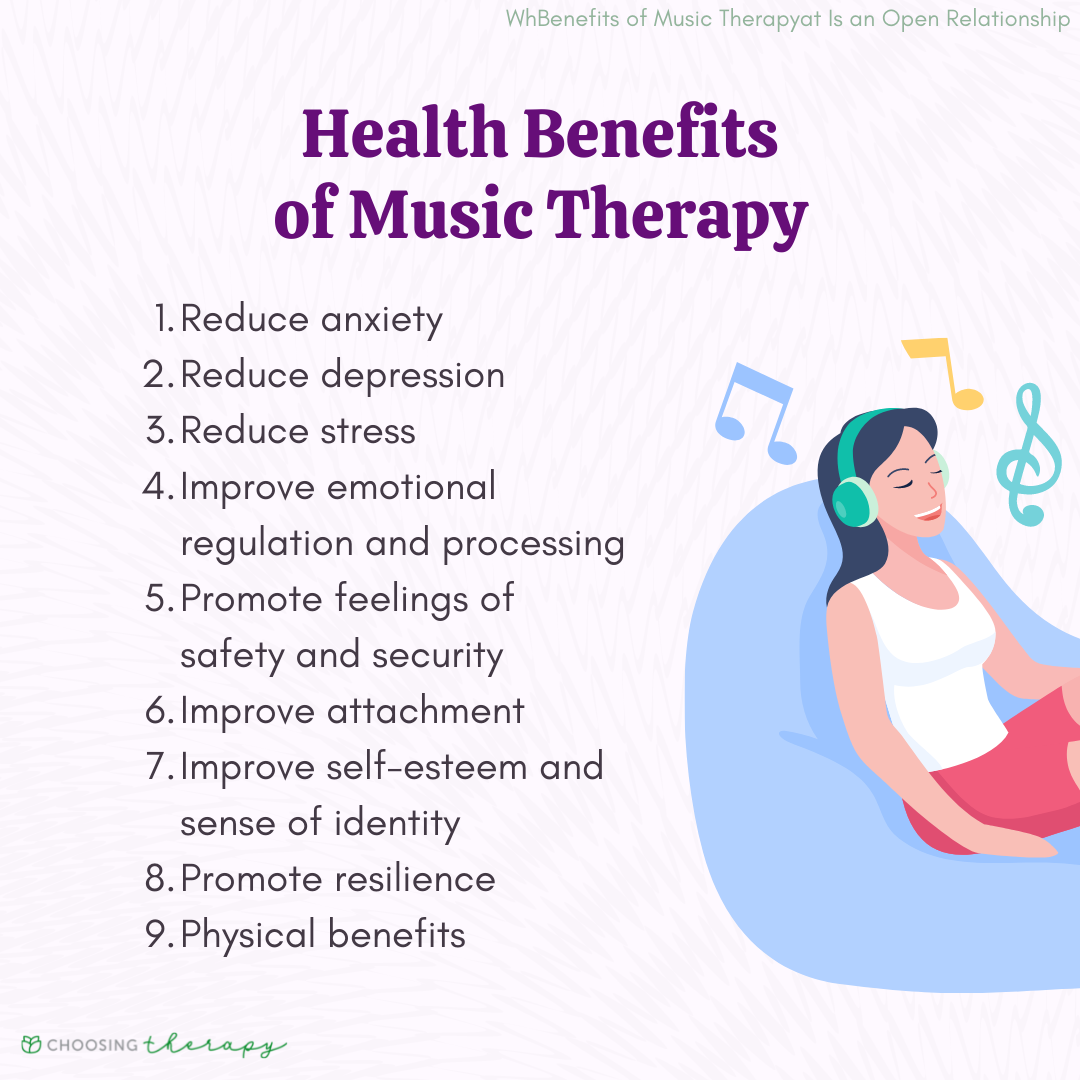


Not everything has a happy Hallmark ending, but research does show that Music Therapy can help people manage physical pain and can also have powerful and positive effects on psychological health. In fact, it has proven effective in treating health conditions such as cardiac complications, cancer, diabetes, dementia, high blood pressure and heart rates, reduce stress, improve sleep, and boost both memory and cognitive functions.



When it comes to the mind and soul, Music Therapy can also influence one’s mood, boost energy, increase joy and awe, reduce anxiety, alleviate depression, facilitate self-reflection, assist in processing trauma, and can be particularly helpful for people on the autism spectrum. My good friend Judy would likely agree, as she is in a nonprofit group called Love Notes that provides an opportunity for people with memory loss to connect and build community through choral singing. The group is made up of both volunteers, those with memory loss, and their care partners, giving them all a sense of purpose and a glimpse of delight.


But back to grocery shopping.



I’m not alone is enjoying a favorite song or two as I’m shopping. Pleasant music is proven to have a mentally soothing effect on people and actually impacts the way they shop. Favorite, familiar, or soothing in-store music lifts a shopper’s mood, making their decision-making on what items go in their carts more intuitive and sometimes even impulsive.



Research also shows that these happy shoppers have less scrutiny of their purchases, buy more products then perhaps originally planned, and treat themselves to a few indulgences. In fact, in-store music has been shown to increase a shopping bill by more than 10 percent!


The power of music is not only therapy and psychology, but also biology. I remember when a friend’s son did a research project on the effects of different types of music on someone while reading. It wasn’t for a music class; but a biology class. Students today, and even dating back to my Millennial daughter’s school years, study with their ear pods in and their music on. Never have I ever.


All of this is not a new concept however. Humans have long appreciated its healing powers and according to the American Music Therapy Association, modern Music Therapy actually began after World War II. It was then that musicians visited hospitals to perform for veterans who afterward showed signs of both physical and emotional healing. This type of therapy is still practiced in many hospitals today as music can stir emotion, prompt discussion, and heal emotional trauma. Music is processed and produced through a different pathway than verbal skills, allowing patients the ability to express themselves, communicate with others, and experience their world as they experience dementia or brain damage.


Which brings us back to the movie I saw. That’s exactly what happened in the film but if you don’t believe any of this just yet, try remembering the words to a song from way back when and then try to remember what you had for dinner one week ago. Amazing, right?


I’ve always loved music, dating back to the Partridge Family albums I still have and the “Best of Bread” album that I coveted for years. Music is powerful. Music is moving. And music helps you move. I can’t imagine a treadmill workout without it and my friend Michelle’s dancercise class gets us moving and is fun!



So vital is music to me that a highlight of our daughter and my recent trip to London was, yes, all the royal stuff and Wimbledon, but I will forever treasure the joy we experienced seeing Bruce Springsteen live in Hyde Park. Pure. Joy. And, my favorite job ever was that of Publicist at Austin’s Frank Erwin Center. I “had” to work every concert and promote the likes of Cher, U2, George Strait, Bon Jovi, and yes, Springsteen. My dream job? Backup singer in Jimmy Buffet’s Coral Reefer Band. RIP sailor.


So, sing away and enjoy all the music out there. As Dick Clark famously said, “Music. It’s the soundtrack of your life,” and now we know it’s also life giving and life affirming. That, my friends, is music to my ears. (so is the fact that I just wrote an entire blog on music and didn’t mention TS once! You’re welcome and yay me!)




A Special Wednesday February 15, 2024

Filed under: Uncategorized — carlawordsmithblog @ 1:17 am

Earlier today I blogged about St. Valentine and why we celebrate Valentine’s Day but then it dawned on me: yes, today is special because it’s Valentine’s Day but it’s also special because it’s Ash Wednesday and it’s extra special because the two fall on the same day this year. But wait! I’m not supposed to eat all those valentine treats and candies today as I begin fasting for Lent? And what about a nice boned-in ribeye for dinner? Hmmmm…


Lucky for me, my husband and I don’t celebrate big on Valentine’s Day because tomorrow is our anniversary and that’s when we do something special. But what about the rest of you lovers of each other and lovers of faith? What to do, what to do, right?!


Here’s an idea: let the fact that Ash Wednesday falls on Valentine’s Day this year remind you of the beautiful connection between God’s love and sacrifice. I also love a text I received from my friend Donna suggesting we take today as a message to love everyone and be kind this Lenten season. Lastly, think about reversing it all and since this day of love falls on this day of forgoing vices, plan a Lent that starts  with love as our compass throughout the 40 days ahead.


But first, what is Ash Wednesday, why is it celebrated, why 40 days, and what’s with the ashes?


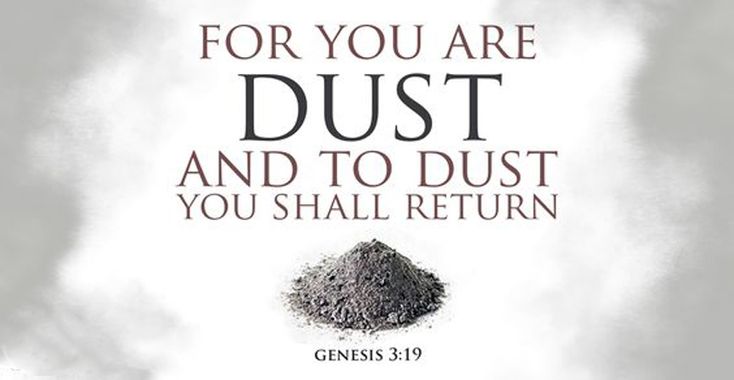
Ash Wednesday is observed by Catholics, Lutherans, Anglicans, Catholics, Lutherans, Anglicans, and other Christian denominations and is a day of fasting and abstinence from meat. Churches hold masses and services for the distribution of ashes, which are ancient symbols of repentance and remind us of our mortality and the “ashes to ashes” bible verse quoted above. When we receive ashes in the form of a cross on our foreheads, we remember we belong to Christ and we ask Him to develop in us a spirit of humility and sacrifice, much like He did for us.


Ash Wednesday begins the season of Lent, which is 40 days of quiet and reflection leading up to Easter Sunday. Why 40 days? The 40 days are rooted in the biblical usage of the number and its significance throughout. Moses led the Israelites out of Egypt toward the Promised Land, God’s people endure 40 days of challenges from Goliath before David is sent to fight for his people, after His baptism Jesus went into the wilderness for 40 days and 40 nights to battle Satan, and after His crucifixion and resurrection He remained and walked with His disciples for 40 days and nights before ascending to heaven.


For our 40 days of Lent, we try to slow down and listen to God and we often “give up” things as a way of sacrifice and respect for Jesus’ sacrifice on Good Friday.


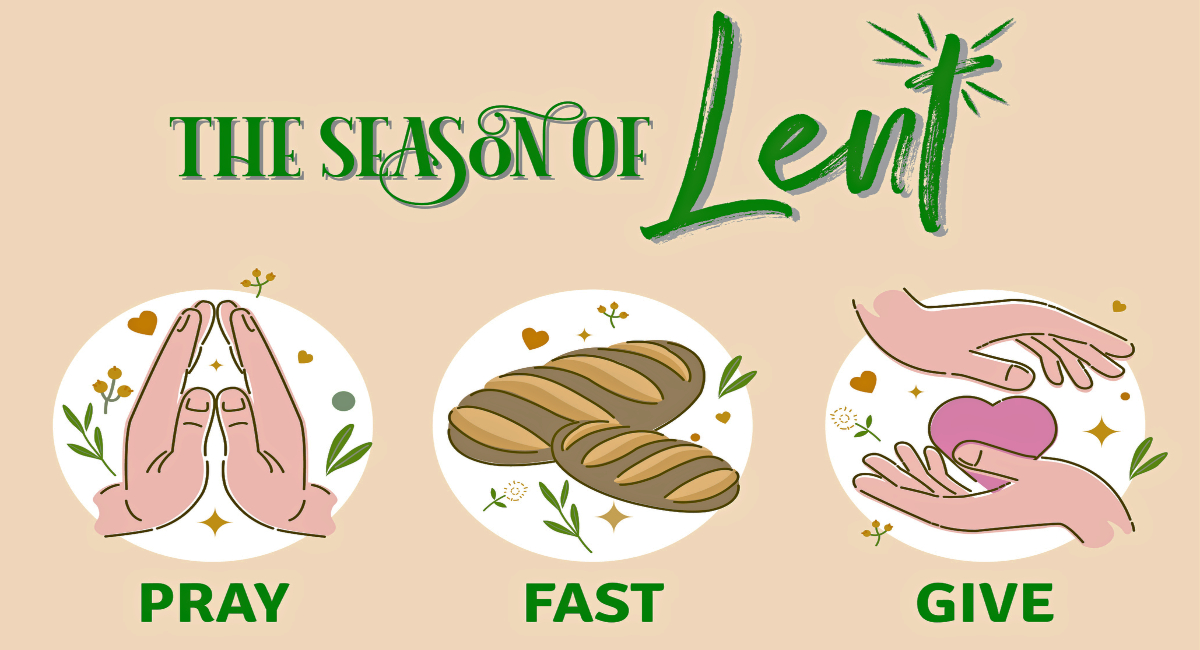
Yes, we “give up things” like sodas, coffee, alcohol, social media, TV…whatever we choose…but we also focus on Jesus’ own words regarding the three main disciplines of Lent:  praying, fasting, and giving alms, also known as charity. It is said that prayer demonstrates our relationship with God, fasting demonstrates our relationship with our inner self, and giving alms demonstrates our relationship with others. We might give up sweets or fatty foods but we shouldn’t do it to lose weight necessarily, but rather to hunger for God. As the brilliant Father Jared says, “If you’re not hungry for God, you’re probably too full of yourself.”


Okay, we can for sure give up things, but we should also give and do things…good things like:


Fast from judging others; feast on loving them

Fast from differences; feast on unity

Fast from perfection; feast on acceptance

Fast from hurting; feast on kind words

Fast from sadness; feast on joy

Fast from thoughts of illness; feast on the healing power of God

Fast from words that pollute; feast on words that purify

Fast from envy; feast on gratitude

Fast from anger; feast on patience

Fast form pessimism; feast on hope

Fast from complaining; feast on appreciation

Fast from worry; feast on trust


Here are some more things to give up for Lent:

  • Guilt
  • Fear
  • The need to please everyone
  • Envy
  • Impatience
  • Resentment
  • Blame
  • Gossip
  • Entitlement
  • Apathy
  • Hatred
  • Negativity
  • Comparison
  • Overcommitment
  • Fear of failure
  • Feelings of unworthiness
  • Doubt
  • Self-pity
  • Bitterness
  • Your comfort zone
  • Worry
  • Pride


Maybe we all just need to slow down and look inward rather than outward and remember the only person you should try to impress is God. Such great ideas for things to fast from during Lent and every day.


What a Saint! February 14, 2024

Filed under: Uncategorized — carlawordsmithblog @ 4:04 pm

Happy Valentine’s Day everyone! Here’s hoping you’re surrounded by love and all things red and pink.  But, shouldn’t the day’s message of love stick around all year? Long after the roses have died, the cards have been tossed or saved, and candies are long gone, the love behind them should not. That’s how St. Valentine would have wanted it and that’s how he lived. Yes, there was a real man named Valentine and maybe it’s time to learn about him and why we even have a Valentine’s Day.


Valentine, and yes, that was his real name, was a priest who served in third century Rome. During that time, Claudius II was emperor and at some point decided that single men made better soldiers than those who were married. He outlawed marriage for young men in hopes of building a stronger military but Valentine thought the decree was unfair and wanted to help Christians who were being persecuted so he continued to marry young couples. He strongly believed people should get married and secretly performed weddings throughout Rome. When Claudius found out about this, he sentenced Valentine to prison.


While imprisoned, Valentine was relentlessly asked to renounce his actions and his faith but he refused. Sent to another prison, Valentine is said to have written little messages to family and friends to let them know he was well and that he loved them. He would also pray with and befriended a guard whose daughter was blind and had asked Valentine to heal her sight. It is said that just days before his execution, Valentine prayed over the girl, touched her eyes, and she regained her eyesight. Word travelled fast, and upon hearing about this, many turned to Christianity.


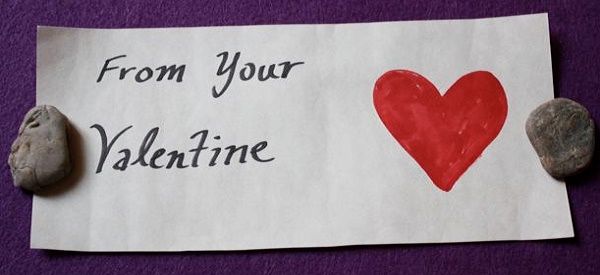
Claudius was not amused or impressed and quickly condemned Valentine to death. The night before his execution, Valentine wrote to the young girl and signed it, “From your Valentine.” The phrase became popular and today is still used on cards everywhere.


Stoned and beheaded on February 14, 269, Valentine was buried on the Flaminian Way and a Basilica was erected in his honor.


Not only is Valentine’s Day a holiday in the U.S., it’s celebrated worldwide. In Japan, chocolate is more beloved than even stateside while in Denmark, flowers are also given to loved ones on the holiday. In both Italy and Germany it’s strictly an adult and “lovers only” holiday while Mexico officially calls it a Day of Love and Friendship. St. Valentine is considered the Patron Saint of Spring in Slovenia but perhaps the holiday is celebrated biggest in France.


We all know that Paris is known as the “City of Love” and that couples used to attach locks on the Pont des Arts Bridge and throw keys into the River Seine on Valentine’s Day, but the practice was halted due to the weight of the locks and their potential damage to the historic bridge.  The French village of St. Valentin is decked in flowers on Valentine’s Day and is a popular destination for weddings, vow renewals, and engagements. How lovely would that be?!


St. Valentine is the Patron Saint of love, young people, and happy marriages, which makes me happy being that I was married a day later on February 15. Considering the fact that Valentine saw to it that couples were united in marriage, it’s quite fitting that the holiday of love is named after him. Valentine’s favorite words were “Love one another as I have loved you” and I’m thinking they’re pretty good words for all of us to live by today and everyday.


Mercy Me February 11, 2024

Filed under: Uncategorized — carlawordsmithblog @ 9:00 am

I wrap up my Sunday series of “What’s the Difference?” today with a look at mercy vs. grace and a little bit of justice thrown in. Have mercy!


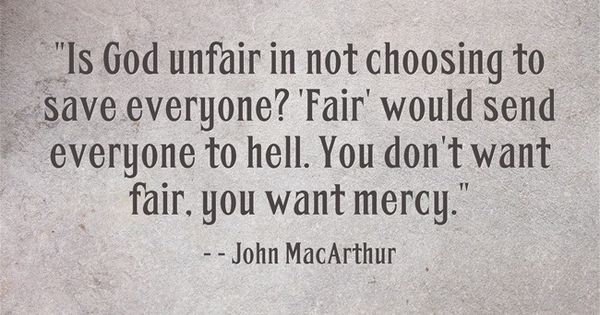
Years ago, my family and I were in mass and, during his sermon, beloved Father Elmer stated “A fair is a carnival. Not life.” I never forgot those words even though it’s going on 20+ years since I heard them. I heard them loud and clear.


He was right. Life isn’t always fair including when it comes to mercy and grace. When it comes to life, mercy is considered the act of withholding deserved punishment while grace is considered the act of endowing unmerited favor. In the Christian world however, you could say God is indeed fair as He is both merciful and yearns to give us grace. In both worlds, mercy is compassionate love to the weak and grace is generous love to the unworthy. As weak and unworthy humans, we all need each other’s grace and mercy and most importantly, the grace and mercy of God.


Let’s dive deeper.


The Greek word for mercy is “eleos,” which translated means pity or compassion, while grace in Greek is translated as “charis” or favor. Mercy is also defined as “compassion or forgiveness toward someone who you could otherwise punish or harm.” God shows us mercy by forgiving us. Constantly forgiving us. He shows us grace, defined as “the free and unmerited favor of God and the bestowing of His blessings” by saving us and never giving up on us. Grace is in essence, a true gift from God.


To be fair, not all explanations of mercy and grace are religious, as literature, movies, and pop culture so vividly demonstrate and the meaning of both words can also vary among different religions. Catholics count both Sanctifying Grace and Actual Grace paramount to our religion as well as both Corporal Acts of Mercy and Spiritual Acts of Mercy. Both mercies are considered necessary, with the first one including food, clothing, shelter, and healing of the sick while spiritual mercy involves showing kindness, giving comfort, praying for someone, and forgiving wrongs.


We can find numerous references to mercy and grace and God using imperfect people to accomplish His purpose throughout scripture. A group in my neighborhood is currently reading Shannon Bream’s book “The Love Stories of the Bible Speak” and learned that tucked in the somewhat racy story of Sampson and Deliah is a message that God used the very flawed Sampson to save His people. The Old Testament also gives us Abraham, Sarah, Jacob, Moses, Rahab, and others who serve as more examples of this.


In the New Testament we find Saul, who God converted to Paul the Apostle and author of nearly half of the New Testament, Thomas the doubter who also became an Apostle, the demon-possessed Mary Magdalene who was among the first witnesses of Christ’s resurrection, and Peter who actually denied Jesus but was later told by Him, “And I tell you, you are Peter, and on this rock I will build my church,” ultimately leading to Peter being the first Pope of that very Catholic church.


Mercy and grace also free us from perfectionism, pride, and rebellion and keep us from becoming obsessed with things of this world. God offers them to us for free, but to possess them we need humility. And, as we are given mercy and grace, God also wants us to show both to others.


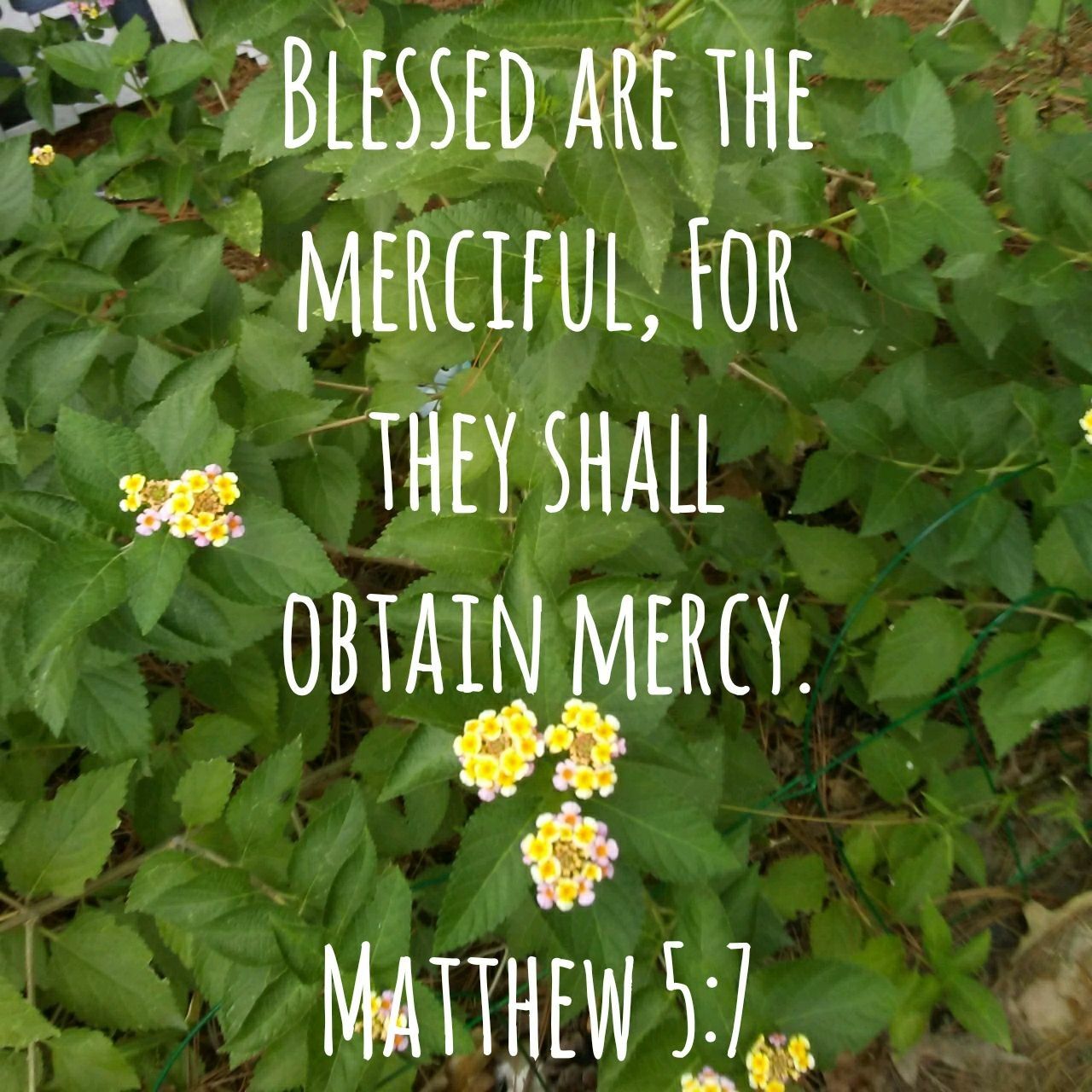
I hear it and say it often, the likes of “She was rude to us but let’s give her grace as she was maybe having a bad day.” “Giving grace” in this case is on our part and is nothing more than giving someone a pass and not wishing ill on them. Jesus instructed this in the form of mercy in none other than His Sermon on the Mount when He also gave us The Beatitudes in which He revealed, among other things, “Blessed are the merciful, for they shall receive mercy.”


Which, brings us to justice and how it differs from mercy. In the perfect world, anyone who makes a mistake or commits a crime should pay the price, right? In today’s world that doesn’t seem to currently be the case but we won’t go there right now. Afterall, isn’t justice one of the fundamental concepts for a civil society; at least one governed by moral leaders, and the rule of law?


Think of the scales pictured above. They are often used as a symbol of justice as with perfect justice, it is blind and an equaling of sorts; not favoring one person over another for any reason but instead giving everyone an equal chance, equal justice, and letting the equal results fall as they may.


God actually goes beyond justice with His mercy and forgiveness and His justice is actually mercy given to all of us as a grace. And, justice has a side other than punishment. It is also lifting up those who are abused, exploited, hungry, and overlooked. We all have a role of bringing justice to this world and demanding it be done. As in the end, “Those who exalt themselves will be humbled, and those who humble themselves will be exalted,” Matthew 23:12.


The Joy of Being Happy February 4, 2024

Filed under: Uncategorized — carlawordsmithblog @ 5:53 pm

This is part 2 in my Sunday series of “What’s the Difference?” Last week I wrote about the difference between faith and believe and today it’s all about joy and happiness. Enjoy!


It seems like just yesterday we were all singing “Joy to the World” and wishing each other comfort and joy. Christmas is a time of glad tidings and cheer but what about joy? Or is it just happiness? “Just” happiness? Carla, what are you saying?


I’m saying there’s a difference between joy and happiness and they’re both something we should strive for.


I saw that mountain smile at me on an Alaskan cruise and it made me smile back. It made me happy. We all want to be happy and we all want to experience joy. In fact, you could say we are often preoccupied with them and that decisions we make, even dumb ones, are in pursuit of one if not both. But as we aim for happiness what we might really be searching for is joy. Newsflash: happiness and joy are not the same things.


Webster defines joy as a feeling of great pleasure and delight. Happy, on the other hand, is defined as a feeling or showing pleasure or contentment. Happiness is generally fleeting and temporary while joy is a true sense of utter and permanent delight. When things go well you are happy but if you have true joy, you remain in that state even when things aren’t going so well. Maybe because you have faith? And hope? And trust?


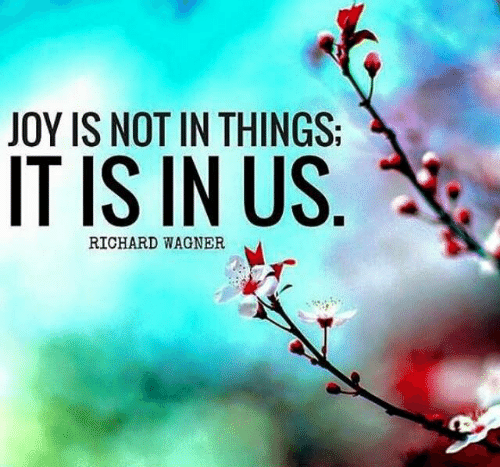
Another key difference between the two are their source. Happiness is typically reached externally through things like possessions, success, or special events. Joy, on the other hand, is more internal and spiritual and gained from inner guidance and peace. Happiness also tends to look at life through the here and now and on a surface level while joy looks more at the long-term picture.


It’s often said that happiness is a journey, not a destination, and whoever said that is right! Happiness is basically the feeling that you’re living a fulfilling life and is said to have three components:


  • Emotional well-being. The presence of positive emotions like gratitude and hope and the absence of negative feelings like anger, anxiety, and sadness.
  • Finding things and activities that fully engage your attention and pique your interest.
  • The sense that your life has purpose or significance.


We experience happiness when our circumstances are pleasant and we’re relatively free from troubles. When circumstances change though, as they inevitably do, that happiness evaporates. We might say or convey we’re happy, but deep down we may be hurting, worried, or angry.


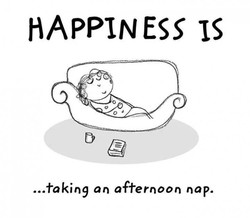
Taking a nap can make you happy, as can eating a delicious meal, getting a job you’d hoped for, giving birth to a child, travelling somewhere you longed to, being around trusted and loyal friends, or when your favorite team wins a game. Then, they lose the next game and your happiness is gone. The feeling is gone. I speak from experience here. Have been there many times!


Joy, on the other hand, is not a temporary jolt of emotion and needs no outward stimulation. It is profound, resonates deep in our soul, and encompasses more than just a moment of pleasure or satisfaction. It springs from a deep sense of contentment or fulfillment and it endures in any circumstances regardless of what may come your way. In fact, it may grow stronger in adversity.


Not only do we all want to be happy and joyful, we all probably also want to be one of “those” people who radiate a sense of bliss and blessedness. So how do we get there?


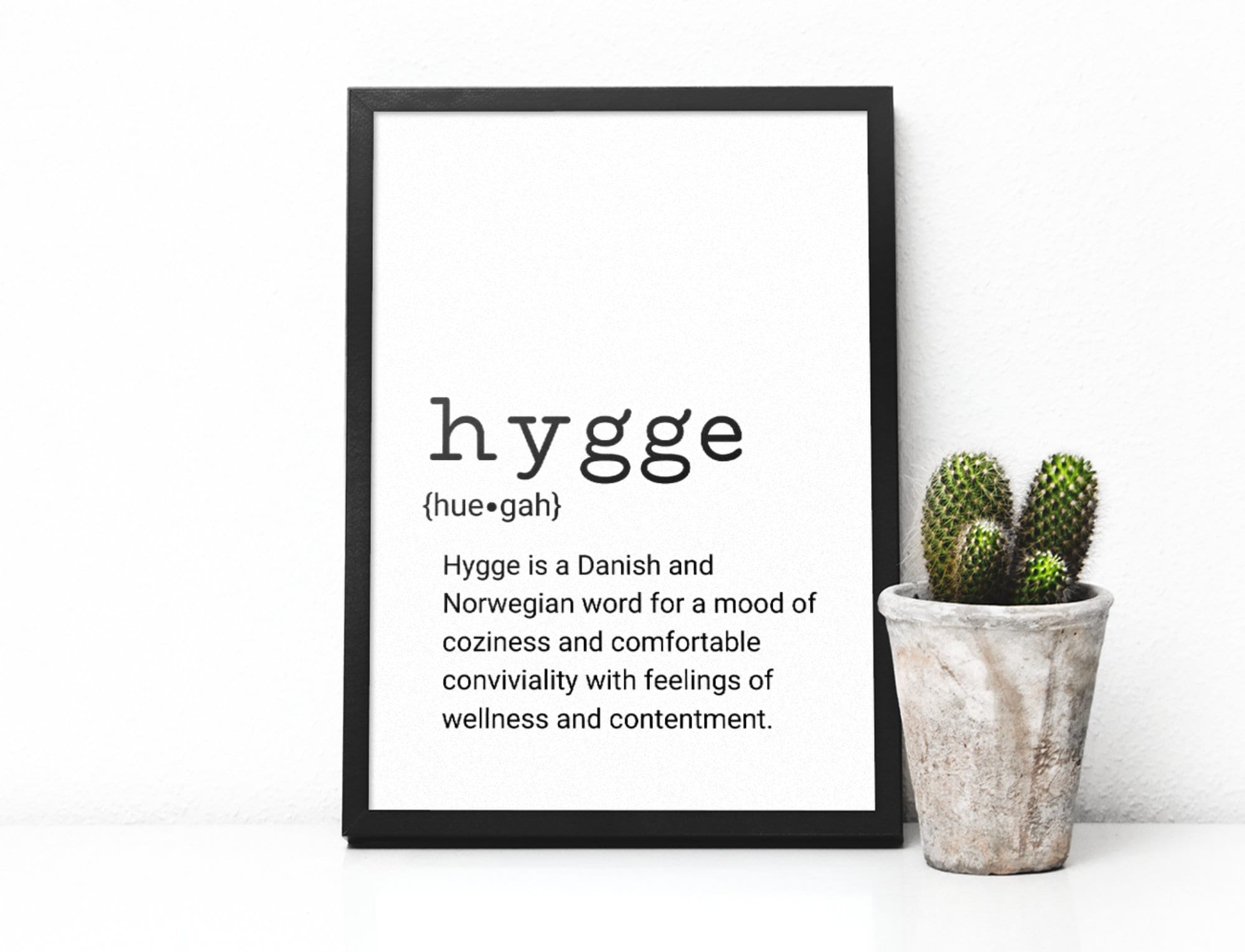
 Maybe we should ask the Danes, as Denmark often ranks as one the happiest countries on earth. Their concept of prioritizing social connections and community support even has its own word: “hygge.” Danes firmly believe that coziness and togetherness contribute to overall happiness and make it a point to have their homes, offices, and anything else follow the hygge model.


We could also ask Spanish speaking countries as my friend Paula so brilliantly pointed out when I was telling her I was working on this blog. She reminded me that “estar contenta” and “ser feliz” may seem like duplicate Spanish phrases, but they’re not. To know this, you have to understand the difference between both ser and estar and contento and feliz. Vamanos!


“Contenta” is usually tied to shorter spans of time. You can be “contenta” because you passed an exam for example. “Feliz” is used for both short and long periods of time and is generally viewed as a stronger feeling.


You can say “estar contenta” and “estar feliz” and can also say “ser feliz” but not “ser contenta.” Ser refers to defining characteristics while estar refers to states and conditions. Contento is the state of being happy and is almost always used with estar. Feliz is a characteristic of being happy and traditionally used with ser. It’s also my niece’s middle name!


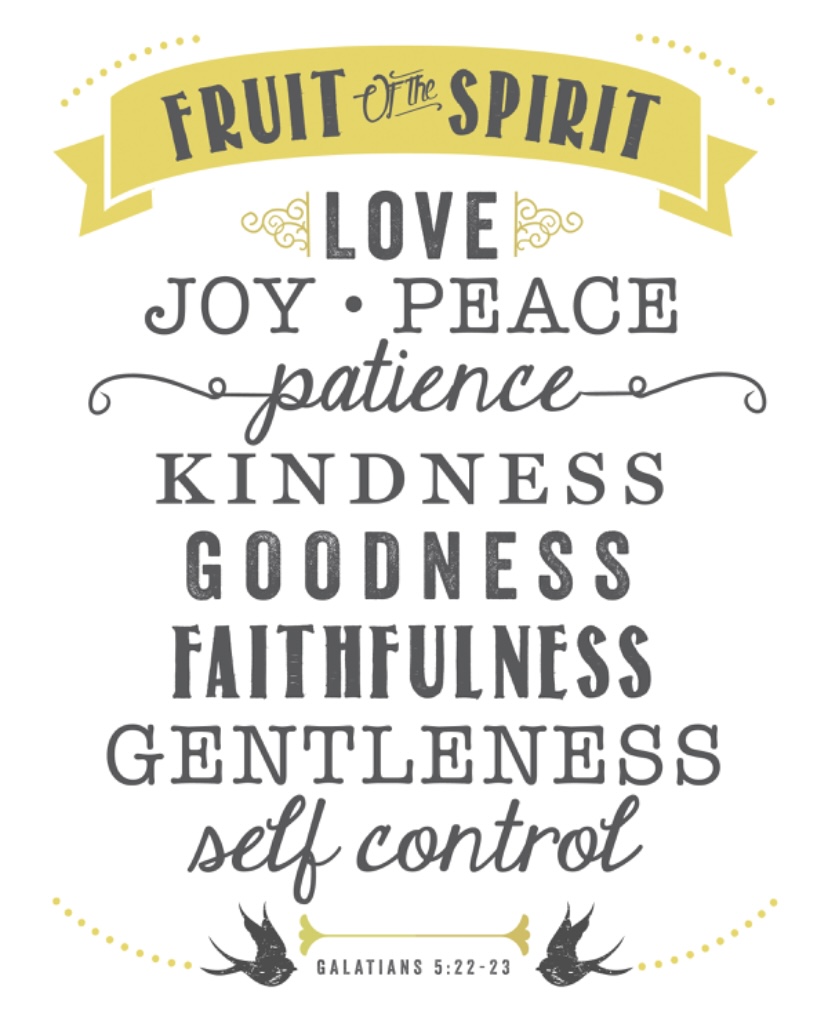
It’s important to remind ourselves that God wants us to be happy. Throughout scripture Jesus talks about joy and Galatians 5:22-23 spells out that the Fruits of the Spirit are love, joy, peace, patience, kindness, goodness, faithfulness, gentleness, and self-control. Is “happy” on that list? Nope. Is “joy?” Yep. To experience joy, true joy, you need the Holy Spirit. In your life. In your heart. In your soul.


Best-selling author of “The Purpose Driven Life” Ken Warren came up with a definition of joy after studying scripture. He writes, “Joy is the settled assurance that God is in control of all the details of my life, the quiet confidence that ultimately everything is going to be alright, and the determined choice to praise God in every situation.” Amen to that!


Linus gets it, right? They say truly joyful people let insults role off their backs, are generally kind and gentle and are, for lack of better words, a joy to be around. I think of my brother-in-law Frank here. Frank, who happens to be a Catholic deacon, rarely gets flustered or angry, has gallantly lived through many a tragedy, and is pleasant to share company with. He’s got it. He gets it.


We should also long to spread happiness and scatter joy as described in James 1:2. “Happy is the person who has learned the secret of being content with whatever life brings and then shares this secret with other who need encouragement.” Encourage others. Show them joy.


In the end and regardless of their differences, it’s important that we make room for both happiness and joy in our lives as both are positive and uplifting emotions and have their place in creating an emotionally-balanced and fulfilling life. That, makes me happy and brings joy to my heart.


Take a Flying Leap February 1, 2024

Filed under: Uncategorized — carlawordsmithblog @ 3:04 pm


Thirty days has September,
April, June, and November,
All the rest have thirty-one,
Save February at twenty-eight,
But leap year, coming once in four,
February then has one day more.


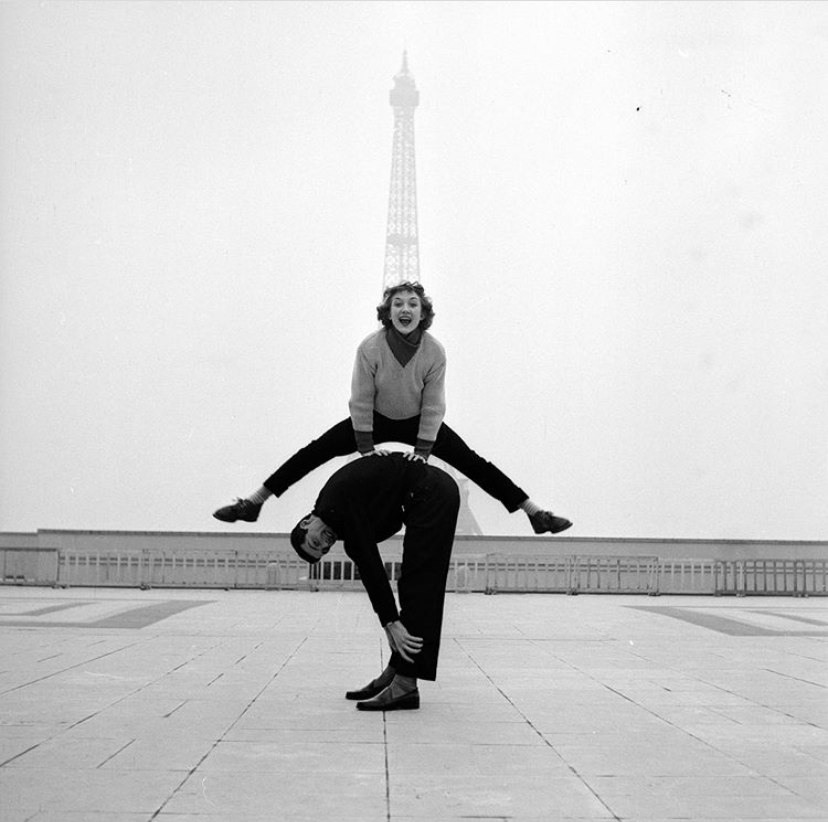
We’ve all heard that rhyme, right? My husband and I were just talking about it the other day and of course I can never remember it correctly. But I do remember that 2024 is a Leap Year so happy February; a February that has one day more!


But you already knew that, right?


But, did you know a non-leap year is called a common year and that February 29 is called Intercalary Day? And, did you know a Leap Year occurs every four years? Okay fine, you’re on top of that. But, do you know why? Gotcha? Maybe?


Well, a Leap Year happens in order to help synchronize the calendar year with the solar year, which is the length of time it takes the earth to complete its orbit around the sun. The calendar we use is called the Gregorian calendar and was put into place by Pope Gregory XIII in 1582. On this calendar, every year divisible by four has an extra day and is called a “Leap Year.” Century years are the exception to the four year rule though, as they must be divisible by 400 to be Leap Years.  This is why the year 2000 was a Leap Year but 1900 wasn’t and why 2400 will be one but not 2100.


But what’s in the name “leap?”


The name is thought to have come from the fact that, while a fixed date in the Gregorian calendar normally advances one day of the week from one year to the next, the day of the week in the 12 months following a Leap Year will advance two days, thus “leaping” over one of the days.


But why always in February?


Some historians credit Julius Caesar when he gained power and reconfigured the then Roman calendar. He aligned the length of a year with the sun, giving each year 365 days but for reasons unknown, he left February at 28 days. Others say the month was selected kinda randomly and it just stuck.


Okay, so what happens if you’re born on a Leap Day?


Codes vary state-by-state as to when a leap baby or “leapling” celebrates his or her birthday, but most consider March 1 as the day. Interestingly, there is a 1 in 1,500 chance of being born on a Leap Day and babies born on one are thought to have special talents according to astrologers.


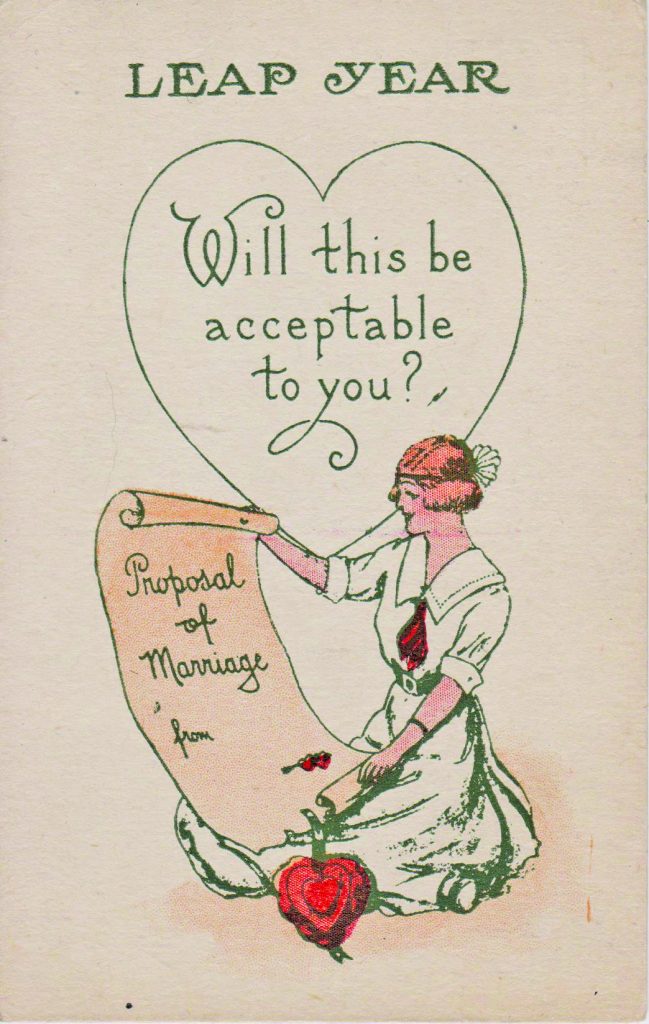
Other myths and legends about a Leap Year and Leap Day in particular include the Irish “Bachelor’s Day” legend that declares St. Brigid opened up the gates for women to propose marriage to men on a Leap Day after she struck a deal with St. Patrick as a way to balance the traditional roles of men and women in society. Boy was she a woman ahead of her time! This tradition is still occasionally observed in England but in neighboring Scotland, February 29 is often considered as unlucky as Friday the 13th.


Coincidentally, Leap Years almost always coincide with U.S. election years, as is the case this year, and often times with Olympic years as well, also this year. The next three leap years will be 2024, 2028, and 2032.


If you’re looking for a way to celebrate Leap Day, what better way than with the official Leap Day Cocktail? Invented by bartender Harry Craddock of London’s tony Savoy Hotel in 1928, it is considered a martini-like drink and is said to have been responsible for more proposals than any cocktail ever mixed according to the “Savoy Cocktail Book.”  Here is the original recipe:


Craddock’s Leap Day Cocktail

1 dash lemon juice
2/3 gin
1/6 Grand Marnier
1/6 sweet vermouth

Shake, serve, garnish with a lemon peel.


Enjoy and Happy Leap Year!