
I wrap up my Sunday series of “What’s the Difference?” today with a look at mercy vs. grace and a little bit of justice thrown in. Have mercy!
 Years ago, my family and I were in mass and, during his sermon, beloved Father Elmer stated “A fair is a carnival. Not life.” I never forgot those words even though it’s going on 20+ years since I heard them. I heard them loud and clear.
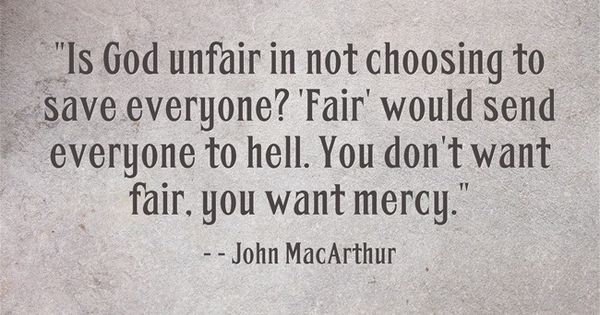
He was right. Life isn’t always fair including when it comes to mercy and grace. When it comes to life, mercy is considered the act of withholding deserved punishment while grace is considered the act of endowing unmerited favor. In the Christian world however, you could say God is indeed fair as He is both merciful and yearns to give us grace. In both worlds, mercy is compassionate love to the weak and grace is generous love to the unworthy. As weak and unworthy humans, we all need each other’s grace and mercy and most importantly, the grace and mercy of God.
Let’s dive deeper.
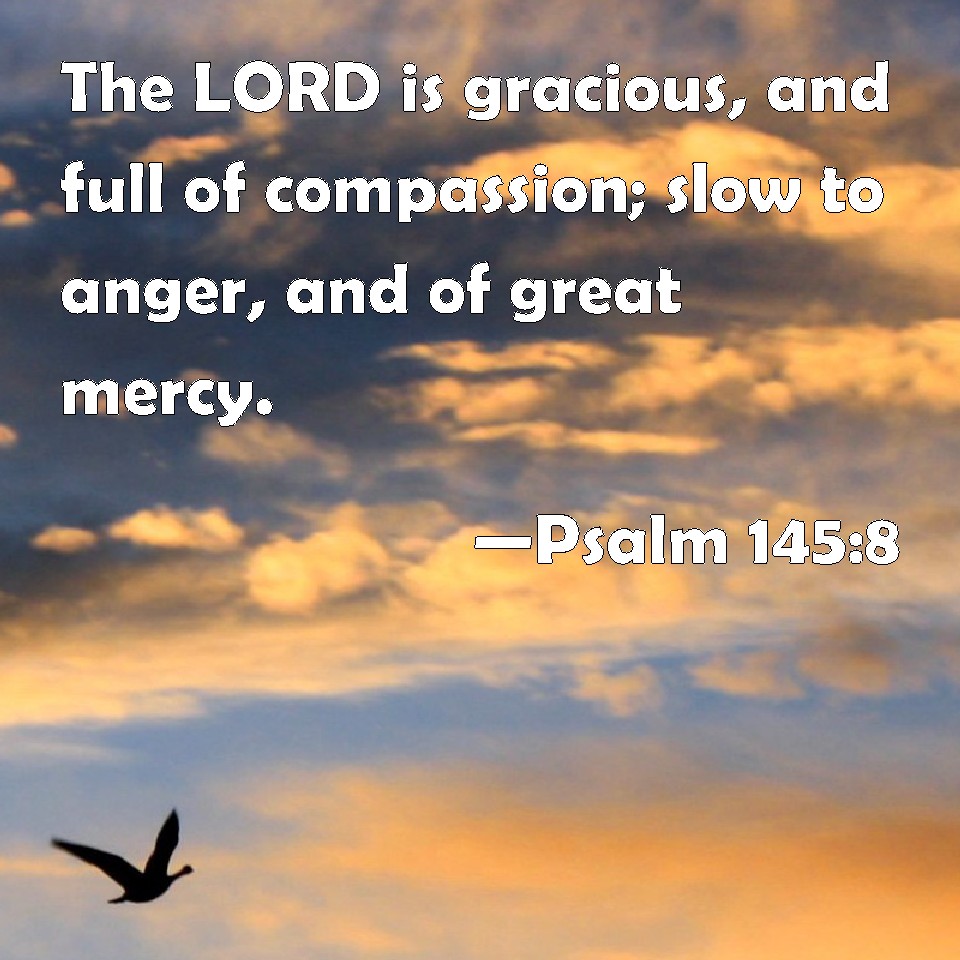 The Greek word for mercy is “eleos,” which translated means pity or compassion, while grace in Greek is translated as “charis” or favor. Mercy is also defined as “compassion or forgiveness toward someone who you could otherwise punish or harm.” God shows us mercy by forgiving us. Constantly forgiving us. He shows us grace, defined as “the free and unmerited favor of God and the bestowing of His blessings” by saving us and never giving up on us. Grace is in essence, a true gift from God.
To be fair, not all explanations of mercy and grace are religious, as literature, movies, and pop culture so vividly demonstrate and the meaning of both words can also vary among different religions. Catholics count both Sanctifying Grace and Actual Grace paramount to our religion as well as both Corporal Acts of Mercy and Spiritual Acts of Mercy. Both mercies are considered necessary, with the first one including food, clothing, shelter, and healing of the sick while spiritual mercy involves showing kindness, giving comfort, praying for someone, and forgiving wrongs.
We can find numerous references to mercy and grace and God using imperfect people to accomplish His purpose throughout scripture. A group in my neighborhood is currently reading Shannon Bream’s book “The Love Stories of the Bible Speak” and learned that tucked in the somewhat racy story of Sampson and Deliah is a message that God used the very flawed Sampson to save His people. The Old Testament also gives us Abraham, Sarah, Jacob, Moses, Rahab, and others who serve as more examples of this.
In the New Testament we find Saul, who God converted to Paul the Apostle and author of nearly half of the New Testament, Thomas the doubter who also became an Apostle, the demon-possessed Mary Magdalene who was among the first witnesses of Christ’s resurrection, and Peter who actually denied Jesus but was later told by Him, “And I tell you, you are Peter, and on this rock I will build my church,” ultimately leading to Peter being the first Pope of that very Catholic church.
Mercy and grace also free us from perfectionism, pride, and rebellion and keep us from becoming obsessed with things of this world. God offers them to us for free, but to possess them we need humility. And, as we are given mercy and grace, God also wants us to show both to others.
 I hear it and say it often, the likes of “She was rude to us but let’s give her grace as she was maybe having a bad day.” “Giving grace” in this case is on our part and is nothing more than giving someone a pass and not wishing ill on them. Jesus instructed this in the form of mercy in none other than His Sermon on the Mount when He also gave us The Beatitudes in which He revealed, among other things, “Blessed are the merciful, for they shall receive mercy.”
 Which, brings us to justice and how it differs from mercy. In the perfect world, anyone who makes a mistake or commits a crime should pay the price, right? In today’s world that doesn’t seem to currently be the case but we won’t go there right now. Afterall, isn’t justice one of the fundamental concepts for a civil society; at least one governed by moral leaders, and the rule of law?
Think of the scales pictured above. They are often used as a symbol of justice as with perfect justice, it is blind and an equaling of sorts; not favoring one person over another for any reason but instead giving everyone an equal chance, equal justice, and letting the equal results fall as they may.
 God actually goes beyond justice with His mercy and forgiveness and His justice is actually mercy given to all of us as a grace. And, justice has a side other than punishment. It is also lifting up those who are abused, exploited, hungry, and overlooked. We all have a role of bringing justice to this world and demanding it be done. As in the end, “Those who exalt themselves will be humbled, and those who humble themselves will be exalted,” Matthew 23:12.


 Beyond Words