Beyond Words

Words, Wit and Wisdom for Today's Style and Decision Makers

Firmly Planted May 19, 2024

Filed under: Uncategorized — carlawordsmithblog @ 8:32 pm

As I sit writing this my husband is out in the yard fertilizing our lawns. No big deal, right? Wrong. This is the husband who is not in any way, shape, or form a handy or home improvement kind of guy. For some reason though, this year he’s all about the lawns and has put a lot of love and effort into them. He even went to Home Depot today after mass to get the right lawn food. IYKYK and if so, you know that no day is really a day to find him on the home improvement aisles, least of which the Sunday of a major golf tournament. But there he was. All alone. And he even bought a gorgeous pot of Impatiens for our back patio and says we need more flowers! Someone call the troopers; this ain’t right. (No offense Scottie Scheffler…we are still rooting for you and love you!) Who is this guy and what did he do with my husband?


This is the time of year many of us are tending our gardens, feeding the lawns, and potting those plants. We plant, we water, and we hope. Ironically, today in the church we celebrate Pentecost, during which we commemorate and celebrate the Holy Spirit. Of the many and holy things the Holy Spirit is known for, what are called the Fruits of the Holy Spirit are among the most beloved. In order for fruits to grow, we need to plant them and water them, right? Gardeners plant the seeds much like the seeds of faith are planted in us, specifically those Fruits of the Holy Spirit: Love, Joy, Peace, Patience, Kindness, Goodness, Faithfulness, Gentleness, and Self-Control. Then, it’s up to us to water them.


Jesus talks often about seeds, most notably in the parable of the Seed Sower. The Sower spreads the seeds through the ancient practice of scattering seeds, which is the original meaning of our modern-day term “broadcasting.” In the famous parable, the Sower sows on a path, rocky ground, among thorns, and rich soil. On the path, the seeds never plant and are taken away by the evil one. Those sown on rocky ground lack roots so they only last a short time but never fully grow. The ones sown among thorns are choked and bear no fruit but those sown on rich soil are firmly planted and successfully grow. The parable is used to illustrate that Jesus is the seed and wants to take root in us. Is your garden one full of rich soil for those seeds of faith and the Word to grow or are they choked up and live only temporarily?


Gardens also need water. Pardon the pun, but scripture is flooded with water. Noah and his ark. The parting of the Red Sea. Jesus walking on water and turning water into wine. In the faith, when we think of water we also think of baptism, which without, our seeds of faith will not and cannot grow. Water drenches us, helps us grow, is necessary for life, floods us with strength, nourishes us, and cleanses us. Water your garden and your seeds and the good ones are sure to grow.
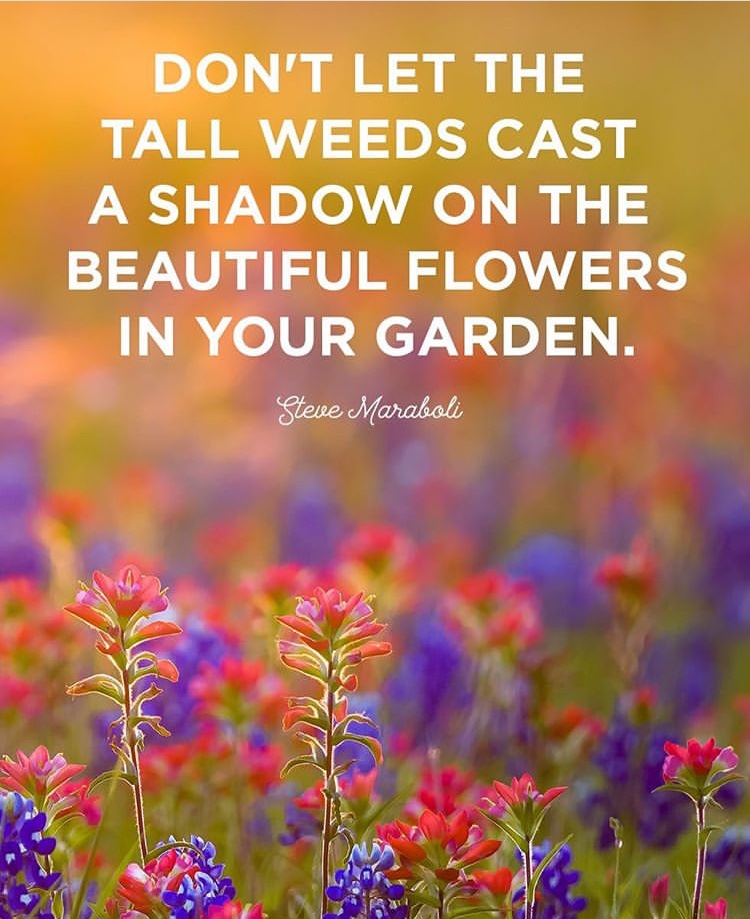


Unfortunately, there are weeds…in gardens and in life. Gardeners take time to pull weeds and take steps to prevent them and we need to do the same in life. The weeds in life are things that tempt us in all the wrong ways, lead us astray, have us believe lies as truths, and basically choke out what is healthy and right. Make sure you are pulling the weeds in your life.


In the end, gardens are not made up of just one plant, but of many. Our gardens of life also need many watering us with love and support. I don’t know about you, but those Fruits of the Spirit are things I want growing in my garden and I plan to keep watering them and sowing them in rich soil.



Lastly, not to worry sports fans: hubby’s yard work is completed and he is firmly planted (again, no pun intended!) in his big chair watching the big boys battle it out for this year’s PGA Championship. Those fairways and greens are looking pretty plush. They must have been planted in rich soil and have loving gardeners watering them and tending to them.


On that note, here’s a little Garden of Daily Living:


  • Plant three rows of peas: peace of mind, peace of heart, and peace of soul.
  • Plant four rows of lettuce: lettuce be faithful, lettuce be kind, lettuce be patient, and lettuce love one another.
  • Plant five rows of squash: squash gossip, squash indifference, squash grumbling, squash envy, and squash selfishness.
  • Plant six rows of thyme: time for family, time for friends, time for quiet, time for exercise, thyme for giving, and time for prayer.
  • No garden is without turnips so turnip for work, turnip for school, turnip for church, turnip for service, and turnip for each other.
  • Water gardens freely with patience and cultivate them with love. Remember: you reap what you sow.
 

Cinco de Mayo: Why We Celebrate Today May 5, 2024

Filed under: Uncategorized — carlawordsmithblog @ 4:31 pm

Happy Cinco de Mayo! Today is a traditional day of celebration but do you even know why?


Cinco de Mayo, or May 5th, celebrates the date when the Mexican army declared victory over France in 1862 at the Battle of Puebla during the Franco-Mexican War. It is not Mexican Independence Day, which is September 15, or Dies y Seis de Septiembre, which was declared more than 50 years before the Battle of Puebla. Surprisingly, while Cinco de Mayo is popular in the U.S., it a relatively minor holiday in Mexico.


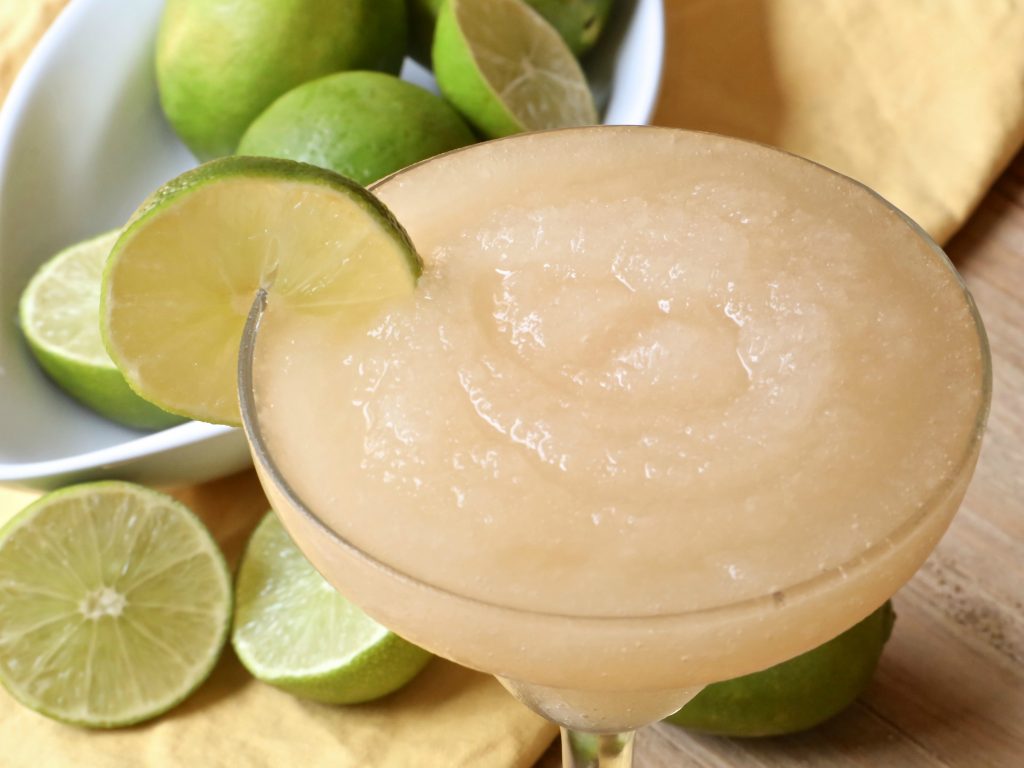
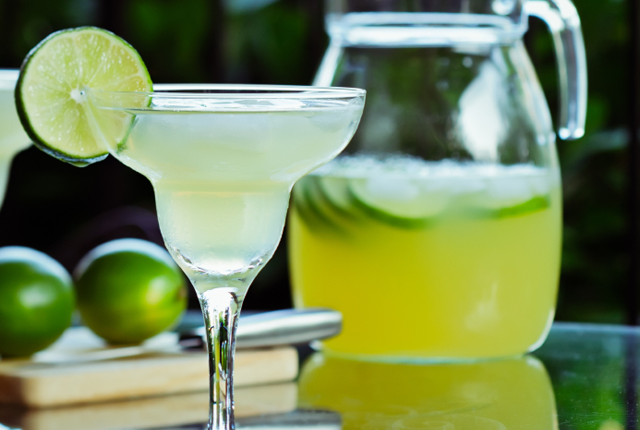
One way many of us celebrate Cinco de Mayo is by enjoying a margarita, but how did the popular drink become so entwined with the holiday?


Many believe it’s nothing traditional but rather thanks to the invention of the frozen margarita machine, created by Mexican-American restaurateur Mariono Martinez in the early 1970’s. The machine not only made a yummy frozen version of the cocktail, but one that was easy to serve to the masses.


The margarita itself, however, does have historic origins albeit often debated ones. Living in Texas, I’m of the belief it originated in the legendary Cadillac Bar in Nuevo Laredo, Mexico, just over the border of Laredo, Texas and a place I’ve enjoyed a marg or two. The bar is known for its “Cadillac Margarita” and it’s a story I’m sticking to. There are many others though.


Most origins involve places in Mexico between the 1930s and 1940s and typically involve a bartender and a women named Margarita. One of the most popular ones involves an American socialite named Margarita Sames who claimed her friend Tommy Hilton invented a cocktail named after her and put it on his hotel menus. Paris must be proud.


Another rumor dates back to 1941 when bartender Don Carlos Orozco from Ensenada, Mexico offered his concoction to Margarita Henkel, the daughter of a German Ambassador. Mozart must be proud.


Last but not least is the story of Danny Negrete, who created a drink as a wedding gift for his sister-in-law named Margarita. Negrete has another connection to a woman named Margarita, none other than Rita Hayworth whose real name was Margarita Cansino and who performed at the Caliente Race Track, where Negrete worked.


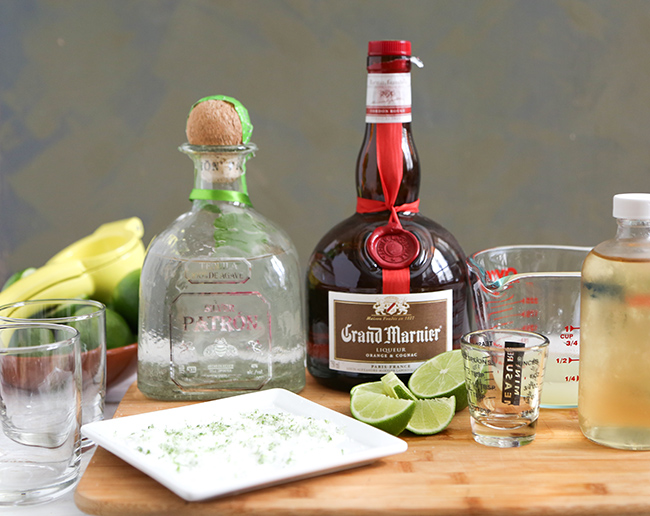
Traditionally made with tequila, lime juice, and triple sec, but everyone has their favorite version. Mine is an old college friend’s recipe of a can of frozen lime juice, that empty can full of tequila, and then that empty can full of a beer. Surprisingly, the margarita is actually a descendant of the daiquiri, which dates back to the Royal Navy’s rum stations. Whatever its origins, by the early 20th century, the margarita had arrived and is today one of the most popular cocktails around the world, ranking No. 7 on Drinks International’s list of the world’s 50 best-selling cocktails.


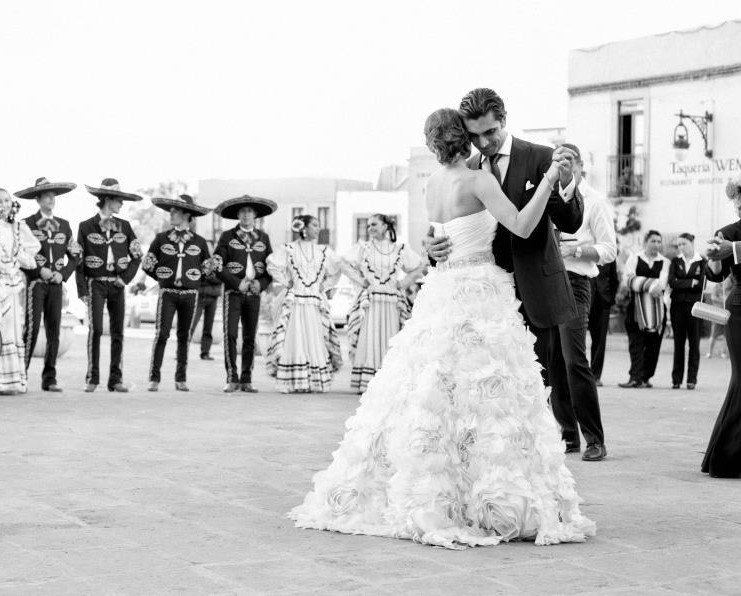
Something else I love as much as margaritas and is associated with Cinco de Mayo are mariachi bands. What is more festive than a marg in hand and a mariachi band? Mariachi is actually the group of musicians not the style of music and a mariachi band is generally composted of at least two violins, two trumpets, a Spanish guitar, and two other types of guitars usually a vihuela and guitarron. In the 1950s trumpets and a harp were added and all of this combined is what today’s mariachi bands look like. And even though when you think of a mariachi band you think of a group of males, I love that females are often part of one and that there are even all female mariachi bands. What they wear is as infamous as the sound of their music.


Called “charro” suits, the distinctive ornate horseman suits are often attributed to General Portofino Diaz who ordered the poor peasant musicians to don the outfits in order to look good for a visit by the U.S. Secretary of State. This visit took place in 1907 and the garments have remained ever since.


Some historians believe the name “mariachi” is derived from the French word mariage, meaning “wedding,” and it is fitting as mariachi groups still form an essential part of weddings in Mexico and elsewhere. Not having a mariachi band at our wedding either walking out of the church or entering our reception is the only regret I have of that special day. What was I thinking?!


Mariachi bands are known for their distinct style of music, but they play many different types although most are closely related to what is called ranchera music, songs that were literally sung on Mexican ranches. The music centered around traditional themes of love, patriotism, and nature and they rhythm of the music can be similar to that of a waltz, polka, or bolero. Ole!


Lastly there is the beloved pinata, another Cinco de Mayo staple. You will find them in all shapes and colors and they are also popular at birthday parties and Christmas in Mexico. The origin of these festive party favors is very interesting and has a spiritual meaning


Spanish priests used pinatas as a method of faith conversion and Aztecs celebrated the birth of the Aztec god of war. Missionaries gave the pinata increased religious meaning and the original pinata has the shape of a star with seven points. These seven points symbolized one of the biblical Seven Deadly Sins of wrath, envy, gluttony, greed, lust, pride, and sloth. The stick, which is used to break the pinata, symbolizes a method to destroy those seven sins. A pinata’s bright colors represent temptation while the blindfold used on whoever is trying to break open the pinata stands for faith. Lastly, the candy and prizes inside represent forgiveness and new beginnings. Who knew, right?!


So there you have it; everything you wanted to know about today’s celebrations. So as you toast your margarita, dance to mariachi music, and maybe bash a pinata, know that everything you do has meaning behind it. That’s life though, right?


Bloom Where You’re Planted…or Vased May 1, 2024

Filed under: Uncategorized — carlawordsmithblog @ 9:11 pm

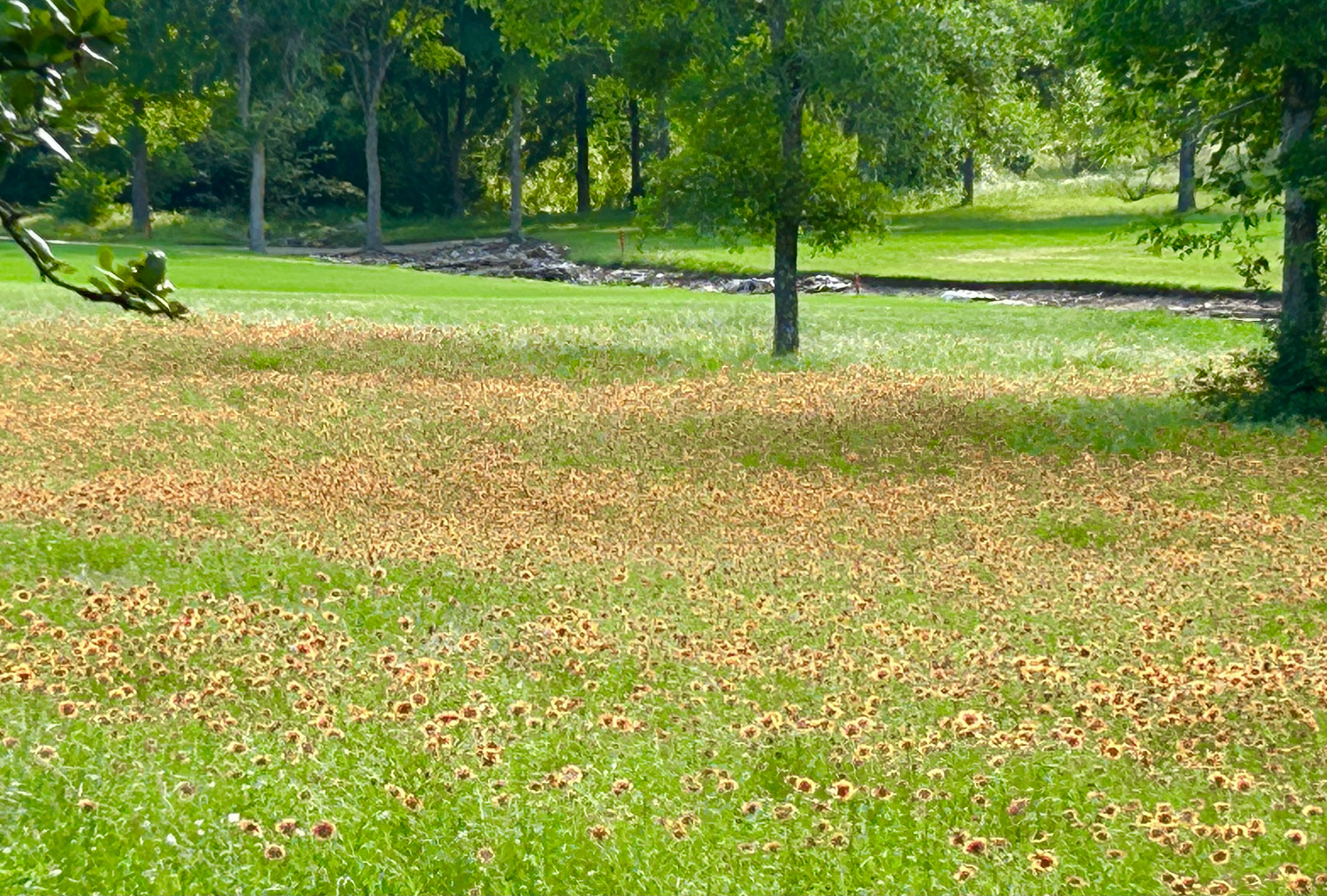
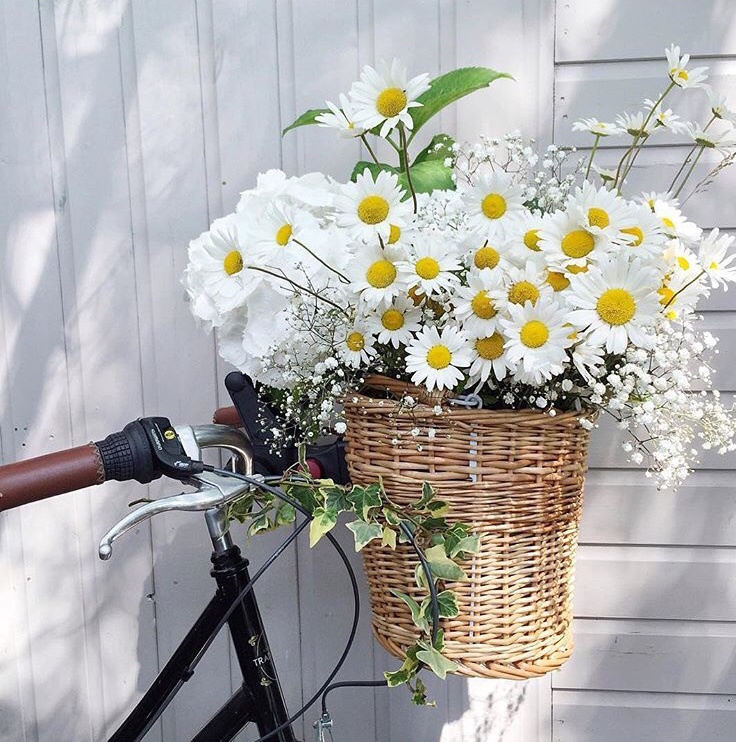
Happy May everyone! Can you believe how fast this year is going by and that we are well on our way to summer? Crazy! But summer means many good things, one of which is flowers! I love flowers. I am by no means a green thumb but I do love flowers, especially my two favorites: daisies and Easter Lilies. Daisies are so simple and cheerful and Easter Lilies represent so much and smell so good. I also love Texas wildflowers and boy are we having a season this year! The photo above is from our backyard as I write this.


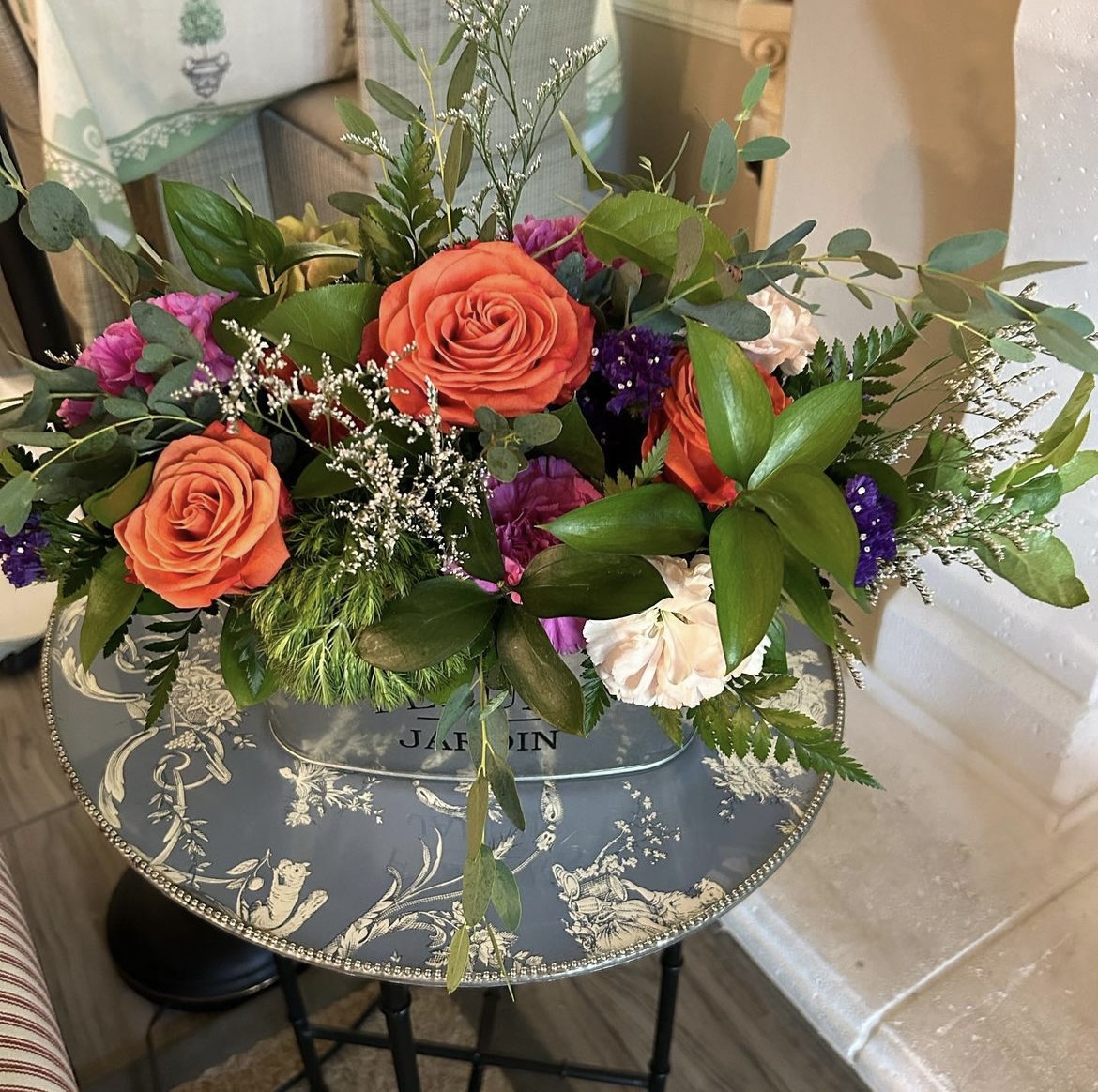
The photo above is an arrangement I made during a recent flower arranging class courtesy Bunches of Charm Floral Design. I went in knowing zero about the topic but I’m good at following directions and I love a pretty vase of flowers so this class was right up my alley.


And, although it’s past Easter (but still Easter Season in church) and my Easter Lily from this year is now lovingly planted in a flower bed, I also recently watched a Hallmark movie (yes, I love them) called “An Easter Bloom” about a gardener who sets out to save her family farm by entering a floral competition for Easter. Spoiler alert: yes, she saves the farm, wins the contest, and falls in love!  During the movie, a seasoned florist at one point tells her the four principles of floral design: harmony, contrast, purpose, and balance. It all made sense to me and piqued my interest. I wasn’t sure if this was accurate or just “Hallmarky” so I delved deeper.


Present Season

Enter Wendy Mouton of Petal Republic who is quite versed in the area and says understanding the principles of floral design is the first step to creating beautiful arrangements. As with most rules, these guidelines are somewhat made to be broken depending on the arrangement’s purpose and supplies available, but you can’t follow or break rules without knowing them, right?


Petal Republic

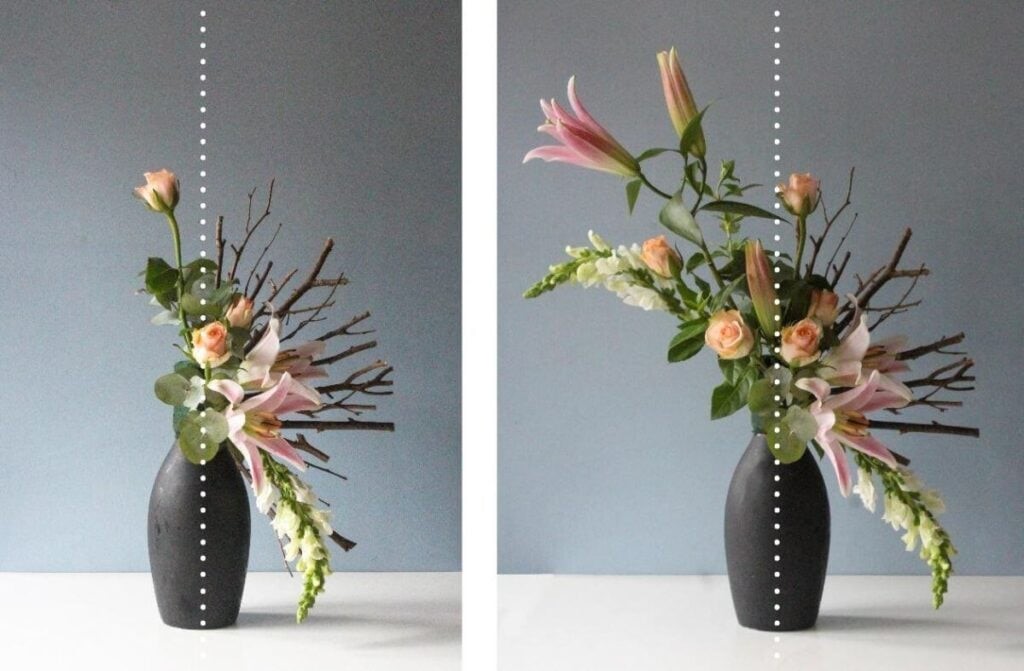
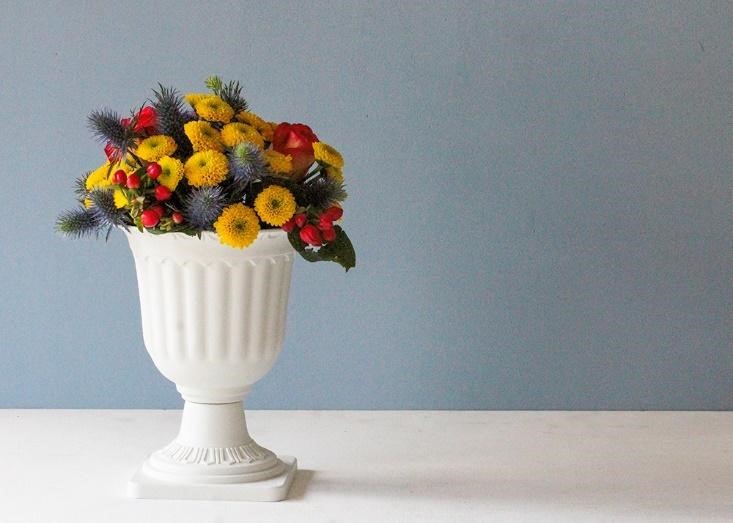
First for Mouton is Balance. An arrangement that’s top or bottom heavy or flat-out lopsided has balance issues, and I’m not talking because they were over-served. The key to achieving balance here is to use the horizontal and vertical lines of it as a guide. It’s easy, simply hold up a pencil in front of an arrangement in the center and determine if both sides are even and does each side attract equal attention? Keep in mind that larger flowers and shapes attract the eye more than smaller ones and warm or brighter colors attract the eye more than cool or dull colors. (More about colors below.)


Petal Republic

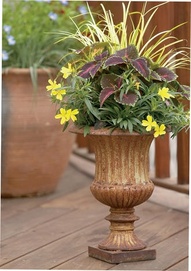
Next up: Focal Point. This is a piece in the arrangement that draws the eye and anchors the design. This could be a large flower, which should always be placed just above the edge of the container leaving the outside for more delicate and wispy materials, or even a balloon or stuffed animal.


Petal Republic

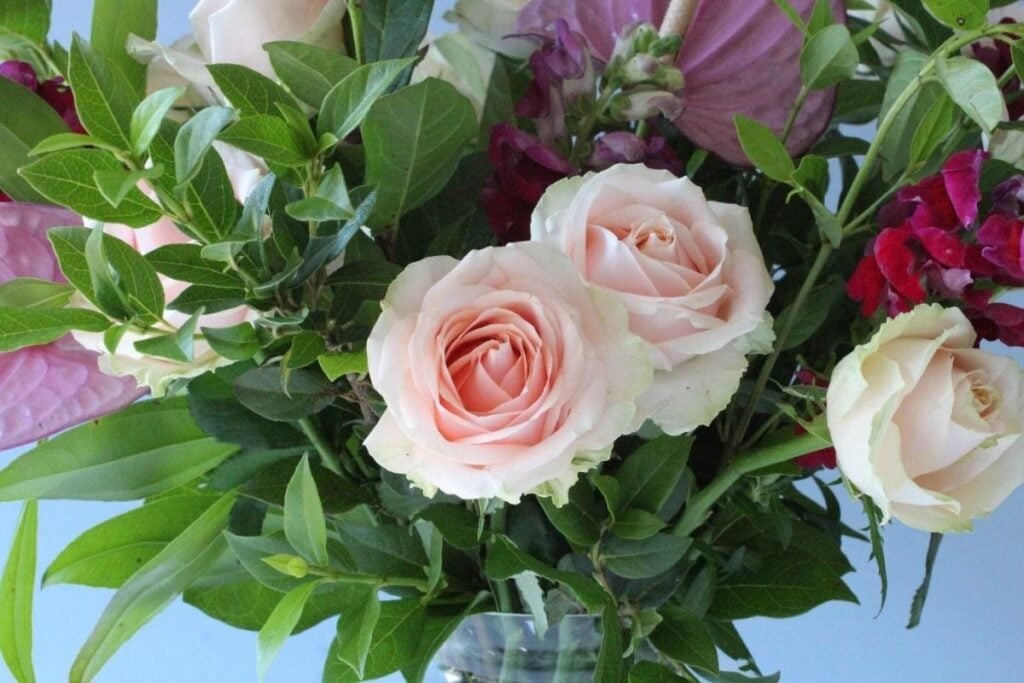
Accent and Emphasis are closely related to Focal Point and are generally the main cast members of a floral arrangement. These should be large flowers but not too many, shapes that create interest points, bright colors, and shiny textures.


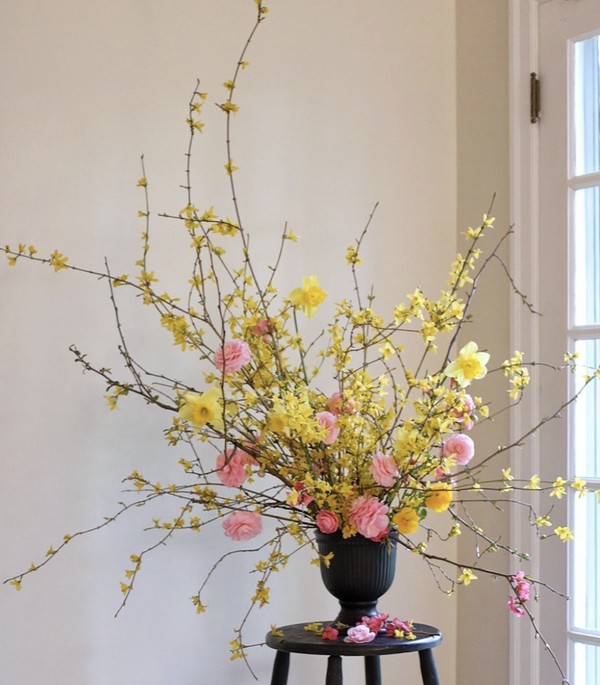
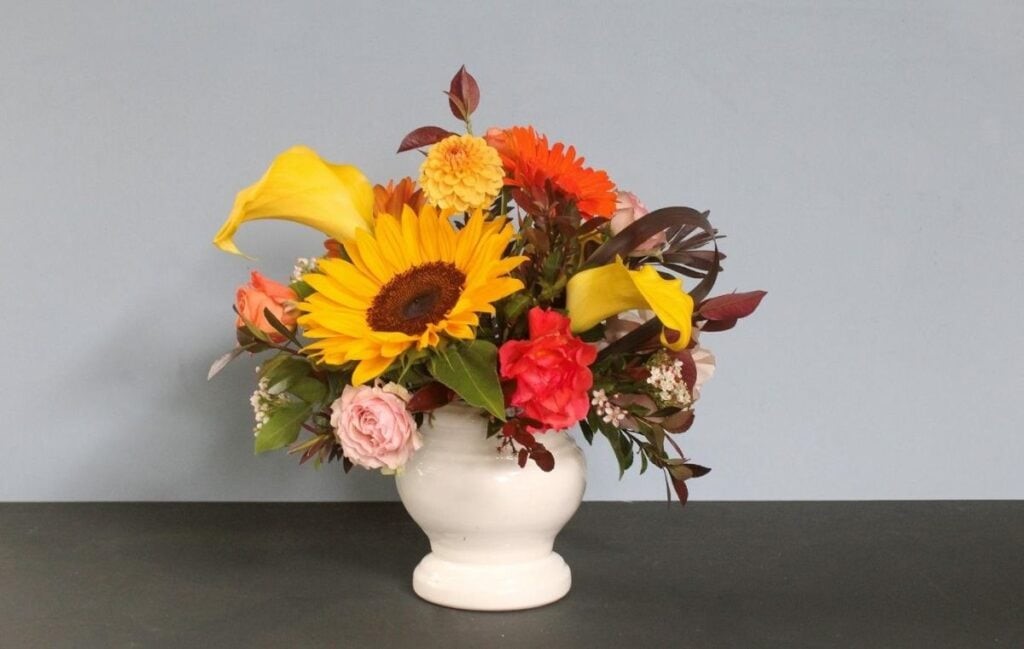
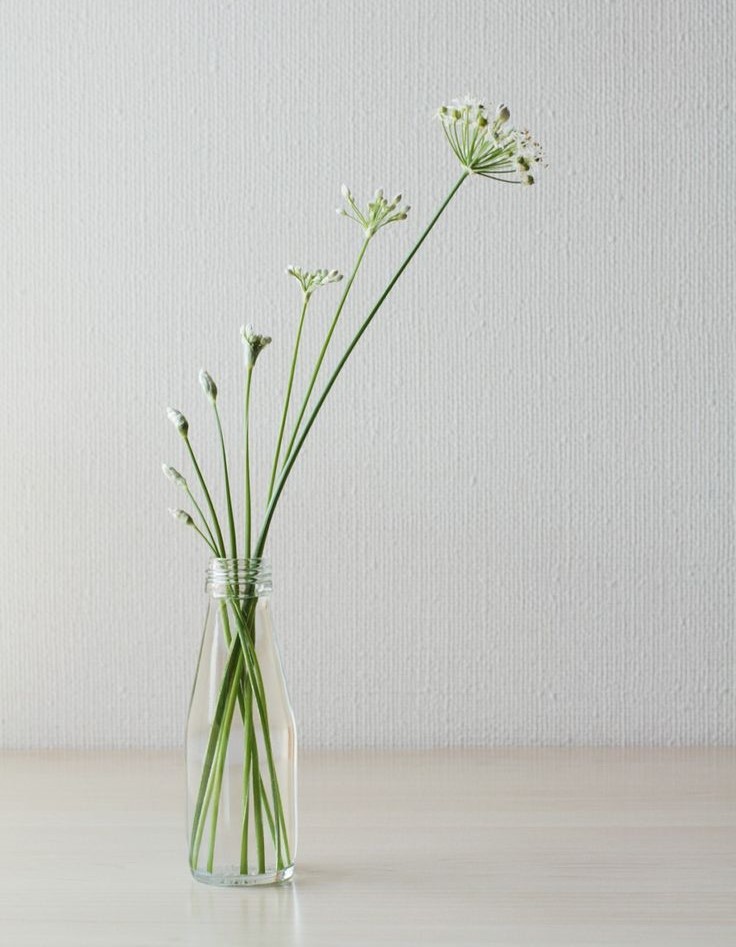
Like a good musical piece, a good floral arrangement needs Rhythm and repetition offers just the right beat. Examples could be long and tall plants or flowers in a long and tall vase or a variation of the same color scattered throughout the design. Also, always use more than one of any type of plant or material and arrange them by thinking of a tree’s natural design: the trunk is broad and the branches generally get smaller as you move up the tree. In a flower arrangement, this type of transition works well by starting with the bigger and more compact middle and moving outward to smaller twigs and leafy materials to create rhythm and flow. Curves, of course, also create rhythm and curved plants are also playful and whimsical. When it comes to transition, color can also create rhythm by using a bridging color between two other colors such as using an orange flower between a yellow and red one.


Petal Republic

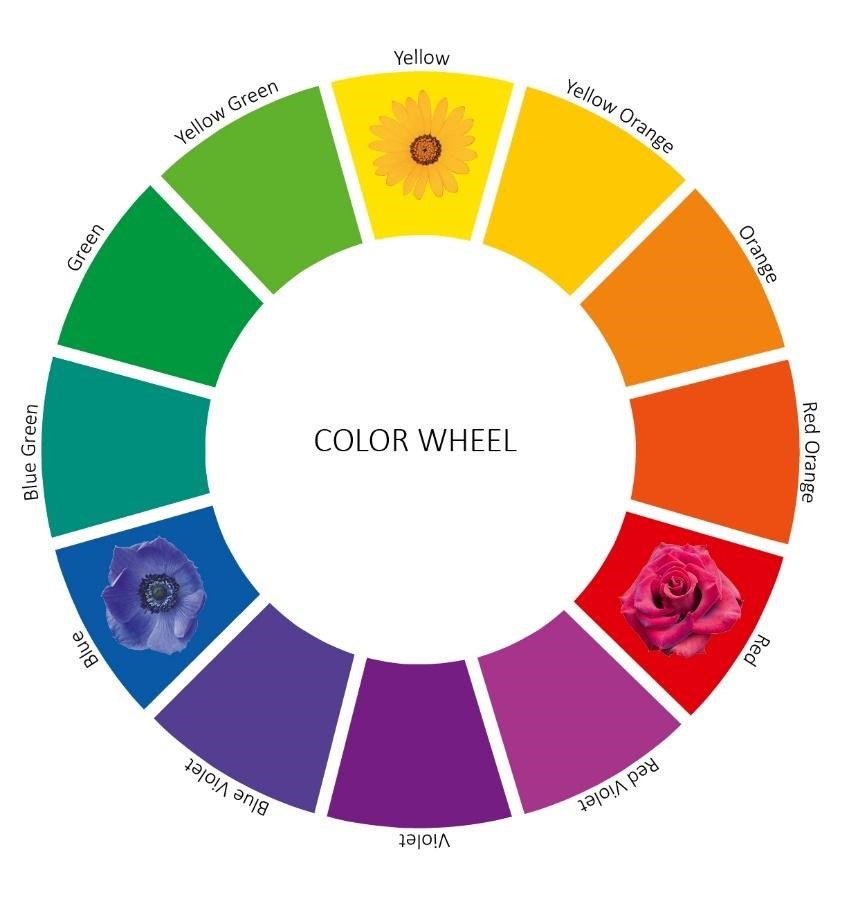
Here’s where we bring in color as we talk about Contrast. One of the easiest ways to add contrast is with color and by making use of the color wheel. In case you’ve forgotten your elementary school color wheel, here’s a reminder:


In general, colors across the color wheel add instant contrast with the cornerstone Primary Colors of red, yellow, and blue adding the brightest and most vibrant punch that all work well together for a high-contrast grouping. The Secondary Colors of green, orange, and violet (or purple) are opposite the Primary Colors and mix well with their bigger and brighter brothers.


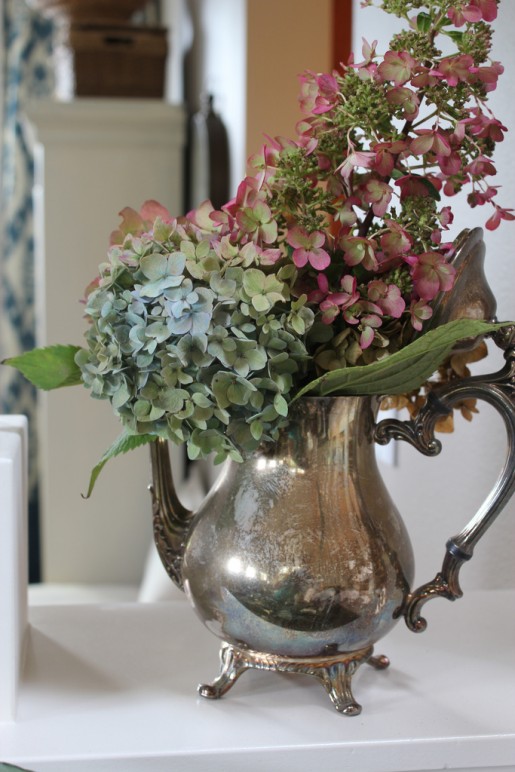
Lastly and perfectly, there’s Harmony. It just sounds pretty, right? Things that create harmony include repetition, texture, and using shapes, whether your arrangement is for in the kitchen or out on the porch. For example, match the color of the vase to the colors in the flowers and just for fun, sing while you’re doing it!


The Inspired Room

Okay, so maybe there’s more to floral design then depicted in the Hallmark movie, but isn’t that the norm? Things don’t always end up happily every after but if you follow even most of these guidelines, I’m confident you’ll be pretty happy with your creation. Even after it’s long gone.