
I blogged recently that one of my biggest regrets is not visiting my niece when she lived in Japan or joining her and her Japanese-born husband on any of their many trips back to his homeland. Kamoshiremasen itsuka? (I Googled that one and am hoping it means “maybe someday?” in Japanese. I could be way off but it’s worth a shot.)
As luck would have it, today is my nephew-in-law’s birthday so what better day to celebrate something Japanese: the fortune cookie. Say what Carla? Aren’t you getting your Japanese and Chinese mixed up? Fortune cookies are Chinese traditions, right? Yes, and no.
Getty Images
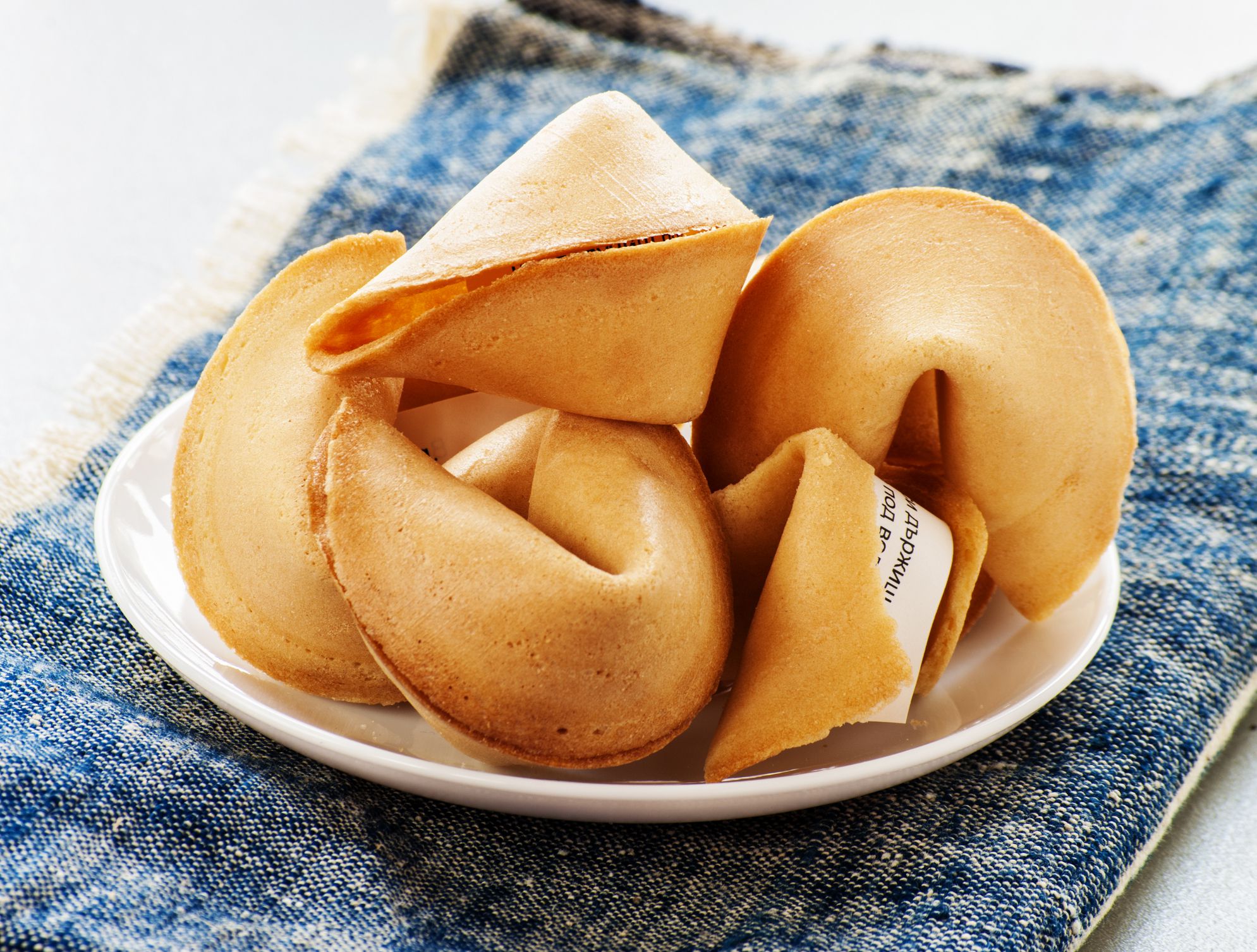
In the U.S., those yummy vanilla-flavored, butterfly-shaped treats concealing pithy predictions, corny puns, and sage advice that Chinese restaurants give out with the tab are indeed a Chinese-American meal tradition, but their Western origins actually trace back to Japan. How in the literal world did fortune cookies migrate from Japanese bakeries to Chinese restaurants in America? That’s a lot of country hopping for one little confectionary, but stay with me.
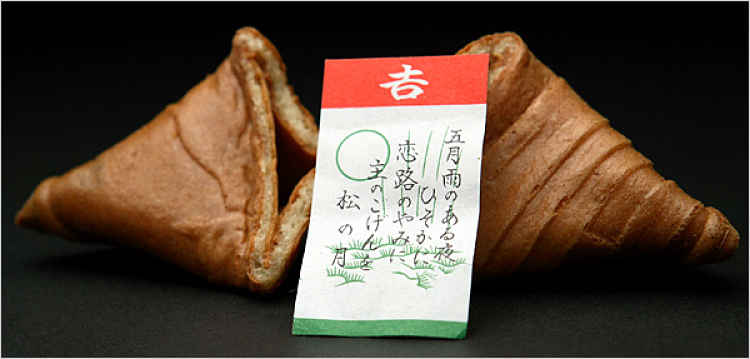
What we Americans know as a fortune cookie is something almost identical to a Japanese tsujiura senbei, or “fortune cracker.” These nutty sesame and miso tea cakes date back to the early 19th century and also hide a wise saying or prophecy tucked inside. They are traditionally served with tea and made their way across the pond in the late 1880s and early 1900s. That’s when a surge of Japanese immigrants arrived on the American west coast but discovered opening a Japanese restaurant was risky because Americans didn’t want to eat raw fish. (Oh, how times have changed!) So, as ingenious as they were, they opted to open Chinese restaurants and served everything from chop suey to chow mein to egg foo young. In keeping with their Japanese traditions, they also served tsujiura senbei.
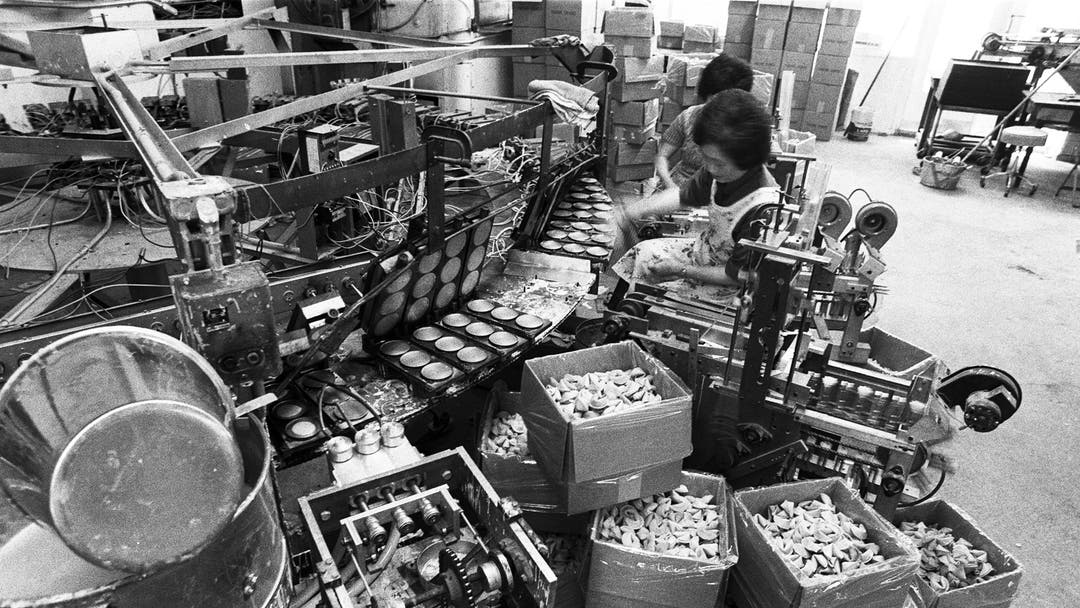
Much credit is given to the Japanese Tea Garden in San Francisco as the first known U.S. restaurant to serve fortune cookies. The restaurant got their cookies from a local baker called Benkyodo, which claims to have pioneered the treat’s trademark vanilla and butter flavoring as well as inventing a machine to mass-produce them sometime around 1911.
Clem Albers San Francisco Chronicle
Things changed however in 1941 after the Japanese-American Internment following the attack on Pearl Harbor, which resulted in Chinese manufacturers taking over the production of them as the Japanese couldn’t and weren’t allowed to.
Melanie Rieders NBC News
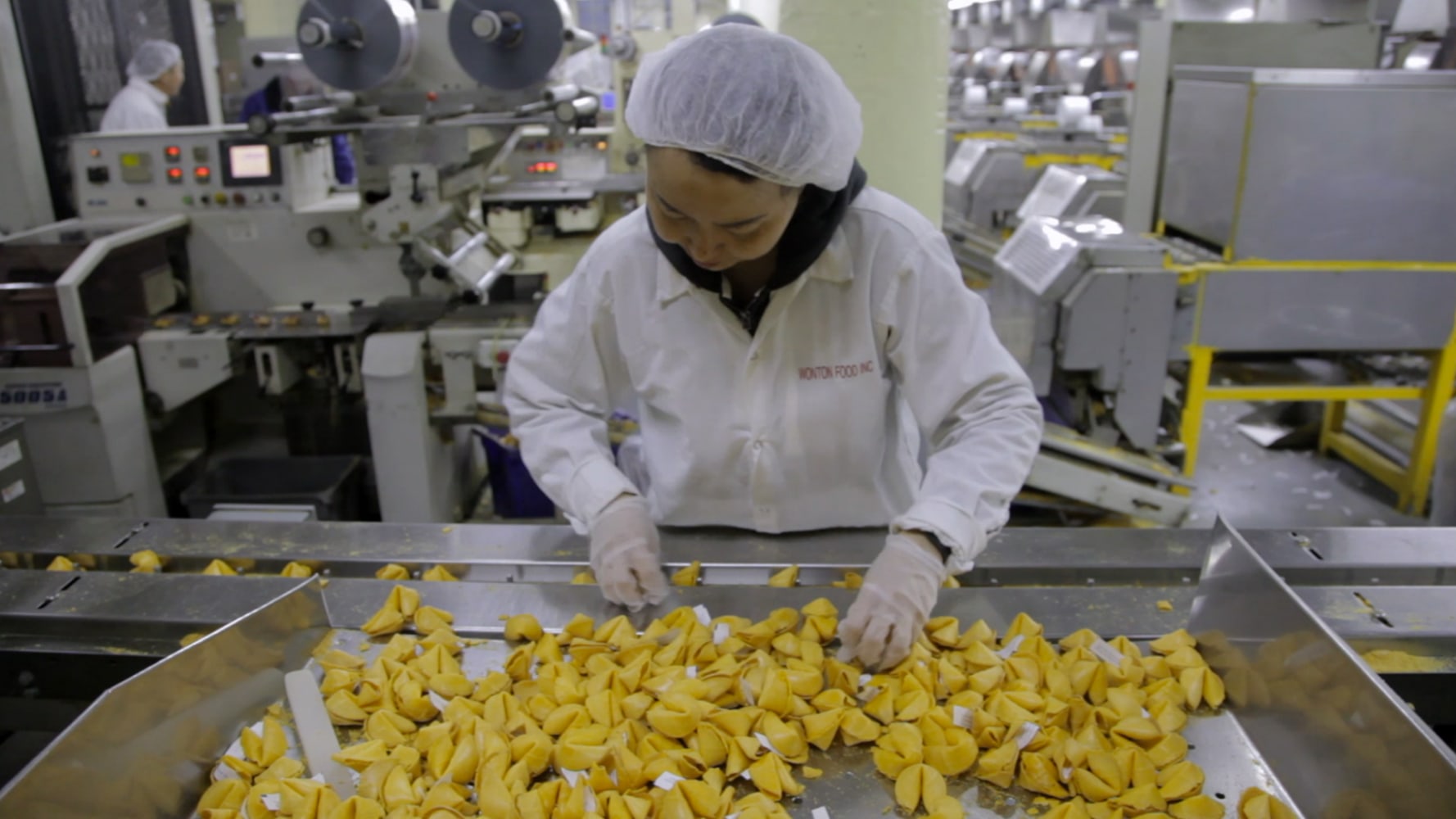
After WWII, returning American military personal who passed through San Francisco starting requesting the little cookies at their local Chinese restaurants and the cookie’s popularity spread across the country. In the 1950s, more than 200 million cookies were manufactured annually and Wonton Food in New York became the nation’s largest producer of fortunes cookies. Today the company makes more than 4 million of them daily and 3 billion annually.
Think about, that’s 3 billion fortunes tucked inside those fortune cookies. Where do these words of wisdom come from? As a writer, this is of great interest to me.
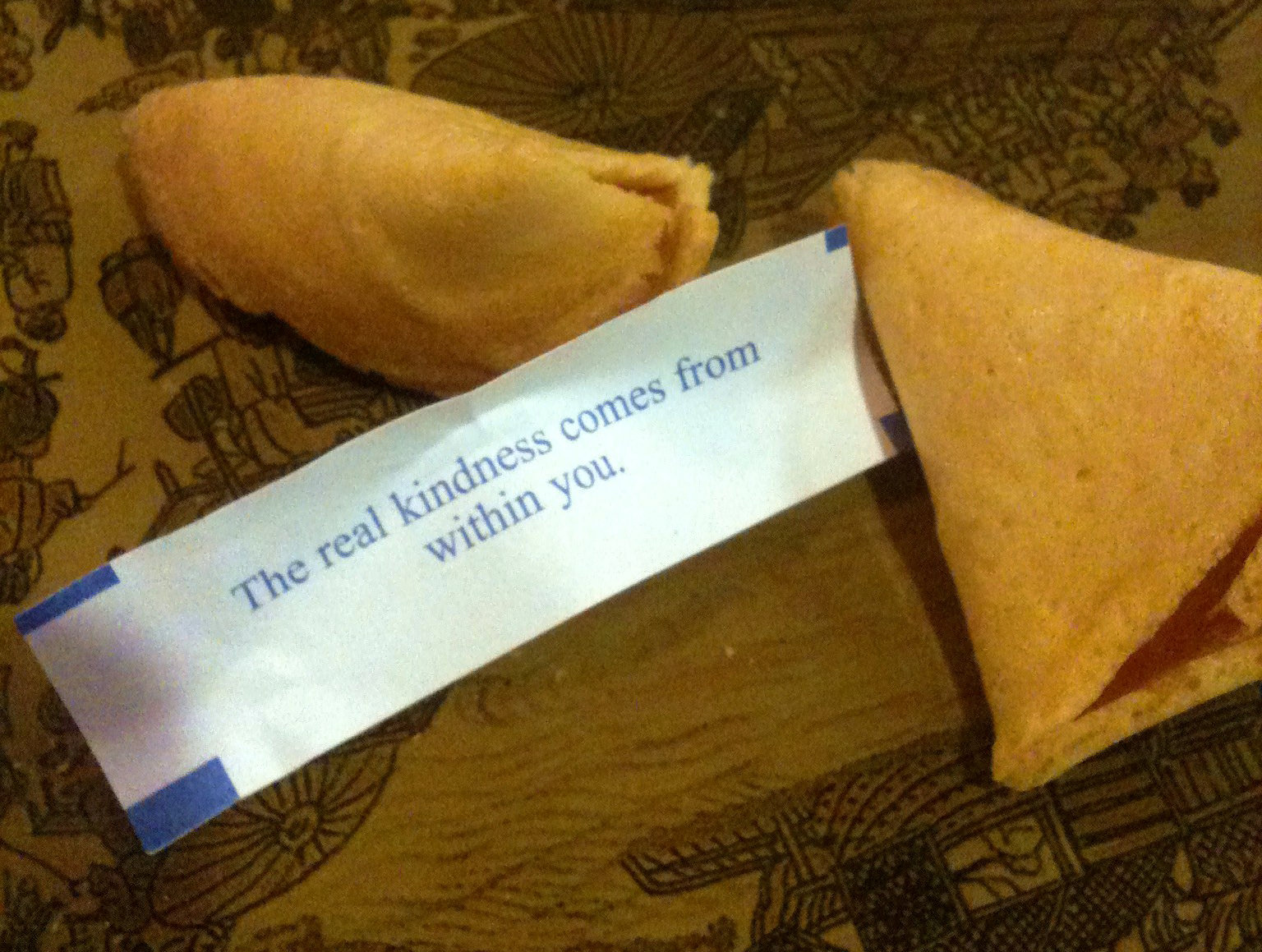 All those fortunes come from somewhere and believe it or not, are written by one person. All of them. (Sounds like a dream job to me; right up there with picking names for OPI nail polishes!) For 30 years Wonton Food Inc.’s CFO Donald Lau wrote what he estimates to be between 2,000-3,000 fortunes. In 2017, Lau passed the pen to James Wong, nephew of the company’s founder. That company is said to have a database of 10,000 messages, the majority of which are reused although 100 or so new ones are written each year. As Wong told the BBC, it’s more pressure than you’d think.
“It can be challenging to write universally pleasing and uplifting sentiments,” he said. “We need to bring happy messages. We want to make people feel good and there’s always an expectation of some type of fortune-telling.”
The many years of fortune messages have included advice, encouragement, life predictions, and a little comic relief. The inspiration for them comes from such diverse sources as Chinese proverbs and New York City subway signs. Freelance writers are also outsourced. Pick me, pick me!
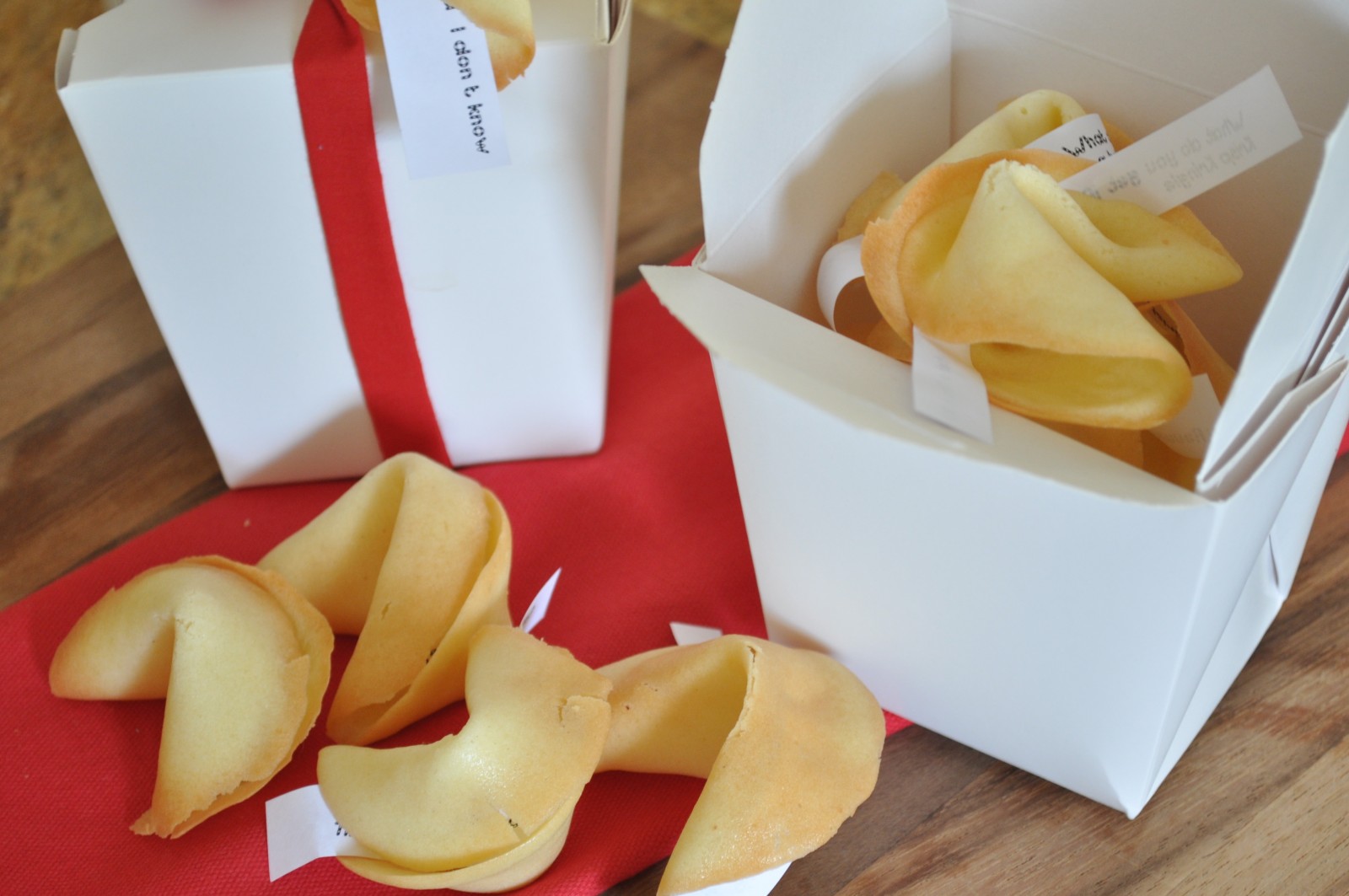 I actually love fortune cookies. I like their simple but appealing flavor and I love serving them at dinner parties. Who doesn’t love a fortune by way of a cookie? Hopes are that the treats will encourage meaningful discussions and laughs and I love that about them.
Custom fortune cookies are also popular at events like birthday parties, anniversaries, and weddings. They’ve even been known to be used for marriage proposals. How cute is that?! Finally, in 1968 Robert F. Kennedy used them with a “Vote Kennedy” message inside during his presidential campaign. Hmmm…I can think of a GREAT slogan for our current 2024 election!
Wherever you eat one and whatever its message is, here’s hoping for all good fortunes for you and Happy Birthday Takeshi. You’re one smart cookie too!
Discover more from Beyond Words
Subscribe to get the latest posts sent to your email.


 Beyond Words