
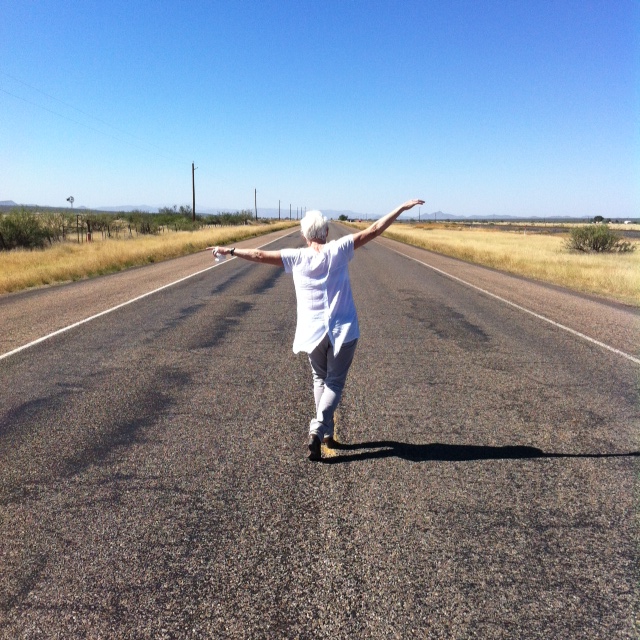
“Sometimes you find yourself in the middle of nowhere and sometimes in the middle of nowhere you find yourself.”
I’ve always loved that quote and have thought it in my head or out loud many times. I also love the above photo, taken in the middle of nowhere and highway on the way to Marfa, Texas.
 Our daughter and I have a running joke consisting of simply saying to each other, “Welcome to Tempe.” It all stems from when she lived in Scottsdale and we’d venture out somewhere telling ourselves we didn’t need to use a GPS to get somewhere nearby or somewhere we’d been a million times but nine times out of 10 we’d seen that sign, which meant we went the wrong way once again. Truth be told, we are both severely directionally challenged.
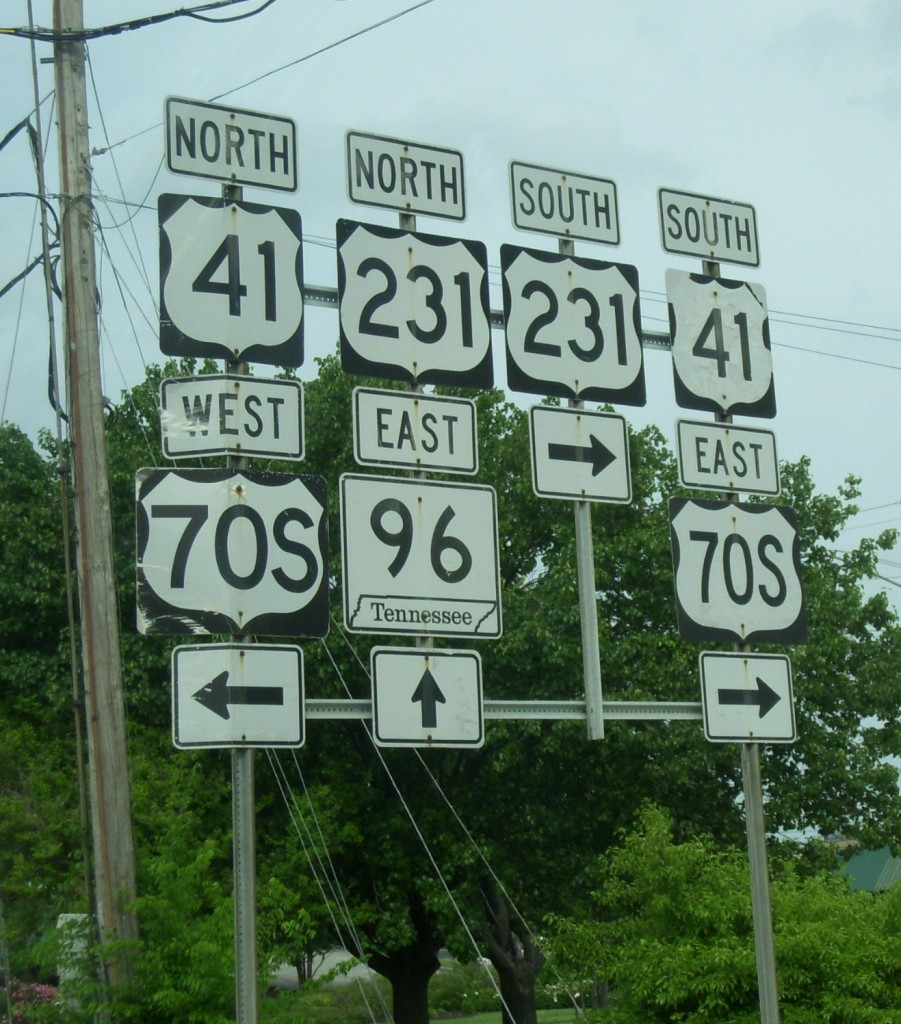 For me personally this all came to light recently as I was visiting my mom and sister in a city I’m not totally familiar with. I’d take my sister’s car to my mom’s assisted living center but every time I had to use my GPS, which I affectionately call “Poopsie.” Poopsie got me there and back safely the first time, but, for some reason, on my second trip home the signal on my phone wasn’t working and I panicked just a bit. I literally thought to myself I’m going to have to call my brother-in-law to come get me so I could follow him home. Thankfully I smartened up and realized their car had a built-in voice navigation system. Alleluia! I got home safe and sound.
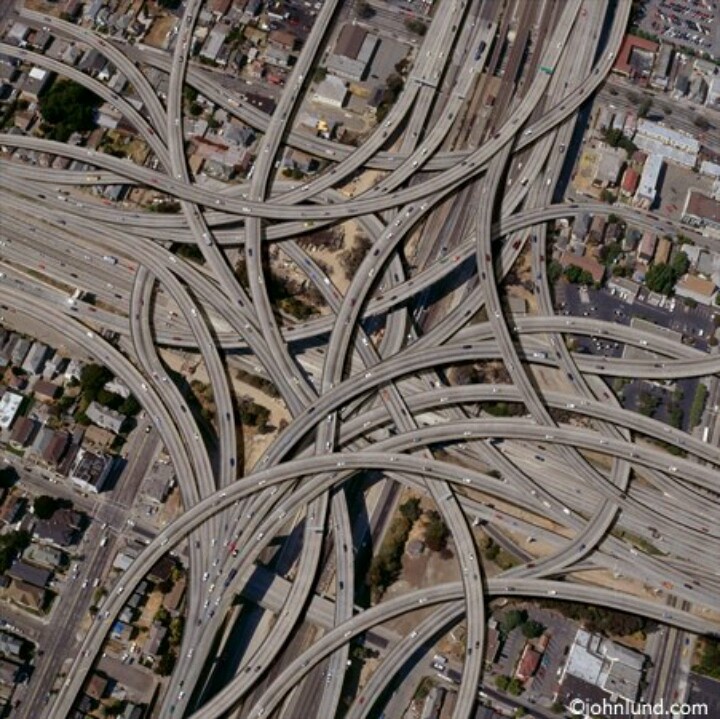 What’s sad is if I were my husband or the tens of thousands of other good navigators, I would have been able to get home simply by remembering how I got there. That doesn’t work for me and it certainly doesn’t work when Poopsie often takes me to places in different ways depending on traffic, road closures, and the likes. I can’t remember the route if that route changes!
I can say I always know my way around any city I’ve lived in, including shortcuts and back roads. I credit this to my days in TV news when we’d have to get somewhere every day all day and the photographers driving always figured out the easiest ways to do so. Which brings up another navigational issue: those who drive and those who ride.
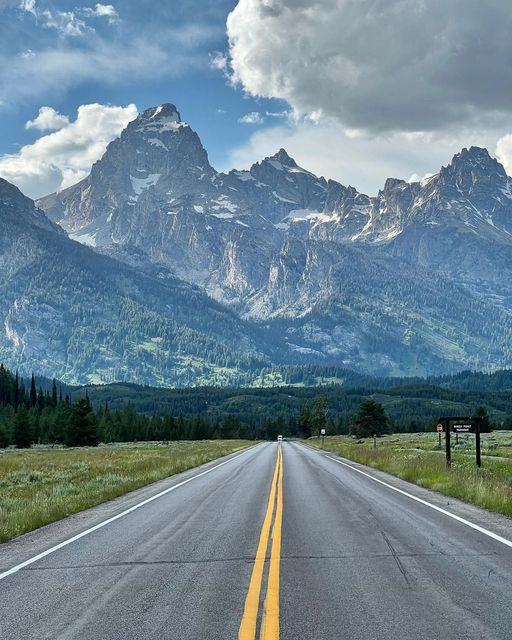 I definitely fall in the latter camp as I’m not someone who always wants to drive. I’d actually prefer to just ride and enjoy the view. This is especially the case with my husband who travelled for 40+ years and as I previously mentioned, has an amazing sense of direction. I have no problem sitting in the passenger seat and letting someone else take the wheel. Trouble is, I don’t pay attention to where we’re going or how we’re getting there.
Come to find out there’s somewhat of a science behind all of this. Navigational skills are highly studied and I find it all fascinating.
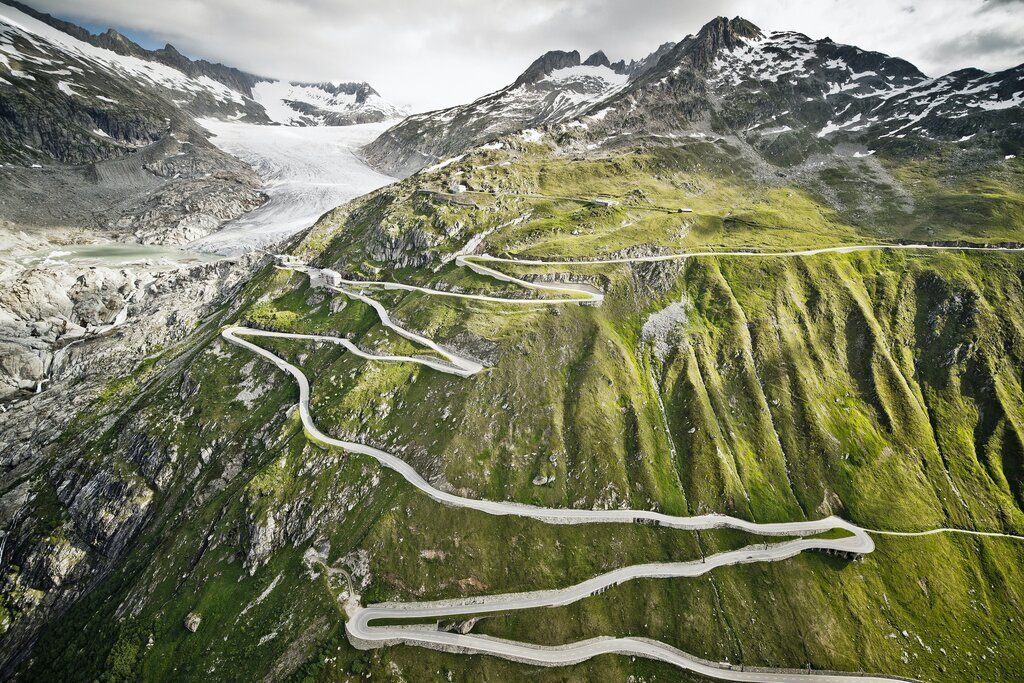
Furka Pass
Discovermagazine.com discovered the world is full of people like both my husband and me and those in there are “route followers” who are able to navigate by using landmarks and those who have “survey knowledge” and are able to build a sort of mental map of where they’re going. I’ll never forget the two of us driving around Switzerland and opting to drive up Furka Pass. IFKYK and we didn’t know! It was treacherous yet memorable drive and my husband navigated it like a pro while I was covering my eyes half of the time and holding a physical map to cover my window. He also did amazing driving in Scotland on the “wrong” side of the road.
 Of the two, route following is considered easier and most people do pretty well at it once they’ve taken a route a few times. If I’m either, I’m definitely more of a landmark girl. Even though I’m of the age of someone who actually used printed maps in my younger years, I much prefer you tell me “Turn right at the 7-11 and then left at the park” rather then “go north until the 7-11 and then go east.”
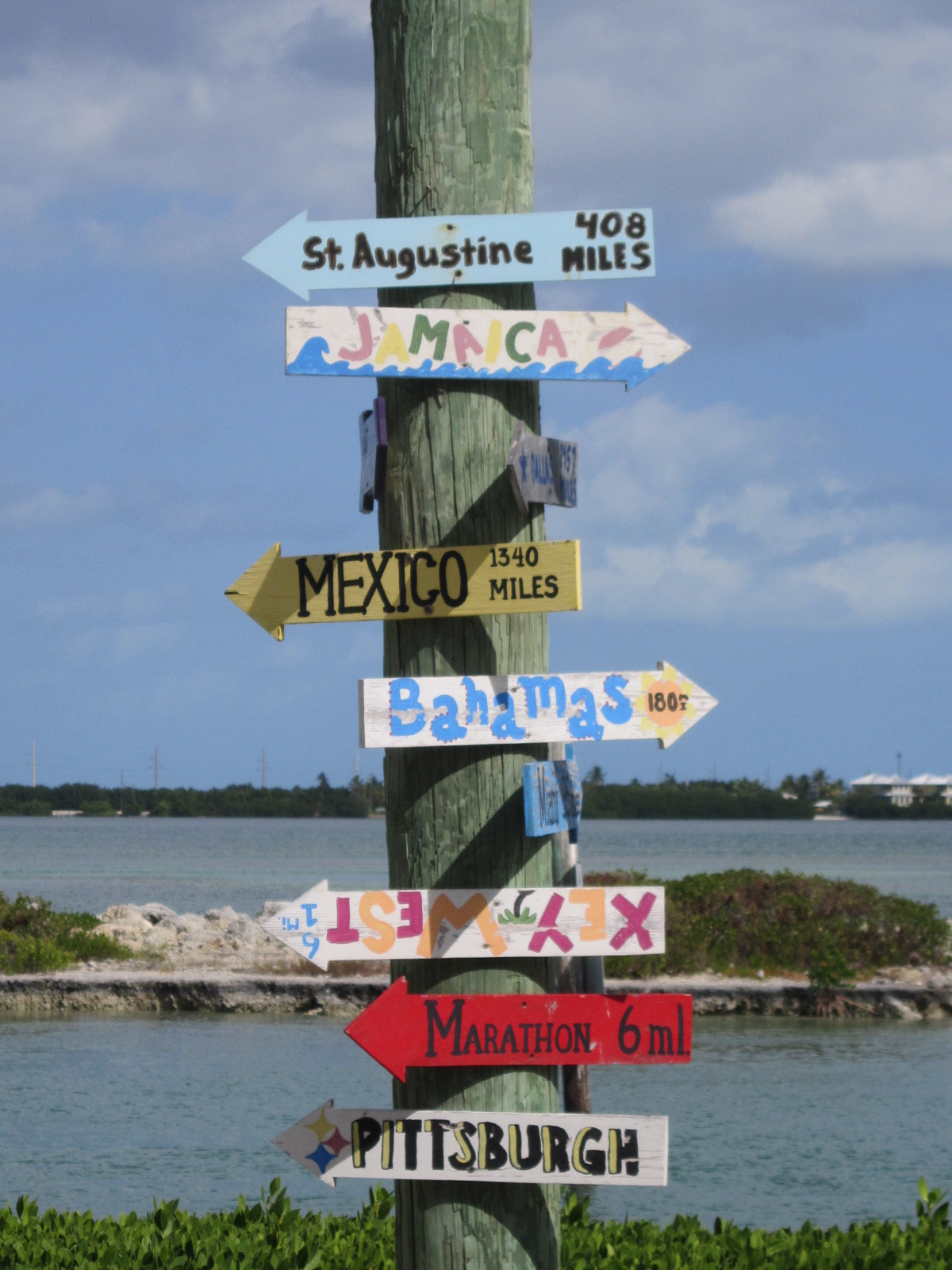 How, though, does navigational ability develop and why do some people have it and some don’t. These have proved difficult for scientists to explain but research does suggest that to some extent, a good sense of direction is somewhat shaped by upbringing. And, if you ask many, it is also shaped by gender.
The classic gender stereotype is that men are good with directions but that women easily get lost. Sad to say in our marriage, this is definitely the case. Studies do show that navigational skills do have slight gender differences and that men tend to navigate by maps in their heads while ladies do so by routes and landmarks. Again, hubby and I are raising our hands on this one too. I’m happy to report, this all goes way back. And I mean waaaaay back.
 Some swear by the evolutionary explanation of all this in that in hunter-gatherer days, the men hunted and the women gathered. Psycologytoday.com explains this further in that men as hunters chased game across open spaces so they needed a good sense of the lay of the landmarks, resulting in their brains evolving to navigate by mental maps. But women as gatherers collected fruits and veggies. Since plants remain n the same location, female brains evolved to navigate by routes and landmarks.
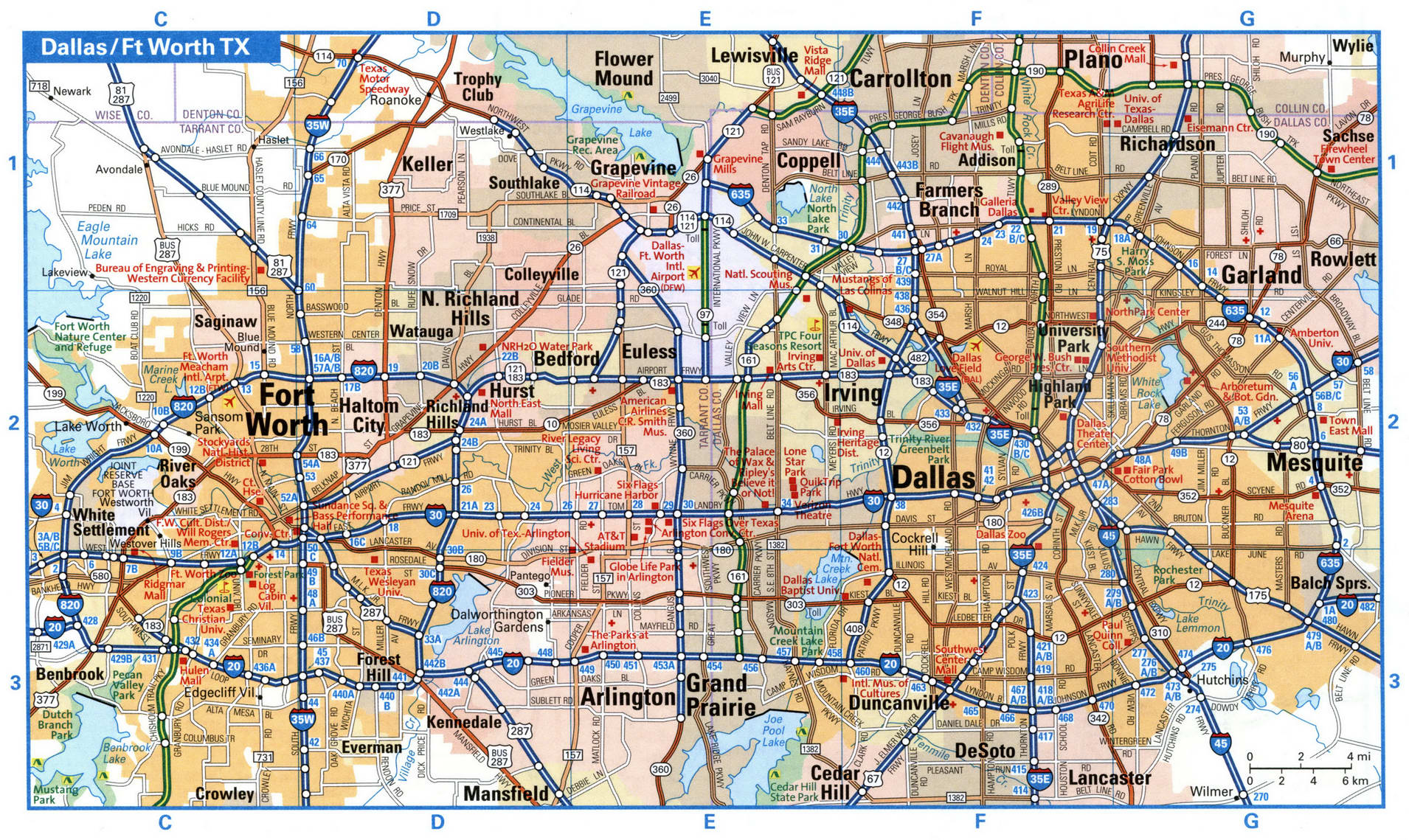 This all makes total sense, right and it may be accurate, but there are plenty of men who are bad at directions and plenty of women you are good at it. Mental mappers boast hallmarks of good navigators as they can estimate how far they’ve traveled, read and remember maps, and learn routes easily. A University of Florida study also found that better navigators are also good at using alternate strategies so that when they find themselves in a new situation, they’re better able to find their way out and around.
Two psychologists, Nora Newcombe and Steven Weisberg also discovered individual navigational skills can depend on actual personality traits. They first looked at motivation and found that those who performed poorly did so because they weren’t motivated to learn the layout. I get that. But, most of us do have a strong incentive and desire not to get lost.
 Next, they considered anxiety and found that some are bad at directions because they get nervous and feel apprehensive when they need to get themselves somewhere they’ve never been. I get that too.
Newcombe and Weisberg then examined cognitive abilities and then personality factors including openness, extraversion, and conscientiousness…all of which contribute to a good sense of direction. Having a high level of curiosity and new experiences, an outgoing nature and high level of energy, and a diligence and determination to get things done are often the makings of a good navigator. As for me, I’m just the third one. And that’s okay.
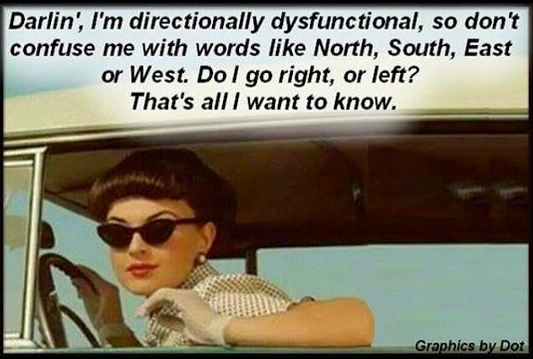 The research team concluded that those who are good at navigating shouldn’t assume everyone is and if they’re not, they’re flawed and those who get easily lost need to remember there’s nothing wrong with them and they are definitely not alone in this.
What about using and relying on GPS? Yes, it’s a good thing cuz it finds the way for you but studies show the more you use it, the worse your skills to navigate get.
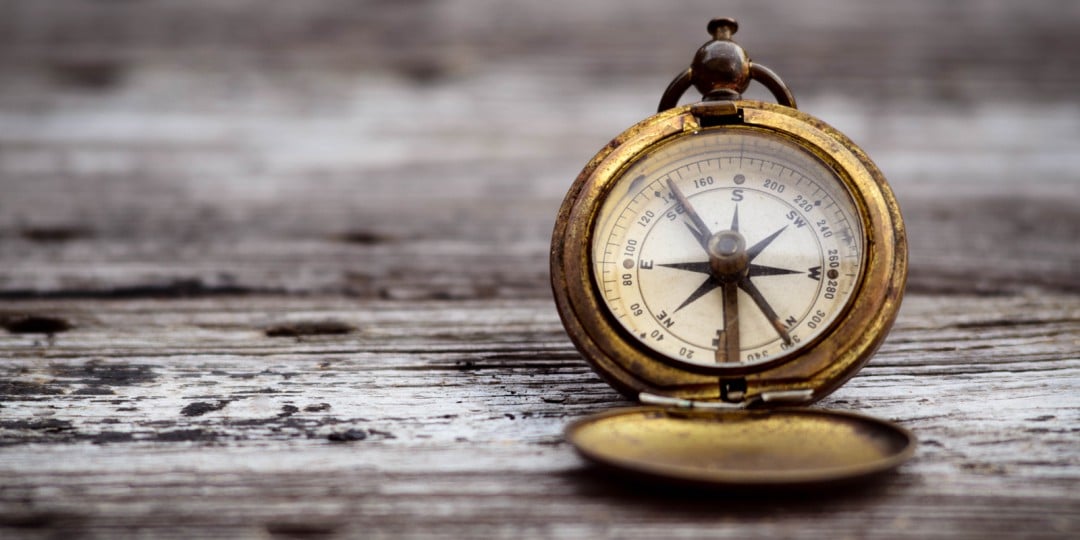
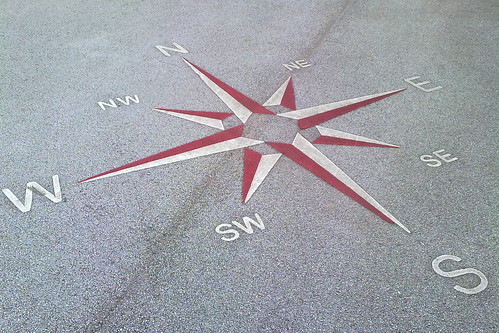 So, what’s a navigation failure like myself to do? One suggestion is to pay attention to compass direction and I will say I do have my version of a mental directional map in that I picture the eastside mountains in my hometown or the westside lake in my current home as well as where the sun sets and rises. From there I can picture if I’m going north or south somewhere. I also try to remember that on the interstate, east/west highways are generally even numbers and north/south ones are odd numbers and the placement of the exit numbers above them indicate the exit will either be on the left or the right. It doesn’t always work, but Poopsie does and if by chance I see “Welcome to Tempe” sign, I’ll drive away as it’s a great place to end up!


 Beyond Words