
Every morning I have my two cups of coffee with cream (I like a little coffee with my cream!) and every evening after dinner I have my grapes. These two are like clockwork and so is something else on the daily basis: a banana. I’m kinda bananas over bananas and have one every day. My husband loves them too so when I buy them, I buy a bunch of them and I buy green ones so they last the week. I love that they’re full of nutrients but they’re also full of interesting tidbits.
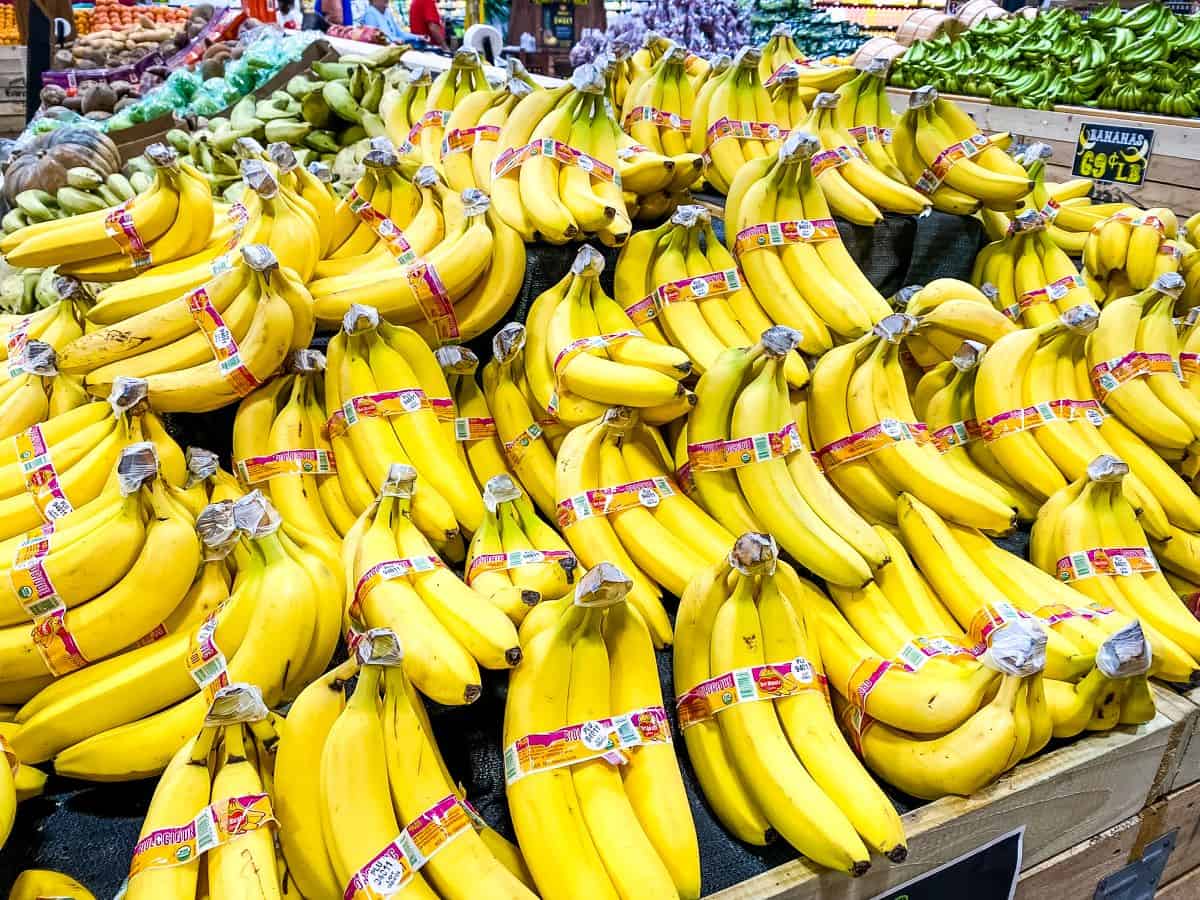 We all know bananas are great sources of potassium, but did you know they are Walmart’s top-selling product? Crazy, right? Of the 75 million products the mega-retailer sells, bananas outsell them all; literally billions of them. Reasons vary, but perhaps it’s because they’re an easy, healthy, and affordable snack and maybe it’s because Walmart usually has them close to the checkouts. Brilliant.
I’m not alone is my love for bananas. Per capita, Americans eat an average of 27 pounds per year and worldwide more than 100 billion bananas are eaten annually. Yes, they’re affordable, yummy, and simple, but they’re also healthy.
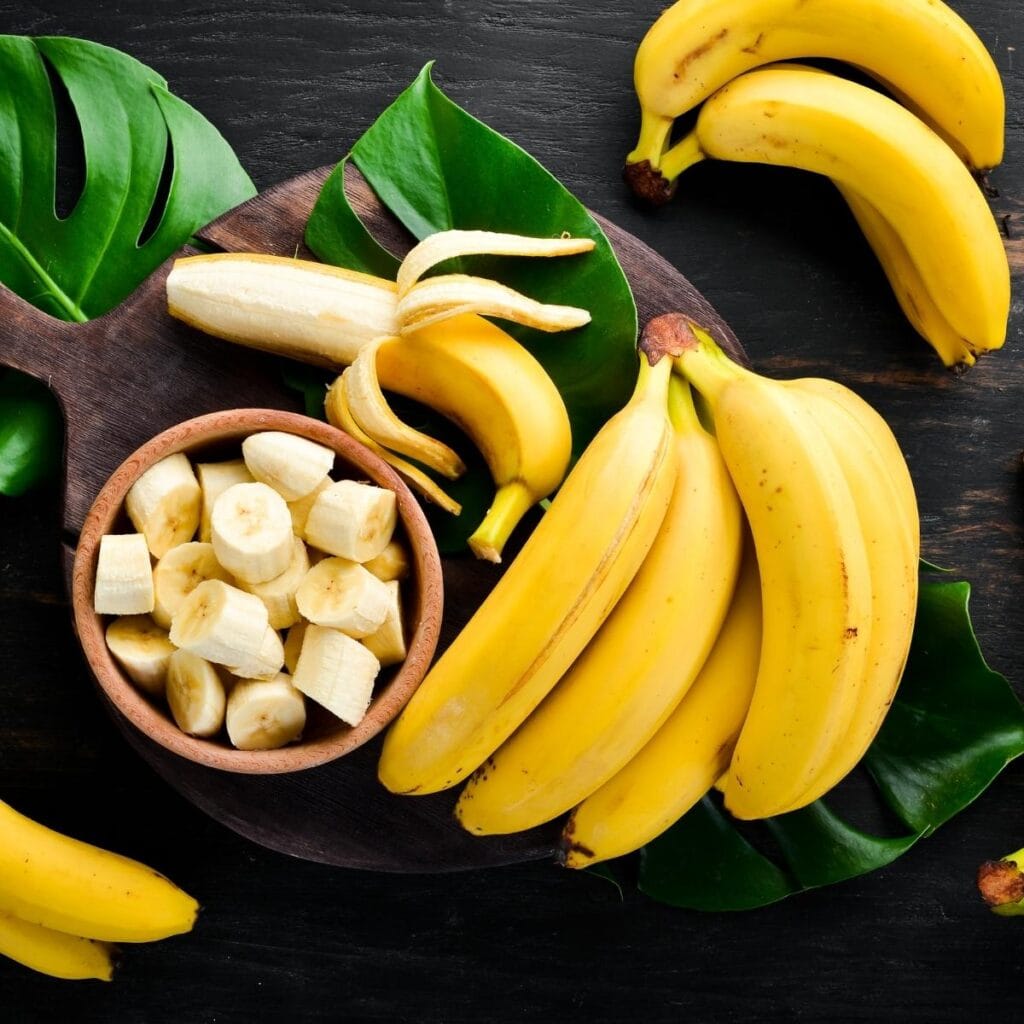 A medium banana boasts more than 300 milligrams of potassium, more than two grams of fiber, and on average are only around 90 calories. They also offer additional benefits like an energy boost, blood sugar balancing, and weight control. They also contain three natural sugars: sucrose, fructose, and glucose, along with fiber. They are popular with athletes as they give an instant and sustained boost of energy. In fact, research shows that just two bananas provide enough energy for a strenuous 90-minute workout. Nutritionists like to say they pack a triple punch of heart health, gut health, and brain health.
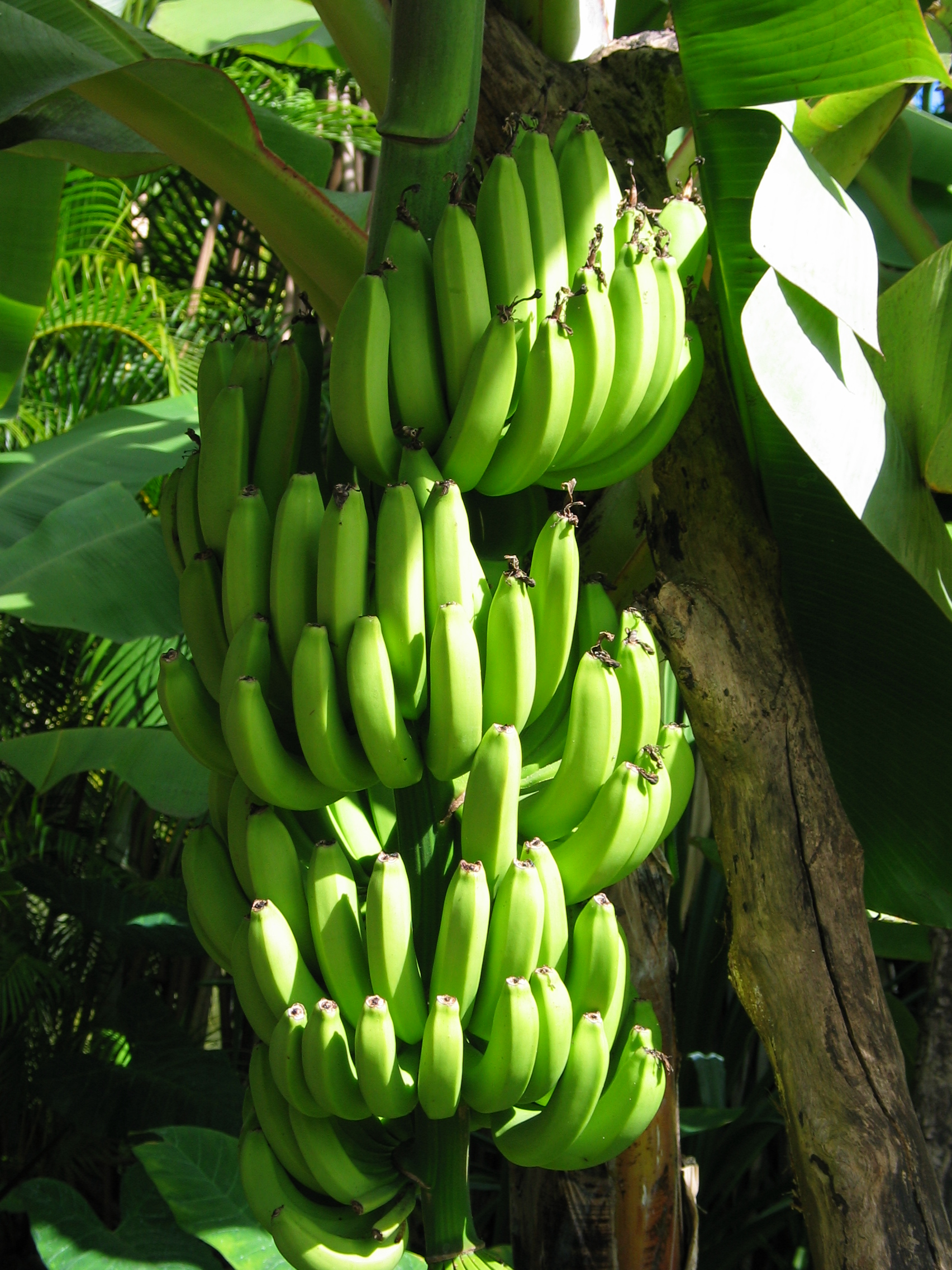 When it comes to your heart, the plant-based antioxidants in bananas help protect cells from damage and their potassium has been linked to improved blood pressure regulation. Gut-wise, bananas have prebiotic compounds that fuel “friendly” bacteria in your intestine, which help shield your immune system from bad ones that make you sick. And then there’s the brain. With a quarter of your daily B6 vitamin fix, bananas may help you think straight and calm nerves and anxiety. Diets in the this vitamin are linked to lower risk of cognitive decline and may actually protect neurological function. Other illnesses and conditions bananas have been known to help include: depression, PMS, anemia, blood pressure, constipation, hangovers, heartburn, morning sickness, mosquito bites, and ulcers.
Wow! I think you’ll agree that you’ll never look at a banana in the same way!
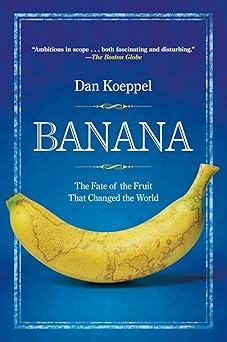 Author Dan Koeppel wrote an entire book on bananas simply called “Banana.” It’s described as a fascinating and surprising exploration of the fruit’s history and cultural significance and is definitely on my list of books to read. In it, he writes that Americans eat more bananas than oranges and apples combined every year. When compared to apples, America’s second most popular fruit, bananas rule. They have four times the protein as an apple as well as twice the carbohydrates, three times the phosphorus, and five times Vitamin A and iron.
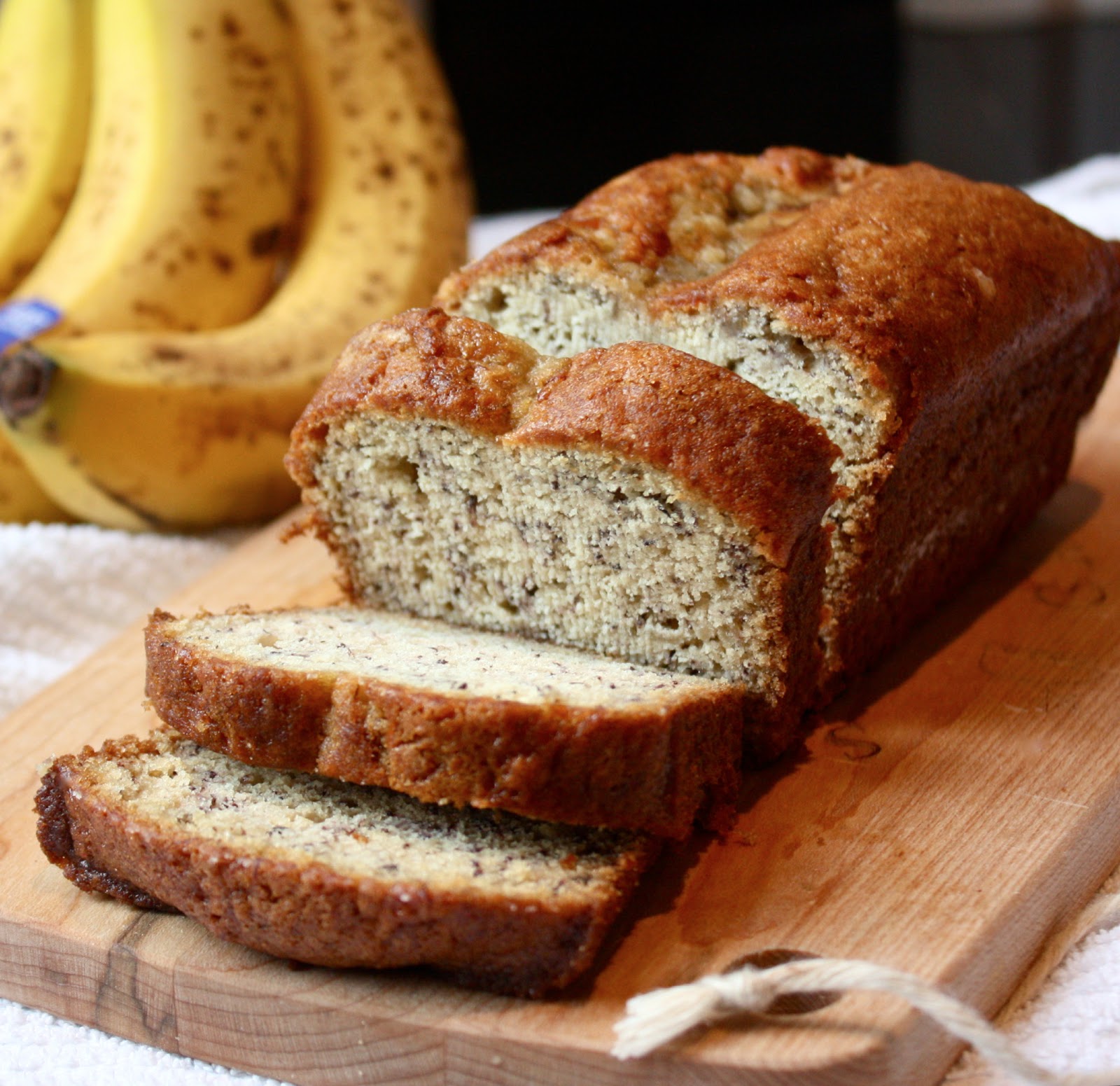
On top of all that, who doesn’t love recipes that use bananas? The yellow gems are used to make likes of delectable banana bread and muffins, banana pudding, banana splits, ice cream sundaes, and the classic pudding and vanilla wafers dessert. I love them in a bowl of yogurt and in my smoothies. Tried and true tip: if your bananas become over-ripe, don’t panic or throw them out. Antioxidants actually increase the longer they ripen so put them in the freezer and they’re the perfect future smoothie or banana bread ingredient. Just bring one out to defrost first or if you forget, run the frozen fruit under warm water and the peel comes right off!
 Fun story: when I taught preschool at our church, my aid and I had a fun game we’d do with our three-year-olds. Anytime one of us or a student had a banana, we’d play “banana phone,” calling each other and having a fruitful conversation. The kids loved it and giggled the whole time. Bananas can be fun too!

Some say bananas first arrived in the U.S. in Philadelphia around 1876. Although it’s hard to pin an exact date, we do know that in the 1870s, American entrepreneur Minor Keith developed a large banana plantation in Costa Rica and his company, the United Fruit Company (now Chiquita), began shipping bananas to the United States. By the early 20th century, bananas had become a staple of the American diet. Today, the United States imports billions of dollars of bananas each year.
 Interestingly enough, during Victorian times it was unladylike for a woman to eat a banana but don’t tell that to Brazil’s Carmen Miranda, who famously donned them in her headdresses!
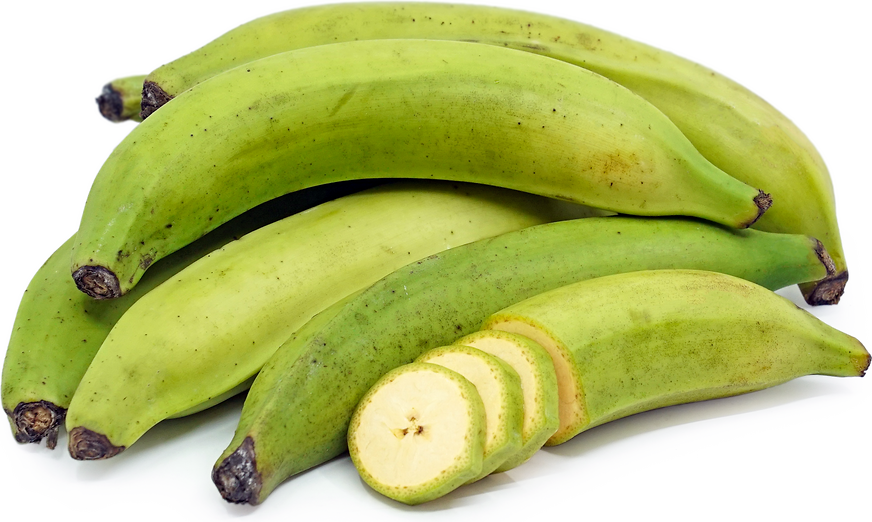 I can’t go on without talking about bananas’ tough cousin, the plantain. It’s easy to confuse the two as they look alike but they have important differences. Plantains are usually larger and tougher than bananas, with much thicker skin. They are also starchier than bananas and are primarily eaten cooked. Plantains can be boiled, baked, or fried. However, if you were to substitute a plantain for a banana in a recipe, you may be surprised by its very different taste.
And finally, something we hear tossed around in the news and political cycle is “Banana republic.” What exactly does it mean though?
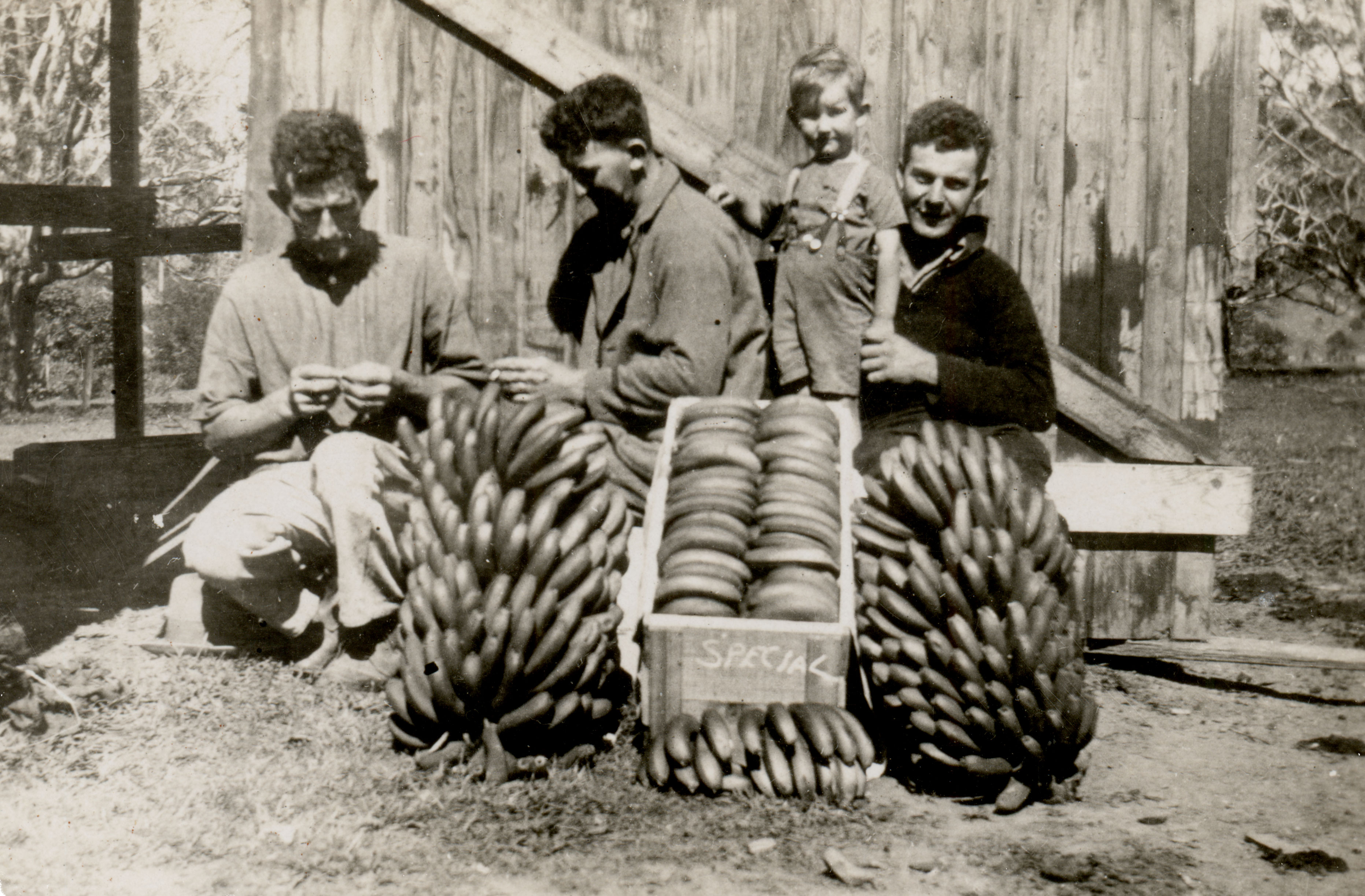 First used in 1904 by American author O. Henry, it generally describes a politically and economically unstable country with an economy dependent on the export of natural resources such as bananas. Typically, a banana republic has a society of ranked social classes, often including a large impoverished working class working class and a wealthy ruling class composed of the business, political, and military elites. The ruling class controls the primary sector of the economy primary sector of the economy by way of exploitation of labor exploitation of labor. The term is often used to describe small Central American countries that are governed by a dictator or armed forces and one that is politically unstable. Let’s hope the U.S. remains a banana lover but not a Banana Republic!

I hope today’s blog has given you lots of food for thought that you find “a-peeling.” Just remember: when life throws you lemons or one bad apple, go bananas and smile!


 Beyond Words