Beyond Words

Words, Wit and Wisdom for Today's Style and Decision Makers

New Year New You? December 29, 2024

Filed under: Uncategorized — carlawordsmithblog @ 5:45 pm

It feels like yesterday the world was celebrating a new millennium in 2000 so it’s hard to believe that was 25 years ago. TWENTY-FIVE YEARS! That’s a looooong time! Crazy, right?


Even though we may not be starting a new millennium on Wednesday, we are starting a new year. For me, this means jumping in Barton Springs Pool for the annual Polar Plunge, choosing a word of the year, picking something new to learn in 2025, and a host of other resolutions and intentions.



New Year’s resolutions are something many do but many also fail at. Including me. In fact, a British study estimates most of us will have ditched our New Year’s resolutions by January 10. That’s crazy too! We don’t even last a month? Ballyhoo!



If you’re bound and determined to stick to your resolutions for the new year, here are a few tips to make them last:


Be specific. Don’t just say you want to find more joy or calmness but instead identify what gives you joy or makes you calm and then resolve to do those things. “Read more good books” or “Surround myself with people who are fun and encouraging are way more likely to be accomplished than simply “Be happier.” “Sign up for tennis lessons” is more active (excuse the pun!) and is more proactive then “Learn to play tennis.”


Dump the doom and gloom. Sometimes it seems like our resolutions are often grim or a grind. The more pleasant something sounds, the more likely you’ll do it and feel a sense of accomplishment. “Have lunch once-a-month with friends” will probably get checked off the list long before “learn to do my taxes” will.


Think small. Experts suggest setting smaller goals and ones you truly want to accomplish. Rather than saying “I’m going to lose weight this year,” instead say “I’m going to work on losing 10 pounds between now and March.” Some also recommend setting monthly goals rather than or in addition to year-long ones.


Set intentions rather than resolutions. It could be a tumaytoes tohmahtoes thing, but the word “intentions” just sounds more user-friendly and practical. We often say “I intend to” but who ever says “I resolve to?”
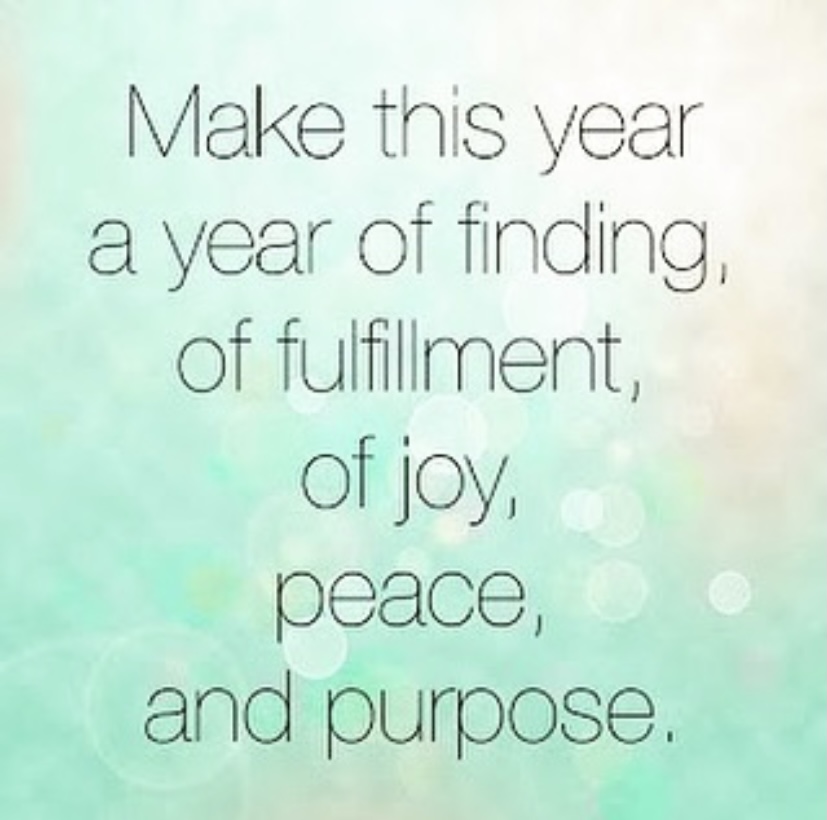


When it comes to starting a new year, it’s also fun to start it off in a positive and productive way. Here are a few samplings of how to do so:


Keep growing. Learn something new. Go somewhere new. Do something differently. Take risks. Look at challenging situation as opportunities for growth not pockets of struggles. I’m not a big risk taker so this is definitely somewhere I can keep growing.


Filter the noise in your life. Don’t just listen to the loudest voices; listen instead to the truest and supportive ones. Get rid of the Negative Nancys and Neds in your life.


Evade perfection. Don’t dwell so much on that hypothetical “perfect” future that you forget your one beautiful life today. Find ways to be satisfied rather than constantly striving for bigger, better, and more. Realize that “having it all” is not possible.


Discard. This could be from eliminating things in your home but it can also mean discarding spending energy worrying about things and on people who drain you. Discard a lack of gratitude as well. You’ll be surprised how much a grateful heart and mind can improve your life. Discard fear. This is a big one for me as I tend to wait for the rug to be pulled out from under me but it’s time to face the future with confidence. Who’s with me on this?


Be happy. Yes, for your life and your blessings, but also for others. Envy makes us blind to the goodness of God and results in sorrow, anger, resentment, and bitterness. Get rid of it in your life.


Replace “yes” with “I get to.” So many things we complain about are things we take for granted and are things others are praying for. Realize this. “Having” to take a shower or go grocery shopping are things millions around the world would love to “have” to do. I like to remind people in our neighborhood that “If you’re complaining about your country club, your life is ok.”
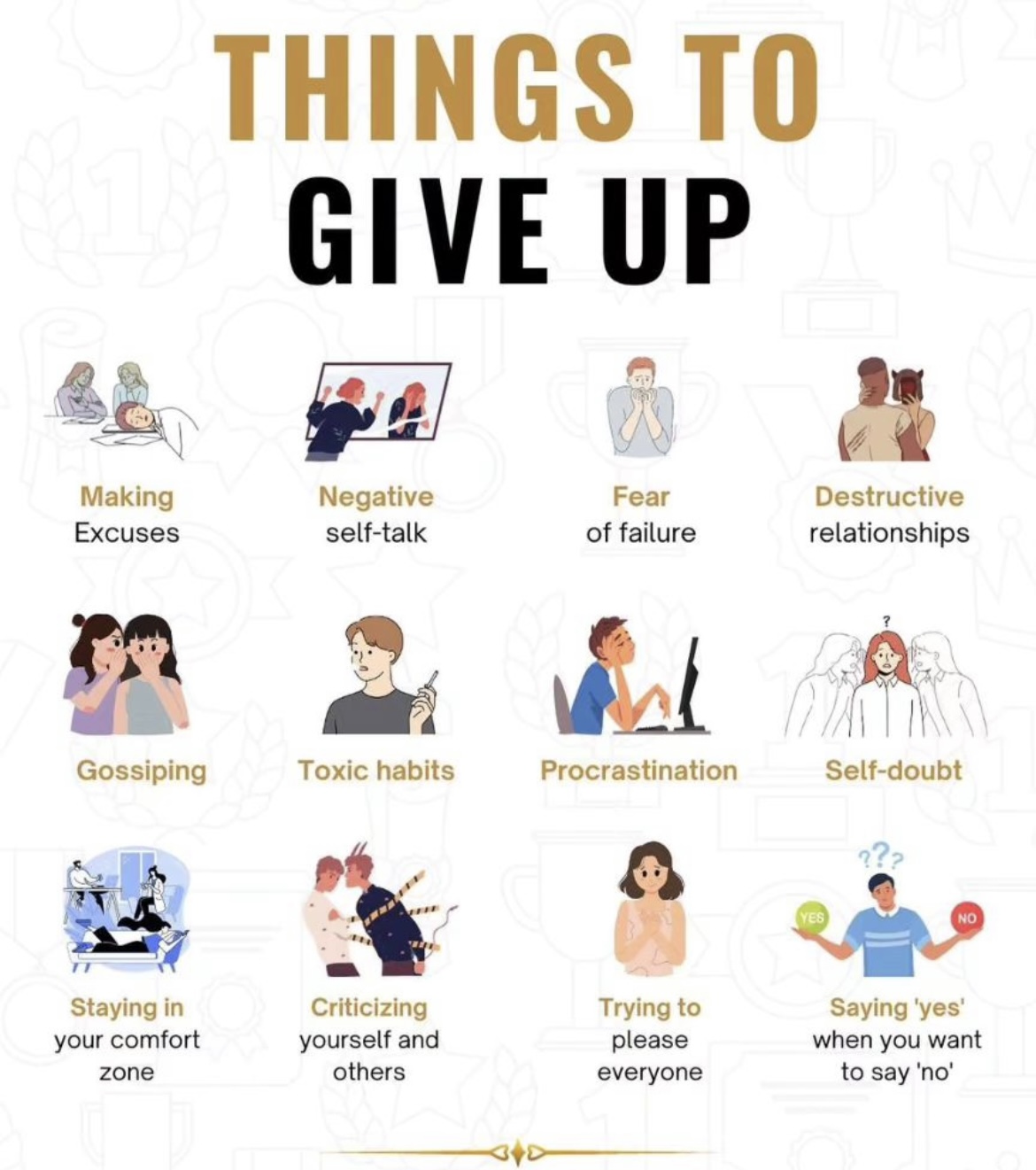


On the flip side, we often make resolutions to do things, but how about resolving to not do things? Don’t give in, don’t overthink (talking to self right now!), don’t settle, and don’t ake everything so seriously just to name a few. Learn to say “no” and mean it. Set your boundaries and respect them. If you do, so will others.



So where do you start? I for one am starting with Happiness guru Gretchen Rubin’s “25 for 2025” List. On it you to list (something I love to do!) 25 things you hope to do. I’m already up to 10 things, one of which is Rubin’s challenge to read 25 minutes every day in 2025. I’m down! Rubin also suggests choosing a word of the year, which I also love doing. I’ve previously chosen “breathe,” “move,” and “pause” and for 2025 I’m picking a quad of words I recently heard in a daily devotional: Hope, Trust, Patience, Faith. In that order. Other suggestions can be healing, acceptance, discipline, rest, finish, calm, gratitude, and humility just for some ideas.
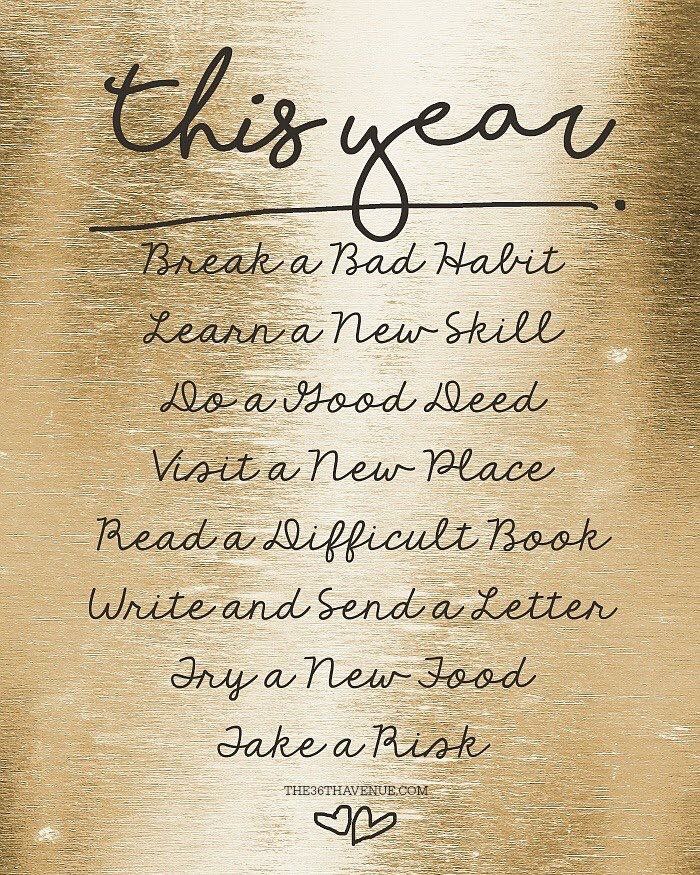


I’m also going to start with learning something new like I’ve done in the past. In past years I’ve taken classes in everything from Italian to ice skating, cooking to firearm training, bridge to yoga. I love my yoga class and its bridge pose but hated bridge. Too quiet, too serious, and too much math! I’ve also learned to cross-stitch, which I love, and dabbled in pickle ball, which I’ve opted out of after hearing about so many injuries and reading it’s orthopedic surgeons’ favorite sport! My husband and I once took dance lessons, which he hated, and I continue to improve my golf game with playing and lessons, which he loves. But I’ve learned I’m a dabbler. I love to learn about something, give it a shot, and move on. Except for golf, cross-stitch, and yoga. I’ve recently discovered Pilates and am thinking it’s a keeper.


As I mentioned before, I’m not a risk taker so learning to rock climb is not on my 2025 list. I don’t mind difficult or challenging, but risky or uncertain will certainly get a “no thank you” from me. I am proud of the fact that I’ve ziplined in the rain forest, hiked (at my level) in Arches and Canyonlands National Park, boogey-boarded in the Pacific, and rode a dog sled in Alaska. I gotta admit, that was one of this dog lovers most favorite experiences ever.



Every new year I also vow to grow spiritually and I like the idea of choosing a Catholic word of the year similar to my other word of the year. I think I’m going with “Surrender.” Not in a submissive way, but in a stop trying to control things and let His will be done. I also love the Surrender Prayer. As for other areas of growth, the following is suggested and I’ve put my goals in parenthesis:

One virtue I’d like to grown in (Temperance)

One Gift of the Holy Spirit I’d like to grow in (Wisdom)

One Fruit of the Holy Spirit I’d like to grow in (Temperance)

On sin I’d like to eliminate (Envy)

One book of scripture I’d like to read through (Proverbs or Psalms)

One spiritual book I’d like to read (“Mere Christianity” using the Hallow app)

One prayer I’d like to learn (Prayer after Hail Holy Queen with the rosary)

One way to improve my sacrament life (Go to Reconciliation more often)

One saint I’d like to get to know better (Blessed Carlos Acutis)



I’ll close here with the book “The Midnight Library.” In brief, it’s about Nora Seed and the regrets that have piled up in her life. Some are legit; some are just in her head. But, when she finds herself in the fictional Midnight Library, she’s given a chance to make things right and do things differently through its many books. Needless to say, this guilt-ridden Catholic and library/book lover loved this whole premise.


We all have regrets and probably would have made different and better choices, but living with regret is not healthy. Move on and perhaps vow to make 2025 filled with more wisdom and grace but also accept that you aren’t the same person you were back then or even last year. Remind yourself of your successes, stop wasting time and energy on things and people who drain your brain, slow down, show gratitude, and face the year energetically and with confidence. I’m confident you can do it!



It’s a Date: Christmas and Hanukkah December 22, 2024

Filed under: Uncategorized — carlawordsmithblog @ 5:47 pm

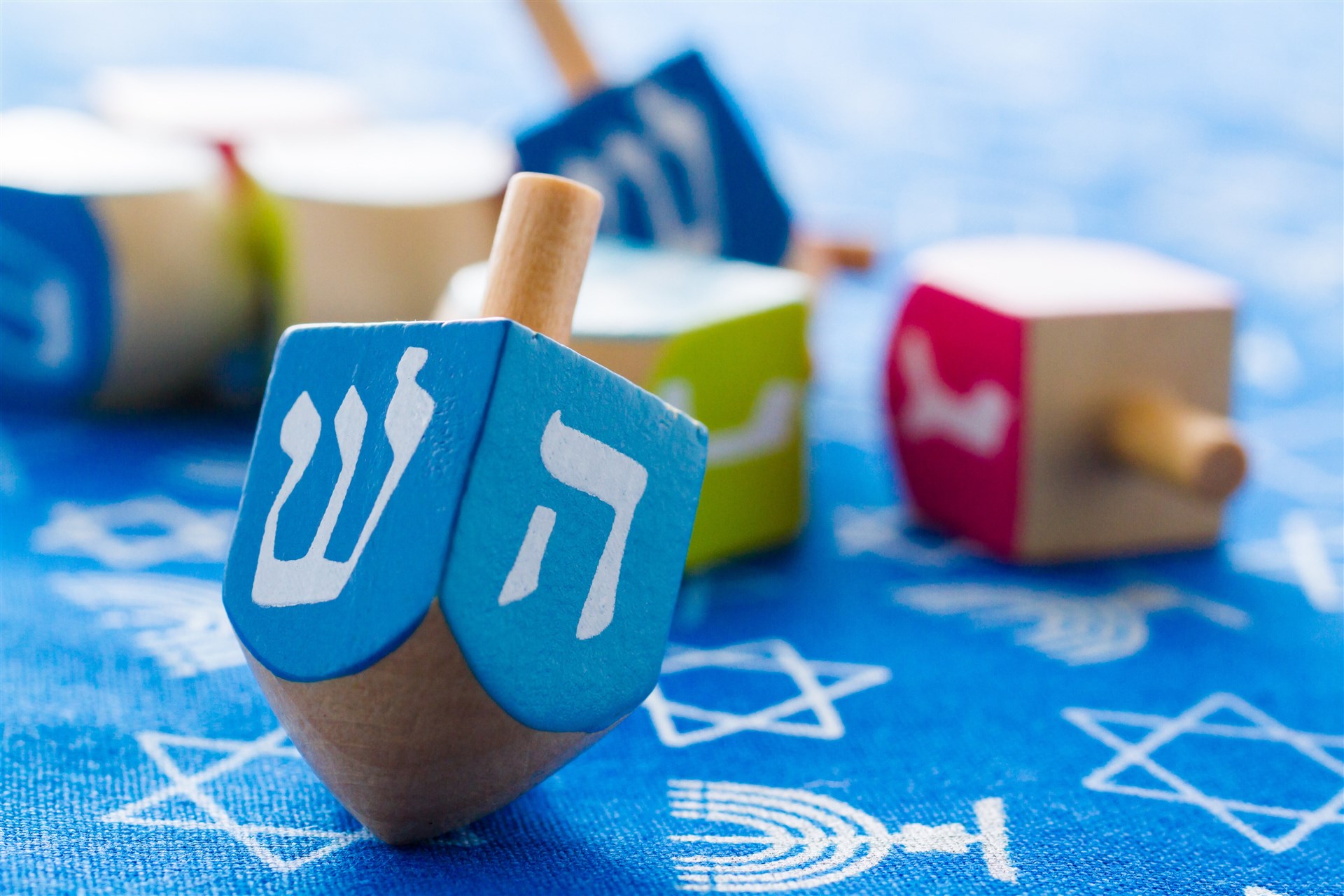
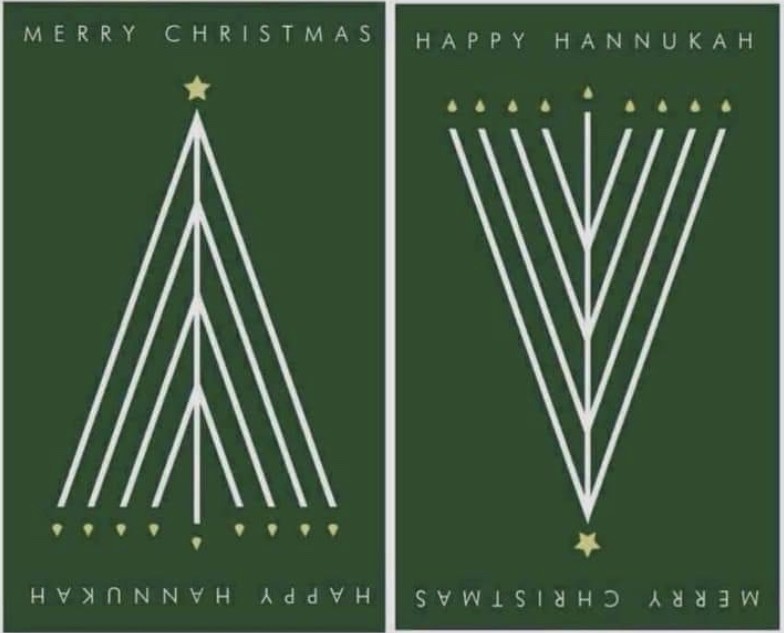
In just 10 days we will all be celebrating a new year. But before then, many of us will be celebrating Christmas and Hanukkah and, in a rare occurrence, we’ll celebrate them on the same day. Yep, Judaism’s eight-day Festival of Lights begins at sundown on Christmas Day. It’s the first time this has happened in almost two decades and I for one am feeling it must be significant in some way.


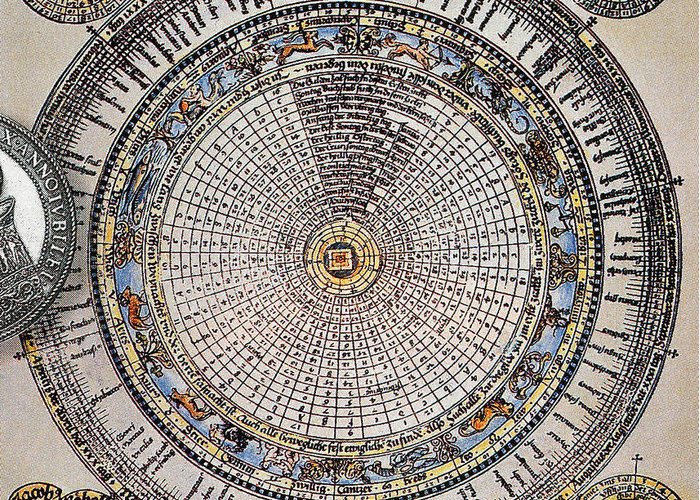
Come to find out this is happening because the Christian and Jewish faiths follow different calendars and the two systems don’t always line up. One is based on the sun’s travels while the other also incorporates cycles of the moon.


The Hebrew calendar is founded on a combination of lunar and solar cycles with each month being either 29 or 30 days and beginning around the time of a new moon while the Christian Gregorian calendar, established by Pope Gregory XIII in 1582, defines one year as the time it takes for earth to travel around the sun. It’s all literally up to the heavens.


As we know, Christmas is celebrated on the same day every year, December 25, but as Deena Yellin of NorthJersey.com writes, the Jewish calendar is very intricate and has lots of rules, hence Hanukkah’s dates varying. It’s often called a Jewish Leap Year.


The Gregorian calendar is the western world’s primary system, so to ensure Jewish holidays align with their traditional seasons on it, an additional “leap month” is added to the Hebrew calendar every two or three years. It can all get confusing. For example, if the first day of Hannukah is on December 25 this year, next year it will be on December 14 and then on December 4 in 2026.


As I mentioned above, there are lots of other rules with the Jewish calendar, which was established in the fourth century. It also requires that Passover take place during springtime so that occasional added month also prevents that holiday from coming during the wrong season.


This year’s sharing of Christmas Day and the first day of Hanukah is only the fourth time it has happened in many years. It last fell on Christmas Day in 2005 and before that it was in 1959 and 1921. It won’t happen again until 2035 and then not until 2054.


Amazingly, Hanukkah can start anytime between November and December and as late as January 4. This year the holiday’s last night will be January 2, just a few days before the Christian Epiphany, commonly known as Three Kings’ Day in the United States, which falls on January 6. It celebrates the Three Wise Men’s visit to Baby Jesus and also remembers His baptism. Thanksgiving always falls on the fourth Thursday of November but due to the changing calendar, Hanukkah also changes. The rare occurrence of Thanksgiving and Hanukkah sharing the same date can even happen, as it did in 2013. That won’t happen again until 2070!


We all know that Christmas is one of the most important Christian holidays of the year and commemorates the birth of Jesus Christ, but what does Hanukkah commemorate? Unlike Christmas, which is prophesized all over the Bible, Hanukkah is not found in scripture or the Torah. The Hebrew word Hanukkah means “dedication” and commemorates the rededication of the Holy Temple.


In the second century BC, the Holy Land was ruled by Syrian-Greeks who tried to force the people of Israel to accept their culture and beliefs. But, much like what is still happening today, against all odds a small band of faithful but poorly armed Jews led by Judah the Maccabee defeated on of the earth’s mightiest army. They drove the Greeks from the land and reclaimed their faith and the Holy Temple in Jerusalem. The Menorah’s history is equally interesting.


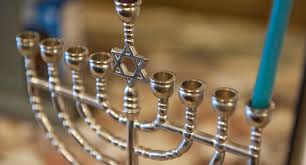
When the triumphant Jews tried to light the Temple’s Menorah, a seven-branched candelabrum, they found only a single container of olive oil that had escaped contamination by the Greeks. Miraculously, they lit the Menorah and the one-day supply lasted eight days. This tradition is still played out today.


The word “Christmas” also has an interesting background. The term originates from the Old English “Christ’s Mass” and was first recorded around 1038. The events of Christmas can be found in the Bible hundreds of years before they happened, ultimately fulfilling sacred biblical predictions.


For Christians, the true meaning of Christmas is the celebration of the birth of our Savior, Jesus Christ. We believe God sent His only sone to atone four our sins and so that we will never be separated from Him. Jesus came into the world as an infant to save us all.


The two faiths do have much in common and agree on many things. The Torah is the compilation of the first five books of the Hebrew Bible, specifically the books of Genesis, Exodus, Leviticus, Numbers and Deuteronomy. Christians accept and believe the Old Testament and all its teachings and both faiths believe in the perfect creation of the world by an infinite God. They both also believe that Satan introduced sin into the world, that God judges sin, and that sins must be atoned for. Judaism is the oldest of the worlds’ three great monotheistic religions: Christianity, Judaism, and Islam. All three serve only one God with Judaism is considered the parent of both Christianity and Islam.


Finally, two last things. First, is it “Hanukkah” or “Chanukah?” The Hebrew word has many English spelling variations with traditionalists preferring Chanukah as it comes closest to its proper pronunciation of the Hebrew word and Hebrew letters. As for “Xmas,” which I’ve traditionally disliked as it removes the real reason for the season, I’m happy to report there’s a somewhat acceptable explanation for it.


Apparently, the X in Xmas doesn’t replace “Christ” from the word with the English letter X, but rather with the Greek letter “chi,” which looks like the English letter X. Chi is the first letter in the Greek word that we translate as “Christmas” and ancient Christians would abbreviate it by using only the first letter. They meant no offense and coincidentally, the letter also resembles a cross. Whew!


Considering the fact that Jesus was Jewish and that Christian and Jewish roots go way back and intertwine in so many ways, both biblically and geographically, the convergence of Christmas and Hanukkah this year is reason to celebrate. So, as Christians open presents and light Advent candles and as our Jewish brothers and sisters light a menorah and join us in eating holiday treats, let’s all vow to light the way for others and be the gifts we were intended to be.


Merry Christmas and Happy Hanukkah!


Christmas Treats & Eats from Around the World December 20, 2024

Filed under: Uncategorized — carlawordsmithblog @ 4:23 pm

At a recent Christmas party, I was treated to a fun little game of trivia. One question was “what popular Christmas drink originated in England?” Our table debated between eggnog and wassail and ultimately went with wassail. We were wrong. Or were we?


The night’s correct answer was eggnog but come to find out both drinks originated in England. This all got me thinking of other traditional holiday drinks and eats so off we go…


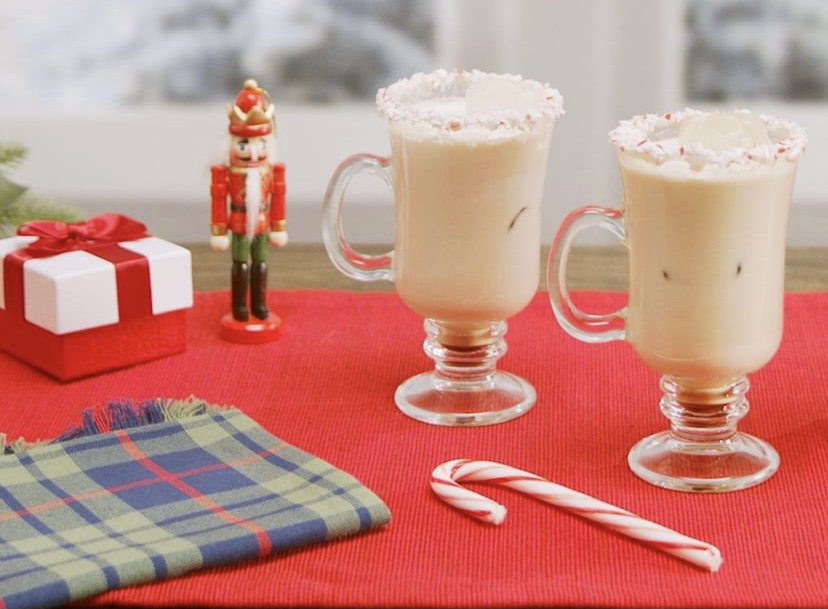
I love egg nog. I know many don’t and it’s truly a “love/hate” relationship but during the holidays, I can’t get enough of it. How it started is a very tasty tale.


According to “Smithsonian” magazine, the creamy, spiced beverage is believed to have originated in medieval Britain as “posset,” a comforting mixture of hot milk or cream, wine or ale, and spices. In the 13th century, some monks began adding whipped eggs and figs to their possets—but the scarcity of the more expensive ingredients, including eggs and sherry, made this proto-eggnog a luxury reserved mainly for the British elite.


When the beloved drink crossed continents to North America in the mid-1700s, it became known as “egg-n-grog,” a term derived from the Scottish and Gaelic word noggin, which means cup, and grog, an English term for hard booze, often rum. The American colonists soon shortened that to “eggnog,” a term that first appeared in a poem by Maryland minister Jonathan Boucher around 1774.


George Washington was known to serve his own version to guests at Mount Vernon and the drink once sparked a riot at the United States Military Academy at West Point in 1826, when campus staff intervened after cadets, possibly including a young Jefferson Davis, served eggnog at a boisterous Christmas party despite the school’s ban on alcohol. The drink’s wintry spices, and the preference for serving it hot, made nog a Yuletide mainstay today.


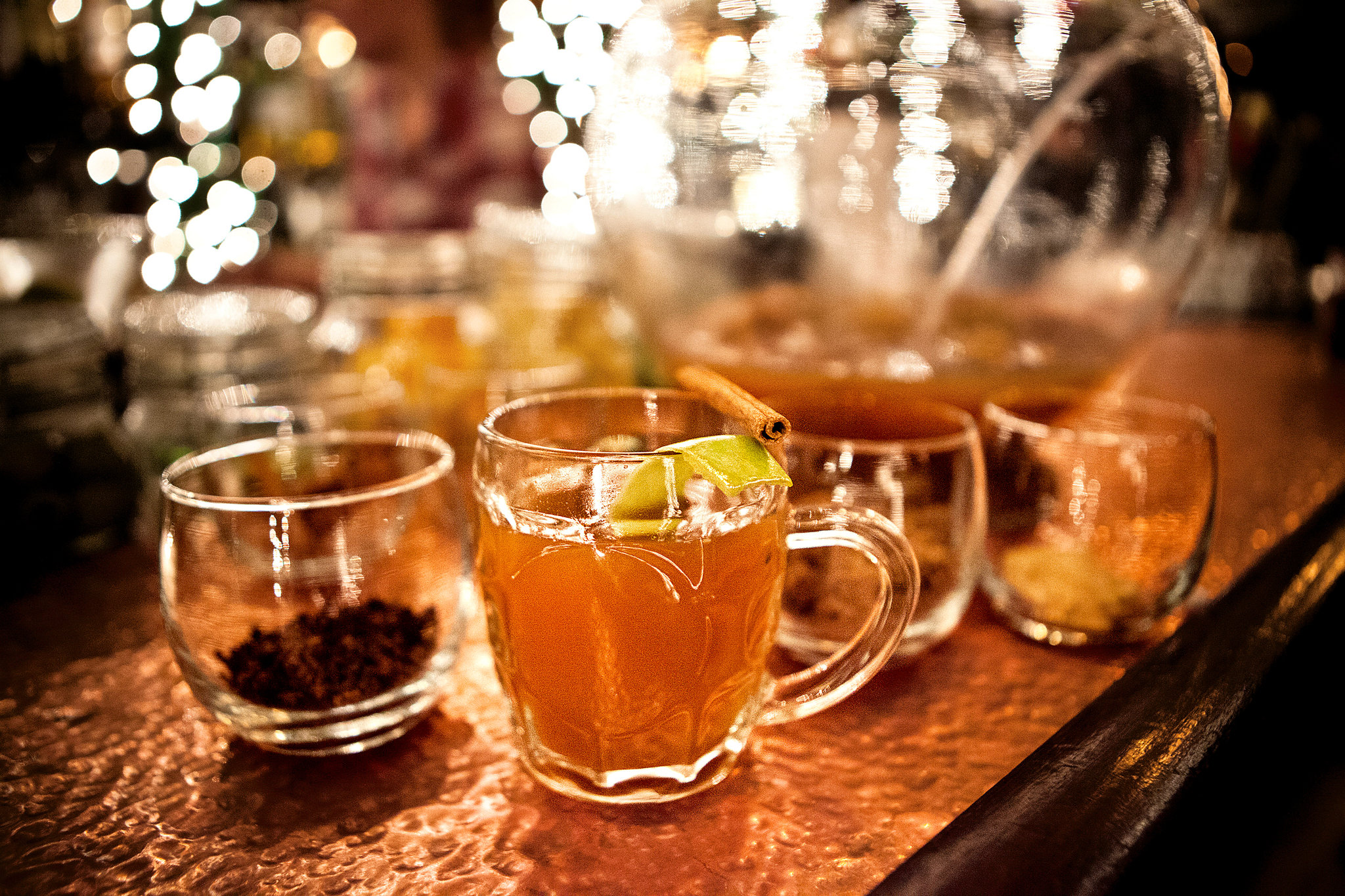
Wassail’s origins are equally interesting. The word ‘wassail’ comes from the Anglo-Saxon phrase ‘waes hael’, which means ‘good health’. Consisting of a beverage made from hot mulled cider, ale, or wine and spices and drunk traditionally as an integral part of wassailing. The ancient English Yuletide drinking ritual and salutation traditionally involves door-to-door charity-giving to ensure a good harvest the following year but sadly this ancient custom is rarely done today.


One of the most popular Wassailing Carols went like this:

Here we come a-wassailing
Among the leaves so green,
Here we come a-wassailing,
So fair to be seen:

Love and joy come to you,
And to you your wassail too,
And God bless you and send you,
A happy New Year,
And God send you,
A happy new year.


Now let’s turn to food for a bit.


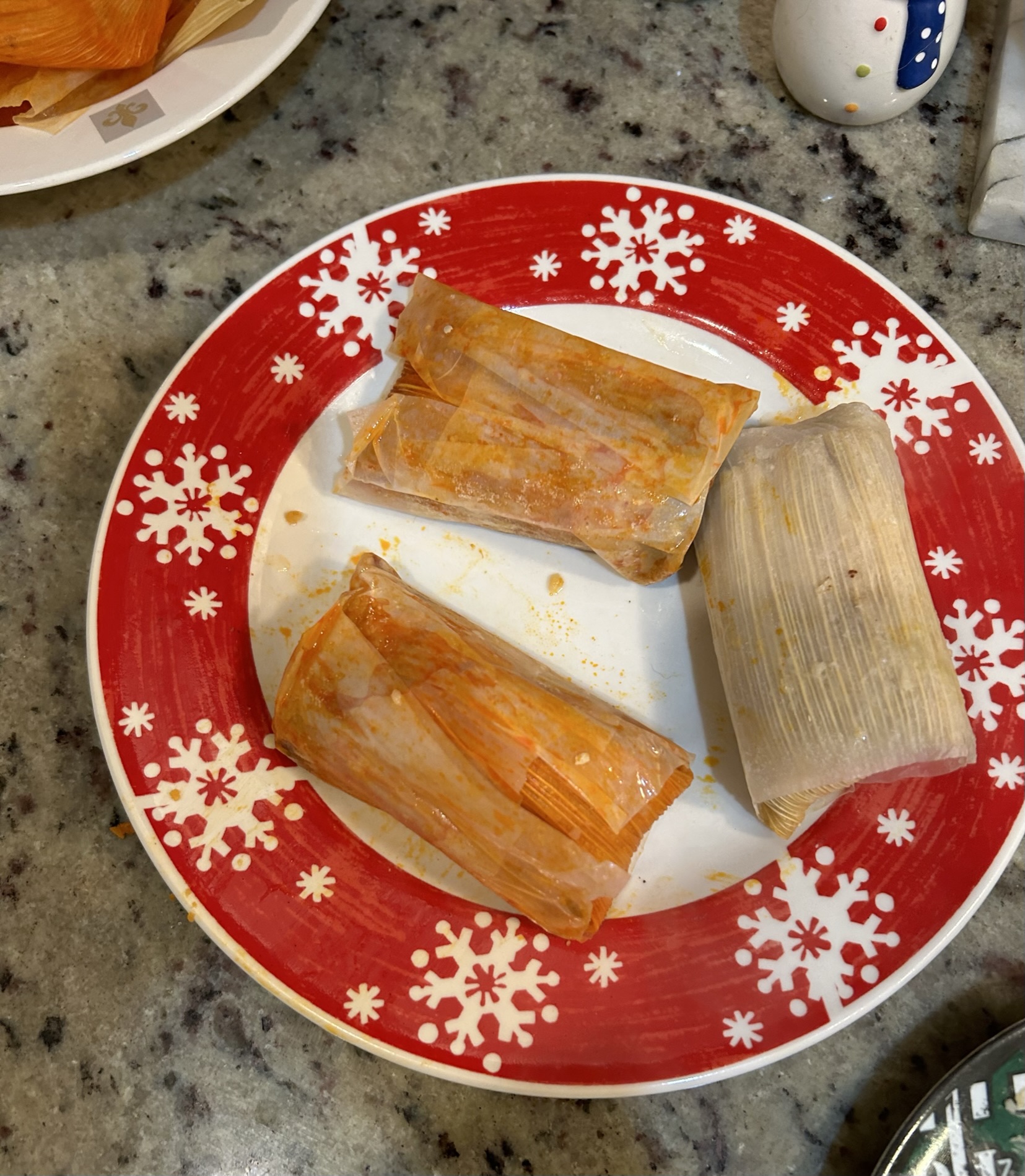
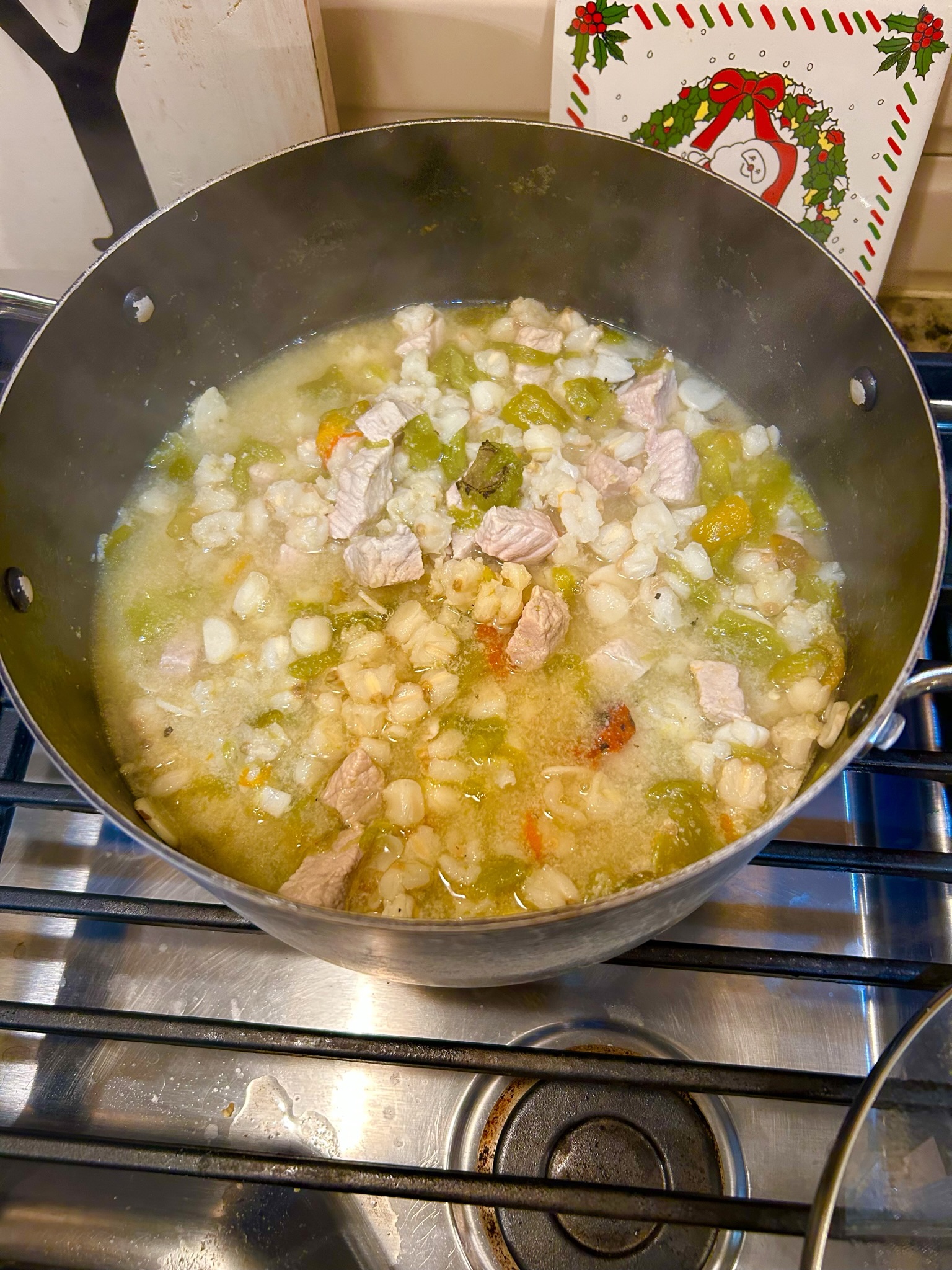
In our home, a Christmas food tradition consists of tamales and posole. Handed down for generations in my hometown of Santa Fe, NM, the combination of New Mexico red chile and pork tamales along with posole, a soup made of hominy, green chile, and pork that my Yankee husband loves, is served on Christmas Eve. No Christmas Eve is complete without them. This can also be said of Mexico, where “tamaladas” are held for the laborious task of making tamales. The tamales are a bit different then the ones I get from home but the tradition is just as beloved.


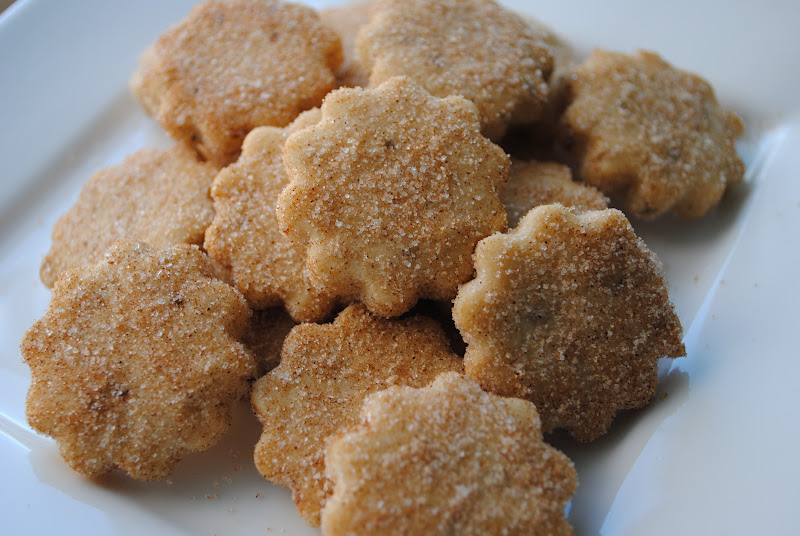
Equally beloved in New Mexico are cookies called biscochitos. Similar to southern snickerdoodles but with added anise, no Christmas season is complete without them and they are perfect with eggnog!


If you’re from the coastal regions of the Southern US., oyster stew, rich with butter, milk, and cream, is probably a Christmas morning tradition for you while in St. Louis you’ll probably feast on Butter Cake, a St. Louis holiday staple.


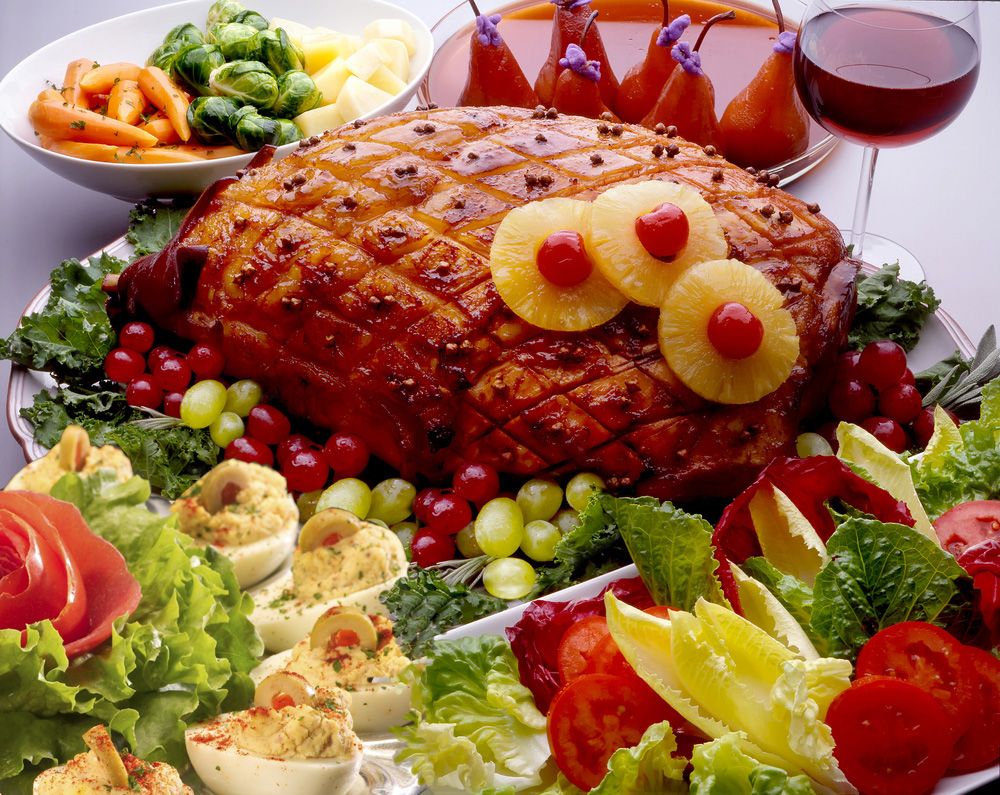
Ham is also a Christmas tradition nationwide but it’s a unique tradition in South Dakota. Even if you’re not in South Dakota, you can bake this ham covered in eye-popping pineapple rings and bright maraschino cherries or buy one of those yummy honey-baked ones.


Across the globe, some Christmas culinary traditions have made it stateside, albeit perhaps without the knowledge and history that go along with their ingredients and recipes.


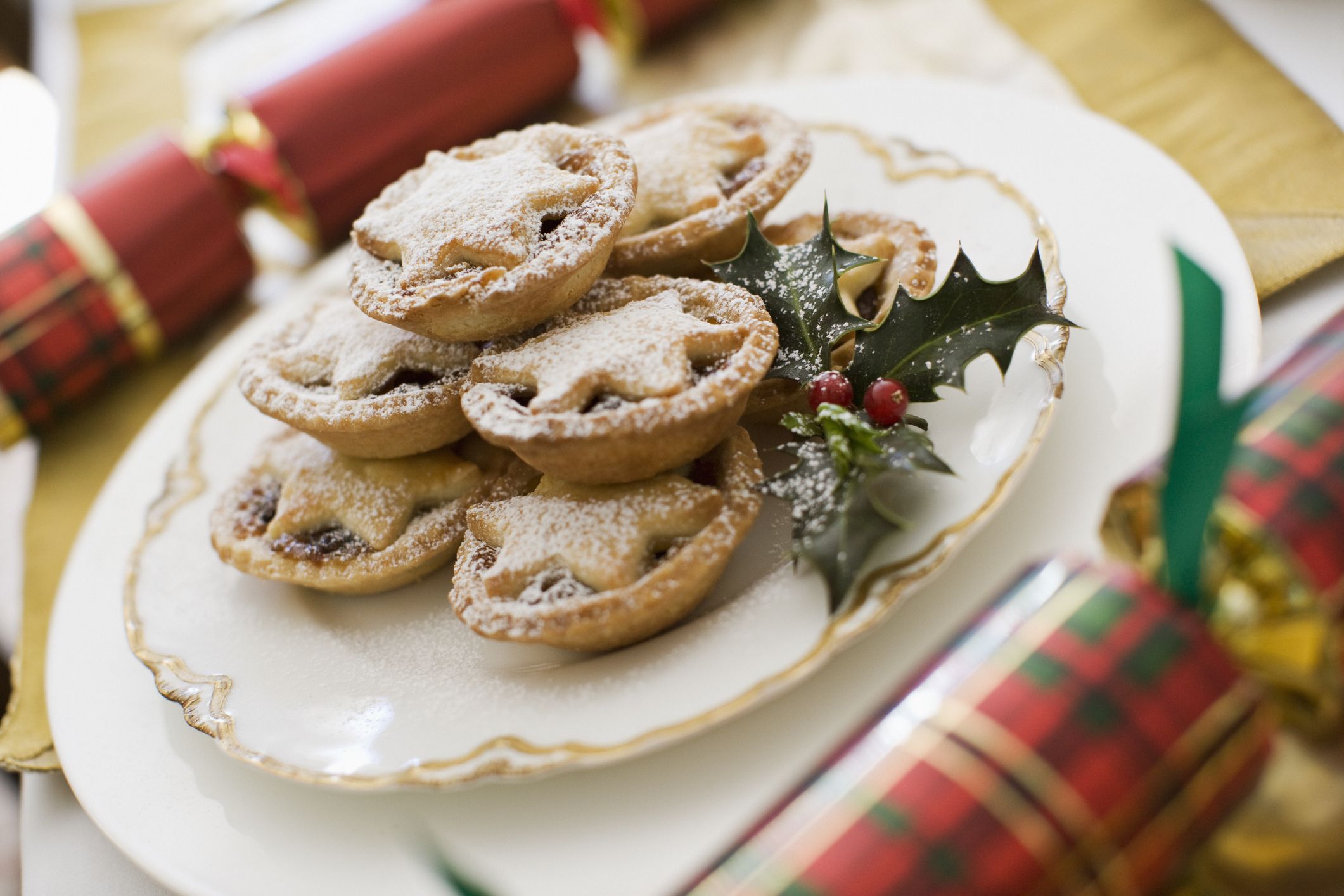
In the U.K., mince pies are the ultimate season indulgence. The small, individual pastry pies are filled with mincemeat, a mixture of fruits and spices, and served with brandy butter.


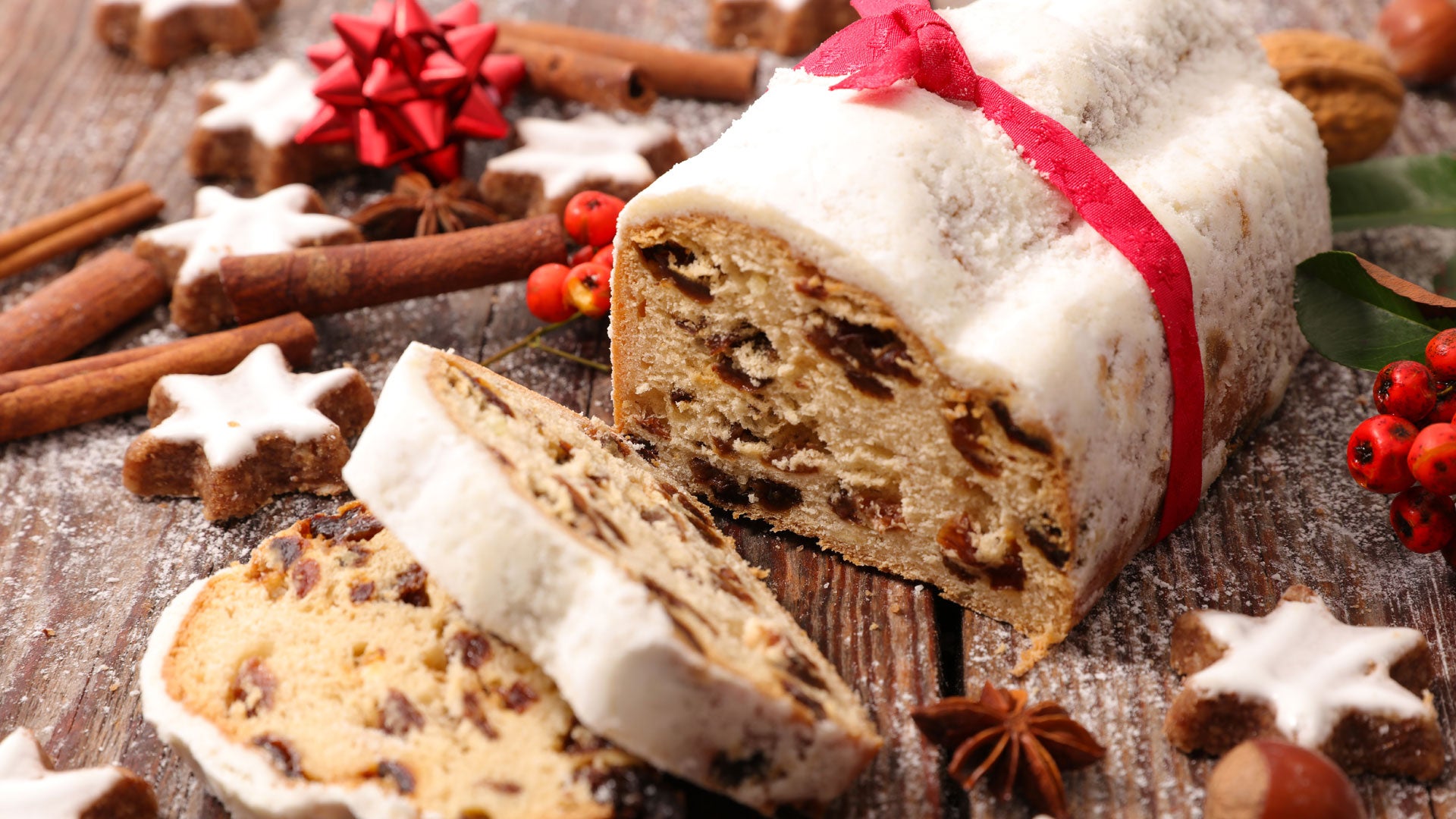
Germans are equally as proud of their prized Stolllen. The cake-like bread most associated with Dresden and popular this time of year. It dates back at least to the 1400s when it was a dull dish primarily for fasting and traditionally made of dried fruits, nuts, and spices and finished with sugar icing and maybe some rum. The bread’s shape and white glaze or dusting of powdered sugar is said to symbolize the swaddled infant Jesus.


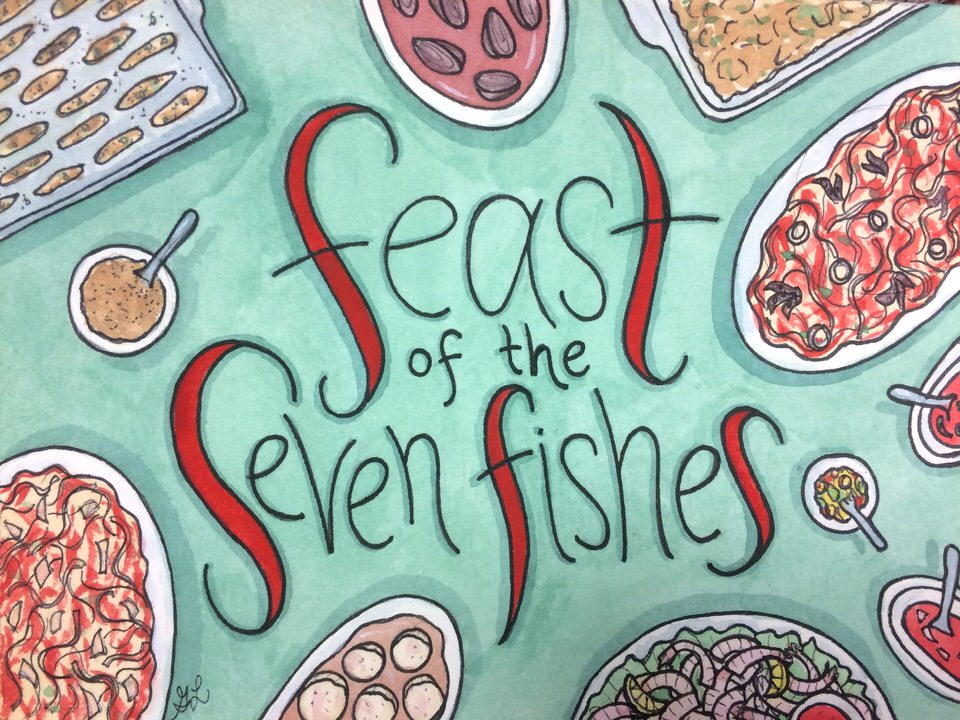
If you’re looking for amazing food, look no further than Italy. Am I right? On Christmas Eve, some Italian-American families celebrate the Feast of Seven Fishes, a Southern Italian tradition (and one that many Italian-American families commemorate) that’s been around forever. The exact fish and their preparation served doesn’t matter so much as the abundance of seafood dishes at the table. “Why seven?” Some say it is for the Seven Sacraments of the Catholic Church, others say it symbolizes the church’s Seven Virtues: faith, hope, charity, temperance, prudence, fortitude, and justice.” Amen to that!


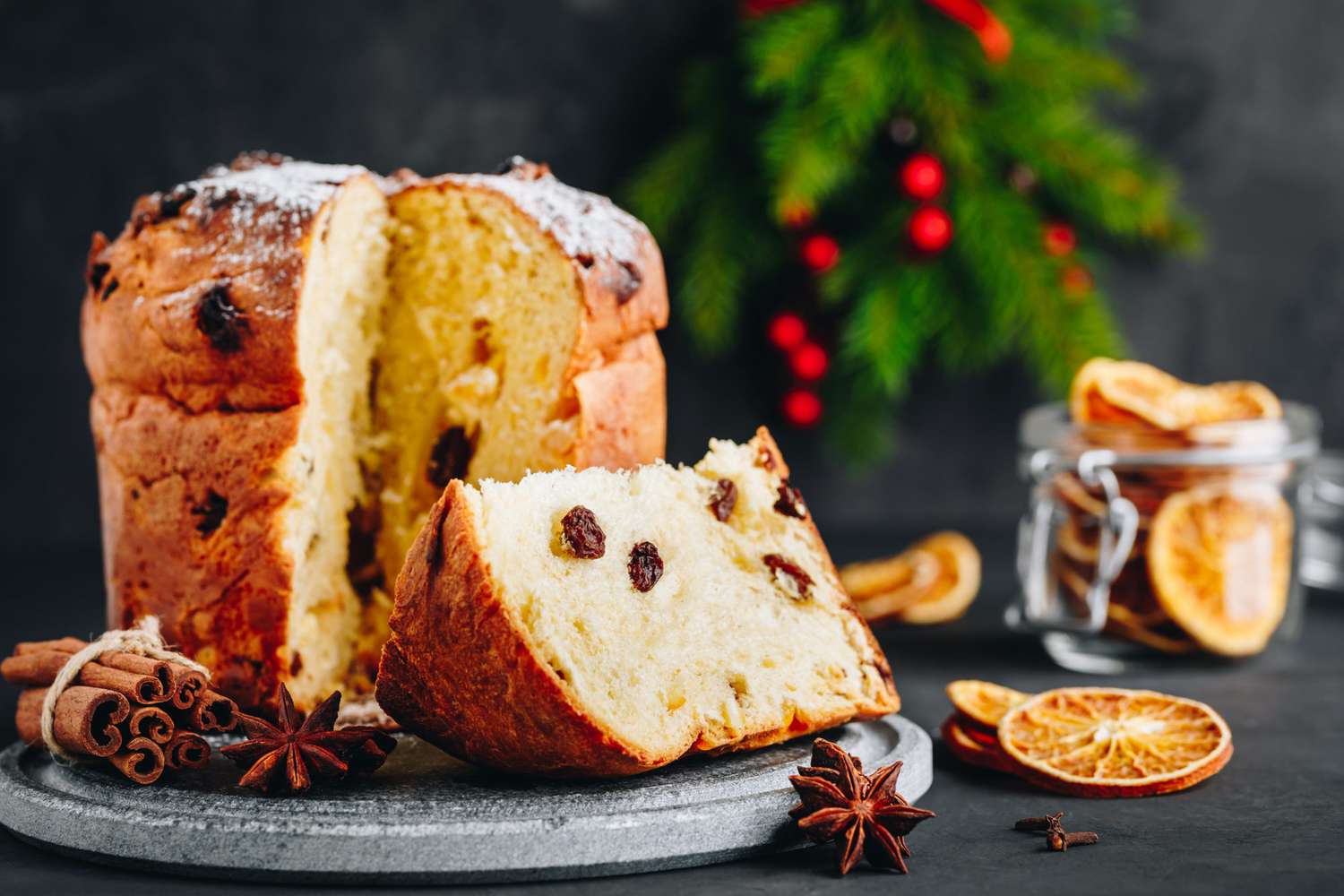
This time of year, Italians are also craving and creating Panettone, a mix of sweet bread and fruit cake stuffed with candied fruits and raisins. This lovely Christmas bread, widely associated with red boxes stacked up in specialty stores during the holidays, isn’t just a tradition in Italy. Throughout many South American countries, Italian immigrants introduced panettone and over the years it’s become integral in their Christmas festivities According to some, it’s considered bad luck to cut off the domed top or to eat it all by yourself.


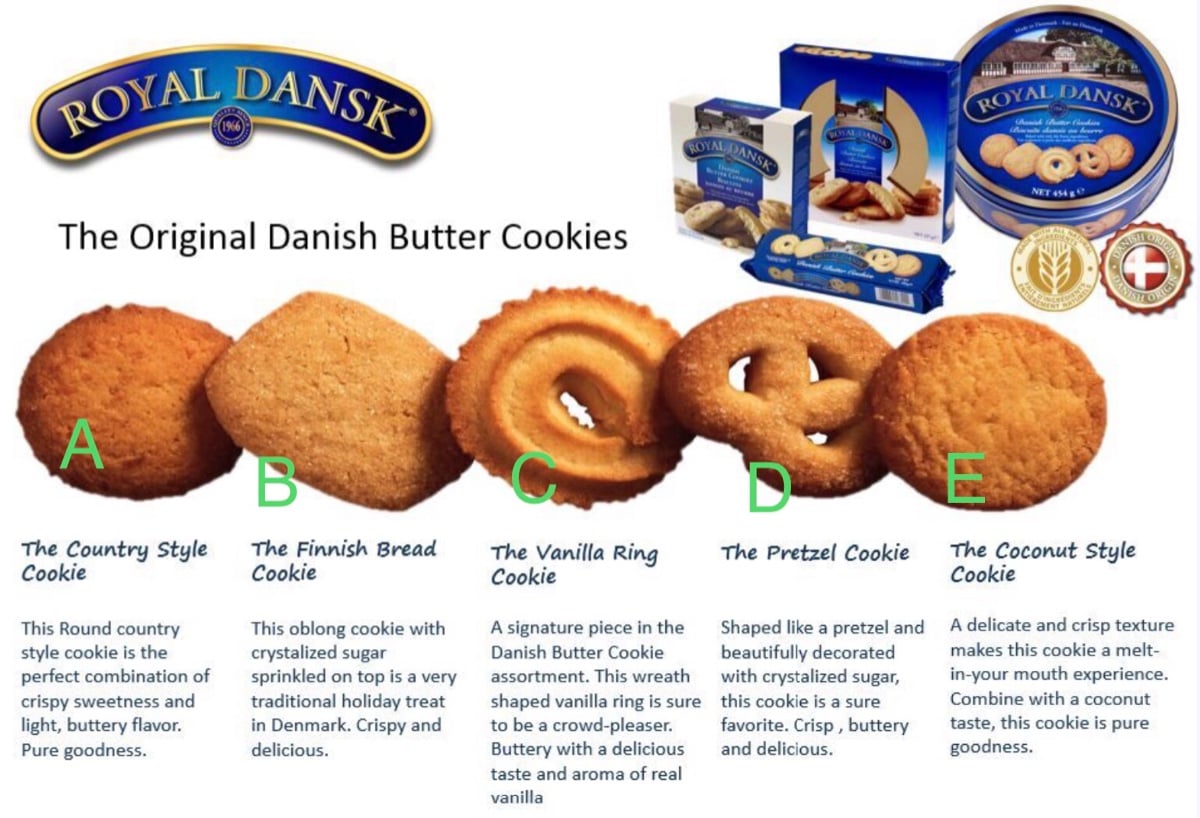
And speaking of sweet treats, who doesn’t have a round tin of Danish butter cookies right now? Their distant cousins from Austria, Linzer cookies, are delectable as well. Made from shortbread and flavored with almonds, the sandwich cookies are traditionally filled with apricot or strawberry preserve. They too are perfect with eggnog!


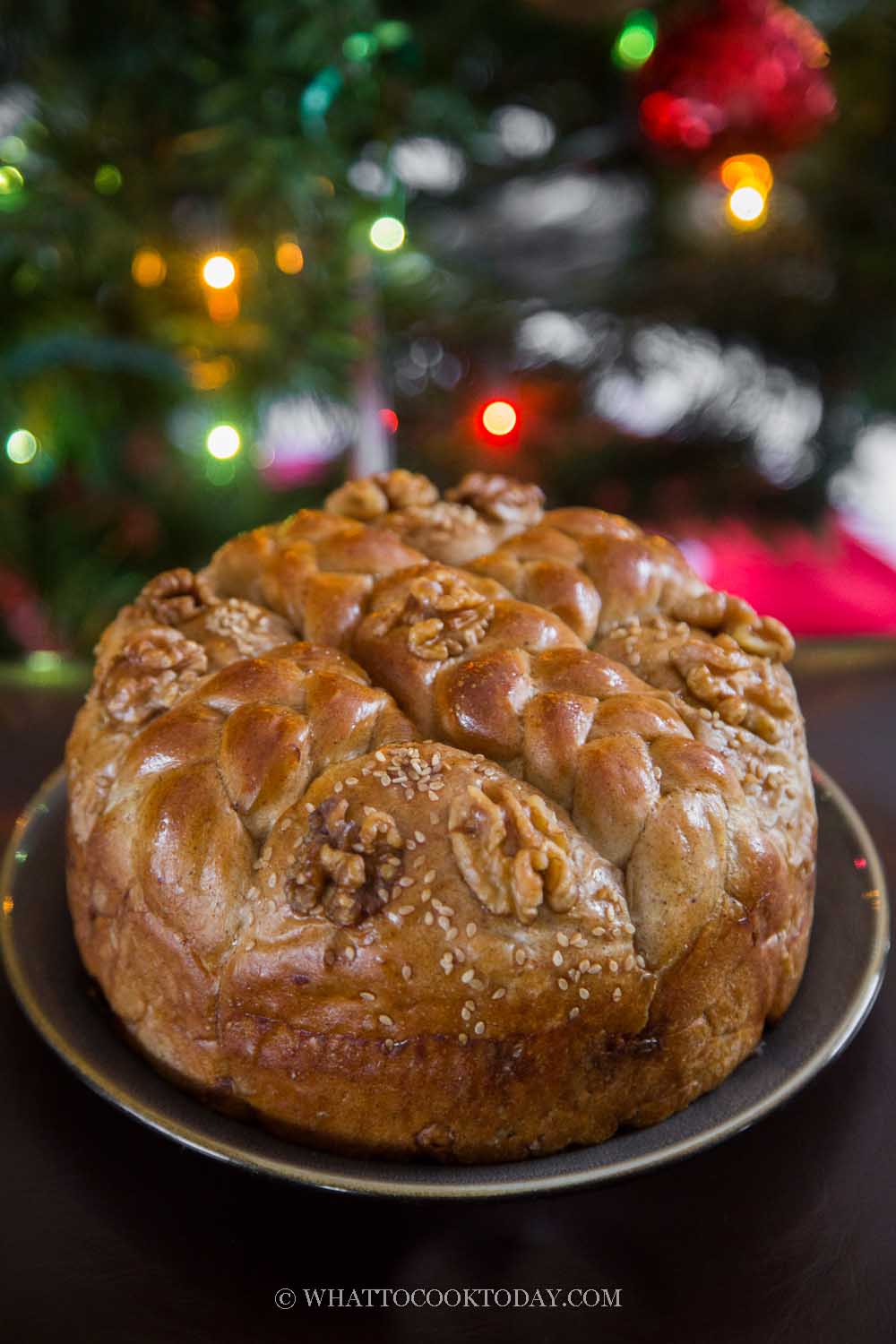
Many families celebrate Christmas in Greece with Christopsomo or “Christ’s bread.” This round Greek Christmas bread is always decorated with a cross. Recipes vary, but the bread typically includes flour, yeast, sugar, and aromatic spices like star anise and cinnamon. Some people also add ingredients like walnuts, honey, raisins, and brandy.


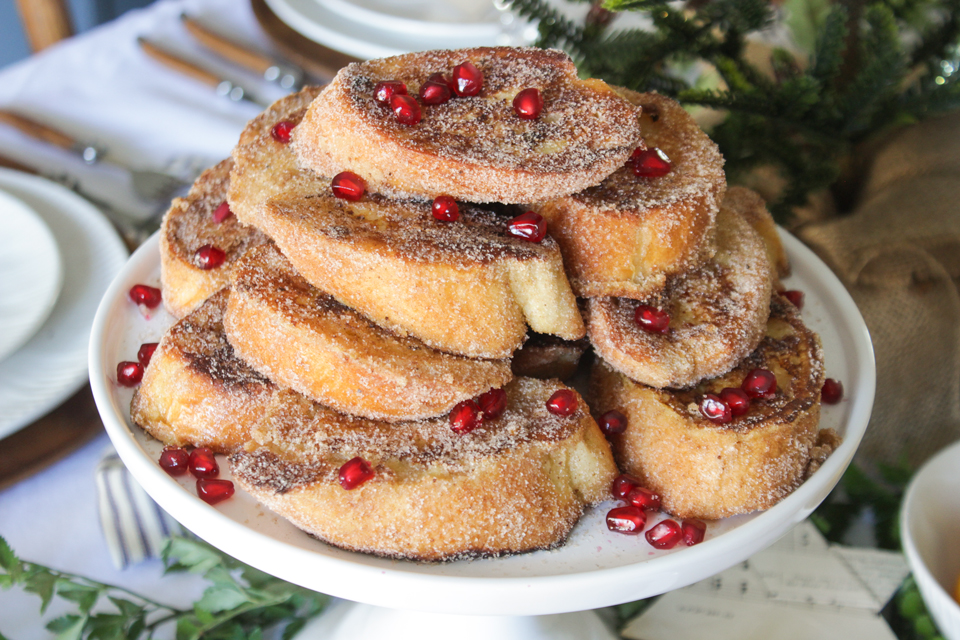
In Brazil, families wouldn’t dream of having a Christmas meal without rabanada. Similar to French toast, rabanada is a fried bread dish that starts with thick slices of crusty bread dipped in milk and sweetened with condensed milk then dunked in eggs, and fried. While the bread is still hot, it’s rolled in cinnamon sugar. It can be eaten as a breakfast dish but is often served as a dessert for dinner on Christmas Eve.


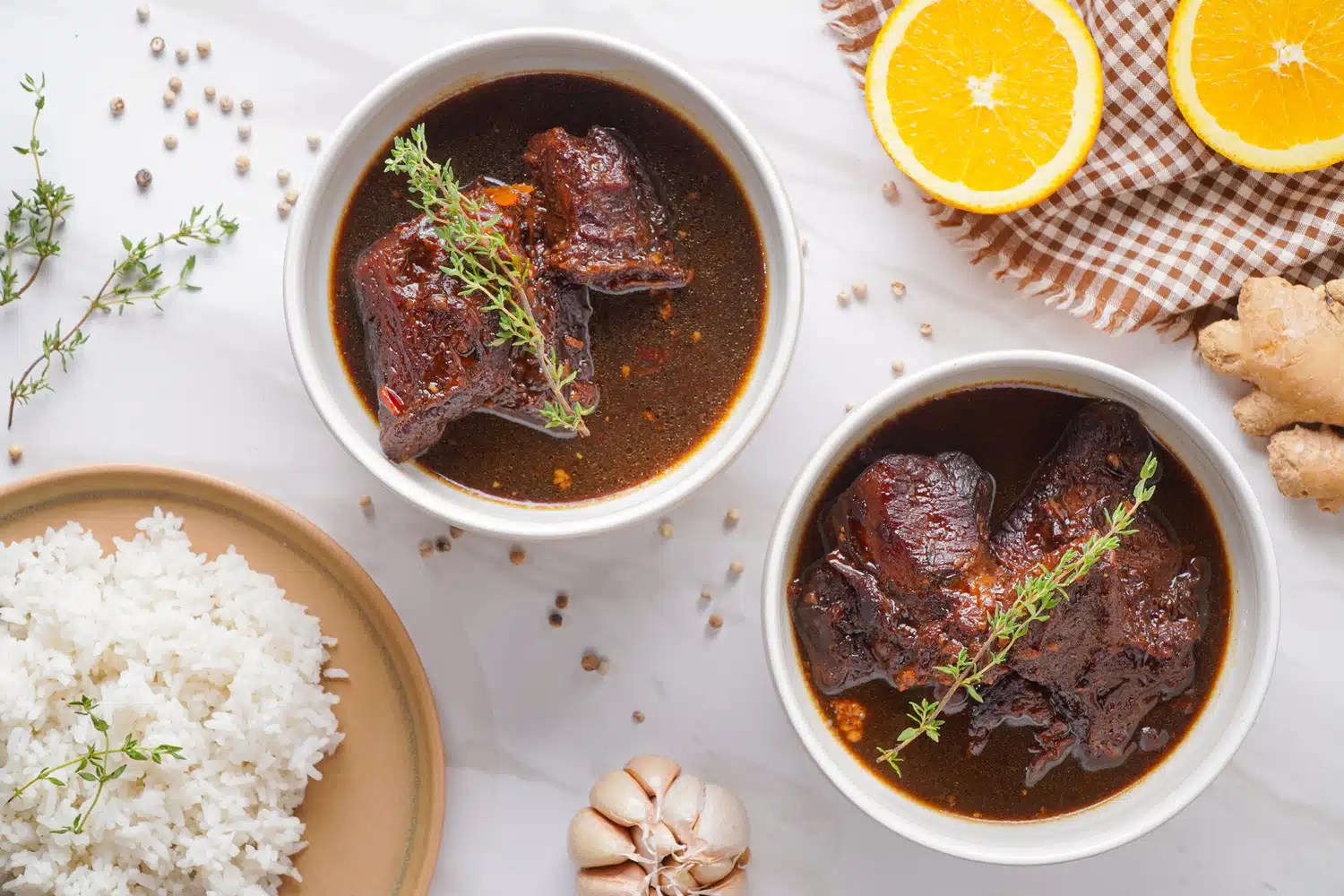
Pepperpot and black cake are touchstone Christmas recipes in Caribbean countries like Trinidad, Jamaica, and Guyana and another member of the Christmas feast supporting cast is macaroni pie. Recipes vary from country to country and family to family, but all agree they are both Christmas traditions.


Tori Avey

Run, run, fast as you can, you can’t catch me, I’m the gingerbread man!

— The Gingerbread Man book

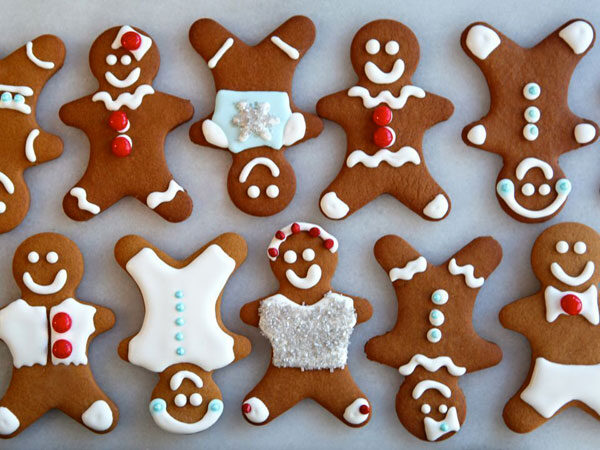
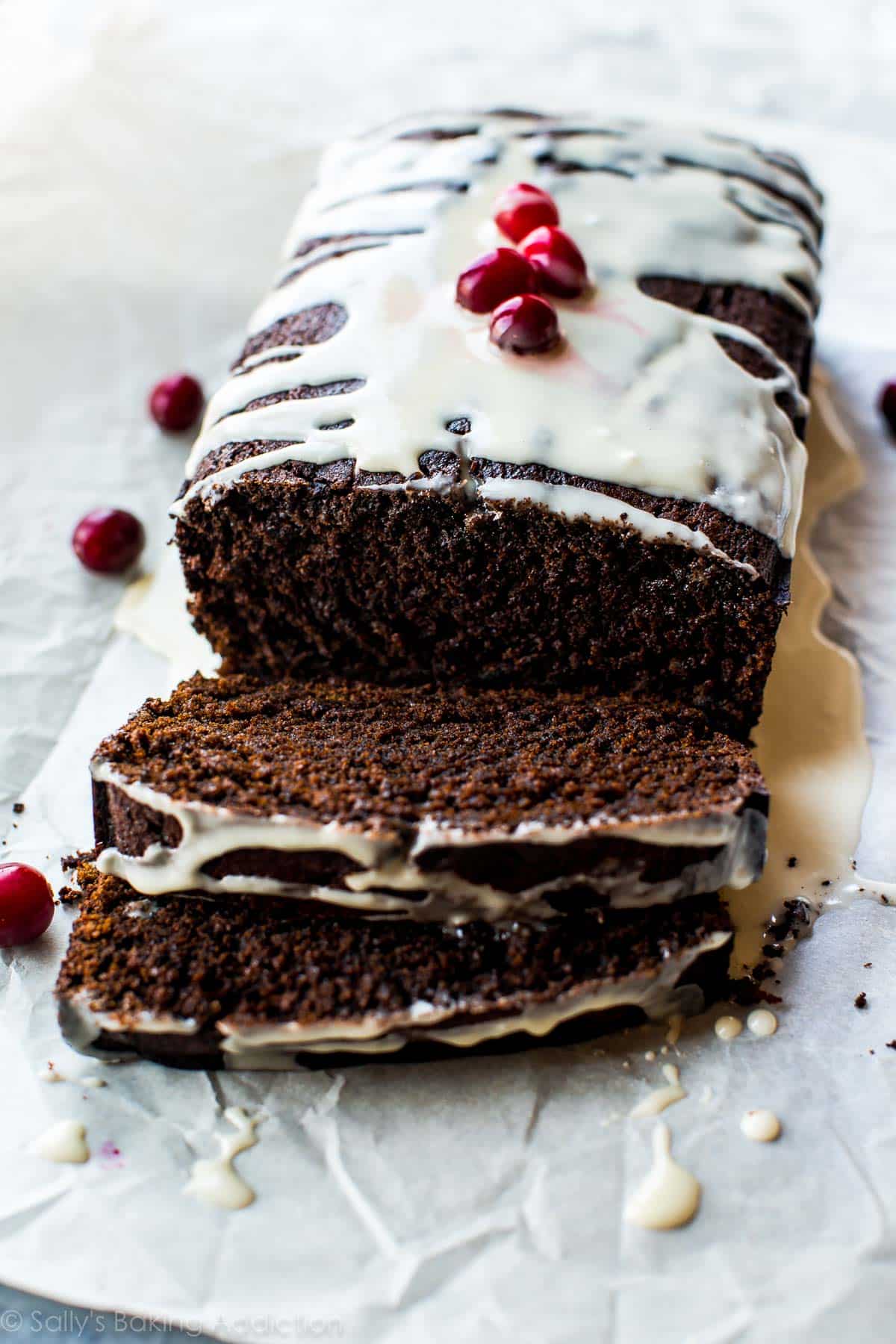
We’ve all heard it and we’ve all read it, the beloved “Gingerbread Man” book. And, even though it’s slightly grisly, it has delighted children at Christmas since 1875, when it was published in St. Nicholas Magazine, and perhaps no confection symbolizes the holidays quite like gingerbread in its many forms, from edible houses to candy-studded gingerbread men to spiced loaves of cake-like bread.


Cakes made with ginger and molasses or honey were likely introduced to Western Europe by 11th-century crusaders returning from Mediterranean countries. The hard cookies, sometimes gilded with gold leaf and shaped like animals, kings and queens, were a staple at Medieval fairs in England, France, Holland and Germany. Queen Elizabeth I is credited with the idea of decorating the cookies in this fashion after she had some made to resemble the dignitaries visiting her court. Yet another royal, Henry VIII, is said to have used a ginger concoction in hopes of building a resistance to the plague. Even today, we use ginger as an effective remedy for nausea and other stomach ailments.


In Germany, gingerbread cookies called lebkuchen were heart-shaped and decorated with romantic messages. The oldest recorded gingerbread recipe, dating to the 16th century, is kept in the Germanic National Museum in Nuremberg. Gingerbread from that city has “protected geographical indication” from the European Union, like Parmigiano-Reggiano and champagne.


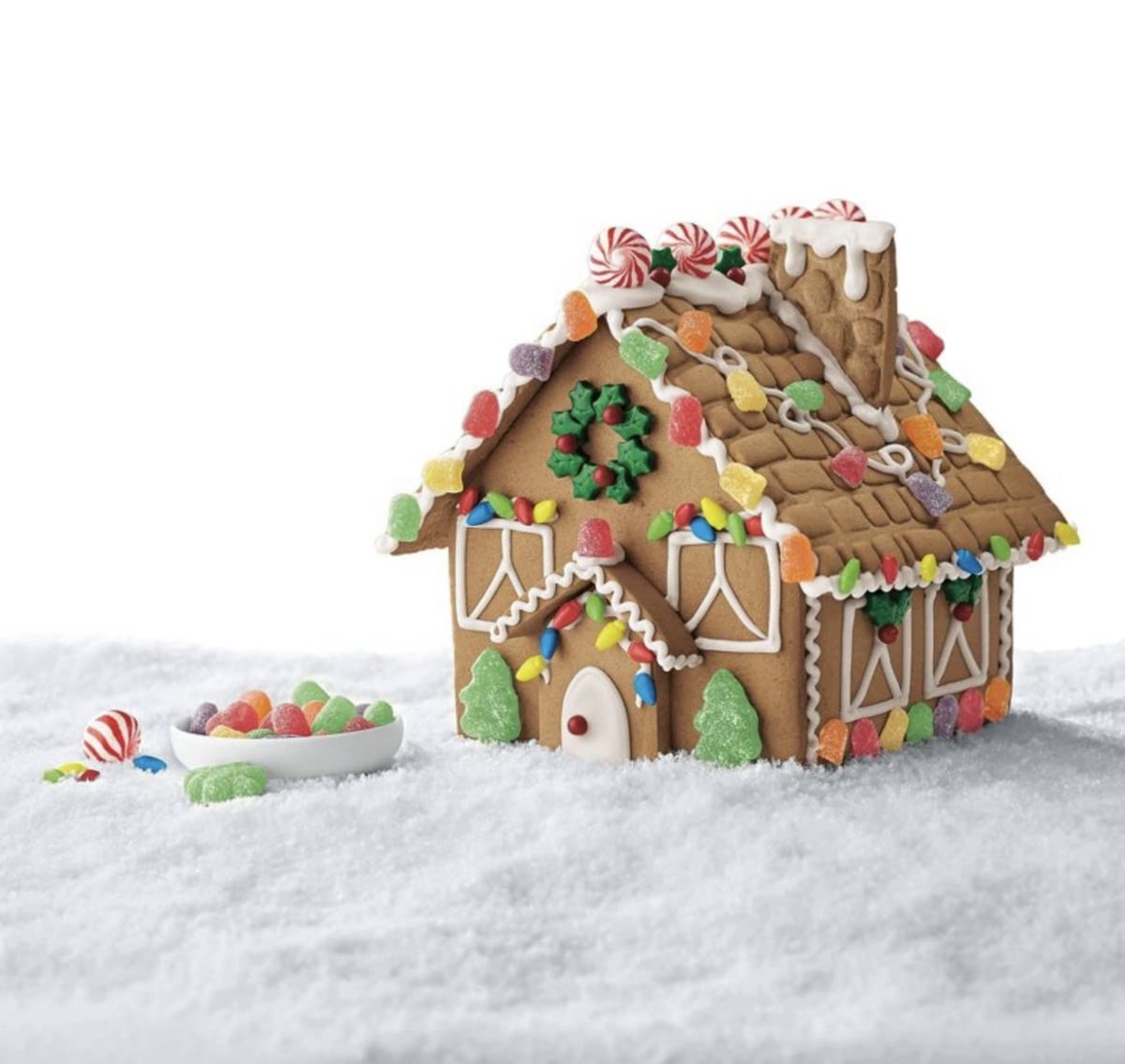
Gingerbread houses originated in Germany during the 16th century. The elaborate cookie-walled houses, decorated with foil in addition to gold leaf, became associated with Christmas tradition. Their popularity rose when the Brothers Grimm wrote the story of Hansel and Gretel, in which the main characters stumble upon a house made entirely of treats deep in the forest. It is unclear whether or not gingerbread houses were a result of the popular fairy tale, or vice versa.


Recently, the record for world’s largest gingerbread house was broken. The previous record was set by the Mall of America in 2006. The new winning gingerbread house, spanning nearly 40,000 cubic feet, was erected at Traditions Golf Club in Bryan, Texas. The house required a building permit and was built much like a traditional house. I guess it’s true that everything is bigger in Texas!


Gingerbread arrived in the New World with English colonists. The cookies were sometimes used to sway Virginia voters to favor one candidate over another. A sweet start of things to come?


I do love the theory that says since the “men” are really more toddler-shaped than adult, they represent Baby Jesus and the spices involved are thought to represent the exotic gifts of the Magi.


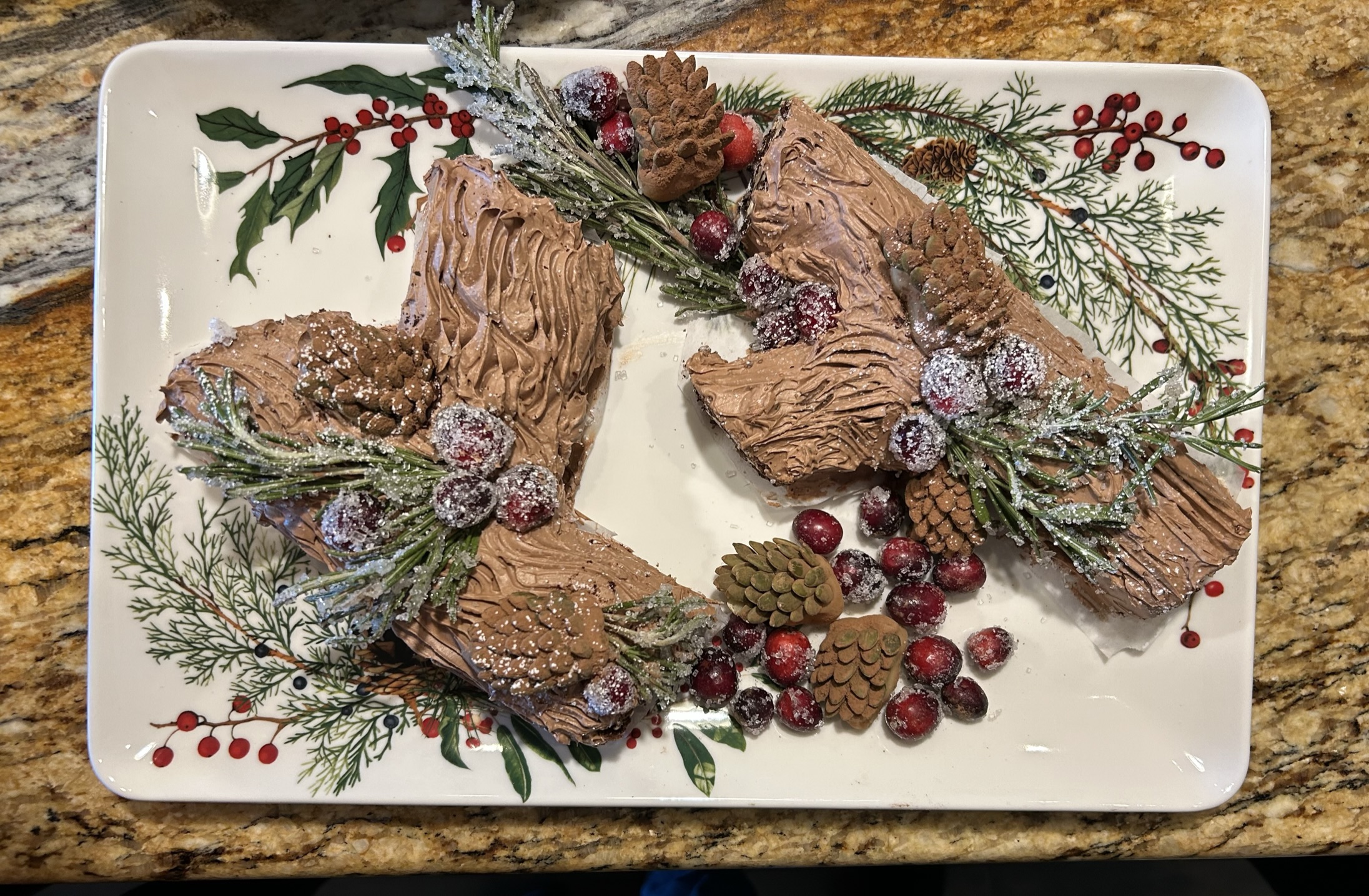
And last but certainly not least, the Yule Log. Two friends of mine made two of them recently for a Christmas get together and I was amazed at the results. They were so pretty and perfect you hated to cut into them and eat them. The “Buche de Noel” is a French tradition dating back to the 19th century and consists of a chocolate sponge rolled into the shape of a long and filled and covered with frosting. They are said to symbolize a yule log, which families would burn starting on Christmas Eve.


Housepitalitydesigns


All this talk and writing is making me hungry. I think I’ll go grab some biscochitos and eggnog and think about those delicious tamales waiting to be eaten. What about you? What are some of your Christmas family food traditions?


Shepherding the Flock December 17, 2024

Filed under: Uncategorized — carlawordsmithblog @ 9:04 pm

Earlier today I posted fun photos of candy canes. Something about them just make me smile. They are festive yet simple. They are traditional yet forever popular. I love their red and white stripes as I love stripes. And, if you know me at all, you know I love red and white! The other thing I love about candy canes is that they are surprisingly symbolic of the real reason for the season.


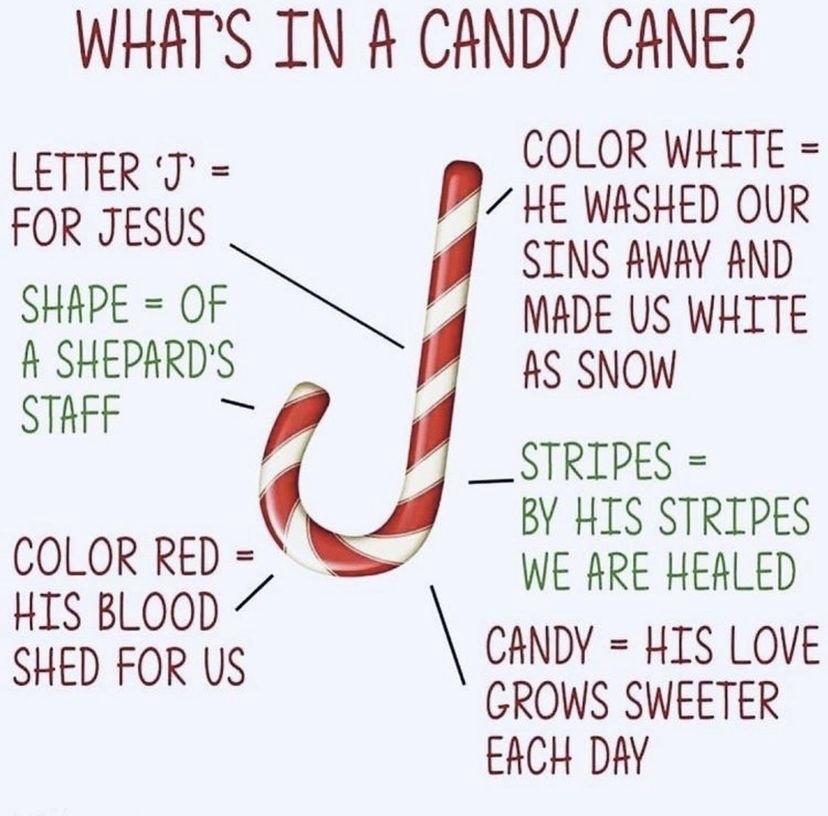
A candy cane’s peppermint flavor is similar to hyssop, which is a member of the mint family and was used in biblical times for purification. The red and white stripes represent love and purity along with the blood Jesus shed for us and the cleansing it offers. And what do you see when you turn a candy cane upside down? The letter J. Whose name starts with J? Jesus!


The shape of a candy cane also has religious undertones as on that first Christmas morning, who were the first to visit and meet Baby Jesus? That would be shepherds, who carried with them the crooks they used in the field to round up their lambs. It’s no coincidence that candy canes resemble those curved canes. I find all of this so interesting but let’s focus on the shepherds for a bit.


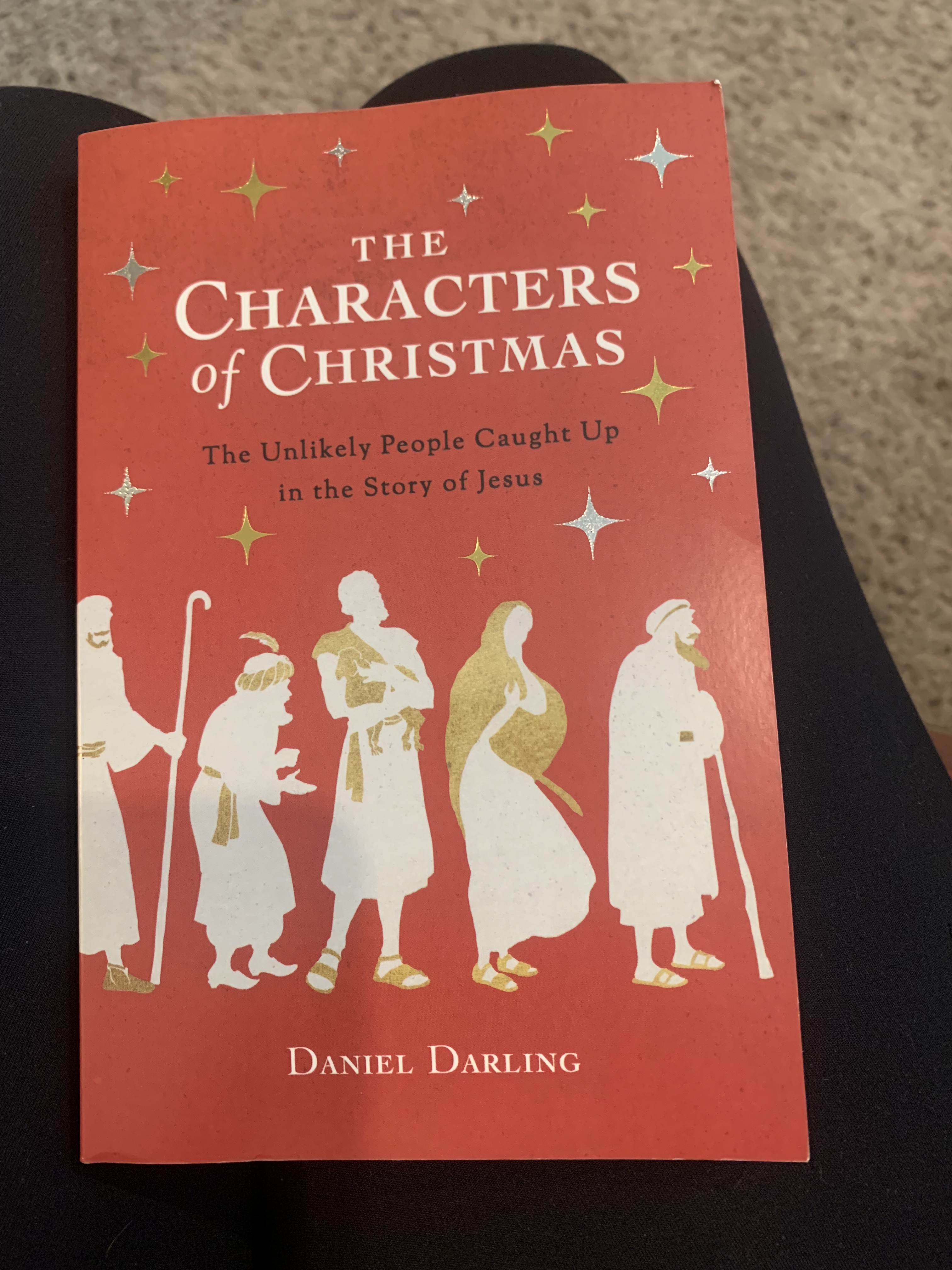
My sister gave me the above book a few years back and each Christmas I love reading it. Today I read about the shepherds. They are very recognizable to us as they are in every manger scene and many Christmas carols include them. But who were they?


In short, they were you and me. They weren’t royalty or even the popular or famous. Nope, the Son of God chose to be born among the lowly. The ordinary. I have always loved the fact that Jesus, the King of Kings, chose to be born in a very humble stable rather than a palace. As Darling writes, the most significant event in the history of the world included shepherds not sovereigns. It took place in a small town with poverty-stricken parents and in a smelly barn. And, He chose the least expected people to be the messengers of the ultimate good news.


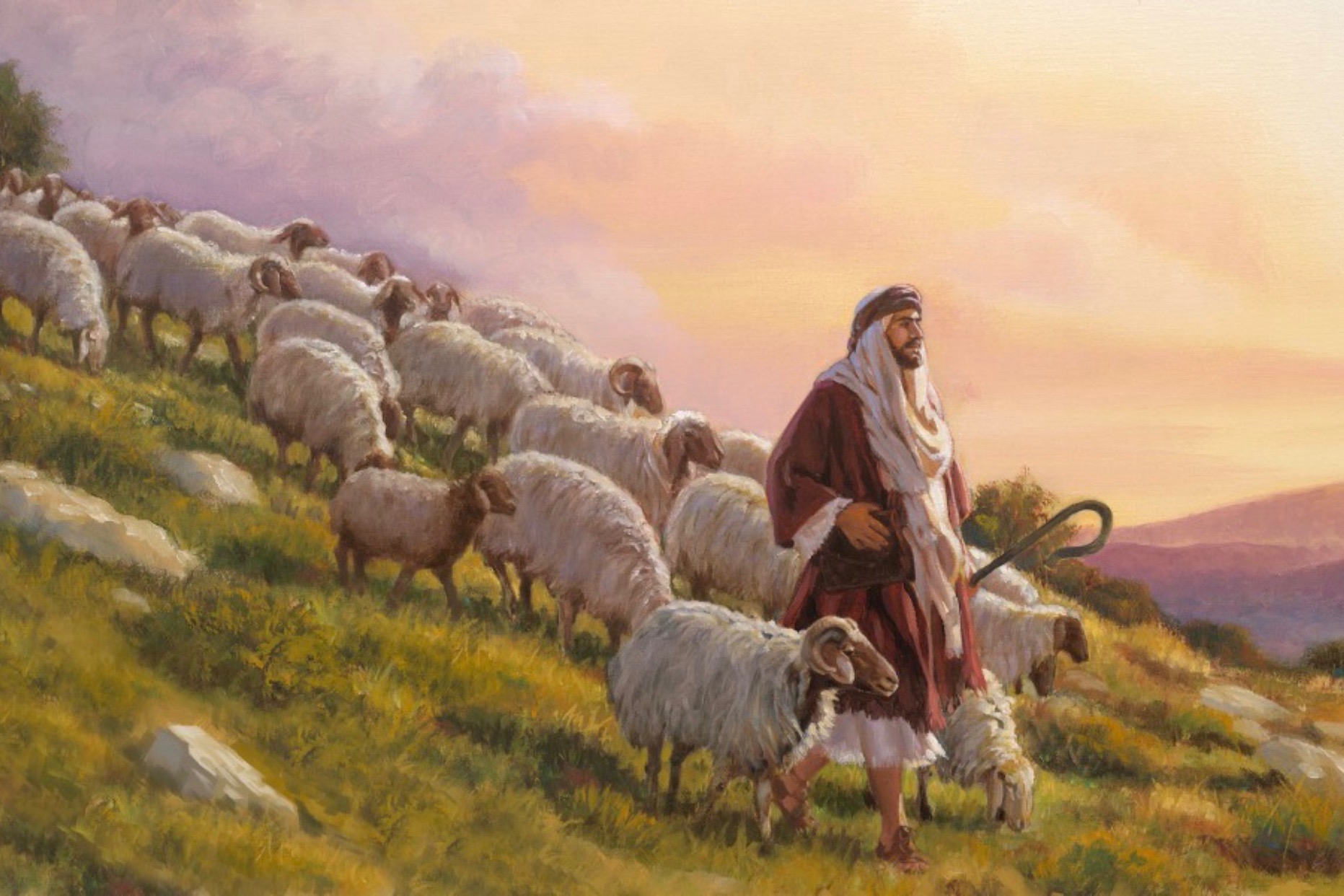
We kind of romanticize shepherds today but back then, nobody did. They were simply seen as necessary as sheep were a valuable commodity. Their jobs were extremely hard and yet they weren’t viewed with respect by their peers. But God chose these humble, unpolished, sweaty laborers to be the first to know of His son’s birth.


This is a reminder that the birth of our Savior and the kingdom of God isn’t just for insiders but for outsiders like the shepherds and the poor and underprivileged like Mary and Joseph; not necessarily the noble, wise, or well-connected. Again, me. And you.


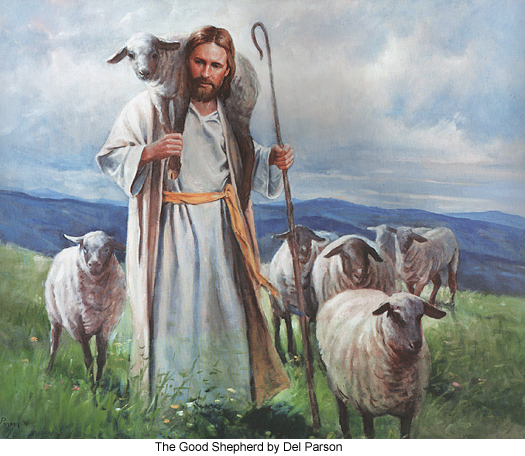
Darling also notes that the presence of shepherds in the Christmas story also reveals what kind of Messiah Jesus would be. He would not be a roaring lion, but a gentle lamb. He wouldn’t be a Caesar who ruled by brute force or a Herod who governed by treachery. The One who came to the shepherds would be the Good Shepherd of us all. This philosophy is all over scripture; much of which many of you are familiar with.


In the Parable of the Good Shepherd, we are reminded that if we listen and live accordingly, Jesus will lead us, much like a shepherd leads his sheep. The image of the Good Shepherd evokes comfort, protection, guidance, and care. The parable of the Lost Sheep, in which the shepherd goes after the one lost little lamb, is also well known. I myself am often that “lost” sheep but find it comforting that God is forever looking for me and carries me on His shoulders each and every time He finds me.


In David’s famous Psalm, he is grateful that “the Lord is my Shepherd.” Just hearing that line I’m guessing many of you follow it with “I shall not want.” Spiritual leaders in both the Old and New Testaments are often compared to shepherds, who in God’s world, care for the vulnerable and the “lost.” God refers to Himself as “Israel’s Shepherd,” Jesus called Himself the Good Shepherd, and His last words to Peter were “Feed my sheep.”


The Lamb of God is a phrase I have said my whole life, both in mass and in many a prayer. John the Baptist said, “Behold the Lamb of God, who takes away the sin of the world.” Jesus is both the Good Shepherd and the Lamb of God. I know this but it’s always good to be reminded that the original shepherds were roughly hewn, untrained, likely illiterate, and of humble rank. And yet God chose them. He chose them to become the world’s first missionaries.


But why sheep and why shepherds? Perhaps it’s because the first needs the second. Sheep aren’t the smartest of animals. They follow along and rarely forge their own paths. They are vulnerable because they are directionless without a shepherd and more importantly, the shepherd cannot protect sheep that are not in his fold, leaving them more susceptible to predators. The sheep ultimately and instinctively trust the shepherd will take care of them and are dependent on their shepherd for safety and direction. Similarly, Jesus, our Good Shepherd, leads us and protects us from evil.


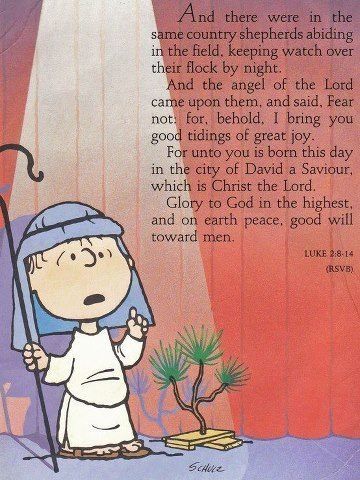
What’s equally amazing is that even though they were caught by surprise by the angels, the shepherds believed. They had the simple faith to look up, listen, and trust. They believed. They worshiped. And they set out to tell others; essentially becoming the first missionaries. One minute they were humbly and tirelessly watching their flocks and the next minute they were witnessing history. I love that even though they were lowly shepherds in a backwater town, they were willing to be awed.


Much like today, the world of the first century was pretty cynical and jaded. People refused to believe and argued endlessly. Sound familiar? We all, including myself sometimes, strive to be the smartest, the best, the prettiest, the richest, and generally in front and in control. Maybe we should instead strive to be shepherds. The next time you look at a candy cane, think of the shepherds. Work hard. Listen. Believe.


Joy to the World? December 16, 2024

Filed under: Uncategorized — carlawordsmithblog @ 3:05 pm

Those profound words were what I woke up to yesterday as I brushed my teeth and turned the page of my daily devotional. We’ve all heard them time and time again: “It’s better to give then to receive” but do we really live by them and do we really believe them? Research shows that yes, we should absolutely believe them!


So, as we’re all singing “Joy to the World” and spreading glad tidings and cheer, we may not realize it but, at the same time, we’re also bringing joy into our own lives. Come to find out that the key to a meaningful life is indeed in giving not from getting.


Okay, okay, we all love receiving gifts, especially this time of year, but if you want to increase your happiness and well-being, research conducted and reported recently in the “Washington Post, shows you should spend your money, time, and/or energy on others. Doing good is actually good for you!


By giving, we gain. We, of course, should not give to gain, but apparently, it’s often an unexpected and sometimes even unrealized benefit. Yes, we give and make a difference in doing so, but it all becomes somewhat of a positive cycle. Happy people give and giving makes people happy. It’s really that simple.


Living a self-less and philanthropic life also has long-term health benefits as the act of giving involves brain regions connected with reward processing as well as the medial prefrontal cortex, which is instrumental in encoding the value of people’s welfare. In short, studies find that people who help others report more satisfaction with their lives and jobs and have fewer depression symptoms up to two months later. And perhaps equally important is that even small acts of kindness can be surprisingly beneficial to our well-being.


We can’t all give huge amounts of time or money to people and places we’d perhaps like to, this is where “Tunnel to Towers’” brilliant marketing of asking just $11 a month proves every little bit can help. It has clearly made a difference as if thousands of people do so, thousands and perhaps millions of dollars can be raised. I now see this idea promoted by many other charitable entities and I myself donate to two local causes that are dear to my heart, albeit in very small monthly amounts. Even the smallest actions and donations add up over time.


If you’re wondering where to start, ask yourself what values are important to you. How do you want to use your time or money? What organizations have served you in your own life? They present a classic “pay it forward” opportunity. What are your interests? If you’re a dog lover, perhaps a local rescue group is a good idea. Golfer perhaps? First Tee organizations are wonderful organizations. Love to read? Consider a local library or book bank. By helping locally, you’ll also likely make new friends; friends who obviously share a common cause, and you’ll see the effects and benefits of your selflessness up close and personal. A great place to start and an effective way to boost happiness is to donate to causes you believe in.


Research also shows that giving is contagious as helping others not only benefits the person giving and the person receiving, but also anyone who observes or hears about acts of kindness. The idea that seeing someone do something nice or generous leads to feeling better about and less cynical about the world in general Boy do we need more of that!


Happiness guru and author Gretchen Rubin writes that by doing good we can also relieve stress as action is often an antidote to anxiety. In her study of happiness, she found that one of the best ways to make yourself happy is to make other people happy and that one of the best ways to make other people happy is to be happy yourself. Sure, you can’t make someone be happy, but you can try and your own happiness will often rub off on others. Generosity can also foster a sense of community and give us the knowledge that we’re supporting something bigger than ourselves and ultimately boost our happiness! We all want to be happy right?


Let’s review quickly however, the difference between happiness and joy. Webster defines joy as a feeling of great pleasure and delight. Happy, on the other hand, is defined as a feeling or show pleasure or contentment. Happiness is generally fleeting and temporary while joy is a true send of utter and permanent delight.


You might have participated in the recent “Giving Tuesday” global movement that unites people in generosity. It perfectly and conveniently lands the Tuesday after the spending bonanzas of “Black Friday” and “Cyber Monday” and is a great reminder that many of us have what we need so maybe we need to give…and I don’t mean tons of Christmas presents for the kids and the grandkids. Sidebar here but fits this narrative: since our daughter was little, she has only received three gifts as I read something at the time that said “if three gifts were good enough for Jesus, they’re good enough for us.” Bingo. It’s stuck to this day.


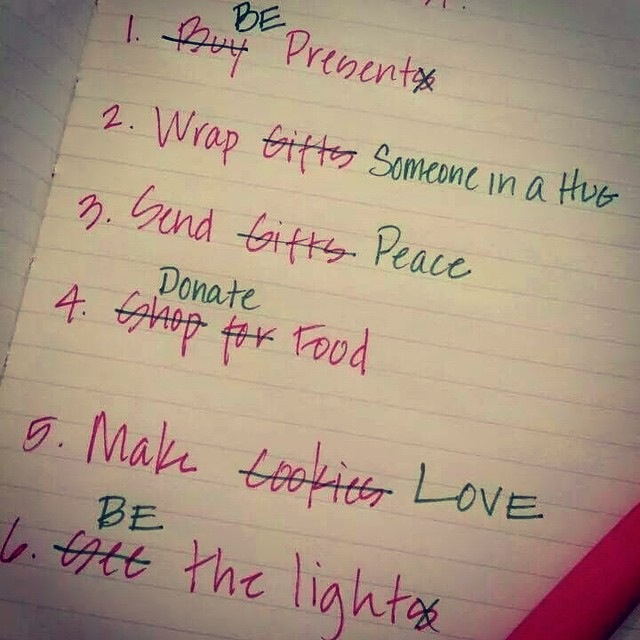
This all tied together walking out of mass today when my husband said he was officially not focusing on receiving any gifts this Christmas season but instead focusing on all his blessings and giving. We were read “Whoever has two cloaks should share with the person who has none. And whoever has food should do likewise” from the Gospel of Luke and my hope is that hubby wasn’t the only one listening and learning that doing good is good for you. Good luck!


Advent, St. Nick, and Why Do We Get Gifts? December 2, 2024

Filed under: Uncategorized — carlawordsmithblog @ 1:01 am

In many Western Christian churches, including most Catholic and Lutheran parishes, today marks the start of Advent. Growing up, we didn’t really “celebrate” Advent but I’ve grown to embrace it and today I read some inspiring pieces, one of which said Advent is kind of the pregnant phase of Christmas. Both expectation and anticipation come into play but just like a new life, we must wait. And hope. We can’t rush it. The development of any life, whether a tree, puppy, hatching egg, or even a spiritual rebirth, takes time. We must be patient. It’s good to remember that waiting in anticipation is not passive nor is soul-searching. In fact, calm and serenity require as much stamina as physical activity.


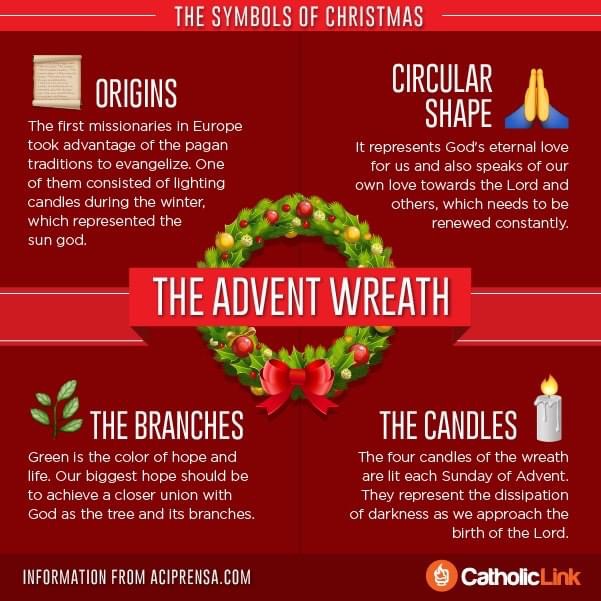
The Advent Wreath…more on that in a bit…is just one of many symbols we see everywhere right now. We also see trees, lights, manger scenes, and so much more. They are all symbols of Christmas but they also surprisingly can be related to modern day needs and issues. Think about it. Advent and Christmas uphold many precious realities that are currenlty either in peril or highly divisive. Birth and the unborn, children, families, and even the earth. In celebrating Advent and Christmas, let’s keep all of these in mind.


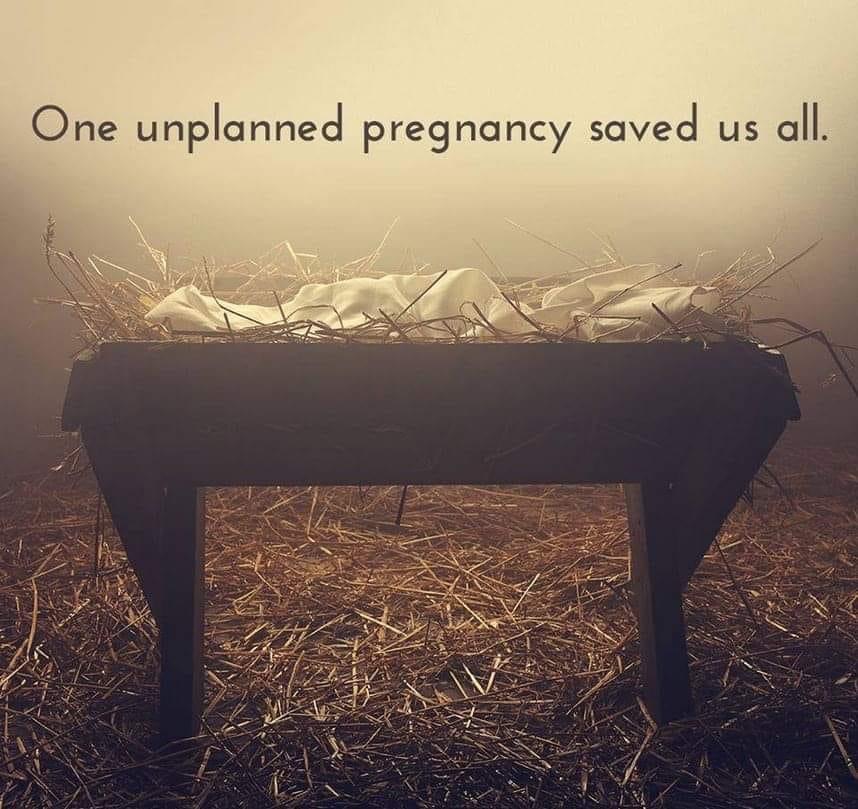
It’s often said Mary’s was the first ever unplanned pregnancy and despite sooooo many obstacles, she said yes. She kept her precious baby and what would our world be if she hadn’t? Joseph stood by her despite his confusion and natural shock and turned into a loyal, loving, and supportive husband. The family they created is one we should model our families on and remind us of the dignity and importance of life, children, and families in our society.


In a world where “climate change” and “save the earth” are chanted and marched ad nauseum sometimes, we need to ignore the crazies and instead acknowledge that some of our environment is indeed threatened so why not use Christmas trees and wreaths as not only reminders of the Reason for the Season, but of the beauty and sacredness of nature as well.


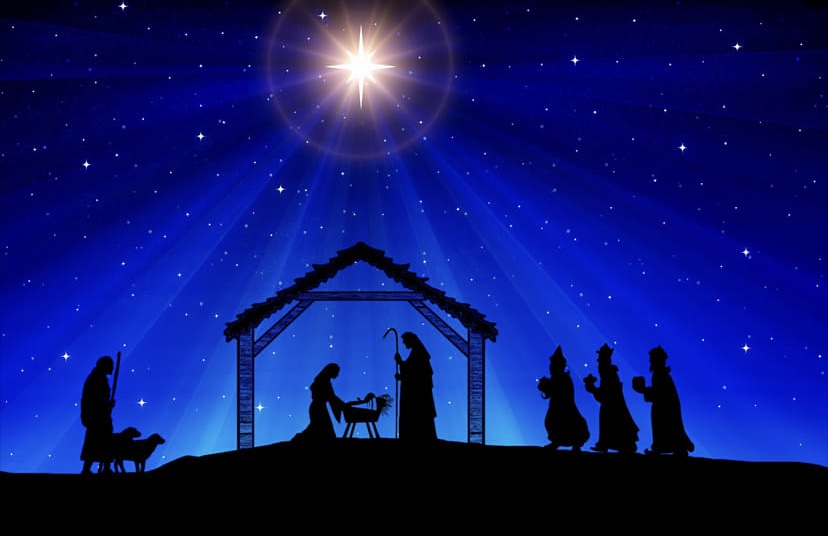
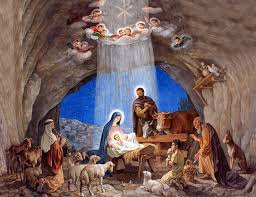
Last but certain not least is the beloved manger scene: a simple stable complete with animals, a mom, a dad, and a baby like no other. What always reigns me in is the fact that the King of kings chose not to be born in a castle or palace, but in what was in essence a barn. This, along with the poor shepherds surrounding Him, can serve as reminders of the poor among us. Maybe instead of buying all those Christmas presents, you choose to spend that money helping the less fortunate.


The word “advent” comes from the Latin word “adventus,” which means “coming.” During Advent, Christians patiently await the coming of their Savior, Jesus Christ. Christians around the world have different ways of celebrating Advent. Some light candles, some sing, some eat candy, some give gifts, and some hang wreaths. As I mentioned above, one of the most popular Advent symbols is the Advent wreath.


Origins of the Advent Wreath are found in the folk practices of the pre-Crhistian Germanic people who gathered wreaths of evergreen and lighted fires as signs of hope in the cold and dark winter months in Eastern Europe.


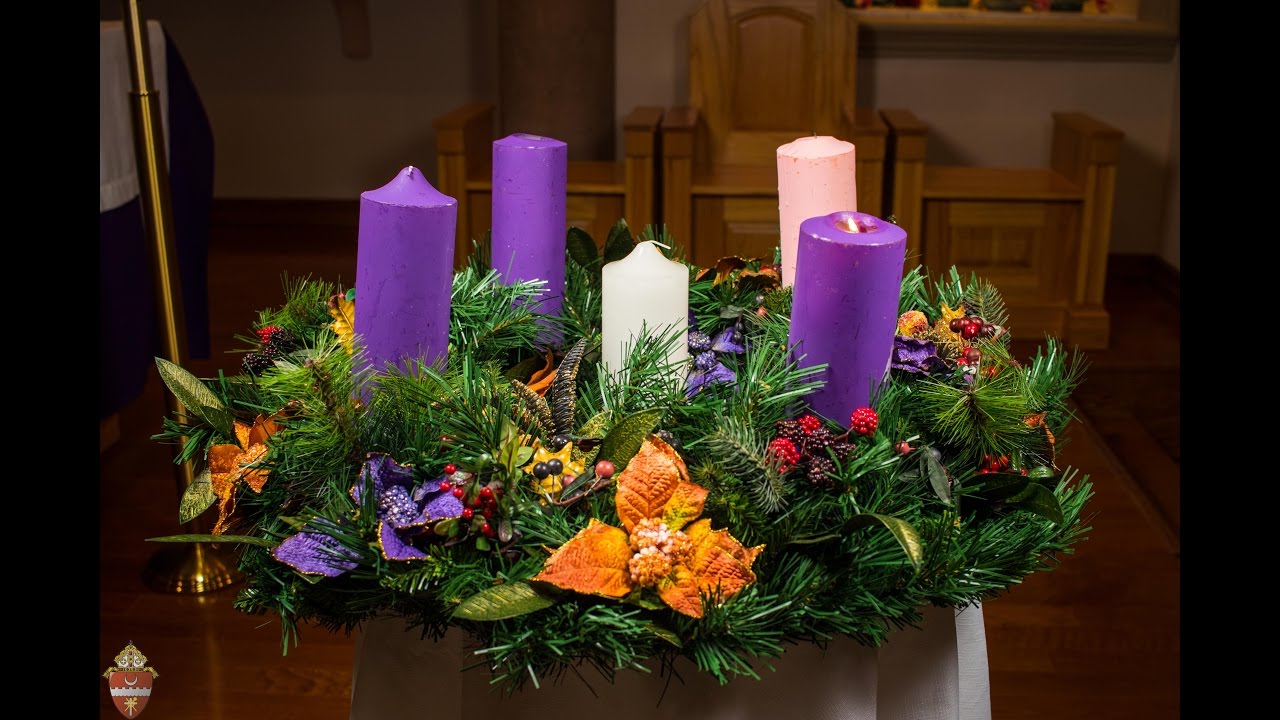
Christians later kept the popular tradition alive and by th 16th century Catholics and Prostestant throughout Germany used th symbol to celebrate Advent. From Germany, the use of the Advent wreath spread across the Crhistian world. Legend has it that the four candles and the four weeks represent 1,000 years and together total the 4,000 years between Adam and Eve and Jesus’ birth. Three candles on the wreath are purple and one is pink. They signify Christ being the light of the world and the contrast between darkness and light.


Today, wreaths are made up of various evergreens shaped in a circle that represents continuous life, as well as four candles that symbolize the four weeks of Advent. On the first Sunday of Advent, a purple “Prophet’s Candle” is lit as we focus on Hope and Jesus’ coming. The second Sunday of Advent’s purple candle is followed by the third Sunday’s pink “Shepherd’s Candle” reminding us of Joy and the birth of Jesus. On the last Sunday of Advent, the “Angel’s Candle” of Peace is lit. Some Advent wreaths also add a fifth white “Christ Candle” is the middle, which is lit on Christmas.


There’s no biblical mandate to observe Advent but observers find it very fulfilling and inspiring. It generally begins on the fourth Sunday before Christmas, ends on Christmas Eve, and ranges in length from 22 to 29 days.


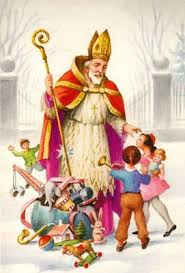
Later this week Catholics will celebrate the Feast of St. Nicholas on December 6. Considered the “first Santa,” good ole St. Nick wore a red coat like Santa, had a beard, and loved to share and give. He’s also mentioned in the classic “The Night Before Christmas.” Who knew?!


A very rich and generous man, St. Nicholas heard about a family that didn’t have enough money to buy food so he snuck onto their roof and threw some gold coins down their chimney. The coins landed in their stockings, which were hanging over the fire to dry. This, my friends, is why we hang stockings on fireplaces and put treats in them!


Let’s remember the kindness of St. Nicholas as we celebrate his feast day and try to emulate his example of quiet, generous giving and how important our children are.


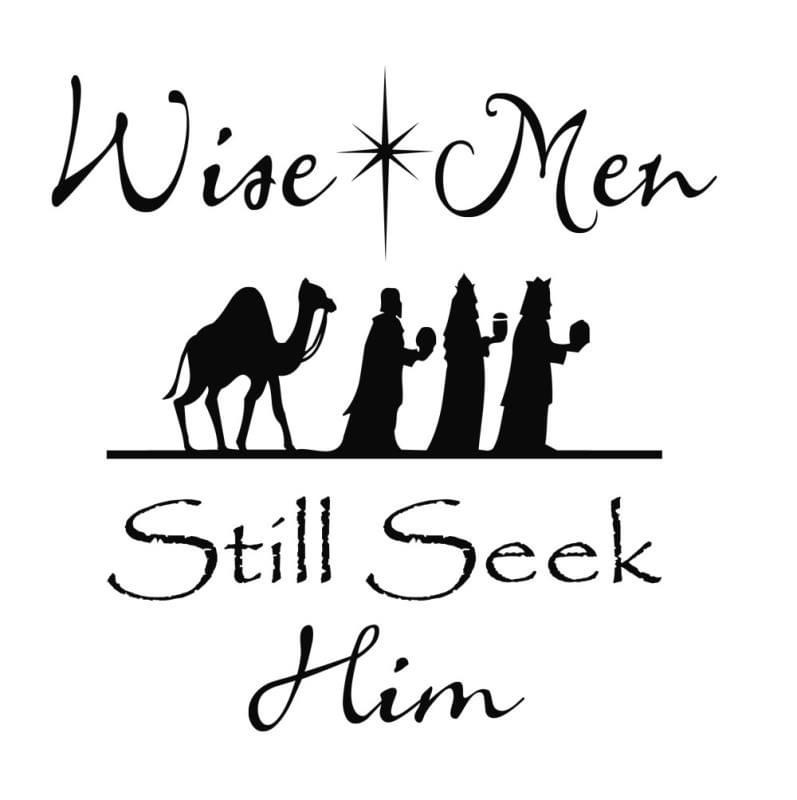
Finally, why do we give presents? Well, think of the 3 Kings. They brought gifts to the infant King and by giving to others, we model their generous act. Our daughter Kristen only gets three presents at Christmas, which has been our family tradition all her life. If three gifts were good enough for Jesus, they are certainly good enough for the rest of us!


All of these things explain some age-old traditions and also demonstrate the true meaning of Christmas. It breaks my heart to see the real reason for the season become increasingly “offensive” and secular as well as purely commercial but my hope is that by sitting back and understanding exactly why we have days off in December and why stores love this time of the year, we will realize that there is so much more to it all than just time off, shopping, and Santa. I have hope.