
Earlier today I posted fun photos of candy canes. Something about them just make me smile. They are festive yet simple. They are traditional yet forever popular. I love their red and white stripes as I love stripes. And, if you know me at all, you know I love red and white! The other thing I love about candy canes is that they are surprisingly symbolic of the real reason for the season.
 A candy cane’s peppermint flavor is similar to hyssop, which is a member of the mint family and was used in biblical times for purification. The red and white stripes represent love and purity along with the blood Jesus shed for us and the cleansing it offers. And what do you see when you turn a candy cane upside down? The letter J. Whose name starts with J? Jesus!
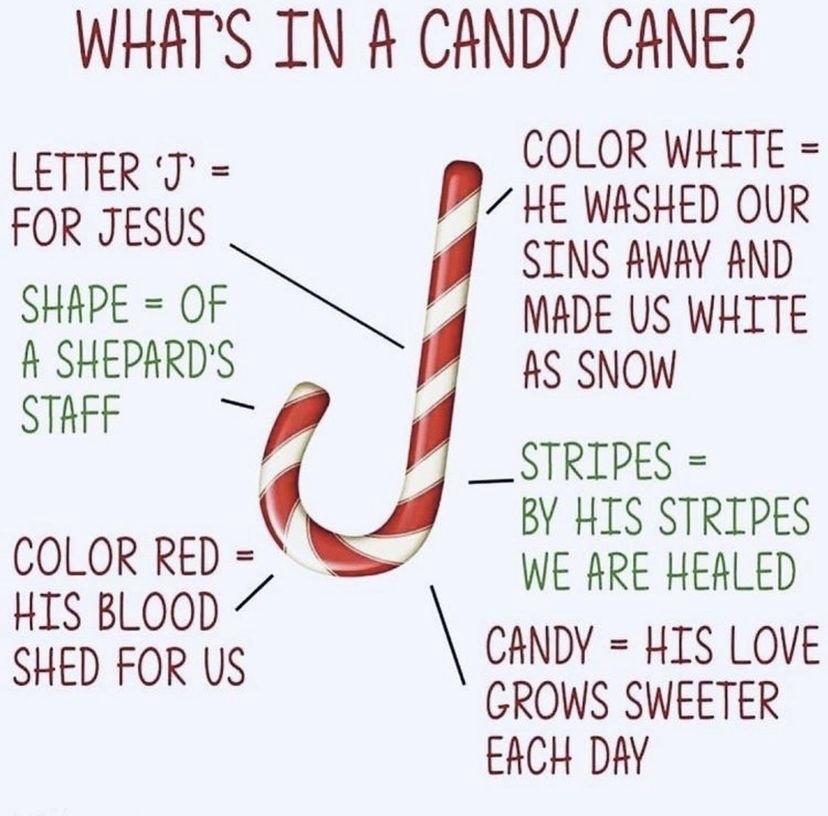 The shape of a candy cane also has religious undertones as on that first Christmas morning, who were the first to visit and meet Baby Jesus? That would be shepherds, who carried with them the crooks they used in the field to round up their lambs. It’s no coincidence that candy canes resemble those curved canes. I find all of this so interesting but let’s focus on the shepherds for a bit.
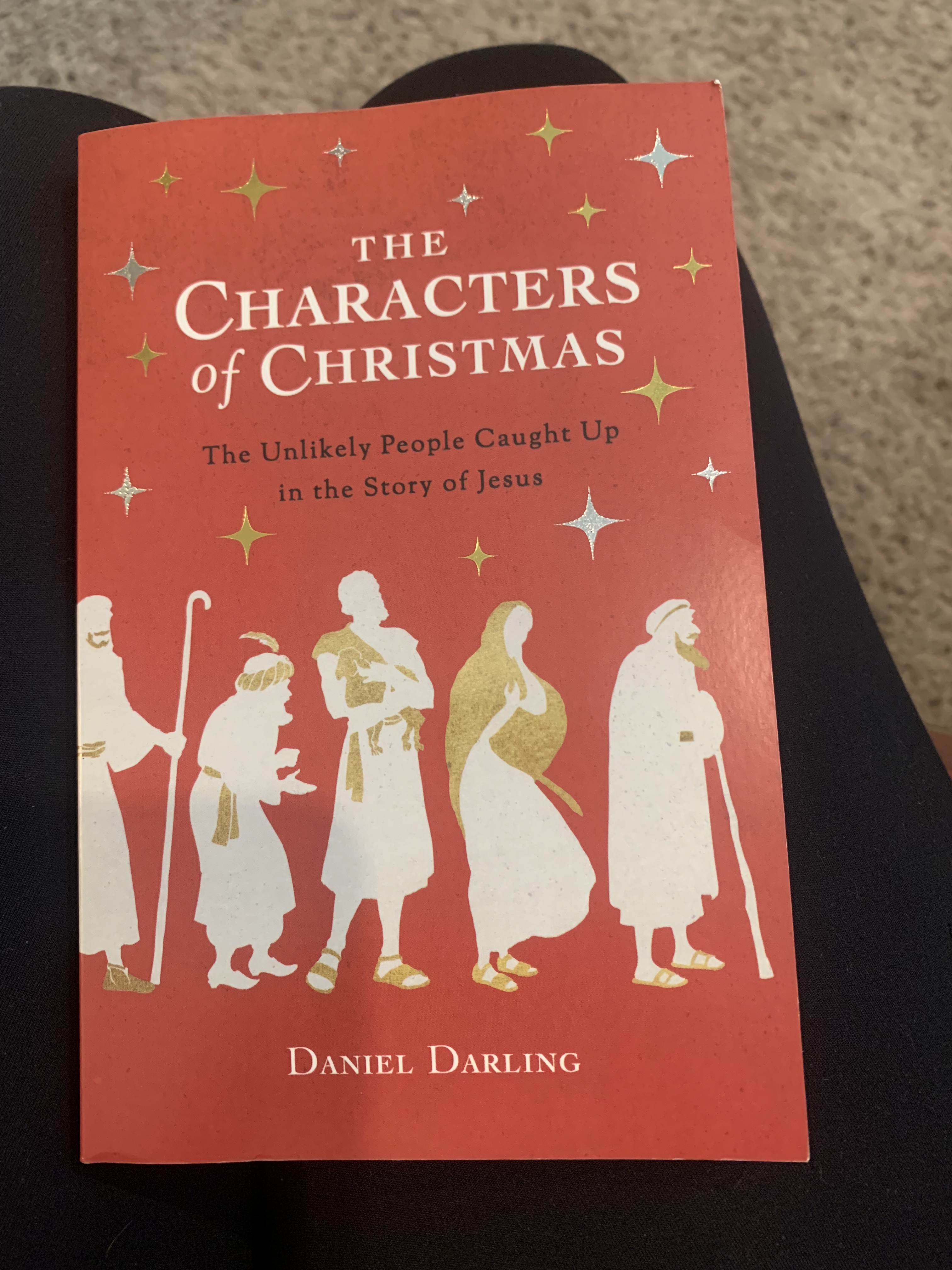 My sister gave me the above book a few years back and each Christmas I love reading it. Today I read about the shepherds. They are very recognizable to us as they are in every manger scene and many Christmas carols include them. But who were they?
In short, they were you and me. They weren’t royalty or even the popular or famous. Nope, the Son of God chose to be born among the lowly. The ordinary. I have always loved the fact that Jesus, the King of Kings, chose to be born in a very humble stable rather than a palace. As Darling writes, the most significant event in the history of the world included shepherds not sovereigns. It took place in a small town with poverty-stricken parents and in a smelly barn. And, He chose the least expected people to be the messengers of the ultimate good news.
We kind of romanticize shepherds today but back then, nobody did. They were simply seen as necessary as sheep were a valuable commodity. Their jobs were extremely hard and yet they weren’t viewed with respect by their peers. But God chose these humble, unpolished, sweaty laborers to be the first to know of His son’s birth.
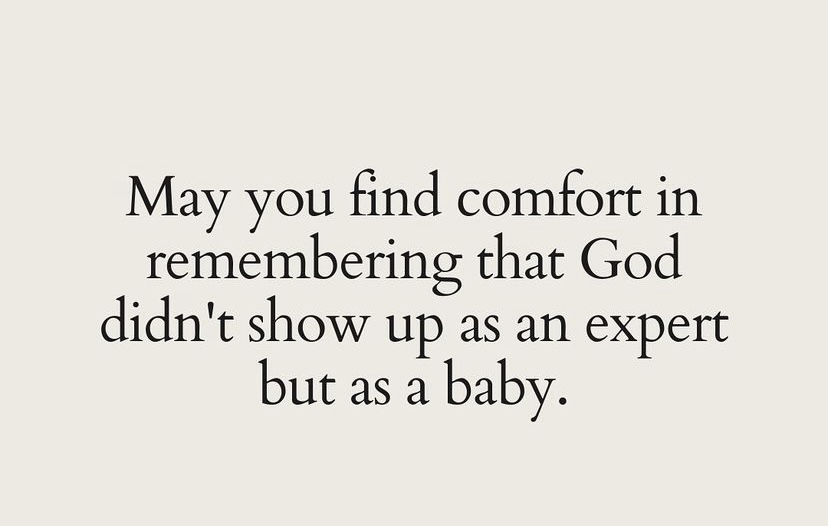 This is a reminder that the birth of our Savior and the kingdom of God isn’t just for insiders but for outsiders like the shepherds and the poor and underprivileged like Mary and Joseph; not necessarily the noble, wise, or well-connected. Again, me. And you.
 Darling also notes that the presence of shepherds in the Christmas story also reveals what kind of Messiah Jesus would be. He would not be a roaring lion, but a gentle lamb. He wouldn’t be a Caesar who ruled by brute force or a Herod who governed by treachery. The One who came to the shepherds would be the Good Shepherd of us all. This philosophy is all over scripture; much of which many of you are familiar with.
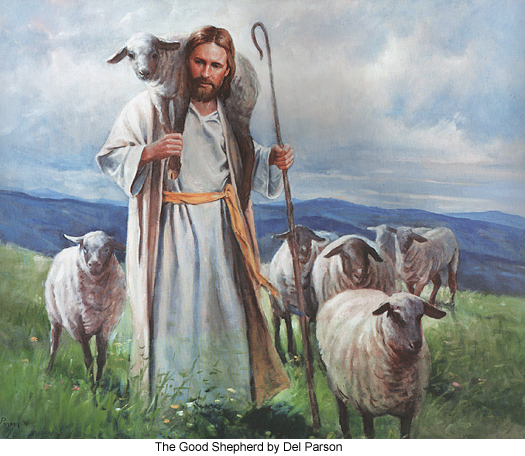 In the Parable of the Good Shepherd, we are reminded that if we listen and live accordingly, Jesus will lead us, much like a shepherd leads his sheep. The image of the Good Shepherd evokes comfort, protection, guidance, and care. The parable of the Lost Sheep, in which the shepherd goes after the one lost little lamb, is also well known. I myself am often that “lost” sheep but find it comforting that God is forever looking for me and carries me on His shoulders each and every time He finds me.
In David’s famous Psalm, he is grateful that “the Lord is my Shepherd.” Just hearing that line I’m guessing many of you follow it with “I shall not want.” Spiritual leaders in both the Old and New Testaments are often compared to shepherds, who in God’s world, care for the vulnerable and the “lost.” God refers to Himself as “Israel’s Shepherd,” Jesus called Himself the Good Shepherd, and His last words to Peter were “Feed my sheep.”
The Lamb of God is a phrase I have said my whole life, both in mass and in many a prayer. John the Baptist said, “Behold the Lamb of God, who takes away the sin of the world.” Jesus is both the Good Shepherd and the Lamb of God. I know this but it’s always good to be reminded that the original shepherds were roughly hewn, untrained, likely illiterate, and of humble rank. And yet God chose them. He chose them to become the world’s first missionaries.
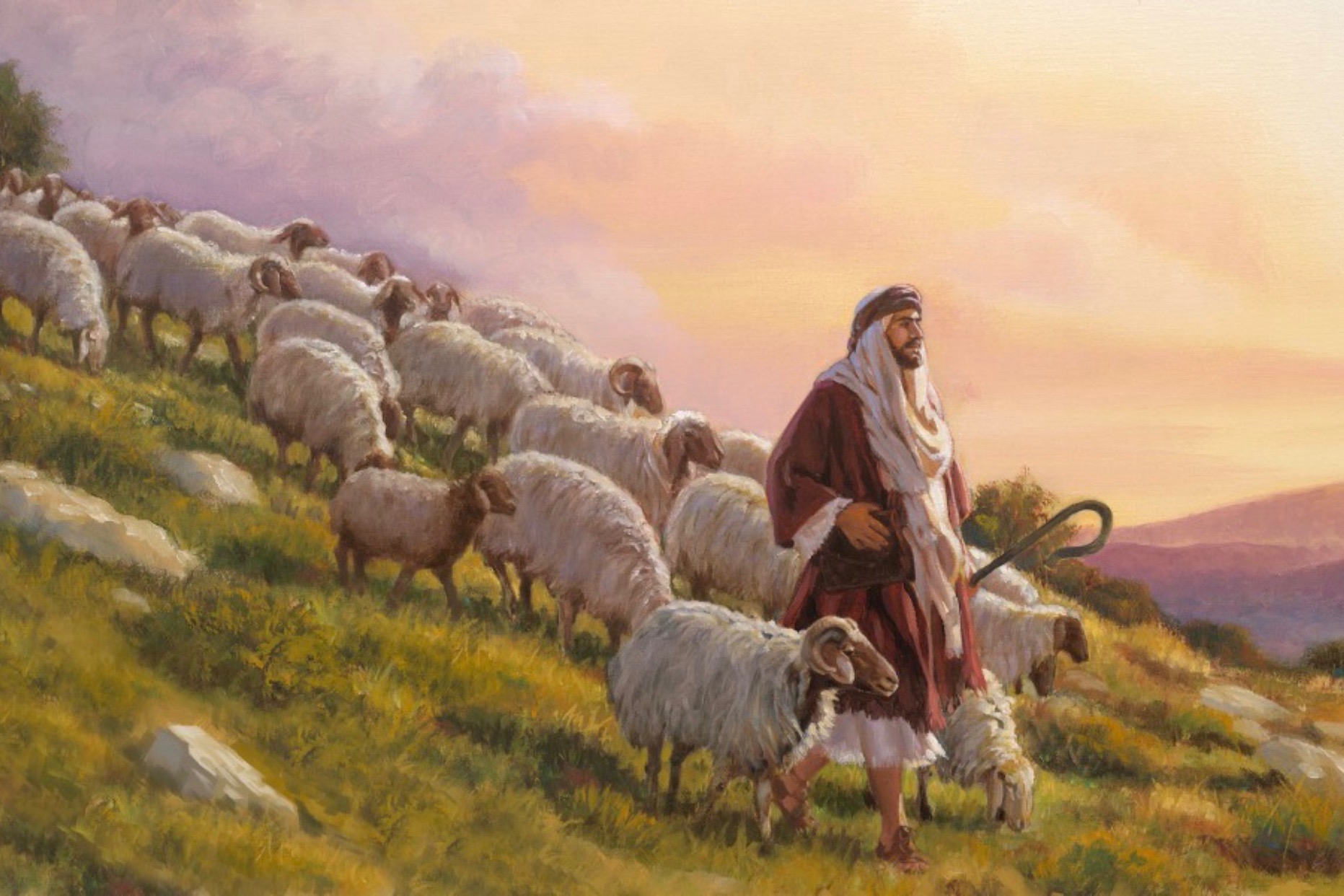 But why sheep and why shepherds? Perhaps it’s because the first needs the second. Sheep aren’t the smartest of animals. They follow along and rarely forge their own paths. They are vulnerable because they are directionless without a shepherd and more importantly, the shepherd cannot protect sheep that are not in his fold, leaving them more susceptible to predators. The sheep ultimately and instinctively trust the shepherd will take care of them and are dependent on their shepherd for safety and direction. Similarly, Jesus, our Good Shepherd, leads us and protects us from evil.
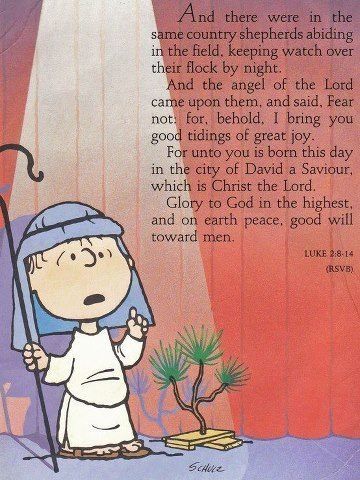 What’s equally amazing is that even though they were caught by surprise by the angels, the shepherds believed. They had the simple faith to look up, listen, and trust. They believed. They worshiped. And they set out to tell others; essentially becoming the first missionaries. One minute they were humbly and tirelessly watching their flocks and the next minute they were witnessing history. I love that even though they were lowly shepherds in a backwater town, they were willing to be awed.
Much like today, the world of the first century was pretty cynical and jaded. People refused to believe and argued endlessly. Sound familiar? We all, including myself sometimes, strive to be the smartest, the best, the prettiest, the richest, and generally in front and in control. Maybe we should instead strive to be shepherds. The next time you look at a candy cane, think of the shepherds. Work hard. Listen. Believe.
Discover more from Beyond Words
Subscribe to get the latest posts sent to your email.


 Beyond Words