
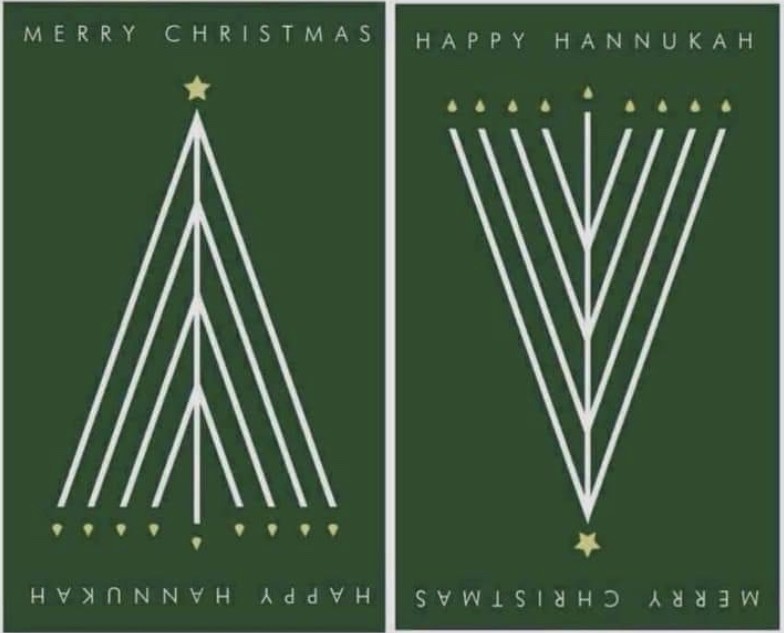
 In just 10 days we will all be celebrating a new year. But before then, many of us will be celebrating Christmas and Hanukkah and, in a rare occurrence, we’ll celebrate them on the same day. Yep, Judaism’s eight-day Festival of Lights begins at sundown on Christmas Day. It’s the first time this has happened in almost two decades and I for one am feeling it must be significant in some way.
Come to find out this is happening because the Christian and Jewish faiths follow different calendars and the two systems don’t always line up. One is based on the sun’s travels while the other also incorporates cycles of the moon.
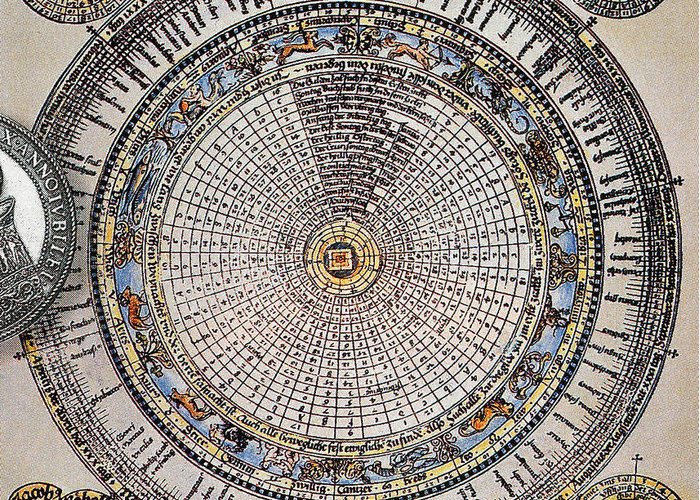 The Hebrew calendar is founded on a combination of lunar and solar cycles with each month being either 29 or 30 days and beginning around the time of a new moon while the Christian Gregorian calendar, established by Pope Gregory XIII in 1582, defines one year as the time it takes for earth to travel around the sun. It’s all literally up to the heavens.
As we know, Christmas is celebrated on the same day every year, December 25, but as Deena Yellin of NorthJersey.com writes, the Jewish calendar is very intricate and has lots of rules, hence Hanukkah’s dates varying. It’s often called a Jewish Leap Year.
The Gregorian calendar is the western world’s primary system, so to ensure Jewish holidays align with their traditional seasons on it, an additional “leap month” is added to the Hebrew calendar every two or three years. It can all get confusing. For example, if the first day of Hannukah is on December 25 this year, next year it will be on December 14 and then on December 4 in 2026.
As I mentioned above, there are lots of other rules with the Jewish calendar, which was established in the fourth century. It also requires that Passover take place during springtime so that occasional added month also prevents that holiday from coming during the wrong season.
This year’s sharing of Christmas Day and the first day of Hanukah is only the fourth time it has happened in many years. It last fell on Christmas Day in 2005 and before that it was in 1959 and 1921. It won’t happen again until 2035 and then not until 2054.
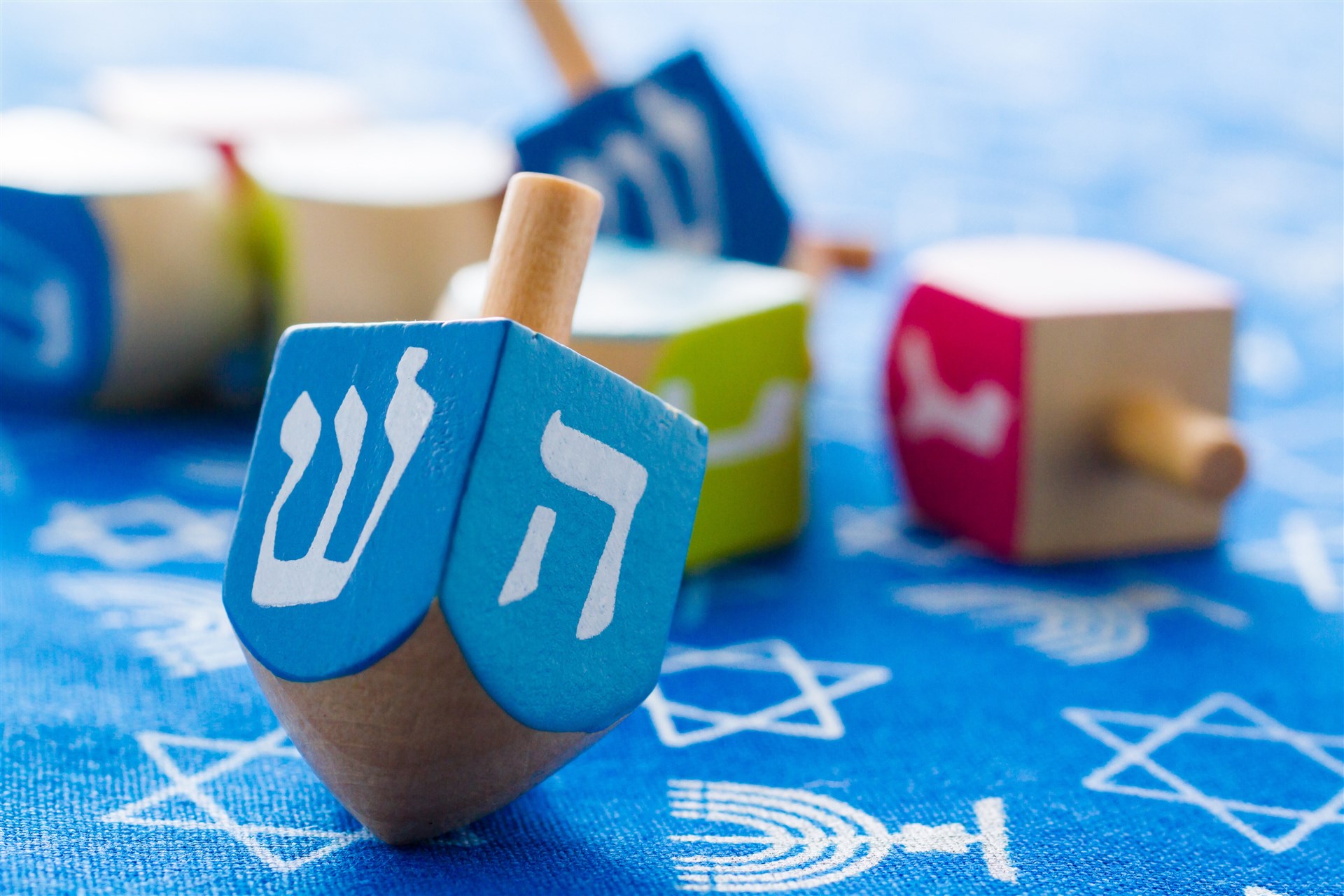 Amazingly, Hanukkah can start anytime between November and December and as late as January 4. This year the holiday’s last night will be January 2, just a few days before the Christian Epiphany, commonly known as Three Kings’ Day in the United States, which falls on January 6. It celebrates the Three Wise Men’s visit to Baby Jesus and also remembers His baptism. Thanksgiving always falls on the fourth Thursday of November but due to the changing calendar, Hanukkah also changes. The rare occurrence of Thanksgiving and Hanukkah sharing the same date can even happen, as it did in 2013. That won’t happen again until 2070!
 We all know that Christmas is one of the most important Christian holidays of the year and commemorates the birth of Jesus Christ, but what does Hanukkah commemorate? Unlike Christmas, which is prophesized all over the Bible, Hanukkah is not found in scripture or the Torah. The Hebrew word Hanukkah means “dedication” and commemorates the rededication of the Holy Temple.
In the second century BC, the Holy Land was ruled by Syrian-Greeks who tried to force the people of Israel to accept their culture and beliefs. But, much like what is still happening today, against all odds a small band of faithful but poorly armed Jews led by Judah the Maccabee defeated on of the earth’s mightiest army. They drove the Greeks from the land and reclaimed their faith and the Holy Temple in Jerusalem. The Menorah’s history is equally interesting.
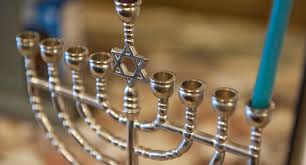
When the triumphant Jews tried to light the Temple’s Menorah, a seven-branched candelabrum, they found only a single container of olive oil that had escaped contamination by the Greeks. Miraculously, they lit the Menorah and the one-day supply lasted eight days. This tradition is still played out today.
The word “Christmas” also has an interesting background. The term originates from the Old English “Christ’s Mass” and was first recorded around 1038. The events of Christmas can be found in the Bible hundreds of years before they happened, ultimately fulfilling sacred biblical predictions.
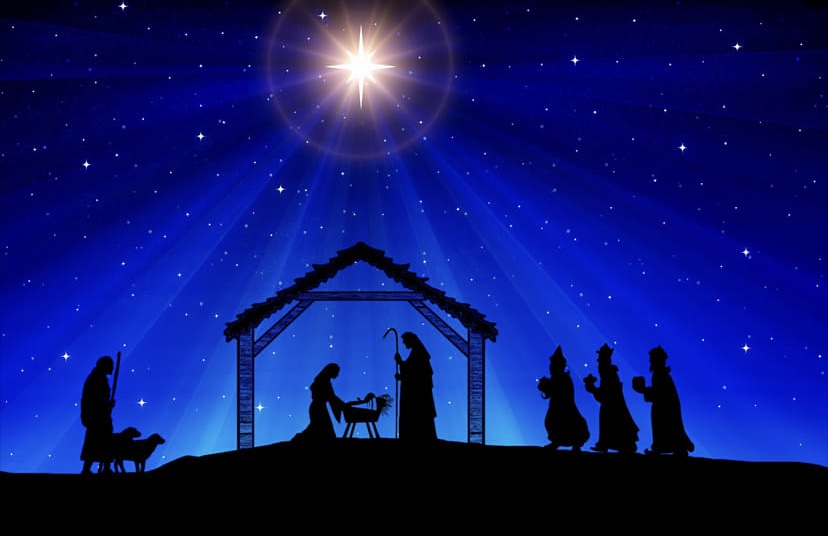 For Christians, the true meaning of Christmas is the celebration of the birth of our Savior, Jesus Christ. We believe God sent His only sone to atone four our sins and so that we will never be separated from Him. Jesus came into the world as an infant to save us all.
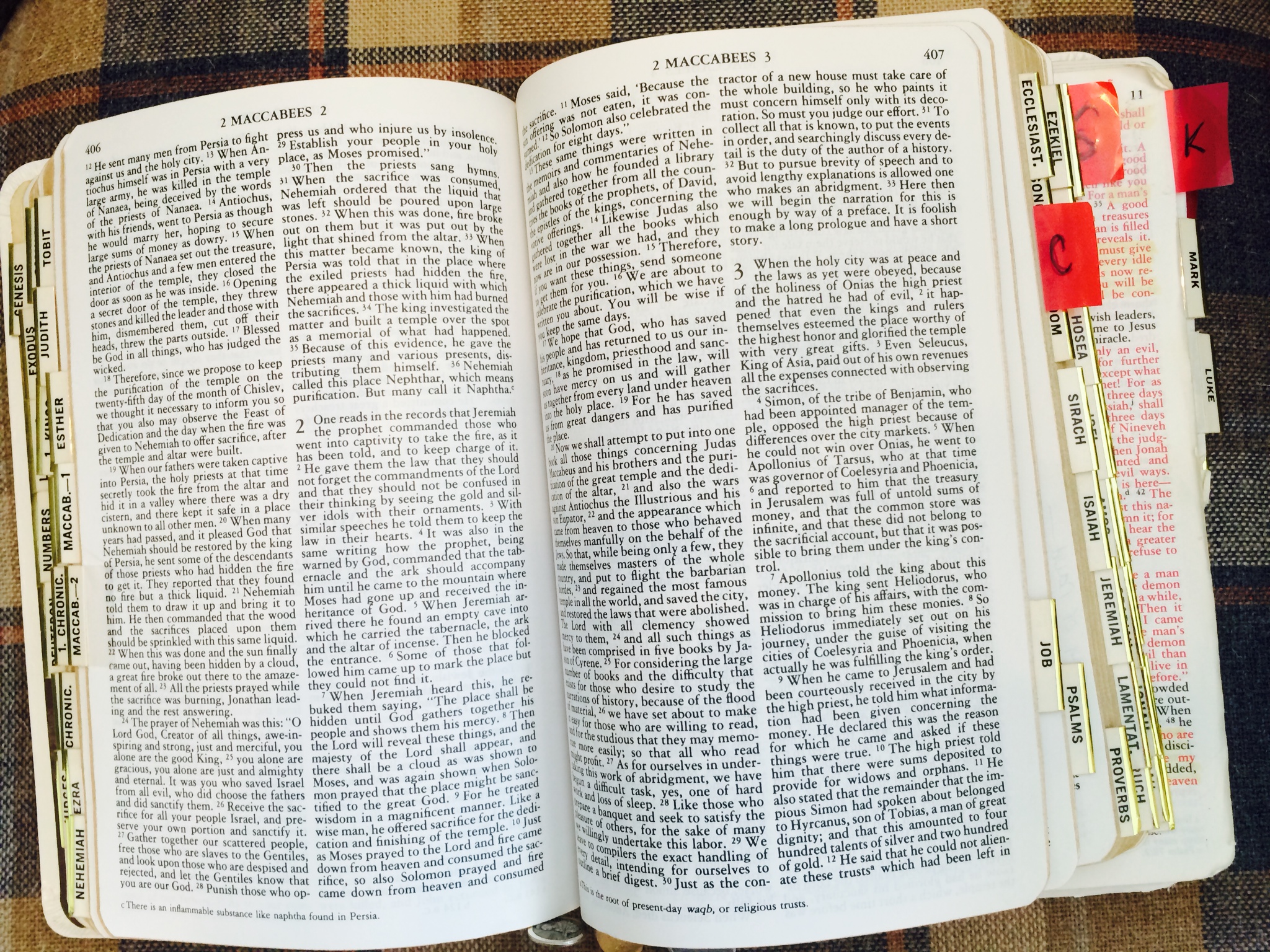 The two faiths do have much in common and agree on many things. The Torah is the compilation of the first five books of the Hebrew Bible, specifically the books of Genesis, Exodus, Leviticus, Numbers and Deuteronomy. Christians accept and believe the Old Testament and all its teachings and both faiths believe in the perfect creation of the world by an infinite God. They both also believe that Satan introduced sin into the world, that God judges sin, and that sins must be atoned for. Judaism is the oldest of the worlds’ three great monotheistic religions: Christianity, Judaism, and Islam. All three serve only one God with Judaism is considered the parent of both Christianity and Islam.
Finally, two last things. First, is it “Hanukkah” or “Chanukah?” The Hebrew word has many English spelling variations with traditionalists preferring Chanukah as it comes closest to its proper pronunciation of the Hebrew word and Hebrew letters. As for “Xmas,” which I’ve traditionally disliked as it removes the real reason for the season, I’m happy to report there’s a somewhat acceptable explanation for it.
Apparently, the X in Xmas doesn’t replace “Christ” from the word with the English letter X, but rather with the Greek letter “chi,” which looks like the English letter X. Chi is the first letter in the Greek word that we translate as “Christmas” and ancient Christians would abbreviate it by using only the first letter. They meant no offense and coincidentally, the letter also resembles a cross. Whew!
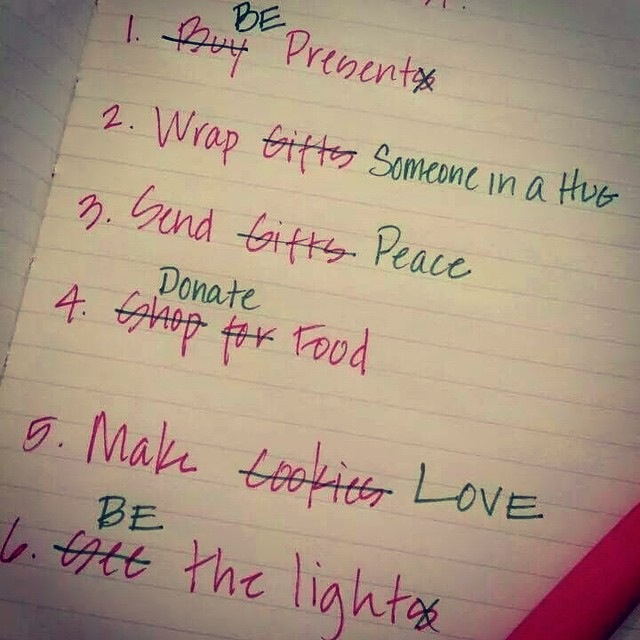 Considering the fact that Jesus was Jewish and that Christian and Jewish roots go way back and intertwine in so many ways, both biblically and geographically, the convergence of Christmas and Hanukkah this year is reason to celebrate. So, as Christians open presents and light Advent candles and as our Jewish brothers and sisters light a menorah and join us in eating holiday treats, let’s all vow to light the way for others and be the gifts we were intended to be.
Merry Christmas and Happy Hanukkah!
Discover more from Beyond Words
Subscribe to get the latest posts sent to your email.


 Beyond Words