Beyond Words

Words, Wit and Wisdom for Today's Style and Decision Makers

Gone Fishing March 30, 2025

Filed under: Uncategorized — carlawordsmithblog @ 8:27 pm

This past Friday my husband and I were in an Uber headed to the airport and headed home. It was around lunch time so we talked about where we might grab a quick bite to eat while waiting for our flight. He mentioned he was craving Jersey Mike’s, which he loves, but then realized it was Friday and it’s Lent so meat was a no no and a no go. I responded that maybe there’s a McDonald’s there and we can get a Filet-O-Fish. Yeah, I know, don’t tell Robert F. Kennedy, Jr. but those little fish sandwiches are a Lenten tradition for many. And quite perfectly, they were created by a Catholic and for that very reason.



It all stems back to the Catholic tradition of not eating meat on Fridays during Lent and an innovative franchise owner named Lou Groen. A devout Catholic, Groen came up with the idea of serving a fish sandwich to customers at his Cincinnati McDonald’s restaurant. It was introduced in 1963 and the legacy continues nationwide. So popular is the sandwich, that it once had its own mascot called Phil A. O’Fish, who premiered in 1976. Dressed in a sailor suit and net and ready to go fishing, he no longer exists but love for his namesake sandwich remains.



As a Catholic, Groen was looking for a Lenten Friday meal but as a businessman he was also looking for something that would prevent customers from fleeing down the street on Fridays to a local fish joint. The sandwich was somewhat of a risk for a restaurant based mainly around hamburgers, but Groen’s creation of a simple breaded fish patty on a bun with tartar sauce and a slice of cheese was brilliant. With 87 percent of the Cincinnati population being Catholic, his creation and research paid off. In a big way.


The year it was introduced, the sandwich saved the franchise and became a permanent menu fixture. During Lent, the original location sells more than 500 fish sandwiches a day, making up almost 20 percent of sales. Outside of Lent, those numbers are 70 per day and only six percent of total sales.


Originally made with halibut, the Filet-O-Fish now consists of Alaskan Pollock, a type of cod, due to halibut being too expensive. The fish is caught fresh and not raised on farms and what kinda sets it apart is the fact that the bun is soft because it’s steamed. It’s the only sandwich on the Micky D’s menu with a steamed bun.


The franchise remains in family hands; a family that has not only passed down the business but their Catholic faith as well, through generation after generation. My guess is they’re all abstaining from meat this Lent and probably enjoying a Filet-O-Fish. Or two.


So why do Catholics not eat meat on Lenten Fridays? The tradition stems from early Christian teachings that emphasize penance and sacrifice. Come to find out that Lutherans and Episcopalians, among perhaps others, also follow the custom.
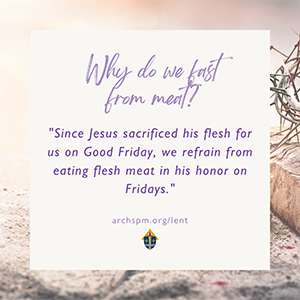


Abstinence is a form of penance and penance expresses sorrow and contrition for wrongdoings. It indicates an intention to turn away from sin and back to God. It’s also a sacrifice for most and so by refraining from eating meat, we are reminded of Christ’s ultimate sacrifice for us: His very life. Since Jesus sacrificed His flesh for us on Good Friday, we abstain from eating “flesh meat” in His honor.
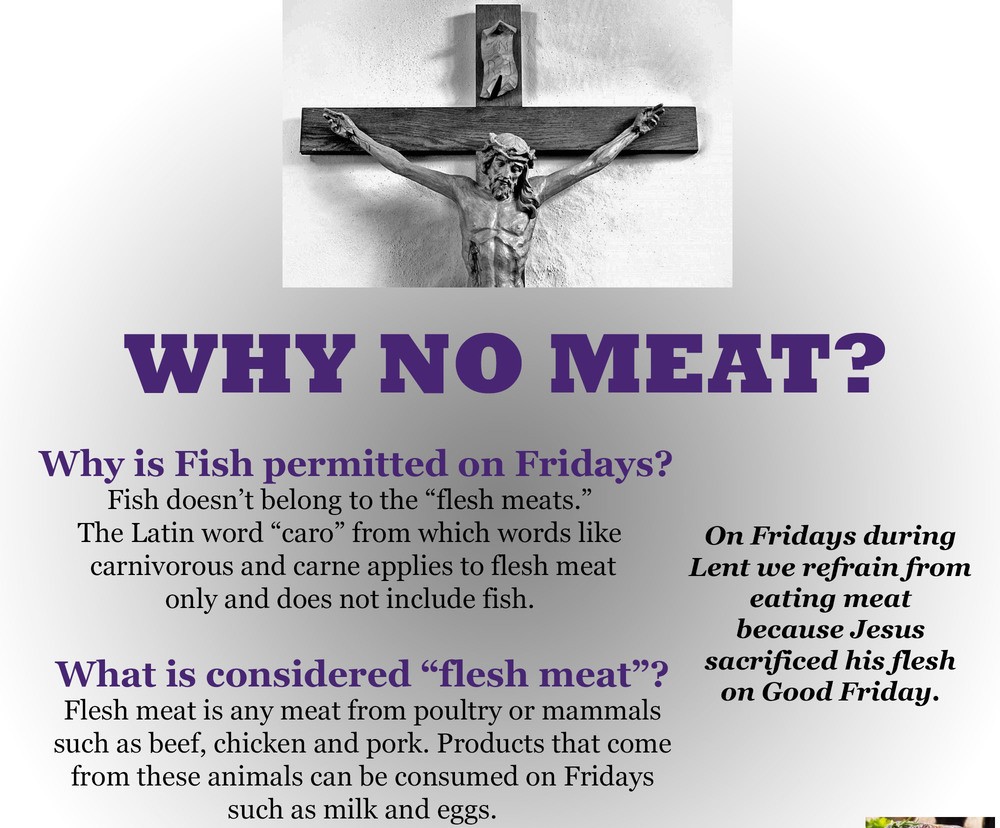


Flesh meat includes the meat of mammals and poultry, including beef, pork, chicken, and turkey. Fish don’t belong to the flesh meat category. Also, according to 9th century definitions, fish don’t bleed so they don’t count as “meat.” In addition, back in the day, flesh meat was more expensive and often reserved for feasting and rejoicing whereas the cheaper fish was eaten more often and not associated with celebrations.


In the end, it’s all done in a spirit of humility and aligns with the concept of Lent being a period of giving up certain pleasures and appreciating the many blessings in our lives. Sometimes it really is as simple as a piece of fish on a bun. Just ask McDonalds.


 

Irish Eyes Are Smiling March 17, 2025

Filed under: Uncategorized — carlawordsmithblog @ 5:05 pm

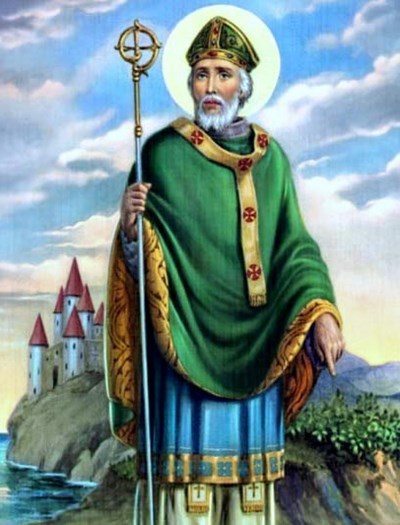
Happy St. Patrick’s Day everyone! We are all a wee bit Irish today and I’m guessing you are wearing green as you read this as we all honor the land of leprechauns, fabulous golf, U2, step dancing, Guinness, shamrocks, green beer, Irish coffee, and St. Patrick. But who was the saint named Patrick and why do we celebrate him in such a big way?


Forever tied to Ireland, Patrick wasn’t born on the Emerald Isle but in Britain. When he was 16 young Patrick was kidnapped by Irish raiders who took him to Ireland and sold him as a salve. He spent many years there herding sheep and turning to God in prayer. He escaped when he was 22 and made his way back to England where he spent 12 years in a monastery. Legend has it that he had a dream in which the people of Ireland were calling him back. The dream is said to have been the voice of God encouraging him to spread Christianity across Ireland and convert the pagans. Patrick returned to Ireland and began preaching the gospel, building churches, and converting many. Born of wealth, Patrick lived in poverty and suffered greatly until he died on March 17, 461. He is said to be buried in Down Cathedral in the County of Down in Ireland and ironically, St. Patrick’s Day is celebrated on the day he died, not on his birthday.


My favorite part of the St. Patrick story is that he used the shamrock as a way to teach the Holy Trinity. The simple green plant grows abundantly in Ireland so he cleverly used it to explain the trinity: Father, Son, and Holy Spirit. His idea was so convincing that even pagan rulers converted to Christianity and to this day the sprout is often called the Catholic rose.


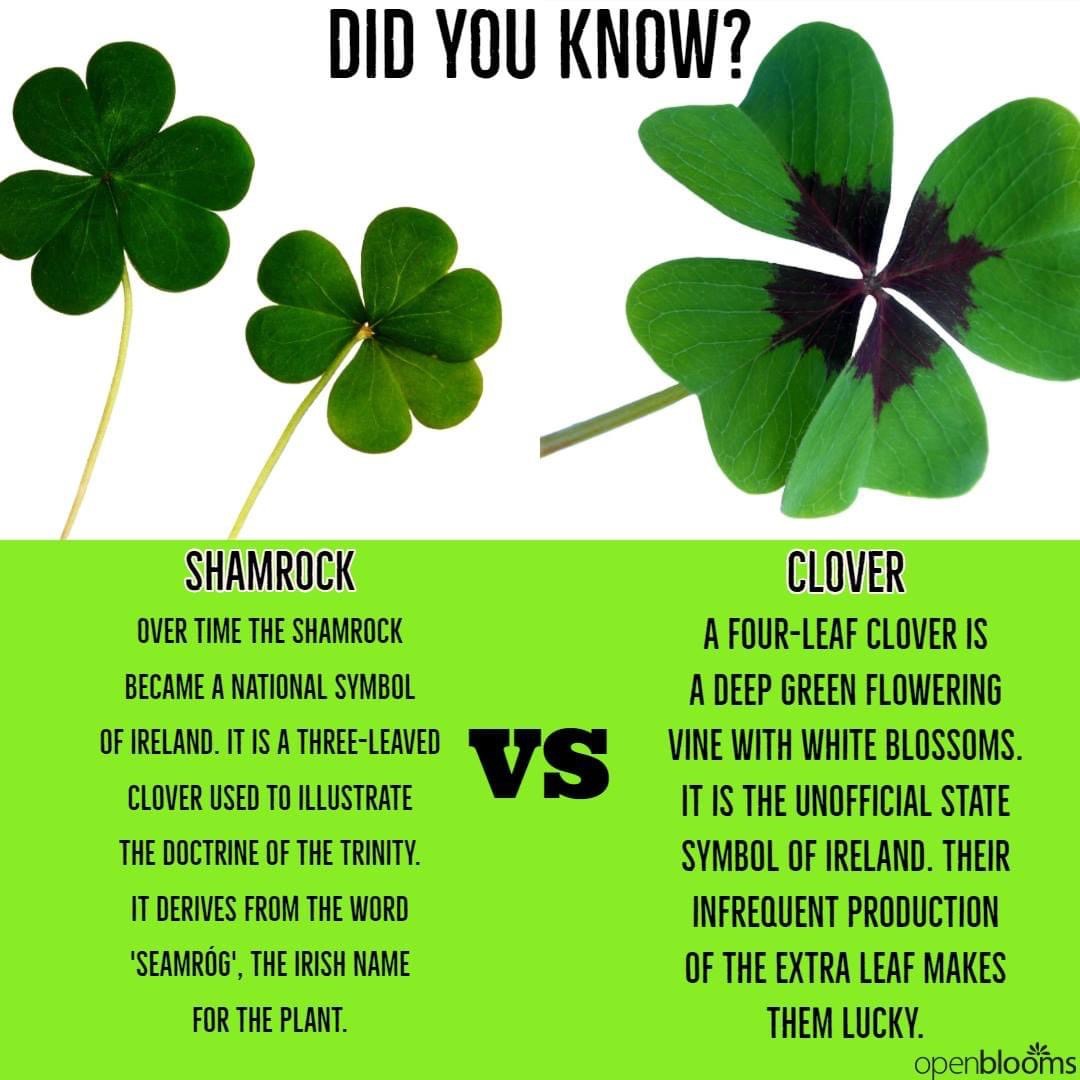
The shamrock has three leaves and is considered a clover plant but what is the difference between it and the four-leaf clover? The latter is the result of a mutation in the clover plant that causes it to sprout four leaves instead of the normal three. These four-leaf wonders are very rare and is why they are considered a universal symbol of good luck.


Patrick loved incorporating other traditional rituals in his lessons for both simplicity and proof. Because fire was sacred to the Irish, Patrick superimposed a sun onto a Christian cross. Today this cross, called a Celtic cross, is one of Christianity’s most popular.


Another cross, St. Patrick’s Cross of Ireland, also makes up part of the Union Jack, the flag of the United Kingdom. When you look at the flag, you can see it is actually made up of three different crosses:  St. George’s red Cross of England, St. Andrew’s white Cross of Scotland, and St. Patrick’s red one. And to be clear, the UK is considered all of Great Britain – England, Scotland, and Wales – with the addition of Northern Ireland. Ireland is considered its own republic.


Funny thing is, as much as a celebration and party St. Patrick’s Day is today, from 1903-1970 it was considered a religious holiday according to Irish law, which required pubs remain closed for the day. Squeal! The law was reclassified as a national holiday in 1970, paving the way for the opening of drinking establishment doors and green beer. In the Diocese of Ireland however, it is still considered a Holy Day of Obligation, meaning Catholics are obligated to attend mass and receive the Blessed Sacrament.


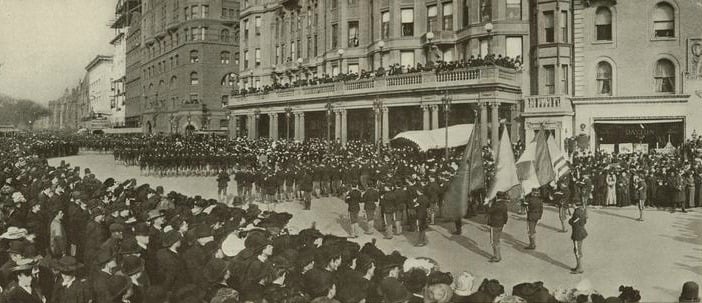
Stateside, it all started as a political holiday when American Irish immigrants organized themselves and commemorated St. Patrick with annual parades and festivities to demonstrate their political and social might. Ironically, there are more Irish in the U.S. than in Ireland! There are an estimated 34 million Americans who claim Irish ancestry but the population of Ireland is only 4.2 million.


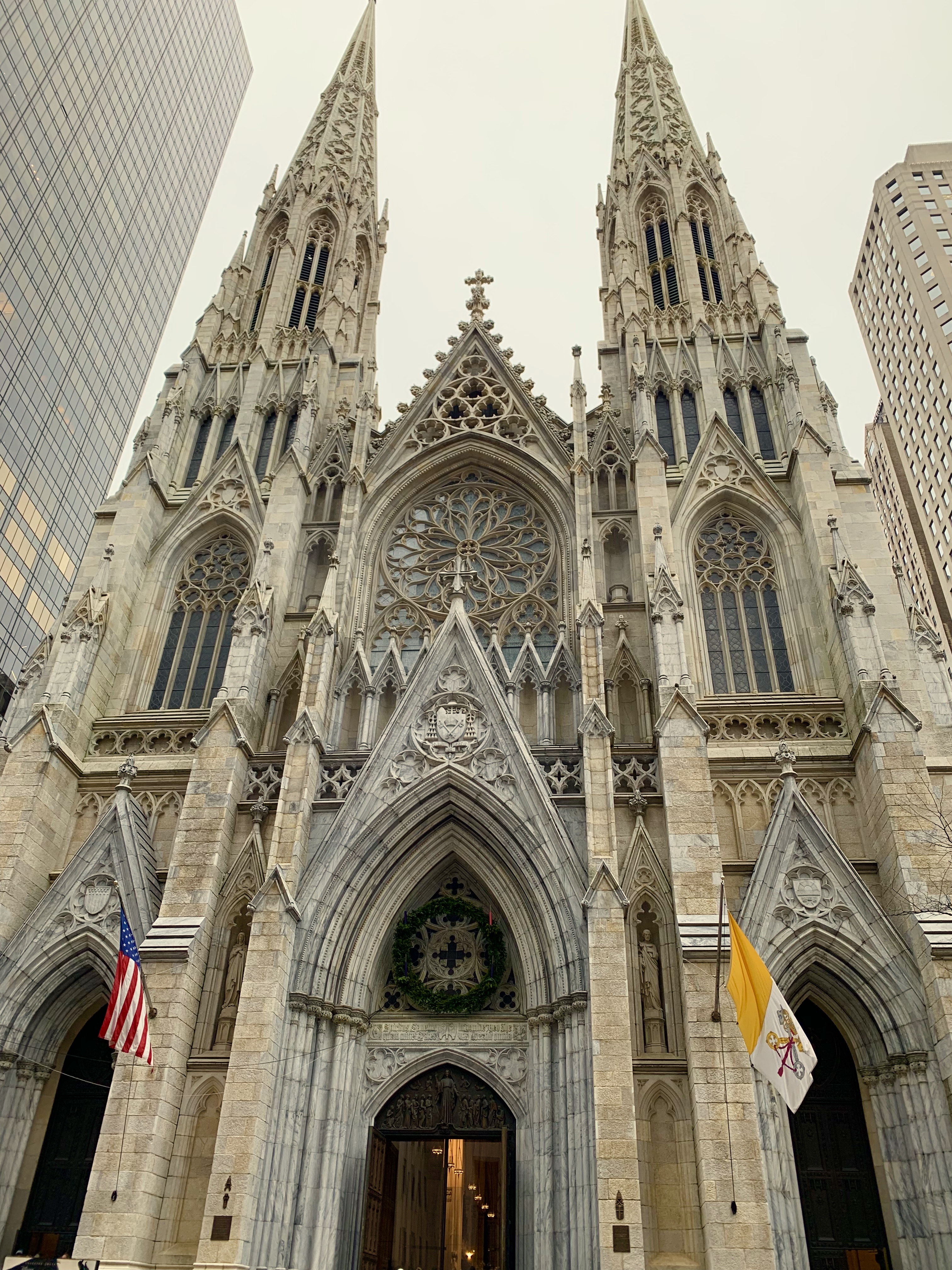
St. Patrick today, along with St. Nicholas and St. Valentine, is one of Christianity’s most widely known figures and his prayers can be found among all walks of life. St. Patrick’s Cathedral in New York City is one of the city’s most popular tourist attractions and the Fifth Avenue Neo-Gothic icon ranks right up there with the Statue of Liberty and the Empire State Building. And, in case you’re wondering, St. Patrick isn’t only revered by Catholics. He is honored with a feast day in the Episcopal Church and is also venerated by the Orthodox Church.


Parades and festivals will happen in many places today, but perhaps the ones in New York, Boston, and Chicago rank highest. Surprisingly, St. Patrick’s Day is also a big event in Dallas. As with everything in Texas, it is done in a very big way in Big D! In Chicago, the Chicago River is colored green and green beer and whiskey flow abundantly throughout the city. And it’s WHISKEY, not WHISKY. Irish spell the scotch with an added “e,” while their Scottish neighbors omit the extra vowel. American-made whiskeys also add the “e.”


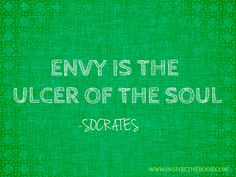
Lastly, the color green. It’ll be everywhere you look today and be ready to get pinched if you’re not wearing it. It’s definitely tied to St. Patrick’s Day and all things Irish, but it’s also tied to jealousy. “Green with envy” is a common saying but my lads, it’s nothing to celebrate. Today and every day, let’s take a cue from St. Patrick and be giving not envious. It’s a trait that will make all eyes smile, not just those Irish ones.


Happy St. Patrick’s Day and the luck of the Irish to you!


Irish Eyes Are Smiling

Filed under: Uncategorized — carlawordsmithblog @ 4:59 pm

Happy St. Patrick’s Day everyone! We are all a wee bit Irish today and I’m guessing you are wearing green as you read this as we all honor the land of leprechauns, fabulous golf, U2, step dancing, Guinness, shamrocks, green beer, Irish coffee, and St. Patrick. But who was the saint named Patrick and why do we celebrate him in such a big way?

Forever tied to Ireland, Patrick wasn’t born on the Emerald Isle but in Britain. When he was 16 young Patrick was kidnapped by Irish raiders who took him to Ireland and sold him as a salve. He spent many years there herding sheep and turning to God in prayer. He escaped when he was 22 and made his way back to England where he spent 12 years in a monastery. Legend has it that he had a dream in which the people of Ireland were calling him back. The dream is said to have been the voice of God encouraging him to spread Christianity across Ireland and convert the pagans. Patrick returned to Ireland and began preaching the gospel, building churches, and converting many. Born of wealth, Patrick lived in poverty and suffered greatly until he died on March 17, 461. He is said to be buried in Down Cathedral in the County of Down in Ireland and ironically, St. Patrick’s Day is celebrated on the day he died, not on his birthday.

My favorite part of the St. Patrick story is that he used the shamrock as a way to teach the Holy Trinity. The simple green plant grows abundantly in Ireland so he cleverly used it to explain the trinity: Father, Son, and Holy Spirit. His idea was so convincing that even pagan rulers converted to Christianity and to this day the sprout is often called the Catholic rose.

The shamrock has three leaves and is considered a clover plant but what is the difference between it and the four-leaf clover? The latter is the result of a mutation in the clover plant that causes it to sprout four leaves instead of the normal three. These four-leaf wonders are very rare and is why they are considered a universal symbol of good luck.

Patrick loved incorporating other traditional rituals in his lessons for both simplicity and proof. Because fire was sacred to the Irish, Patrick superimposed a sun onto a Christian cross. Today this cross, called a Celtic cross, is one of Christianity’s most popular.

Another cross, St. Patrick’s Cross of Ireland, also makes up part of the Union Jack, the flag of the United Kingdom. When you look at the flag, you can see it is actually made up of three different crosses:  St. George’s red Cross of England, St. Andrew’s white Cross of Scotland, and St. Patrick’s red one. And to be clear, the UK is considered all of Great Britain – England, Scotland, and Wales – with the addition of Northern Ireland. Ireland is considered its own republic.

Funny thing is, as much as a celebration and party St. Patrick’s Day is today, from 1903-1970 it was considered a religious holiday according to Irish law, which required pubs remain closed for the day. Squeal! The law was reclassified as a national holiday in 1970, paving the way for the opening of drinking establishment doors and green beer. In the Diocese of Ireland however, it is still considered a Holy Day of Obligation, meaning Catholics are obligated to attend mass and receive the Blessed Sacrament.

Stateside, it all started as a political holiday when American Irish immigrants organized themselves and commemorated St. Patrick with annual parades and festivities to demonstrate their political and social might. Ironically, there are more Irish in the U.S. than in Ireland! There are an estimated 34 million Americans who claim Irish ancestry but the population of Ireland is only 4.2 million.

St. Patrick today, along with St. Nicholas and St. Valentine, is one of Christianity’s most widely known figures and his prayers can be found among all walks of life. St. Patrick’s Cathedral in New York City is one of the city’s most popular tourist attractions and the Fifth Avenue Neo-Gothic icon ranks right up there with the Statue of Liberty and the Empire State Building. And, in case you’re wondering, St. Patrick isn’t only revered by Catholics. He is honored with a feast day in the Episcopal Church and is also venerated by the Orthodox Church.

Parades and festivals will happen in many places today, but perhaps the ones in New York, Boston, and Chicago rank highest. Surprisingly, St. Patrick’s Day is also a big event in Dallas. As with everything in Texas, it is done in a very big way in Big D! In Chicago, the Chicago River is colored green and green beer and whiskey flow abundantly throughout the city. And it’s WHISKEY, not WHISKY. Irish spell the scotch with an added “e,” while their Scottish neighbors omit the extra vowel. American-made whiskeys also add the “e.”

Lastly, the color green. It’ll be everywhere you look today and be ready to get pinched if you’re not wearing it. It’s definitely tied to St. Patrick’s Day and all things Irish, but it’s also tied to jealousy. “Green with envy” is a common saying but my lads, it’s nothing to celebrate. Today and every day, let’s take a cue from St. Patrick and be giving not envious. It’s a trait that will make all eyes smile, not just those Irish ones.

Happy St. Patrick’s Day and the luck of the Irish to you!


A Timely Twist on Pretzels March 9, 2025

Filed under: Uncategorized — carlawordsmithblog @ 5:31 pm

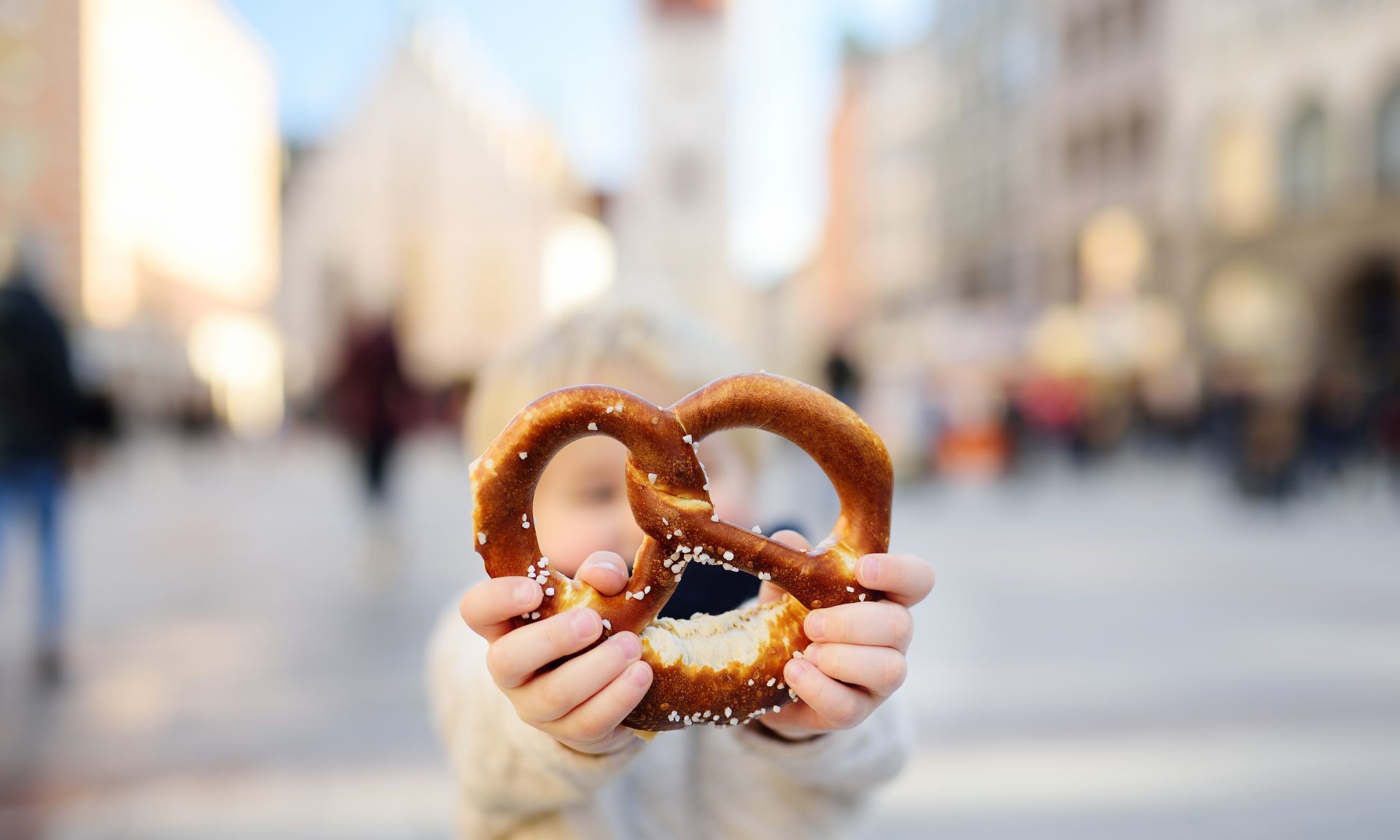
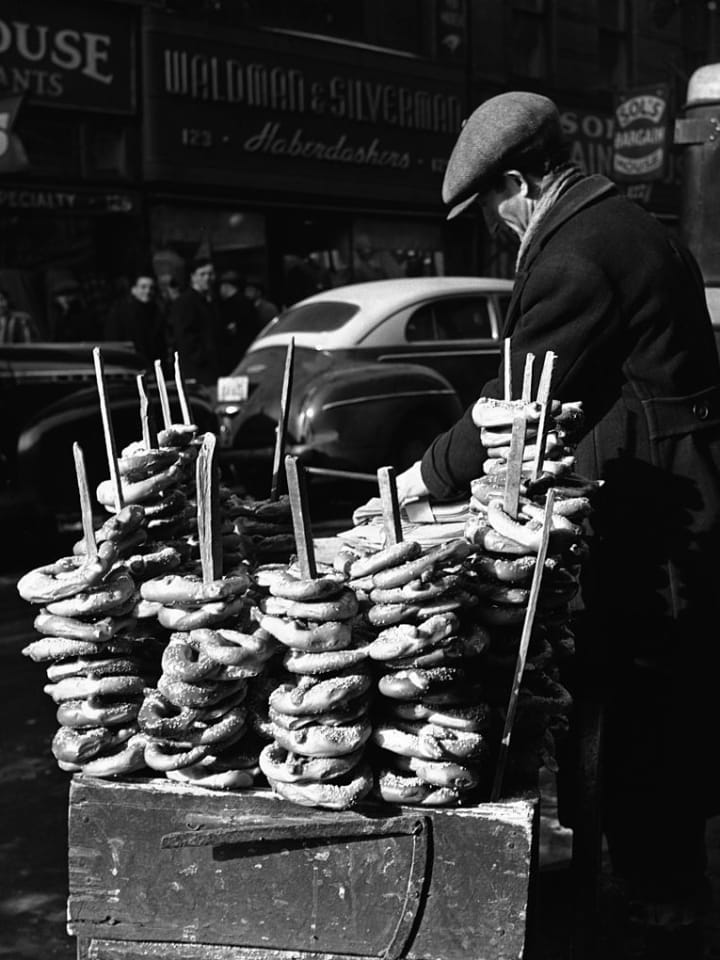
My husband loves pretzels. He eats them almost every day and every time I go grocery shopping; I grab a bag for him. Me? Not so much. Unless it’s one of those decadent Auntie Anne’s in an airport, I pretty much could live without pretzels. Okay, the Dot’s Pretzels are pretty good too! Funny thing about my hubby is that he prefers the twists to the rods or the sticks. And just plain ole pretzels, nothing fancy or flavored. Those twists, come to find out, have an interesting history and what a perfect day to share it being the first Sunday of Lent.


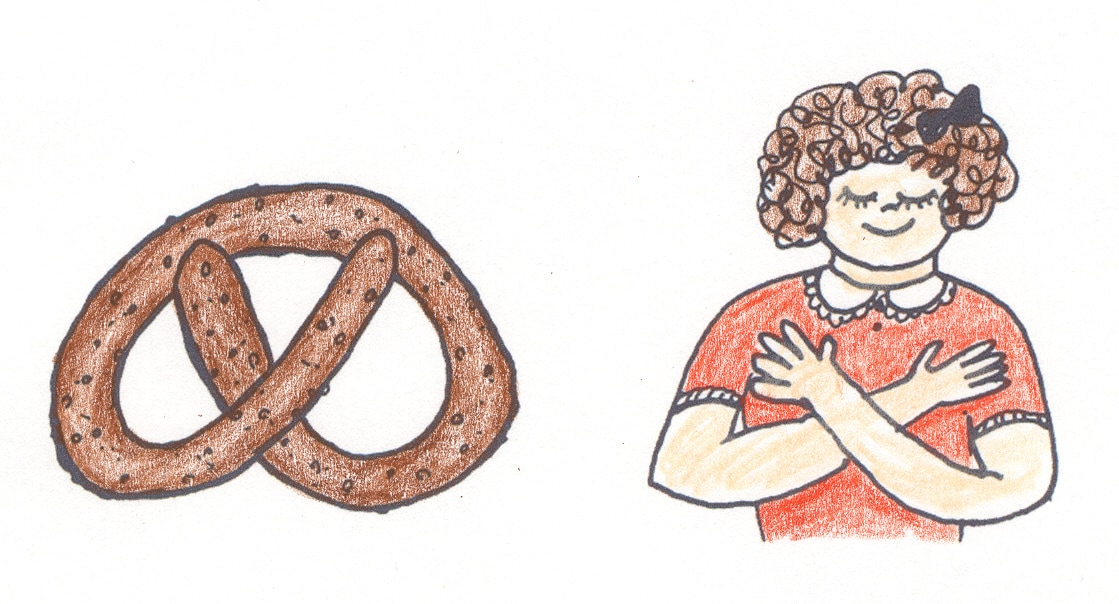
Their origin is said to date back to the 600s when Catholic monks began making them by taking a long strip of dough and arranging it in the shape of arms folded over the heart. The three holes left by creating this shape represented the Holy Trinity and legend has it that these treats of twisted baked dough were given to students as they learned their prayers. At the time, crossing one’s arms was the traditional posture for prayer. In today’s Catholic churches, anyone who has not made their First Holy Communion crosses their arms in this manner as they make their way up the Communion line to receive a blessing.


But what about the name?


The monks called their little breads “bracellae,” which is Latin for “little arms” and from which we got the German word “bretzel.” And, interestingly enough, the Latin word for “little reward” is “pretiola,” which is pronounced “pret-zi-oh-la” and sounds a lot like “pretzel!”


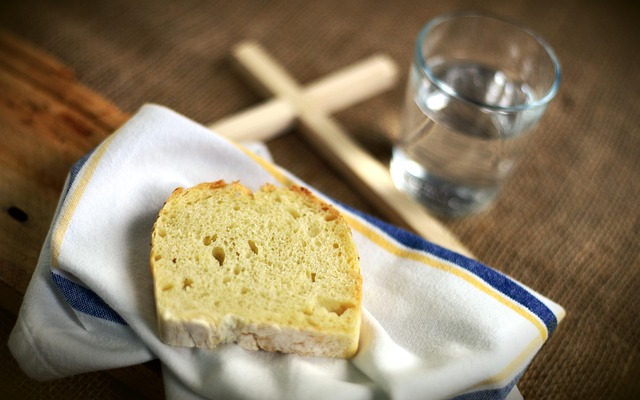
This is all very timely for another reason. In a word, Lent. You see, back when pretzels were first concocted, the rules of abstinence and fasting during Lent were much stricter than today. Catholics were forbidden from consuming dairy, eggs, or meat. Pretzels, made using only flour, water, and salt, were the perfect answer to a perfect fast.


Their symbolism doesn’t end there.


Back in the early 1600s, they were are a symbol of union in Switzerland. Weddings of royal couples often featured pretzels to represent the bond of matrimony and, according to legend, this may be where we got the phrase “tying the knot.” Lastly, the intertwined shape of a pretzel also symbolizes love in many parts of the world as at first glance, their shape resembles a heart.


In addition, pretzels are also easy to make, affordable, and most aren’t fried or full of chemicals and additives. They can be found everywhere from carnivals, charcuterie boards, kids’ lunches, and yes, airports! Today they come chocolate and yogurt coated and sometimes with sprinkles. They come in flavors ranging from cinnamon sugar to honey mustard to spicey. Pretzels are so prevalent that they have their own National Pretzel Day on April 26 and October is celebrated as National Pretzel Month.


That’s probably a pretty popular day and month in Pennsylvania, as Pennsylvanians eat more pretzels per capita than any other state. The state also produces 80 percent of the country’s pretzels and in 1993, the state opened the Pretzel Museum. Julius Sturgis would be so proud, as he opened the first commercial pretzel bakery in Lititz, Pennsylvania back in 1861. It was about that time that Swiss and German immigrants introduced the pretzel to North America. They too would be proud as the U.S. pretzel industry boasts an annual worth of $550 million and the average American consumes an average of 1.5 pounds of pretzels a year. Pretty sure my husband raises the average on that one but we won’t go there.


Shockingly, pretzels almost didn’t make it. In the early 20th century, they were considered German fare and anti-German sentiment during World War I resulted in a distaste for their taste. They did survive the war, but then came Prohibition, which presented another challenge. Bars had been one of the pretzel industry’s largest buyers up to that point, and without them manufacturers feared they wouldn’t be able to stay afloat. But surprisingly enough, pretzel makers actually flourished under the 18th amendment.


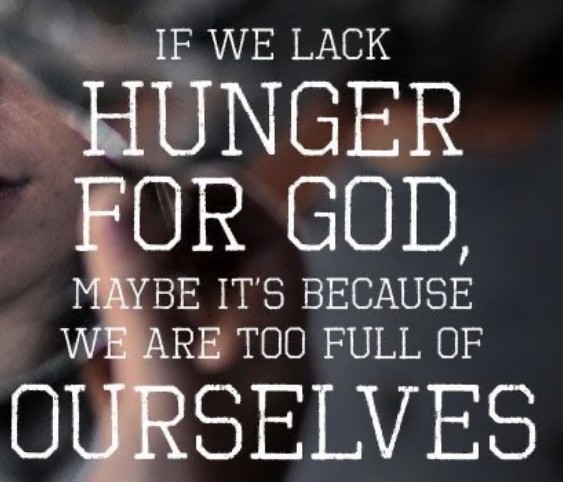
Coming full circle here, it’s fun learning about pretzels and their association with fasting and Lent…all with a twist! But why do we fast? Partly because we’re sinful but hopeful and partyly because we hunger for God. As Bishop Robert Barron wrote, every spiritual master recognizes the danger that if we allow the superficial hunger of our lives to dominate, we never reach the deepest hunger. Fasting is a way of discipling the hunger for food and drink all while prompting us to focus on what really feeds us. Unless we fast, we may never realize how hungry we are for God. And, as beloved Father Jared Cooke said many moons ago in a sermon, “If you’re not hungry for God, maybe you’re just full of yourself.”


Here’s a simple little recipe for pretzels I used to love sharing with my preschool parents when I taught my students the Lenten pretzel story. If you’re more ambitious, I’m also including the Food Network’s recipe. Enjoy!


Easy Pretzels

Dissolve one cake of yeast or 2 ¼ teaspoon of yeast into 1 ½ cups warm water.

Add 1 t salt and 1 T sugar

Blend in four cups of flour and knead the dough until smooth.

Cut dough into small pieces, roll the pieces into “ropes and then twist the ropes into shape.

Place pretzels on lightly greased cookie sheet and brush with one beaten egg (unless fasting on eggs)

Sprinkles with coarse salt and bake at 425 for 12-15 minutes.


Homemade Soft Pretzels

Food Network

Ingredients

1 1/2 cups warm (110 to 115 degrees F) water

1 tablespoon sugar

2 teaspoons kosher salt

1 package active dry yeast

22 ounces all-purpose flour, approximately 4 1/2 cups

2 ounces unsalted butter, melted

Vegetable oil, for pan

10 cups water

2/3 cup baking soda

1 large egg yolk beaten with 1 tablespoon water

Pretzel salt

Directions

  1. Combine water, sugar, and kosher salt in the bowl of a stand mixer and sprinkle the yeast on top. Allow to sit for 5 minutes or until the mixture begins to foam. Add the flour and butter and, using the dough hook attachment, mix on low speed until well combined. Change to medium speed and knead until the dough is smooth and pulls away from the side of the bowl, approximately 4 to 5 minutes. Remove the dough from the bowl, clean the bowl and then oil it well with vegetable oil. Return the dough to the bowl, cover with plastic wrap and sit in a warm place for approximately 50 to 55 minutes or until the dough has doubled in size.
  2. Preheat the oven to 450 degrees F. Line 2 half-sheet pans with parchment paper and lightly brush with the vegetable oil. Set aside.
  3. Bring the 10 cups of water and the baking soda to a rolling boil in an 8-quart saucepan or roasting pan.
  4. In the meantime, turn the dough out onto a slightly oiled work surface and divide into 8 equal pieces. Roll out each piece of dough into a 24-inch rope. Make a U-shape with the rope, holding the ends of the rope, cross them over each other and press onto the bottom of the U in order to form the shape of a pretzel. Place onto the parchment-lined half sheet pan.
  5. Place the pretzels into the boiling water, 1 by 1, for 30 seconds. Remove them from the water using a large flat spatula. Return to the half sheet pan, brush the top of each pretzel with the beaten egg yolk and water mixture and sprinkle with the pretzel salt. Bake until dark golden brown in color, approximately 12 to 14 minutes. Transfer to a cooling rack for at least 5 minutes before serving.


The King of all Cakes and Tuesdays (Copy) March 4, 2025

Filed under: Uncategorized — carlawordsmithblog @ 8:37 pm

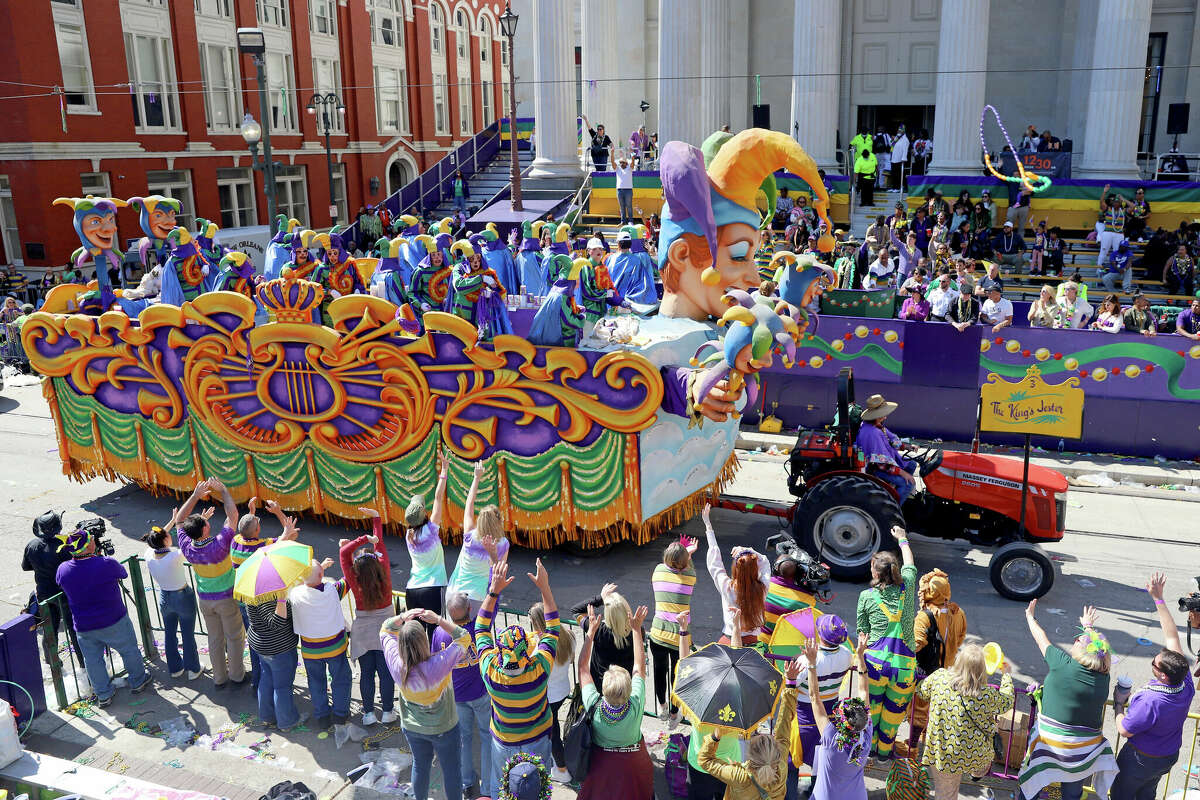
Happy Fat Tuesday everyone! Are you wearing purple, gold, and green; donning beads and boas; marching in or watching a parade; and eating King Cake?  If you’re in or from Louisiana probably so, as today is a very festive day, especially in New Orleans. Fingers are crossed that the weather holds out!


But all partying aside, Mardi Gras and Fat Tuesday are religious in origin as is the infamous King Cake. Let’s find out how and why.


Fat Out Special

Mardi Gras is really just today and despite its party reputation, it has a religious origin. Also known as Fat Tuesday, it is always the Tuesday before Ash Wednesday. Many people (me included) confuse Mardi Gras with Carnival, which is the celebratory season that stretches from Epiphany to Fat Tuesday. Rewind here a bit.


The Christian Feast of the Epiphany is also the 12th day of Christmas and marks the day when the Three Wise Men/Three Kings arrived in Bethlehem to see the baby Jesus. For those in places like New Orleans, it also marks the official end of the Christmas season and the beginning of Carnival season.


The French come into heavy play here as “mardi” means Tuesday in French and “gras” means fat. Many believe the first documented Mardi Gras celebration in America was in March of 1699 when French explorers traveled to America and docked near what is now New Orleans. They named their docking location “Point du Mardi Gras” and as other French immigrants arrived, Mardi Gras celebrations became increasingly popular. Until, that is, the Spanish took control of the Crescent City in 1762 and outlawed Mardi Gras celebrations. But, when Louisiana became a state in 1812, Mardi Gras celebrations returned and really never left. No one does a parade like New Orleans and in fact, and since the first NOLA Mardi Gras parade in 1827, there’s been a parade in the city every year.


Mardi Gras and accompanying Carnival are celebrated all over the world, including well-known festivities in Brazil and Venice but rest assured New Orleans ranks right up there. Fat Tuesday may be all about indulging in everything festive, fun, and frivolous but there’s a reason for that too.


It’s the day before Ash Wednesday, which is when Lent starts. Traditionally Lent is a period of 40 days of fasting and giving up bad and questionable habits as well as focusing on doing good. Today’s the day to get it all out of your system for the next 40 days!


Take the Cake

A big part of Mardi Gras is the famous King Cake, which, behind maybe birthday and wedding cakes, is considered the king of all cakes. So, what is it with those colorful confections and is there really a baby inside each one? The answer is traditionally yes, and they too have a religious significance. Remember, all this Carnival and Mardi Gras celebration relates back to Epiphany, when the Three Kings traveled to see the newly born baby Jesus. This, my friends, is why the dessert is called a “King Cake” and why there’s a tiny baby hidden inside each one.


Francophiles will also be glad to hear that the beloved King Cake is said to have been brought to America from France in the 1870s and their traditional oval-shape some say represents the unity of faiths while others say represents a king’s crown. Cakes in New Orleans are decorated in the traditional Mardi Gras colors of purple, green, and gold…the same colors you’ll find those famous beads in. The colors represent, in order, justice, faith, and power.


Funny thing is, many a King Cake is not actually a cake. Some are more bread-like while others resemble a pastry. Whatever they’re made of, they are always colorful and festive. The standard Louisiana version is a brioche-like dough swirled with cinnamon and cream cheese then braided and baked in a circle or oval shape and finished with icing and sprinkles. In France, a “galette des rois” or “cake of kings,” is more of a puffed pastry with a sweet almond filling and garnished with “jewels” like sprinkles and icing. Those in Spain and Latin America enjoy orange-flavored bread wreaths topped with dried fruit, which they call “roscas de reyes” or “cakes of kings.”


Okay, but what about that baby. As I said, it traditionally symbolizes Jesus although some cakes will have money or a trinket inside. Whoever finds one in their slice is crowned “King for the Day” and vows to provide the next king cake and host the next party…whoever hosts a Mardi Gras party buys or makes the King Cake for it. It’s also considered good luck to find it and this “you’re next” tradition ensures celebrations continue in true New Orleans style.


So there you have it and now you know all about Mardi Gras and King Cake. Laissez les bons temps rouler!


The King of all Cakes and Tuesdays

Filed under: Uncategorized — carlawordsmithblog @ 2:30 pm

Happy Fat Tuesday everyone! Are you wearing purple, gold, and green; donning beads and boas; marching in or watching a parade; and eating King Cake?  If you’re in or from Louisiana probably so, as today is a very festive day, especially in New Orleans. Fingers are crossed that the weather holds out!


But all partying aside, Mardi Gras and Fat Tuesday are religious in origin as is the infamous King Cake. Let’s find out how and why.


Fat Out Special

Mardi Gras is really just today and despite its party reputation, it has a religious origin. Also known as Fat Tuesday, it is always the Tuesday before Ash Wednesday. Many people (me included) confuse Mardi Gras with Carnival, which is the celebratory season that stretches from Epiphany to Fat Tuesday. Rewind here a bit.


The Christian Feast of the Epiphany is also the 12th day of Christmas and marks the day when the Three Wise Men/Three Kings arrived in Bethlehem to see the baby Jesus. For those in places like New Orleans, it also marks the official end of the Christmas season and the beginning of Carnival season.


The French come into heavy play here as “mardi” means Tuesday in French and “gras” means fat. Many believe the first documented Mardi Gras celebration in America was in March of 1699 when French explorers traveled to America and docked near what is now New Orleans. They named their docking location “Point du Mardi Gras” and as other French immigrants arrived, Mardi Gras celebrations became increasingly popular. Until, that is, the Spanish took control of the Crescent City in 1762 and outlawed Mardi Gras celebrations. But, when Louisiana became a state in 1812, Mardi Gras celebrations returned and really never left. No one does a parade like New Orleans and in fact, and since the first NOLA Mardi Gras parade in 1827, there’s been a parade in the city every year.


Mardi Gras and accompanying Carnival are celebrated all over the world, including well-known festivities in Brazil and Venice but rest assured New Orleans ranks right up there. Fat Tuesday may be all about indulging in everything festive, fun, and frivolous but there’s a reason for that too.


It’s the day before Ash Wednesday, which is when Lent starts. Traditionally Lent is a period of 40 days of fasting and giving up bad and questionable habits as well as focusing on doing good. Today’s the day to get it all out of your system for the next 40 days!


Take the Cake

A big part of Mardi Gras is the famous King Cake, which, behind maybe birthday and wedding cakes, is considered the king of all cakes. So, what is it with those colorful confections and is there really a baby inside each one? The answer is traditionally yes, and they too have a religious significance. Remember, all this Carnival and Mardi Gras celebration relates back to Epiphany, when the Three Kings traveled to see the newly born baby Jesus. This, my friends, is why the dessert is called a “King Cake” and why there’s a tiny baby hidden inside each one.


Francophiles will also be glad to hear that the beloved King Cake is said to have been brought to America from France in the 1870s and their traditional oval-shape some say represents the unity of faiths while others say represents a king’s crown. Cakes in New Orleans are decorated in the traditional Mardi Gras colors of purple, green, and gold…the same colors you’ll find those famous beads in. The colors represent, in order, justice, faith, and power.


Funny thing is, many a King Cake is not actually a cake. Some are more bread-like while others resemble a pastry. Whatever they’re made of, they are always colorful and festive. The standard Louisiana version is a brioche-like dough swirled with cinnamon and cream cheese then braided and baked in a circle or oval shape and finished with icing and sprinkles. In France, a “galette des rois” or “cake of kings,” is more of a puffed pastry with a sweet almond filling and garnished with “jewels” like sprinkles and icing. Those in Spain and Latin America enjoy orange-flavored bread wreaths topped with dried fruit, which they call “roscas de reyes” or “cakes of kings.”


Okay, but what about that baby. As I said, it traditionally symbolizes Jesus although some cakes will have money or a trinket inside. Whoever finds one in their slice is crowned “King for the Day” and vows to provide the next king cake and host the next party…whoever hosts a Mardi Gras party buys or makes the King Cake for it. It’s also considered good luck to find it and this “you’re next” tradition ensures celebrations continue in true New Orleans style.


So there you have it and now you know all about Mardi Gras and King Cake. Laissez les bons temps rouler!