
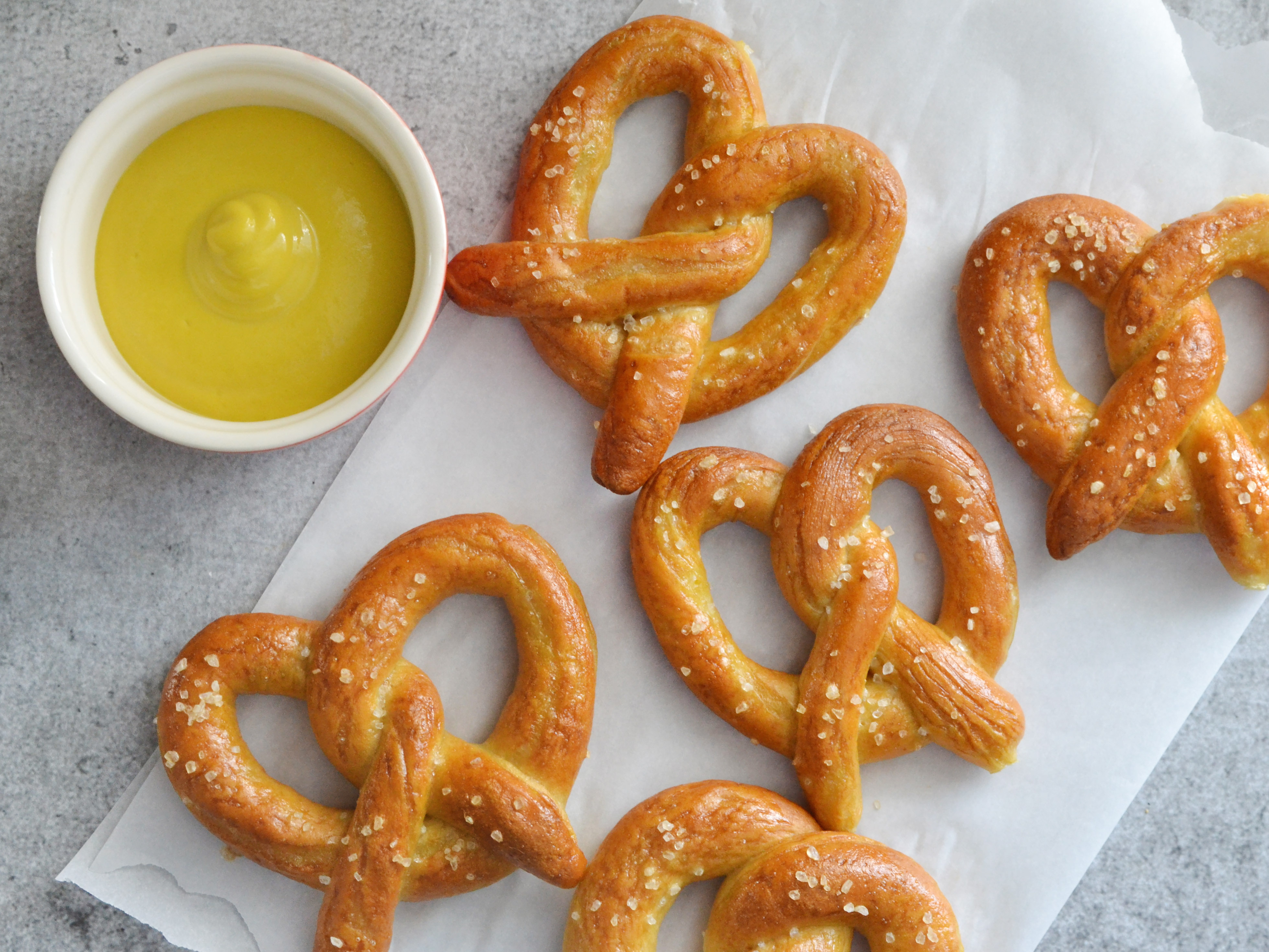
 My husband loves pretzels. He eats them almost every day and every time I go grocery shopping; I grab a bag for him. Me? Not so much. Unless it’s one of those decadent Auntie Anne’s in an airport, I pretty much could live without pretzels. Okay, the Dot’s Pretzels are pretty good too! Funny thing about my hubby is that he prefers the twists to the rods or the sticks. And just plain ole pretzels, nothing fancy or flavored. Those twists, come to find out, have an interesting history and what a perfect day to share it being the first Sunday of Lent.
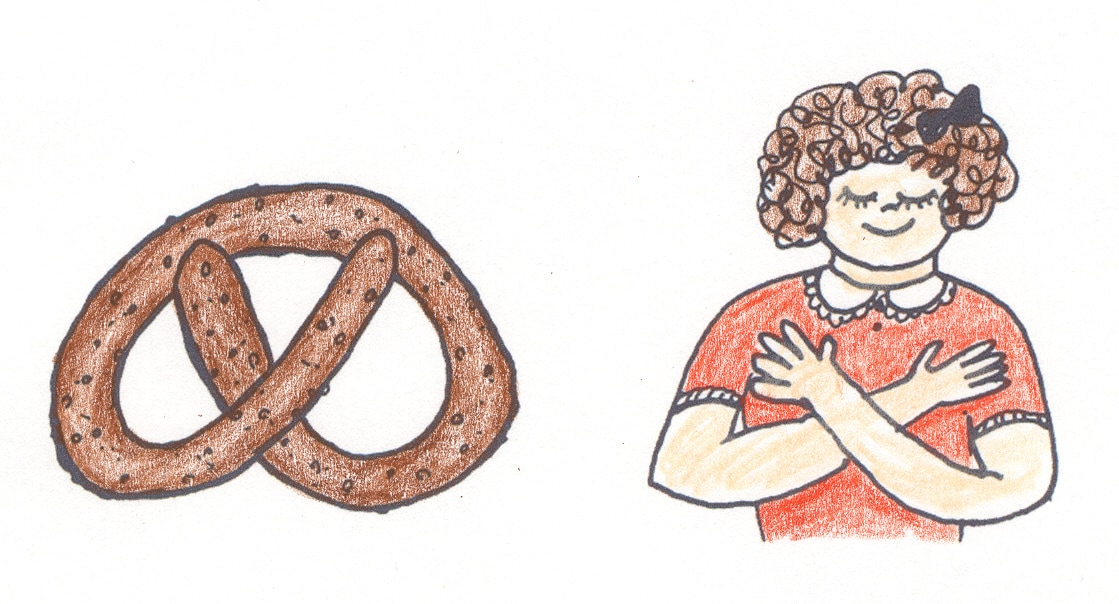
Their origin is said to date back to the 600s when Catholic monks began making them by taking a long strip of dough and arranging it in the shape of arms folded over the heart. The three holes left by creating this shape represented the Holy Trinity and legend has it that these treats of twisted baked dough were given to students as they learned their prayers. At the time, crossing one’s arms was the traditional posture for prayer. In today’s Catholic churches, anyone who has not made their First Holy Communion crosses their arms in this manner as they make their way up the Communion line to receive a blessing.
But what about the name?
The monks called their little breads “bracellae,” which is Latin for “little arms” and from which we got the German word “bretzel.” And, interestingly enough, the Latin word for “little reward” is “pretiola,” which is pronounced “pret-zi-oh-la” and sounds a lot like “pretzel!”
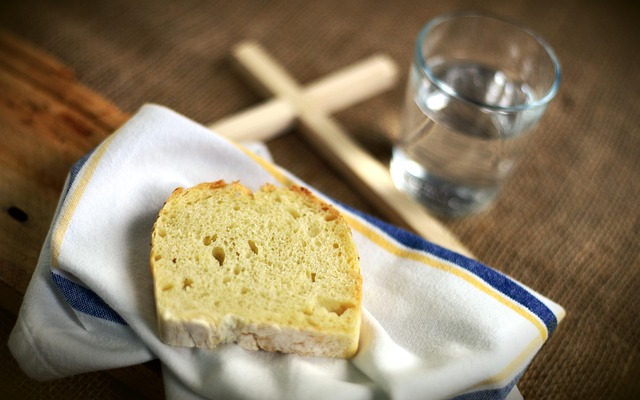 This is all very timely for another reason. In a word, Lent. You see, back when pretzels were first concocted, the rules of abstinence and fasting during Lent were much stricter than today. Catholics were forbidden from consuming dairy, eggs, or meat. Pretzels, made using only flour, water, and salt, were the perfect answer to a perfect fast.
Their symbolism doesn’t end there.
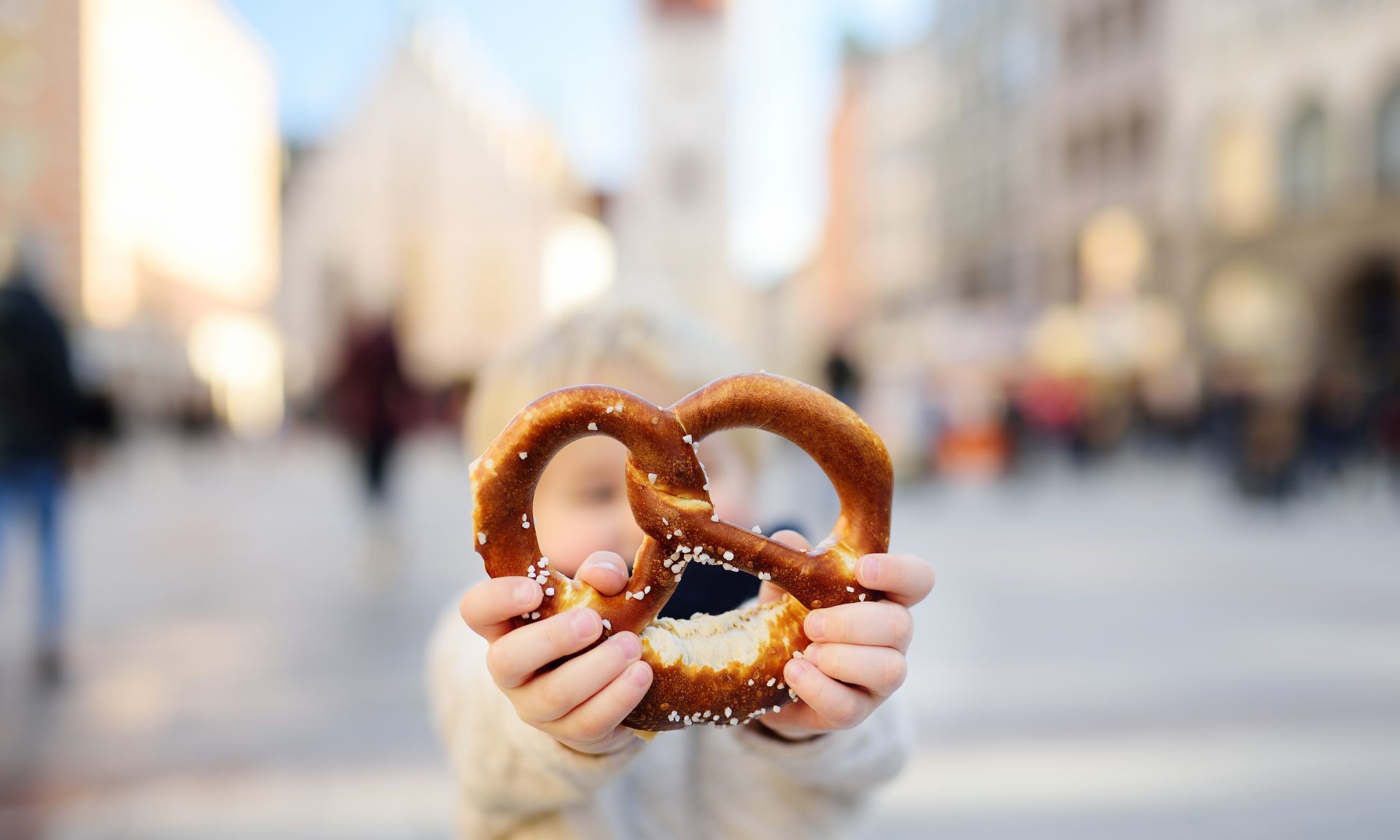 Back in the early 1600s, they were are a symbol of union in Switzerland. Weddings of royal couples often featured pretzels to represent the bond of matrimony and, according to legend, this may be where we got the phrase “tying the knot.” Lastly, the intertwined shape of a pretzel also symbolizes love in many parts of the world as at first glance, their shape resembles a heart.
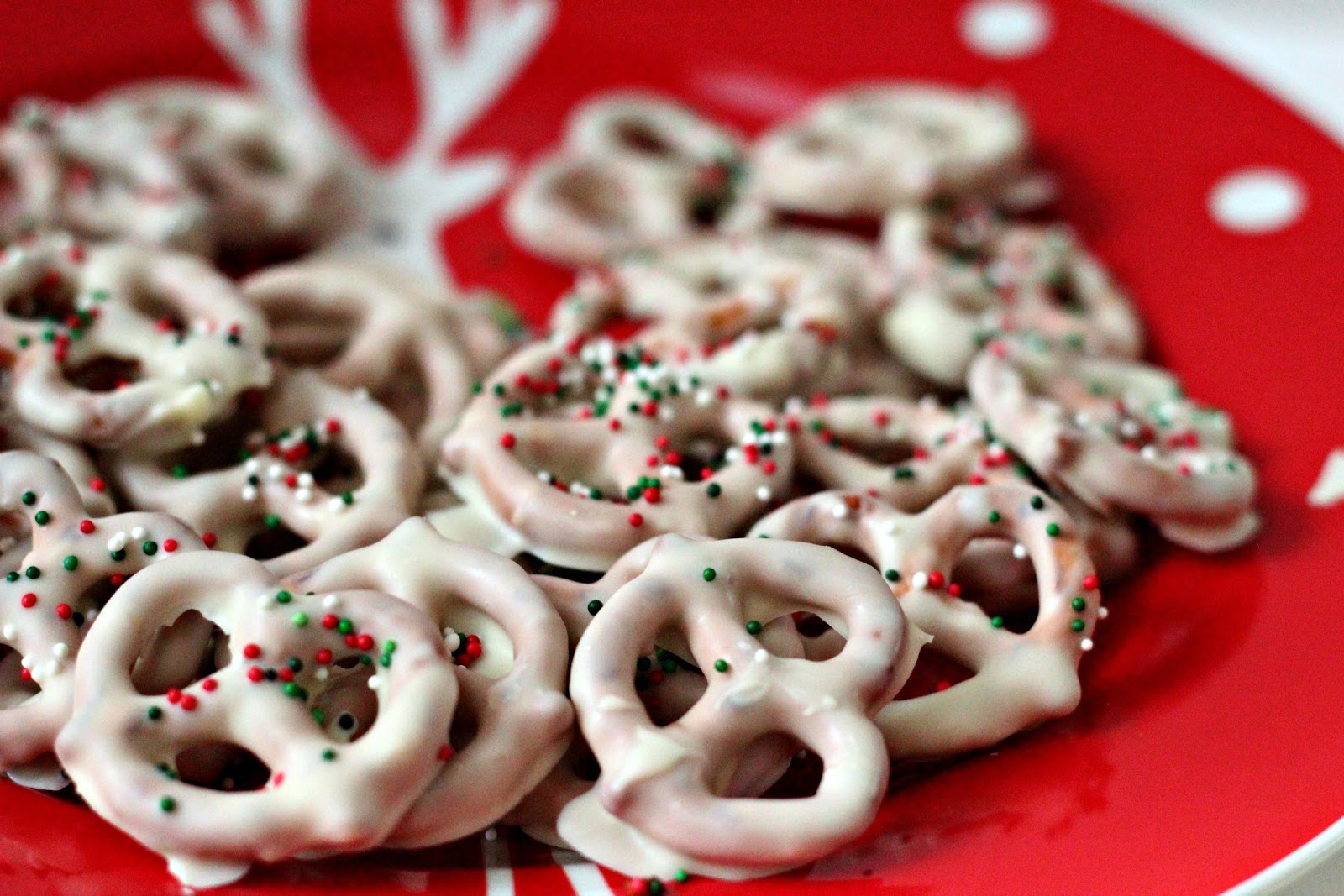 In addition, pretzels are also easy to make, affordable, and most aren’t fried or full of chemicals and additives. They can be found everywhere from carnivals, charcuterie boards, kids’ lunches, and yes, airports! Today they come chocolate and yogurt coated and sometimes with sprinkles. They come in flavors ranging from cinnamon sugar to honey mustard to spicey. Pretzels are so prevalent that they have their own National Pretzel Day on April 26 and October is celebrated as National Pretzel Month.
 That’s probably a pretty popular day and month in Pennsylvania, as Pennsylvanians eat more pretzels per capita than any other state. The state also produces 80 percent of the country’s pretzels and in 1993, the state opened the Pretzel Museum. Julius Sturgis would be so proud, as he opened the first commercial pretzel bakery in Lititz, Pennsylvania back in 1861. It was about that time that Swiss and German immigrants introduced the pretzel to North America. They too would be proud as the U.S. pretzel industry boasts an annual worth of $550 million and the average American consumes an average of 1.5 pounds of pretzels a year. Pretty sure my husband raises the average on that one but we won’t go there.
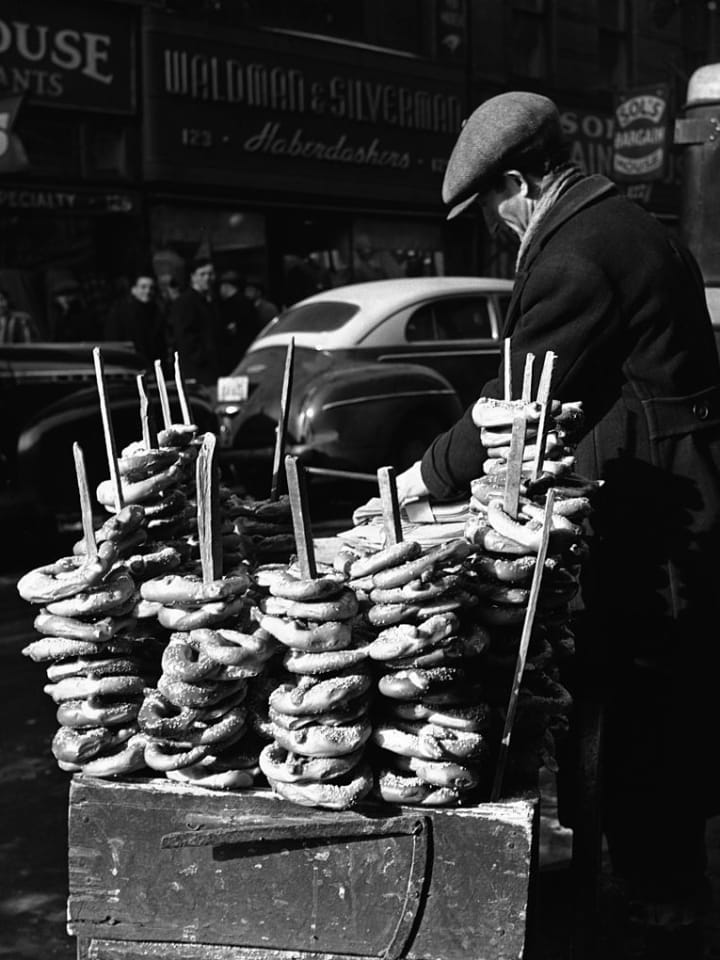 Shockingly, pretzels almost didn’t make it. In the early 20th century, they were considered German fare and anti-German sentiment during World War I resulted in a distaste for their taste. They did survive the war, but then came Prohibition, which presented another challenge. Bars had been one of the pretzel industry’s largest buyers up to that point, and without them manufacturers feared they wouldn’t be able to stay afloat. But surprisingly enough, pretzel makers actually flourished under the 18th amendment.
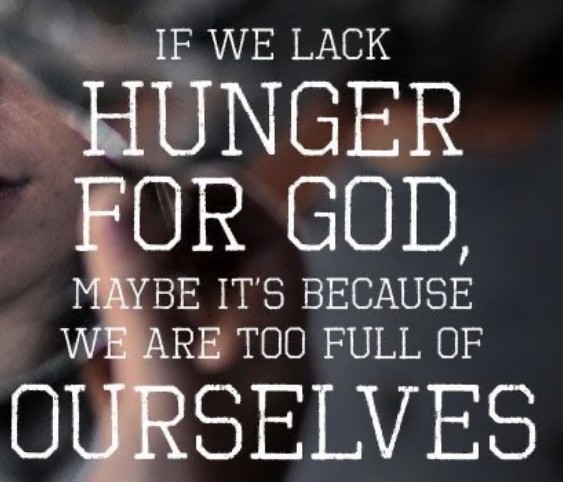 Coming full circle here, it’s fun learning about pretzels and their association with fasting and Lent…all with a twist! But why do we fast? Partly because we’re sinful but hopeful and partyly because we hunger for God. As Bishop Robert Barron wrote, every spiritual master recognizes the danger that if we allow the superficial hunger of our lives to dominate, we never reach the deepest hunger. Fasting is a way of discipling the hunger for food and drink all while prompting us to focus on what really feeds us. Unless we fast, we may never realize how hungry we are for God. And, as beloved Father Jared Cooke said many moons ago in a sermon, “If you’re not hungry for God, maybe you’re just full of yourself.”
Here’s a simple little recipe for pretzels I used to love sharing with my preschool parents when I taught my students the Lenten pretzel story. If you’re more ambitious, I’m also including the Food Network’s recipe. Enjoy!
Easy Pretzels
Dissolve one cake of yeast or 2 ¼ teaspoon of yeast into 1 ½ cups warm water.
Add 1 t salt and 1 T sugar
Blend in four cups of flour and knead the dough until smooth.
Cut dough into small pieces, roll the pieces into “ropes and then twist the ropes into shape.
Place pretzels on lightly greased cookie sheet and brush with one beaten egg (unless fasting on eggs)
Sprinkles with coarse salt and bake at 425 for 12-15 minutes.
Homemade Soft Pretzels
Food Network
Ingredients
1 1/2 cups warm (110 to 115 degrees F) water
1 tablespoon sugar
2 teaspoons kosher salt
1 package active dry yeast
22 ounces all-purpose flour, approximately 4 1/2 cups
2 ounces unsalted butter, melted
Vegetable oil, for pan
10 cups water
2/3 cup baking soda
1 large egg yolk beaten with 1 tablespoon water
Pretzel salt
Directions
- Combine water, sugar, and kosher salt in the bowl of a stand mixer and sprinkle the yeast on top. Allow to sit for 5 minutes or until the mixture begins to foam. Add the flour and butter and, using the dough hook attachment, mix on low speed until well combined. Change to medium speed and knead until the dough is smooth and pulls away from the side of the bowl, approximately 4 to 5 minutes. Remove the dough from the bowl, clean the bowl and then oil it well with vegetable oil. Return the dough to the bowl, cover with plastic wrap and sit in a warm place for approximately 50 to 55 minutes or until the dough has doubled in size.
- Preheat the oven to 450 degrees F. Line 2 half-sheet pans with parchment paper and lightly brush with the vegetable oil. Set aside.
- Bring the 10 cups of water and the baking soda to a rolling boil in an 8-quart saucepan or roasting pan.
- In the meantime, turn the dough out onto a slightly oiled work surface and divide into 8 equal pieces. Roll out each piece of dough into a 24-inch rope. Make a U-shape with the rope, holding the ends of the rope, cross them over each other and press onto the bottom of the U in order to form the shape of a pretzel. Place onto the parchment-lined half sheet pan.
- Place the pretzels into the boiling water, 1 by 1, for 30 seconds. Remove them from the water using a large flat spatula. Return to the half sheet pan, brush the top of each pretzel with the beaten egg yolk and water mixture and sprinkle with the pretzel salt. Bake until dark golden brown in color, approximately 12 to 14 minutes. Transfer to a cooling rack for at least 5 minutes before serving.
Discover more from Beyond Words
Subscribe to get the latest posts sent to your email.


 Beyond Words