
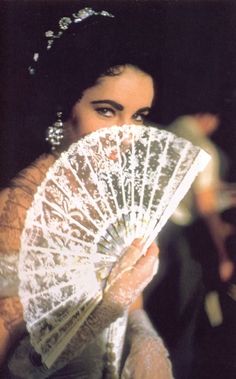
 Like many of my generation, I have a curio cabinet filled with things that bring back memories and things that make me simile, all accumulated over the years, on trips, and as gifts. Two special items are fans. Yep, those fold-up hand-held fans but special nonetheless.
One I bought in Spain and one my niece brought me from Japan, where she lived for many years and where her husband is from. Often associated with both Spanish flamenco dancers and Japanese geisha dancers, fans are much more than simple accessories and have a long and interesting history.
To start with, there are basically two versions of the hand-held fan: the folding type and the rigid style. Both date back centuries, with ancient Hebrews, Greeks, and Romans all having been depicted using fans. The items are also mentioned in the Bible.
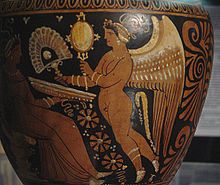 Some say the true origin of the fan goes back as far as 4,000 years and in Egypt, where it was considered a sacred instrument and used in religious ceremonies. It was also seen as a symbol of power and royalty and two fans were found in King Tut’s tomb. In fact, archaeological ruins from the 4th century depict the use of fans.
From there it gets kinda hazy. Both Japan and China stake claim of inventing the modern-day fan and both countries have valid points and history. What is agreed upon is that the folding fan, modeled after the folding wings of a bat, came from Japan while the “fixed” or rigid version was developed in China It wasn’t until the Ming Dynasty that folding fans were introduced in China.
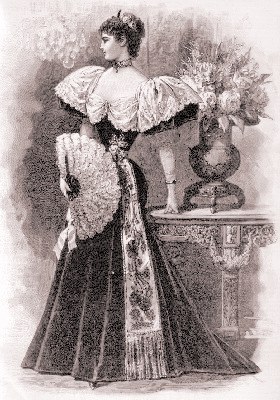 Originally fans were intended for practical reasons like swatting away insects, shielding a lady’s face from the sun or fire, and cooling one off. They were first used by the middle class, who didn’t have staff to fan them or take on household tasks using fans. Both folded and rigid fans became popular imports in 1500s Europe as trade routes opened up.
Fans quickly become exotic and stylish symbols of wealth and class, even falling into the “expensive toys” category. It didn’t take long for well-healed women to soon be seen carrying an assortment of hand-held fans, which were often decorated with jewels and feathers and hanging from the skirts of the likes of even Queen Elizabeth I. They eventually were considered works of art and created by specialized craftsman with many hand-painted on luxurious silk.
This was not the case across the ocean in America though, where the fan had much more humble origins. Fans stateside were rarely jewel-encrusted or hand-painted. Instead, they were often produced and mended by the likes of Shakers and made from straw or paper.
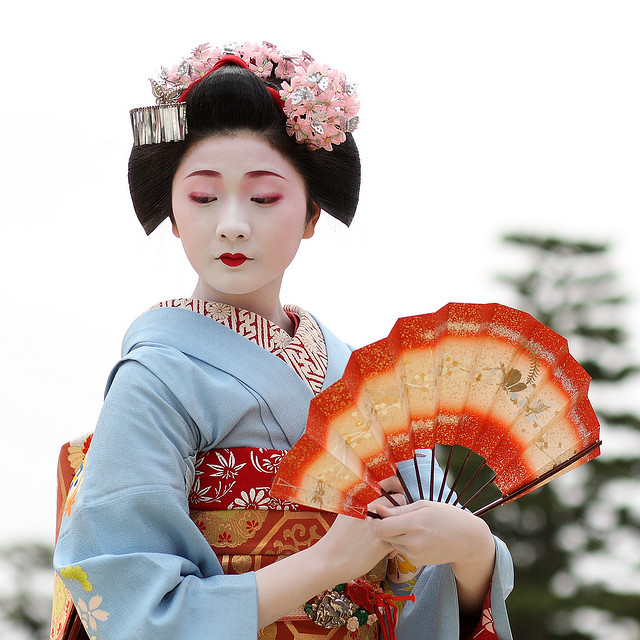 Fast-forward to today, where in Japan the folding fan remains very important in Japanese society and culture; even in that of sumo wrestling. A traditional fan is made from washi paper while fans made of silk are considered the most precious. A fan symbolizes prosperity through its opening up and its single starting point and wooden strips going out from it resemble the various paths leading us through life after the single point of birth.
The color of and pictures on a fan are also full of meaning. A pair of birds symbolize a loving couple, bamboo and pine represent patience, a lion symbolizes strength, a koi carp represents luck and a long life, plum blossoms represent a new beginning, while cherry blossoms represent the love of parents as well as richness and good luck. Typically, fans will consist of an odd number of pictures, as odd numbers are considered lucky. Gold colored fans are believed to attract wealth while red and white ones are considered to bring luck.
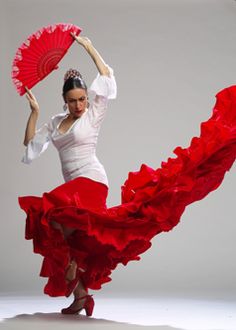 In Spain, fans go hand-in-hand, both literally and figuratively, with classic flamenco dancing. It’s believed that both the fans and shawls used in flamenco originally came from China and Japan but Spaniards have made them uniquely their own through their passionate dance. Popular products coming through Portugal through trade routes and it didn’t take long for fans to become sought after items, especially by those in Southern Spain where the weather is hot and flamenco originated.
Growing up my sisters and I took flamenco lessons and I still love the dance to this day. It is considered a very seductive dance that incorporates emotion, grace, and style in a performance full of power and passion. If you’ve never seen a live flamenco performance, I highly recommend doing so.

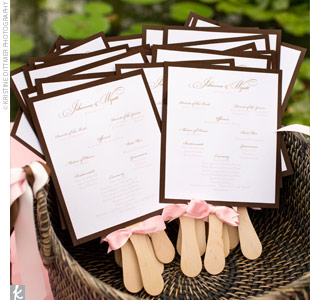
Brides have jumped on board the fan wagon and fans are making their way down wedding aisles in many forms. One way is to provide folded versions for outdoor wedding guests while another option is a more rigid version complete with wedding party or wedding schedules printed on them. Another popular trend is to incorporate fans in a bridal or bridesmaid bouquet.
The fashion world has of course not missed the boat on this one, with many a fashion house incorporating fans on their runways and splashing their logos on fans of all fashions. So in style are fans, that designer versions were given to front row VIPS at a recent Dior Couture show, of course emblazoned with the design house name and logo.
Ironically it was Dior’s home of Paris where Jean-Pierre Duvelleroy launched his fan house in 1827 and it stands today as one of the rare French fan makers still in existence. The well-known French fan maker and leather goods manufacturer is credited with introducing the notion of “fan language” to his fans. Some say it was just a marketing ploy by him and other manufacturers to sell fans, but I personally like the concept; a concept that has never been fully debunked.
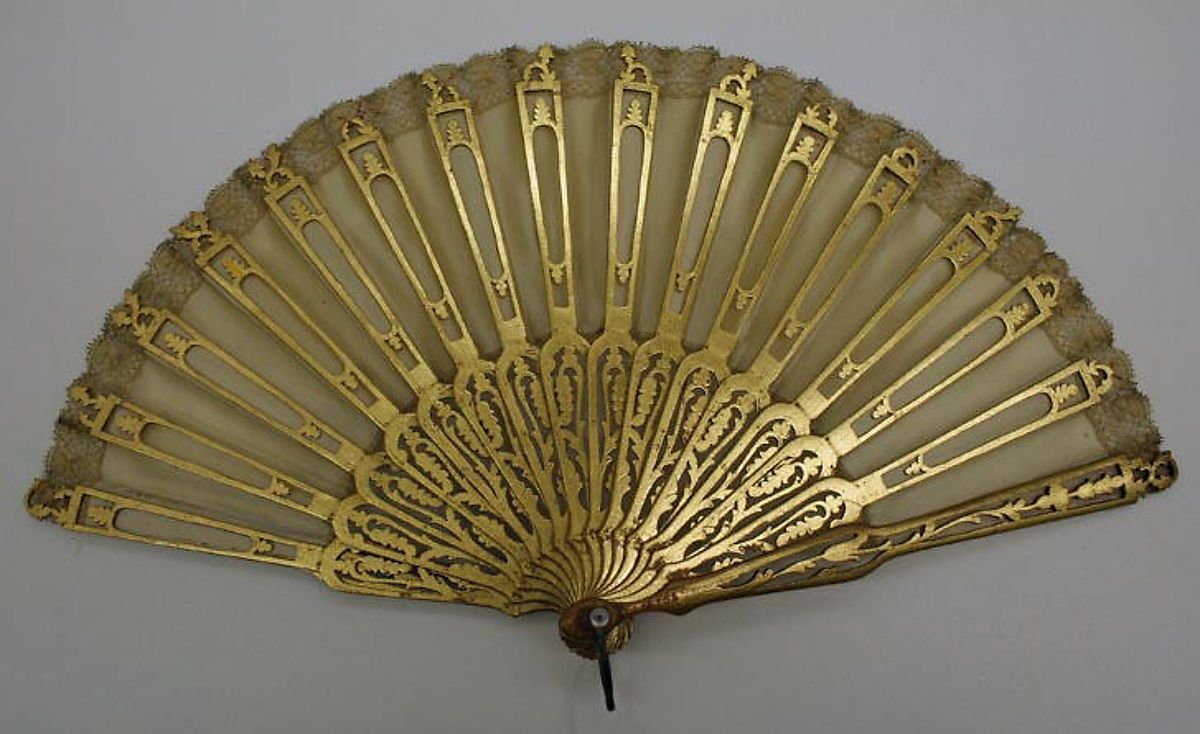 In the courts of early England and Spain, it was said that fans were used in, yes, a secret and unspoken language of sorts. These hand messages were clever in that they allowed a woman the ability to cope with stifling and restrictive social etiquettes. And according to a recent exhibit on the history of fans at Purdue University, Joseph Addison, publisher of “The Spectator” in the early 1700s, is credited with opening an academy for women to be trained in the use and handling of a fan, saying “women are armed with fans as men with swords and sometimes do more execution with them.” Amen sistas!
So, what exactly was this secret language? Jules Duvelleroy’s “Language of the Fan” leaflets included a code supposedly used by women for centuries. True or not, I’m a fan.
Some of those codes were:
- “We are watched”: Twirl the fan in the left hand
- “Follow me”: Carry the fan in the right hand in front of face
- “Do not betray our secret”: Cover the left ear with the open fan
- “I hate you”: Draw the fan through the hand
- “I love you”: Draw the fan across the cheek
- “I wish to speak to you”: Touch the tip of the fan with the finger
- “Yes.”: Let the fan rest on the right cheek
- “No”: Let the fan rest on the left cheek
- “You are cruel”: Open and shut the fan
- “We will be friends”: Drop the fan
- “I am married”: Fan slowly
- “I am engaged”: Fan rapidly
- “Kiss me”: Bring the handle of the fan to the lip
With the heat of the summer upon us, maybe it’s time to fan up and speak the language!


 Beyond Words