
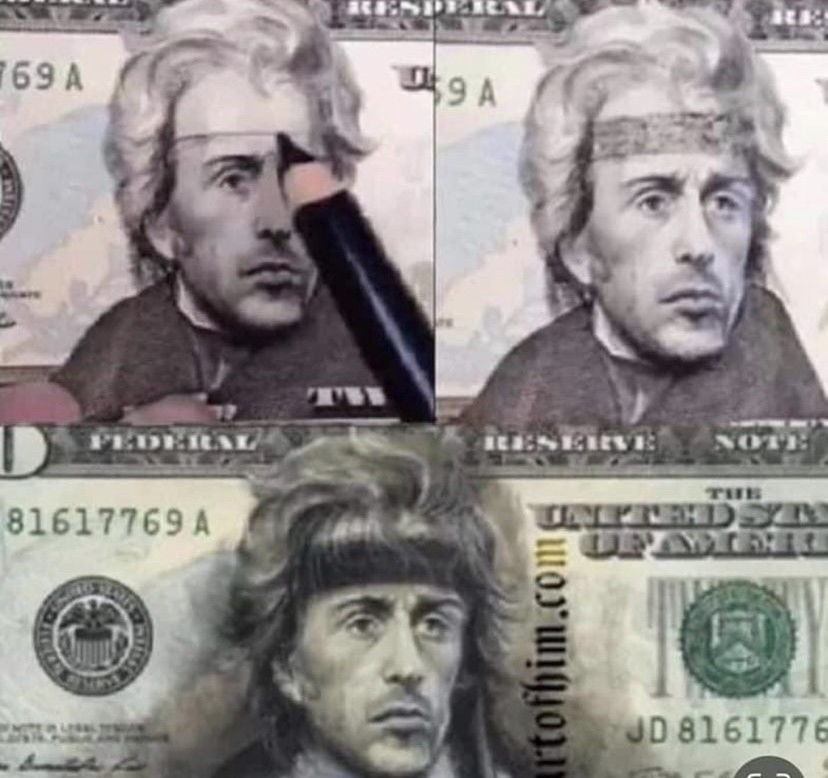
 I saw the above meme online and I giggled. It made me smile and it made me wonder. What bill is that? Who is that statesman? Off to Google I went…
What I found was fascinating.
Take a look at an American dollar bill. That bill you’re holding first came off the presses in 1957 in its current design. And although we all call our currency “paper money,” it is in fact made from a cotton-linen blend mixed in with red and blue silk fibers. That blend makes the notes more difficult to counterfeit compared to paper and vastly improves its durability. Makes sense as haven’t we all washed money and it comes out just fine? Now we know why.
As for the ink, it too is special but its contents are a secret. But what we do know is that part of the reason money in the washer or pool comes out just fine is because it’s starched to make it water resistant. It’s also over-printed with symbols and then finally pressed to give it that nice, crisp look.
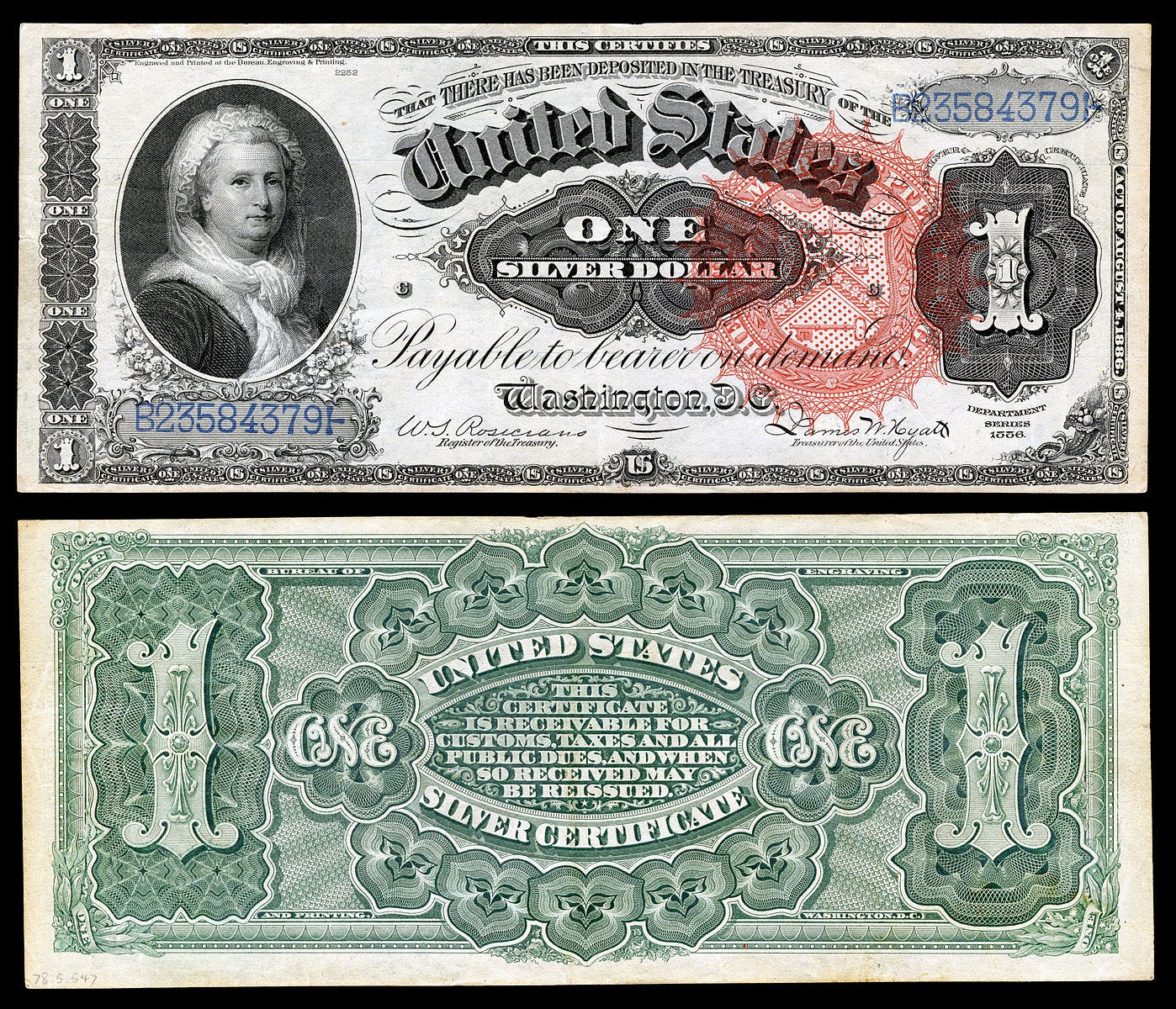 The current design of the United States one dollar bill technically dates to 1963 when the bill became a Federal Reserve Note as opposed to a Silver Certificate. However, many of the design elements that we associate with the bill were established in 1929 when all of the country’s currency was changed to its current size. Let’s pay a visit to what all is on a dollar bill.
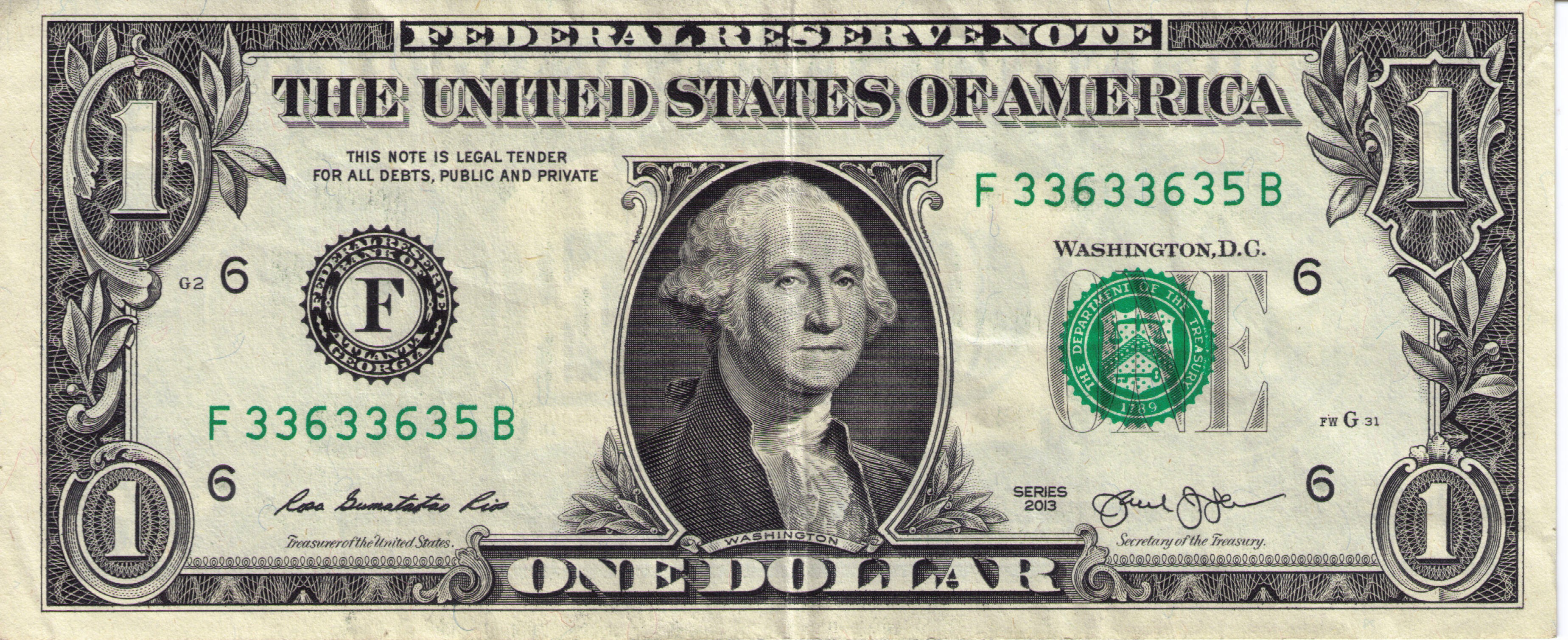
On the front of a $1 bill, you’ll see a portrait painted by Gilbert Stuart of President George Washington front and center. Choosing him for this distinction has historical significance and the decision to do so dates back to 1869. It only makes sense as Washington, revered as the father of our country, played an instrumental role in leading the American Revolution, establishing the fledgling nation, and serving as its first president. His inclusion serves as a permanent tribute to his leadership during our nation’s early years.
To the right of Washington, you’ll see the United States Treasury seal and above it, scales symbolizing justice. In the center is a chevron with 13 stars representing the original 13 colonies and underneath it is a key embodying fair and honest measurement as well as locking things up for safe measure. At the very bottom of the seal is the year 1789, when the Department of the Treasury was established.
To the left of George Washington is the Federal Reserve District seal. The name of the Federal Reserve Bank that issued the note encircles a capital letter, identifying one of the 12 Federal Reserve Banks. The sequential numbers of the bank are displayed on the corners of the bill.
Finally, below the FRB seal (to the left of George Washington) is the signature of the Treasurer of the United States and below the USDT Seal on the right is the Secretary of the Treasury’s signature. To the left of the Secretary’s signature is the series date. Money in the bank you might say.
Now let’s flip it over.
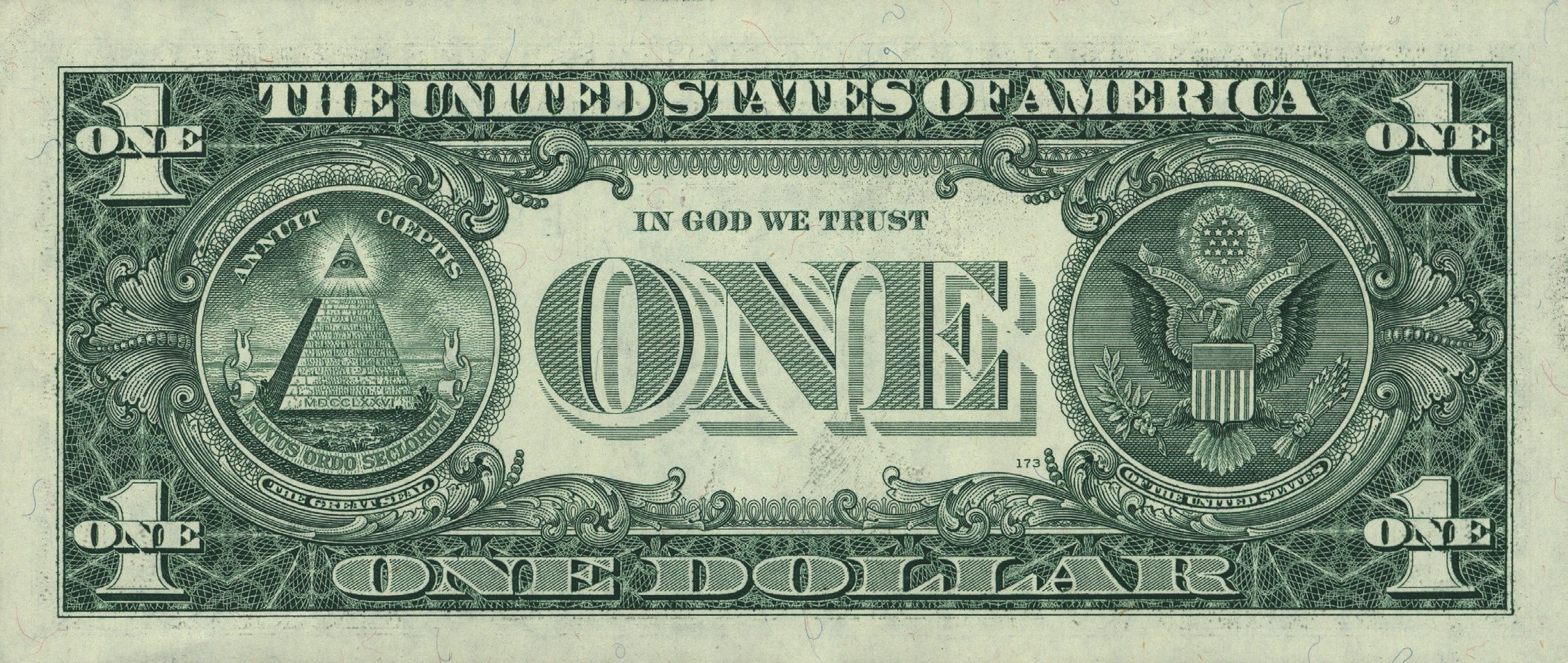 You’ll see two circles on either side of “ONE,” both of which comprise the Great Seal of the United States. On the lefthand side is an unfinished pyramid of 13 tiers topped by probably the most mysterious symbol on a dollar bill, the Eye of Providence. A well-known Christian symbol of God’s benevolent watchfulness, the eye was included as a conventional symbol for God’s benevolent oversight. The pyramid itself signifies strength and duration and many also suggest its unfinished form represents America’s status as an unfinished creation.
At the base of the pyramid are the Roman numerals MDCCLXXVI for 1776, the year of American independence from Britain. At the top of the seal stands a Latin phrase, “ANNUIT COEPTIS”, meaning “He favors our undertakings.” At the bottom of the seal is a semicircular banner proclaiming “NOVUS ORDO SECLORUM” meaning “New Order of the Ages,” a reference to the new American era. To the left of this seal is a strand of 13 pearls extends that toward the edge of the bill.
On the right side of the back of an American dollar bill is an American bald eagle, wings spread as if in flight. The eagle grips 13 arrows in its left talon, emblematic of war, and an olive branch signifying peace in its right talon. The bird’s head is notably turned in the direction of the olive branch to exemplify the nation’s preference for peace.
Also notable is that the eagle appears behind an unsupported shield, representing the United States now standing on its own with strength and virtue and ultimate independence. The horizontal lines at the top of the shield represent Congress, while the vertical green and white stripes represent the red and white stripes of the American flag. There are also 13 stars floating above the eagle’s head. This portion of the Great Seal of the United States looks very similar to the Presidential Seal, which it’s based on.
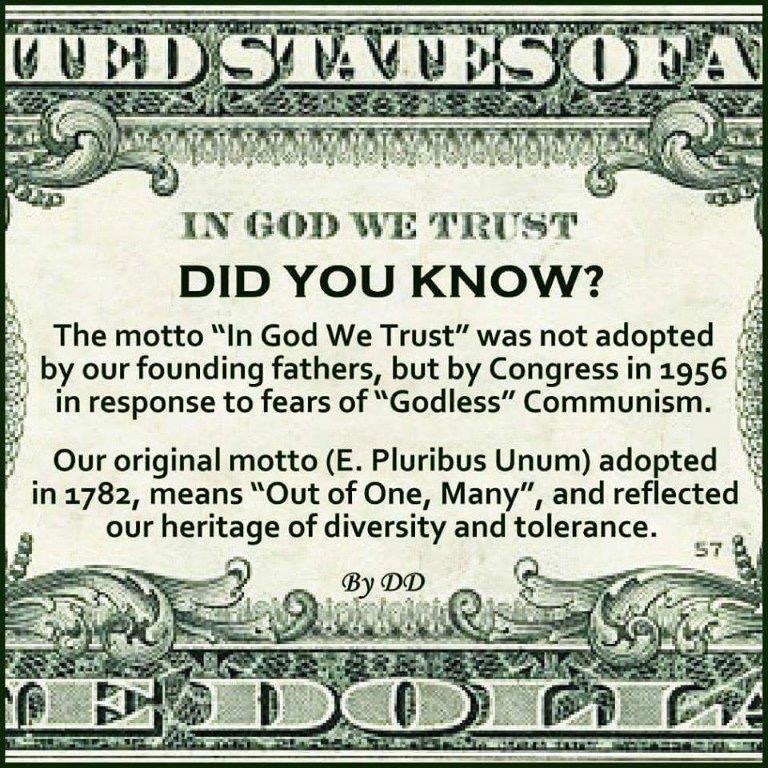 Front and center on the back of a dollar bill are also the words “In God We Trust,” the official motto of the United States. It has appeared on U.S. coins since 1864 and its use on all paper currency originated in 1957. The motto was adopted to reflect the nation’s religious heritage. On July 30, 1956, two years after pushing to have the phrase “under God” inserted into the pledge of allegiance, President Dwight D. Eisenhower signed a law officially declaring “In God We Trust” the nation’s official motto. The law also mandated that the phrase be printed on all American paper currency. The phrase had been placed on U.S. coins since the Civil War when, according to the historical association of the United States Treasury, religious sentiment reached a peak. Eisenhower’s treasury secretary, George Humphrey, had suggested adding the phrase to paper currency as well.
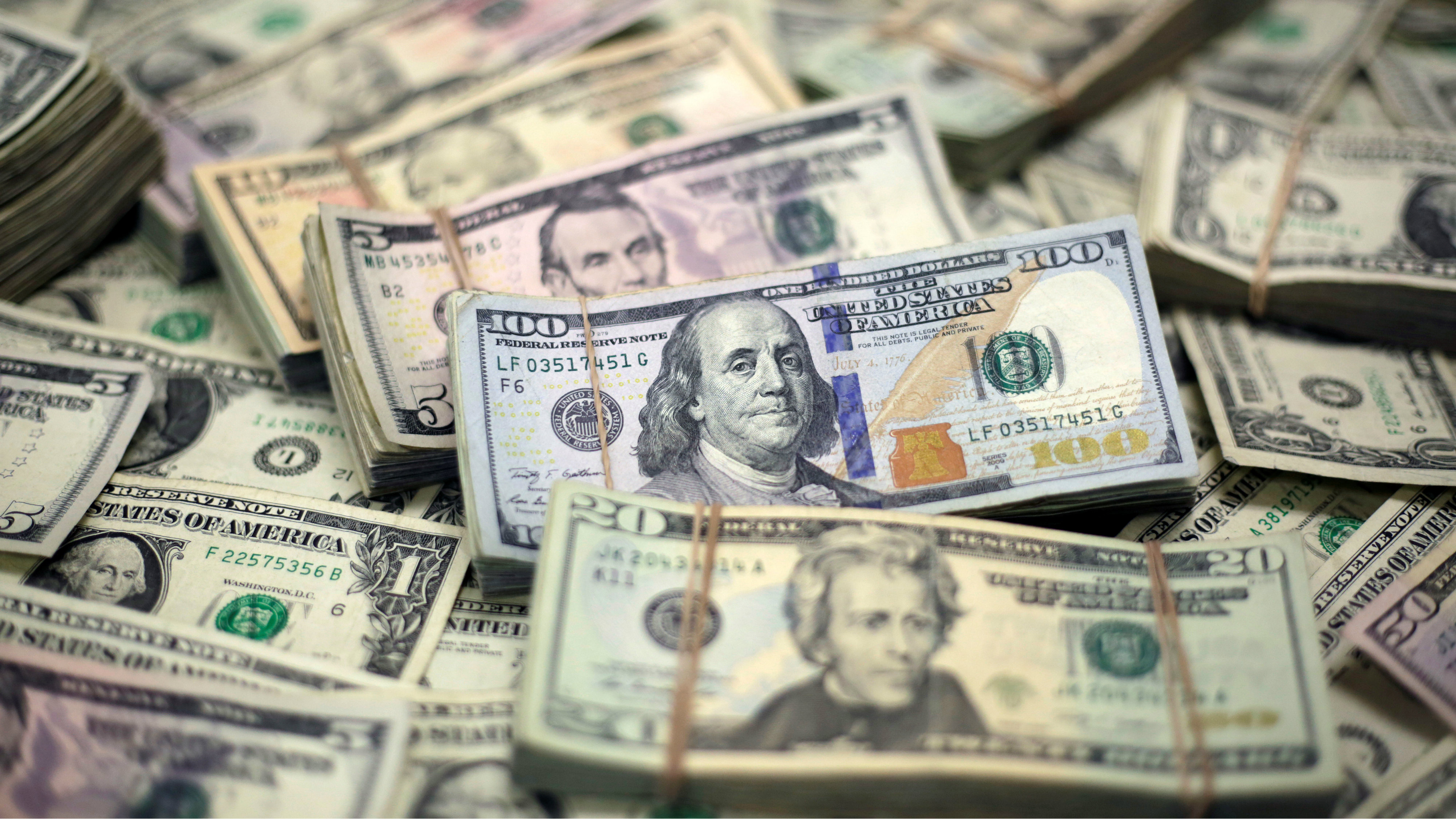 Can you name who’s on the front of the other denominations of U.S. currency? “A Benjamin” may come to mind first, denoting Founding Father Benajmin Franklin on a $100 bill, but here are the rest: President Thomas Jefferson on the $2 bill, (my mom and dad always gave $2 bills in cards and gifts…I still have some stored away,) President Abraham Lincoln on the $5 bill, Founding Father and U.S. Treasury Secretary Alexander Hamilton on the $10 bill, President Andrew Jackson on the $20 bill, and President Ulysses S. Grant on the $50 bill.
And just for grins, Lincoln is also on the penny, Jefferson is also on the nickel, and Washington is also on the quarter. President Franklin D. Roosevelt sits on the front of a dime and President John F. Kennedy is on the half-dollar.
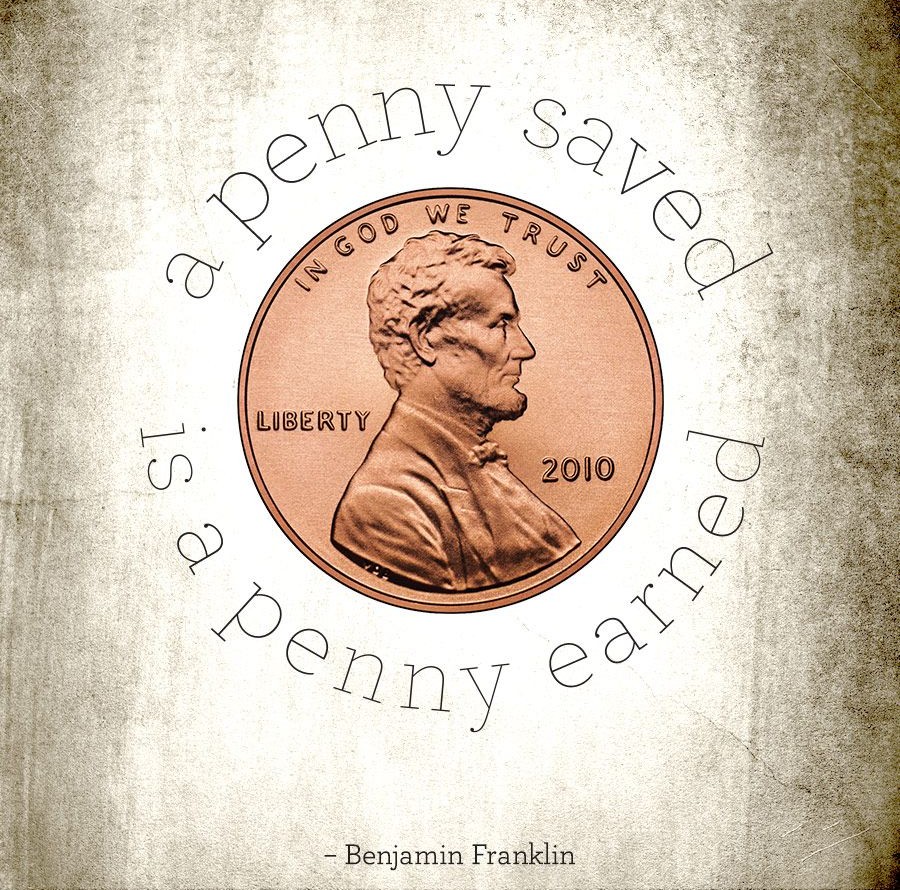 First of all, I had no idea Benjamin Franklin is credited for the quote on pennies and as for those pennies, you might indeed want to start saving them because after 233 years of production, the U.S. Treasury Department announced production of them will come to an end, the only ones available being those currently in circulation, and that pennies will stop being put into circulation early next year. The statement came following President Donald Trump announcing in February that production was going to stop this year as a cost-saving measure for the budget.The currency that is only worth 1 cent costs about 3.7 cents to make according to the U.S. Mint. Being that a nickel costs about 13.8 cents to make, could they be next?!
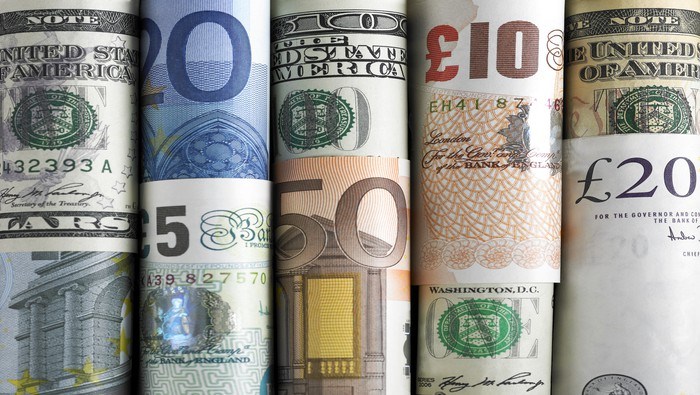 The United States dollar is the official currency of the United States and several other countries worldwide. The Coinage Act of 1792 introduced the U.S. dollar at par with the Spanish silver dollar, divided it into 100 cents, and authorized the minting of coins denominated in dollars and cents. U.S. banknotes are issued in the form of Federal Reserve Notes, popularly called greenbacks due to their predominantly green color.
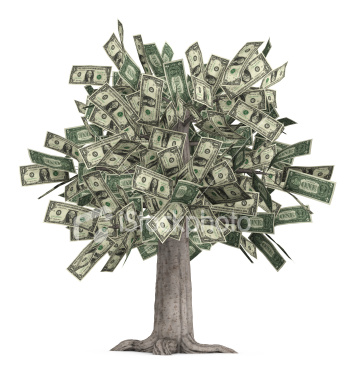 The U.S. dollar became an important international reserve currency after the First World War, and displaced the pound sterling as the world’s primary reserve currency. The dollar is the most widely used currency in international transactions even in trade between countries other than the United States. . You can bank on it!
Such fun and “rewarding” learning all of this. Next up? The $5 bill. JK. You couldn’t pay me to do all the other bills. After all, it took research and writing time and time is money!
Discover more from Beyond Words
Subscribe to get the latest posts sent to your email.


 Beyond Words