Beyond Words

Words, Wit and Wisdom for Today's Style and Decision Makers

Just Breathe September 28, 2025

Filed under: Uncategorized — carlawordsmithblog @ 9:32 pm

I was reading one of James Clear’s recent “3 Ideas, 2 Quotes, and 1 Question” emails and one of the ideas hit me. You could say it took my breath away.
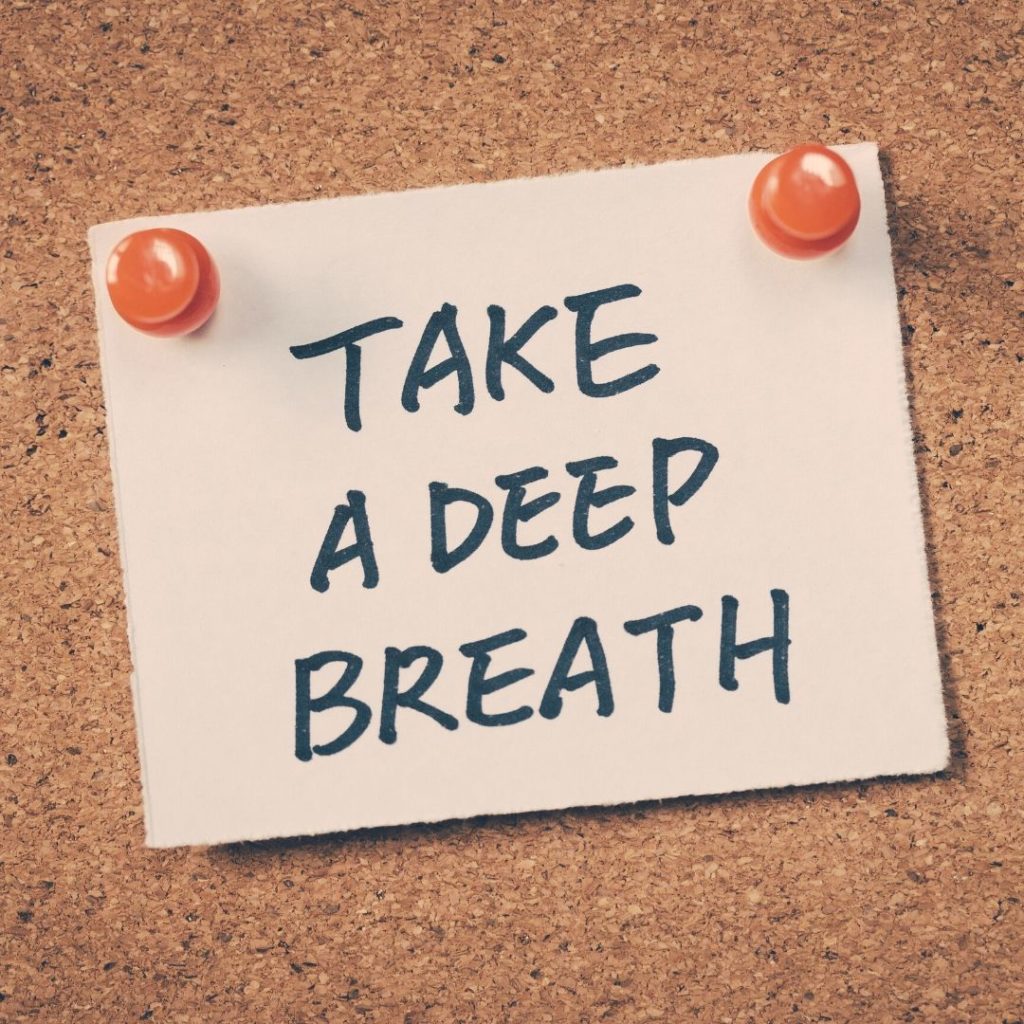
One of Clear’s ideas was to give yourself an instant gift: just breathe. He suggested you close your eyes for 60 seconds…right now…and just breathe. Try it. I’ll wait…

It’s crazy how just stopping and breathing can give you strength and give you relief. Don’t just take it from me, take it from science.

It’s true, breathwork is a science-backed route to relief from multiple modern ailments. The science of breathing and how embracing the art of breathwork can bring you the peace and calm you crave, even in the most hectic of moments.

I kinda know this for a fact and it’s all because of one little bracelet. When my mom recently passed away, I got a package in the mail from a special friend of mine. In it was one of those beaded bracelets with a word on it (ala Swifties). I couldn’t see the word right away but was expecting something along the lines of “comfort” or “strength” but when I read it, it had the word “breathe” on it. I teared up and thought “what a perfect word!” It’s a simple bracelet that’s much more special to me than any designer piece.

But I digress…

So, what exactly is “breathwork?” Breathwork refers to breathing techniques that intentionally channel and focus on the breath. For thousands of years, various Eastern medicine practices have employed breathing techniques to calm the body and the mind and the breath of God is mentioned many times throughout the Bible in both the Old Testament and New Testament referring to everything from creation to the Holy Spirit.
Think about it; breathing and breathing right is often the key to childbirth, yoga, Pilates, sleep therapy, exercise, and stress relief. Evidence is clear that if you’re feeling anxious, angry, frustrated, worried, or disappointed, relief can come just by taking a few slow, deep breaths.
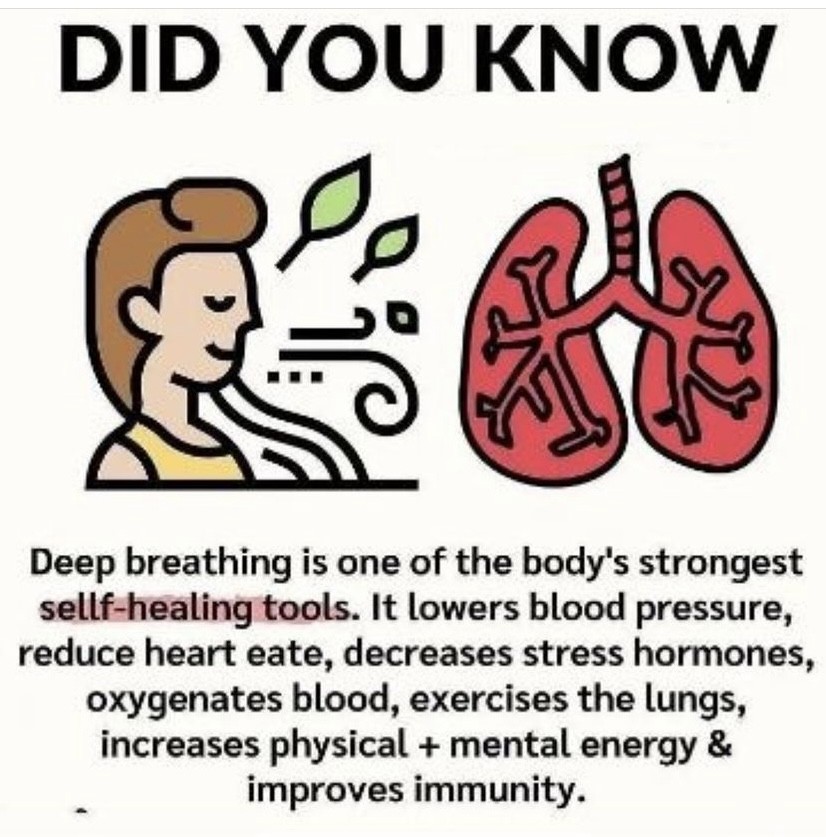
We all know that breathing sustains life and that it’s one of our body’s natural acts, but do we know that intentional breathing is a powerful tool for enhancing physical, mental, and emotional well-being? In short, proper breathwork techniques can improve lung capacity and heart health, increase oxygen intake, and can also boost immune function, lower blood pressure, enhance endurance, help manage overwhelming emotions, and even aid in pain management as it promotes the release of natural endorphins.
All of this is of course great, but what’s equally great is that breathing doesn’t require any costly or fancy equipment or classes. All one needs to do is take a big belly breath! Doing so can actually help you calm down and maybe even make you feel better. James Nestor, author of “Breath: The New Science of a Lost Art,” told “Good Housekeeping” that “The way you breathe affects anxiety and anxiety affects how you breathe.” Makes perfect sense, right?

Getty Images

It’s all well and good that western science has now embraced this lost art, proving that perhaps yogis were right all along. My beloved yoga instructor is always reminding class to take a big breath in and a big breath out, often using the “in through the nose out through the mouth” method and it usually is followed by a sense of calm and centering.

Come to find out proper breathing can also lower heart rates and help in digestion. Research also show that slowing down your breathing changes the neurological signals you’re sending to your brain, which influence emotions, thoughts, and behaviors.
“Good Housekeeping” points out that all of this can come in handy when dealing with some of the gloom and doom that we are currently inundated with. A most tragic of “last breaths” hit us full force a few weeks ago, causing anxiety and worry, but by merely breathing (and not watching so much news and social media!) we can dial it all down. In fact, certain intentional controlled breathing techniques do the opposite of what adrenaline does…they slow the heart rate down. The practice can also lead to gratitude, as it’s been said that a mere 45 seconds of deep breathing can enhance your appreciation of your surroundings.
Copyright © Zooll.com
Design by MysticEmma

One of the more popular intentional breathing techniques is called “Box Breathing.” In short, this 4-4-4-4 breathing has you breathe in through your nose for a count of four, hold your breath for a count of four, exhale for a count of four, and remain empty of breath for a count of four. Repeat until you feel centered. As with anything, always do so with care if you have health problems and consult your physician. In the meantime, just breathe!

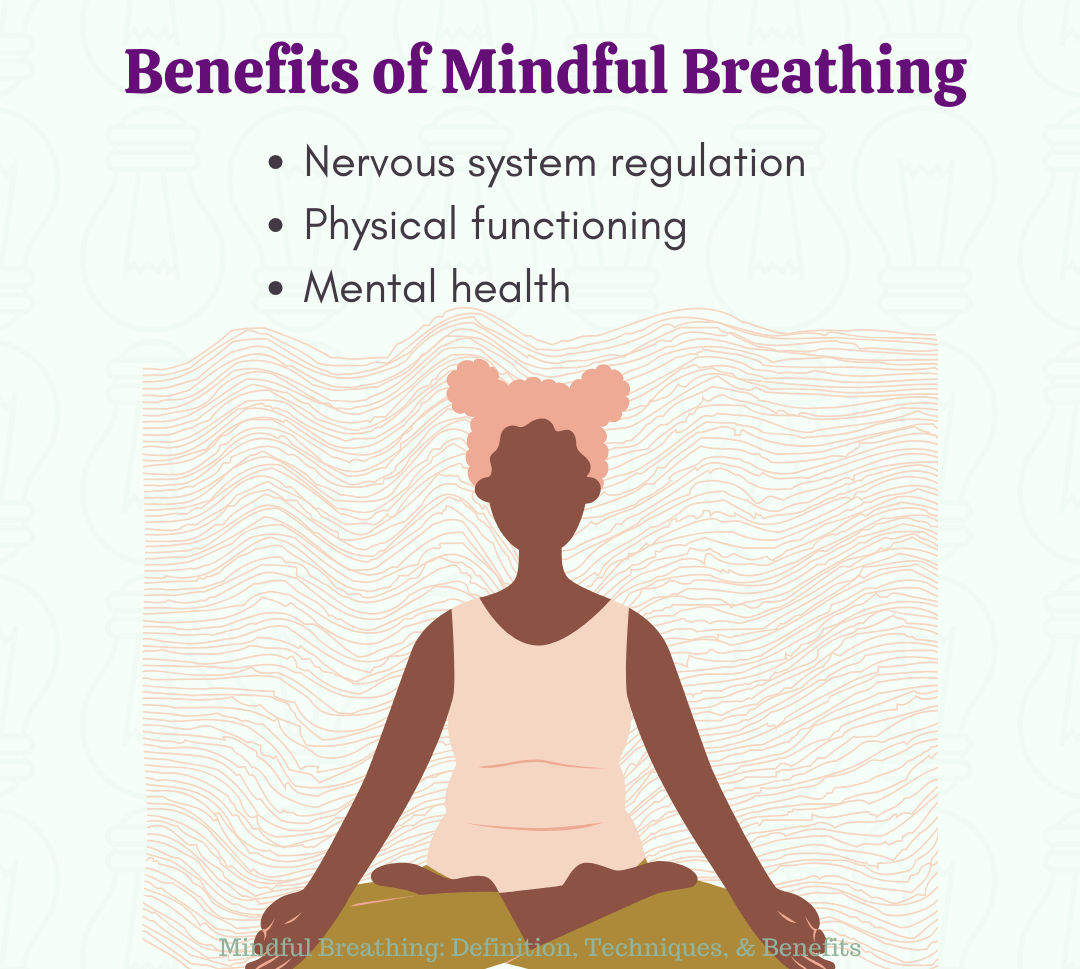
Benefits of Deep Breathing

Deep breathing can provide numerous benefits in various situations. Here are some key examples:


STRESS MANAGEMENT

Calms the Nervous System: Deep breathing activates the parasympathetic nervous system, promoting relaxation and reducing stress hormones.

Reduces Anxiety: It helps manage anxiety by slowing down the heart rate and lowering blood pressure.

PHYSICAL HEALTH

Improves Lung Function: Deep breathing enhances lung capacity and efficiency, allowing for better oxygen exchange.

Boosts Immune System: It can strengthen the immune response by increasing oxygen levels in the blood.

MENTAL CLARITY

Enhances Focus: Taking deep breaths can improve concentration and mental clarity, making it easier to tackle tasks.

Promotes Calmness: It helps shift the mind from a state of panic or agitation to one of calm and focus.

SLEEP IMPROVEMENT

Facilitates Relaxation: Practicing deep breathing before bed can help ease the transition into sleep, promoting better rest.

Reduces Insomnia Symptoms: It can be a useful tool for those struggling with insomnia, helping to calm the mind and body.

PAIN MANAGEMENT

Alleviates Discomfort: Deep breathing can help manage pain by promoting relaxation and reducing tension in the body.

Triggers Endorphin Release: It encourages the release of endorphins, which can enhance feelings of well-being.

PHYSICAL ACTIVITY

Enhances Performance: Deep breathing techniques can improve endurance and performance during physical activities by maximizing oxygen intake.

Supports Recovery: It aids in recovery post-exercise by promoting relaxation and reducing muscle tension.

Other Natural Stress Reducers

Breathwork is just one way to find your Zen. Here are some additional ways to do so naturally:

Take a hike. Actually, just a walk will do, as research shows even a 10-minute walk has benefits and can actually lower anxiety.

Get out. Exposure to nature and being outside has been linked to improved attention span, lower stress levels, and better mood.

Be thankful. As mentioned with breathwork, which can increase thankfulness, the opposite holds true in that practicing gratitude can help relieve stress and anxiety by putting things in perspective.

Stretch it out. Loosen up those muscles and relieve some of those aches and pains. Doing so for just 10 minutes a day has shown to help people feel less anxious.

Be crafty. As in arts and crafts. Studies show that drawing, pottery making, knitting, cross-stitching, puzzles, and other similar activities can significantly reduce anxiety. Perhaps the best part? You don’t even have to be good at them!

Pet a pet. As I’ve written again and again, simply petting a dog improves mood and relieves stress all while lowering cortisol levels. They’re not called “man’s best friend” for nothing.

Be a bird brain. It may sound crazy, but recent research shows that hearing or even seeing birds can make people feel calmer.

Tune out. It goes without saying to tune out of news cycles some, but also tune the tunes up. Music makes people often feel good and if you decide to dance to that music, symptoms of depression may decrease and feelings of well-being may increase.

Just say no. Sometimes saying “no” to something feels a whole lot better than always saying “yes.” I’m big on asking myself “What will you regret more: saying yes or saying no?” It’s ok to not have a calendar full of commitments and to allow yourself some you time to recharge and regroup.

Sniff away. Grab you some fresh lavender and sniff away as numerous studies show the calming power of lavender. Use lavender oil in a diffuser or put a few drops on a towel and just breathe it all in.




God’s Influencer Now a Saint September 7, 2025

Filed under: Uncategorized — carlawordsmithblog @ 2:49 pm

A few months ago, some friends and I went to see the movie “Roadmap to Reality,” a great film about Carlo Acutis, the first millennial Catholic saint. I’m fascinated and inspired by the young man who was an ordinary teenager and yet became the perfect role model for today’s generation. In fact, he is often called “God’s Influencer” and in today’s world of even the youngest of kids living on tablets and phones, his story is one everyone should learn about.


OSV News

Proof that holiness and high-speed internet can peacefully coexist came to fruition today when Acutis was officially canonized by Pope Leo before thousands in Rome’s St. Peter’s Square. For all you non-Catholics out there, canonization is the official last step to sainthood. It follows his beatification by Pope Francis in 2020 when huge crowds watched the ceremony on giant LED screens that he would have loved to configure. Today’s ceremony comes a little more than a month after more than a million young people filled Rome for the 2025 Jubilee of Youth and is a heavenly sent date for the first influencer saint.


Acutis was born in London but his family soon moved to Italy and he was raised in Milan. He loved soccer and wore his favorite Nikes everywhere but was diagnosed with leukemia and died at age 15 in October of 2005. But, in his short life, he influenced many and his “digital evangelization” changed hearts and minds worldwide. He is buried in Assisi, home of one of his favorite saints and mine, St. Francis, and is appropriately dressed in his beloved sneakers, a sports jersey, and jeans. This “Saint in Sneakers” was influenced by many including, appropriately, former Apple CEO Steve Jobs, whose wisdom struck a chord with young Carlo when he said, “Your time is limited so don’t waste it living the life of someone else.”


For Acutis, information and technology should be seen as tools to share good news, to connect, and to do good. His goal was for us to use technology to lead toward truth and hope and to promote faith rather than undermine it all while not being controlled or manipulated by it. As the “Catholic Star Herald” wrote, Carlo also knew that a deep spirituality on the inside is the secret to a serene, consistent, and joyful disposition on the outside. He exemplified the inner beauty we all strive for and was a great person of holiness inside and out as he helped beggars, the disabled, immigrants, and the elderly.


“Why do people worry so much about their physical beauty but not about the beauty of their souls?” he often asked. As today’s teens, particularly females, struggle with online comparison and bullying, this question is not only timely but pure wisdom. “Happiness is looking towards God and sadness is looking towards yourself” he said as well as “Money is only ragged paper. What counts in life is the nobility of the soul and the way one loves God and loves one’s neighbor.” This vision from a saint that encourages young people not to settle for something beneath their dignity is truly a perfect example of someone who was wise beyond his years and who used modern technology for a good effect without wasting time or being distracted.


Other than his adeptness with technology and putting faith at our fingertips, Acutis also had a deep love for the Eucharist. When he noticed that Google featured more gossip than Gospel, he created a slick website that mapped Eucharistic miracles and Marian apparitions into one easy-to-use searchable site. Today that home-grown project has become a multilingual portal used by catechists, youth ministers, and others on every continent. At a time when many of his contemporaries were walking away from Mass, Acutis had the ultimate respect for the Body of Christ saying, “The Eucharist is my motorway to heaven.”


Ceremonies for Acutis’ official canonization haven’t been met without delay. His beatification ceremony was postponed due to the 2020 pandemic and his canonization was delayed for the papal funeral of Pope Francis. As with anything that’s meant to be however, it’s all come to be.


Today also marks the opening of the animated film, “Carlo Acutis: God’s Influencer,” which offers children and family to learn about his life and evangelization.


Acutis is the example young people need today and his canonization coincidentally comes at a time when young Americans are entering the Catholic Church in great numbers, an example being the more than 400 currently preparing to enter the Catholic Church at Texas A&M University’s St. Mary’s Center. It indeed appears that the Church is entering a period of renewed growth with more Americans joining the Catholic Church than leaving it for the first time in decades. Just as Acutis is considered a “cool” saint, Catholicism has become cool. Maybe it’s our new American Pope, maybe it’s an awakening, maybe it’s all divine intervention.


This “sacred surge” in the numbers of aspiring Catholics registering to join the church is led by a growing number of young adults, particularly those in their teens and 20s, who are defying decades of declining religious affiliation. It seems Gen Z and Millennials are seeking purpose, authenticity, meaning, normalcy, and tradition in an increasingly chaotic and confusing world. Driven by the pandemic, the highs and lows of the internet, and lax and questionable alternatives being offered, today’s younger generation is simply finding something beautiful and transcendent about the rituals and ancient history in Catholicism, its doctrines, and the mass.


According to the National Catholic Register, some dioceses are reporting increases of 30-70 percent in new converts and much of it is being driven by young men, who are now statistically more religious than young women. C’mon ladies! And America is not alone. The Catholic boom is also happening in France, which saw a 45 percent increase in the number of adult baptisms this year. In England, a surge in Mass attendance is resulting in Catholics outnumbering Anglicans for the first time since the Church of England was born while Austria is reporting an 85 percent increase in adult baptisms. The same is happening in Canada, Belgium, and Sweden.


All of this would be music to Carlo Acutis’ ears and would undoubtedly make him smile. Maybe today, and every day, take a minute to put faith at your fingertips as you scroll and post.


Also being beatified today is Peir Giorgio Frassati who, like Acutis, was an Italian young man who has been a global patron for young adults, athletes, and “ordinary people.” Frassati saw many parallels between Catholic life and his favorite sport, mountain-climbing. It was in nature that he connected most deeply with God and his simple quote, “Verson L’Alto,” which means “to the heights,” encapsulates his philosophy of mountaineering and his Catholic outlook on life and adventure. Frassati died in 1925 at the age of 24 but like him, we are called to go “to the heights” to encounter Christ and love in all things.


Back to School…with Fido? September 5, 2025

Filed under: Uncategorized — carlawordsmithblog @ 8:17 pm

We’ve all heard about them and many of us have actually been around one: an Emotional Support Animal, or ESA. We’ve likely read how they can be very beneficial but we’ve also read about the abuse of the privilege and outrageous requests to board planes or enter restaurants with the most outrageous of animals. Here’s a new one though: college students using ESAs to get accustomed to their new higher learning world.


Courtesy Chris Boland

Back to school is in full force right now and universities are filling dorms, apartments, and Greek houses with freshman and upper classmen. Leaving home and entering the new world of college life can be fun and exciting yet daunting and overwhelming. The college experience can be a whirlwind of challenges, personal growth, and forging friendships. Friend groups and campus organizations are helpful in getting settled at college, but a new entity has entered the chat room: ESAs.


It’s been documented again and again that our furry four-legged friends and family members go way beyond canine cuteness as they also provide comfort and companionship so why not allow them at college campuses? That, my friends, is the million-dollar question.


Yes ESAs, particularly dogs, provide so many benefits but those benefits might not gel with your new room, suite, hall, or classmates. Before even thinking about it, a student should consult with a mental-health professional such as a licensed therapist or psychiatrist who can assess the student’s emotional needs and determine whether an ESA is appropriate. After that, the next thing is to research your university’s housing policies. Keep in mind that ESAs are not covered under the Americans with Disabilities Act.


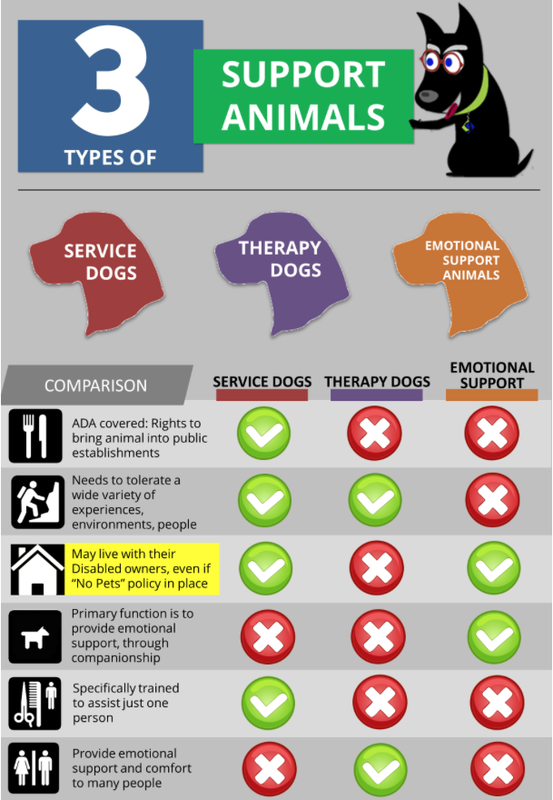
Something else to know is that ESAs aren’t the same as service or therapy animals. In general, service animals are trained to perform specific tasks for individuals with disabilities while therapy animals are trained to provide comfort in therapeutic settings. ESAs on the other hand, offer companionship and emotional support to individuals with mental health conditions or emotional challenges.


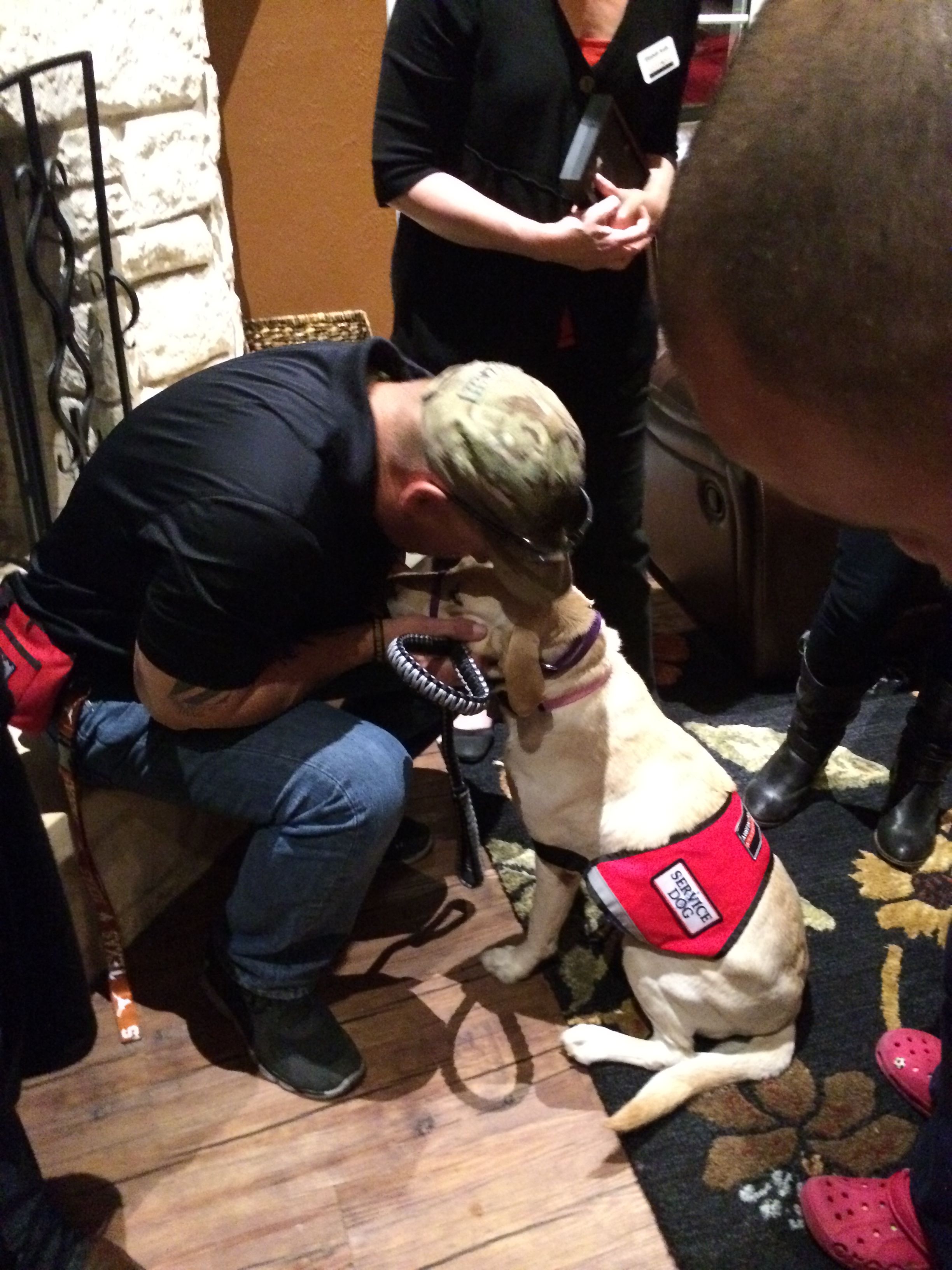
Anyone who knows me knows I’m a dog lover. I’ve owned them all my life and have worked with organizations that provide both service and therapy dogs. Two that stand out include the Austin Dog Alliance’s “Hounds for Heroes” program that trains and provides dogs for our nation’s wounded veteran heroes. I’ve also worked with the program in which autistic students gather for a small group learning activity, many of who exhibit anxious and nervous behaviors only to see those behaviors diminish simply by us volunteers walking in and having a dog sit next to them to pet.


College life can be lonely and stressful and many have found that interacting with an ESA can similarly help reduce stress levels and promote relaxation. In fact, spending time with a pet has been shown to lower cortisol and norepinephrine levels and increase oxytocin, a hormone associated with bonding and well-being.


College life can also feel isolating for students living away from home for the first time and ESAs can alleviate feelings of loneliness and seclusion. They can also act as social catalysts, bringing students together in shared spaces such as puppy playdates or dog parks. I’ve always said dog parks are some of the happiest places on earth…they’re happy place and our happy place…and what better place than a college campus for one?


They can also improve mood and overall emotional health by offering unconditional love, non-judgmental affection, and endless comfort. There’s nothing like puppy dog eyes gazing up at your if you’re sad or anxious. It’s not just emotional, it’s science!


That science also supports the idea that spending time with animals enhances and improves concentration and focus, which are especially beneficial during study sessions. The calming effect of dogs while studying can help students maintain a higher level of attention and hopefully absorption and learning.


If you sleep with your ESA dog in your bedroom or on your bed, studies also show you’ll sleep more soundly. The above famous “Dog on Bed” painting by Andrew Wyeth hangs above our bed and I must admit, it mimics our life! Researchers at the Mayo Clinic’s Arizona campus revealed that sleeping with animals in the bedroom actually helped participants achieve better quality sleep. Having your dog cuddle next to you is a very comforting feeling and the study showed that whether you sleep with a poodle or a Great Dane, you’ll sleep better. The old saying “let sleeping dogs lie” might just mean lie in your bed!


Lastly, having a dog ESA probably means you have to walk that dog, which means you’re getting exercise you might not otherwise if you didn’t have one. I don’t think I need to go into the physical, mental, and emotional benefits of physical activity.


According to the American Veterinary Association, more than 40 million American households have dogs. Now you can maybe add dorm rooms to that number. And while dogs and cats are the obvious ESA darlings, other animals like rabbits, birds, and reptiles can also provide companionship. And as adorable as the above puppy and kitten are, they probably aren’t the ideal choices for an ESA. Experts recommend a pet you aleady own and one that’s somewaht trained.


I’m a solid dog only vote here but even being the dog lover that I am, I personally can’t fathom having a dog when I was in college. Doing so is a huge commitment and spontaneity is not in the cards. Class and social schedules must jive with feeding and “taking out” schedules of Fido and to me that adds stress, not comfort! Anyone choosing to go that route needs to make sure they’re up for the responsibility and the ESA is up for college life. Still, if even one animal can provide security and strength for their one owner and not negatively impact anyone, I’m all for it. Think of yours as your own personal team mascot!


A Hot Commodity September 1, 2025

Filed under: Uncategorized — carlawordsmithblog @ 9:13 pm

Happy September and happy the month of fall! That means football, hopefully cooler temps, and holidays. It also means three words: Pumpkin Spice Latte. The phenomenon associated with those words is, in a word, insane! Don’t get me wrong, I love coffee and I like a pumpkin flavored coffee but I’m not gah-gah over its arrival in virtually every coffee shop, grocery store, and restaurant. I’m clearly in the minority though.


 I’m here to say, however, that I loooooove pumpkin pie…it’s my favorite pie…and I’ll grab some pumpkin flavored coffee creamer at the store (I’m one of those who likes a little bit of coffee with her creamer!) but you won’t find me in line at Starbucks waiting to order a Pumpkin Spice Latte. When and if I do venture into a Starbucks, has it dawned on you that can be anyone you want in one. How? When they ask your name for your order, give them any name you want. My go to is Natasha but I’ve been known to give other (always appropriate) names. It’s most fun to do so when you’re with others and calmly watch the looks on their faces as you give a random name. Fun times!


But I digress.


Back to Pumpkin Spice Lattes.


This simple fall flavor has taken on a life of its own and is a full-fledged cultural phenomenon and we kinda have one place to thank for it: Starbucks. But, while everyone automatically thinks of the Seattle-based coffee giant, it didn’t truly invent the idea of a pumpkin pie coffee but it certainly made it famous.


But how, and why?


Peter Dukes

It all started back in 2003 when Starbucks Product Manager Peter Dukes was asked to create an autumn-themed drink that would match the success of the company’s Peppermint Mocha and Eggnog Latte drinks that had been met with great success for the winter and holiday months. The company was looking for a new fall drink that would blend comfort with warmth with originality. Even though pumpkin pie is a fall tradition, at the time pumpkin-flavored things weren’t common and the only items you’d find in a store were pies and canned pumpkin.


Dukes and his team huddled together and got to work.


After brainstorming possible fall favorites, they surveyed Starbucks customers online and when it came time to narrow the list down to four, chocolate-caramel, orange and spice latte, and a cinnamon streusel latte proved popular but not so much the “pumpkin pie latte.” The group was convinced that it was unique and could be a winner though and it made the final cut despite naysayers.


How it came about is equally interesting.


According to company lore, Dukes and company gathered to eat pumpkin pie while drinking espresso to try to figure out what parts of the pie paired best with espresso. They decided on pumpkin and spice and the rest is barista history.


Naming their concoction was another challenge. They threw out “Fall Harvest Latte” because although it tied in with the season, it didn’t describe what its flavors were. “Pumpkin Spice Latte” did just that. Debuting in Vancouver and Washington, D.C. in the fall of 2003, it was an immediate hit.


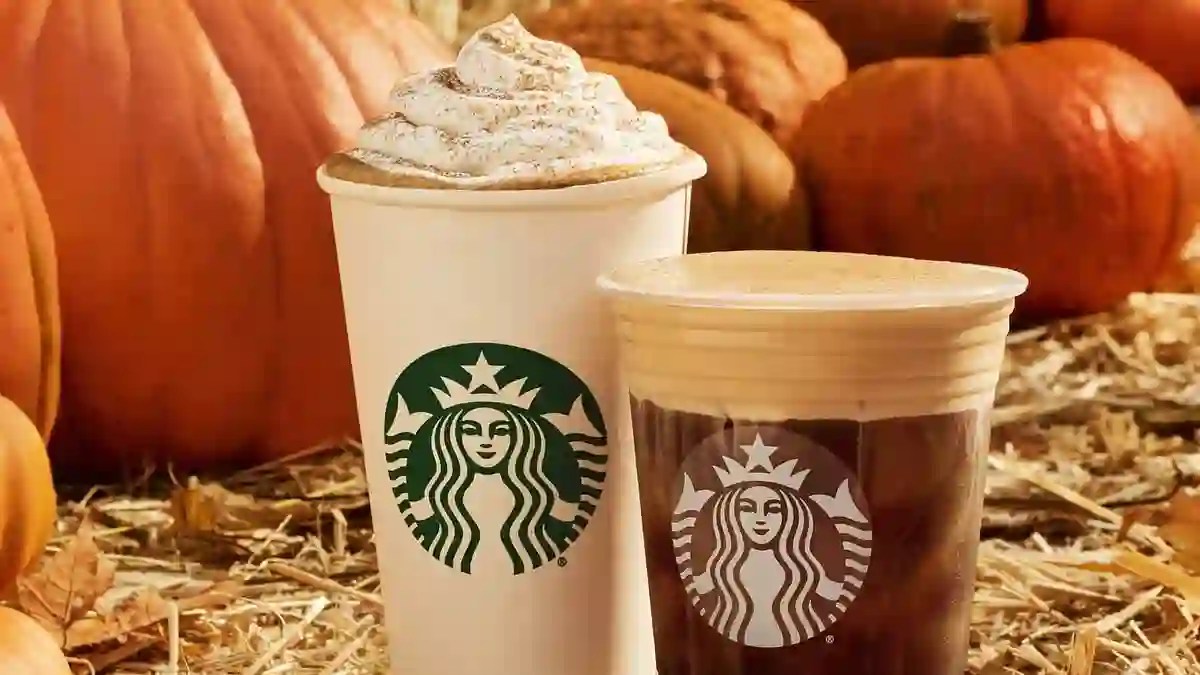
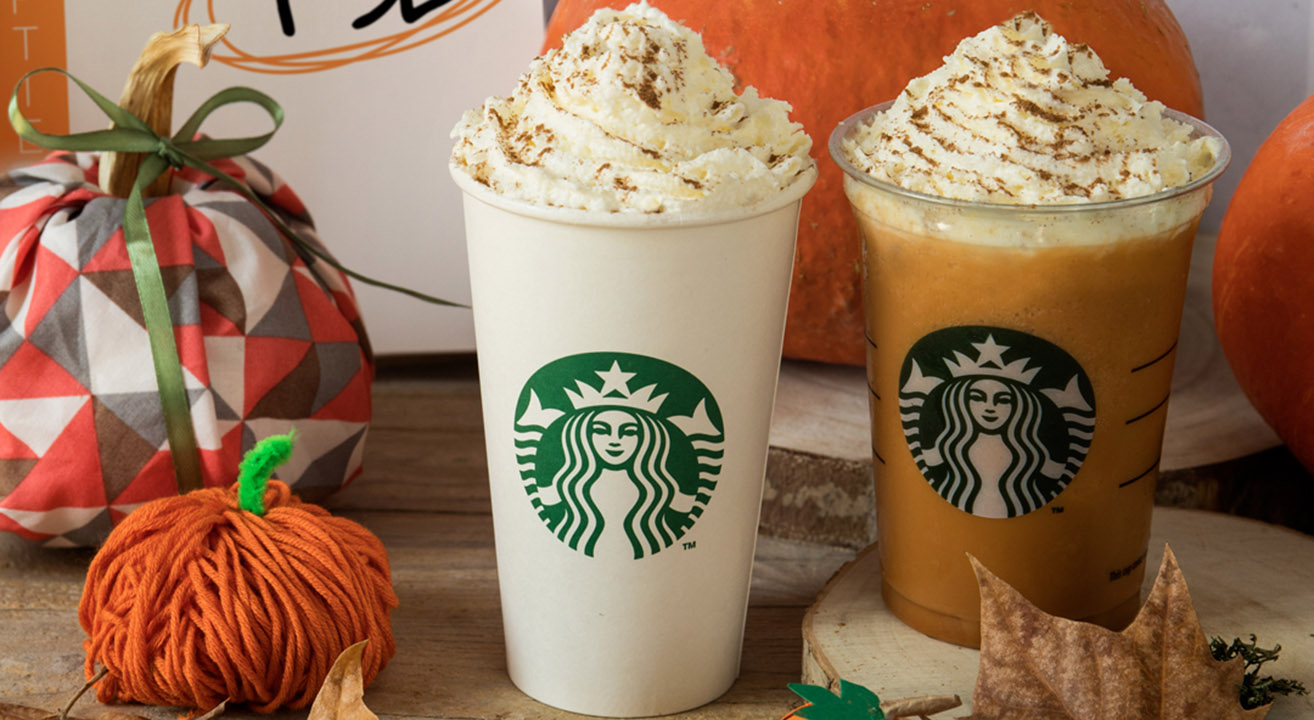
The drink is the perfect mix of spicey yet sweet and is made up of pumpkin, cinnamon, clove, nutmeg, milk, and Starbucks’ Signature Espresso steamed milk. It’s traditionally topped with whipped cream and pumpkin pie spices, making it not only yummy to drink but lovely to look at.


PSL officially went nationwide the following fall and since then has become a fall rite of passage and Starbucks’ most popular seasonal beverage. By some estimates, it’s the most popular beverage of all time and although Starbucks doesn’t share sales figures for individual drinks, many estimate sales of the drink are between $400-$800 million annually, putting a smile on corporate faces.


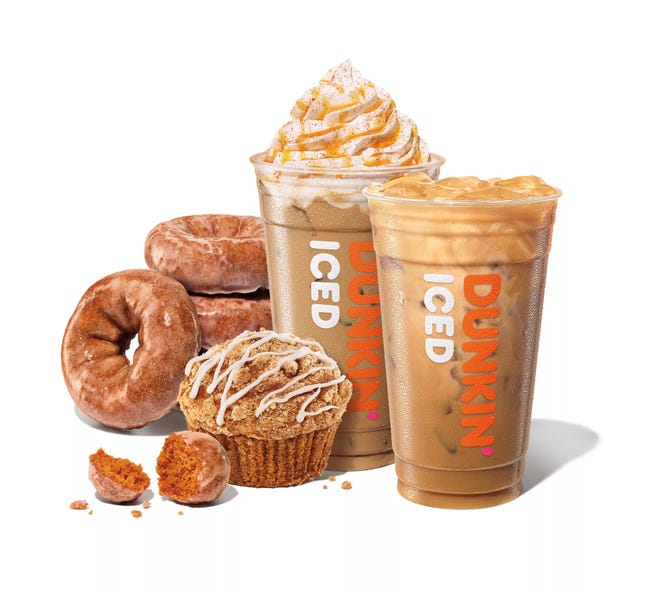
Quick to jump on its success, Starbucks now also offers a Pumpkin Cream Cold Brew, Iced Pumkin Cream Chai, and a Pecan Crunch Oatmilk Latte in addition to bottled Pumpkin Spice Latte, coffee creamer, K-cups, and ground coffee in retailers everywhere. It didn’t take long for competitors to grab a piece of the pumpkin-flavored drinks pie with Dunkin’ Donuts offering their own version as well as McDonald’s and even 7-Eleven.


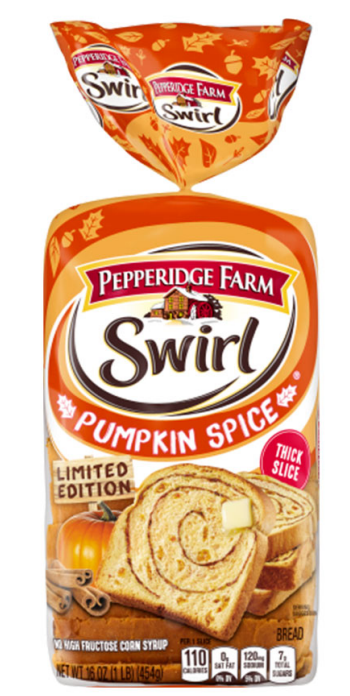
And, take a look around your local grocery store and you’ll see pumpkin flavored cereals, pretzels, coffee creamers and even hair color and deodorant. A peek into pumpkin as a fashion or design trend is a whole other blog.


When it launched, the PSL was undeniably popular, but what is credited with putting it over the top is when it went viral and began popping up all over social media. In 2014 the Pumpkin Spice Latte joined Twitter, now X, and a similar Instagram account can be found.


To say pumpkin flavored coffee has gone mainstream is to put it mildly.


Don’t believe me? Check this out: in 2022 Merriam-Webster added “pumpkin spice” to its dictionary. My word.


As summer winds down and fall beckons, Dukes told people.com that he looks forward to seeing his creation warming hands and hearts around the world. Cheers to that!


The Pumpkin Spice Latte is now available at Starbucks and other outlets. Enjoy!