
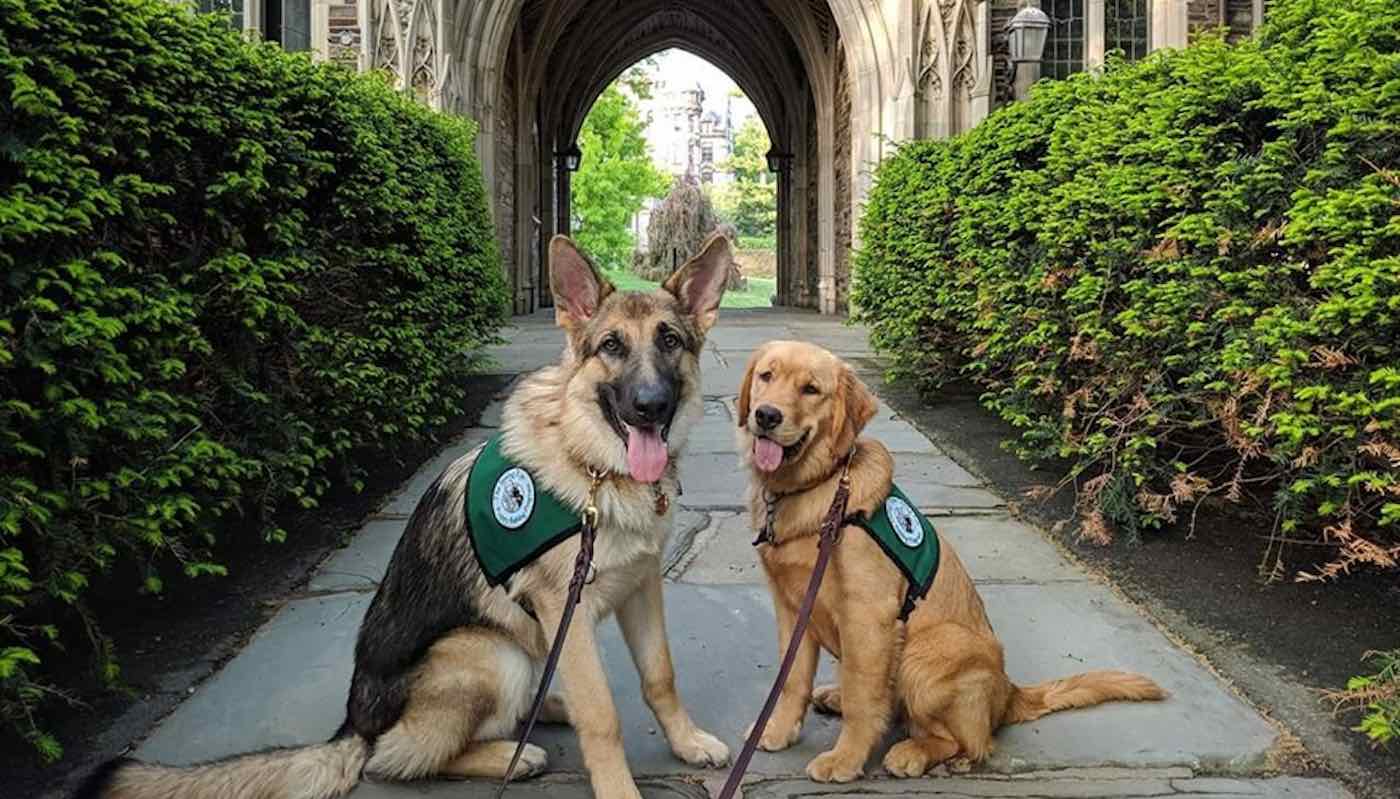
 We’ve all heard about them and many of us have actually been around one: an Emotional Support Animal, or ESA. We’ve likely read how they can be very beneficial but we’ve also read about the abuse of the privilege and outrageous requests to board planes or enter restaurants with the most outrageous of animals. Here’s a new one though: college students using ESAs to get accustomed to their new higher learning world.

Courtesy Chris Boland
Back to school is in full force right now and universities are filling dorms, apartments, and Greek houses with freshman and upper classmen. Leaving home and entering the new world of college life can be fun and exciting yet daunting and overwhelming. The college experience can be a whirlwind of challenges, personal growth, and forging friendships. Friend groups and campus organizations are helpful in getting settled at college, but a new entity has entered the chat room: ESAs.
 It’s been documented again and again that our furry four-legged friends and family members go way beyond canine cuteness as they also provide comfort and companionship so why not allow them at college campuses? That, my friends, is the million-dollar question.
Yes ESAs, particularly dogs, provide so many benefits but those benefits might not gel with your new room, suite, hall, or classmates. Before even thinking about it, a student should consult with a mental-health professional such as a licensed therapist or psychiatrist who can assess the student’s emotional needs and determine whether an ESA is appropriate. After that, the next thing is to research your university’s housing policies. Keep in mind that ESAs are not covered under the Americans with Disabilities Act.
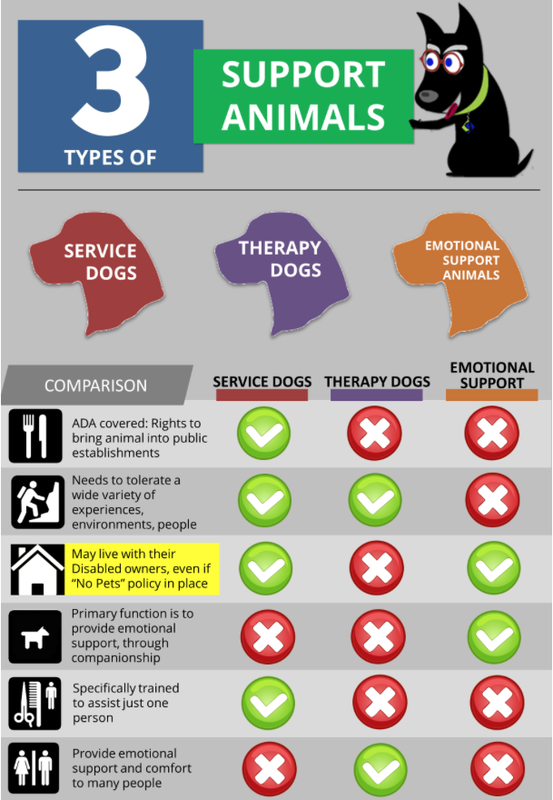 Something else to know is that ESAs aren’t the same as service or therapy animals. In general, service animals are trained to perform specific tasks for individuals with disabilities while therapy animals are trained to provide comfort in therapeutic settings. ESAs on the other hand, offer companionship and emotional support to individuals with mental health conditions or emotional challenges.
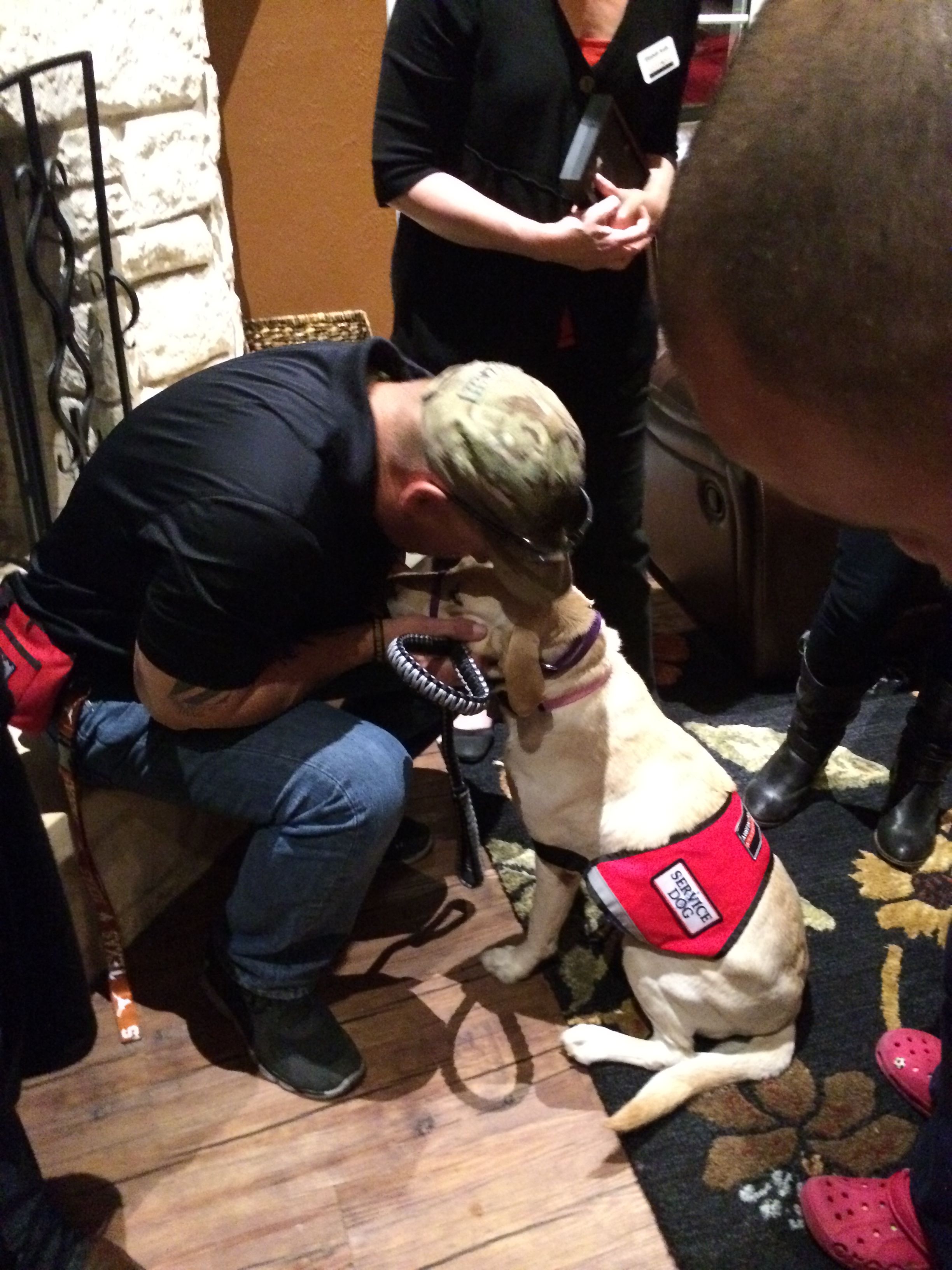 Anyone who knows me knows I’m a dog lover. I’ve owned them all my life and have worked with organizations that provide both service and therapy dogs. Two that stand out include the Austin Dog Alliance’s “Hounds for Heroes” program that trains and provides dogs for our nation’s wounded veteran heroes. I’ve also worked with the program in which autistic students gather for a small group learning activity, many of who exhibit anxious and nervous behaviors only to see those behaviors diminish simply by us volunteers walking in and having a dog sit next to them to pet.
College life can be lonely and stressful and many have found that interacting with an ESA can similarly help reduce stress levels and promote relaxation. In fact, spending time with a pet has been shown to lower cortisol and norepinephrine levels and increase oxytocin, a hormone associated with bonding and well-being.
College life can also feel isolating for students living away from home for the first time and ESAs can alleviate feelings of loneliness and seclusion. They can also act as social catalysts, bringing students together in shared spaces such as puppy playdates or dog parks. I’ve always said dog parks are some of the happiest places on earth…they’re happy place and our happy place…and what better place than a college campus for one?
 They can also improve mood and overall emotional health by offering unconditional love, non-judgmental affection, and endless comfort. There’s nothing like puppy dog eyes gazing up at your if you’re sad or anxious. It’s not just emotional, it’s science!
That science also supports the idea that spending time with animals enhances and improves concentration and focus, which are especially beneficial during study sessions. The calming effect of dogs while studying can help students maintain a higher level of attention and hopefully absorption and learning.
 If you sleep with your ESA dog in your bedroom or on your bed, studies also show you’ll sleep more soundly. The above famous “Dog on Bed” painting by Andrew Wyeth hangs above our bed and I must admit, it mimics our life! Researchers at the Mayo Clinic’s Arizona campus revealed that sleeping with animals in the bedroom actually helped participants achieve better quality sleep. Having your dog cuddle next to you is a very comforting feeling and the study showed that whether you sleep with a poodle or a Great Dane, you’ll sleep better. The old saying “let sleeping dogs lie” might just mean lie in your bed!
 Lastly, having a dog ESA probably means you have to walk that dog, which means you’re getting exercise you might not otherwise if you didn’t have one. I don’t think I need to go into the physical, mental, and emotional benefits of physical activity.

According to the American Veterinary Association, more than 40 million American households have dogs. Now you can maybe add dorm rooms to that number. And while dogs and cats are the obvious ESA darlings, other animals like rabbits, birds, and reptiles can also provide companionship. And as adorable as the above puppy and kitten are, they probably aren’t the ideal choices for an ESA. Experts recommend a pet you aleady own and one that’s somewaht trained.
 I’m a solid dog only vote here but even being the dog lover that I am, I personally can’t fathom having a dog when I was in college. Doing so is a huge commitment and spontaneity is not in the cards. Class and social schedules must jive with feeding and “taking out” schedules of Fido and to me that adds stress, not comfort! Anyone choosing to go that route needs to make sure they’re up for the responsibility and the ESA is up for college life. Still, if even one animal can provide security and strength for their one owner and not negatively impact anyone, I’m all for it. Think of yours as your own personal team mascot!
Discover more from Beyond Words
Subscribe to get the latest posts sent to your email.


 Beyond Words