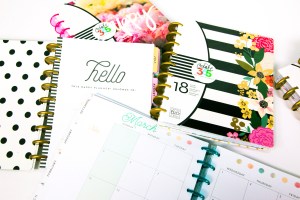
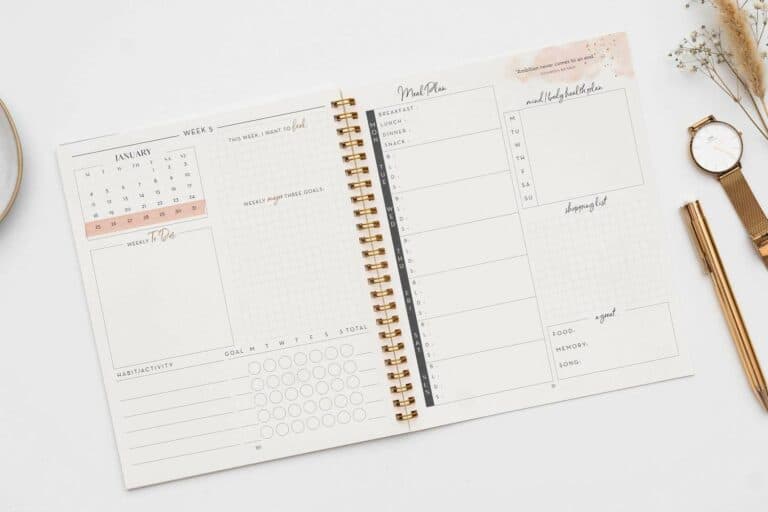
 Tis the season and that time of year…time for a new calendar or planner. Miss Hyper Planner here loves getting out my new calendar, filling in events and dates, settling into my chair, and settling into a new year. It’s right up there with my annual “Polar Plunge” in that it starts me off fresh and refreshed and ready to take on anything!
Most of us have a lot on our plates including both professional and personal demands. Using a planner has many benefits that go way beyond simply remembering appointments. You can actually reduce your stress and even improve your health by putting one to daily use as it goes hand-in-hand in that by writing things down you don’t have to remember about them or worry about forgetting to do them, which reduces your stress, which is good for your health. Bingo!
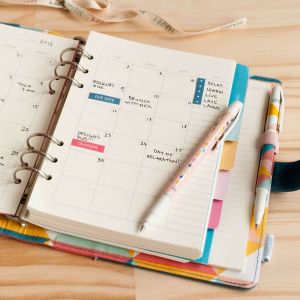 Getting better organized is never a bad thing and neither is scheduling our tasks and our time more effectively and efficiently. Using a planner to jot down to do lists, meetings, trips, appointments, deadlines, birthdays and the likes is efficient and can also free up your schedule, leaving room for more fun and creative endeavors including self-care, exercise, the great outdoors, and maybe even a new hobby. They’re also great little keepers of the past like when you need to reference when you last went to a doctor, when you took that vacation, or when your dog needs her shots.
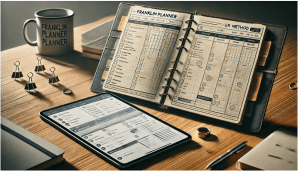 I’m guessing that most people think of planners in a professional workplace or school setting but productivity is just as important at the home as it is at the office or classroom. Household chores and tasks like weekly cleaning, grocery shopping, kids’ schedules, meal planning, and even DIY projects should all have their place in a planner.
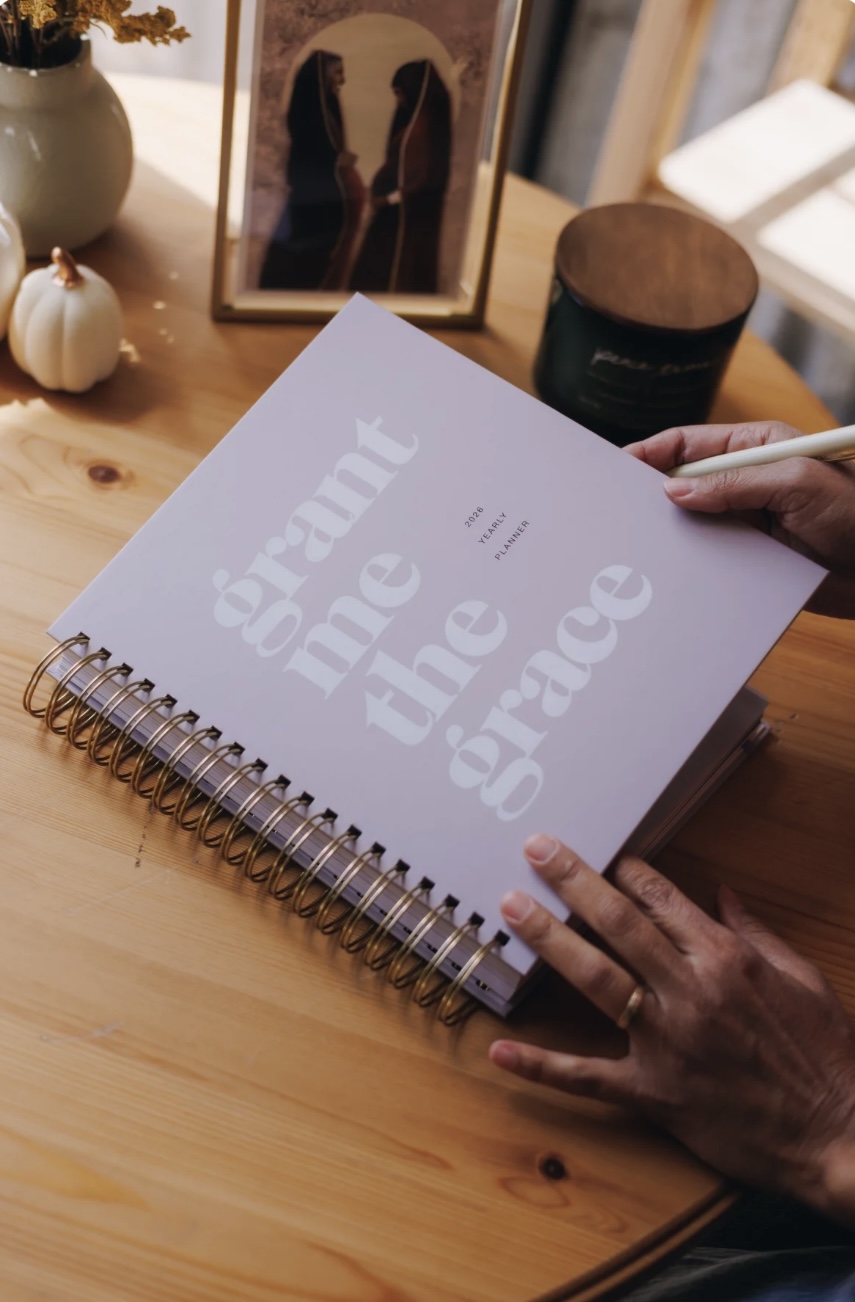
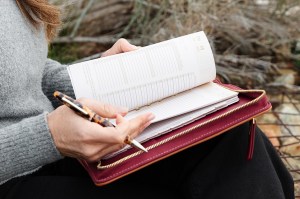 One of my favorite influencers, Tania Stephens, wrote about this recently, saying “there’s something just wonderful about cracking open a brand-new planner.” Amen Tania! I totally agree with her in that the first page or month feels like a clean slate full of hope and obtainable goals. I’m ready 2026!
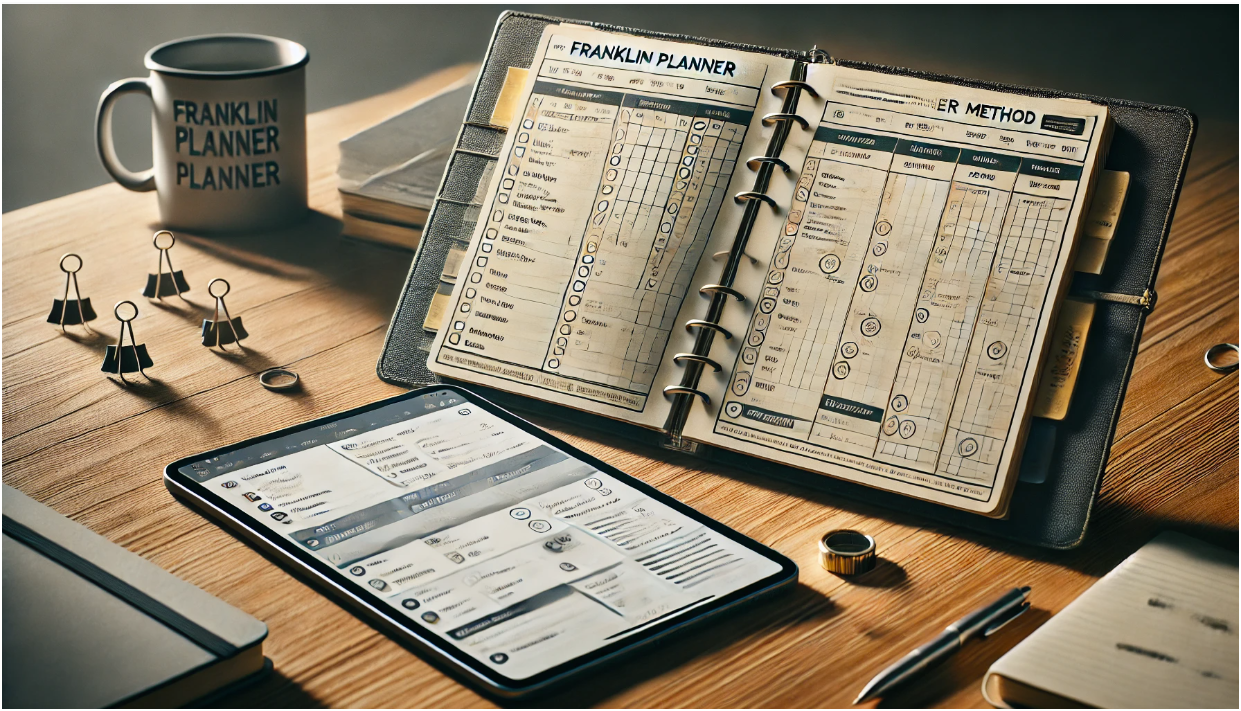
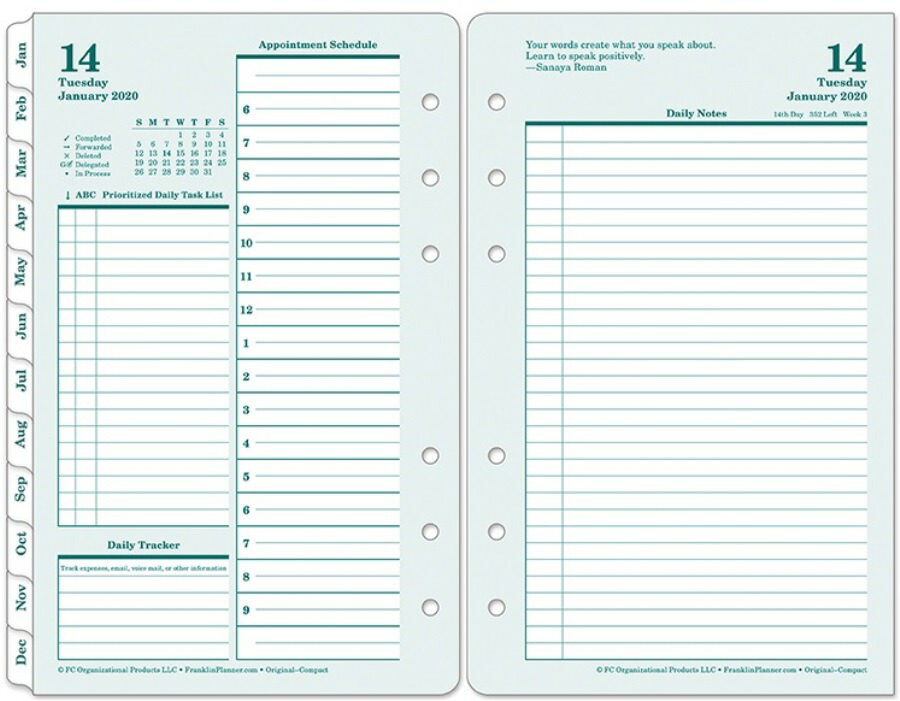
 Back in the day I was a huge Franklin Planner girl. I loved the many pages one contained as well as all the options it offered for dates, budget, goals, and everything else under the planning sun. Once I left the workplace though, I Ieft behind a detailed planner. I became a page-a-month calendar girl and have liked it for many, many years.
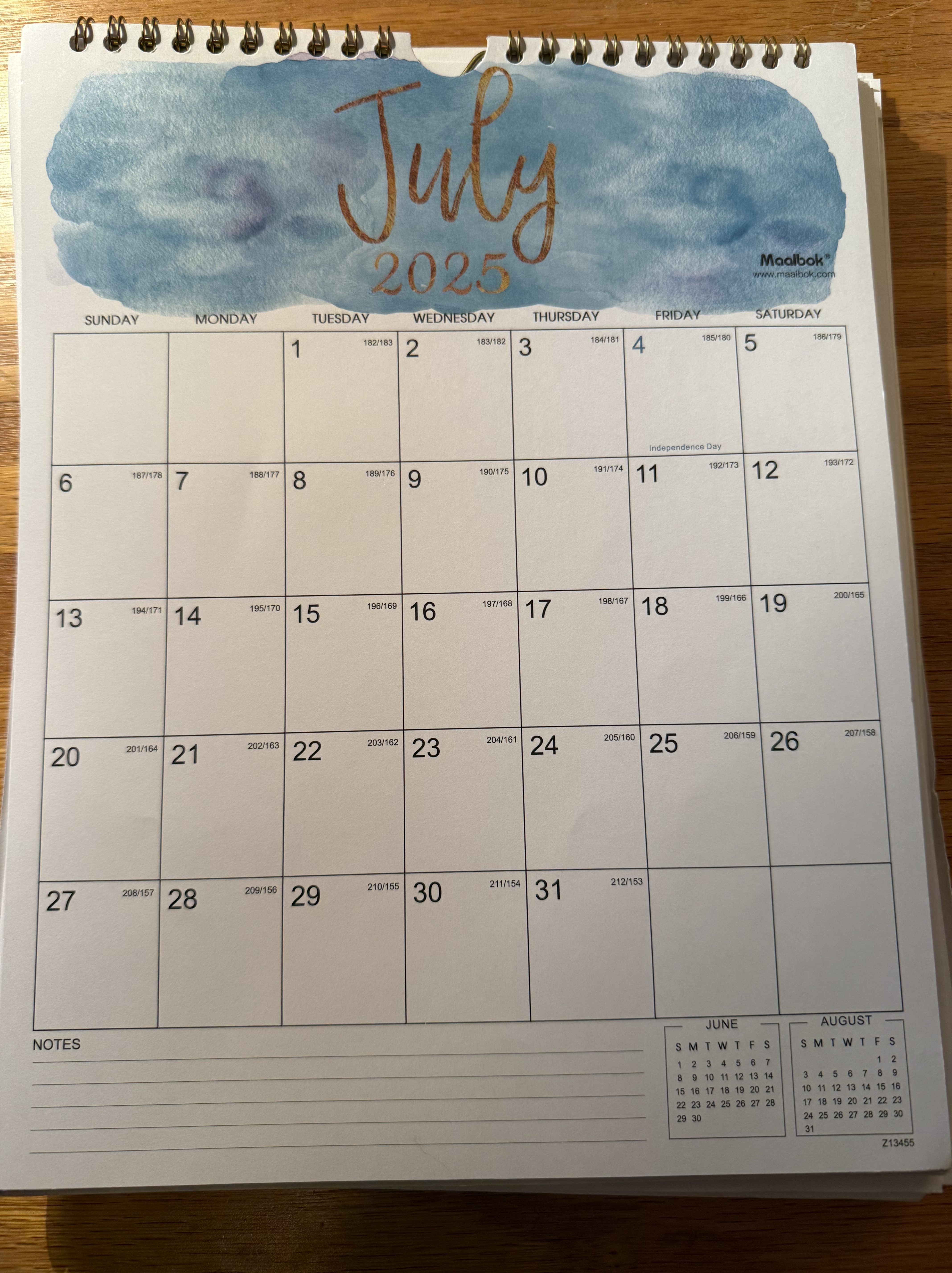
For years I ordered the one from M.D. Anderson Cancer Center in Houston, as each month’s artwork was provided by young cancer patients and I loved supporting the cause. Last year they stopped making them though, which broke my heart and forced me to venture elsewhere to find a similar make and model. Blasted phones and their calendars. They’re why M.D. Anderson probably stopped making them!
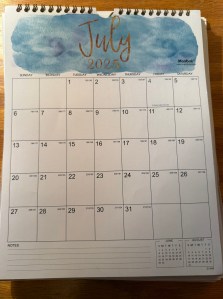 I’ve never felt comfortable with just my phone calendar. I know many people, maybe even you, swear by them but similar to books, there’s just something about a physical calendar in my hands that makes me smile. I do use my phone though in that I take a photo of my physical calendar pages and have a “Calendar” photo album on my phone. I know it sounds crazy but it works for me. Others say they use digital calendars for appointments and paper ones for daily planning. I did find a calendar I liked for 2025 but after reading Tania’s blog and looking at her samples, I started thinking about using a true planner again albeit a way less detailed one then my former Franklin Planner.
New year new planner? That’s the plan!
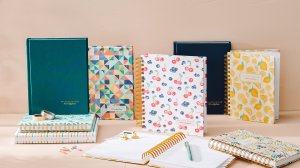 There are planners for everyone and everyone’s needs and tastes out there and it was actually a bit stressful considering the different options as I sat at my computer looking at all the choices and options. At one point I was tempted to venture into an Office Depot but being that it was pre-Christmas shopping at its highest time, retailing stressed me out even more.
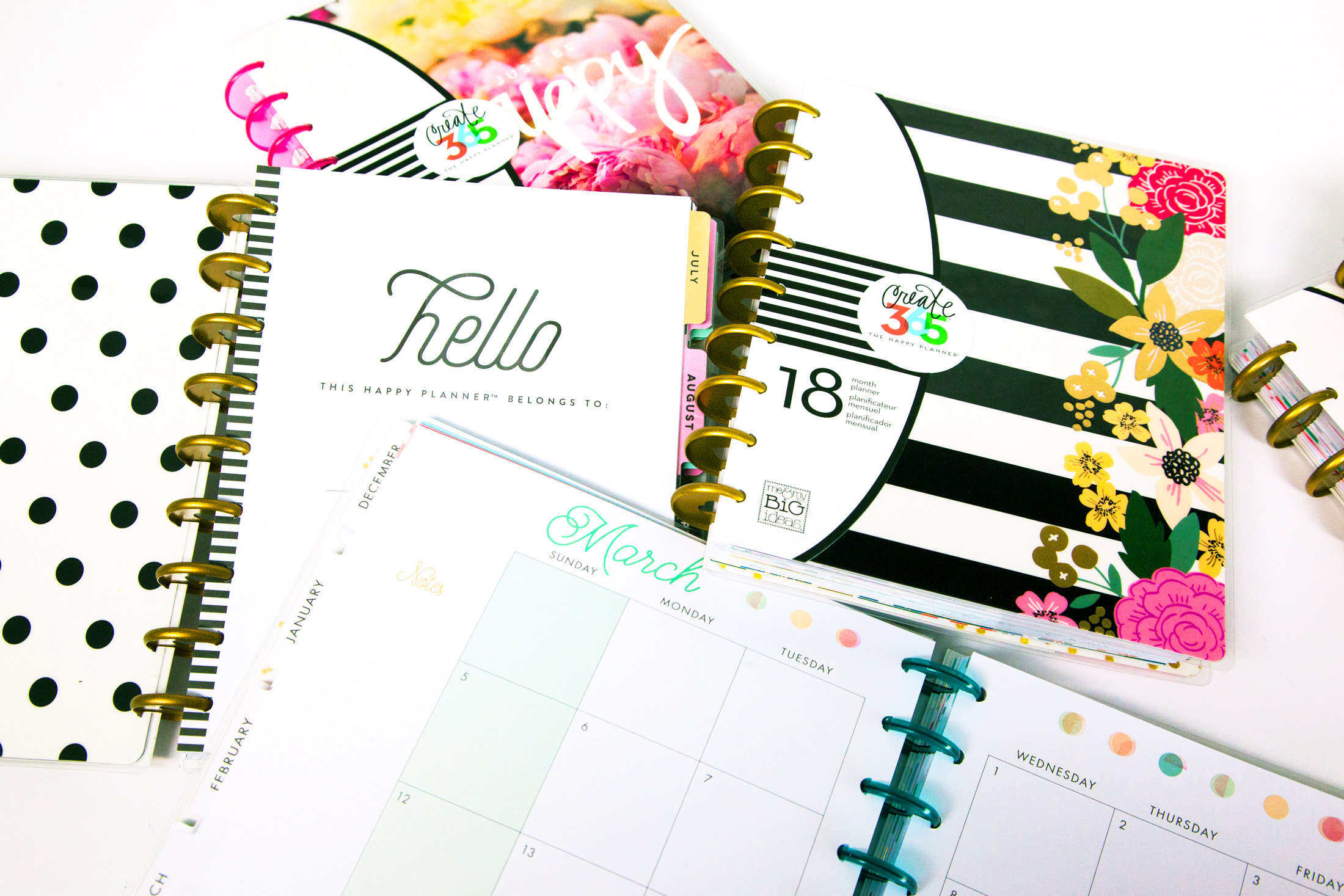
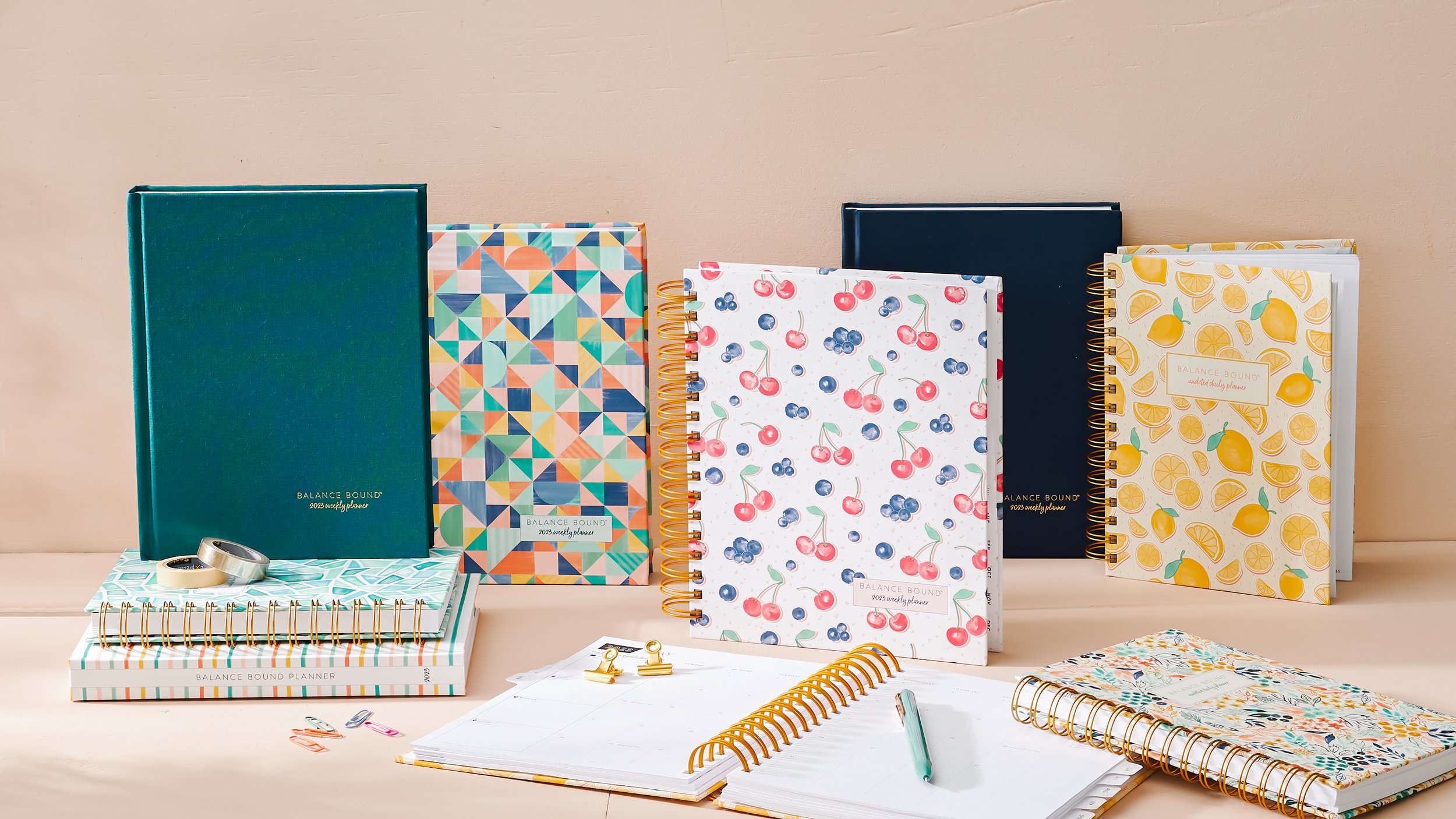
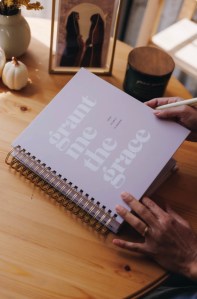 Some planners are simple others are detailed. Some are formal some are whimsical. You may even have your favorite. Share, share, share! In the meantime, here are just a few of the varieties:
- Structured planners for goal setters
- Flexible planners you add dates to and can start anytime
- Fun and motivating planners filled with quotes and tips
- Faith-filled and faith-based planners that include scripture and prayers
- Planners for those who love details
- Planners of all sizes and styles
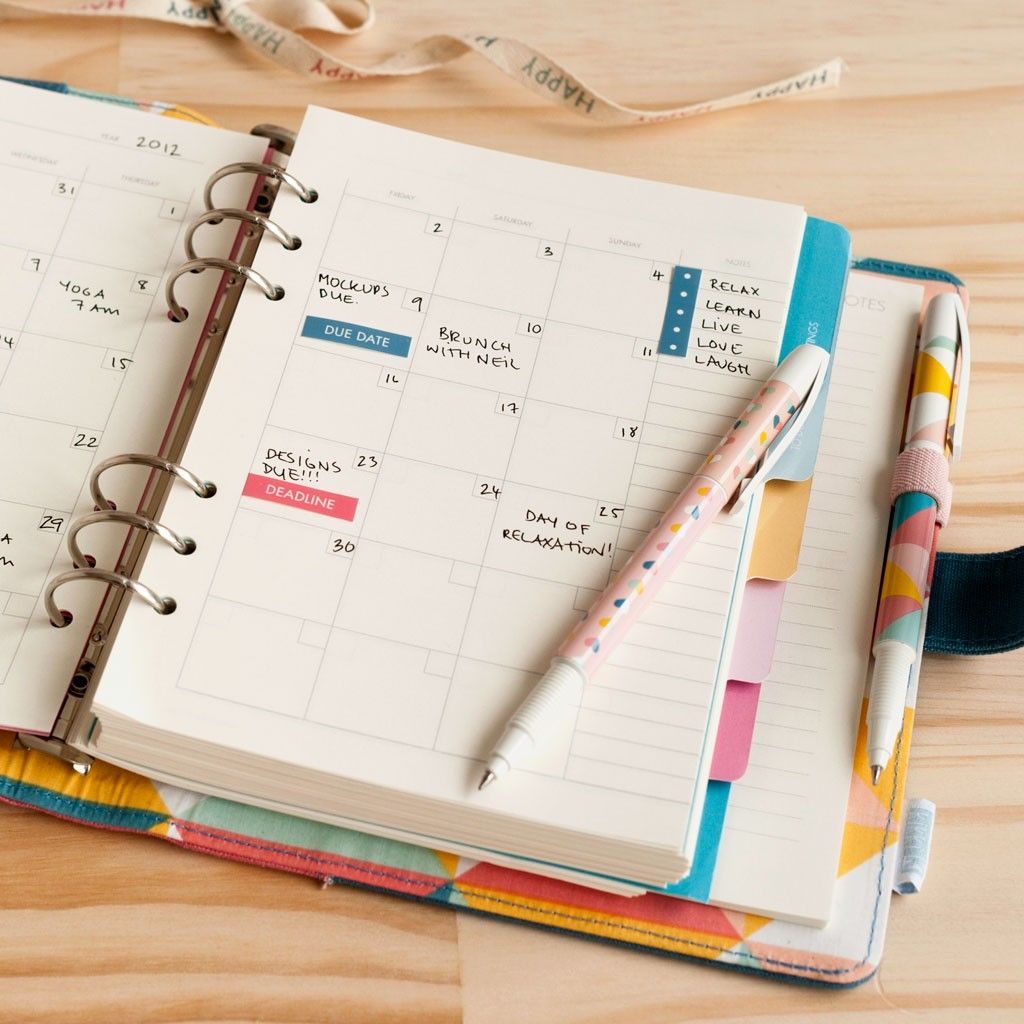
Once you settle on a format you like, then you need to decide how you want that planner configured. The first thing I looked at were planners that had both monthly/daily and weekly pages. I want one big page for each month that I can include consistent commitments on. From there I’d like a daily page that I can write down things that pop up, appointments, and reminders. I’m a big “write it down” girl so these pages could prove invaluable to me. I’ll be making those lists and checking them at least twice.
From there you can personalize your planner if you choose with stickers, pages to doodle on, colorful pens, or whatever you like.
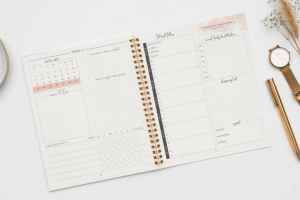 Size also matters. I prefer 8.5 x 11” as it allows plenty of room for jotting things down and adding things in but it’s also compact enough to fit in a purse or carry-on and fits perfectly on my desk. All the other added extras like stickers, budgeting pages, habit trackers, and stickers mean nothing to me, although I do like a “Today” type book marker so I can open up right to today or this month.
All in all, using a planner can ultimately give you a sense of accomplishment as you look back at the things you got done. Crossing items off our ever present and ever-growing to-do lists is a great feeling and a great way of staying motivated.
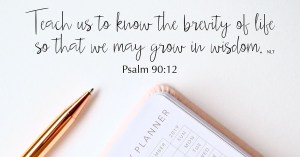 As Tania reminds us, the perfect planner won’t make your life perfect but it may perfectly fit your lifestyle and allow things to feel centered and doable. It could also help you take the guesswork out of your organizational ambitions and get you started on a path to planning, organizing, and keeping everything running smoothly.
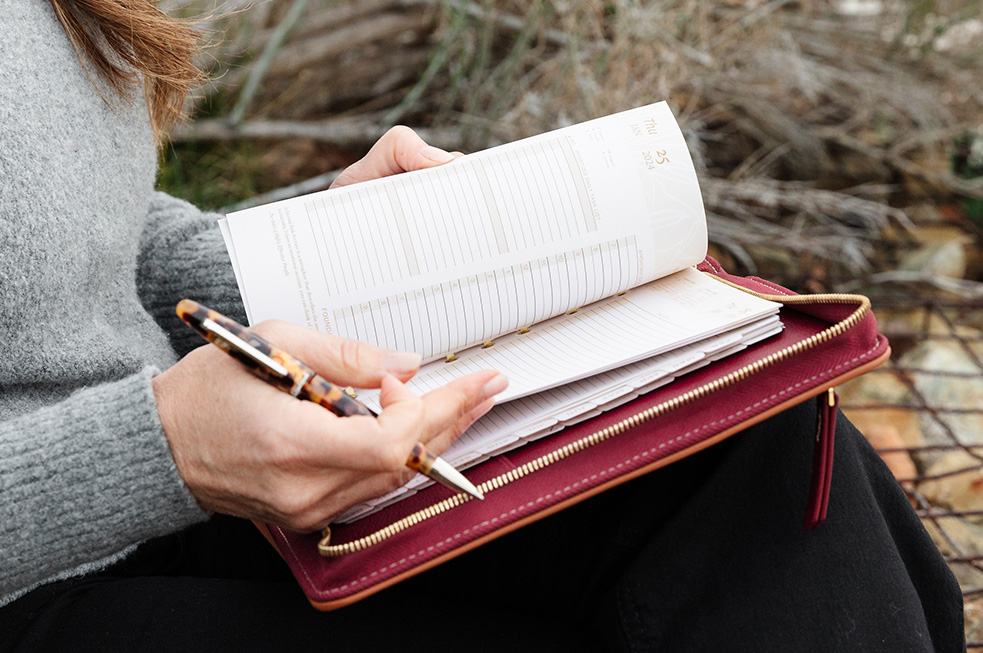
If you liked what you used last year, don’t change a thing but if you’re looking for a different route or method there are plenty of choices out there. Take your pick and then take a pen and starting entering loves and life.

 Tomorrow starts a brand new year that, if you allow it, brings with it a tasty new beginning. The slate is clean and the page is blank, so make it your own and make it delicious. All that’s needed is the right attitude and the right ingredients.
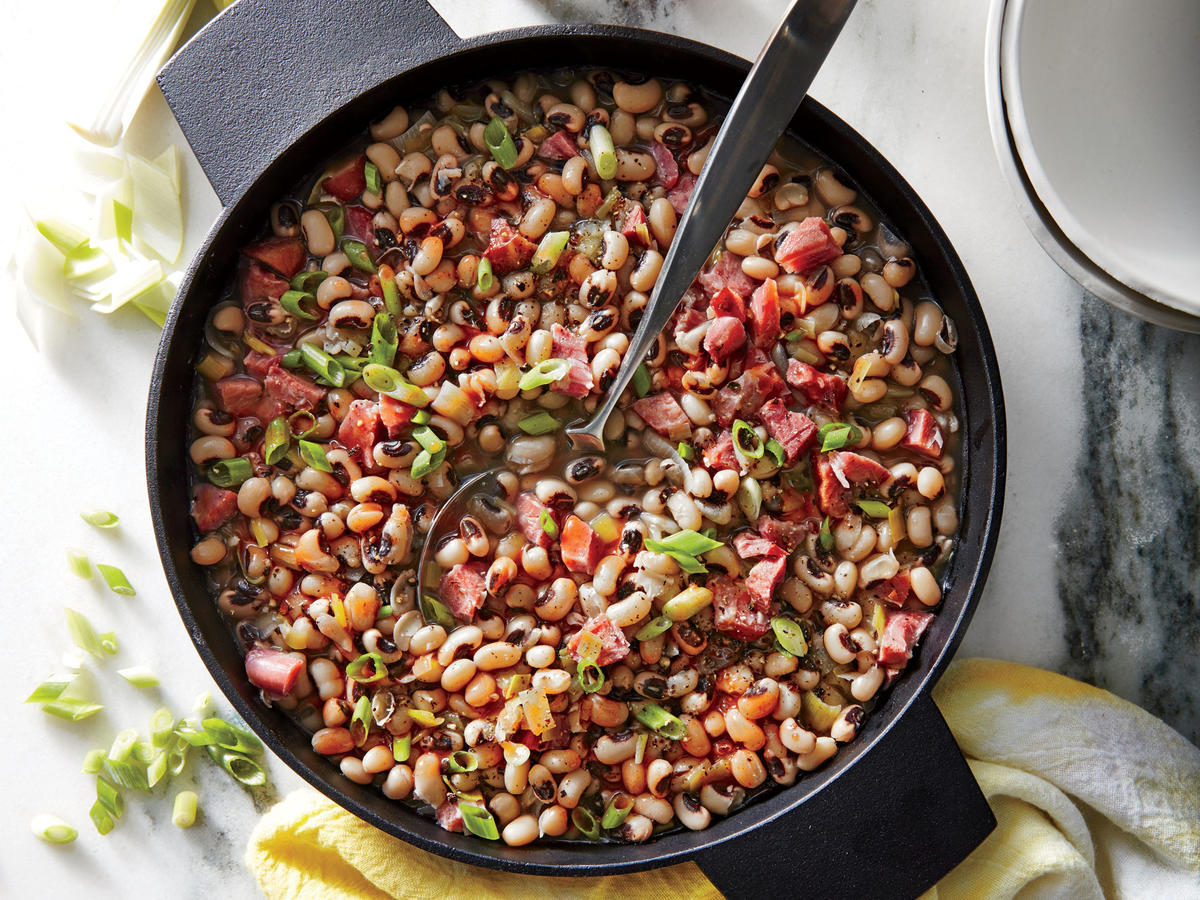 We all know the real recipe for New Year’s Day celebrations in the U.S. is a big pot of black-eyed peas, which represent luck. Many add pork, to signify prosperity, and make what’s called “Hoppin John,” a brothy dish of peas, pork, and rice. Said to have originated in the 1800s in the Low Country of South Carolina or, take your pick on historians, ancient roots in West Africa. Either way, the ingredients are what count as each one has specific meanings. Black-eyed peas represent coins, collard greens symbolize paper money, pork is said to bring advancement, and the accompanying corn bread symbolizes gold. It’s all about luck and it’s said that the more you eat, the more good fortune will come your way.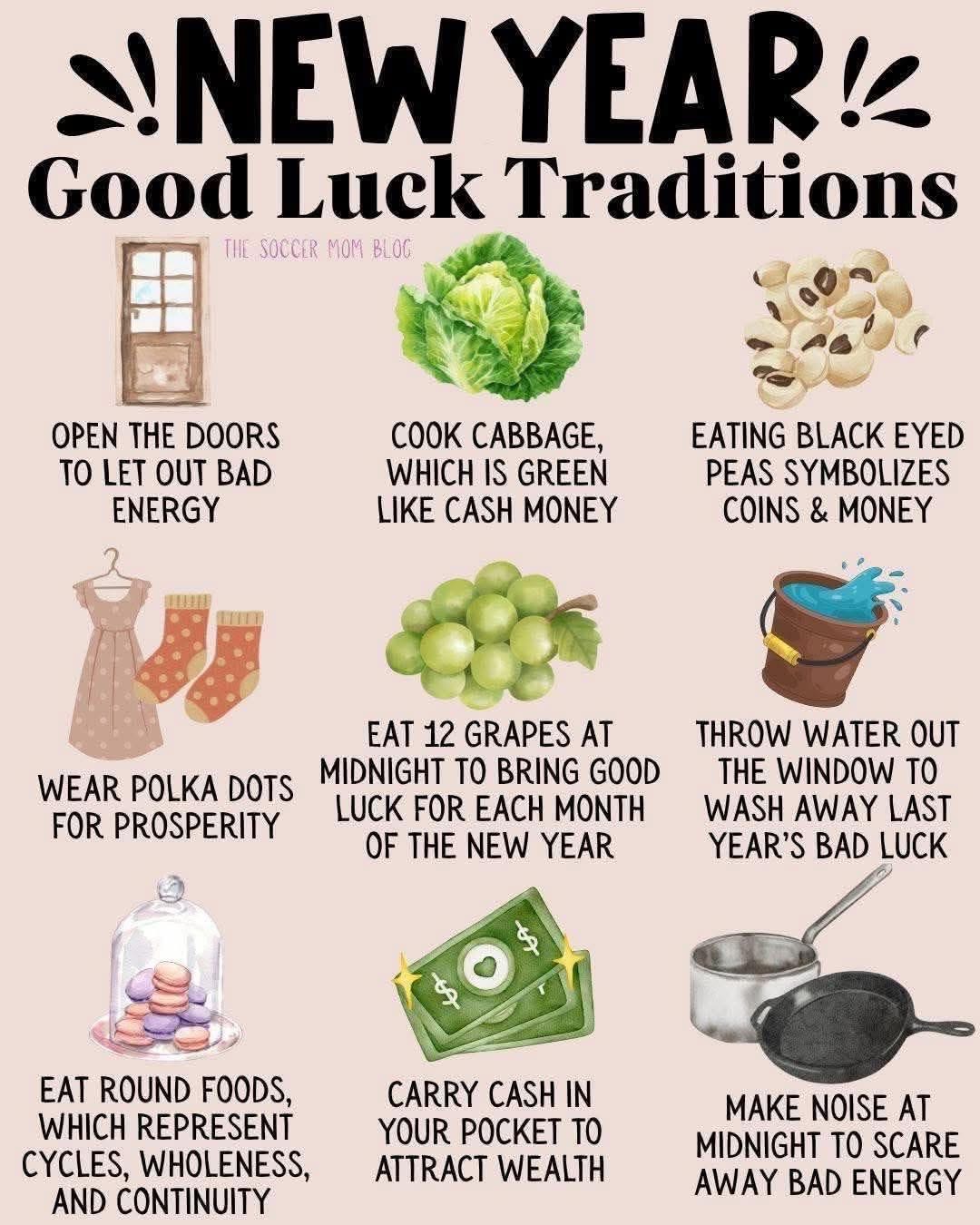













 Beyond Words