Beyond Words

Words, Wit and Wisdom for Today's Style and Decision Makers

Take the Plunge January 13, 2026

Filed under: Uncategorized — carlawordsmithblog @ 8:51 pm

I recently went to my amazing aesthetician Tara for my regular facial and while sitting in her chair receiving the power and relaxation of her “hands from an angel,” she asked me about my recent Polar Plunge on New Years Day. We talked a little about it and come to find out it’s all very healing and one half of what’s called “Contrast Therapy.” I’ve always believed doing the annual plunge refreshes me and starts my year off fresh but I loved hearing that it’s not just all in my head and something fun to do.
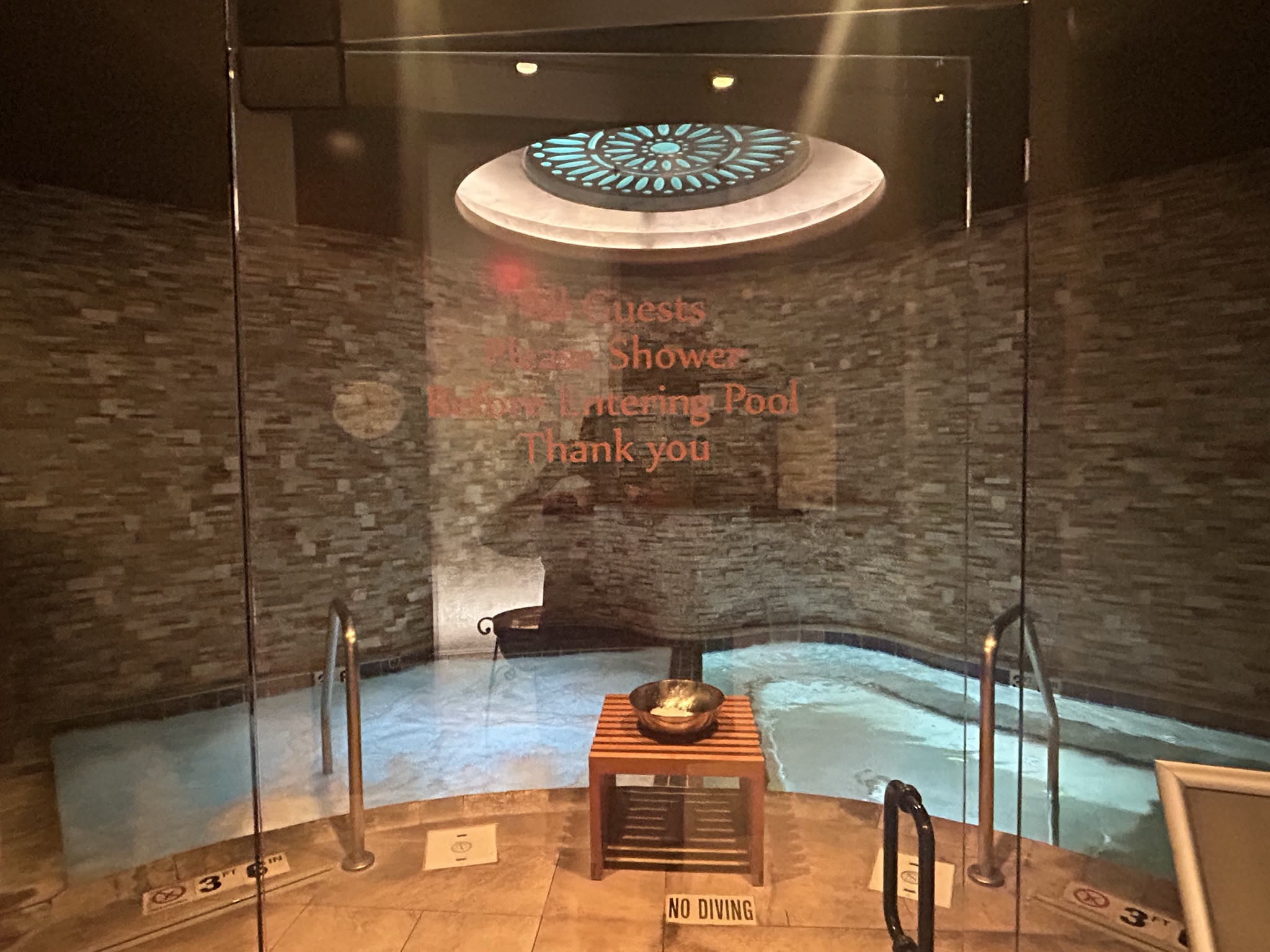


I kinda experienced this last summer when I visited a spa in Albuquerque and fell in love with its adjacent hot tub and cold plunge. So immersed was I in my immersions that until just now I didn’t realize the window above the pools resembles a Zuni turquoise piece. How cool is that?! During my visit, I literally went back and forth…throwing in a wet or dry sauna here and there…and loved every minute of it. I’m still thinking about it.


Now I learn that it was all so very good not just for my mind and my heart, but my body.
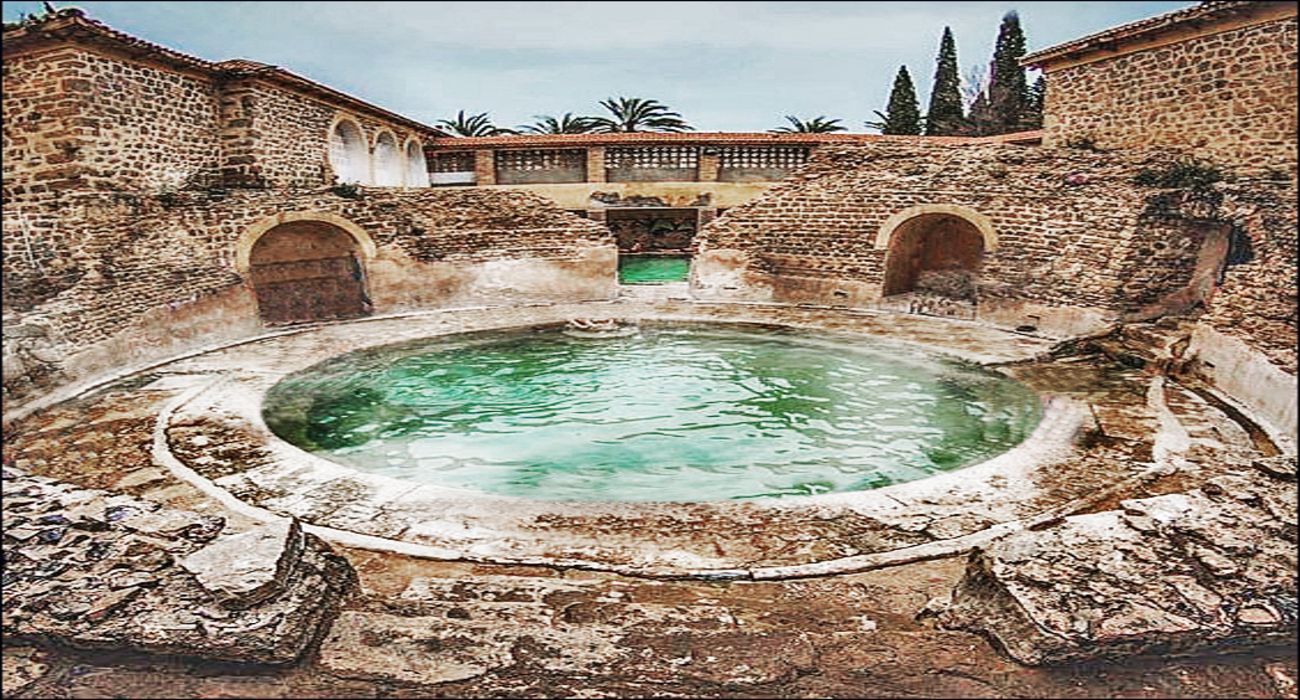


The Alo Wellness Club and Alo Moves reports that the healing power of Contrast Therapy has been ceremonially practiced for many years and in many civilizations, from Native American sweat lodges to Greco-Roman public baths to Japanese onsens. In short, both hot and cold therapy have been touted for centuries as beneficial wellness practices for both the body and the mind but now we’re learning that combining them makes a powerful and healing recovery pair.


So, you’ve likely heard of cold plunging (think athletes) and a hot sauna (think spa days), but what exactly is Contrast Therapy? In a nutshell, it’s the practice of alternating between hot and cold immersion; i.e. water. Doing so has a plethora of physical and mental benefits.
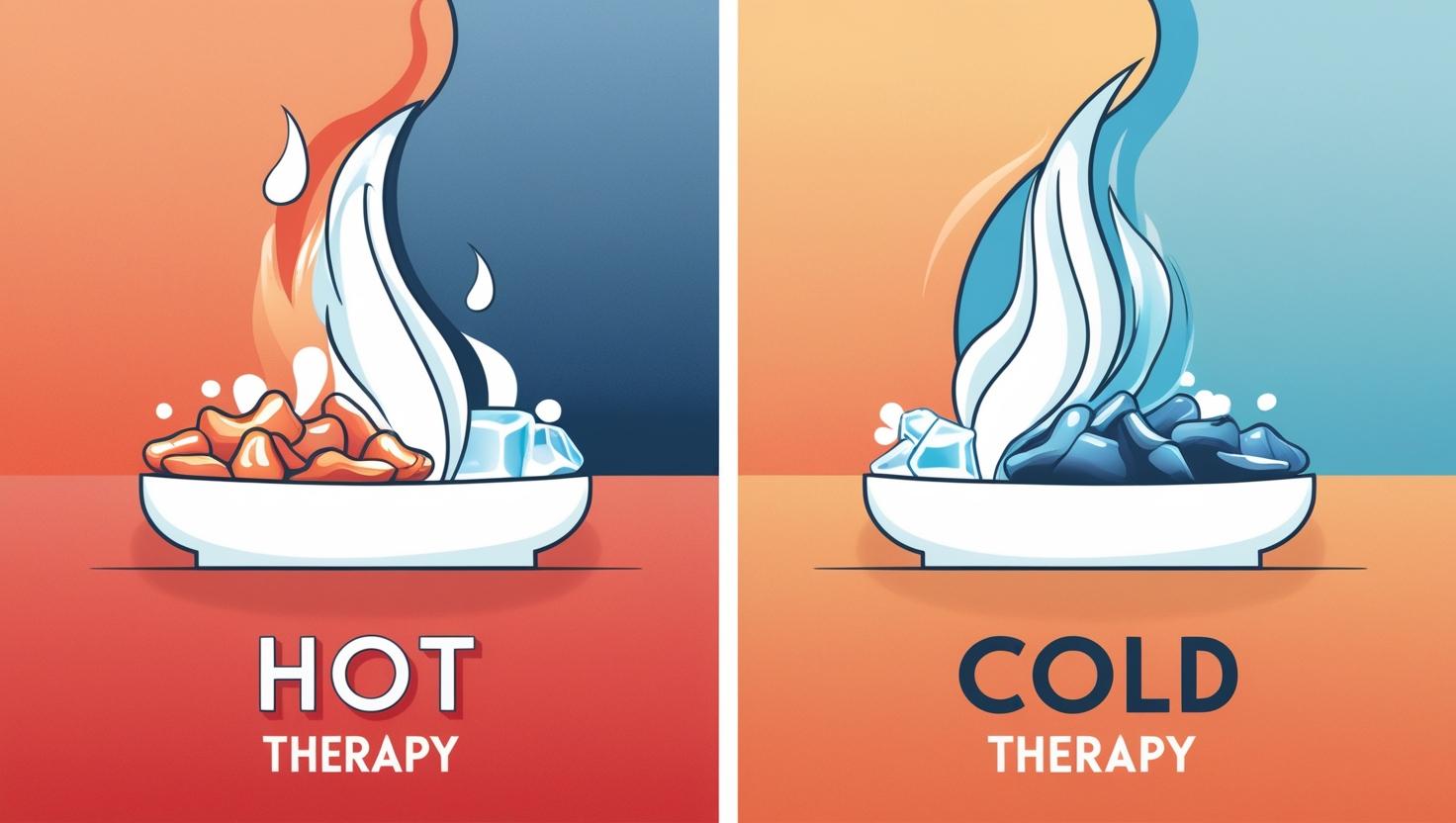


How does it work? Without boring you to death with scientific and organic data, the heat part of Contrast Therapy increases circulation and relaxes your muscles while the cold portion constricts blood vessels to decrease inflammation. Together, they work in tandem to bring your body back in balance, especially after a workout or when you’re experiencing bouts of aches and soreness.


What are those benefits? Let’s look at them…



Reduces pain and muscle soreness.

Contrast Therapy you had me at hello with this. A 2013 study of Contrast Therapy found significantly greater improvements in muscle soreness recovery. This leads us to…


Improves post-workout recovery and performance

Another study found that Contrast Therapy resulted in an enhanced rate and magnitude of recovery compared to passive recovery alone. This leads us to…


Promotes injury recovery

We’ve all had them and we see them regularly in sports we watch, but the good news is that a study looking at those with ankle strain (I’m looking at you pickle ballers!) showed that Contrast Therapy, compared to heat alone, reduced swelling faster.


And now for the mental benefits.



Boosts heart health

Alternating between vasodilation (blood vessels expanding) in a hot sauna and vasoconstriction (blood vessels narrowing) in a cold plunge increases your circulation. Better circulation helps regulate blood pressure, increase vascular health, and deliver oxygen-rich blood and nutrients throughout your body.


Reduces stress by releasing feel-good hormones

Cold water immersion releases neurotransmitters like dopamine and serotonin, which contribute to feelings of happiness and pleasure. My Polar Plunge is making more and more sense!  Even a single cold-water plunge found a significant improvement in mood and reduction in tension, anger, depression, fatigue, and confusion. Follow it up with a hot jacuzzi and say “aaahhhh!” and read on…


Improves sleep quality

Think about it, relaxed muscles, lower stress levels, and less inflammation make you more comfortable, which makes you better primed for a good night’s rest.


Okay, so this is all well and good if you’re at a spa or have both a pool and hot tub at your house, but what if you aren’t or don’t? No worries! You can mimic it all with what you’ve got. One example would be to take a hot shower followed by a cold bath or rinse off in the shower with cold water. Easy peasy! Take the plunge and jump right in!


On a sidenote, I love this tradition and feel it fits today’s theme perfectly.

Courtesy: Native American Heritage


 

As Luck Would Have It, These Blooms Bring It January 10, 2026

Filed under: Uncategorized — carlawordsmithblog @ 3:07 pm

For much of the country, planting flowers is the furthest thing from people’s minds, and even in warmer climates many still aren’t thinking of plants and planting but with the start of a new year, it’s not a bad idea as some blooms are considered lucky and who isn’t looking for a little good luck this and every year?


In fact and according to House Beautiful, across history and around the world, some flowers have carried meanings that go far beyond their beauty. Certain blooms are thought to invite good fortune into your yard and perhaps the best part is that many of these varieties are surprisingly low maintenance. Being the furthest thing from a green thumb, this makes me happy as the flowers are easily adaptable to many climates and easy to grow, making them good choices for both novice gardeners like myself to certified green thumbs.


So, what are they? Here’s the list and why they may just be what your space and new year need.


Marigold (Tagetes)

These bright, golden blooms symbolize wealth and optimism and are believed to ward off negative energy and bring luck to your household.


Jasmine (Jasminum)

A fragrant flower associated with love, prosperity, and spiritual peace, jasmine is a favorite among gardeners for its beauty and durability.


Chrysanthemum (Chrysanthemum spp)

Known as a symbol of longevity and wealth, chrysanthemums are popular in many cultures, especially Asia, for attracting good fortune.


Orchid (Orchidaceae)

Orchids represent fertility, abundance, and luxury. I find them a bit boring and hard to maintain, but might rethink them as it is said that adding them to your garden or home invites beauty and elegance.


Peony (Paeonia)

Popular with so many people but not one of my faves, peonies are associated with romance, prosperity, and honor. They are especially auspicious in feng shui practices.


Sunflower (Helianthus)

I remember seeing fields of these in Spain and they always creeped me out because they’re like faces watching you as they follow the sun. But, due to their sunny dispositions, they symbolize happiness, vitality, and abundance making them the perfect choice for amping up the energy level in your garden.


Lotus (Nelumbo nucifera)

The white lotus conjures up images of the TV show, but this flower is sacred in many cultures as a symbol of purity, enlightenment, and prosperity.


Lavender (Lavandula)

One of my personal favorites, this simple purple bloom is known for its calming scent and is said to symbolize luck and prosperity. As an extra bonus, lavender also attracts beneficial pollinators to your garden.


Hibiscus (Hibiscus rosa-sinensis)

These bold and vibrant flowers are associated with wealth and fame and bring a tropical flair to gardens and good vibes to homes.


Zinnia (Zinnia spp)

My dad’s favorite, zinnias were prized possessions of the Victorians as they symbolize lasting affection and friendship. Their vibrant colors are also believed to attract good energy and prosperity.


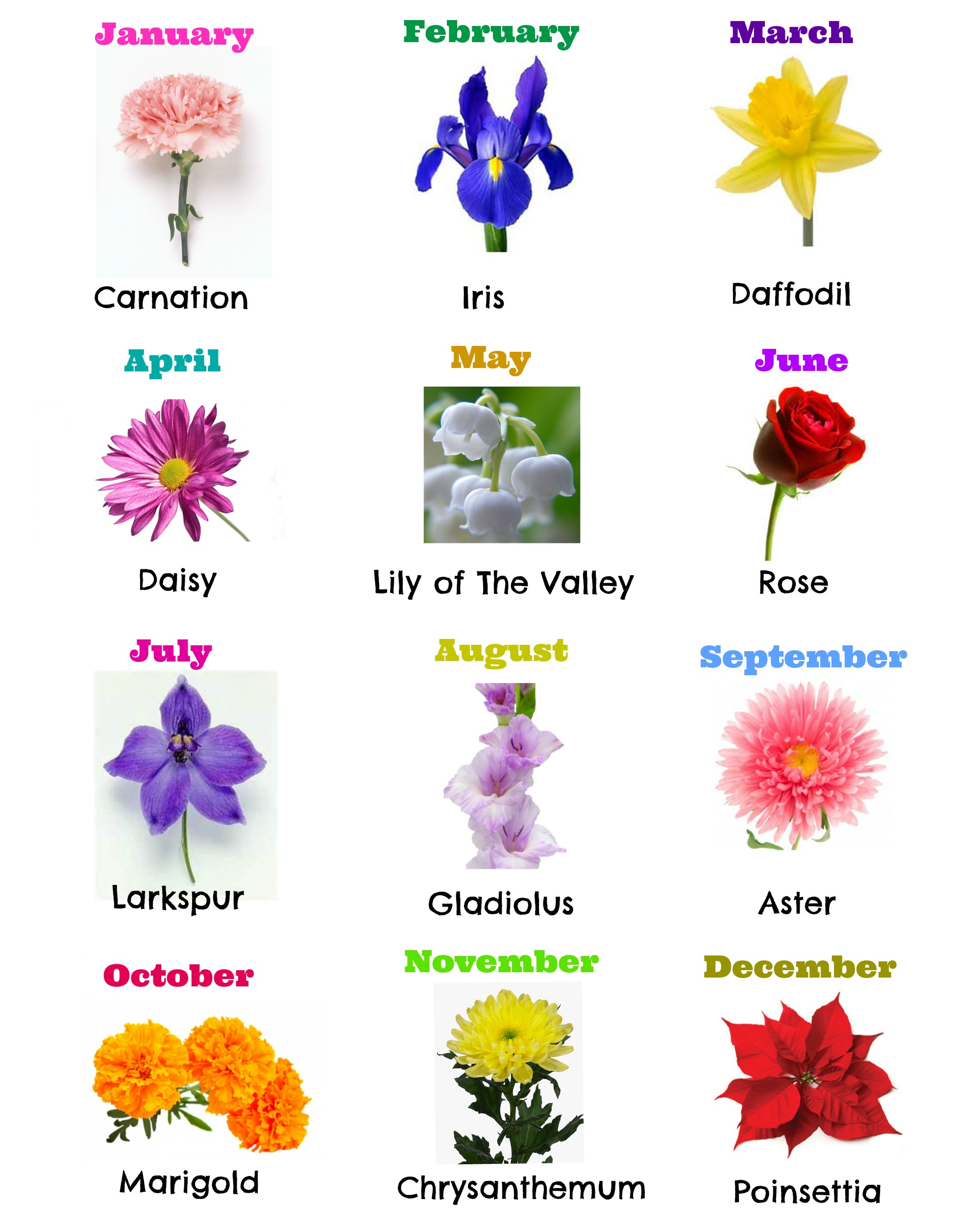
Whatever you choose, plant with faith and maybe also consider the flower of your birth month.


So, there you have it, blooms that bring bunches of blessings to your garden and home. And even if they don’t, think about how pretty they are and just go with that. Happy planting and Happy New Year!


Star Struck January 4, 2026

Filed under: Uncategorized — carlawordsmithblog @ 1:29 pm

Webster defines “epiphany” as an illuminating discovery, realization, or disclosure. It’s a manisfestation or sudden insight. You know, “I was driving to work and had an epiphany that I need to take next week off.”


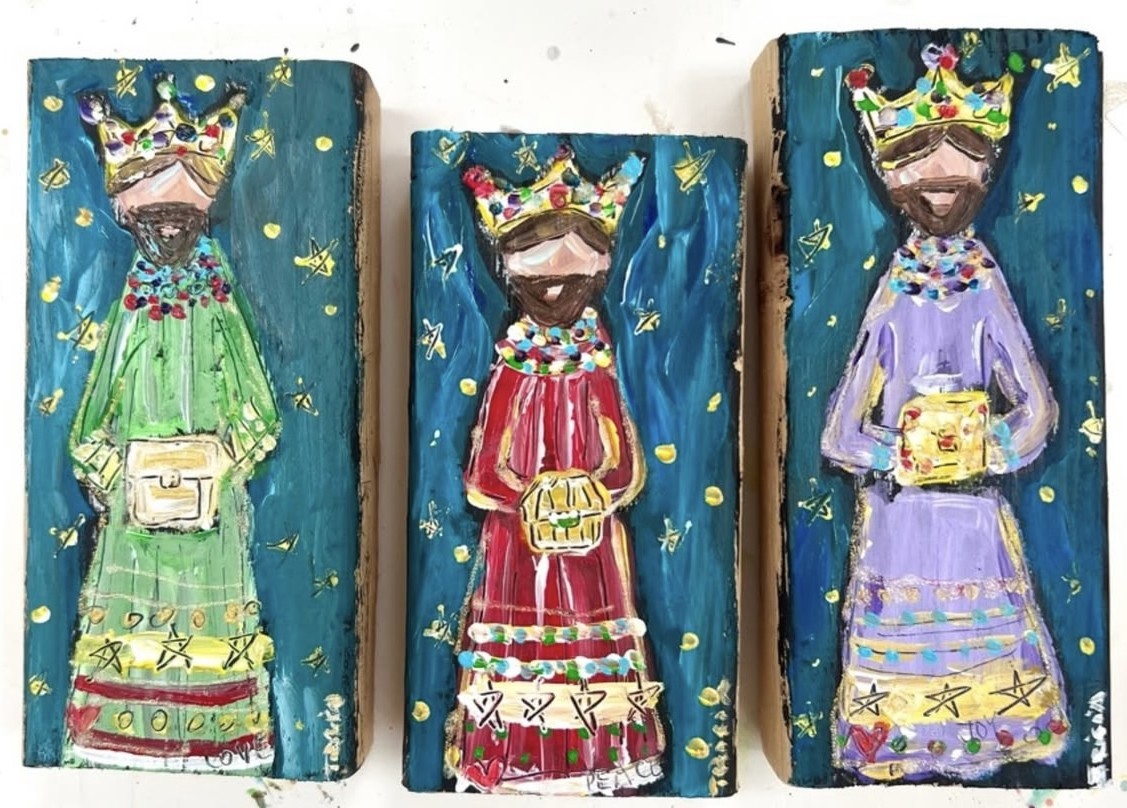
Tricia Robinson

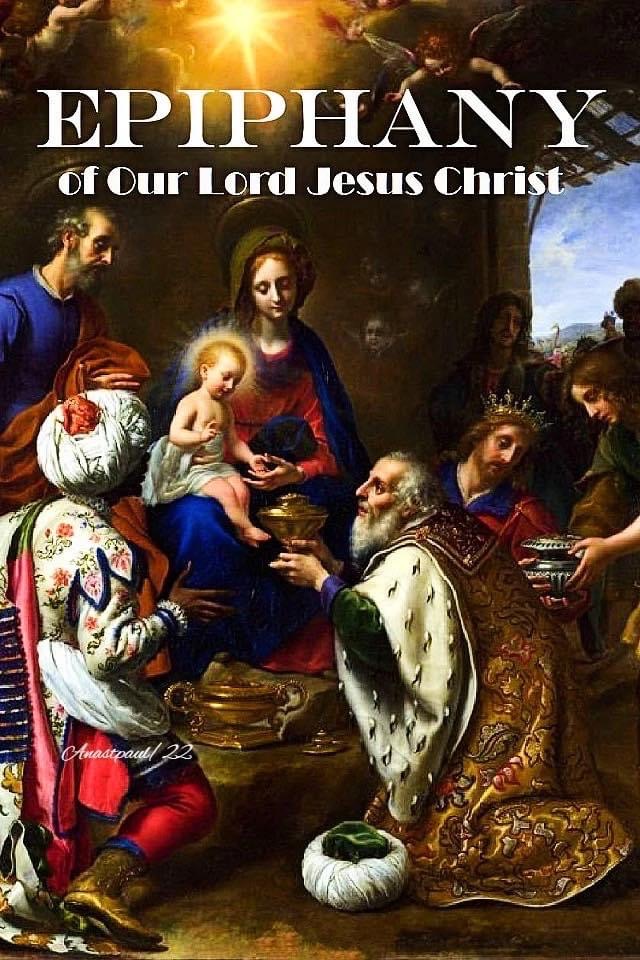
In Christianity, today is the Feast of the Epiphany, which celebrates the visit of the Magi, or the Three Kings, to the infant Jesus. It is customary to have your home blessed today and in some cultures, to jump into freezing cold water. (Does my New Year’s Day Polar Bear Plunge count?!) It’s also the twelfth day of Christmas…you know…twelve drummers drumming.


But first, why Magi, Kings, and Wise Men?


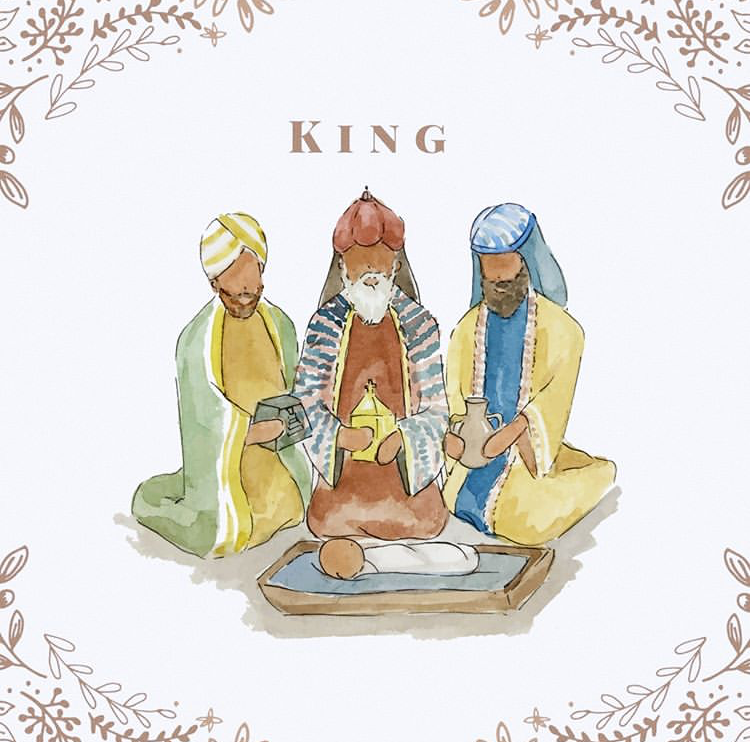
We’re all familiar with them in depictions of the nativity and whether you call them kings, wise men, or magi, they are commonly known as foreigners who visit the infant Jesus on the night of his birth accompanied by shepherds and angels and bring Him gifts of gold, frankincense, and myrrh…more of those in a minute.


The wise men appear only in the Gospel of Matthew where they are described with the Greek word magoi, which in addition to “wise men” implies astrologers. Little is known about them except that they came from the East and were Gentiles coming to pay homage to the new King of the Jews.


There is no mention in Matthew’s account that the Wise Men were kings nor came on camels. The idea of three kings and the presence of camels is linked with two Old Testament prophecies. The gifts they brought had diplomatic significance and suggest that the Magi were indeed kings.


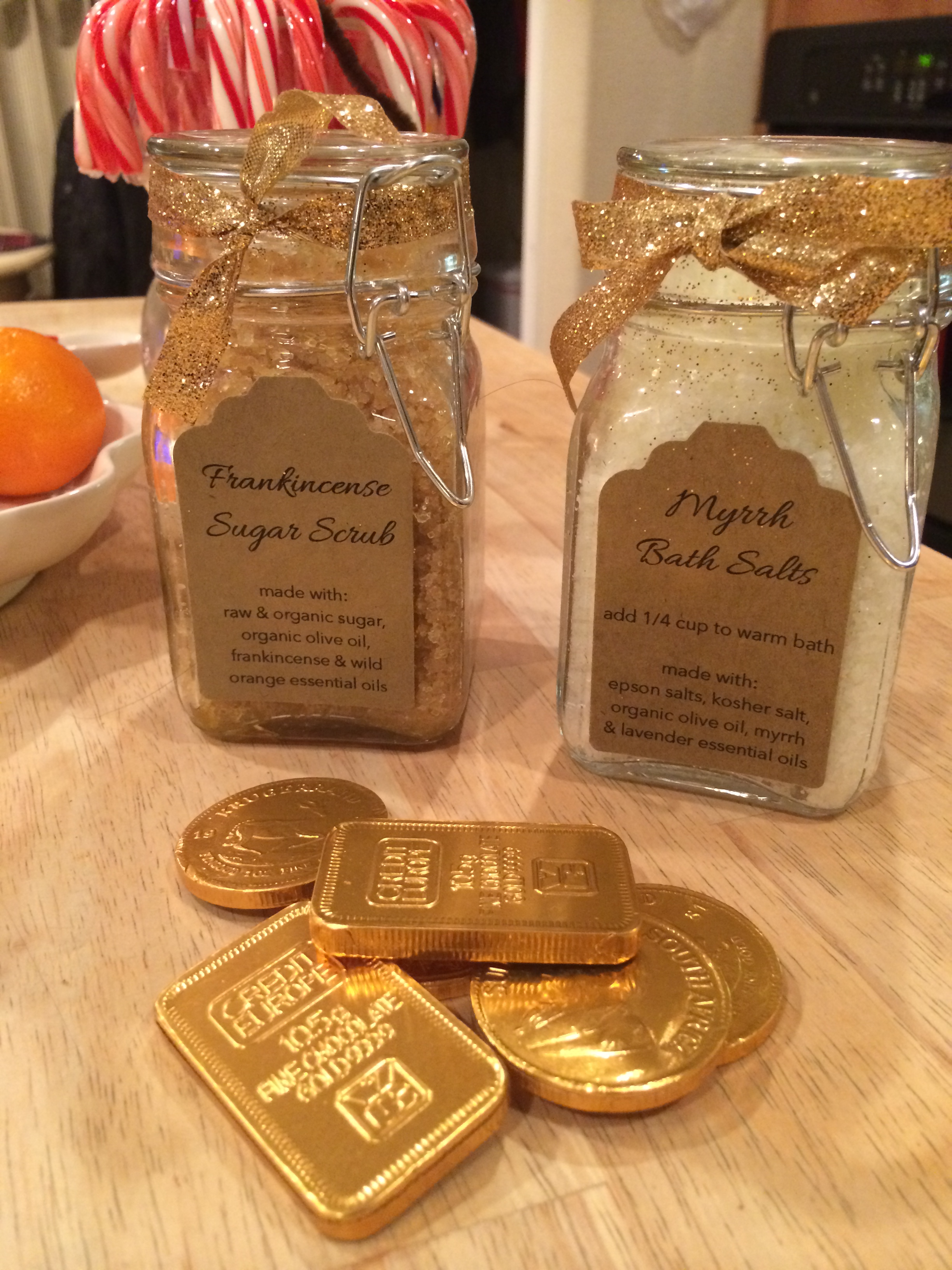
Gold, frankincense, and myrrh were presented to Jesus by the Magiand each carries deep symbolic meaning. Gold represents kingship and is a precious metal associated with honor and wealth. It signifies Jesus’ royal status as the King of the Jews. Frankincense, a fragrant incense used in worship, symbolizes Jesus’ divinity and priestly role and it was commonly burned in temples as an offering to God. Finally myrrh, a valuable spice used for anointing and embalming, foreshadowed Jesus’ suffering and death and signifies his humanity and the sacrifice he would make.


So there’s that…


Whatever you call them, the three followed a star to find the Christ child, which begs the question “what star have you chosen to follow in your life?”


Tough one, right?


The world tells us to follow the money and strive for success and power. Buy the biggest house. Wear the loudest labels. Travel, travel, travel. As Pope Francis once spoke about, we also often follow the wrong “stars,” saying “Some stars may be bright, but do not point the way.”


Hello Hollywood.

Hello sports.

Hello music.

Hello politics.


Think about it, the Three Kings were just that, kings, but they knew there was a king of all kings born and they actually brought Him gifts. As I’ve written many times, I’ve always used this idea, that Jesus got three gifts, as reason why our daughter to this day only gets three gifts each Christmas. But for the rest of the year, what gifts am I striving for and what gifts am I giving to others? What stars am I following?


Start following the right stars.


Follow the stars of kindness, gentleness, generous, truthworthy, gratitude, humility, and …….


Throughout history humanity has used stars as navigational tools and throughout the Bible stars are abundantly mentioned. God created the stars in the Book of Genesis, stars were used to describe how many descendants Abraham would have, stars represent angels in the Book of Revelation, and as mentioned above the Star of Bethlehem led the Three Kings to the Christ Child at Christmas, just to name a few references.


It’s all pretty powerful when you think about it. God created all those stars and yet still longs for us to shine His light here on Earth. How can we shine like little stars and share the light so we can make a difference in the world; a world that is starving for true light right now? Sometimes it doesn’t take much.


Amazingly Jesus’ Earthly ministry was really only about three years long and yet He accomplished more than anyone else ever has. You could say He was the first “one name” celebrity…waaaaay before the likes of Cleopatra, Cher, Elvis, and even Shakespeare. He’s also the most famous person in history according to a recent survey that ranked the names of famous individuals using a specially developed algorithm that scoured the Internet. Jesus topped the list. Amen!


Perhaps what’s most impressive is that Jesus could care less about becoming famous, an almost foreign concept in today’s fame obsessed society. We seem to all either want to be famous or are fascinated by those who are. Jesus, on the other hand, never sought fame and fame was never His goal. Much like today’s paparazzi and mobs of fans, crowds gathered wherever Jesus went and whenever He spoke and yet when they tried to make Him a king, he retreated and walked away. Can you imagine anyone doing that today? No way, no how.


The 3 Wise Men were indeed very wise. As they watched the night sky they evoked the importance of alertness and once they saw the star, they got moving despite the long and treacherous length of the journey. They brought gifts and humility with them. The Magi teach us to watch and to move, to be generous and humble and most of all to believe.


So maybe that should be our goal. Shine but keep looking up and seeking encounters. Shine like stars but spread light in the world. Ask yourself what stars you follow and what presents you give. Lead the way. Shine bright.