
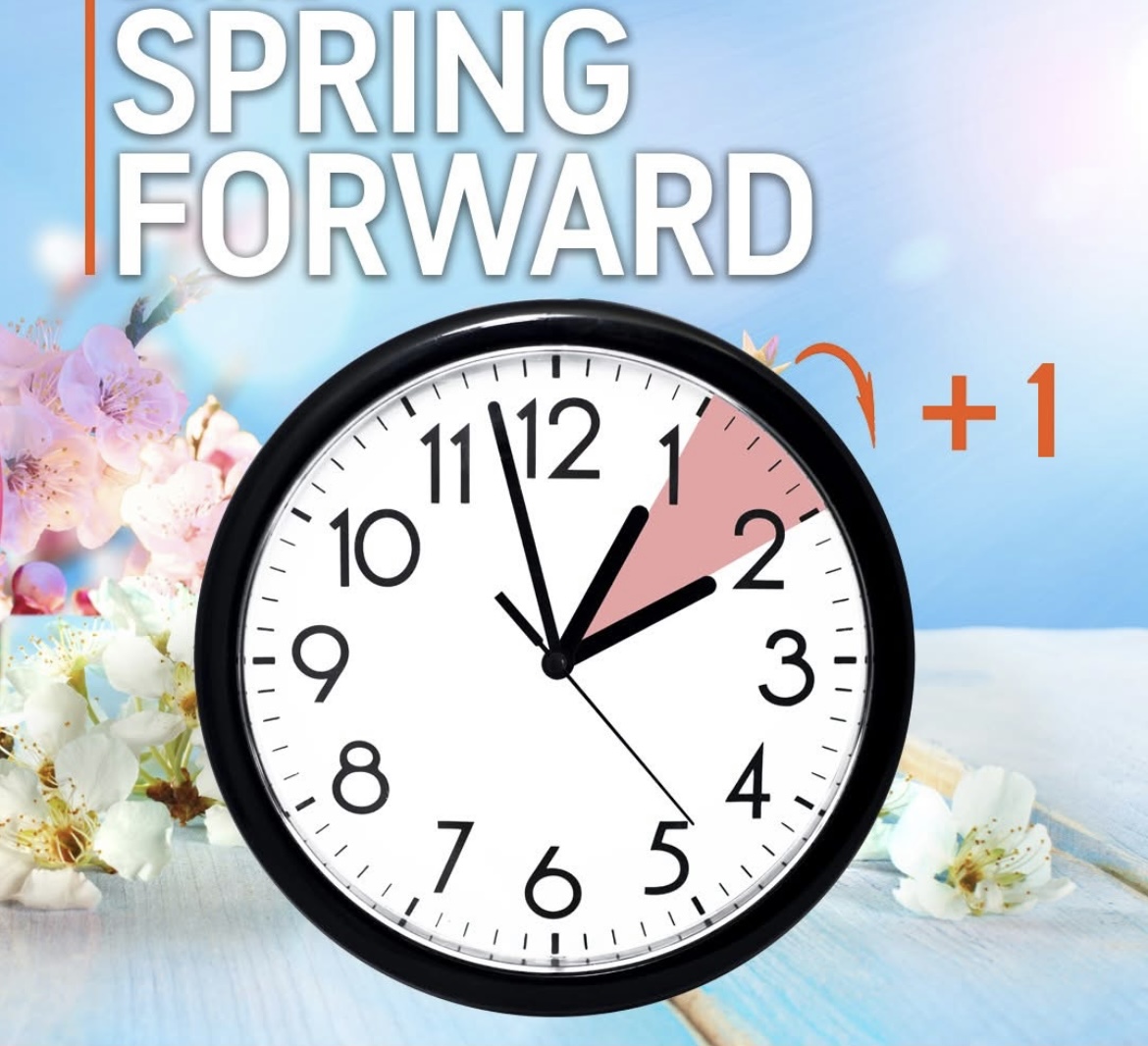
 It’s time to “spring forward” tonight and you know what that means. Sadly, it means we lose one hour of sleep. When your local time hits 2 a.m. tonight, turn your clocks forward one hour. Technology automatically will do this on phones, tablets, computers, etc., but for any of you who still have old school clocks (like me!) or even microwaves and ovens, as you lay yourself down to sleep, set your them all forward one hour. More about all this later, but first, did you know “spring forward fall back” is a mnemonic? A what?! Stay with me…
 First, how in the world do you pronounce that crazy word and what does it mean? The oddly spelled word is pronounced “nih-mah-nick” and mnemonics are techniques or strategies used to improve memory and help one remember something. IE: “spring forward, fall back.” Easy peasy!
Named for Mnemosyne, the goddess of memory in Greek mythology, mnemonics are also called memoria technica or Latin for “memory technique,” and were used by ancient Greeks and Romans, philosophers, and are frequently referred to by Plato and Aristotle. It sounds so serious, but it’s actually fun!
Think about it.
“Lefty loosey, righty tighty.”
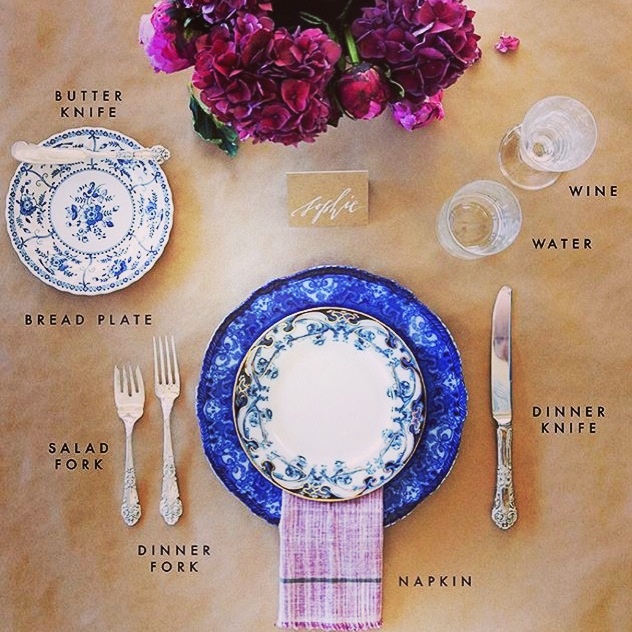 Holding up fingers to remember proper place settings and which glass and butter plate are yours. If you don’t know this trick, follow along: hold your left hand up and make the “ok” sign and then do the same with your right hand. As you look at your hands, you’ll notice the left hand looks like a small letter b and your right hand looks like a small letter d. The b stands for bread and the d stands for drinks. Your bread plate is on the left of your place setting, and your drink glasses are on the right side of your place setting. Need to do this discreetly as your seated? Place your hands on your thighs under the table. Shhhhh!
Another trick is to remember “BMW.” In order, Bread is on your left, the Meal is in the center, and Water/Wine are on the right.
Sayings can be so helpful, as the popular Texas one, “red and yellow kill a fellow, red and black friend of Jack” to help distinguish venomous Coral Snakes from similar looking non-poisonous ones. Also, “Leaves of three, let them be,” to identify poison ivy.
Other tricks include using acronyms. This is when you combine the first letter in a group of words to combine a new word like “HOMES” for the five Great Lakes: Huron, Ontario, Michigan, Erie, and Superior or “GOAT” for Greatest of All Time.” Best of all, an acronym doesn’t even have to be a real word, such as “NATO” for North American Treaty Organization and “NASA” for National Aeronautics and Space Administration.
It may be an ancient trick but modernity and technology have jumped on board ASAP (as soon as possible!) Think “PIN” for Personal Identification Number and “Wi-Fi” for Wireless Fidelity
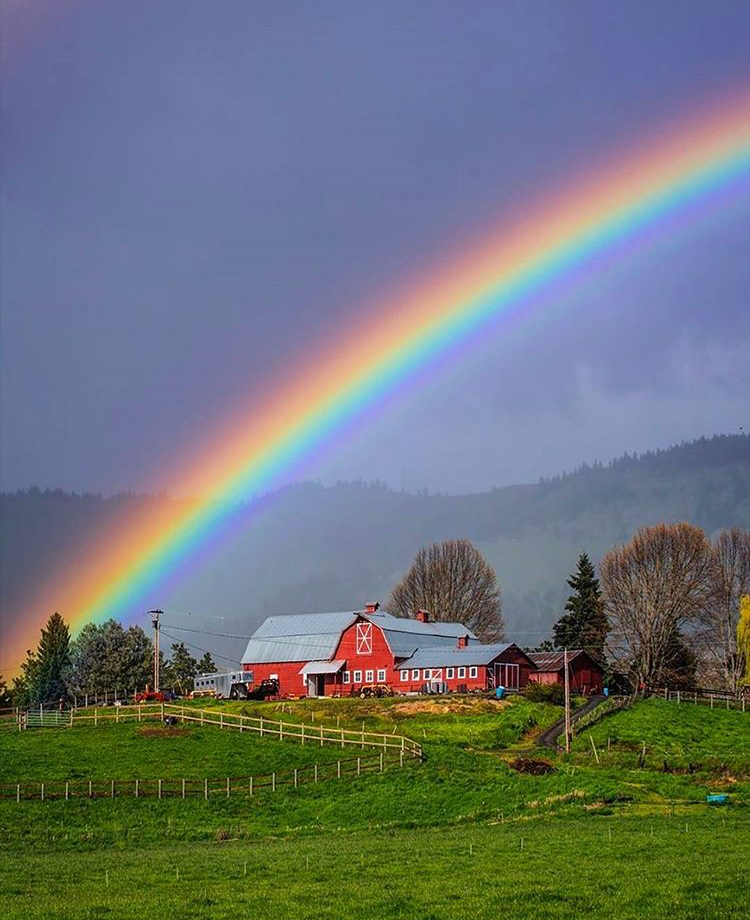 Sayings are also common such as “Richard of York” for the colors of the rainbow: red, orange, yellow, green, blue, indigo and violet or “My very easy method just speeds up naming planets” for Mercury, Venus, Earth, Mars, Jupiter, Saturn, Uranus, Neptune, and poor little Pluto.
Songs often work too, such as the ABC song to help children learn the alphabet. You can even create your own mnemonic tune by choosing a song you know well and create new lyrics using words of things you want to remember to the tune of that song.
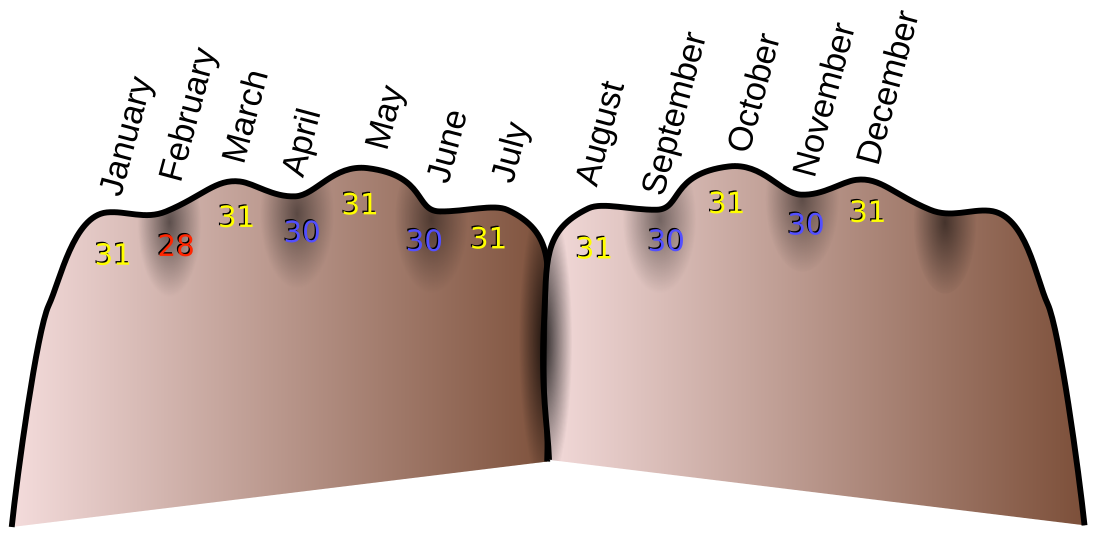 Props can also be used such as “The Knuckle Method” for remembering the number of days in the months of the Julian and Gregorian calendars. Not familiar with it? Here’s how it works:
- Make a fist.
- Start counting from the first knuckle as January.
- Each knuckle represents a month with 31 days.
- The valleys between the knuckles represent months with fewer days (30 or 28/29 for February).
- After July (the fourth knuckle), return to the first knuckle for August.
Cool right? I find this much easier than “30 days has September, April, June, and November; all the rest have 31 excepting February alone” but take your pick.
 Amazingly, it’s not just fun and games as studies have shown that the use of mnemonics have shown the effectiveness of using them. In fact, research shows that learning is more efficient when people use mnemonic devices and tricks.
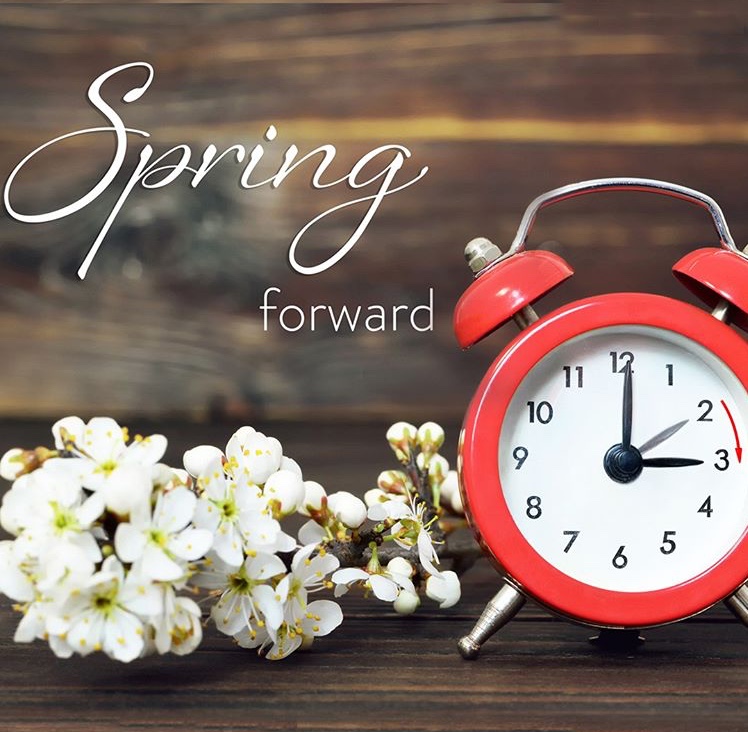 So how did we get here? It’s all due to “Spring forward.” But why do we even do it and what is Daylight Saving Time?
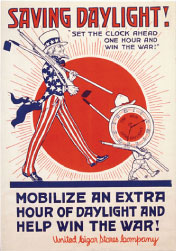
The idea of turning clocks forward one hour during the summer was first conceived by New Zealander George Hudson back in 1895 but it wasn’t really until April of 1916 when the German Empire and Austria-Hungary first used DST as a way to conserve coal during WWI. Britain followed suit as did the U.S. in 1918 and the idea of “saving” as much daylight as possible became especially popular during the 1970’s energy crisis.
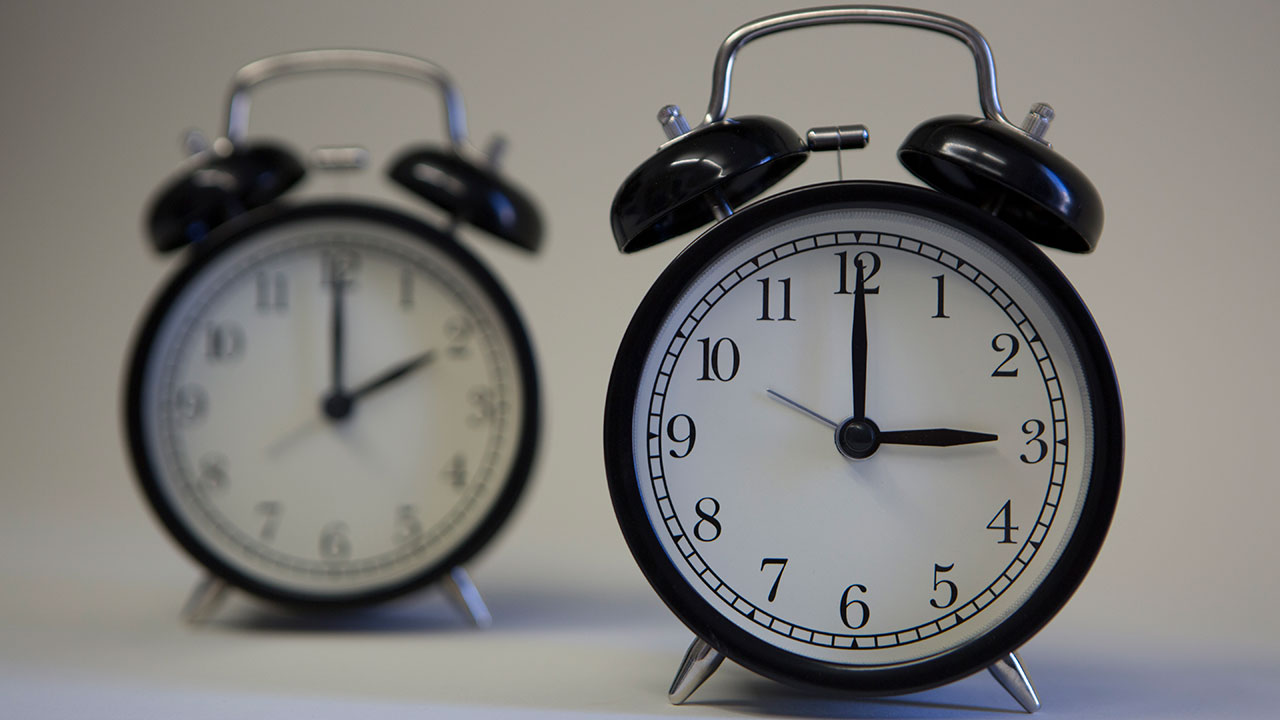 Daylight Saving Time is the practice of setting the clocks forward during part of the year to make better use of natural light. It’s usually one hour ahead of standard time, runs from spring to autumn, and is when sunrise and sunset will be about one hour later meaning there will be more light in the evening and less in the morning.
You might think changing the clocks twice yearly creates more daylight—after all, it’s called Daylight Saving Time. But in reality, the total amount of daylight doesn’t change with the distribution of daylight hours merely shifted.
Two main misconceptions about DST are that it wasn’t primarily intended to benefit farmers and it’s often referred to as Daylight Savings Time, but the correct term is Daylight Saving Time.
 Daylight Saving Time remains unpopular for many and continues to spark political debate on both sides of the Atlantic. In the U.S., public support is low—just 33% of Americans see its purpose, according to a Rasmussen poll and state lawmakers have introduced more than 750 bills and resolutions to change or end DST. Thus far, Hawaii and Arizona are the only two states that do not observe daylight saving time.
But so it goes and every other state will be adhering to “Spring forward” tomorrow so I guess we’ll all just have to bite the bullet.


 Beyond Words