Beyond Words

Words, Wit and Wisdom for Today's Style and Decision Makers

Resolve to Be Real December 30, 2023

Filed under: Uncategorized — carlawordsmithblog @ 4:55 pm

One of my favorite things to do is the annual “Polar Plunge” in Austin’s Barton Springs Pool. Every New Year’s Day, hundreds of Austinites jump into the downtown spring-fed treasure that boasts a constant water temperature of 68 degrees. The “Plunge” is a way of washing off last year’s woes and starting the new year refreshed and rejuvenated.



The night before, New Year’s Eve, traditionally means champagne, noise makers, legendary parties, and toasts to Auld Lang Syne. We have never been big New Year’s Eve revelers save for a glass of champagne or two, so making it to the early morning plunge is usually not an issue, the issue is going to downtown Austin. Not my favorite part of the world of late. The weather will also dictate my plunging this year. I will keep you posted!



New Years is also a time for making resolutions and I’m personally a big resolution girl. It probably has a lot to do with making a list, which I love doing! Let’s see: lose weight, eat healthier, save more money, spend less, be more positive, read more, be nicer, exercise more. Did I miss anything? We’ve all heard them and we’ve all tried them, sometimes with stunning success and sometimes with epic fails.



I, of course, try to do all of those things, but each new year I also resolve to learn something new. I’ve studied or taken classes in everything from Italian to ice skating, cooking to shooting a gun, zip-lining to pickle ball, cross-stitch to the rosary, and bridge to yoga. I love yoga and its bridge pose but I hated bridge. Too quiet, too serious, and way too much math. My husband and I took dance lessons (he hated them) and I’ve improved my golf game and now play at least once-a-week (he loves it.) I haven’t decided what I’m going to learn this year but I don’t pressure myself to start right away; sometimes what I learn comes mid or late year and totally by surprise.


Every year I also vow to grow spiritually and plan to again in 2024. I’m deciding a virtue I’d like to grow in, a sin I’d like to eliminate, and a saint I’d like to study more about.
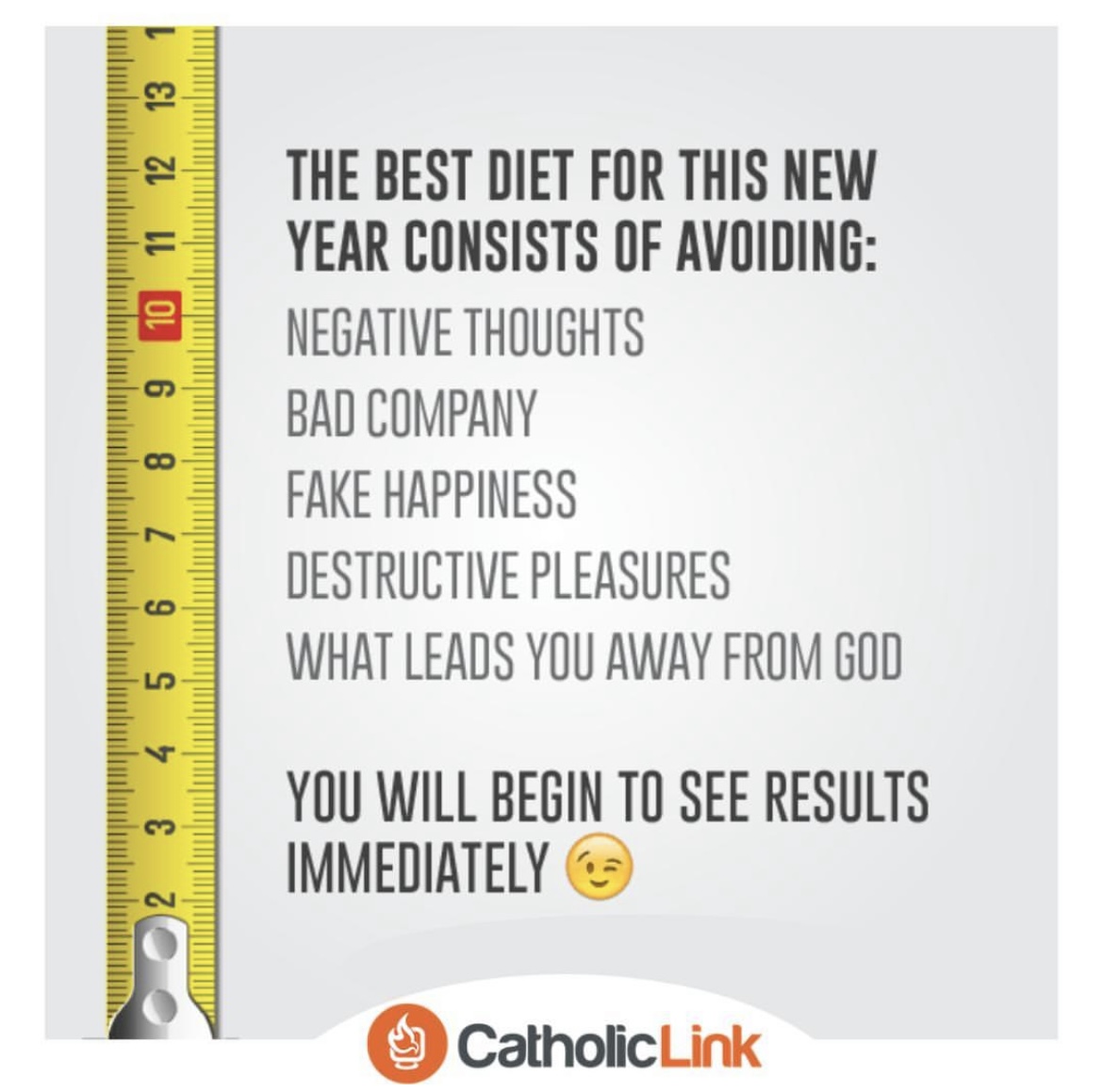


We often make resolutions to do things but how about resolving to not do things? Don’t give in, don’t overthink (talking to you Carla!), don’t settle, and don’t take everything so seriously just to name a few.



The Baker Mama

Here are a few samplings of ways to start off 2024 in a positive and productive way:

  • Evaluate what didn’t work the year prior and resolve to fix it and work to change it. If you hate your job, work on finding a new one. If the flowers in your flower beds drive you crazy, choose different ones. If some current friends aren’t meeting your needs, take a break from them. Everything is worth evaluating.


  • Keep growing. Learn something new. Go somewhere new. Do something differently. Take risks. Look at challenging situations as opportunities for growth, not pockets of struggles. I’m not a big risk taker, but this year I hiked (on my novice level) Arches and Canyonlands National Parks. Neither were my idea and I’d just as soon stay back at the hotel spa, but the group of fabulous women I was with are all big hikers and they inspired me. Yay me!


  • Filter the noise in your life. Don’t just listen to the loudest voices; listen to the truest ones. Get rid of the Negative Nancys in your life and surround yourself with uplifting and supportive people not toxic and critical ones. I recently lost a family member and sometimes it takes something as tragic and sad as that for you to discover who your true people are and who was there for you.


  • Don’t dwell so much on your “perfect” future that you forget to live today. Find ways to be satisfied rather than constantly striving for bigger, better, and more. Realize that “having it all” is not possible.


  • Master the art of handling rejection. You will face it so become resilient at it.


  • Learn how to say “no” and mean it. Set your boundaries and respect them. If you do, others will too.


  • Be genuinely happy for others. Envy makes us blind to the goodness of God and results in sorrow. It can also lead to anger, resentment, and bitterness. Get rid of it in your life.


  • Give without expectations. Not everyone has the same heart as you so don’t expect others to do for you what you do for them. This will only lead to constant disappointment. Give more but expect less. As my daughter once so brilliantly reminded me: not everyone sends thank you notes. Give because you want to give and without the expectation of getting one.


  • Let grace have the last word. You don’t need to win every argument or always be right.


  • Replace “I have to” with “I get to.” So many activities we complain about are things we take for granted and things others are praying for. Realize this. Off the top of my head I think when I say “I have to take a shower today” or “I have to go to the grocery store today;” two things millions in the world would love to “have” to do.


  • Turn the pages that need to be turned. This isn’t always easy but may be vital to your happiness.


I recently read the book “The Midnight Library” and its subject matter got me thinking. Thinking about life as I know it and have known it, hopes and dreams, and New Year’s Resolutions.  In brief, the book is about Nora Seed and the regrets that have piled up. Some legit; some just in her mind. But, when she finds herself at the Midnight Library, she’s given a chance to make things right and do things differently through its books. Needless to say, this guilt-ridden cradle Catholic and library/book lover is all over it.


Don’t get me wrong, I love my one beautiful life and am so grateful for my many blessings, but I do have regrets and probably would have made different…and better…choices a few times in my life. Nothing earth shattering or life changing, just ones filled with more wisdom and less chance. More grace and less naiveté. It’s never too late, right?


Come a week or so we might all be feeling regretful. January 10 is the day a British study estimates most of us will have ditched our New Year’s resolutions. Ugh. Are you already a resolution fail?  Maybe we should make New Year’s Intentions instead of Resolutions. The word just sounds more user-friendly and practical.  “I intend to learn or do XYZ” jives with me way more than “I resolve to…” Tumaytoes tohmahtoes perhaps, but whatever works.


Gretchen Rubin

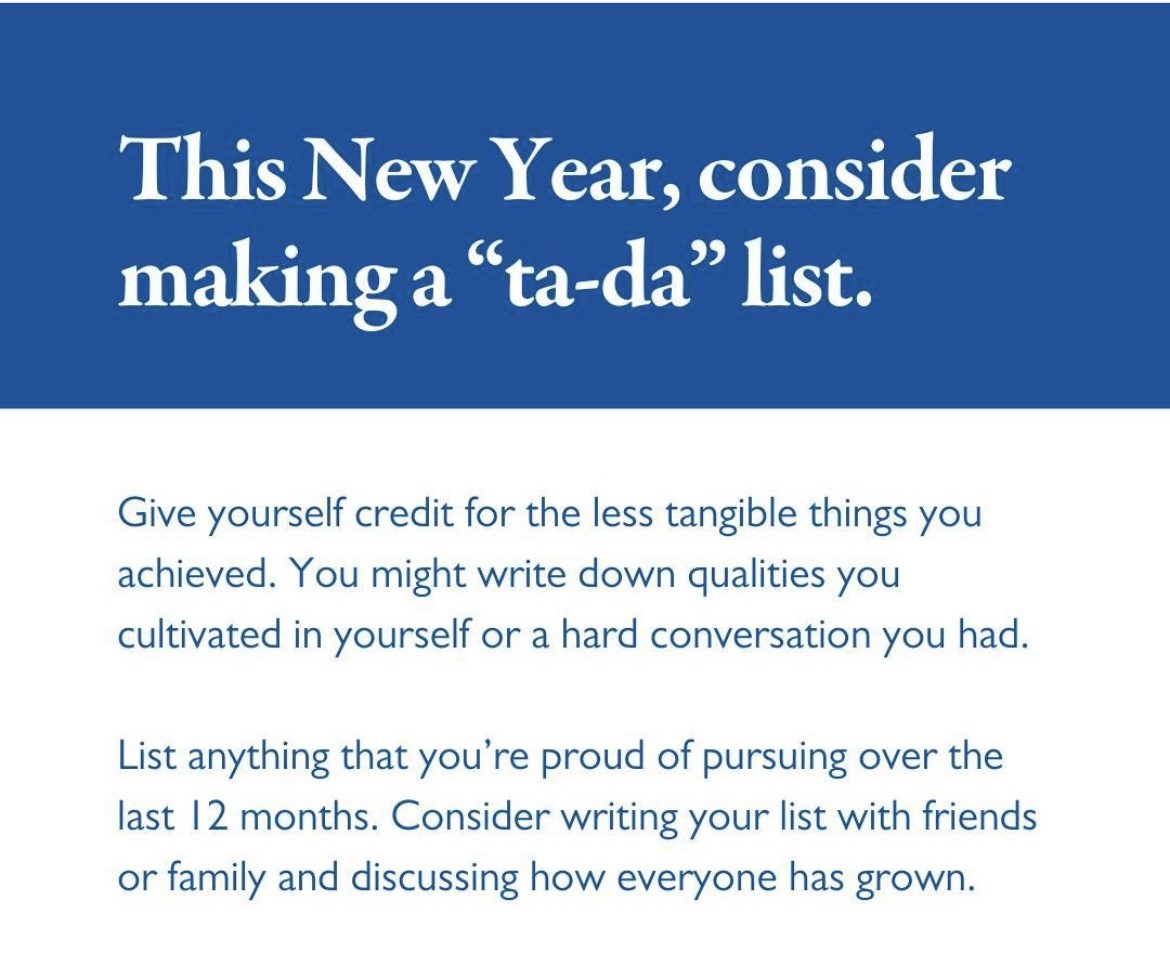
I love happiness guru Gretchen Rubin’s above idea to have a “Ta Da List” to keep you motivated and she also has tips on how to commit to committing and make sure resolutions we set are successful. First off she says, be specific. Don’t just say you want to find more joy or calmness in your life but instead identify what gives you joy or makes you calm and then resolve to do those things. For example, “sign up for tennis lessons” assures you will accomplish the goal of “learn to play tennis.”


And dump the demanding mindset. Seems like our resolutions are often grim or a grind. The more pleasant something sounds, the more likely you’ll do it and feel a sense of accomplishment. “Have lunch once-a-month with friends” will probably get checked off the list long before “lose 20 pounds.”


Experts also suggest setting smaller goals. Rather than saying “I’m going to lose weight this year,” say “I’m going to work on losing 10 pounds between now and March.”  Some also recommend setting monthly goals rather then or in addition to year-long commitments.
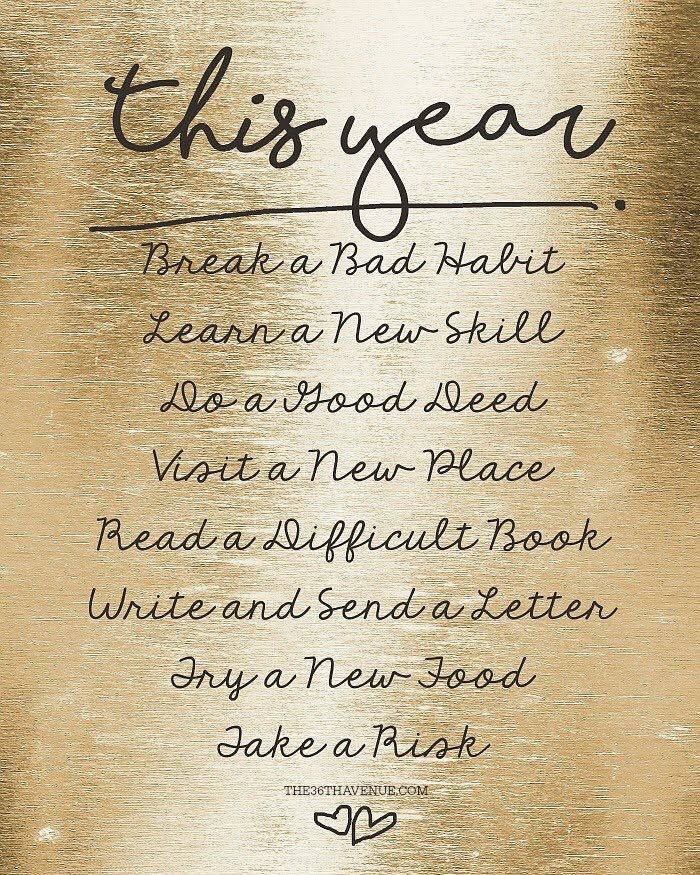


Whatever I choose to do or learn this year, I’m going to focus on something “new” instead of something “no way.” I’ll learn something new, go somewhere new, and do something differently. The challenge will be figuring out how to really commit to something.  But, do I really need to? Do I have to?? If I decide to take piano lessons, do I really need to perfect my skill at it? Isn’t it okay to just enjoy learning the basics of something new and then moving on to something else? I’m thinking yes.


Lastly, accept the fact that you aren’t the same person you were one year ago and embrace the new and maybe different you. Remind yourself of your successes and victories and replace that dreaded I “have” to with I “get” to unless the “have to” is health related or essential. Stop wasting energy on people and things that drain your brain, show gratitude, and face the year and your intentions enthusiastically and with confidence. I’m confident you can do it!




Do You Know What I Know? December 12, 2023

Filed under: Uncategorized — carlawordsmithblog @ 5:15 pm

It’s no secret I’m very traditional and love a good tradition. A few days ago I wrote all about candy canes, including their history and their story. Today I’m continuing the traditions and “why” theme, including some fun facts about many of the things we hold near and dear to our Christmas hearts. Let’s start with a simple greeting.


Tis the season for seeing “Merry Christmas” and all things Christmas everywhere.  Sadly, you also often see the word “Christmas” shortened and referred to as “Xmas,” which has always irked me. In my thinking, doing so literally removes the real meaning of Christmas: Christ. But, I’m happy to report that there’s a somewhat acceptable explanation for it.


Apparently, the X in Xmas doesn’t replace “Christ” from the word with the English letter X, but rather with the Greek letter “chi,” which looks like the English letter X. Chi is the first letter in the Greek word that we translate as “Christmas” and ancient Christians would abbreviate it by using only the first letter of it. They meant no offense and coincidentally, the letter also resembles a cross.


I still much prefer “Christmas” over “Xmas,” but am happy to learn the origins of the latter meant no disrespect to why we celebrate Christmas. Amen!


Now let’s talk about St. Nick, or better yet, St. Nicholas. Catholics and others celebrate the Feast of St. Nicholas each December 6 and he is widely considered the “first Santa.” Nicholas, a real person, wore a red coat like Santa, had a beard, and loved to share and give. He’s also mentioned in the classic “The Night Before Christmas.” Who knew?!


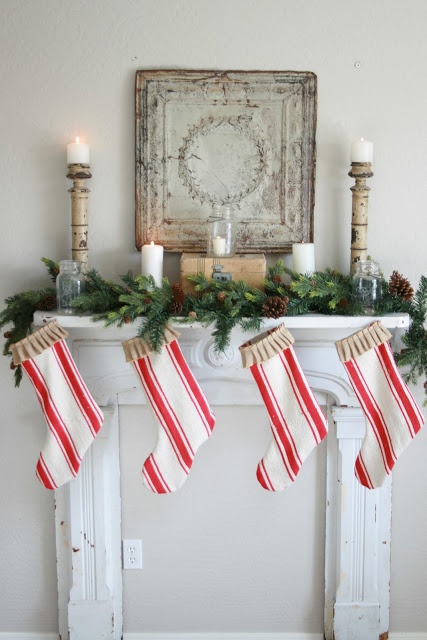
A very rich and generous man, Nicholas heard about a family that didn’t have enough money to buy food so he snuck onto their roof and threw some gold coins down their chimney. The coins landed in their stockings, which were hanging over the fire to dry. This, my friends, is why we hang stockings on fireplaces and put treats in them!


St. Nicholas is said to be represented by Christian artists more frequently than any saint.


So that’s why we hang and fill stockings, but just why do we give presents for Christmas? Well, think of the Three Kings/Wise Men. And although we probably don’t give gold, frankincense, and myrrh to family and friends, by exchanging gifts we model their generous act. We all know what gold is, but what exactly are frankincense and myrrh and why were they given to Baby Jesus?


Even back then, gold was considered a royal metal, signified Jesus’ Kingship, and was literally a gift fit for a King. Frankincense is the gum or resin of the Boswellia tree, used for making perfume and incense. It was one of the ingredients God instructed the Israelites to use in making the pure and sacred incense blend for the most holy place in the tabernacle. It was a precious spice with great significance and worth in ancient times and considered a symbol of prayer between God and man. Myrrh is an expensive spice used for making perfume, incense, medicine, and anointing the dead. It signified Jesus would ultimately have to die for the salvation of all and frequently appears in the Old Testament, primarily as a sensuous perfume in the Song of Solomon.


Our daughter Kristen has always and to this day only received three presents from us at Christmas and for good reason other than avoiding then piles of presents kids ask for and receive. Think about it: if three gifts were good enough for Jesus, they are certainly good enough for the rest of us.


In many Western Christian churches, including most Catholic and Lutheran parishes, the season of Advent is celebrated before Christmas. The word “advent” comes from the Latin word that means “coming” and during Advent, Christians patiently await the coming of their Savior, Jesus Christ.


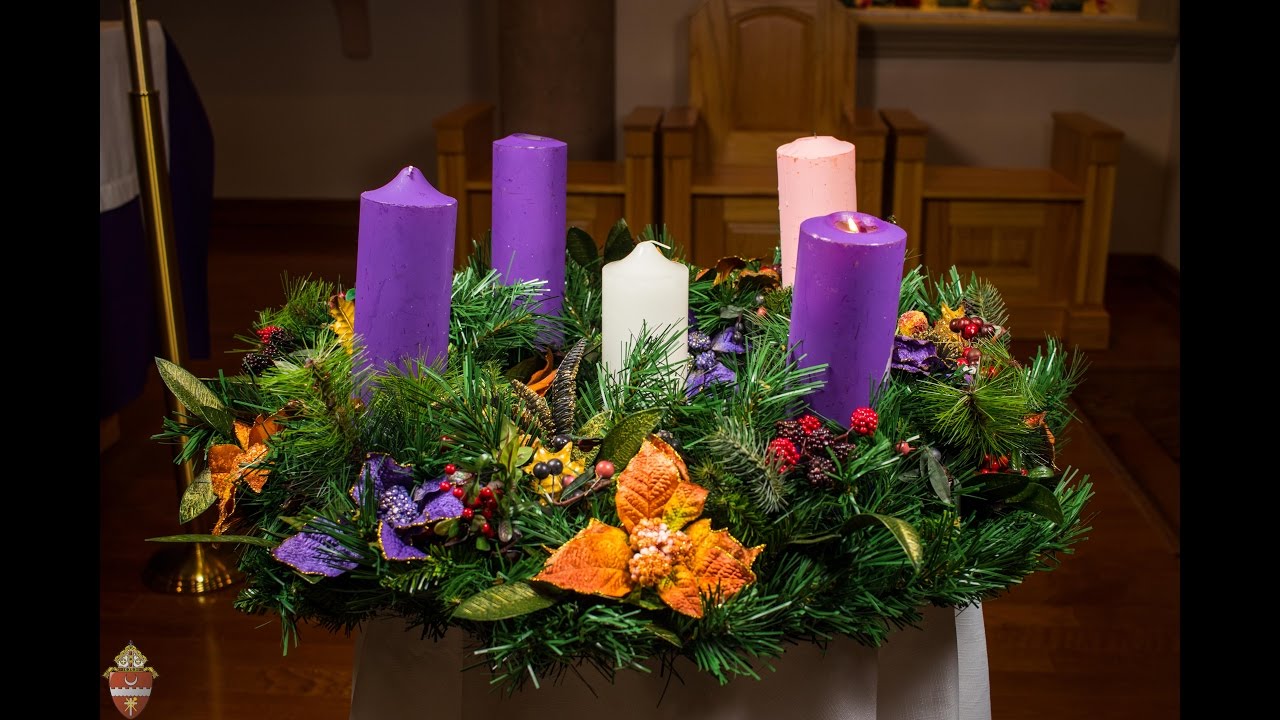
Both Advent wreaths and Advent calendars are popular ways to celebrate the weeks leading up to Christmas and make for fun craft ideas for kids and families. An Advent wreath is made up of various evergreens formed into a circle, representing continuous life and God’s infinite love for us, and four candles (three purple and one pink) that represent the four Sundays of Advent and Christ being the light of the world.


On the first Sunday of Advent, four weeks out from Christmas, a purple “Prophet’s Candle” is lit as we focus on Hope and Jesus’ coming. On the second Sunday of Advent another purple candle, called the “Bethlehem Candle” is lit and symbolizes Peace while also reminding us of Mary and Joseph’s treacherous journey to Bethlehem. The sole pink candle is lit on the third Sunday of Advent and is called the “Shepherd’s Candle” reminding us of Joy and the birth of Jesus. On the last Sunday of Advent, a purple “Angel’s Candle” is lit and symbolizes Love. Some Advent wreaths also add a fifth larger white “Christ Candle” in the middle, which is lit on Christmas. Advent officially ends on Christmas Eve.


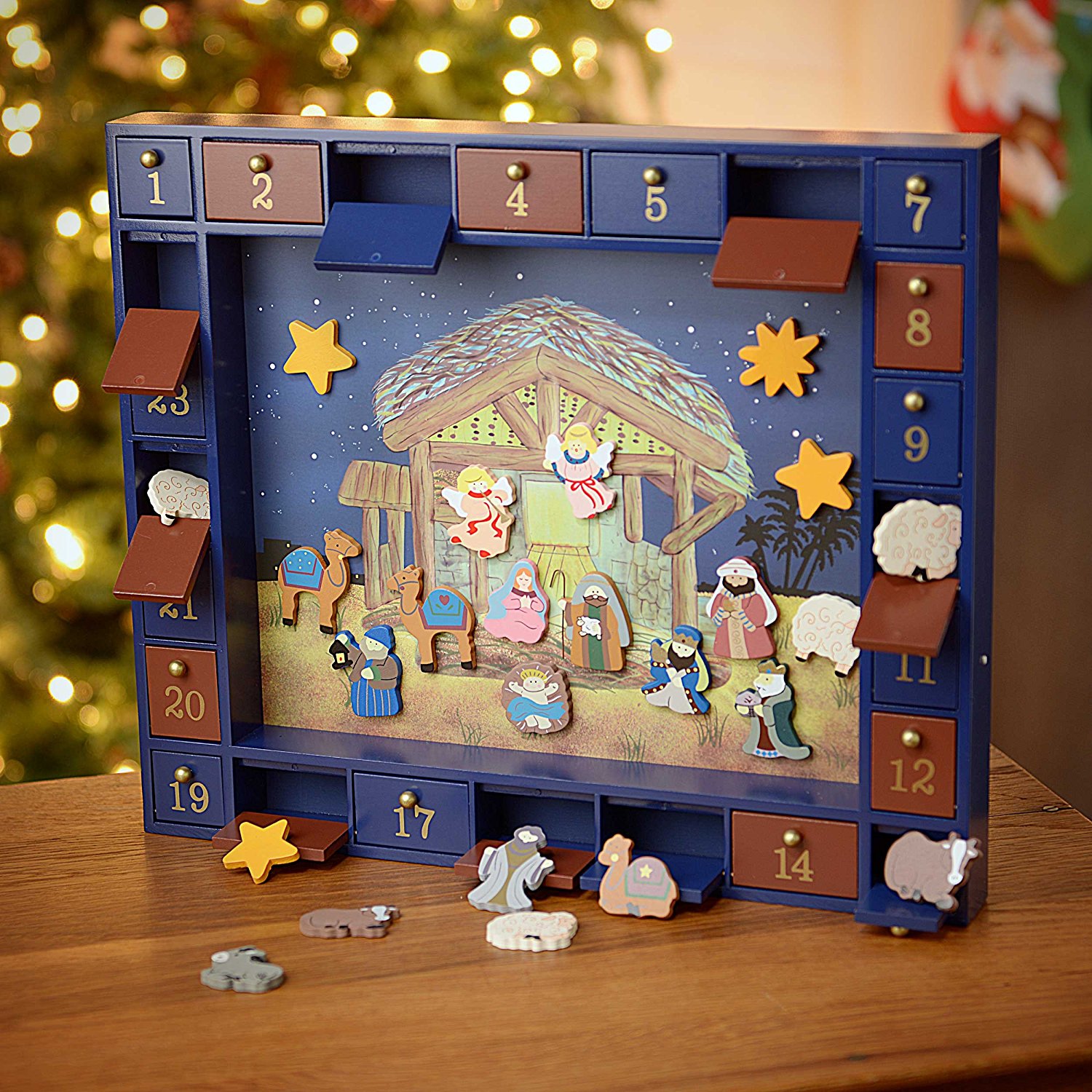
An Advent Calendar is a fun and popular children’s activity and great teaching tool. They teach children to the true meaning of Christmas while teaching them to be patient and focused as we wait and prepare for the coming of Jesus Christ.


Advent calendars count down the 24 days of December ending on Christmas Eve and are believed to have been created by Christians in the early 19th. The first known Advent calendar was handmade in Germany in 1851. Many Advent calendars display a colorful nativity scene with little numbered windows or doors that open to reveal a symbol of Advent or Christmas. Some even have chocolates or other treasures hidden behind each flap.


Growing up my family didn’t really celebrate Advent and my childhood home never had an Advent wreath or Advent calendar. Although the Advent calendar is a relatively new way to count down the days until Christmas day, celebrating the Advent season is an ancient Church tradition established long ago in the liturgical calendar.


And now, just for grins, how about some fun reindeer trivia and facts?


All of Santa’s reindeer were female because only female reindeer keep their antlers in December.


Reindeer are one of the only mammals that can see UV light, allowing them to see predatory polar bears against the snow and lichen, that fungi, moss-like plant they eat.


Caribou is simply the North American name for reindeer.


As the name suggests, reindeer are a species of deer and the only deer species in which both males and females can grow antlers. Yes dear…um deer!


Do you know the names of all of Santa’s reindeer? Dasher, Dancer, Prancer, Vixen, Comet, Cupid, Donner, Blitzen, and the most famous reindeer of all, Rudolph.


Let’s end with a song. We’ve all heard one particular one, have sang it many times, and probably know all the words by heart but what in the world are we talking about with “maids a milking,” and “lords a leaping?” They’re all part of the famous “Twelve Days of Christmas” carol but they don’t signify the 12 days before Christmas as many believe and they have a Christian origin.


The celebration behind the tune started back in the Middle Ages as a way to mark the days between Christmas Day and the Feast of the Epiphany on January 6. From 1558 to 1829, Catholics in England were forbidden from openly practicing their faith so a song of 12 days was written as a catechetical tune that included hidden meanings of the faith. Secretly and on the down low, the verses reminded believers of some of the tenets of their faith without being overtly religious. This way, they could be sung without fear of punishment.


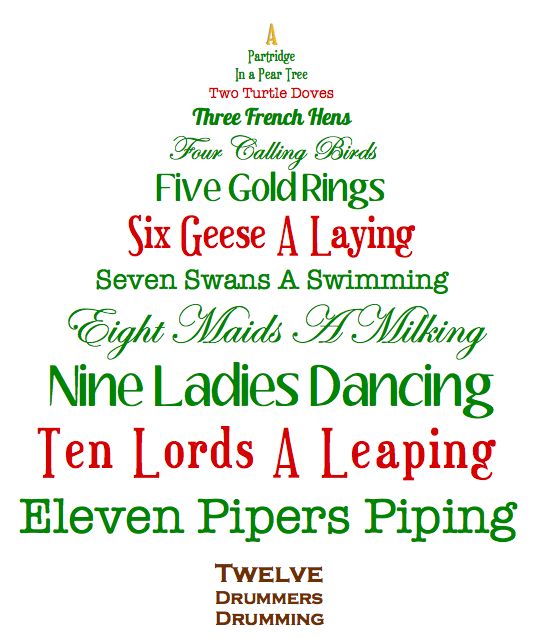
On that “note,” here are what the “Twelve Days of Christmas” symbols symbolize and the reasons we sing them this season:


First Day: A partridge in a pear tree. Jesus. Mother partridges are known to pretend they are injured as a way of keeping predators from their helpless nestlings, much like our Lord protects us.


Second Day: Two turtle doves. the Old and New Testaments in the bible.


Third Day: 3 French hens. The 3 Wise Men; the Father, Son, and Holy Spirit; and the 3 Theological Virtues; faith, hope, and love.


Fourth Day: 4 calling birds. The four evangelists – Matthew, Mark, Luke, and John – and their four gospels.


Fifth Day: 5 golden rings. The first five books of the Old Testament: Genesis, Exodus, Leviticus, Numbers, and Deuteronomy. Also called the Pentateuch, from the Greek words for “five” and “books,” they are meant to answer the basic questions of life and its origins.


Sixth Day: 6 geese a-laying. The six days of creation.


Seventh Day: 7 swans-a-swimming. The seven Gifts of the Holy Spirit: wisdom, understanding, counsel, fortitude, knowledge, piety, and fear of the Lord as well as the seven Sacraments: baptism, confirmation, Eucharist, reconciliation, anointing of the sick, holy orders, and matrimony.


Eight Day: 8 maids-a-milking. The eight Beatitudes given to us through Jesus in the Sermon on the Mount.


Ninth Day: 9 ladies dancing. The nine Fruits of the Holy Spirit: charity, joy, peace, patience, kindness, goodness, generosity, gentleness, faithfulness, modesty, self-control, and chastity.


Tenth Day: 10 lords-a-leaping. The 10 Commandments.


Eleventh Day: 11 pipers piping. The 11 faithful apostles: Simon Peter, Andrew, James, John, Philip, Bartholomew, Matthew, Thomas, James, Simon, and Jude.


Twelfth Day: 12 drummers drumming. The 12 points of the apostles’ beliefs and their creed.


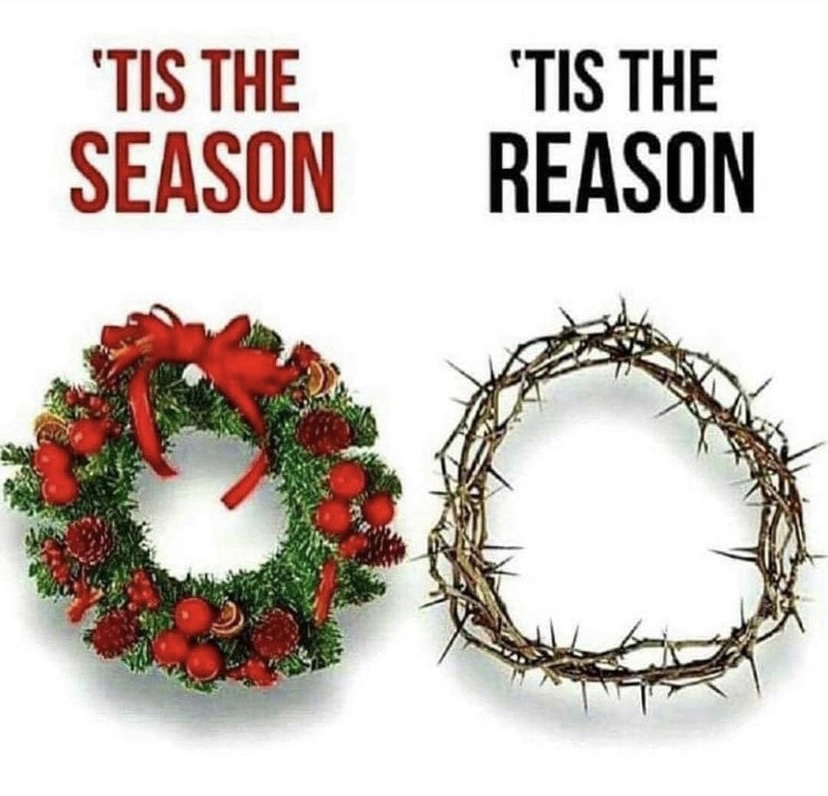
All of these things explain some age-old traditions and also demonstrate the true meaning of Christmas. It breaks my heart to see the real reason for the season become increasingly commercialized and secular, and my hope is that by sitting back and understanding exactly why we have days off in December and why stores love this time of the year, we will realize that there is so much more to it all than just time off, shopping, and Santa. I have hope.


Candy Canes & Peppermint: For the Health of It December 9, 2023

Filed under: Uncategorized — carlawordsmithblog @ 10:54 pm

Lisa Sieczka


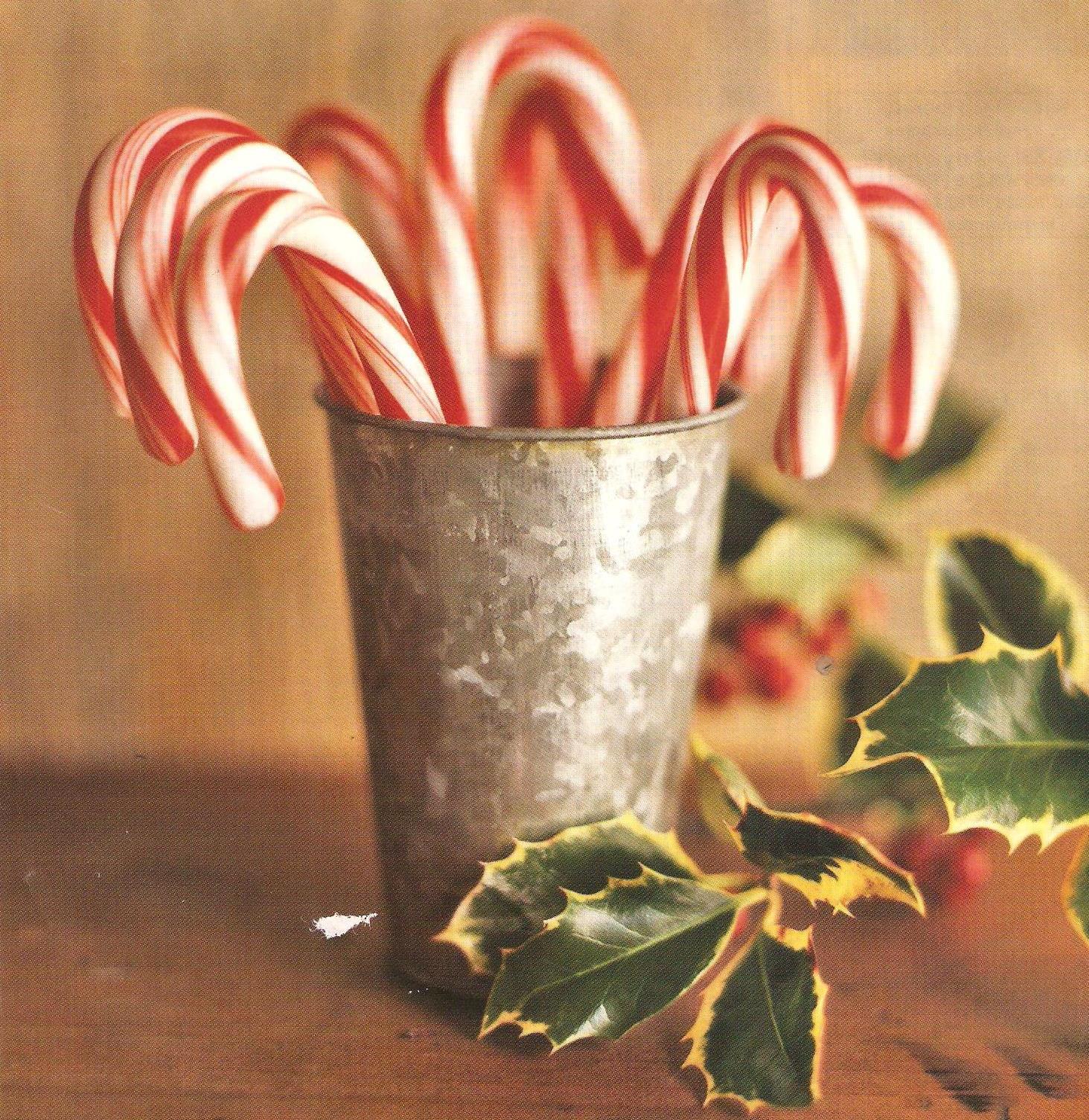
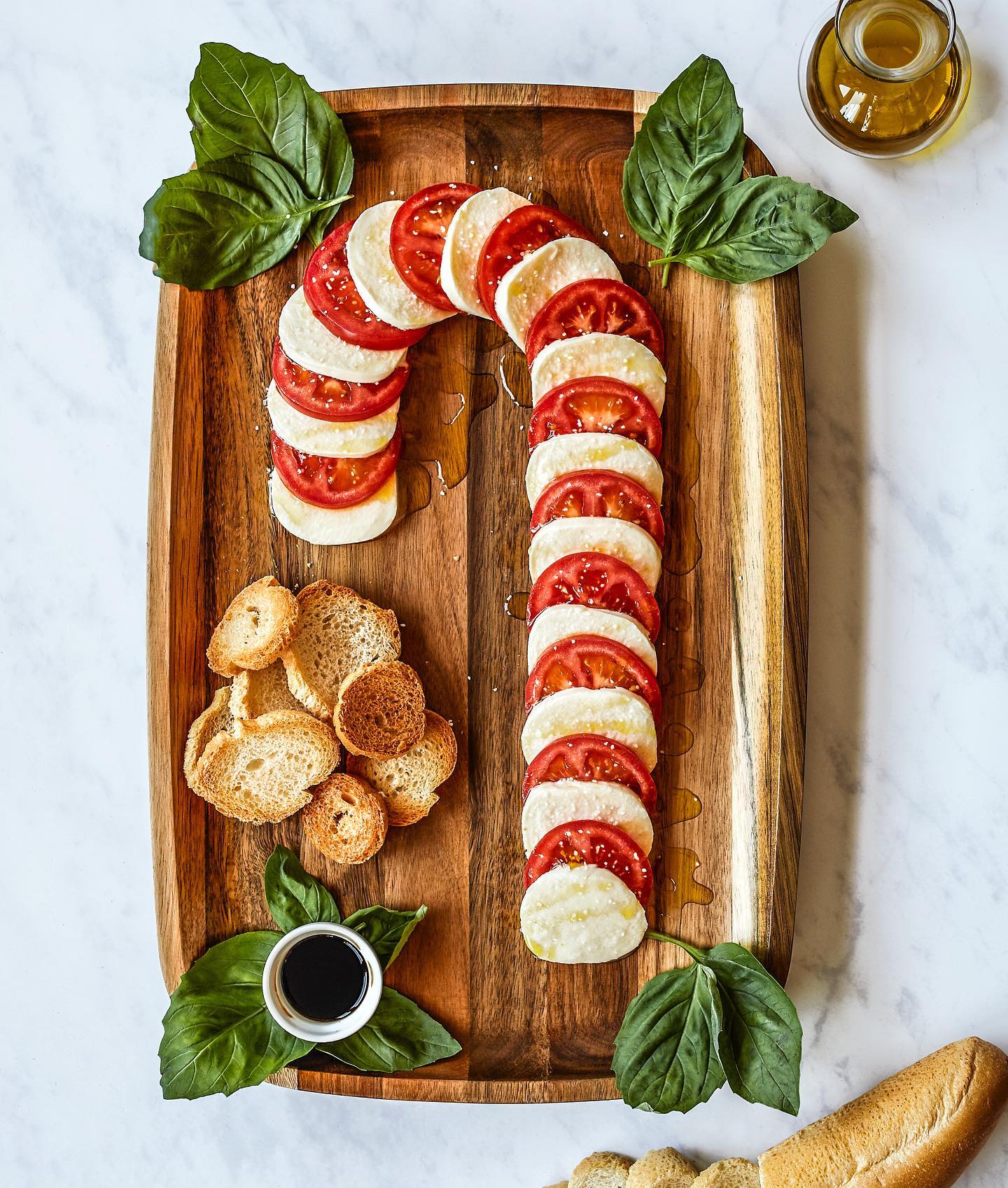
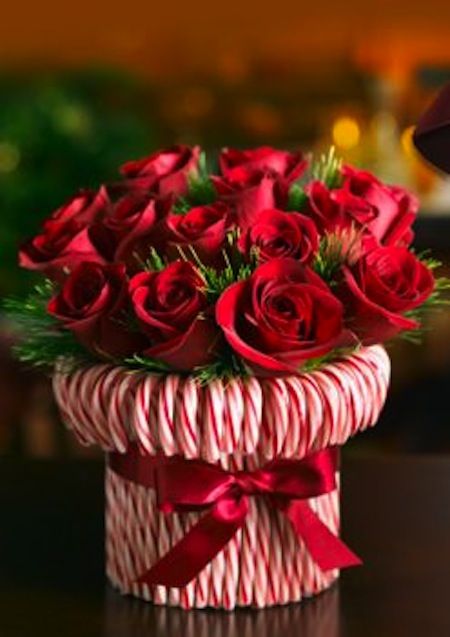
Something about candy canes just makes me smile. I particularly love their red-and-white striped pattern as I love stripes, I love patterns, and I love me some red and white! I remember my mom hanging them on our Christmas tree and although I don’t follow her in that practice, I do have a festive vase of them sitting on my kitchen counter every Christmas.


You don’t need to look very far this time of year to spot similar vases and other decorations centered around the beloved red-and-white striped treasures. You see real ones hanging on tress, created and grouped into wreaths, and used as package decorations. Candy canes are fun and they’re festive, and they also have an interesting story behind them.


Did you know the flavor of peppermint is similar to hyssop, which is a member of the mint family and was used in biblical times for purification? The shape of the candy cane also has religious undertones as on that first Christmas morn, who were among the first to visit and meet Baby Jesus? That would be shepherds and as they paid homage to the newborn Savior, they carried with them their crooks, which they used in the field to round up sheep. It’s no coincidence that candy canes resemble those curved, reminders and that like the shepherds, Jesus protects us like His little lambs.


The red and white colors of a candy cane are said to represent purity and love. And finally, what do you get when you turn a candy cane upside down? The letter J. Whose name starts with J? Jesus!


Funny thing though, I really don’t love to eat candy canes. I just like to look at them. Maybe I should rethink this, as peppermint like the kind found in candy canes, actually has some major health benefits.


Are you feeling stressed and anxious during the current and crazy holi-daze? Are you maybe drinking a little more alcohol than normal at Christmas parties? If you’ve said “yes” to any of this, you might also be suffering from a tension headache, commonly brought on by stress and alcohol consumption and oh so common during the holidays. Well, guess what? Peppermint may actually ease those tension headaches! Ahhhh…just breathe!


Yep, study after study show that rubbing a topical peppermint oil on your forehead and temples can reduce headache pain as well as any over-the-counter pain reliever. It’s also great inhaled to relieve altitude sickness for any of you skiing this season. And it smells so good!


In addition to drinking and stressing more this time of year, you might also be eating more and perhaps eating things you don’t normally consume. Maybe before you head out to another party or before opening that cookie jar, take a whiff of peppermint oil or even a candy cane as just smelling peppermint has been shown to curb cravings and appetites with one study reporting that by simply smelling peppermint oil every two hours, participants were less hungry and less likely to over eat.


If you do enjoy a little feeding frenzy but then encounter a little rumblin’ in your tumblin’, no worries, as peppermint is also known to tame tummy troubles. In fact, the mint can help with all types of stomach problems, including nausea, heartburn, menstrual cramps. and even irritable bowel syndrome. One Italian study found that IBS symptoms were significantly reduced among 75 percent of those who took peppermint oil capsules while an Australian study discovered that peppermint actually activates an anti-pain agent in the colon and soothes inflammatory pain in the gastrointestinal tract.


Tis also the season for colds and flu, but before reaching for cold medicine to clear up your stuffy nose, reach for peppermint as well. Although it may not always open your nasal passages, it magically tricks your mind into thinking it has. The key is menthol, which peppermint is chalk-full of and is what makes all those over-the-counter meds smell so yummy and minty.


If you’re feeling aches and pains or if you’re exercising more to work off those candies and cookies you’ve been eating, you may be a little sore. Peppermint can help here to, as it has a cooling effect when topically applied for muscle ache, stiffness, and even nerve pain.


Another health benefit of peppermint is that it boosts concentration and has memory-enhancing properties. This is good news to all you students out there studying for finals and for anyone finalizing year-end budgets, reports, or simple “naughty or nice” lists. Peppermint scent can actually give someone a mental perk, resulting in greater alertness, increased motivation, and enhanced performance. So powerful is peppermint’s punch, that some schools have been known to hand out peppermint candy during test periods!


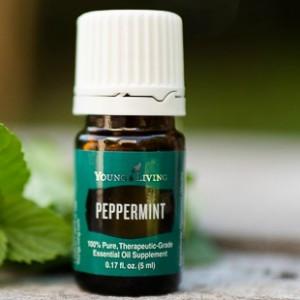
I pretty much swear by my Young Living peppermint oil and use it often. I massage it into inflamed or sore areas and joints to ease inflammation, soreness, stiffness, and joints and muscle aches. I also rub it on my forehead, temples, sinuses, and neck for headache relief, respiratory issues, and general stiffness. If I’m feeling particularly stiff or achy, I might use another essential oil made specifically for injuries, but I always top it with peppermint because it smells so good! It’s also an oil I regularly diffuse.


Peppermint oil also boasts a high concentration of natural pesticides that help repel some insects, including pesky mosquitos. If you do get bit by something, rub some peppermint oil on the bite area to relieve itching.


Gray Malin

Finally, let’s not forget about the plant’s culinary uses. Fresh or dried peppermint, as well as peppermint extract, are common in herbal teas, ice cream, candy, jams and jellies, and many an alcoholic drink. A Moscow Mule or Mojito without mint? Nyet! You could say this is peppermint’s “in” season, as you find it in everything from peppermint Kisses to peppermint bark to peppermint room candles. Peppermint as an ingredient doesn’t’ stop in the kitchen though. It’s a main ingredient in many a chewing gum, toothpaste, shampoo, lotion, and soap.


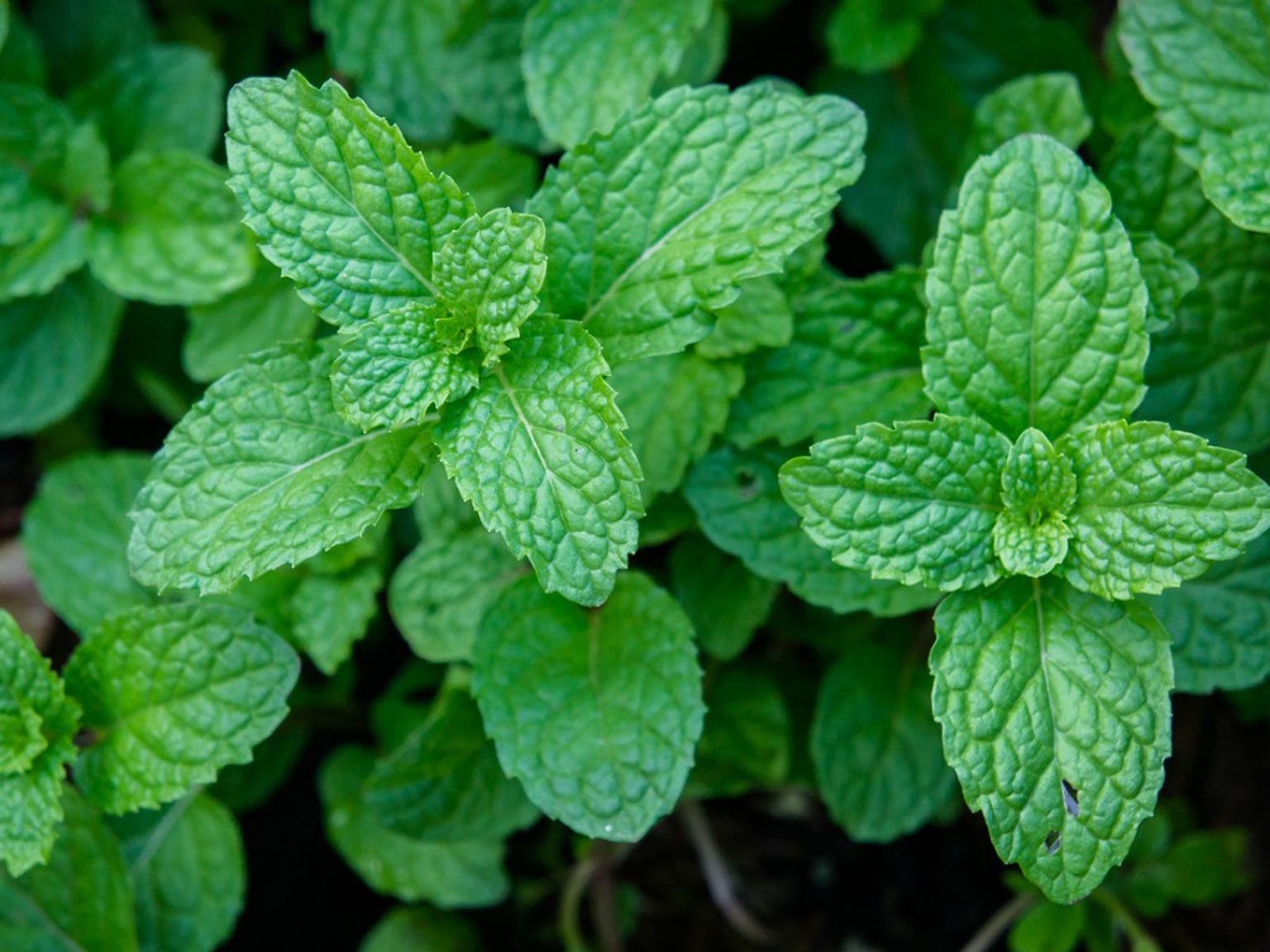
So why peppermint? No one really knows, other than it’s a natural plant full of natural benefits. Scientifically, peppermint is actually a hybrid mint, meaning it’s a cross between water mint and spearmint. It contains way more menthol than spearmint and enjoys widespread cultivation worldwide. Even in my mom’s flower beds in Santa Fe when I was growing up, which I would eat straight off the stem. I can literally smell the photo above if I close my eyes.


It’s actually easy to grow and will grow almost anywhere. It develops best moist places with part-sun to shade and a good supply of water. Being that it’s a hybrid, it’s typically sterile and doesn’t produce seeds. It grows “like a weed” though by spreading its branches, meaning each new plant grows from a fragment of the parent plant.


So, there you have it. Anything and everything you knew or didn’t know about candy canes and the healing qualities of peppermint. What’s not to love, right? Now where did I hide that peppermint bark?