
 It’s no secret I’m very traditional and love a good tradition. A few days ago I wrote all about candy canes, including their history and their story. Today I’m continuing the traditions and “why” theme, including some fun facts about many of the things we hold near and dear to our Christmas hearts. Let’s start with a simple greeting.
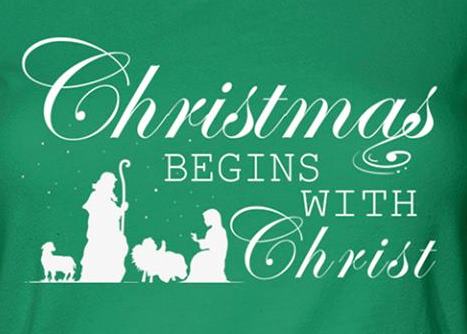
Tis the season for seeing “Merry Christmas” and all things Christmas everywhere. Sadly, you also often see the word “Christmas” shortened and referred to as “Xmas,” which has always irked me. In my thinking, doing so literally removes the real meaning of Christmas: Christ. But, I’m happy to report that there’s a somewhat acceptable explanation for it.
Apparently, the X in Xmas doesn’t replace “Christ” from the word with the English letter X, but rather with the Greek letter “chi,” which looks like the English letter X. Chi is the first letter in the Greek word that we translate as “Christmas” and ancient Christians would abbreviate it by using only the first letter of it. They meant no offense and coincidentally, the letter also resembles a cross.
I still much prefer “Christmas” over “Xmas,” but am happy to learn the origins of the latter meant no disrespect to why we celebrate Christmas. Amen!
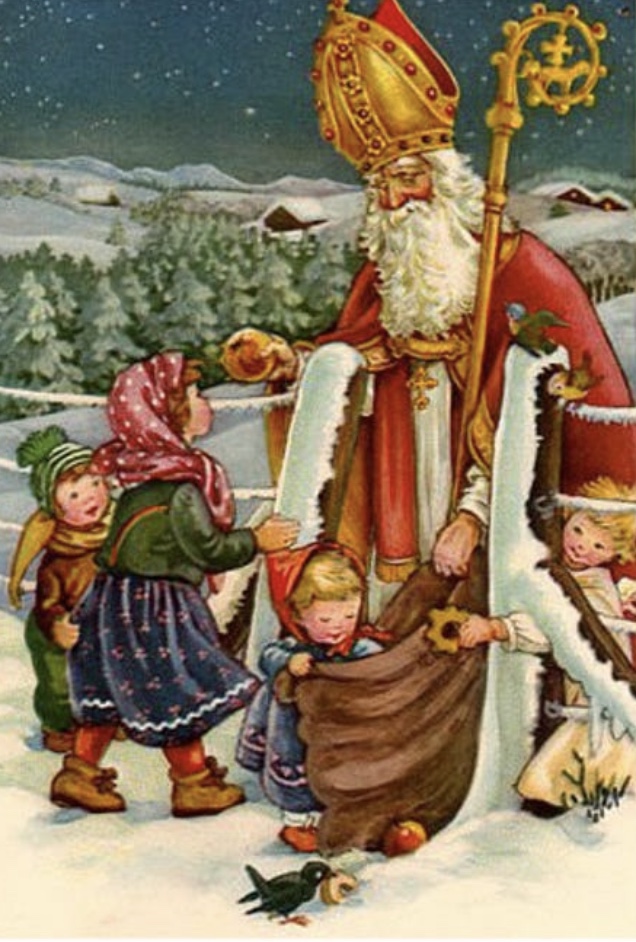
Now let’s talk about St. Nick, or better yet, St. Nicholas. Catholics and others celebrate the Feast of St. Nicholas each December 6 and he is widely considered the “first Santa.” Nicholas, a real person, wore a red coat like Santa, had a beard, and loved to share and give. He’s also mentioned in the classic “The Night Before Christmas.” Who knew?!
A very rich and generous man, Nicholas heard about a family that didn’t have enough money to buy food so he snuck onto their roof and threw some gold coins down their chimney. The coins landed in their stockings, which were hanging over the fire to dry. This, my friends, is why we hang stockings on fireplaces and put treats in them!
St. Nicholas is said to be represented by Christian artists more frequently than any saint.
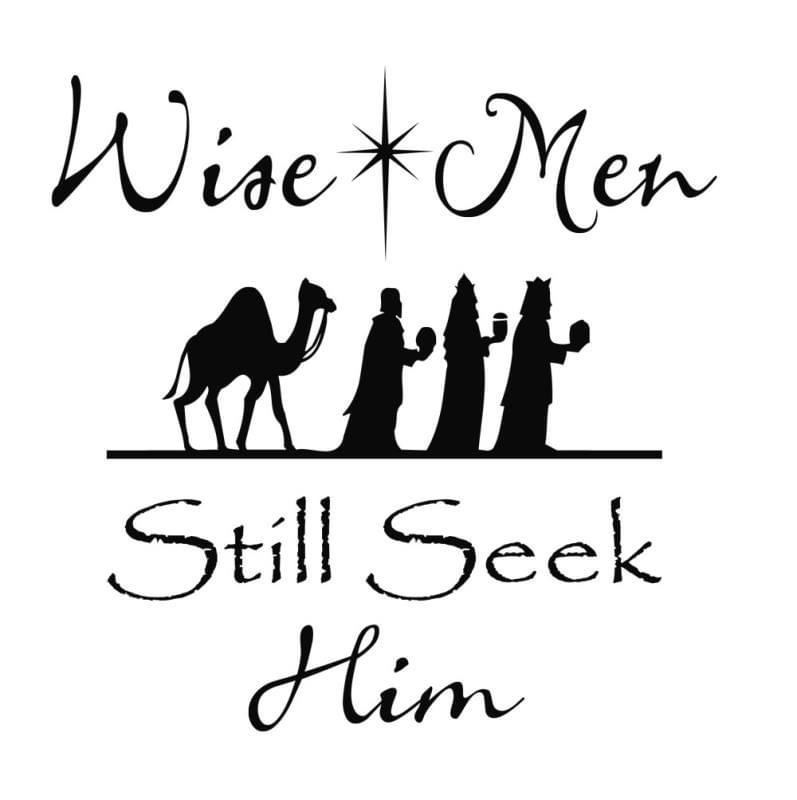 So that’s why we hang and fill stockings, but just why do we give presents for Christmas? Well, think of the Three Kings/Wise Men. And although we probably don’t give gold, frankincense, and myrrh to family and friends, by exchanging gifts we model their generous act. We all know what gold is, but what exactly are frankincense and myrrh and why were they given to Baby Jesus?
Even back then, gold was considered a royal metal, signified Jesus’ Kingship, and was literally a gift fit for a King. Frankincense is the gum or resin of the Boswellia tree, used for making perfume and incense. It was one of the ingredients God instructed the Israelites to use in making the pure and sacred incense blend for the most holy place in the tabernacle. It was a precious spice with great significance and worth in ancient times and considered a symbol of prayer between God and man. Myrrh is an expensive spice used for making perfume, incense, medicine, and anointing the dead. It signified Jesus would ultimately have to die for the salvation of all and frequently appears in the Old Testament, primarily as a sensuous perfume in the Song of Solomon.
Our daughter Kristen has always and to this day only received three presents from us at Christmas and for good reason other than avoiding then piles of presents kids ask for and receive. Think about it: if three gifts were good enough for Jesus, they are certainly good enough for the rest of us.
 In many Western Christian churches, including most Catholic and Lutheran parishes, the season of Advent is celebrated before Christmas. The word “advent” comes from the Latin word that means “coming” and during Advent, Christians patiently await the coming of their Savior, Jesus Christ.
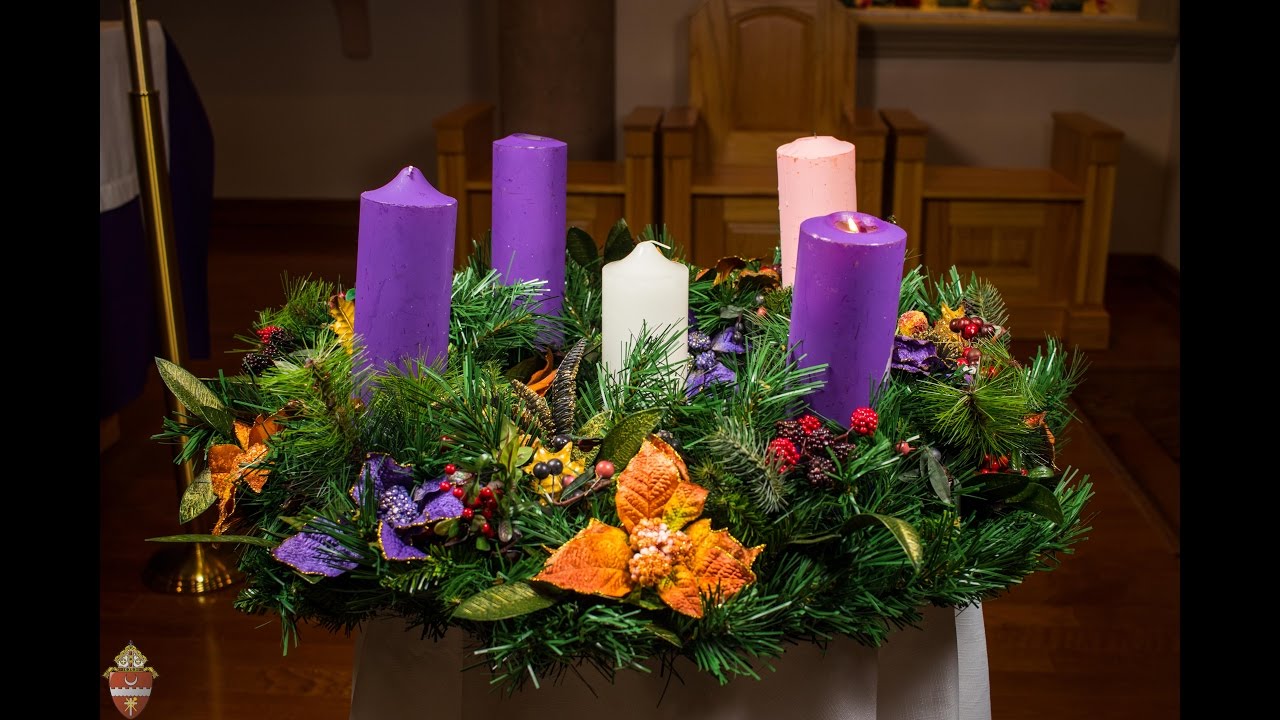
Both Advent wreaths and Advent calendars are popular ways to celebrate the weeks leading up to Christmas and make for fun craft ideas for kids and families. An Advent wreath is made up of various evergreens formed into a circle, representing continuous life and God’s infinite love for us, and four candles (three purple and one pink) that represent the four Sundays of Advent and Christ being the light of the world.
On the first Sunday of Advent, four weeks out from Christmas, a purple “Prophet’s Candle” is lit as we focus on Hope and Jesus’ coming. On the second Sunday of Advent another purple candle, called the “Bethlehem Candle” is lit and symbolizes Peace while also reminding us of Mary and Joseph’s treacherous journey to Bethlehem. The sole pink candle is lit on the third Sunday of Advent and is called the “Shepherd’s Candle” reminding us of Joy and the birth of Jesus. On the last Sunday of Advent, a purple “Angel’s Candle” is lit and symbolizes Love. Some Advent wreaths also add a fifth larger white “Christ Candle” in the middle, which is lit on Christmas. Advent officially ends on Christmas Eve.
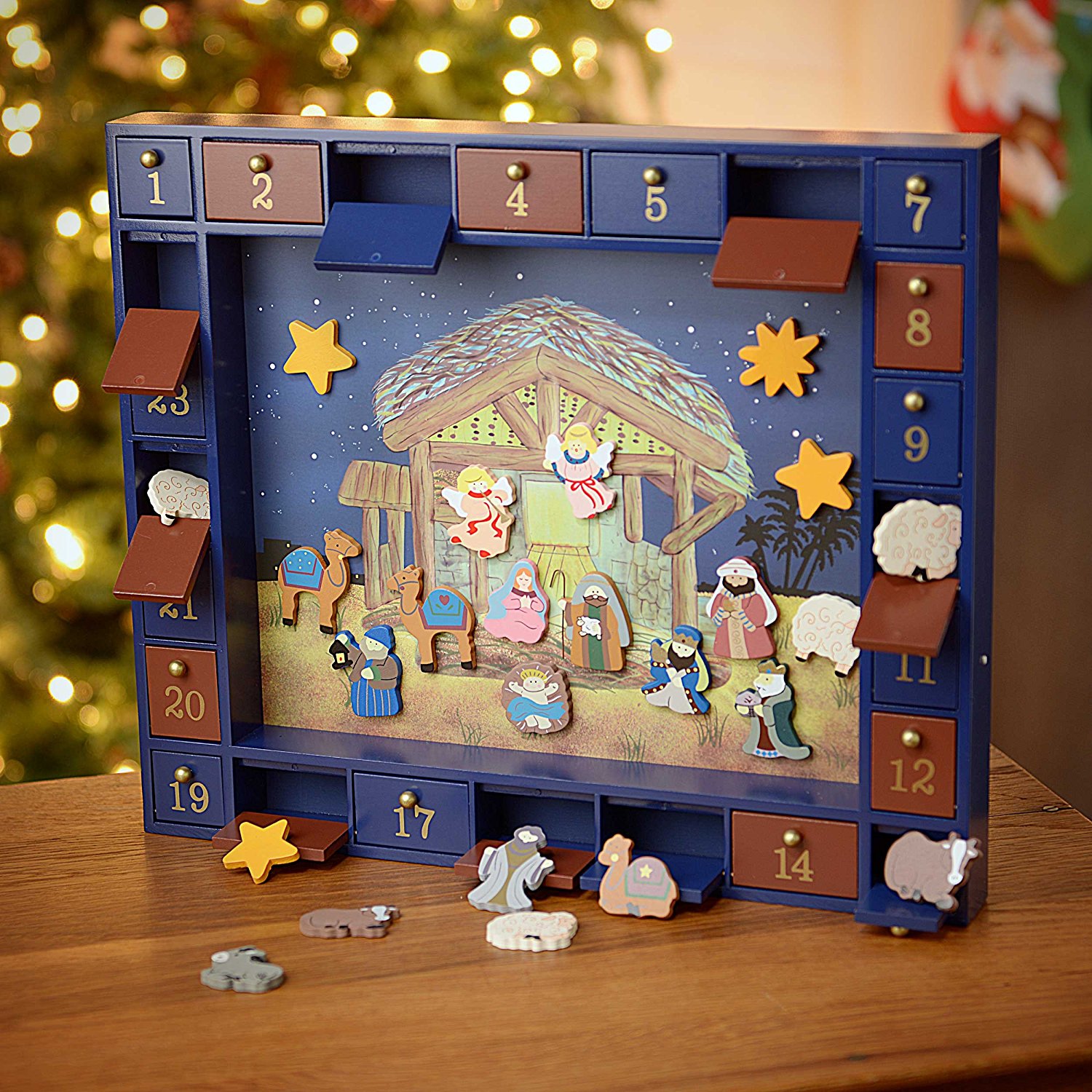 An Advent Calendar is a fun and popular children’s activity and great teaching tool. They teach children to the true meaning of Christmas while teaching them to be patient and focused as we wait and prepare for the coming of Jesus Christ.
Advent calendars count down the 24 days of December ending on Christmas Eve and are believed to have been created by Christians in the early 19th. The first known Advent calendar was handmade in Germany in 1851. Many Advent calendars display a colorful nativity scene with little numbered windows or doors that open to reveal a symbol of Advent or Christmas. Some even have chocolates or other treasures hidden behind each flap.
Growing up my family didn’t really celebrate Advent and my childhood home never had an Advent wreath or Advent calendar. Although the Advent calendar is a relatively new way to count down the days until Christmas day, celebrating the Advent season is an ancient Church tradition established long ago in the liturgical calendar.
 And now, just for grins, how about some fun reindeer trivia and facts?
All of Santa’s reindeer were female because only female reindeer keep their antlers in December.
Reindeer are one of the only mammals that can see UV light, allowing them to see predatory polar bears against the snow and lichen, that fungi, moss-like plant they eat.
Caribou is simply the North American name for reindeer.
As the name suggests, reindeer are a species of deer and the only deer species in which both males and females can grow antlers. Yes dear…um deer!
Do you know the names of all of Santa’s reindeer? Dasher, Dancer, Prancer, Vixen, Comet, Cupid, Donner, Blitzen, and the most famous reindeer of all, Rudolph.
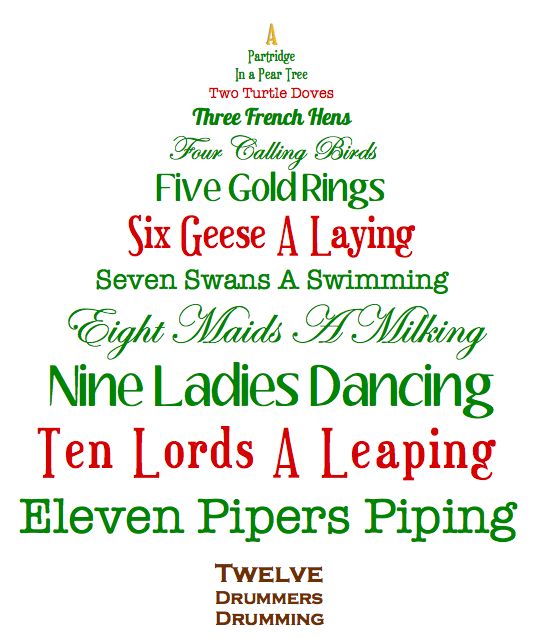
Let’s end with a song. We’ve all heard one particular one, have sang it many times, and probably know all the words by heart but what in the world are we talking about with “maids a milking,” and “lords a leaping?” They’re all part of the famous “Twelve Days of Christmas” carol but they don’t signify the 12 days before Christmas as many believe and they have a Christian origin.
The celebration behind the tune started back in the Middle Ages as a way to mark the days between Christmas Day and the Feast of the Epiphany on January 6. From 1558 to 1829, Catholics in England were forbidden from openly practicing their faith so a song of 12 days was written as a catechetical tune that included hidden meanings of the faith. Secretly and on the down low, the verses reminded believers of some of the tenets of their faith without being overtly religious. This way, they could be sung without fear of punishment.
 On that “note,” here are what the “Twelve Days of Christmas” symbols symbolize and the reasons we sing them this season:
First Day: A partridge in a pear tree. Jesus. Mother partridges are known to pretend they are injured as a way of keeping predators from their helpless nestlings, much like our Lord protects us.
Second Day: Two turtle doves. the Old and New Testaments in the bible.
Third Day: 3 French hens. The 3 Wise Men; the Father, Son, and Holy Spirit; and the 3 Theological Virtues; faith, hope, and love.
Fourth Day: 4 calling birds. The four evangelists – Matthew, Mark, Luke, and John – and their four gospels.
Fifth Day: 5 golden rings. The first five books of the Old Testament: Genesis, Exodus, Leviticus, Numbers, and Deuteronomy. Also called the Pentateuch, from the Greek words for “five” and “books,” they are meant to answer the basic questions of life and its origins.
Sixth Day: 6 geese a-laying. The six days of creation.
Seventh Day: 7 swans-a-swimming. The seven Gifts of the Holy Spirit: wisdom, understanding, counsel, fortitude, knowledge, piety, and fear of the Lord as well as the seven Sacraments: baptism, confirmation, Eucharist, reconciliation, anointing of the sick, holy orders, and matrimony.
Eight Day: 8 maids-a-milking. The eight Beatitudes given to us through Jesus in the Sermon on the Mount.
Ninth Day: 9 ladies dancing. The nine Fruits of the Holy Spirit: charity, joy, peace, patience, kindness, goodness, generosity, gentleness, faithfulness, modesty, self-control, and chastity.
Tenth Day: 10 lords-a-leaping. The 10 Commandments.
Eleventh Day: 11 pipers piping. The 11 faithful apostles: Simon Peter, Andrew, James, John, Philip, Bartholomew, Matthew, Thomas, James, Simon, and Jude.
Twelfth Day: 12 drummers drumming. The 12 points of the apostles’ beliefs and their creed.
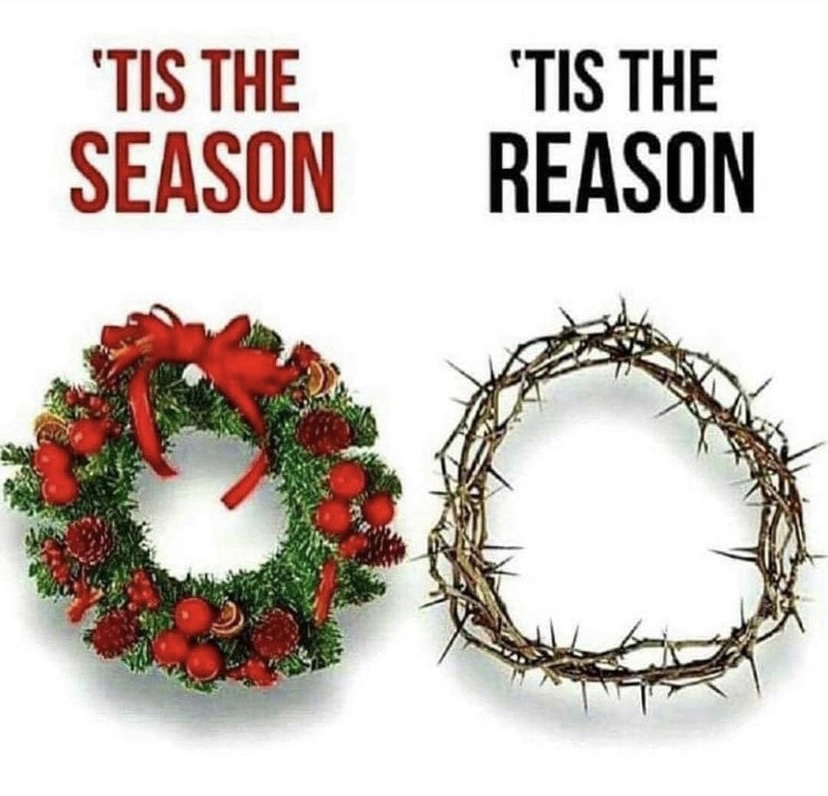
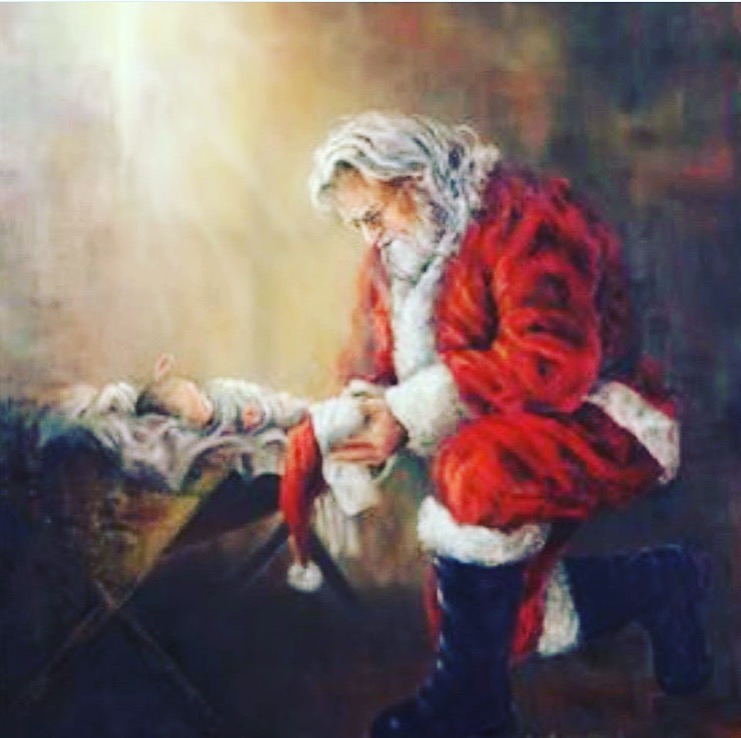 All of these things explain some age-old traditions and also demonstrate the true meaning of Christmas. It breaks my heart to see the real reason for the season become increasingly commercialized and secular, and my hope is that by sitting back and understanding exactly why we have days off in December and why stores love this time of the year, we will realize that there is so much more to it all than just time off, shopping, and Santa. I have hope.
Discover more from Beyond Words
Subscribe to get the latest posts sent to your email.


