I enjoyed a regular quarterly brunch with former co-workers and friends of more than 40 years this past week and yeah, I did it. Yeah, I shared away, laughed away, listened away, and loved away but I also did something many would frown upon: I substituted the vinaigrette dressing that came with my salad and went with ranch dressing instead. Yep, good ole ranch. Who doesn’t love it and how did we survive without it?
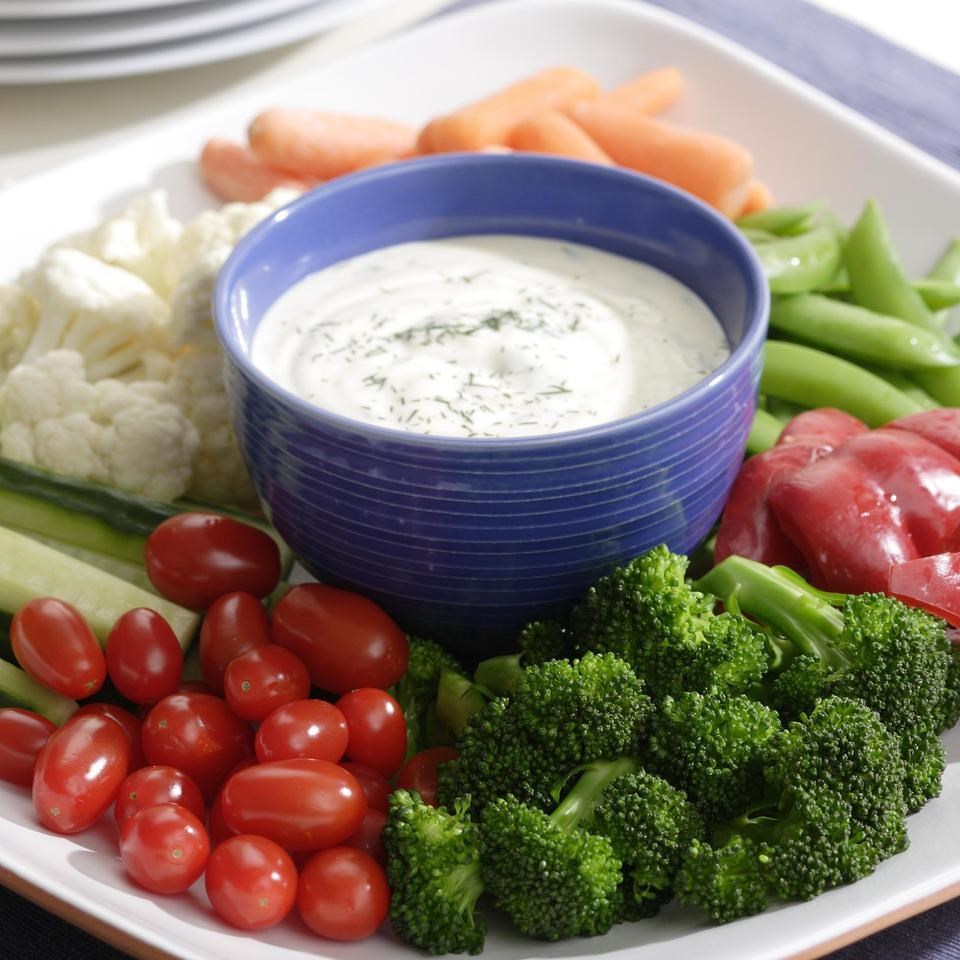 I can pretty much eat it with anything and everything. Of course salads but also raw veggies, fries or chips, and don’t tell anyone in Buffalo, but I do like it with my wings…along with the standard Bleu Cheese…and pizza crust dip. I like it so much that a golfing buddy of mine who I see weekly orders some with her lunch just to share it with me. Now that’s a friend!
So, how did we live without it? Growing up, dressings in our home were homemade French, Thousand Island, or vinegar and oil. As much as I loved my mom’s makings back then, today I’m saying thank you to another salad dressing maker: Steve Henson.
Considering the fact that ranch dressing is a southern staple, it’s only appropriate that it was a plumber-turned-cowboy that started it all. Nebraska native Henson found himself in Alaska doing contract work in the 1950s, including that of part-time crew cook. Fresh and varied ingredients were hard to come by so Henson created something his crew members loved using dried herbs, spices, and powdered milk. That simple but the rest is salad dressing history.
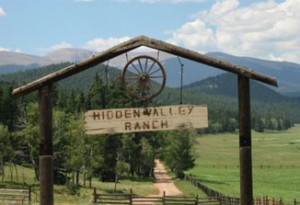 By 1954 Henson and his high school sweetheart and wife Gayle were able to retire on 120 acres outside of Santa Barbara, California and started a dude ranch. They named it “Hidden Valley” and guests loved the steakhouse, outdoor activities, and homecooked meals, but it was the delicious salad dressing that they left talking about. It wasn’t long before they hounded Henson for jars of it to take home.
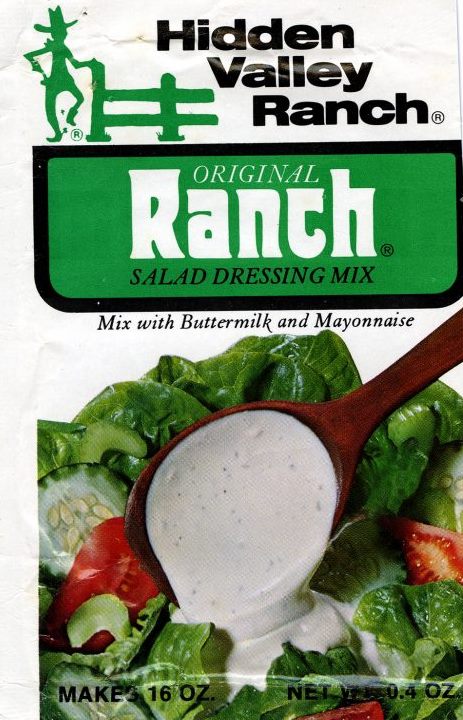 The demand was so great that the Hensons started a mail order business that led to packets of the dressing being sent all over the country. Eventually the tangy concoction showed up in grocery store aisles and salad bars across America. Henson passed away in 2007 and Gayle in 1993, but their ingenuity and hard work paid off when In 1972 they sold Hidden Valley Ranch to Clorox for $8 million.
So, what is it about that creamy herb bottle of yumminess that’s a requirement at parties, tailgates, open houses, and events of all kinds and today has a cult-like following? Number one, it’s just good. Yeah, it may be considered gauche or icky by many, but you know you love it.
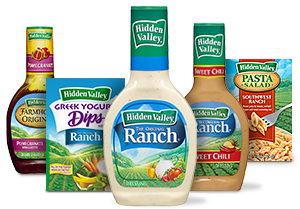 Today, the creamy concoction is America’s most popular salad dressing and is sold in more than 30 countries where it is often called “America’s Dressing. In fact, 40 percent of Americans consider ranch their favorite dressing and Hidden Valley Ranch products generate nearly $500 million in annual revenue.
Every brand has its version of ranch dressing but connoisseurs are loyal to Hidden Valley. I know I am. Its ingredients are not unique, with Caesar dressing, French Onion dip, and even alfredo pasta sauce sharing similar makings. By the 1980s, ranch dressing was available in grocery stores everywhere but things really began to take off in 1986 when popular brands started branding their products as “ranch” products, starting with Cool Ranch Doritos. I’m not a fan of them but millions were and are.
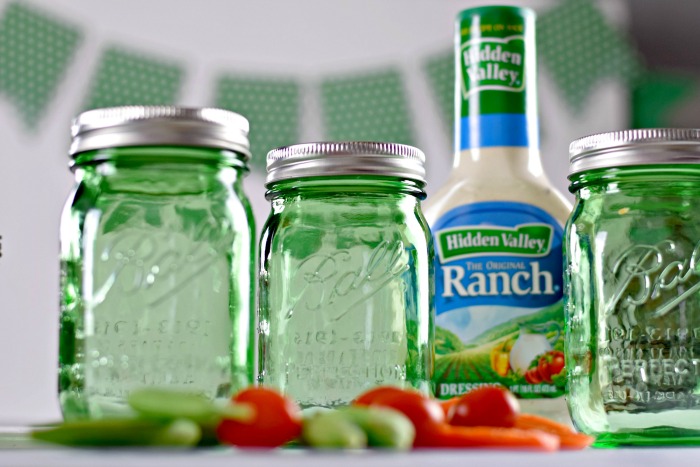 And it’s not all bad or unhealthy when it comes to the original thing. According to their website, many Hidden Valley products are gluten free and the company has a program where all products undergo schedules and rigorous testing. In addition, all products are manufactured in facilities with stringent allergen control programs to prevent cross-contamination, Finally, Hidden Valley Organic Ranch is made with USDA-certified organic and National Organic Program compliant ingredients and is made in the USA! What’s not to love?!
One question I’ve always had and maybe you do too is what’s the difference between the “salad dressing mix” and the “dip mix” and are they interchangeable? The answer is yes, depending on the texture you’re looking for. If you prefer a thicker dressing, use the dip mix. If you’re looking for a more pourable dressing, use the dressing mix.
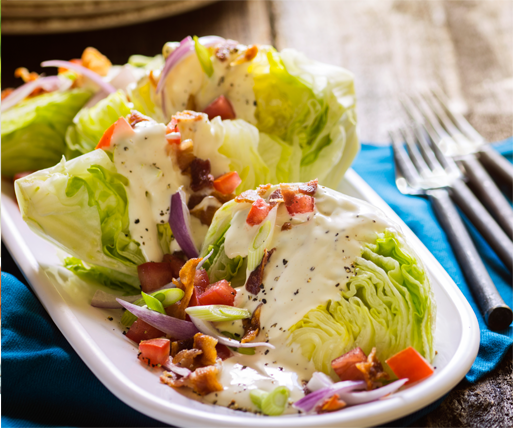 Today Hidden Valley Ranch is a household name and is way more than something to drizzle over your salad. It’s an institution and a way of life for many. Just search “Ranch Dressing” on the internet and a slew of recipes will show up as well as countless videos and tutorials. I can’t help but wonder what cowboy Steve would think of his resulting empire and I’d venture to guess that a large percentage of American refrigerators have a bottle of it inside right now. As they say, you either love it or you really love it.