Beyond Words

Words, Wit and Wisdom for Today's Style and Decision Makers

1 Corinthians For Christmas December 18, 2016

Filed under: Uncategorized — carlawordsmithblog @ 10:11 pm

xxxfirst-corinthians


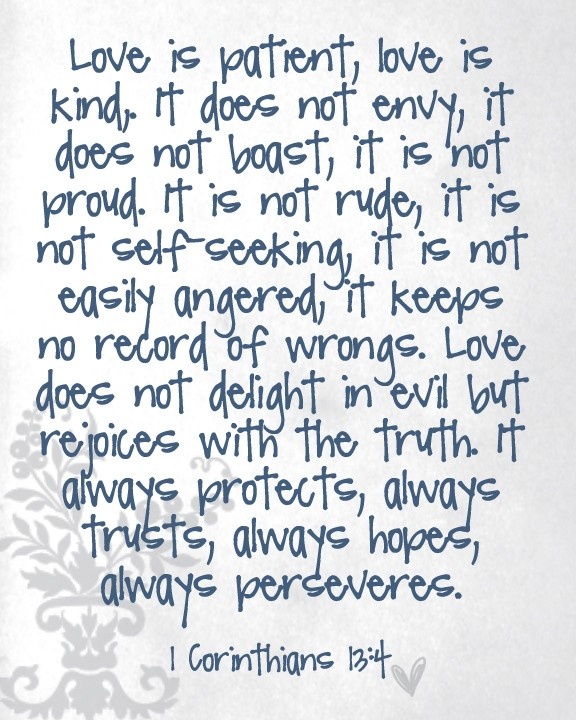
It is one of most popular readings from the bible and is often quoted in both secular and non-secular worlds. It talks about being patient, kind, and honest and not being envious, proud, or rude. It was read during my wedding and I had to memorize it to be initiated in my college sorority. It is, 1 Corinthians:13. So many of us have heard it, know it, and love it. But, did you know there is a Christmas version? It’s not found in the bible, but it’s well worth a read. Enjoy!


christmas-love


1 Corinthians 13 Christmas Version


If I decorate my house perfectly with strands of twinkly lights and shiny balls

but do not show love to my family, I am just a decorator.

If I slave away in the kitchen baking dozens of Christmas cookies and arranging on a beautifully

adorned table but do not share the true meaning of Christmas, I am just another cook.

If I volunteer at a soup kitchen, carol in a nursing home, and donate to charity

but do not demonstrate simple kindness to strangers, it profits me nothing.

If I attend holiday parties but do not go to church, I have missed the point.

Love stops cooking to hug a child.

Love sets aside decorating to kiss a spouse.

Love is kind during the holidays though harried and tired.

Love doesn’t envy another’s home that has coordinated Christmas china,

perfectly strung outdoor lights, or a flawless tree.

Love doesn’t ask family to get out of the way but is thankful they are in the way.

Love doesn’t give only to those who are able to give in return or those on our lists,

but rejoices in giving to those who can’t and those who aren’t.

Love bears all things, believes all things, hopes all things, and endures all things.

Love never fails, even at Christmas.


Strike A Pose

Filed under: Uncategorized — carlawordsmithblog @ 5:27 am

beach-frame


This blog post is most likely too late to be of benefit for your Christmas card photos, but hopefully it’s not too late for holiday party and family get together photos. In either case, fasten your phone cam seat belts; it’s photo season! The stockings are hung with care, presents have been bought using much thought, but what about photos? You want to be ready for them too. What’s your best angle? What’s the best way to pose? It’s all right here. Just read on!


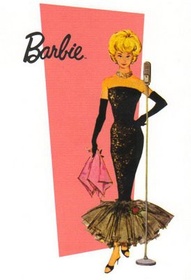
Everywhere you go people are taking photos, mostly with their phones. Group photos, scenic photos, food photos, and of course, selfies. Sometimes I look at photos of me and think, “Eeeww. That was a horrible way to pose!” Other times I think, “Hmmm…not too bad!” So what gives? What makes that all important “to post or not to post” difference?

xbarbie


In a nutshell, you might say half of it is your body type and what you wear and the other half is how you angle that body and clothing toward the camera. It goes without saying that you should try to face a light source (rather than have it directly overhead for example) and that whatever is closest to the camera will look the biggest, but there are also other tips you can bank on, including these simple rules of thumb:


  • Stand tall and stand up straight. Slouching is both unflattering and makes you appear unsure of yourself.
  • Relax! Unless you’re a model or a millenial, you probably don’t like having your picture taken, but when you do, relax. Don’t tense up or try too hard, and don’t forget your hands. Keep them soft and natural.
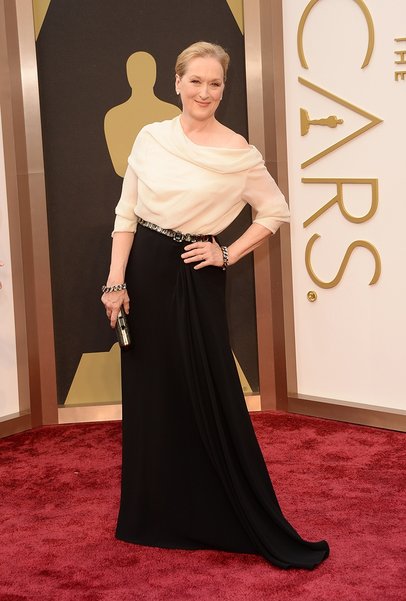
  • Put your hand on your hip. Yes, those millennials were onto something when they patented this move as it really does slenderize your arm (as long as that arm is either thin to begin with or covered up if on the bigger side) and creates that relaxed feeling discussed above. But, as with anything, don’t overdo it in every photo you take. Pick and choose. Here are some examples of celebs of all shapes, sizes, and ages doing it best:

blake-at-2014-cannes octavia-spencer1 taylor

merly  xreese  charlize-theron-oscars

  • Twist your body slightly to the side. I have trouble with this one, as I don’t want my backside in a photo and unless I do the twist just so, I am anything “butt” happy with the shot. Still, remember that straight-on shots show you at your widest so practice this move and get it down.
  • Angle your chin up and out, which will help elongate your neck.
  • Pull your shoulders back. This will make you look taller and also more polished and poised.
  • What you wear matters. Dark clothing can slenderize you but bulky clothing won’t. You may think your hiding your flaws but you just might be making yourself look heavier than you really are.
  • If sitting, cross your ankles, not your knees and if standing, place one foot slightly in front of the other and turn one hip out just a smidgen.
  • Keep your arms away from your body. The goal is to create space between your arms and your torso. This is something you really need to practice as you don’t want to look unnatural.
  • Practice your smile. You don’t want to look silly and you want to look natural. This is another area that’s hard for me. If I smile too big, my eyes squint and appear too small but if I “soft smile” I feel I look a bit put off. I’m working on this.
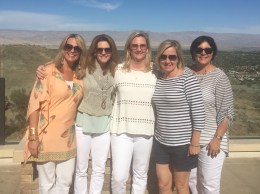
  • Stand in the middle of a group. This way, you can slightly turn into or lean behind someone next to you and essentially crop out some of your body. Another option is to stand at the end, which I’ve discovered allows the cropping out of what you don’t like. Here’s me doing both on my annual college girls trip last year:


ritz-group


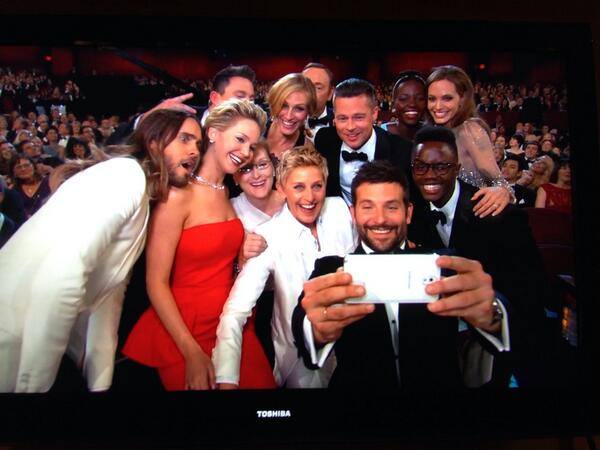
Smile! It’s a Selfie!

oscar-selfie

You can thank selfies and Instagram for much of this. I still cannot take a good selfie for the life of me, but I do love Instagram. I also love all the filters Instagram offers! Don’t like the lighting or color of a photo you take? There’s a filter that can fix that. Trust me, most of those fabulous photos you see on-line have been filtered and doctored and doctored some more. If it’s a celebrity pic, it’s also more than likely been photoshopped. No star is that perfect, no plate of lasagna looks that great, and in no group shot does everyone look that fabulous. Filters help, but apparently an old school product does as well.


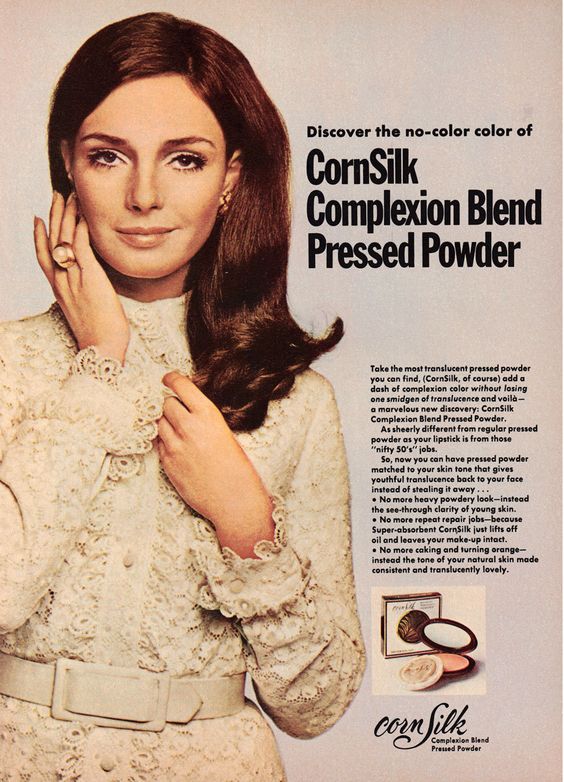
corn-silk-ad

Does anyone remember Corn Silk powder? The ‘60s classic is making a comeback, all because of its ability to make women “selfie ready.” Right in line with Ponds cold cream and Dove beauty bars, Corn Silk is all the rage. It’s kind of ironic that an inexpensive beauty product from 50 years ago is revolutionizing the latest and greatest in technology.


Make-up artist to the stars Aimee Adams swears by it and told London’s “Daily Mail” many of her peers are also obsessed with the product because “it takes all the oiliness off but it gives you a real glow. It never goes on cakey.” This apparently is similar to the flattering soft-focus Instagram filter and proves once again the more things change the more they stay the same as Corn Silk’s ads claimed to “keep you looking great long after ordinary pressed powder lets your make-up go all melty and muddy.”


Made with supernal walnut powder and real silk, Corn Silk powder comes in both loose and pressed powder versions. Fans of it say it’s super soft and absorbs oils, reduces shine, and doesn’t leave your skin looking over-powdered or cakey. Perhaps best of all is that Corn Silk is way more affordable than high-end alternatives, which is just one reason it’s one of Amazon’s best-selling face powders. Adams, who has worked with the likes of Elle Macpherson, British royals, and Helen Mirren, says “It looks like you’ve been filtered. It’s the kind of look people now try to get by using filters on Instagram.” Sounds picture perfect to me!


Put Your Coat On! December 6, 2016

Filed under: Uncategorized — carlawordsmithblog @ 2:46 am

north-face


In most parts of the country right now the weather ranges from somewhat mild to downright cold. In either case, you may not need a North Face  but some type of jacket is both a comfort necessity and a style element so why not be fashionable in your outerwear rather than frumpy?


coatThink about it, your coat makes a major first impression for you and of you. When you enter a room, office, store, airport, or wherever, your coat basically tells others a lot about you. Are you traditional, funky, chic, casual, trendy, or maybe even flirty? What you wear over your clothes will answer that question, and more.


The legendary Diane Von Furstenberg was once asked how to freshen up a boring wardrobe without replacing it in its entirety and she replied, “A statement coat. Try something in a bright color or print to wake up your entire look.”


I’m a big fan of double-breasted wool coats, quilted car coats, barn jackets, trench coats, pea coats and any coat with toggle buttons. Most of these are basic, traditional pieces, especially the trench.


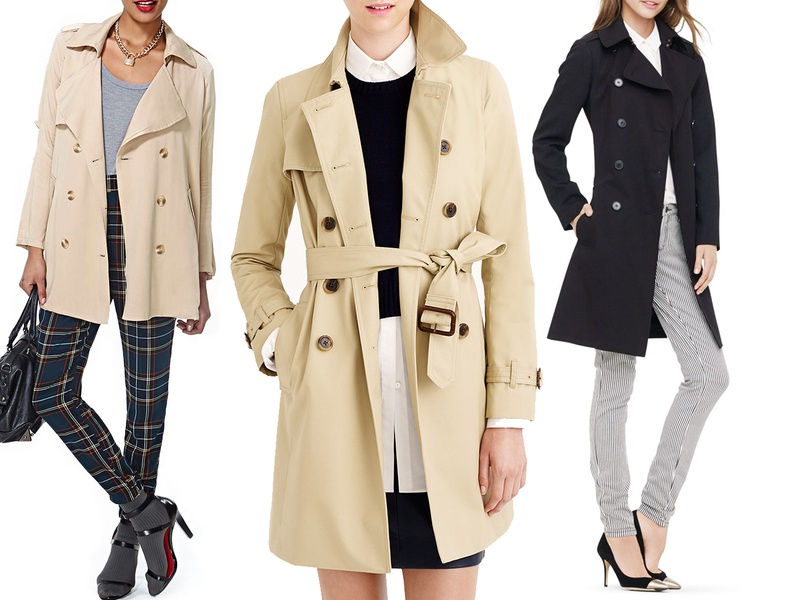
trench-coats-under-400

In The Trenches

Trench coats are great light weight choices for those of us in non-frigid areas. Most are warm enough and many are waterproof. They are also timeless.


“A cocoon silhouette or tailored trench that hits at or below the knee works for day or night,” Von Furstenberg told “InStyle” magazine. “It’s such a versatile piece. You might even want to splurge a little on one.”


If you can splurge, think Burberry.


London-based Burberry is credited with creating the first trench more than a century ago. Its original version, known as the Sandringham, is still around today and through the years other versions have been seen everywhere from battlefields to Hollywood.


macarthur_and_henshaw


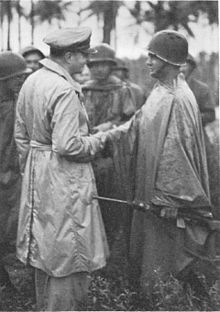
Back in 1879, Thomas Burberry invented a revolutionary breathable and waterproof fabric called gabardine. Although lampooned in the 1980s, the much-maligned fabric is still the material of choice for trench coats and was a key reason they were given to British officers during WWI. Burberry supplied British troops with half a million of them over four years of battles and the coats returned to the frontlines in 1939 during WWII. America’s Douglas MacArthur was often photographed wearing one, as shown above.


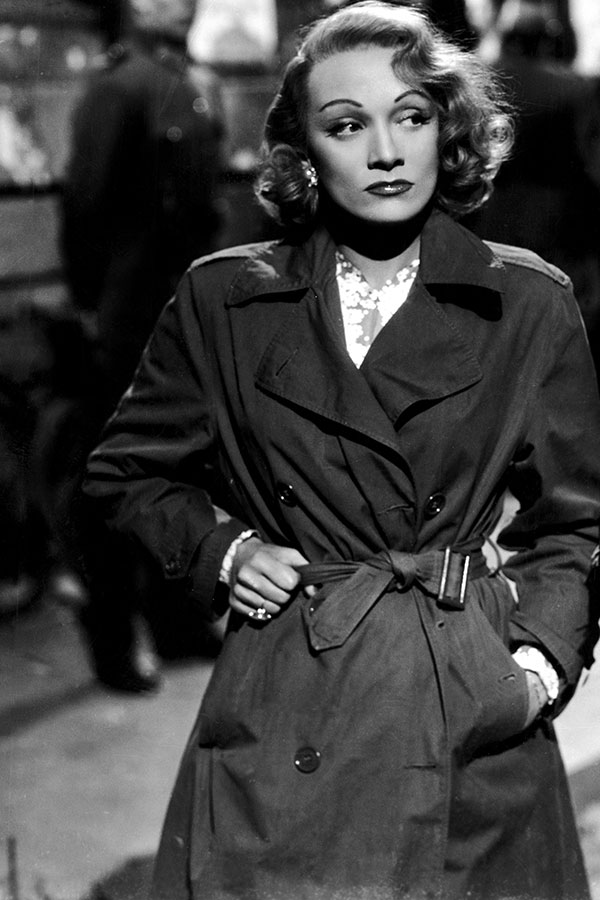
marlene-dietrich-xln bogart-in-maltese-falconPractical yes, but they became fashion staples thanks to Marlene Dietrich and Humphrey Bogart in the 1940s and again when Audrey Hepburn and George Peppard donned his and her versions in the final scene of “Breakfast at Tiffany’s.” From screen royalty they achieved real life royalty status when none other than matching Burberry trenches were worn by Prince Charles and Princess Diana in 1983. More recently Kate Middleton sported a stunning white wool Burberry trench in 2011. The version sold out in one day.


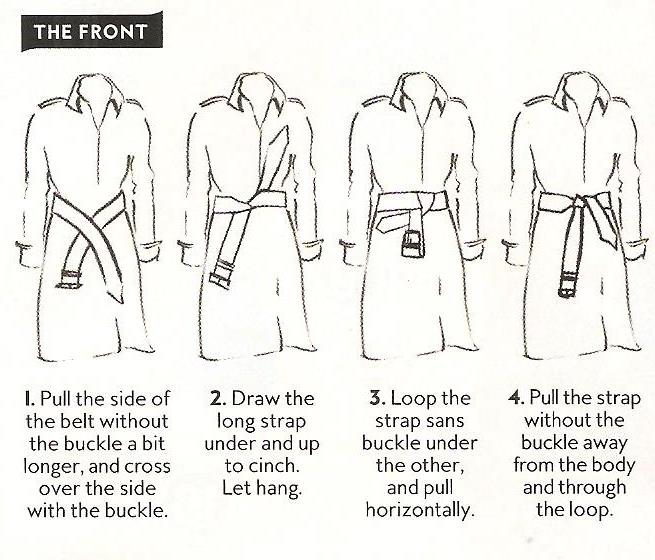
So what’s so great about a trench coat? Many of the qualities that protected soldiers make for civilian comfort and durability. Take for instance the collar, which can be “popped” to keep the cold out or kept down for style. Then there’s the “gun flaps” right above the breasts. Originally designed to keep moisture from flowing into the coat after a soldier fired his rifle, today they serve mere civilian in much the same way. Epaulets originally used to display rank insignia today keep your shoulders looking square and sharp while the sleeve’s belted buckles can easily be tightened to keep out the elements. Belts are a trademark as are back vents, which allow for movement and comfort. How you tie the belt is up to you but here’s a little help from “InStyle.”


                        trench-front        trench-back


So, what should you look for in a trench? The right cut and proper shoulder fit are essential. If you think you’ll be wearing the coat over blazers or heavy shirts, choose a trench with a raglan sleeve. Length is also important. Coats cropped just below the hips are best for more petite figures while taller ladies can easily get away with versions that fall below the knees. Double-breasted is the classic cut, but curvy women might want to go for a more streamlined single-breasted silhouette. Finally, make sure the coat fits you well in the body and in the sleeves. Trenches that are to big will make you look sloppy and sleeves should fall about half-way down the hand.


Something else that makes the trench coat stand alone is that, even though there are many colorful and patterned varieties available, the classic coat has remained true to its khaki heritage and has never really gone out of style. Whether it was welcomed by women wearing trousers for the first time in the 1940s, taking on First Lady chicness in the 1960s, or easily mixing with today’s blend of feminity and masculinity, it is still considered by many a stylist as the go-to outerwear piece for women of all ages.


All Puffed Up

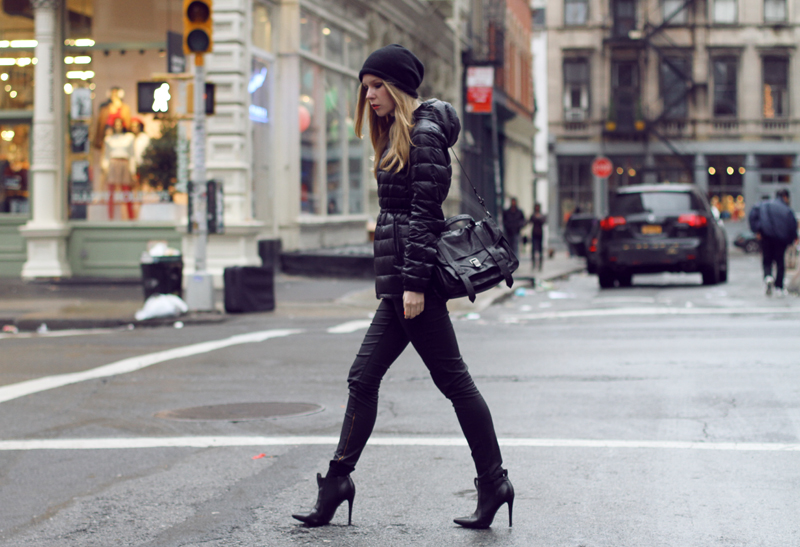
puffer-coat-heels-street-styleA style that is somewhat new and trendy is what is dubbed “puffers.” Although I remember wearing down coats back in the ‘70s, today’s versions are more fitted and less dough-boyish. The down or synthetic-filled channel style coats filling racks and magazines everywhere have been steadily gaining popularity and even recently graced runways, essentially sealing their fashionista status. Everyone from Chanel to Balenciaga showed them and you are sure to see them everywhere this winter.


Puffers are, for the most part, casual toppers. You may find versions that could perhaps go over a dress and knee-high dress boots, but you’re more likely to see them worn with jeans or leggings. What’s great about them is that they are warm and waterproof but also lightweight and packable. Many even come with their own little pouch to pack them in!


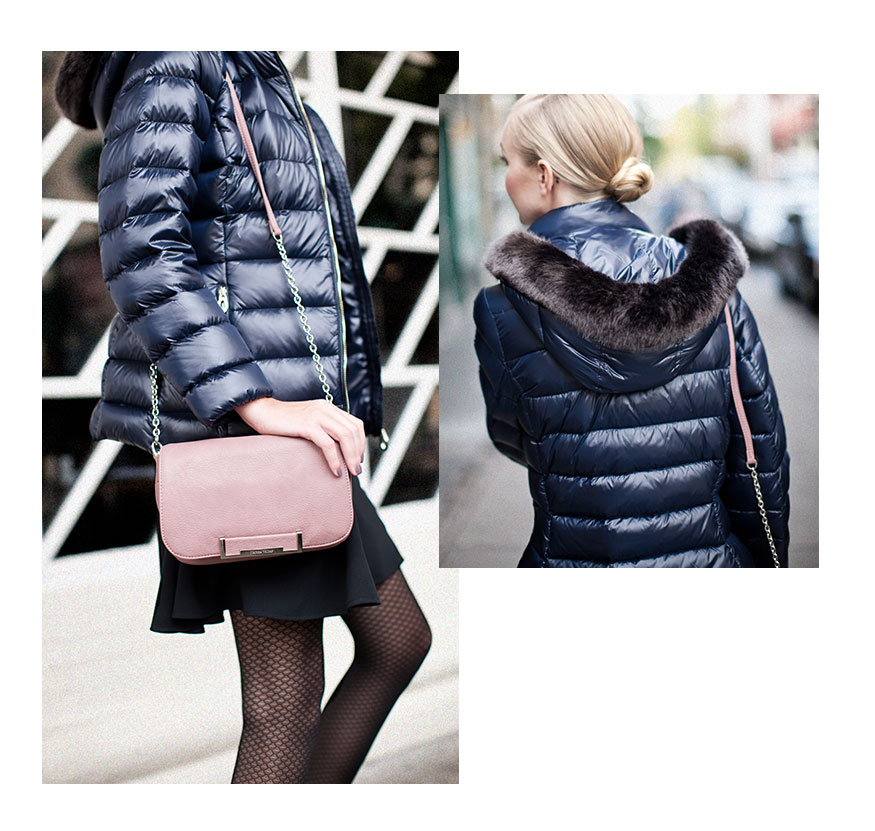
puffer-jackets-runway-embedSo, how do you choose one to fit your needs and budget? First, decide what those needs are. Do you need water resistant but mildly warm or do you need something to keep you both dry and warm in even the coldest of temps? Whatever the case, consider what your puffer is filled with. Then decide how much you can spend. There are many affordable options so don’t break the bank if the bank is on a budget.


As “InStyle” magazine recently reported, when it comes to insulation, natural isn’t always better. Most people will say they prefer superfine goose or duck down but wool and cotton may offer more warmth for the weight. They also pack nearly effortlessly. Synthetic materials can also prove the better choice in wet conditions, as down often loses its ability to insulate in damp conditions. Down will also more than likely be the more pricey choice.


You also want to pay attention to the coat’s “fill power rating,” which is basically how many cubic inches one ounce of down or filler occupies in the jacket. The lower the number, the lighter weight the coat but also the less warm.


ivanka_trump_puffer_coat2


You’ll find puffer coats everywhere, from Target to Costco, Nordstrom to Neimans. You’ll also find them in every color and in various lengths. Details are as important as filler. Look for fleece-lined pockets, a tall collar and maybe even a removable hood, and pay close attention to what the outside of the coat is made of. Polyester, cotton, and nylon are usually windproof and you’ll want a water-resistant coating to keep you dry.


Caring for your puffer is a matter of what you buy. Some are machine washable but others aren’t. Check the tags! If, or should I say when, your puffer loses its puff, simply put it in the dryer and run it on no heat with a tennis ball for around five minutes. When you’re done, go ahead and throw your feather pillows in for a quick puffing too!


Sales are everywhere and Christmas is just around the corner. Shop the sales, shop wisely, and maybe even ask for a fun but good coat from Santa. We all know how much he likes and depends on a good coat!


An Attitude of Gratitude November 23, 2016

Filed under: Uncategorized — carlawordsmithblog @ 9:01 pm

photo-4


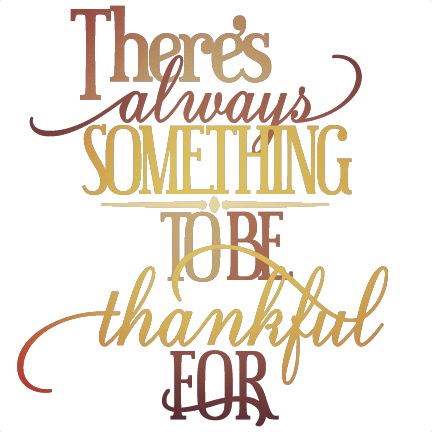
I’ve always liked the above quote. I don’t always follow it, but in my heart of hearts I do believe it.


How easy it is for us to moan and groan, complain and compare though. Tomorrow is a day the U.S. sets aside as a national holiday so that we can all take the time to say thank you and to be grateful. Sadly what really began as a somewhat religious feast has morphed into eating a lot before heading to Black Friday sales. How ironic that we say thanks for all we have on Thursday but then run out to buy things we think we need the very next day.


black-friday


Instead, why not enter into tomorrow with a sense of satisfaction along with big dose of gratefulness? Try focusing on all your blessings rather than on whatever you think you don’t have or what you think you need.


An attitude of gratitude doesn’t come easy. Everywhere you look there are enticements to “buy me” and “be like me,” and at this time of year more than any. Again, ironic.


But, as “Greater Things Today” blogged recently, gratitude doesn’t depend on what we have or don’t have. It cannot be manufactured. It is instead a measure of the spiritual conditions of our hearts. Think about it, the more your heart is filled with gratefulness and satisfaction, the less room it has for discontent or need. When we lack gratitude we allow envy, anger, impatience, and greed to enter into our hearts and into our lives.


bhutan-kids

Two people with the same things could in fact have two entirely different levels of gratitude. Take those in the country of Bhutan for instance.


At first look or visit, you’d think Bhutanese were impoverished and therefore unhappy. Don’t judge this Buddhist book by its cover though, as the country consistently ranks as one of the world’s happiest. In fact, the small nation is not only truly happy, it measures happiness.


The small Southeast Asian country is landlocked between India, Tibet, China, and Nepal and is the only country in the world that not only measures its “GDP,” but its “GNH” as well. “GDP,” as many of you know, stands for “Gross National Product” and is the goods produced and services provided by any given country. “GNH” or “Gross National Happiness” however, is probably not as familiar and Bhutan is the only country in the world that annually assesses it. Basically a barometer of its citizens’ quality of life, Bhutan’s GNH indicators stress the balance of material and spiritual development.  By all accounts, it’s working.


The size of Indiana with the population of Alaska and accessible by only two planes, the Himalayan empire only recently allowed internet, television, and western dress and yet boasts one of the fastest growing GDPs in the world. The world’s longest standing Buddhist Kingdom has found a way to increase its world value and productivity while maintaining its culture, history, and environment. Their identity is also important, and only a certain number of foreigners are allowed into the country each year. Every traveler is not only heavily vetted but is required to pay $200 a day for the privilege of entering Bhutan.


thankful-people-happy

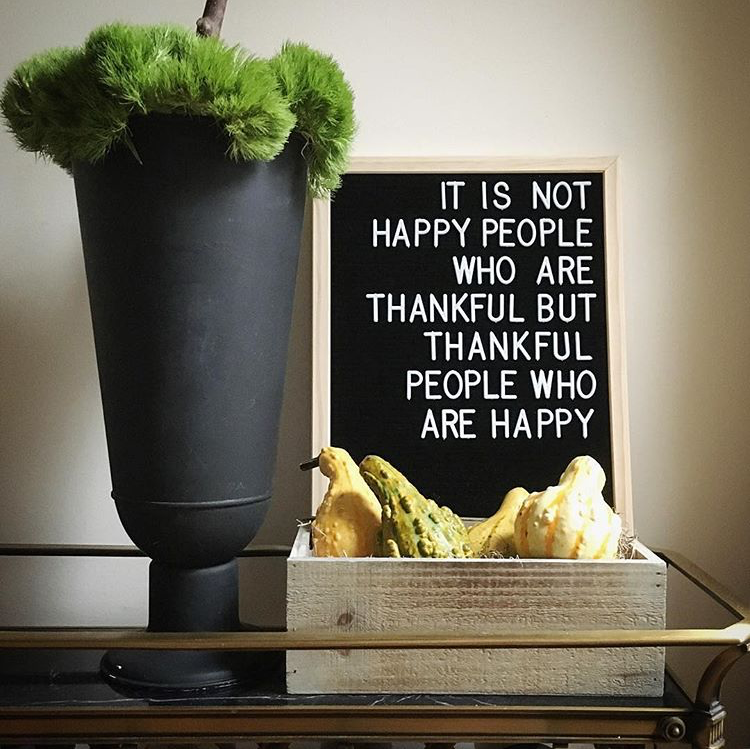
A life of privilege, at least by western standards, is not the way of life in Bhutan however. It’s a simple life and little has changed since the 17th century. Still, they are happy. They are grateful. They are thankful.


The country and its people are proof positive that perhaps you can’t buy happiness, but you can certainly nurture it and make it a priority regardless of your circumstances. Maybe it’s time we in America rethink our needs and wants and take time tomorrow to simply be grateful for all we have and for all our blessings.  I think the Bhutanese would agree.


Pass the Cranberries Please November 21, 2016

Filed under: Uncategorized — carlawordsmithblog @ 6:24 pm

 cranberries


A mere three days from now most of us will be waiting for the turkey ready to bake and making all the sides to go with it. There will be mashed potatoes, yams, green beans, salad, rolls, pies, and some funny looking red stuff. Oh yes, the cranberry sauce. What exactly is it and why do we eat it once a year?


I’d like to say we eat it because it’s good and it’s good for you, but maybe we should actually credit American Indians with the tradition, as they mixed cranberries with deer meat waaaay back in the day. They may have even shared some with the pilgrims on that first Thanksgiving Day.


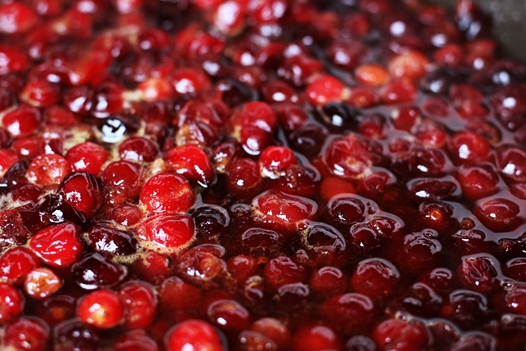
cranberries-cooking

The small, red, tart fruit is indeed very healthy. History notes that sailors used cranberries as a source of vitamin C to prevent scurvy and more recent studies suggest they promote gastrointestinal and oral health, raise the good HDL cholesterol, and may even help prevent cancer.


What cranberries don’t do is float in water, contrary to what a certain cranberry juice brand would have us believe based on their TV ads. Cranberries grow on low-running vines in sandy marshes and are one of only three commercially grown fruits native to North America. The other two being blueberries and Concord grapes.


During harvesting, the berry marshes are flooded, special equipment is then used to knock the berries off the vines, and then they float to the surface. Most of the world’s cranberries are grown on some 50,000 acres in the U.S. and Canada and are harvested in September and October. Perfect timing for fresh cranberry sauce at Thanksgiving!


The very first cranberries were harvested by Revolutionary War veteran Henry Hall, who planted the first commercial beds in Dennis, Massachusetts back in 1816. Many of today’s cranberry bogs are more than 100 years old!


Each year, Americans eat about 400 million pounds of cranberries, 20 percent of which will be consumed over Thanksgiving. The fruit can be eaten both fresh and dried, and is popular in muffins, trail mixes, cereals, and salads. And then there’s the juice!


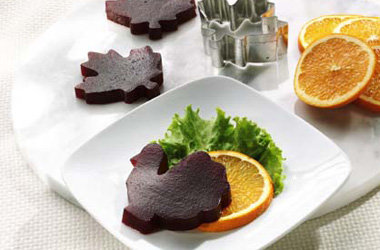
So what do you prefer? Fresh or canned? Whole berry canned or jellied? I prefer the whole berry canned but if you like that blob of gelled stuff, here’s a fun way to make it festive using cookie cutters:


cookie-cutter-cranberry-sauce


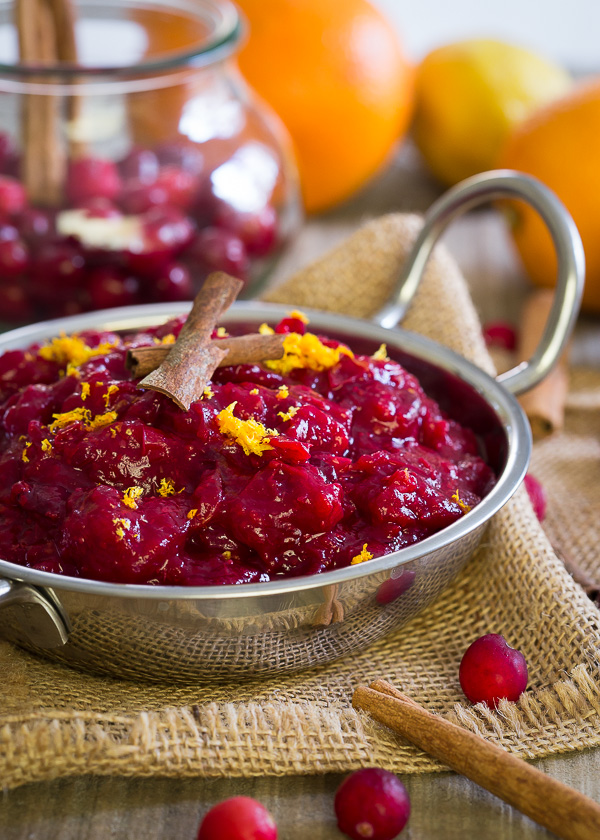
Here are some other ideas for your Thanksgiving meal: (note: all recipes can also include chopped nuts such as pecans or walnuts, but I don’t like them in recipes so have not included them.)


cranberry-sauce

Festive Pineapple Cranberry Salad

1 can mandarin oranges

1 can crushed pineapple

2 pkg. raspberry flavored gelatin

1 can whole berry cranberry sauce

1 apple, chopped

Drain oranges and pineapple. Add 3 cups cold water to juice and pour into saucepan. Bring to boil and remove from heat. Add dry gelatin and stir 2 minutes. Stir in cranberry sauce. Pour into large bowl and add pineapple, oranges, and apple. Refrigerate 1 ½ hours or until slightly thickened.


cranberry-relish

Three Ingredient Cranberry Relish

(Anthony Bourdain calls this, “Delicious and truly one of the easiest recipes in the world.”)

Wash 1 large orange under warm water. Dry and coarsely chop skin, flesh, and pith. Remove seeds. Combine orange and 12 oz. fresh cranberries in food processor. Pulse until mixture appears grainy. Transfer to bowl and fold in 1 cup sugar. Cover and refrigerate overnight. Serve cold or at room temperature.


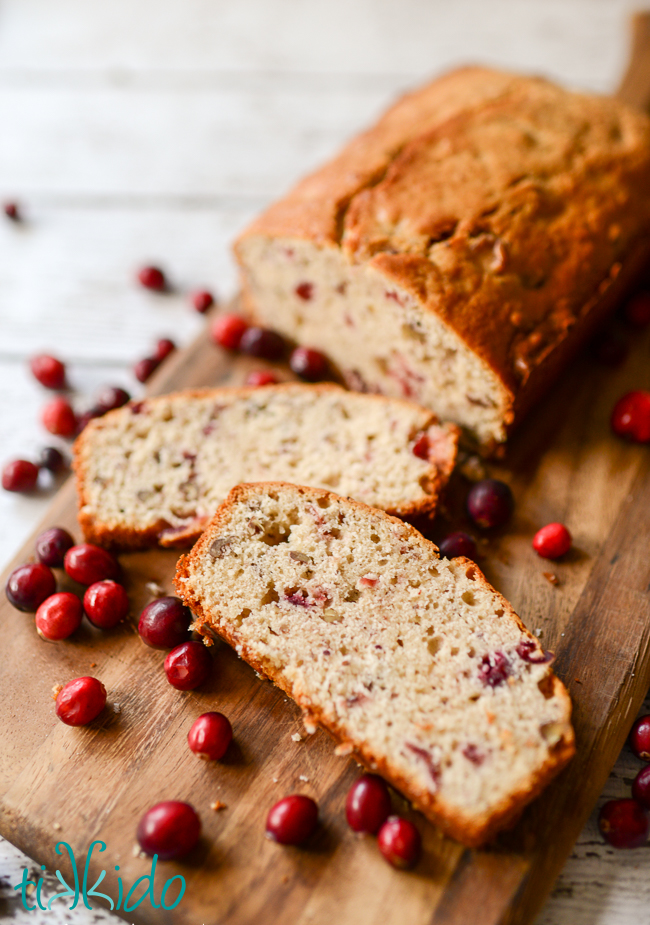
cranberry-nut-bread-5

Cranberry Nut Bread (my mom’s)

2 cups cranberries

2 T butter

2 cups sifted flour

1 cup and 2 T sugar

1 ¾ t baking powder

1 t salt

1 egg, well beaten

1/3 cup orange juice

Grated orange rind

1 t orange rind

¼ cup water

Cut cranberries in half. Melt and set aside butter. Sift together dry ingredients. Combine egg, orange juice, and water. Make well in dry ingredients and add liquids. Stir I butter. Add orange rind and cranberries. Bake at 350 for 1 hour.


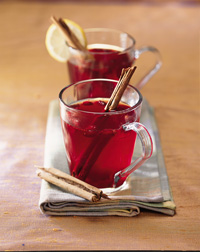
cranberry-hot-tea

Cranberry Hot Tea

1 48 oz. can cranberry juice cocktail

1 cup firmly packed brown sugar

1 cup orange juice

1 cup lemonade

1 cup pineapple juice

Cinnamon sticks

Combine all ingredients in a Dutch oven over low heat. Cook, stirring occasionally, 10 minutes or until sugar dissolves. Serve warm with cinnamon stick garnish.


cranberry-punch

Cranberry Punch

2 bottles cranberry juice

1 ½ bottles water (using juice bottle to measure)

2 cans frozen orange juice, thawed

Juice of 3 lemons or 9 T lemon juice

1 pkg. red hot candies

Whole cloves and sugar to taste

Put all ingredients in pot and heat on low until red hots are melted. Transfer to crock pot to keep warm.


cranberry-cocktail

Cape Cod

Mix 1 part vodka with cranberry juice to taste in highball glass and fill with ice. Garnish with lime wedge.


Variations:

Sea Breeze: add grapefruit juice

Bay Breeze: add pineapple juice

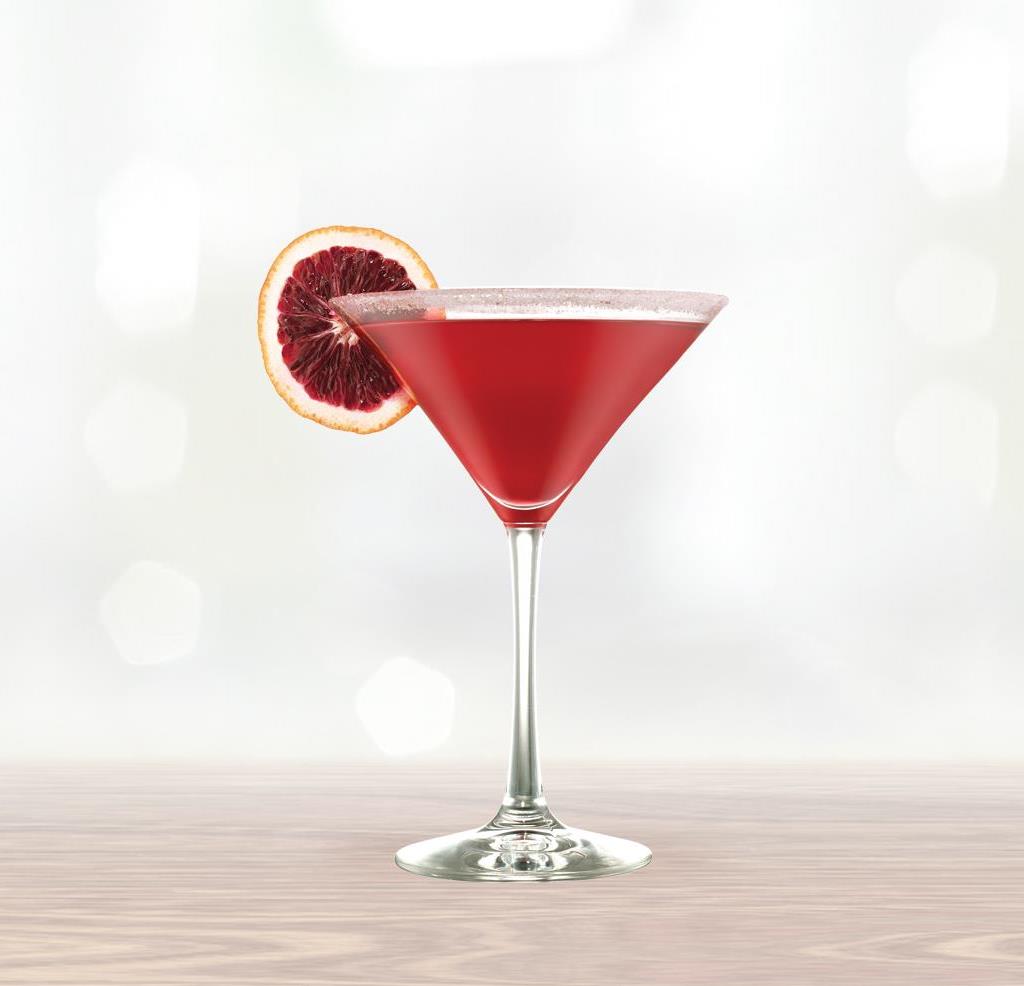
Cosmopolitan: add triple sec and serve in martini glass


cranberry-kiss1

Cranberry Kiss Cocktail

1.5 oz. cranberry vodka

2 oz. cranberry juice

1.5 oz. simple sugar

Lime wedges and mint leaves

Muddle 3 lime wedges and 8 mint leaves in a shaker. Add other ingredients and shake well with ice. Strain into a martini glass and garnish with floating mint leaves.


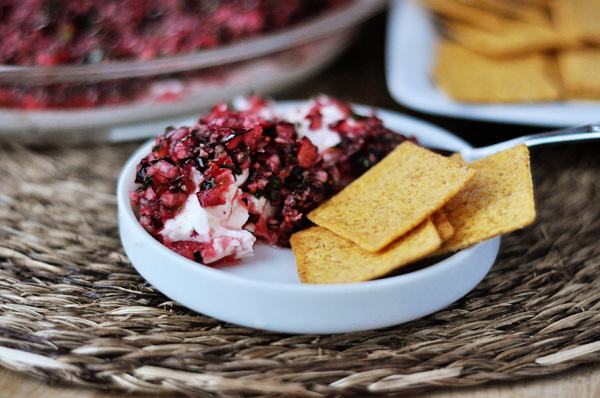
cranberry-salsa-dip

Cranberry Salsa Dip

1 12 oz. bag fresh cranberries, rinsed

½ cup sugar

1 bunch green onions, chopped

1 jalapeno pepper, seeded and chopped

1 lime, juiced

Pinch of salt

2 8 oz. blocks cream cheese, softened

Put all ingredients except cream cheese in food processor. Pulse until ingredients are chopped coarsely. Put in airtight container and refrigerate for at least 4 hours. After, spread softened cream cheese on serving plate and spread salsa over cream cheese. Serve at room temperature with crackers.


Pop the Bubbly November 19, 2016

Filed under: Uncategorized — carlawordsmithblog @ 1:35 am

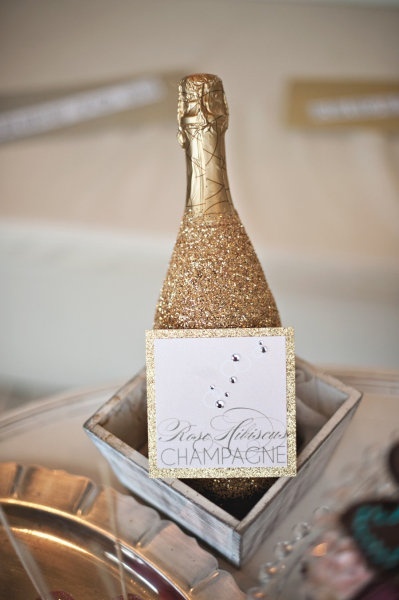
xchampagne-button


The holidays are right around the corner and with holidays come celebrations and with celebrations comes champagne. I enjoy a good glass of champagne and I love learning new things. That’s why I jumped at the opportunity to attend a recent class on champagne with some girlfriends.


The class at Total Wine was called “Here’s to Bottles that Pop: Champagne and Sparkling Wine,” and I learned there is a difference between the two. In fact, I learned a lot, most importantly: don’t save it just for special occasions!

 

champagne

I knew that only what is produced in France’s Champagne region can be labeled “Champagne,” but there’s so much more to it. Yes, champagne is a type of sparkling wine produced from grapes grown in the Champagne region but there are also stringent and comprehensive rules that producers need to adhere to, including grape types, bottling, production methods, and more in order to earn the coveted champagne name. So stringent are the regulations that it is illegal to label a product “champagne” unless it comes from the region and is produced under the appellation guidelines and on specifically designated plots. The Champagne region is 90 miles northeast of Paris and its northern and cold climate is challenging to grow in, but miraculously it’s ideal for growing grapes used in champagne. In fact, most fermenting is done in the cooler months.


So what exactly is champagne? Basically it is wine with bubbles…and so much more!
 

end-day-with-champagne

The traditional champagne production method how champagne is called “method champenoise.” Fermentation is a big part of the process, including that of yeast and rock sugar. The second fermentation results in a natural sparkling wine and the yeast must then be removed.


This begins with ridding, when the bottles are turned upside down and lightly shaken to move the yeast to the neck of the bottle. After this, the neck is frozen and the cap is removed. The pressure in the bottle forces out the ice containing the lees, and the bottle is quickly corked to maintain the carbon dioxide in solution. Finally the bottle is filled to replace the missing volume and fitted with a Champagne cork and halter.


Which brings us to sparkling wine. All champagne is sparkling wine but not all sparkling wine is champagne. Yes, you may see bottled called “California Champagne” but they are unique in that they were approved prior to certain regulations and they must say “California.”
 

a-party-without-champagne

In a general sense, sparkling wine is any wine, usually white, that is carbonated either through fermentation or by adding carbon dioxide. It does not include any or all wines that produce bubbles such as Moscato.


One of my favorites, Prosecco, is Italy’s version of champagne, as is Spumante. Cava is the signature sparkling wine of Spain and means “cave” in Spanish, which is the method it’s produced: in caves or cellars. If you prefer a dry sparkling wine, Cava is for you. French sparkling wines made outside of the Champagne region are called Cremant and Germany boasts a variation labeled Sekt.

 

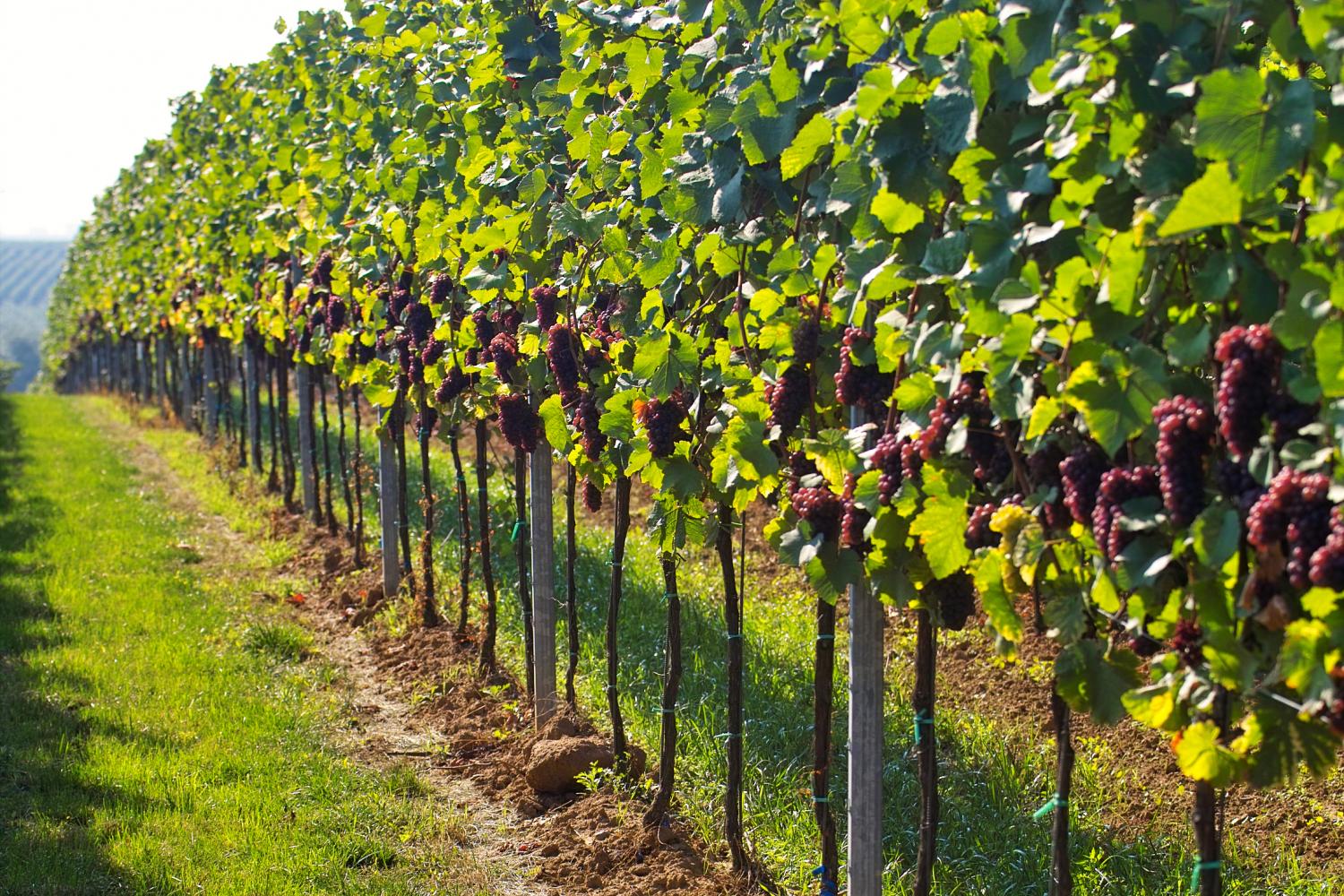
champagne-grapesOne thing I didn’t know is that there aren’t specific champagne grapes per se. Most champagnes and sparkling wines use black Pinot Noir grapes, as well as Pinot Meunier and Chardonnay grapes. So essentially, champagnes and sparkling wines are blends. Who knew?


In layman’s terms, there are three types champagne: Blanc de Blancs made of 100 percent Chardonnay; Blanc de Noir made from all red grapes; and Rose, which is made by soaking red grape skins with juice or by adding a bit of red wine to the mix.


Most champagnes are also blends of different years, or vintages. Any champagne labeled Vintage is the best of the best, must be made from grapes harvested in the same year and aged at least three years in the bottle.


There is also a sweetness scale, ranging from Doux, which is the sweetest, to Extra Brut, which is very, very dry. In between are Demi-sec, Sec, Extra Dry, and Brut. Sec means “dry” and “Brut” means, well, “brute” or as I like to say, “brutally dry.”


I asked our class leader about the word “Domaine,” which you often see on a bottle of champagne. He said it is basically the same as “chateau,” in that it’s where the bubbly was made.


Another term common in the champagne world is “cru,” which is French for “village.” There are 312 Champagne villages that produce high-quality grapes and each is rated based on that quality. Grand Cru is the highest, followed by Premier Cru and Deuxieme Cru. The better the Cru, the better the bubbly and the higher the price.
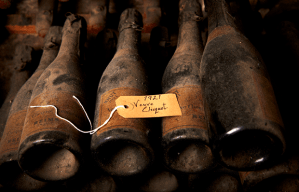
 

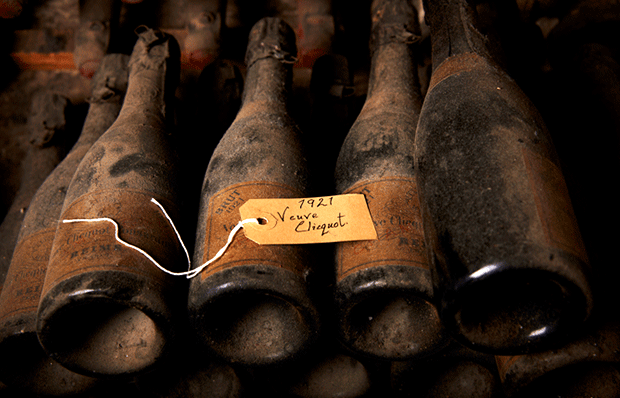
old-vueve

All champagne is rated according to a system consisting of such things as vintage, nose intensity, fruit intensity, flavor characteristics, balance, and length/finish. Points are totaled up and that’s where you get a “Wine Spectator rating,” with 100 being the best and the highest.


It’s estimated one bottle of champagne has 49 million bubbles and a cork can travel 40 mph if carelessly popped!


A champagne bottle holds a considerable amount of pressure but early designed bottles tended to explode. Manufacturers kept making them thicker until they could contain that pressure caused by the release of carbon dioxide during the secondary fermentation. It is estimated that a standard bottle of champagne has approximately 49 million bubbles! If you prefer a very bubbly bubbly, look for “musseax,” which means frothy or bubbly. Spumante also means bubbles, so any of them will be bubbly, while “frizonte” means fizzy.


Champagne generally comes in only two sizes of bottles: a standard 750 ml and the 1.5 liter magnum, which are considered higher quality because there is less oxygen in them. Regardless of the size, a bottle of Champagne is said to have about 90 pounds of pressure per square inch, which is more than triple the pressure in a car tire.


champagne_uncorking_photographed_with_a_high_speed_air-gap_flash


This is why opening a bottle of Champagne is as important as the quality of what’s inside. My champagne sommelier told us that we are more likely to be killed by a flying Champagne cork than by a poisonous spider. Yikes! Maybe it’s because a champagne cork can travel 40 mph if carelessly popped.


“Champagne etiquette” suggests you angle the bottle in a slanted method, remove the foil, untwist the wire and remove the cage, and then place your thumb on top of the cork and twist the bottle, gently freeing the cork from the bottle. The proper sound is a mild “pish,” not a loud “pop.” If you remember only one uncorking tip, remember to “twist the bottle not the cork.”


“Champagne! In victory one deserves it; in defeat one needs it.”

Napoleon

I don’t recommend using the “sabrage” method, which is the ancient technique using a sabre to break the head off a bottle. A perfectly placed sabre on the seam of the bottle will crack the glass, severing the top off the bottle. The method became popular after the French Revolution and the sabre is thought to resemble Napoleon’s, as it was his weapon of choice. The little corporal’s many victories encouraged celebrations and he is quoted as saying, “Champagne! In victory one deserves it; in defeat one needs it.”


The ideal temperature to serve Champagne or sparkling wine is 43-50 degrees and did you know there are ice buckets specifically made for Champagne bottles? I didn’t! Champagne buckets are purposely larger and deeper than standard ice buckets so they can accommodate a larger bottle and more ice. Chilling a bottle of champagne in a bucket of ice water before opening not only keeps it cold, it also ensures it will be less gassy and will have less spillage upon opening.

 

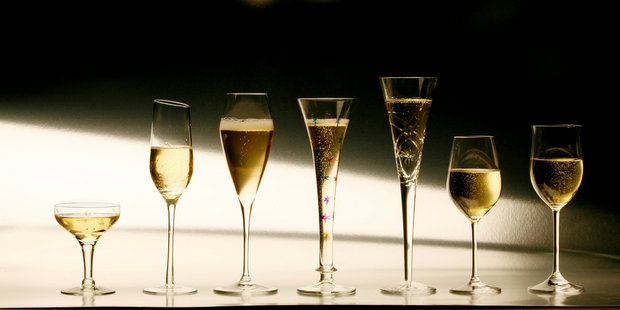
glasses

What you pour that bubbly into varies. Popular styles of Champagne glasses often change from generation to generation with the more bowl-shaped “coupe” style all the rage in the 1950s while the taller and thinner “flutes” grabbed the spotlight in the 1980s.


In my class I learned the “Five S’s” of Champagne tasting: see it, swirl it in the glass, smell it by sticking your nose in the glass, sip it and swish it around your mouth then swallow it. Apparently number three, smelling it, is not easily done with the thin-topped flutes and too many bubbles escape from the coupe, so some experts recommend the newer “tulip” shaped glass style.


Whatever style of glass you use, each should be filled only about three-quarters full, meaning a standard 750-ml bottle of Champagne will fill approximately five glasses. You should also pour the Champagne while tilting the glass and gently slide the liquid along the side, which will preserve the most bubbles. If you instead pour the drink directly into the glass, you will likely create a head of “mousse,” making the Champagne harder to drink.
 

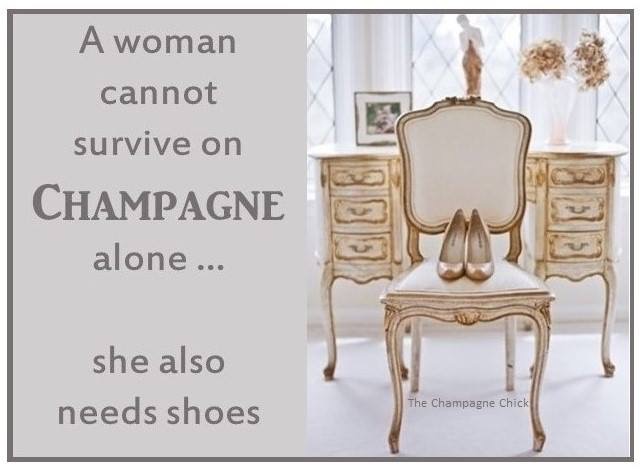
champagne-and-shoes

So many people consider Champagne a special occasion drink, but it shouldn’t be reserved for weddings and celebrations. Why not enjoy a glass or two instead of the normal glass of wine while cooking dinner, watching a movie, or just relaxing with friends and family?


It also shouldn’t be reserved for the rich, even though manufacturers in the 17th, 18th, and 19th centuries worked hard on associating their Champagnes with certain noble families and royalty. A bit more costly than wine, it is still not off the charts expensive, with most Champagnes starting at around $30 a bottle.


champagne-coco-chanel


Pop culture is full of Champagne tales and legends. One of the most popular is that Marilyn Monroe took the term “bubble bath” literally and bathed in 350 bottles of Champagne! Another is that the coupe style glass was allegedly designed using a mold of Marie Antoinette’s left breast as a birthday present to her husband, Louis XVI.


Spraying Champagne during sporting event celebrations is widely done and began when Moet & Chandon started offering their Champagne to the winners of Formula 1 Grand Prix events.


Finally, the practice of smashing a perfectly good bottle of Champagne on the side of a boat or ship has been around for at least 170 years. Originally a holy liquid was used as a way of blessing both the vessel and its captain but in the mid-18th century France began using Champagne. Soon this tradition spread worldwide. It is believed that if the bottle doesn’t break or if the ship isn’t christened at all, bad luck will haunt that ship. The Titanic was one such ship.


But what about Dom and what about Veuve? Let’s look at each.
 

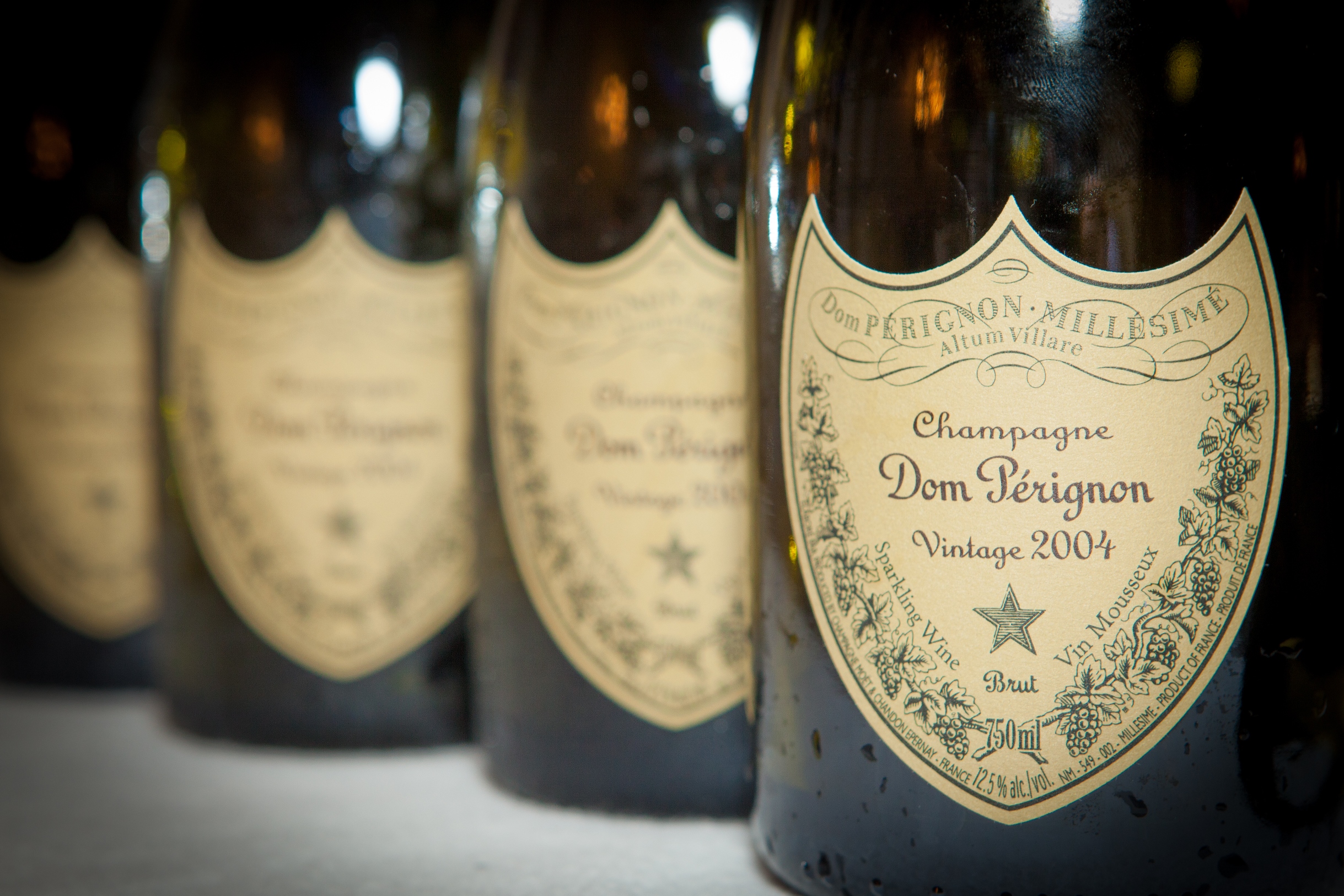
dom-perignon-vintage-2004

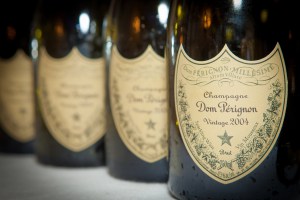
Dom Perignon was an actual person. He was a French Benedictine monk and cellar master and he is credited with pioneering several winemaking techniques in the 1600s. He introduced corks to the industry as well as the idea of using thicker bottles for Champagne and he innovated the blending of grapes. Dom Perignon is considered the first prestige batch of Champagne produced and was named for the monk. It’s the vintage brand of Moet & Chandon and was chosen for the wedding of Lady Diana Spencer and Prince Charles in 1981. Today the monastery where Dom lived is the property of the winery.


vueve

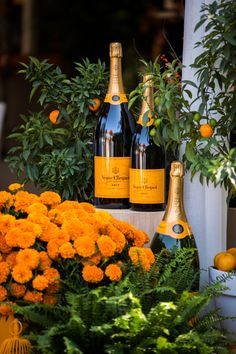
Then there is Veuve Clicquot, or “vuve” as it is affectionately called, with its distinctive gold label. It is often one of the biggest selling Champagnes in the world and if not for a widow, it would have never found the light of day.


Barbe-Nicole Ponsardin was born in Reims, France, the daughter of a wealthy textile industrialist. Nextdoor to her family’s estate lived the Clicquot family whose patriarch, Philippe, also ran a successful textile business. The two fathers arranged the marriage of their children, young Barbe-Nicole and Francois Clicquot. The two had dreams of growing his family’s small wine business, much to the chagrin of his father. Six years after their marriage, Francois died but rather than hide away as a 27-year-old widow, Barbe-Nicole set out to fulfill her husband’s dream and make the business a success. She borrowed money from her reluctant father-in-law and the business was near bankruptcy when she took a huge gamble.


Bright and ambitious, the Widow Clicquot was confident the Russian market would appreciate the Champagne she was producing so, rather than wait for the 1800s naval blockades to cease, she smuggled some of her best wines out of France to Amsterdam. Once peace was declared, her shipments made their way to Russia well ahead of her competitor’s products. Tsar Alexander I soon announced it would be the only Champagne he would drink and the rest is bubbly history.


Barbe-Nicole was not done yet though. Champagne making was a tedious business and she knew the process needed improvements if she was to meet the demand for her product. She devised what is today known as riddling, the process of turning champagne bottles upside down so the yeast gathers at the neck. The process is still used worldwide.


The name “Veuve Clicquot” comes from her married name and the word “widow” in French. It is said the Widow Veuve would entertain Napolean’s officers in her vineyard and, as they rode off with customary complimentary bottles of Champagne, they would use the sabrage method of opening them to impress the rich young widow. They, no doubt, were already impressed with her.


Clicquot never remarried and when she died in 1866, she was credited for revolutionizing Champagne production and making it available to more than just the upper-class. In a letter to her grandchild, this first modern businesswoman wrote, “The world is in perpetual motion and we must invent the things of tomorrow. One must go before others, be determined and exacting, and let your intelligence direct your life. Act with audacity.”


I’ll toast to that.


A Thanksgiving Feast Safe for Fido November 17, 2016

Filed under: Uncategorized — carlawordsmithblog @ 5:25 pm

happy-thanksgiving-pets1


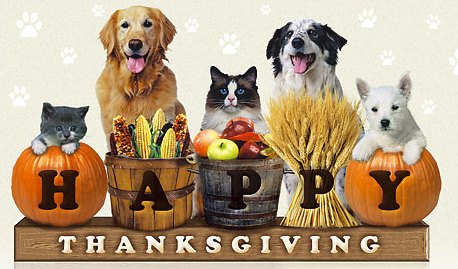
Thanksgiving is officially one week away and you know what that means: food. Lots of food! And, as much as we love all the turkey and fixings they are no bueno for something else we love: our pets.


Thanksgiving also means lots of people and kitchen chaos, which means you may not pay attention to what your dogs eat or sneak on the side. But if you want a day without a pet emergency room visit, you might want to take note of the ASPCA’s do’s and don’ts of Thanksgiving for pet owners.


Basically, the rules include no pets in the kitchen, stuff your turkey but not your pets, no booze hounds, and take out the trash!


pet-care_thanksgiving-safety-tips_main-image

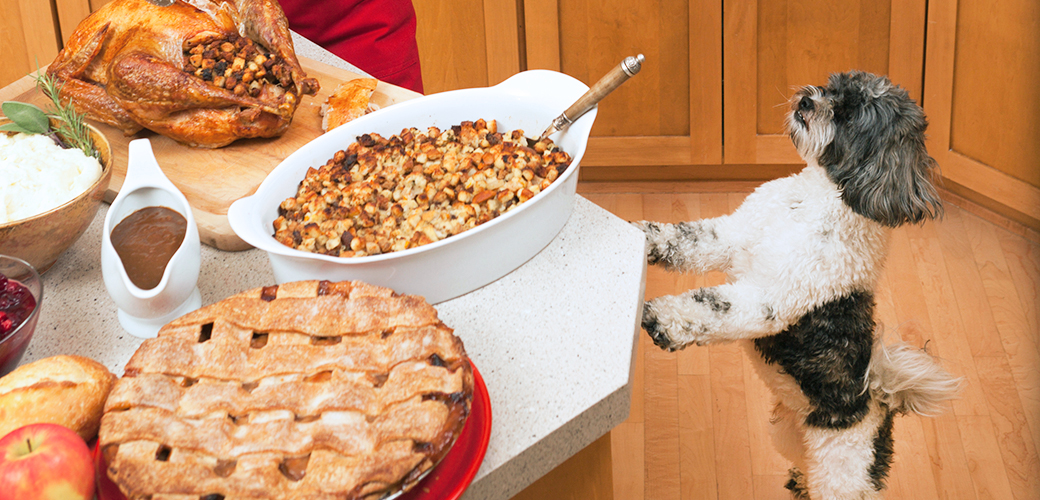
When talking turkey, it’s tough to not give your dog a little nibble of the bird but just make sure it’s fully cooked, skinless, boneless, and has no tracings of twine or foil. The skin can be especially dangerous for Fido, as it will have spices, sauces, and fats that are both dangerous and hard to digest.
 

Bones, even those cooked like neck bones, are the worst and if ingested, will wreak havoc on a dog or cat’s digestive track. They splinter inside an animal and could lead to that dreaded emergency room visit.
 

Lastly, be sure to double bag and wrap-tie the turkey carcass and toss in an outside bin.


What’s the other Thanksgiving Day standard? Pumpkin pie! The pie is my absolute favorite but raw yeast dough will not be your pet’s fave. If ingested, the yeast converts sugars in the dough into carbon dioxide, gas, and alcohol, which can result in a bloated almost drunken pet with severe pain. This could be life-threatening and comes into play when making rolls and other bread items as well.


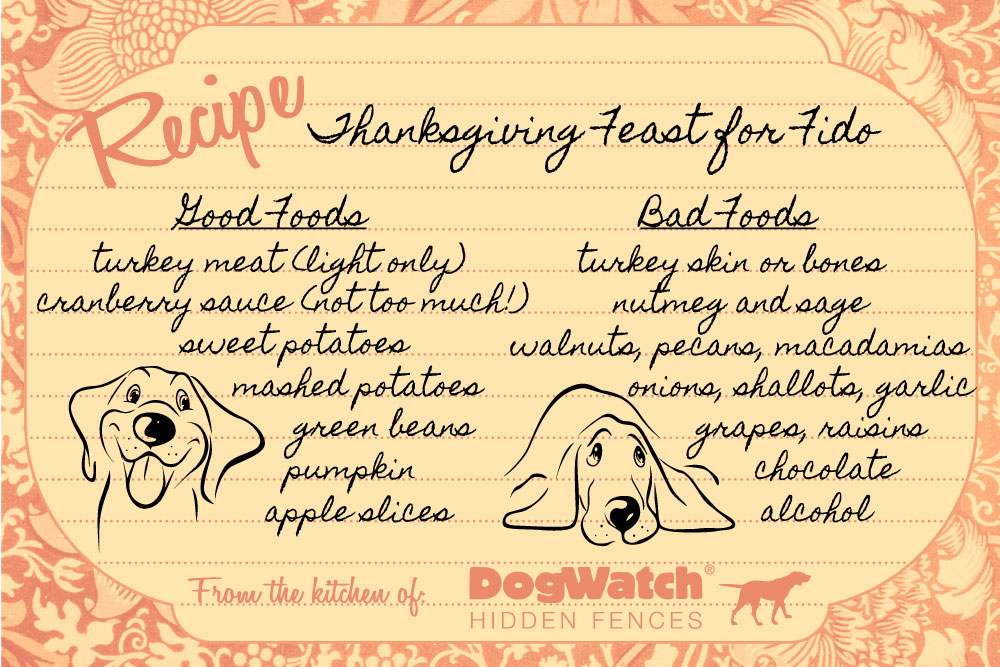
Nutmeg is a key ingredient in pumpkin pie and yams, but it is a big no-no for dogs. In fact, the seasonal favorite can cause seizures and central nervous system problems if ingested by a pup. Pumpkin and sweet potatoes themselves are fine in moderation; just make sure they don’t have any nutmeg or other spices.


Sage is also a popular Thanksgiving Day spice but it’s equally dangerous. It contains oils that upset a pooch’s tummy and should be avoided.


Along those same lines are onions and garlic. These two are pretty commonly known as bad for dogs, but just in case you didn’t know it, keep them away from your four-legged friends at all costs. Both contain sulfides that are toxic to dogs and can lead to anemia. Between the two, onions are more toxic than garlic and cooking them does not reduce their toxicity.


When I think of the holidays from my childhood, I remember my parents always had a big bowl of nuts on the coffee table. They were in a special wooden bowl and were not shelled. An old-school nutcracker and shell picker were always part of the set-up but when I think about it, it’s nuts to have nuts laying around if you have dogs, which we always did.


Nuts, especially walnuts and macadamia nuts, are uber dangerous for your dog. If a bad reaction occurs, a dog will be unable to stand, will vomit, suffer tremors and an elevated heart rate, and will have both a fever and weakness within 12 hours of digesting the nuts. Thankfully most symptoms go away but why risk it? Keep those nuts up high people.


Other things you should keep away from your pets

Drippings and Gravy

Turkey Stuffing

Raisins and Grapes

Mushrooms

Corn on the Cob

Butter

Chocolate

Alcohol


recipe-for-dogs


It’s not all bad news though and there are plenty of Thanksgiving Day items that can be safely added to your mutt’s menu, including:

Boneless, skinless and well-cooked turkey meat (no skin)

Sweet potatoes (plain)

Plain pumpkin puree

Green beans

Cranberry sauce

Carrots (raw or cooked but plain)

Apples


If you think your precious pet may have ingested a potentially poisonous substance, call the ASPCA Animal Poison Control Center at 888-426-4436. It’s a number you should probably keep handy all year long.


Have a Happy Thanksgiving and one with safe and happy pets!


Here’s The Thing November 16, 2016

Filed under: Uncategorized — carlawordsmithblog @ 9:57 pm

american_flag-1649740


I was home sick yesterday, am still home sick today, and if my doctor is right I will be home sick still tomorrow. Bronchitis and an inner ear infection are the culprits. Constant coughing, head exploding, and bouts of dizziness. Yep, I’m pretty sick. You know what else I’m sick of? Election protests and adult crybabies. Maybe it’s the drugs kicking in, maybe it’s too much time on my hands online, maybe it’s a combination of the two, but as anchor Howard Beale declared in the 1975 film classic “Network,” “I’m mad as hell and I’m not going to take it anymore!”


I’m not going to take the name-calling and I’m not going to be quiet. I’m asked to please be nice online but every time I turn around, someone has posted a “you are a racist” mantra or I see another protest tying up traffic and causing chaos. Why, in this one singular case, are the winners supposed to be obliging and not celebratory while those who lost can sling insults and tear up our country? Not happening!


protests1

Call me stupid, but I just don’t get it. All the bellyaching and moaning. I do get that, for some of you, your candidate lost a very heated election in a way no one expected or predicted. Shock hurts. I respect that you loved Hillary Clinton and your heart aches. I really do. But it’s done. Over. Move on. It’s been more than a week and we still have people blocking roads, burning flags, posting insulting comments about their friends, and demanding…well I’m not sure what they’re demanding. That’s the problem. What is their goal? Do they even have a means to an end? Who are these highly-charged and enraged voters?


Well, first of all many of them aren’t even voters. It’s been reported (and yes, by the “mainstream” media) that more than half of the street marchers didn’t vote and in one horrible case, a four-year old died because the ambulance she was being transported in was blocked by protestors. That’s not okay!


So why do they think it’s okay and why are they there?


For some it’s to overturn the system our country uses to elect a president. Candidates win based on electoral votes cast, not the popular vote. This has been used since we elected George Washington and has never been whined about before, even when Al Gore lost the popular vote to George W. Bush in 2000 during that hotly contested race. I don’t remember seeing Gore backers protesting then and I can’t recall any republican riots after two wins by Barack Obama. But, for some reason supporters of Hillary Clinton feel the law needs to be changed for her and for them. Shocker.


ELECTORAL KNOWLEDGE

I blogged about the Electoral College back in July. I had a sneaky feeling it would come up in November. It’s actually fairly simple and simply fair. Basically, each state has as many electors as they do members of the U.S. House and Senate combined. (History class refresher: every state has two U.S. Senators but the number of Representatives is based on population.) States with bigger populations have more reps and therefore more electoral votes. The words “Electoral College” don’t appear in the Constitution but the process of it is outlined in Article One. It reflects our Founding Father’s desire to maintain “separation of powers” and “checks and balances” systems and was adopted at the Constitutional Convention in 1787. Perhaps most importantly, it protects minority interests in that all states, even those with lower populations and in rural areas, have equal voices and no one region has enough electoral votes to elect a president. Without it, California, New York, Florida, Pennsylvania, and Texas would basically elect a president each time. Yeah, that wouldn’t be fair, right?


And yet, as Meredith Whtimore of Lifezett.com wrote, how does destroying a Portland Toyota dealership have anything to do with changing the election’s outcome or the system used to report it? Mobs destroying public and private property does only done one thing Whitmore says, and that’s expose the insincerity beneath the whole “love Trumps love” rhetoric.


OUR LITTLE CREATIONS

What gets me equally enraged is that following the election, some college students were allowed to miss class because they were so depressed. One Yale professor told his students an exam was optional so they could nurse their hurt feelings. Deans have sent messages to staff asking them to gently deal with their students’ Trump trauma. What? OMG. Others as young as high school were allowed to walk out of school in protest. Yeah cuz they vote. Ridiculous.


But, these are the millennials that, as my wise niece so eloquently pointed out, we Baby Boomers raised. It’s no wonder they’re acting like children. All their lives they’ve been encouraged to buy something rather than build something. We gave them participation trophies all their lives, took life lessons out of the schools, worried waaaay too much about self-esteem, and never really prepared them for the real world. In the real world, you win some you lose some. You will be faced with enormous challenges and your share of disagreement. But when you do, you don’t wilt or whine, you put your big girl panties on and go to work…both literally and figuratively. Instead, today we have college counselors encouraging students to bring pets to class for emotional support for the “challenging weeks ahead.” Boys and girls, your candidate losing is not challenging. Getting a job in a country with a $20 million debt, more people than ever on welfare, and a stagnant job market is challenging. Know the difference.


And this is the generation that’s going to lead us in the years to come? Cue the therapists.


Whatever their complaints, they’ve gotten out of hand. Even Bernie Sanders has asked them to stop. But why haven’t Clinton and Obama followed suit? Why aren’t they calling for “peace?” Their silence is deafening.


Your kids are watching people. Wouldn’t you rather behave how you would want them to if they don’t win at something?


STICKS AND STONES

Another complaint making waves is that President-elect Donald Trump is a racist, facist, bigot, sexist, and to even some, a Nazi. I mean. C’mon people. Really?


From there, they go on to call his supporters the same insulting names in addition to ignorant, redneck, and unenlightened. You’re talking to me now honey and that’s where I draw the line. Call my candidate anything you dream up, but call me any of those things and gloves off. Even the nicest dog will eventually bite after one too many smacks. America got mad and now I’m mad. As I’ve said time and time again, I’m a woman. A Hispanic woman. A college-educated Hispanic woman. No mas people. No mas.


And as for Trump’s supporters in general, I’ve talked to many, both in the states and internationally, and I have discovered a lot. While talking to people from Portland, Philly, Newport Beach, Buffalo, and all points in between, the consensus is this:


They are not racist. They simply have grown tired of the Black Lives Matter unrest and the anti-cop rhetoric. They are white and black, mothers of cops, and are proud of their mixed marriages. It’s no secret we live in an increasing racially-divided country but the fact that under a two-term African-American president things got worse is not encouraging to anyone. “Law and order” seemed to resonate with this group.


They are not anti-immigrant. They are rightly worried about the safety of this country and do not support open borders. They see what’s happening in Europe. They witnessed San Bernadino, Orlando and other domestic attacks. They are sick and tired of the PC world. They just don’t feel safe.


They are not sexist. HRC’s loss had very little to do with her sex and a whole lot to do with her. She just wasn’t likeable or trustable to them and they would rather be offended than lied to. They also don’t agree with what Trump has said about women any more than they supported Bill Clinton’s infidelity. In reality, most people I talked to are for equality as they have wives, daughters and even granddaughters. Most would love a woman president, just not that woman. Personally, I think we can do better as women and hope we do. Besides, wouldn’t it be refreshing to have a candidate you don’t have to defend time and time again?


They are not bigots. They have many LGBTQ friends and family who they love and respect. The line was drawn, however, with the whole Caitlin Jenner and bathroom equality dramas being shoved down their throats. Tolerance, they repeated again and again, should go both ways and not only when others agree with you.


They are not religious freaks. They just felt it a little…no a lot…unfair that certain religions are suddenly being given so many rights yet a Christian baker is not allowed to refuse what they bake or not bake. They resent that “Merry Christmas” is no longer allowed but everyone takes the week of Christmas off. They also believe that unborn babies are just that, human babies not fetuses, and that Planned Parenthood should not receive any of their hard-earned taxes.


They are not gun-toting rednecks. Many don’t even own a gun but they see how successful the nation’s strictest gun laws have been in Chicago and support the Second Amendment. They’re probably also the neighbors you’ll call on if enemies come knocking on your door or invade our country.


They are not dumb. Many are college-educated and many more are what make this country work. As Ben Carson said, “The American people are smarter than the media and political elites think they are.” The American people spoke and it’s time to accept it


They are not deplorable. In fact, they think calling them deplorable is deplorable defined. Deplorable means disgraceful, dishonorable, unworthy, unpardonable. Forgive me for chuckling at the irony of that last one.


They are, however, patriotic. They love this country and they are sick of flag burning, NFL player kneeling, and history rewriting. And BTW, Collin Kapernick has reportedly never even registered to vote. Cringe worthy.


They are also middle America and they don’t care what Hollywood thinks or how much globalization might help them. They are hardworking blue-collar folks who don’t work for Google or Microsoft and who know that even one job outsourced is probably going to take food off the table of someone they know personally.


That’s who they are. The heartland. The heart and soul of our country. And to consider yourself smarter and better than them is beyond wrong.


listen

Then there’s the “I’m blocking you and I’m not your friend anymore” people. Really? Are we in junior high or are you just incapable of listening to the other side? I certainly don’t appreciate posts calling me and mine names, but I’ve yet to unfriend one person. That’s kinda how a democracy works and how free-thinking is enriched. It’s called the real world.


In that same boat are all the celebs who threatened to move if Trump won. Last I checked Whoopi, Cher, Spike Lee, Lena Dunham, Ben Cranston, the oh-so-classy Amy Schumer, and even Supreme Court Justice Ruth Bader Ginsberg are still stateside. And they wonder why we don’t pay attention to their “advice.” They don’t even walk their own walk. And why do they always say they’re moving to Canada or Australia? Why don’t they move to Mexico, Venezuela, or other places that could use their “political wisdom” in a big way?


Ginsberg is the one that gets me. But, truth be told, her job is reason numero uno why I leaned Trump. In my heart of hearts, I voted for how the future Supreme Court will look for the rest of my lifetime so if Ms. Ginsberg wants to pack her bags on say, January 21, I’ll be okay with it.


I’ve thought about it long and hard and if I owned the media and academia, I would say this: “Congratulations America for choosing not yet another politician who would have arrived in Washington owing so many people so many things, but rather one of your country’s most successful businessmen. Maybe it’s time for this great nation to be run like a business rather than a charity and I applaud you for taking the chance.” It just seems to me that some credit needs to be given to those who are tired of the Washington status quo. I feel fairly confident in saying that if Germany or Brazil elected one of their most successful business leaders rather than a politician, Americans would praise them.


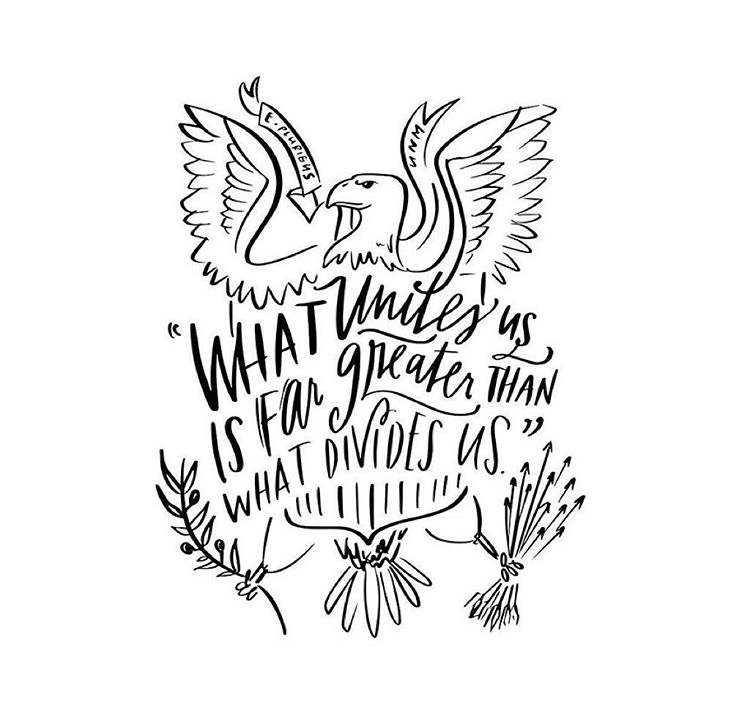
what-unites-us

“Please accept with dignity the fact that Americans have rightfully and sanely spoken.”

Meredith Whitmore, Lifezette.com

So there you have it. Key word: dignity. Trump won and, yes, I feel very, very sad for my friends who supported Clinton. I know what it feels like to lose a big one and it’s not fun. But I’m kinda done with keeping my feelings inside and I ask all of you to maturely accept the cards we’ve all been dealt. Only stronger together will we make America great again. Who’s up for the task?


Fall Back November 5, 2016

Filed under: Uncategorized — carlawordsmithblog @ 3:00 pm

clock


As you lay yourself down to sleep tonight, don’t forget to set your clocks back one hour. Yep, it’s that time of year again, time to “fall back” and end Daylight Savings Time until March. The “fall back” is always more welcome than the “spring forward,” as we gain an hour of sleep, but why do we even do it?


The idea of turning clocks forward one hour during the summer was first conceived by New Zealander George Hudson back in 1895 who longed for more afterhours daylight. English builder William Willett is also partially credited with the idea, an idea he lobbied for until his death in 1915. Even Benjamin Franklin got involved when he famously said, “Early to bed and early to rise, makes a man healthy, wealthy, and wise.”


But it really wasn’t until April of 1916 when the German Empire and Austria-Hungary first used DST as a way to conserve coal during WWI. Seeing its advantages, Britain followed suit as did the U.S. in 1918. It became especially popular during the 1970’s energy crisis and was thought to decrease the need for residential lighting.


Congress later repealed DST and even avid golfer and craver of more daylight, President Woodrow Wilson, couldn’t get it approved again. During all the appeals and vetoes, New York City retained DST locally so its financial exhanges could maintain an hour of trading with London, and Chicago and Cleveland followed the Big Apple’s move. In a word, DST was not done yet.


FOR AND AGAINST

People either love it or hate it. DST that is, which is the time we are in from March through November. It is during these months that we are “saving” as much daylight as we can in a work day.


Generally speaking, those in favor of DST include retailers, outdoor sports enthusiasts, tourism operators, and anyone who benefits from increased evening light. These proponents argue that DST and a longer amount of afternoon sunlight not only helps their businesses, but saves energy, promotes outdoor exercise, reduces traffic accidents, and cuts back on crime.


“Fortune” magazine somewhat supported these claims in a survey that determined a seven-week extension of DST would yield an additional $30 million for 7-Eleven stores. Meanwhile, the National Golf Foundation estimates DST may increase golf industry revenues $200 million.


Not so fast say opponents though, including farmers and parents of young children. Farmers are early risers and often prefer morning sun to evening sun as they believe grain is best harvested after dew evaporates. Dairy farmers also complain about time change, as their cows are sensitive to any schedule or system changes. Parents despise the thought of pitch black morning bus stops and soccer practices cut short due to lack of light. Those in the television industry are also against it, as they claim DST hurts prime-time ratings and viewing.


Whether for or against it, the biannual time shifts wreak havoc with timekeeping, travel, billing, and even sleep patterns. Thankfully computer software adjusts automatically or things could get really ugly!


dst

In general, industrialized sectors of societies are okay with DST while agrarian or agricultural ones prefer being governed by a natural length of daylight hours. People in general are thought to prefer more daylight after a work day rather than at the start of one, which gives them more time for outdoor activities after a long day of work and also decreases the need for costly electricity and heating.


To complicate things even more, higher latitudes like those in Alaska and Iceland are hardly impacted by time changes because the lengths of days and nights change more extremely than those in other latitudes. In fact, work days in places like Anchorage and Reykjavik are affected very little by sunrise and sunset. So changing a clock one hour might give Nome 22 hours of daylight rather than 21 or 23. Meh.


The opposite holds true in locations near the equator because sunrise times don’t vary enough to justify a time adjustment. Finally, manipulating time and its effect on society also varies according to how far east or west a location is within a given time zone. Those farther east benefit more from DST than those farther west in the same time zone.


Still confused? Me too!


HOW DOES IT WORK?

In the U.S., a one hour shift occurs at 02:00 local time, or 2 a.m. In the spring, the shift is from the last instant of 01:59 standard time to 03:00 DST so that day really only has 23 hours. In autumn, the clock moves backward from the last instant of 01:59 DST to 01:00 standard time, giving the day 25 hours because the last one is repeated. Thankfully time changes are normally scheduled on weekends to lessen work week complications. And how weird would it be if we changed clocks at 2 p.m. rather than 2 a.m.? Insanity!


When we switch varies by year and location, but most of the U.S. and Canada do so on the second Sunday in March and the first Sunday in November. Believe it or not, we used to move the clocks back one hour on the last Sunday in October, but a little holiday called Halloween and the need for extra daylight on it was one reason for pushing the date to the first Sunday in November. Not surprisingly, in the southern hemisphere the dates are reversed.


In Europe, all time zones spring forward and fall back in unison, while most of North America does so at 02:00 local time, meaning the various time zones do so at different times. Think about it, until March, Denver is one hour behind Chicago, but on “spring forward” day, for one hour it is two hours behind the Windy City because Chicago moves forward one hour earlier than Denver does.


This was actually all new to me as I researched the topic. I always thought it was yet another American thing. Still, although many countries participate in DST in one form or another, only a minority of the world’s population does so because Asia and Africa do not.


william-willett-memorial-sundial-always-on-dst

When you think about it though, this has been going on for ages. Take a look at any ancient civilization’s early clocks and calendars and it becomes obvious that they based everything on the sun and quite possibly in a more efficient manner than even DST does.


Love it or hate, if nothing else, most agree that using the two annual time changes to check things like smoke and carbon monoxide detector batteries is a good thing. It is also recommended families practice fire escapes and family disaster plans when they change their clocks. Other suggested checks include vehicle inspections, hazardous material storage, thermostat and AC filters, and even vaccinations.


A MATTER OF CHOICE

If it’s just too much for you to take, then perhaps you might want to move to Arizona or Hawaii, neither of which use DST. This leads many to think that Arizona is on two different time zones, depending on the time of the year: Pacific Daylight Time during the summer and Mountain Standard Time during the winter. The Grand Canyon state does indeed share the same time as California and Nevada during the summer months but “Pacific Daylight Time” is a DST summer time zone term and is used only during DST time for places that observe Pacific Standard Time during the non-daylight period. Since most parts of Arizona do not observe DST, they remain on MST year round. The Navajo Nation, which extends into Arizona, New Mexico, and Utah, observes DST from April to October. The Hopi Nation however, which is within the Navajo Nation, does observe DST.


Other states, communities, and regions are considering alternatives to DST. One of the most radical options being thrown around puts New England in the Atlantic Time Zone with Nova Scotia and Puerto Rico instead of its current Eastern Time Zone. This, unlike merely opting out of DST under the federal Uniform Time Act, would require Congressional approval and seems a little radical even to the most ardent anti-DST folks.


Nearly half of the U.S. population lives in the EST so would residents of Boston really want to be in synch time-wise with Canada rather than New York and Washington? Sounds questionable to me, especially considering matching time with New York’s financial institutions is considered so important that cities like Detroit have successfully petioned to join EST.


And you thought it was all just a matter of remembering to change your alarm clocks before going to bed and then resetting all the clocks around your house, in your car, and at your workplace. Nope, it goes way beyond falling back and springing forward.


leap-year

And on that note…

What’s with “leap” years?


The calendar we use is called the Gregorian calendar and was put into place by Pope Gregory XIII in 1582. On this calendar, every year divisible by four has an extra day. “Centurial years,” those ending in double zeros, have an extra day only if they are divisible by 400. This is why 2000 was a leap year but the year 1900 was not.


Also known as an intercalary year, a leap year contains an additional day that is added to the calendar year to keep it synchronized with the astronomical or seasonal year. A non-leap year is called a common year.


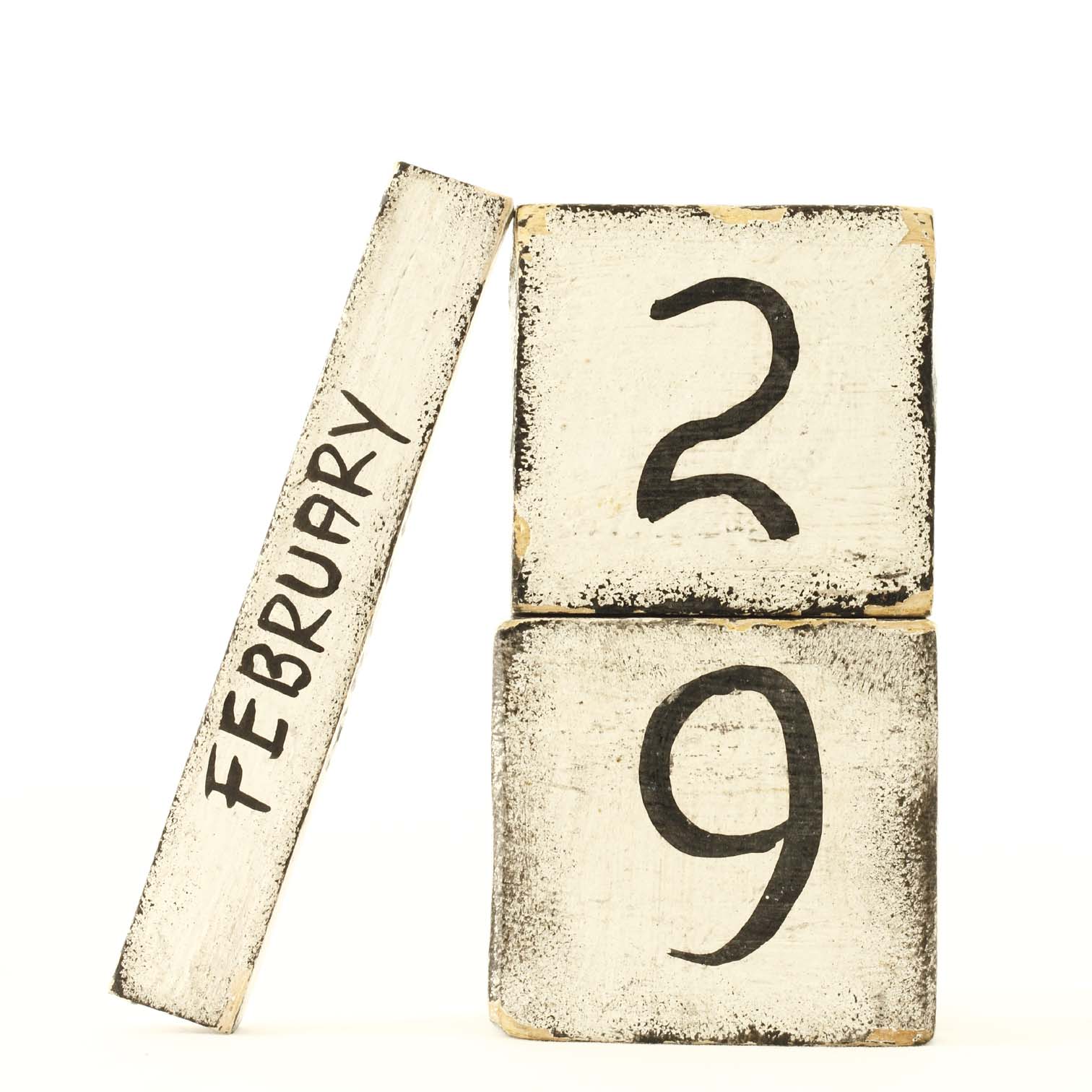
The extra day, called a leap day, is usually February 29 and only comes around every four years. It is added in leap years because the Earth doesn’t orbit the sun in exactly 365 days.


But why “leap” year?


The name is thought to come from the fact that, while a fixed date in the Gregorian calendar normally advances one day of the week from one year to the next, the day of the week in the 12 months following a leap day (March 1-February 28 of the following year), will advance two days, thus “leaping” over one of the days.


So, why is a leap day always in February? It looks like tradition wins out here. February was originally chosen as the month in which to add a leap day and it stuck.


Another question that comes up is, if you were born on a leap February 29, when do you celebrate your birthday each year after? Codes vary state-by-state, but most consider March 1 as a “leap baby’s” birthday. There is a 1 in 1,500 chance of being born on a leap day and babies born on one are thought to have special talents according to astrologers.


That’s Sick! October 31, 2016

Filed under: Uncategorized — carlawordsmithblog @ 11:43 pm

Years ago my daughter called me from her middle school nurse’s office claiming she had an earring stuck in her ear. My first thought was a small post fell into her ear but no, that wasn’t the case. Her earring, indeed a small post, was stuck in her ear lobe! The back had fallen off and the entire stud was stuck inside the lobe. She was upset and I knew I had to get her to a doctor. But, what doctor?


Our family physician? An ear, nose, and throat specialist? I even thought a dentist could numb the lobe and pull the earring out. But, what did I do? I raced her to an urgent care clinic. Yep, the dreaded “doc in box.” Maybe I should say formerly dreaded, as this type of health care is the health care for many Americans.


I was one of them today.


Momma Called the Doctor and the Doctor Said…

I’ve been coughing for about a week now. A dry, irritating cough with no drainage or fever but the aches and pains started hitting me last night. I thought about calling our family doctor and trying to get in today, a Monday mind you, but that doctor is now a 45 minute drive from our new home and with my luck his only opening would be first thing in the morning. Hello hour-long, rush hour drive to the doctor. Don’t get me wrong, I love our doctor but I wasn’t loving the sound of this scenario.


Plan B. I was pretty certain I had either a sinus infection or bronchitis and I knew an Urgent Care Clinic could take care of it. Do I drive an hour or so to my doctor if I can even get an appointment with him on such short notice, or do I drive 15 minutes up the road to a fully-staffed, no appointment necessary “doc in a box?” The box won and I’m on the road to recovery after a steroid shot, a Zpac antibiotic prescription, and that wonderful cough medicine with codeine. Bingo. Oh, it’s bronchitis by the way, which the uber-professional doctor guessed right away but still checked me from head to toe.


So how does one decide what medical professional to see? There are basically four choices: a doctor in his/her office, an urgent care clinic, a retail walk-up service, or an emergency room. Basically, urgent care is for those situations where you can’t wait for an appointment with your doctor but the injury or illness is not life-threatening. Of course there’s more to consider than just that, so let’s look further.


doctor1

Primary Care Physicians

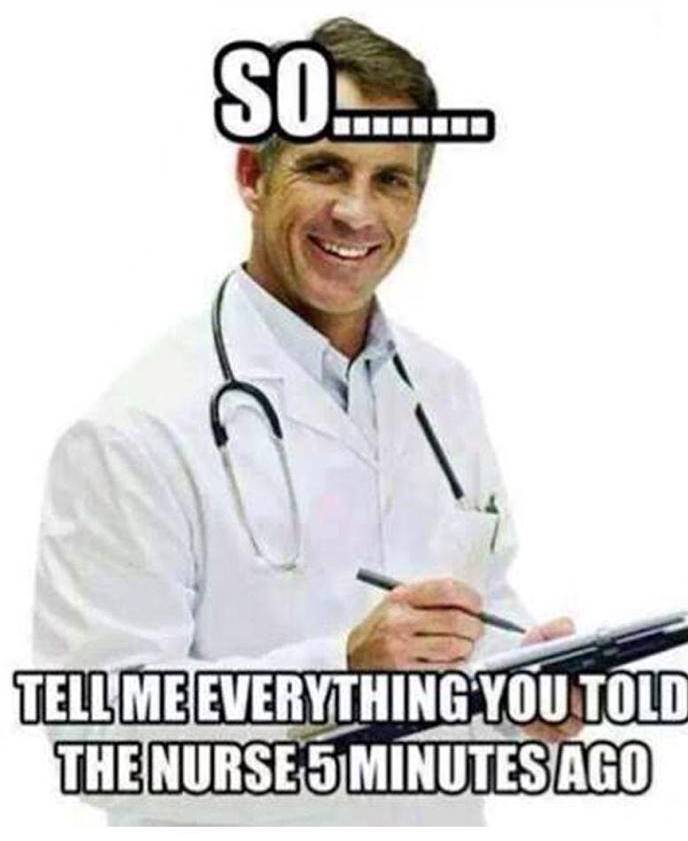
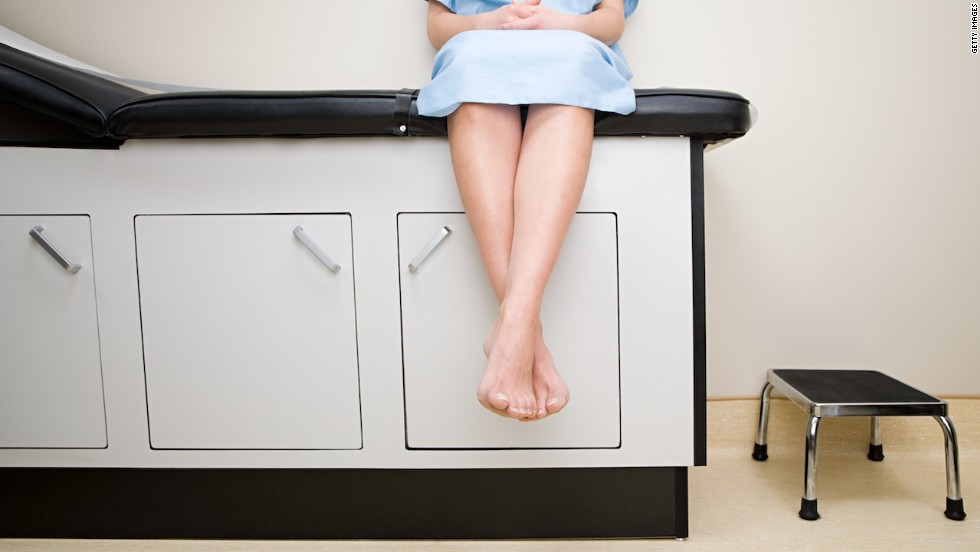
Remember the Dr. Marcus Welby days, when you’d simply call (not text or email) your doctor’s office, make an appointment, and see him or her that day? Those days are somewhat gone. Yes, it can still happen, but more than likely you will be given appointment options days away and if it is “urgent,” you will be told they will try to squeeze you in at “fill in the blank” time. Code red word: come then and get ready to sit in the waiting room with hacking, sniffling patients for a fairly long time. Bring a book. Bring a mask.


On the flip side, that primary care physician probably saw you previous times, which means he has comprehensive medical records on you. Have you gained weight? Lost too much weight? Is your blood pressure suddenly high? Are you allergic to certain drugs? They will know this about you. They might also visit with you about other health-related issues like nutrition, stress management, and exercise. I’d say, in my totally unexpert opinion, see them for acute and chronic conditions like diabetes, high blood pressure, and allergies for sure.


Like I said, I love our family doctor. What I don’t love is when doctor’s offices email you their forms to fill out before your appointment. Um, excuse me, I’m paying you how much and you want me to use my hard-earned printer paper and ink? Not gonna happen. I’ll be filling out the forms while I wait in that germ-infested waiting room. I mean REALLY!?


This reminds me of a scene from one of my all-time favorite TV shows, “Will and Grace.” Grace is sitting in a doctor’s waiting room for quite some time and as she puts a waiting room magazine in her purse she says, “You make me wait, I take things” Classic.


Okay, so primary care physicians are great, and if you’ve got the time, they’ve got the office hours. But, they just might not be convenient. And, in today’s “I need it now” society, this sometimes is just not good enough.


urgent-care

URGENT CARE CENTERS

Enter the urgent care center, home of no appointments necessary; acceptance of almost all insurance policies; extended hours that often include nights, weekends, and holidays; and locations everywhere. They are also often fully staffed with real doctors, nurses, physician assistants, and medical assistants.


These places used to be frowned upon by many a medical expert, but some of them have changed their tune, especially for issues like sinus infections, colds, the flu, cuts and scratches, allergies, minor sprains and strains, bug bites, diarrhea, vomiting, sore throats, minor broken bones like fingers or toes, and even urinary tract infections. Plus, wait times are usually less than 30 minutes and co-pays, though higher than those at your primary care doctor, don’t break the bank. Consider them the price of convenience. Convenient health care.


They aren’t surgical centers however, but many offer a wide range of services including imaging like X-rays, orthopedic casting, and the treatment of injuries that require stitches. Most clinics have a licensed physician on-site at all times, which is a plus, but you probably won’t see the same one each time you go. This means that doctor, as worthy as he or she might be, will know nothing about your medical history except for what you fill out on the admission form. And, this information and your visit may or may not be shared with your primary care doctor, leaving what some health care professionals call “the black hole of medical records” and the interruption of long-term “continuity of care.” Both of which raise eyebrows and concern.


I will say the form I filled out today did ask for my doctor’s name and contact info. Whether they send him anything is up to them. If I was that worried about it, I’m pretty sure I could call them tomorrow and make sure they did and if not, request they do.


WALK-UP RETAIL SERVICES

I’d venture to guess many of you have visited one of these. They are commonly found in grocery store pharmacy departments and nearly all big pharmacy chains have them. Staffed by nurse practitioners, not licensed doctors, they are great for flu shots and vaccinations, but keep in mind they normally can’t prescribe narcotics like cough medicine with codeine.


Their role is to yes, get customers in the store, but to also complement a primary care physician or urgent care clinic. But, don’t think of them as replacements for either even though it’s been reported that up to 50 percent of retail clinic patients have no primary care doctor.


emergency-room

EMERGENCY ROOMS

It scares me just to write about these. Emergency rooms are of course for, emergencies. No primary care doctor, urgent care clinic, or retail walk-up service should ever be considered a substitute for emergency care. Mt. Sinai Hospital suggests thinking of an emergency condition as one that can permanently impair or endanger your life or the life of someone else. You wouldn’t go to one for a sinus infection or flu shot but you would go to one if you got bit by a rattlesnake or fell off a ladder. Other emergency situations include severe chest pain, difficulty breathing, compound fractures with bone protrusions, convulsions, seizures, loss of consciousness, heavy and uncontrollable bleeding, poisoning, head or neck injuries, back injuries, and severe abdominal pain just to name just a few.


When in doubt, consider emergency care but also consider that they are, expensive. Very expensive.


Sadly, a RAND Corp. study reported that up to 30 percent of ER visits could have been handled adequately by an urgent care clinic or retail clinic, saving nearly $4.5 billion a year in health care costs.


doctors-office

THE FUTURE OF HEALTH CARE?

Urgent Care Clinics began popping up in the early 1980s and today there are nearly 6,500 of them in the U.S. and close to 2,000 retail clinics, both of which are considered many an American’s main source of health care. They are also what some consider a symptom not a cause of our nation’s health care systemic woes.


Busy, hard-working Americans may long for health care’s “glory days,” but they don’t miss the inconvenience of its appointment-based traditions and with both deductibles and premiums increasing at sometimes alarming rates (I’m looking at you Obamacare), those same budget-conscious Americans are looking for medical care options. They want health care to be as much about them and their 24-7 schedules as it is about doctor convenience.


We also live in a very fluid society with jobs being accepted across the country and moving the family is the norm. Where to live and what schools to enrolls kids in are often the priorities but doctors, they come and go so both retail clinics and urgent care clinics seem to fit the bill.


Urgent Care Clinics are also considered a growing franchise business opportunity and are one of few health care industry growth areas. Most centers are freestanding facilities run by private investors but even some hospitals and health care systems are partnering with clinics in hopes of expanding their brand and services.


Proponents of the urgent care clinic system say they consider it not a replacement of traditional health care or the need for primary care and specialty doctors, but rather as an option to a system that is overloaded. Doctors simply can’t be in their offices 24-7, patients can’t plan illnesses during work hours, and accidents happen.


So, I think we’re pretty much in agreement as to where to go for emergency situations, but it’s up to you where you turn for anything else. Diabetes? I’d go to my family doctor. Flu shot? I’d probably head to a retail walk-up clinic. Strep throat? Unless my primary care physician is immediately and conveniently available, I’m off to the nearest urgent care clinic. Oh, and if I ever get an earring stuck in my ear. Yep, that one for sure.