Beyond Words

Words, Wit and Wisdom for Today's Style and Decision Makers

New Year, New You January 2, 2017

Filed under: Uncategorized — carlawordsmithblog @ 12:55 am

jump


Earlier today I did my annual “Polar Bear Plunge” in Austin’s Barton Springs Pool. Every New Year’s Day, hundreds of Austinites jump into the downtown spring-fed treasure that boasts a constant water temperature of 68 degrees. The “Plunge” is a way of washing off last year’s woes and starting the new year refreshed and rejuvenated. Today’s 72 degree weather made the jump a little easier than those of previous years with temperatures in the 30s and 40s accompanied by drizzle, but the water still felt freezing and it was still refreshing.


I’m ready 2017. Bring it!


Today is when many of us start anew and start our New Year’s Resolutions. I’ve blogged about them before and won’t bore you with great ones I’ve concocted or how to’s again this year. Instead, I’m sharing just a few ideas others have enlightened me with and that I’m hoping enlighten you as well.


rocks

If you’ve followed me for a while or know me, you probably remember I love Gretchen Rubin and her “Happiness Project” books. Once again Ms. Rubin nails it as she suggests we each choose one word as a 2017 mantra. A single word or short phrase Rubin notes, is easier to remember all year and easier to put into action than some long, thought out dissertation of goals and plans. She has chosen “Repurpose” as her 2017 focus word, as she hopes to make more of what she already has. I love it! Other years she has selected “Upgrade” and “Lighten Up,” and encourages all of us to choose something we can truly pour ourselves into. Here are some suggestions:


Adventure

Renew

Energize

Travel

Rest

Finish

Calm

Pause

Balance

Connect

Embrace

Purify

Less (as in negativity, procrastination, etc.)

More (as in exercise, prayer, etc.)

Willing

Gratitude


What will you choose for your 2017 one-word theme?


xunderestimate-me

Another successful woman who inspires me is Rachel Zoe, who recently blogged in her Zoe Report on “What Successful Women Do in January.” Here are just three of the things that struck a chord with me:


Identify Big Picture Goals. It’s good to have goals but sometimes we overwhelm ourselves with having too many of them. Zoe recommends focusing on what you feel most in need of change. Don’t think small though, as these are big ticket items. Be specific with them, prioritize them, and make sure at least one of them is something that terrifies you. What? Why? Because, if you accomplish just that one thing during the year, think about how proud you will be.


Evaluate What Didn’t Work Last Year. This one makes perfect sense. Start this year by evaluating what didn’t work for you last year. Easy-peasy, right? But, after doing so, resolve to fix it and work to change it. Little things matter too. If you hate your job, work on finding a new one and at the same time, if the flowers in your flower beds drive you crazy, choose different ones. Everything is worth evaluating.


Picture One Person You Want to Prove Yourself To. It can be hard to motivate yourself day after day. Some days you just don’t have the “umph” required for a triumph. When you’re feeling this way, picture in your mind that one person you feel doesn’t believe in you or respect you. Then, go out and prove them wrong!


new-years-jar

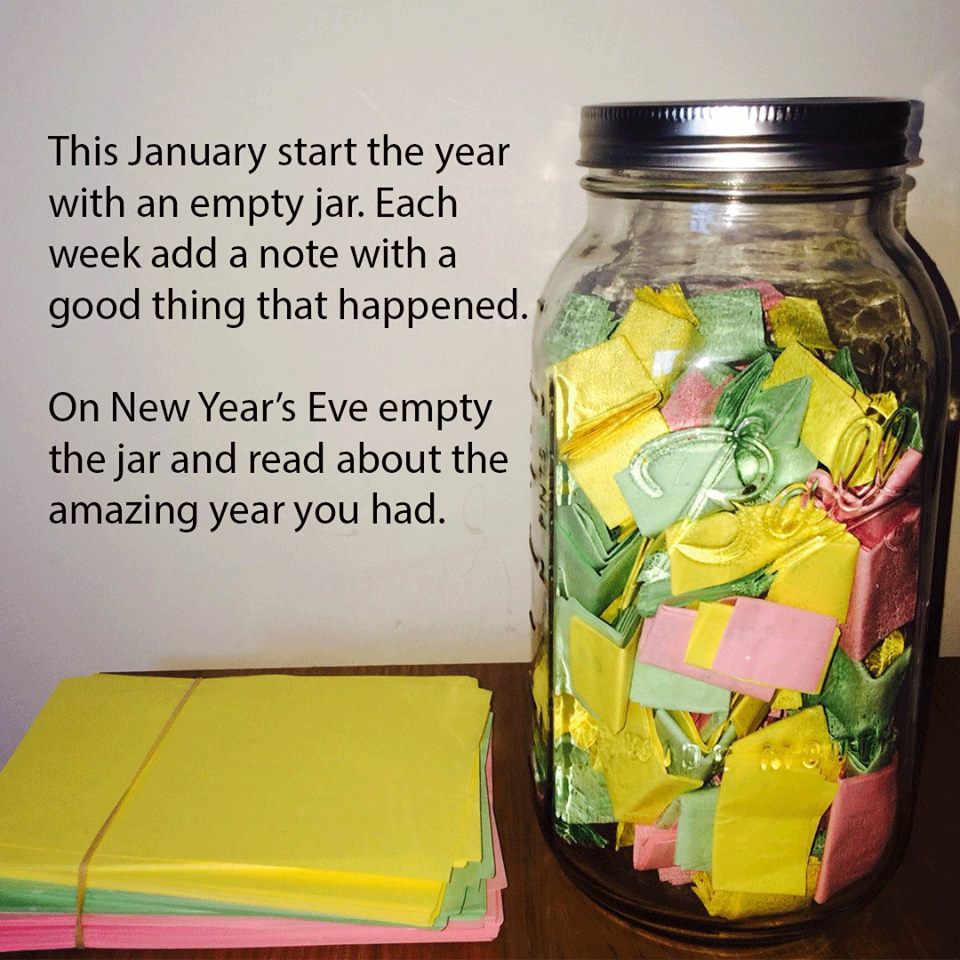
Something else I ran across that I liked is the idea of putting a small note into a jar (or basket, or box, or anything you want) stating something good that happened that day. On New Year’s Eve 2017, read them all and maybe, just maybe, you will realize it was a pretty good year after all!


mind-map

On a more “heavy” note, is the idea of mapping…mind mapping. That’s what former Google career coach and job strategist Jenny Blake promotes. A “mind map” she says, is basically a visual diagram of your interests and goals.


Start by writing the year in the center of a piece of paper. From there, draw spokes for different themes that are important to you. These could be “business,” “personal,” “health,” “fun,” or whatever you want. Then, from those draw more spokes and write down what you want to accomplish in each area or what you might want to try out or experiment with in them.


Doing this will help you figure out the next project, hobby, or even career change that will make the new year happier and more successful Blake promises. The goal, she says, is to break out of linear thinking and instead “go broad, go big, and go sideways.” I’m on board!


my-bible

Every year I also vow to grow spiritually so I really liked something I ran across called “Catholic New Year’s Resolutions.” These ways of improving my faith include:


One virtue I’d like to grown in

One sin I’d like to eliminate

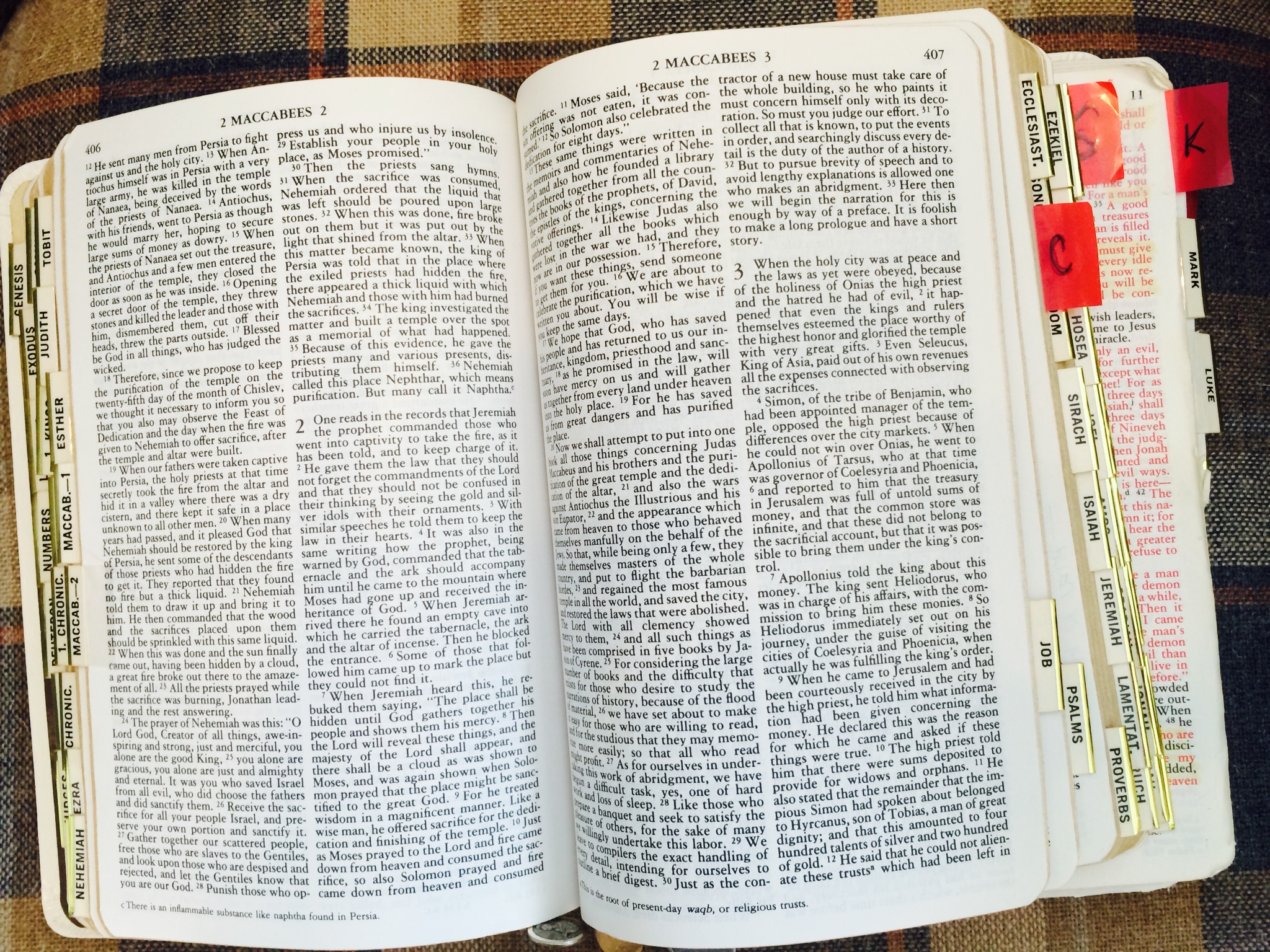
One book of scripture I’d like to read through

One spiritual book I’d like to read

One prayer I’d like to learn

One way to improve my sacrament life

One saint I’d like to get to know better

If you’d like a free printable of these goals, go to betterthaneden.com.


Finally, I end with something I read that I LOVED. I hope you love it too as it is some of the smartest advice I’ve heard in a long time. Plus, doing it not only benefits you, but others as well.


Lately I’ve been replacing my “I’m sorry’s” with “thank you’s,” like instead of saying “I’m sorry I’m late,” I’ll say “thanks for waiting for me.” Instead of saying “sorry I’m underdressed today” I’ll say “thank you for loving me just the way I am.” Doing this has not only shifted the way I think and feel about myself but it’s also improved my relationships with others who now get to receive my gratitude instead of my negativity.


What a concept! Happy New Year everyone and thanks for reading. I appreciate you more than you know!


Hangovers and Headaches December 30, 2016

Filed under: Uncategorized — carlawordsmithblog @ 11:48 pm

champagne


Going out tomorrow night? Ringing in the New Year with family, friends, and festivities? Much of those festivities will more than likely involve champagne and alcohol of some sort. New Year’s Eve is in fact the most popular drinking day of the year, followed by Christmas and not far behind is Thanksgiving. That’s a whole lot of alcohol in two short months. Cheers!


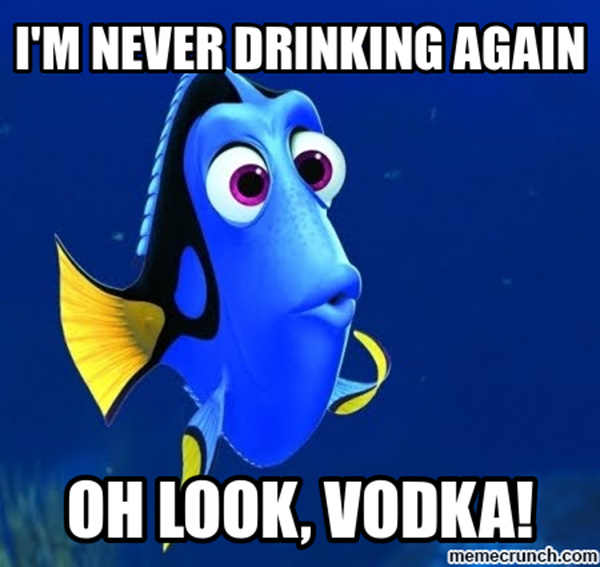
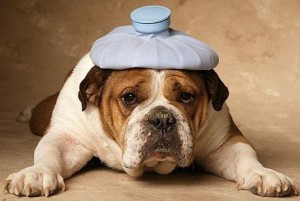
But, as we celebrate saying good-bye to 2016 and hello to 2017, we may also have one , or two or three or four, drinks too many and will regret doing so come Sunday when we wake up with a doozy of a hangover. Growing up, I had a friend who had a Bassett Hound named Hangover, which today is so funny to me, but real hangovers are anything but funny and in a word, blow. So, how best can you avoid one this go round?


keep-calm-and-drink-more-water

Water’s Your Friend

Naturally the best way to avoid waking up with an aching head and queasy tummy is to drink less alcohol. But, it’s New Year’s Eve you say, so maybe the question should be, what’s the best realistic way to avoid a hangover? Well, I’m here to help my friends.


First of all, eat before going out and eat something hearty. Having food in your stomach will slow the rate alcohol is absorbed into your bloodstream according to Dr. Keri Peterson who was interviewed by “Good Housekeeping” magazine. Peterson also recommends drinking a glass of water between every alcoholic beverage you down, which will help prevent an electrolyte imbalance that is responsible for a hangover’s worst symptoms.


Other than that, it’s all about portion control and self-control. Unless they’re your favorites, avoid dark liquors like whiskey, as they are thought to contain more “hangover causing” toxins than lighter drinks and, as hard as it might be, especially on New Year’s Eve, you might also consider skipping the bubbly. The bubbles in champagne help your body absorb alcohol faster, causing higher alcohol levels and possibly leading to increased chances of a hangover.


dorie

Hair of the Dog?

So, you eat before, you drink water, and you avoid shots of whiskey but you still wake up with a hangover. What gives and what next? Sadly, there are no magic cures and most wives tales are just that: tall tales.


First of all, continue to hydrate. Your body aches and it needs hydration, which all that alcohol (and possible vomiting) decreased. After that, the best cure? Sleep! Yep, if you can, sleep as much as possible. But, what if you don’t have the luxury of sleeping in?


Hydrate, hydrate, hydrate. And hydrate more. Most experts believe that dehydration caused by heavy drinking is what leads to a hangover so it only makes sense to add hydration back into your bruised and battered body. Water, juice, and sports drinks like Gatorade that contain water, carbohydrates, and electrolytes are your best bets.


After hydrating, nutrition is probably most important. But, unlike many a popular myths, a greasy meal is not what you should go for. Instead, start with some easy-to-digest food like toast or cereal. There are also countless claims that honey sandwiches work wonders, but whatever you do, concentrate on getting calories back into your system and not on counting calories or carbs.


If you’re a regular coffee drinker, grab a cup of java but not for reasons you might think. The caffeine in coffee actually narrows your blood vessels and increases blood pressure, both of which make hangovers worse but if you normally have coffee in the morning, avoiding it will only add a caffeine headache to your already pounding head. Start the Keurig and possibly start the healing.


Once you have something in your stomach, anti-inflammatory pain relievers may help some of your symptoms. Think ibuprofen or naproxen. A small amount of GENTLE exercise may provide some relief too, but avoid anything that requires a lot of nutrition or that will decrease your already dehydrated state. Many also reach for Alka Seltzer. The famous plop-plop-fizz-fizz is full of bicarbonate or baking soda, which may soothe your aching belly, but the aspirin and citric acid in it may do just the opposite.


dog-hangover

Something that won’t help is the old “hair of the dog.” Yes, that early morning Bloody Mary may trick you into thinking it’s cured your hangover but it’s really only a temporary fix and may actually make things worse in the hours ahead. Your body may in fact be suffering from alcohol withdrawal so adding more to it is not the answer.


Personally I would think about going into one of my favorite places, a sauna, in hopes of sweating out all those toxins but don’t do it! In fact, the last thing you need is to cause dangerous blood vessel and blood flow changes in your weakened system, which the extreme heat of a sauna could do.


There are pills that purport to help you avoid getting a hangover and others that claim to cure a hangover, but most do so with questionable results. There are also multivitamins for drinkers that contain ingredients thought to replenish nutrients alcohol diminishes but they probably won’t cure a wicked hangover. Then there’s milk thistle, the herbal supplement many swear by and which studies show helps support liver function. I guess it couldn’t hurt.


Lastly, a current trend is something a little more extreme: IV drips. Voluntary intravenous drips. Insanity! Not happening! But, think back. Think back to the misery you felt suffering from a hangover. Wouldn’t you do anything to relieve your aches and pains? Okay, tell me more.


The normal, everyday drips are filled with somewhat obvious things like ibuprofen and anti-nausea supplements in addition to B12 and B complex, vitamin C, and something called glutathione. Okay, tell me what all that means.


B vitamins are depleted by alcohol and at the same time, they protect your nervous system. (One reason heavy drinkers often exhibit mood swings and suffer anxiety and depression.) Getting a boost of them in an IV may speed-up your hangover recovery and help you feel energized and revitalized. Vitamin C supports your body’s immune functions while glutathione is thought to detoxify the liver and is an effective antioxidant. So, more glutathione in your body the more you can drink? That explains it!


Year by year, you don’t seem to be able to drink as much as you used to, right? In college you may have been the life of the party but by your 40s you’re more often the party pooper. This is in part because your body produces less glutathione as you age. Bingo!


These on-demand infusions may also contain electrolytes and other vitamins to ease hangover symptoms but they aren’t cheap. Averaging $200 a pop…or poke…iv hangover drips are gaining popularity and are often administered by doctors or nurses themselves. In fact, one group of ER physicians now have permanent residency at the MGM Grand Hotel in Las Vegas. Shocker.


So party on tomorrow night but party smart. Drink that water, don’t drink and drive, and wake up in 2017 with a smile, not a hangover!


Lessons and Wisdom December 24, 2016

Filed under: Uncategorized — carlawordsmithblog @ 5:43 pm

sleigh1

ALL I NEED TO KNOW I LEARNED FROM SANTA

Encourage people to BELIEVE in you.


Always remember who’s NAUGHTY and who’s NICE.


Don’t POUT.


It’s as much fun to GIVE as it is to receive.


Some days it’s okay to feel a little CHUBBY.


Make your PRESENTS known.


It never hurts to ASK.


Bright RED can make anyone look good.


If you only show up once a year, make it SPECIAL.


Whenever you’re at a loss for words, just say

“Ho, Ho, Ho!”

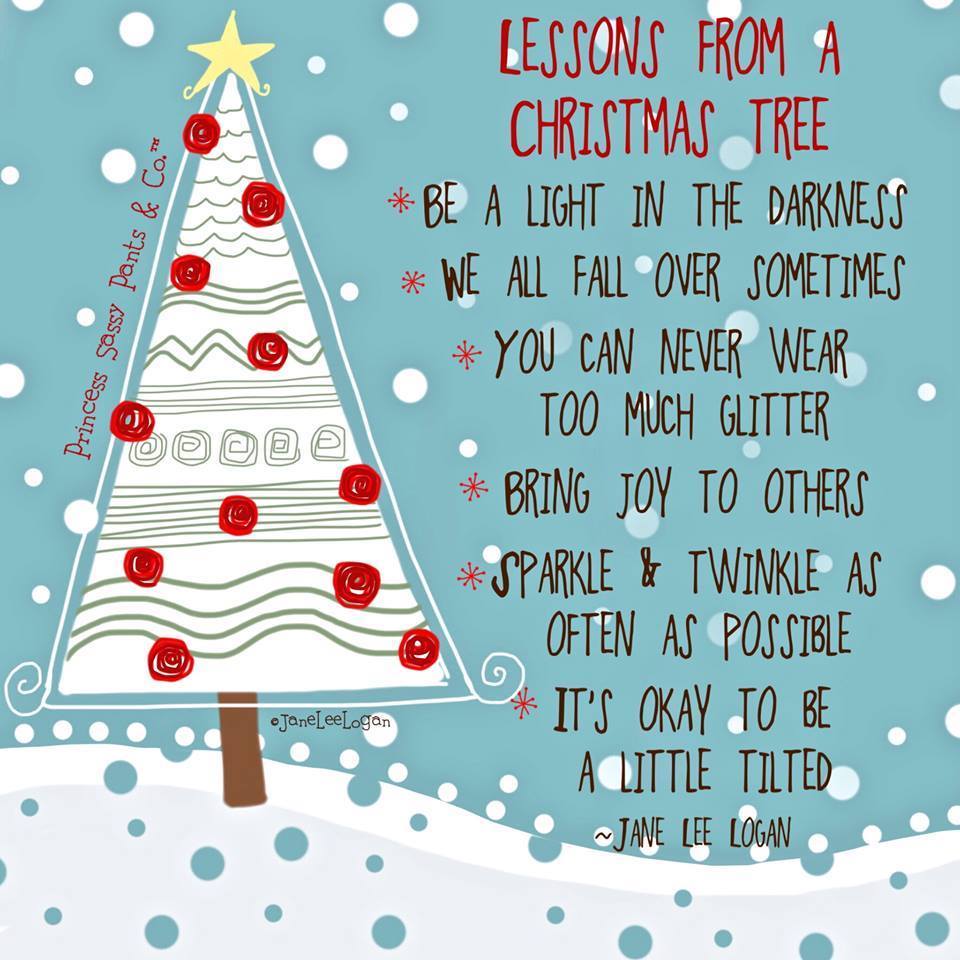
tree-lessons


Pass the Cheese Board Please December 22, 2016

Filed under: Uncategorized — carlawordsmithblog @ 4:32 pm

cheese-boards


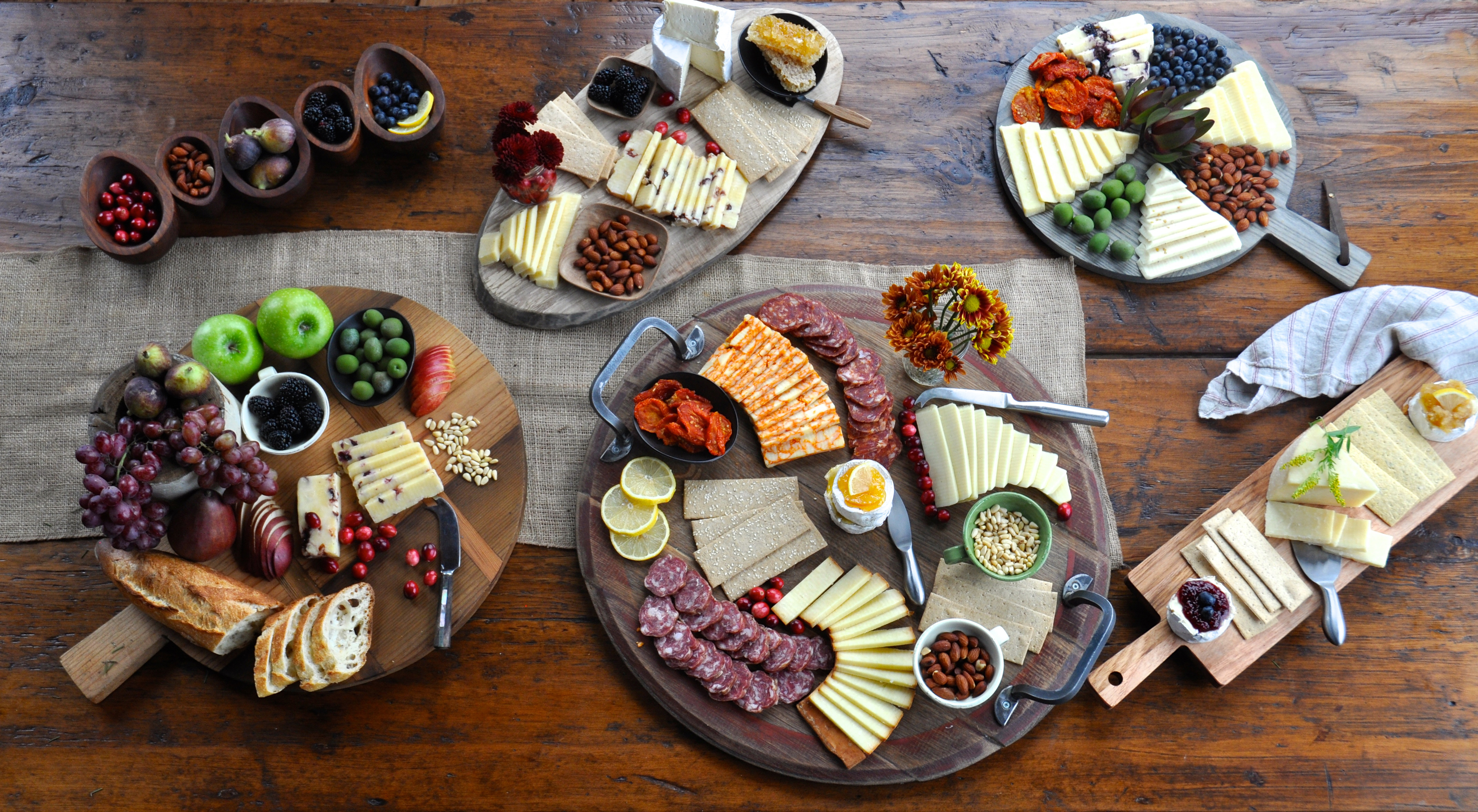
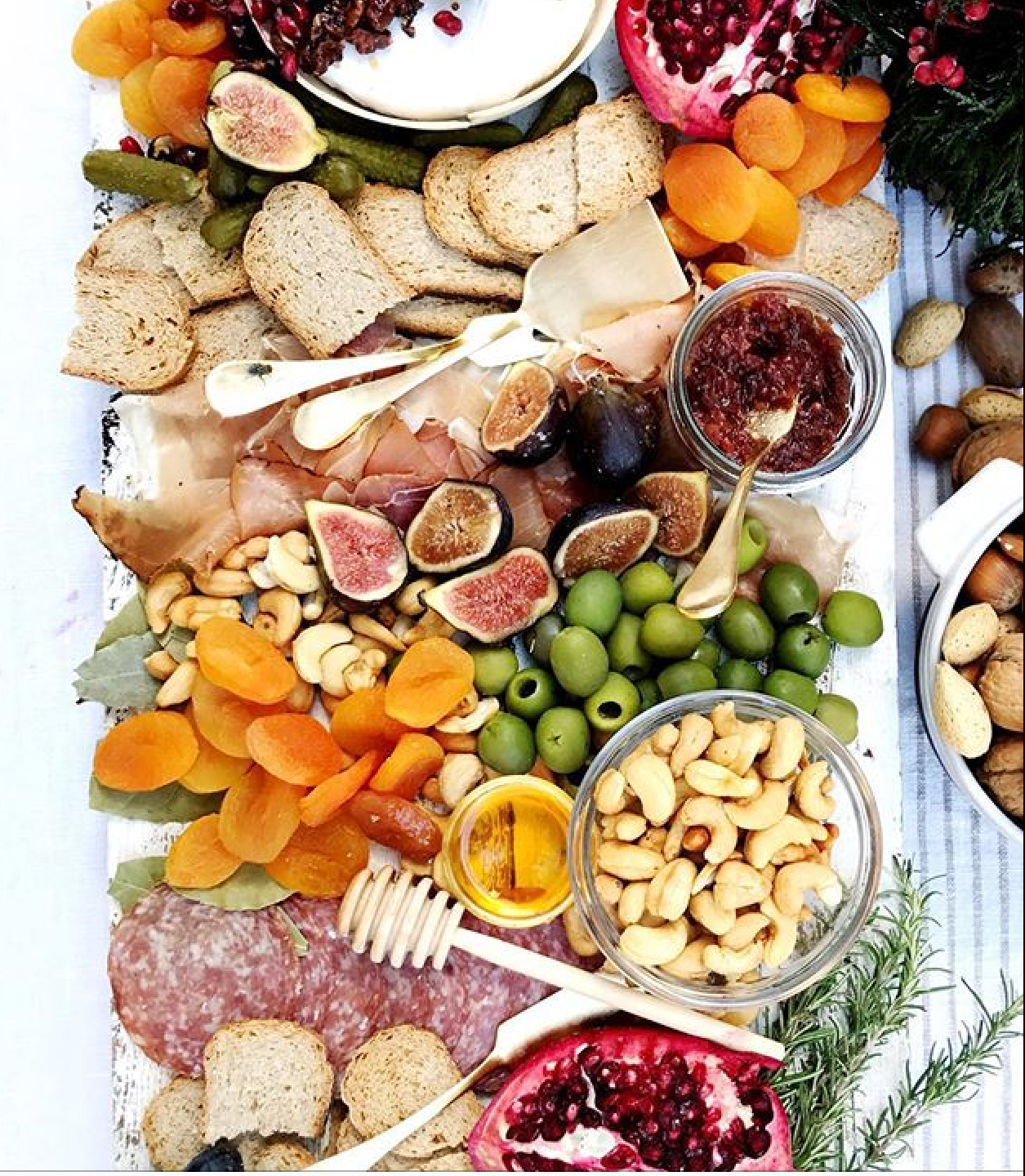
Tis the season for entertaining and any season screams “cheese!” to me! There are lots of parties to attend and lots of friends to host, and in between the meatballs and Christmas sweets, there’s nothing better than a solid cheese board. Filled with so many delectable flavors and delightful to look at (have you seen Instagram lately?!), a cheese board can please almost any guest. They are also easy to put together and in a pinch, you probably have enough items on hand to throw one together at the last minute. But, if you want to make a picture perfect one, what should you include? That, my friends, is half the fun and entirely up to you, although there are some guidelines. You don’t want to plop down a nut-covered orange cheese ball but you also don’t want to offer your guests overly fussy pairings. So, here are some go-to tips.


cheese-plate1

Choosing the Cheese

This is most important. But, before you head to the store, ask yourself how many guests you expect and whether your gathering is more formal or more on the casual side. From there, you can start thinking about cheese.


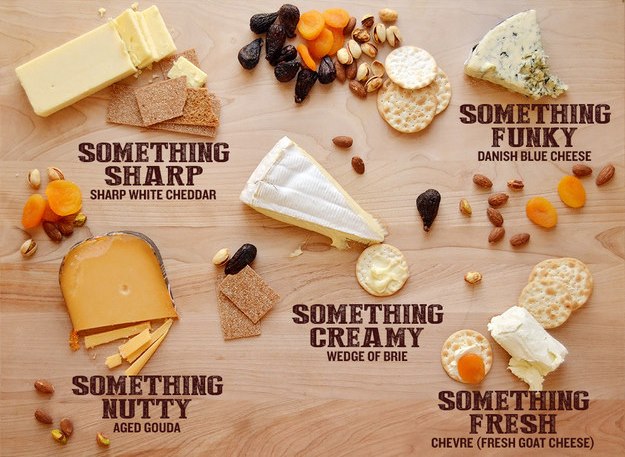
Tia Keenan, author of “The Art of the Cheese Plate,” (yes, there is a book on the subject and it is fabulous!) recommends “building flights,” just like you would for beer or wine. I’ve always heard to choose a cheese from each of the four basic categories of aged, soft, firm, and blue, but Keenan also says picking cheeses around a theme can be fun like choosing cheeses made from the same type of milk such as goat, sheep, or cow, or cheeses based on the region they’re from like Normandy in France or Somerset in England.


Personally, I like the first option and the variety it offers both in textures and flavors. For aged, I’d probably choose an aged white cheddar or smoked Gouda. If most of the other cheeses chosen are white though, I’d stick with a regular cheddar to add color to the plate. A nice soft cheese I like is Camembert and most, but not me, like a creamy Brie. Hard-wise, I love both Manchego and Parmigiano-Reggiano but I’m not a big blue fan, so I would offer either a mild Gorgonzola or mildly-strong Stilton. Roquefort will not be found on any cheese board I create!


Whatever you do, be sure to serve at least one familiar cheese. Not everyone is a cheese fanatic but almost everyone loves a good cheddar. Amount-wise, figure on offering 3-4 ounces of each cheese per person.


One thing most experts agree on is that a cheese plate should never include a flavored cheese or cubes of cheese. Sorry friends, I love a good flavored cheese as much as the next person and I adore the ease of grocery store packaged cheese cubes, but ixnay on the cheese tray.


Now, the set up.


Remove cheeses from the refrigerator one hour before serving. No one wants a cold piece of cheese and the flavors, aromas, and subtleties of each will be enhanced by keeping them at room temp. Keep in mind that cheese is actually a preserved food, so there’s really no need to refrigerate hard, aged cheeses unless you purchase them way in advance, which isn’t recommended anyway.


Once you have selected your cheeses, it’s time to put together the board. Always, always, always cut your cheeses before putting them on the board and do so on a separate board. Don’t leave it up to your guests to cut as some may not know what cutting utensil works with what cheese and you don’t want a mess on your board.


For soft and crumbly cheeses like chevre and blue, “Bon Appetit” recommends using a wire and for harder cheeses, think about their original shape and use a good cheese knife to slice them with while maintaining that original shape. Slice into wedges or strips that can be eaten in one or two bites. Throw in a few sprigs of Rosemary for adornment, and you’re good to go! It’s also a nice idea to label each cheese on the board. There are so many clever ways to do so. When in doubt, check Pinterest!


cheeseboard-by-camille-styles

Pairing and Plating the Cheeses

Part of the beauty of a cheese board is what’s plated in addition to the cheeses themselves. Basically, your board should include something hard, soft, salty, nutty, and sweet. Most people I spoke with recommend a combination of any but not all of the following: crusty bread, baguettes, crackers in different sizes and shapes (but never seasoned), spicy mustards, roasted red peppers, Marcona almonds, raw honey, prosciutto, salami, figs, apples, pears, chutney, and cornichon pickles. If you like, you can also offer some good dark chocolate with sea salt. I’ve also served mini caramel apple bites and they were a hit!


But, don’t go crazy with pairings and just like the cheeses you choose, offer a variety. Choose things both sweet and savory but don’t overload the board. “Bon Appetit” suggests one bread or cracker, one in-season fruit, a jam or compote, and two savory options like pickles, salami, or mustard.


cheese-board-slate

So, you have the ingredients, now what do you put them all on? That one’s easy.


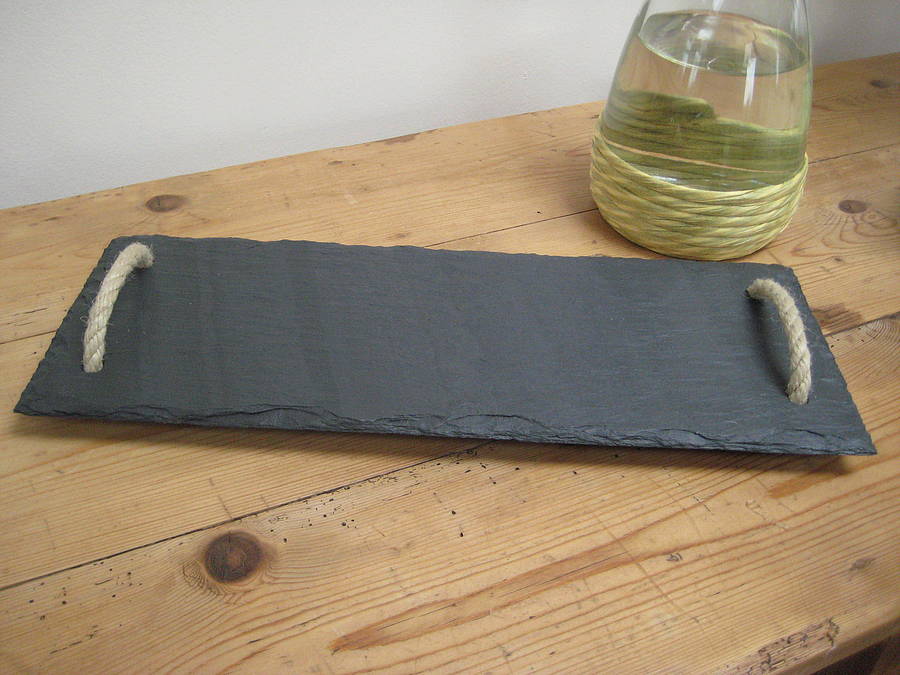
Any wooden cutting board that’s in good shape will do, as will a pretty marble slab, a slate board like the rope-handled one pictured here, or my newest gem, a Himalayan Salt Block given to me by a dear friend. Once you choose the serving vessel, place the cheeses all the while making sure to separate strong ones from mild ones, and then add the pairings much like you would accessorize an outfit. Be sure to provide small plates and cocktail napkins nearby, as well as nice liquid pairings such as a good Sauvignon Blanc or subtle juice.


So there you have it: the perfect cheese board. They may look pretty and pretty complicated on Instagram, but they really are pretty simple! Have fun and bon appetit!


1 Corinthians For Christmas December 18, 2016

Filed under: Uncategorized — carlawordsmithblog @ 10:11 pm

xxxfirst-corinthians


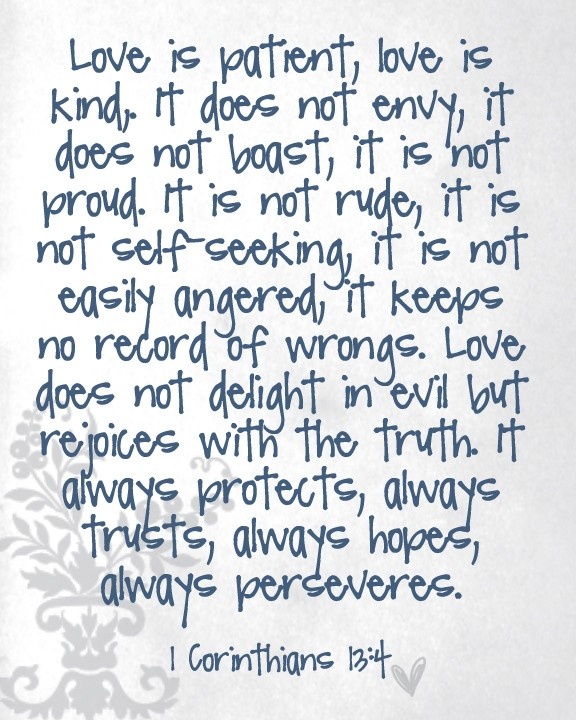
It is one of most popular readings from the bible and is often quoted in both secular and non-secular worlds. It talks about being patient, kind, and honest and not being envious, proud, or rude. It was read during my wedding and I had to memorize it to be initiated in my college sorority. It is, 1 Corinthians:13. So many of us have heard it, know it, and love it. But, did you know there is a Christmas version? It’s not found in the bible, but it’s well worth a read. Enjoy!


christmas-love


1 Corinthians 13 Christmas Version


If I decorate my house perfectly with strands of twinkly lights and shiny balls

but do not show love to my family, I am just a decorator.

If I slave away in the kitchen baking dozens of Christmas cookies and arranging on a beautifully

adorned table but do not share the true meaning of Christmas, I am just another cook.

If I volunteer at a soup kitchen, carol in a nursing home, and donate to charity

but do not demonstrate simple kindness to strangers, it profits me nothing.

If I attend holiday parties but do not go to church, I have missed the point.

Love stops cooking to hug a child.

Love sets aside decorating to kiss a spouse.

Love is kind during the holidays though harried and tired.

Love doesn’t envy another’s home that has coordinated Christmas china,

perfectly strung outdoor lights, or a flawless tree.

Love doesn’t ask family to get out of the way but is thankful they are in the way.

Love doesn’t give only to those who are able to give in return or those on our lists,

but rejoices in giving to those who can’t and those who aren’t.

Love bears all things, believes all things, hopes all things, and endures all things.

Love never fails, even at Christmas.


Strike A Pose

Filed under: Uncategorized — carlawordsmithblog @ 5:27 am

beach-frame


This blog post is most likely too late to be of benefit for your Christmas card photos, but hopefully it’s not too late for holiday party and family get together photos. In either case, fasten your phone cam seat belts; it’s photo season! The stockings are hung with care, presents have been bought using much thought, but what about photos? You want to be ready for them too. What’s your best angle? What’s the best way to pose? It’s all right here. Just read on!


Everywhere you go people are taking photos, mostly with their phones. Group photos, scenic photos, food photos, and of course, selfies. Sometimes I look at photos of me and think, “Eeeww. That was a horrible way to pose!” Other times I think, “Hmmm…not too bad!” So what gives? What makes that all important “to post or not to post” difference?

xbarbie


In a nutshell, you might say half of it is your body type and what you wear and the other half is how you angle that body and clothing toward the camera. It goes without saying that you should try to face a light source (rather than have it directly overhead for example) and that whatever is closest to the camera will look the biggest, but there are also other tips you can bank on, including these simple rules of thumb:


  • Stand tall and stand up straight. Slouching is both unflattering and makes you appear unsure of yourself.
  • Relax! Unless you’re a model or a millenial, you probably don’t like having your picture taken, but when you do, relax. Don’t tense up or try too hard, and don’t forget your hands. Keep them soft and natural.
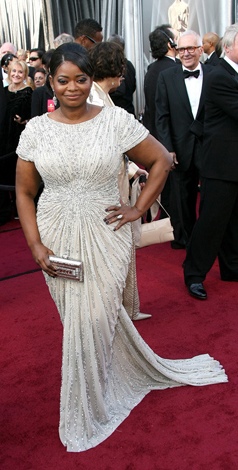
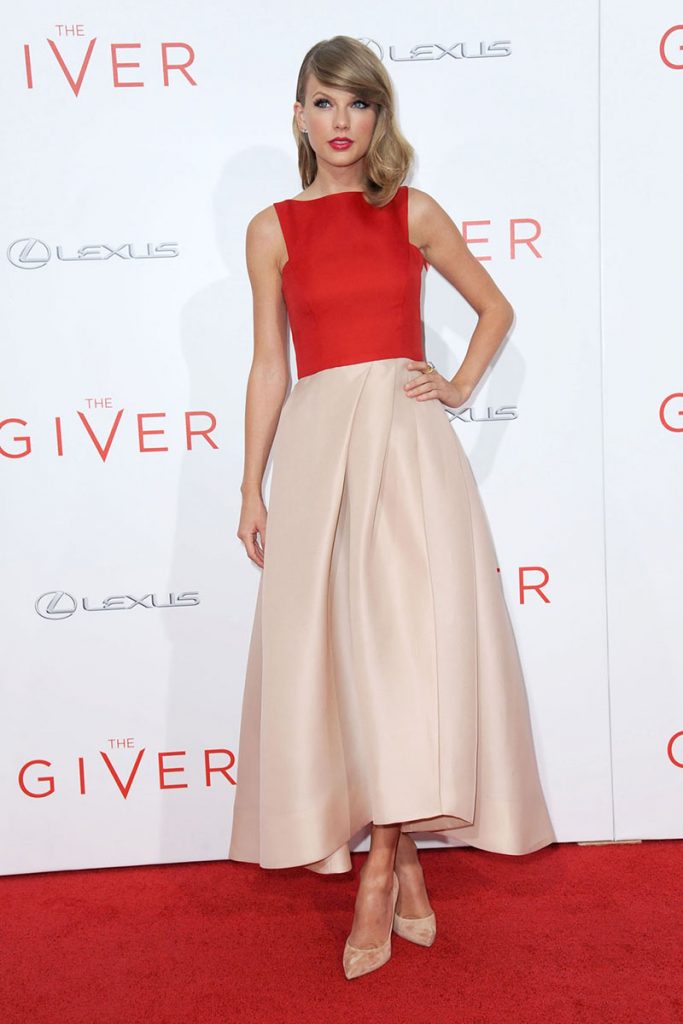
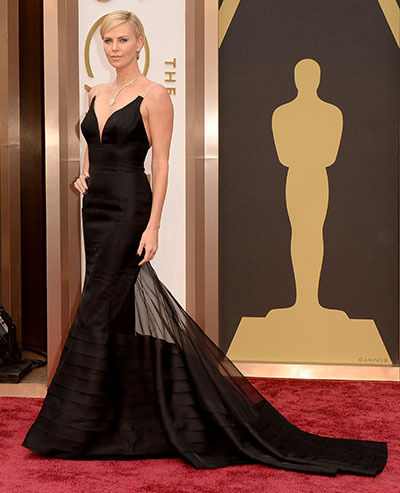
  • Put your hand on your hip. Yes, those millennials were onto something when they patented this move as it really does slenderize your arm (as long as that arm is either thin to begin with or covered up if on the bigger side) and creates that relaxed feeling discussed above. But, as with anything, don’t overdo it in every photo you take. Pick and choose. Here are some examples of celebs of all shapes, sizes, and ages doing it best:

blake-at-2014-cannes octavia-spencer1 taylor

merly  xreese  charlize-theron-oscars

  • Twist your body slightly to the side. I have trouble with this one, as I don’t want my backside in a photo and unless I do the twist just so, I am anything “butt” happy with the shot. Still, remember that straight-on shots show you at your widest so practice this move and get it down.
  • Angle your chin up and out, which will help elongate your neck.
  • Pull your shoulders back. This will make you look taller and also more polished and poised.
  • What you wear matters. Dark clothing can slenderize you but bulky clothing won’t. You may think your hiding your flaws but you just might be making yourself look heavier than you really are.
  • If sitting, cross your ankles, not your knees and if standing, place one foot slightly in front of the other and turn one hip out just a smidgen.
  • Keep your arms away from your body. The goal is to create space between your arms and your torso. This is something you really need to practice as you don’t want to look unnatural.
  • Practice your smile. You don’t want to look silly and you want to look natural. This is another area that’s hard for me. If I smile too big, my eyes squint and appear too small but if I “soft smile” I feel I look a bit put off. I’m working on this.
  • Stand in the middle of a group. This way, you can slightly turn into or lean behind someone next to you and essentially crop out some of your body. Another option is to stand at the end, which I’ve discovered allows the cropping out of what you don’t like. Here’s me doing both on my annual college girls trip last year:


ritz-group


Smile! It’s a Selfie!

oscar-selfie

You can thank selfies and Instagram for much of this. I still cannot take a good selfie for the life of me, but I do love Instagram. I also love all the filters Instagram offers! Don’t like the lighting or color of a photo you take? There’s a filter that can fix that. Trust me, most of those fabulous photos you see on-line have been filtered and doctored and doctored some more. If it’s a celebrity pic, it’s also more than likely been photoshopped. No star is that perfect, no plate of lasagna looks that great, and in no group shot does everyone look that fabulous. Filters help, but apparently an old school product does as well.


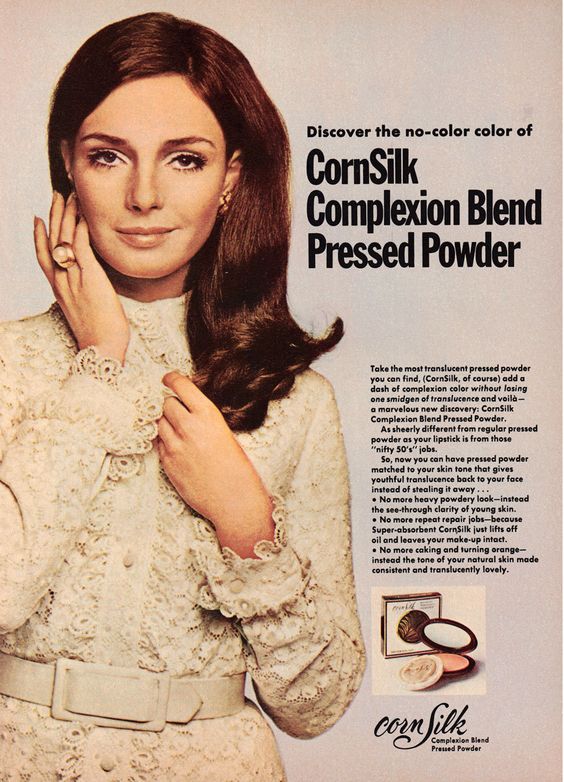
corn-silk-ad

Does anyone remember Corn Silk powder? The ‘60s classic is making a comeback, all because of its ability to make women “selfie ready.” Right in line with Ponds cold cream and Dove beauty bars, Corn Silk is all the rage. It’s kind of ironic that an inexpensive beauty product from 50 years ago is revolutionizing the latest and greatest in technology.


Make-up artist to the stars Aimee Adams swears by it and told London’s “Daily Mail” many of her peers are also obsessed with the product because “it takes all the oiliness off but it gives you a real glow. It never goes on cakey.” This apparently is similar to the flattering soft-focus Instagram filter and proves once again the more things change the more they stay the same as Corn Silk’s ads claimed to “keep you looking great long after ordinary pressed powder lets your make-up go all melty and muddy.”


Made with supernal walnut powder and real silk, Corn Silk powder comes in both loose and pressed powder versions. Fans of it say it’s super soft and absorbs oils, reduces shine, and doesn’t leave your skin looking over-powdered or cakey. Perhaps best of all is that Corn Silk is way more affordable than high-end alternatives, which is just one reason it’s one of Amazon’s best-selling face powders. Adams, who has worked with the likes of Elle Macpherson, British royals, and Helen Mirren, says “It looks like you’ve been filtered. It’s the kind of look people now try to get by using filters on Instagram.” Sounds picture perfect to me!


Put Your Coat On! December 6, 2016

Filed under: Uncategorized — carlawordsmithblog @ 2:46 am

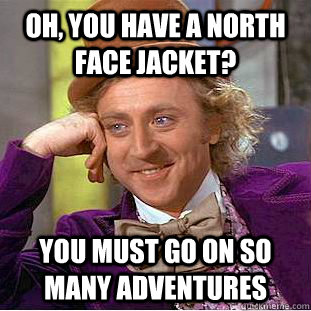
north-face


In most parts of the country right now the weather ranges from somewhat mild to downright cold. In either case, you may not need a North Face  but some type of jacket is both a comfort necessity and a style element so why not be fashionable in your outerwear rather than frumpy?


coatThink about it, your coat makes a major first impression for you and of you. When you enter a room, office, store, airport, or wherever, your coat basically tells others a lot about you. Are you traditional, funky, chic, casual, trendy, or maybe even flirty? What you wear over your clothes will answer that question, and more.


The legendary Diane Von Furstenberg was once asked how to freshen up a boring wardrobe without replacing it in its entirety and she replied, “A statement coat. Try something in a bright color or print to wake up your entire look.”


I’m a big fan of double-breasted wool coats, quilted car coats, barn jackets, trench coats, pea coats and any coat with toggle buttons. Most of these are basic, traditional pieces, especially the trench.


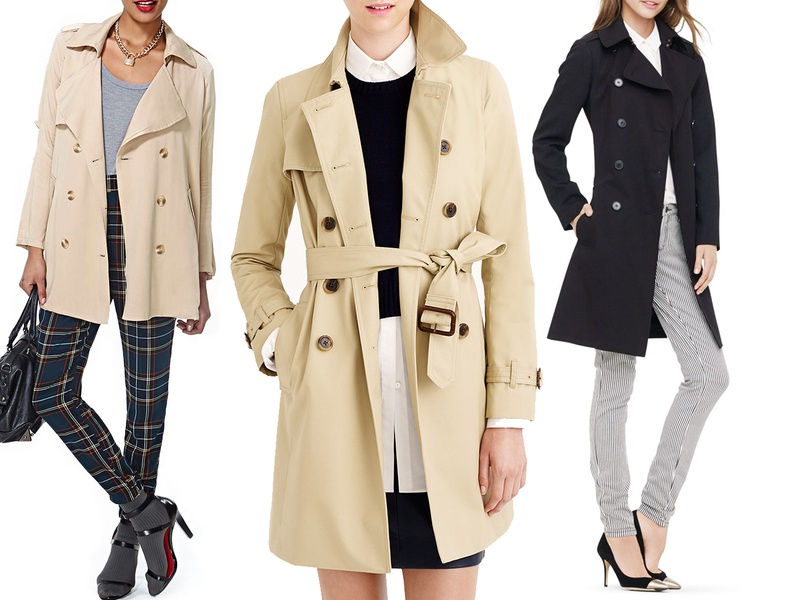
trench-coats-under-400

In The Trenches

Trench coats are great light weight choices for those of us in non-frigid areas. Most are warm enough and many are waterproof. They are also timeless.


“A cocoon silhouette or tailored trench that hits at or below the knee works for day or night,” Von Furstenberg told “InStyle” magazine. “It’s such a versatile piece. You might even want to splurge a little on one.”


If you can splurge, think Burberry.


London-based Burberry is credited with creating the first trench more than a century ago. Its original version, known as the Sandringham, is still around today and through the years other versions have been seen everywhere from battlefields to Hollywood.


macarthur_and_henshaw


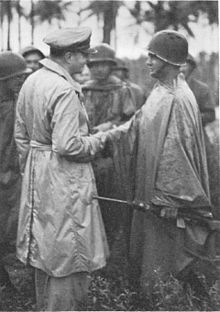
Back in 1879, Thomas Burberry invented a revolutionary breathable and waterproof fabric called gabardine. Although lampooned in the 1980s, the much-maligned fabric is still the material of choice for trench coats and was a key reason they were given to British officers during WWI. Burberry supplied British troops with half a million of them over four years of battles and the coats returned to the frontlines in 1939 during WWII. America’s Douglas MacArthur was often photographed wearing one, as shown above.


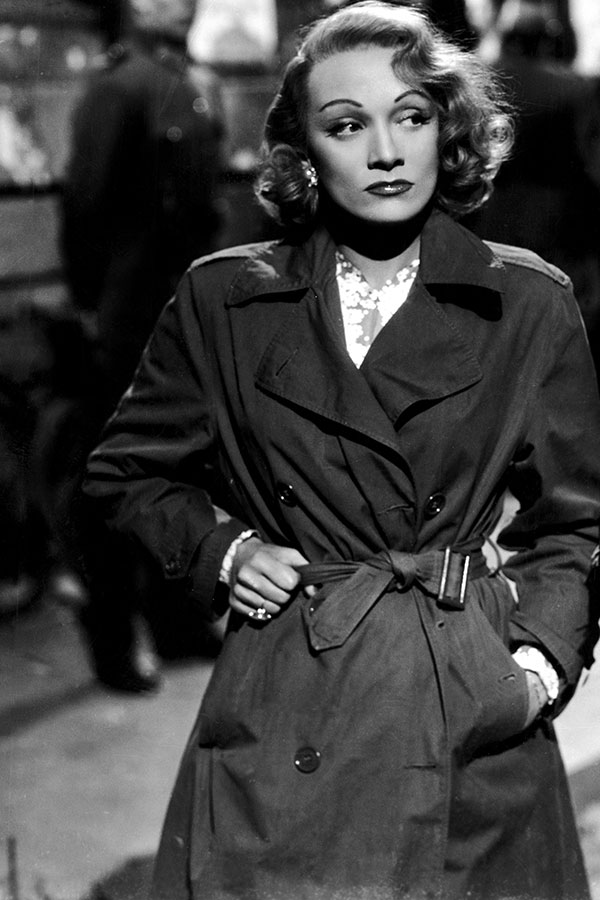
marlene-dietrich-xln bogart-in-maltese-falconPractical yes, but they became fashion staples thanks to Marlene Dietrich and Humphrey Bogart in the 1940s and again when Audrey Hepburn and George Peppard donned his and her versions in the final scene of “Breakfast at Tiffany’s.” From screen royalty they achieved real life royalty status when none other than matching Burberry trenches were worn by Prince Charles and Princess Diana in 1983. More recently Kate Middleton sported a stunning white wool Burberry trench in 2011. The version sold out in one day.


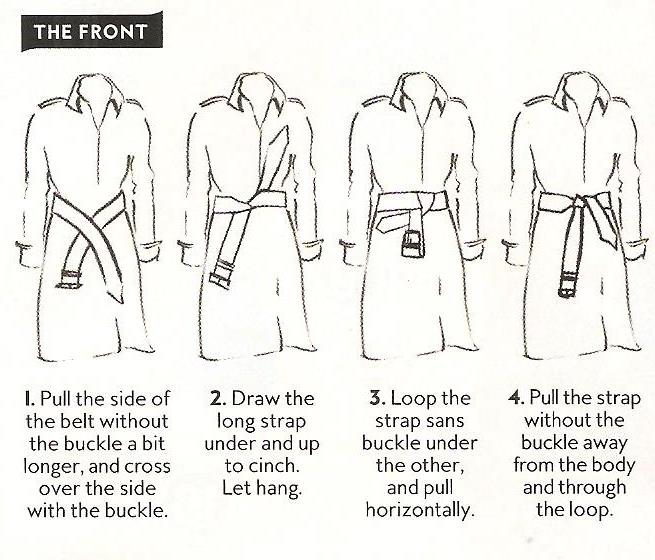
So what’s so great about a trench coat? Many of the qualities that protected soldiers make for civilian comfort and durability. Take for instance the collar, which can be “popped” to keep the cold out or kept down for style. Then there’s the “gun flaps” right above the breasts. Originally designed to keep moisture from flowing into the coat after a soldier fired his rifle, today they serve mere civilian in much the same way. Epaulets originally used to display rank insignia today keep your shoulders looking square and sharp while the sleeve’s belted buckles can easily be tightened to keep out the elements. Belts are a trademark as are back vents, which allow for movement and comfort. How you tie the belt is up to you but here’s a little help from “InStyle.”


                        trench-front        trench-back


So, what should you look for in a trench? The right cut and proper shoulder fit are essential. If you think you’ll be wearing the coat over blazers or heavy shirts, choose a trench with a raglan sleeve. Length is also important. Coats cropped just below the hips are best for more petite figures while taller ladies can easily get away with versions that fall below the knees. Double-breasted is the classic cut, but curvy women might want to go for a more streamlined single-breasted silhouette. Finally, make sure the coat fits you well in the body and in the sleeves. Trenches that are to big will make you look sloppy and sleeves should fall about half-way down the hand.


Something else that makes the trench coat stand alone is that, even though there are many colorful and patterned varieties available, the classic coat has remained true to its khaki heritage and has never really gone out of style. Whether it was welcomed by women wearing trousers for the first time in the 1940s, taking on First Lady chicness in the 1960s, or easily mixing with today’s blend of feminity and masculinity, it is still considered by many a stylist as the go-to outerwear piece for women of all ages.


All Puffed Up

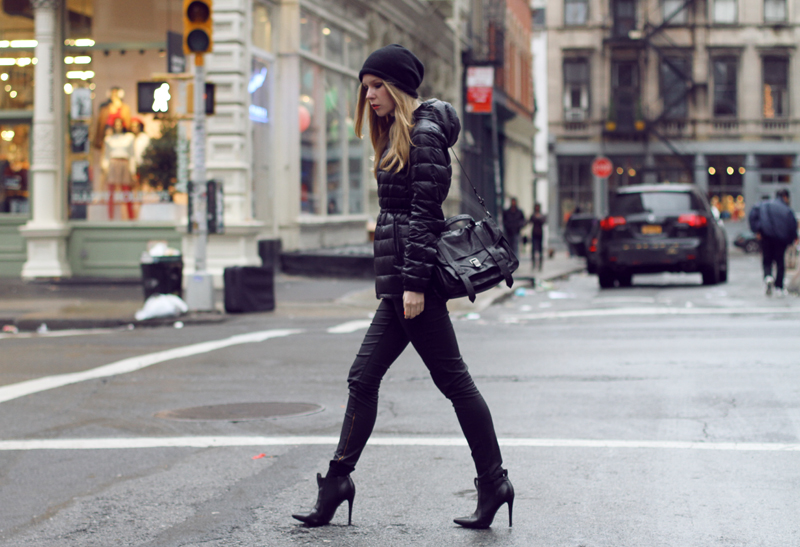
puffer-coat-heels-street-styleA style that is somewhat new and trendy is what is dubbed “puffers.” Although I remember wearing down coats back in the ‘70s, today’s versions are more fitted and less dough-boyish. The down or synthetic-filled channel style coats filling racks and magazines everywhere have been steadily gaining popularity and even recently graced runways, essentially sealing their fashionista status. Everyone from Chanel to Balenciaga showed them and you are sure to see them everywhere this winter.


Puffers are, for the most part, casual toppers. You may find versions that could perhaps go over a dress and knee-high dress boots, but you’re more likely to see them worn with jeans or leggings. What’s great about them is that they are warm and waterproof but also lightweight and packable. Many even come with their own little pouch to pack them in!


puffer-jackets-runway-embedSo, how do you choose one to fit your needs and budget? First, decide what those needs are. Do you need water resistant but mildly warm or do you need something to keep you both dry and warm in even the coldest of temps? Whatever the case, consider what your puffer is filled with. Then decide how much you can spend. There are many affordable options so don’t break the bank if the bank is on a budget.


As “InStyle” magazine recently reported, when it comes to insulation, natural isn’t always better. Most people will say they prefer superfine goose or duck down but wool and cotton may offer more warmth for the weight. They also pack nearly effortlessly. Synthetic materials can also prove the better choice in wet conditions, as down often loses its ability to insulate in damp conditions. Down will also more than likely be the more pricey choice.


You also want to pay attention to the coat’s “fill power rating,” which is basically how many cubic inches one ounce of down or filler occupies in the jacket. The lower the number, the lighter weight the coat but also the less warm.


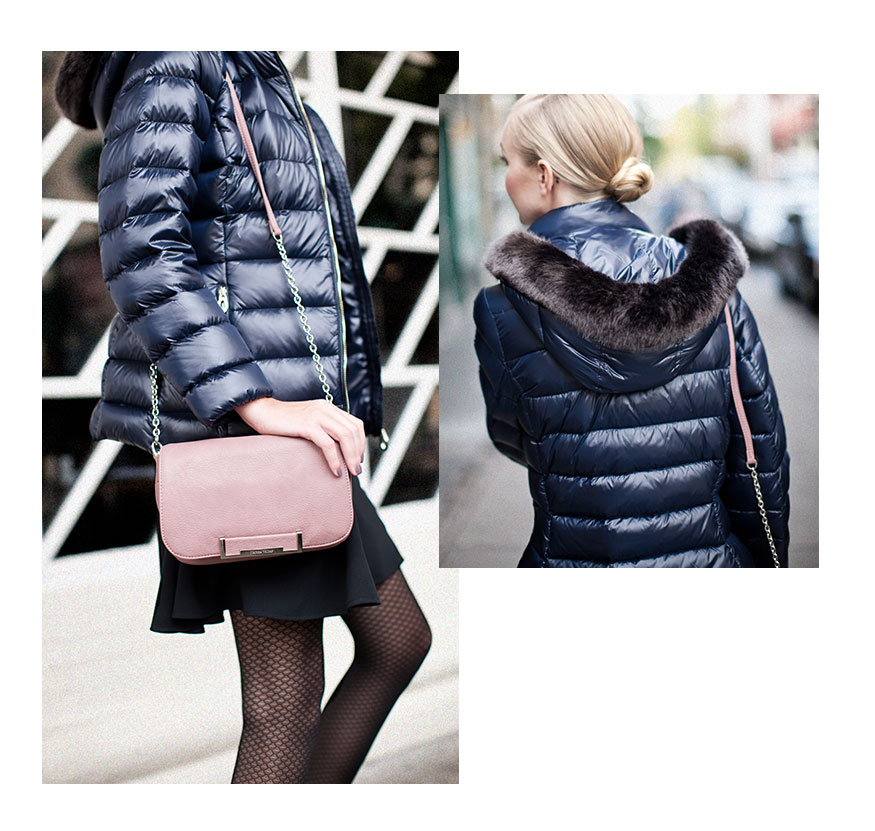
ivanka_trump_puffer_coat2


You’ll find puffer coats everywhere, from Target to Costco, Nordstrom to Neimans. You’ll also find them in every color and in various lengths. Details are as important as filler. Look for fleece-lined pockets, a tall collar and maybe even a removable hood, and pay close attention to what the outside of the coat is made of. Polyester, cotton, and nylon are usually windproof and you’ll want a water-resistant coating to keep you dry.


Caring for your puffer is a matter of what you buy. Some are machine washable but others aren’t. Check the tags! If, or should I say when, your puffer loses its puff, simply put it in the dryer and run it on no heat with a tennis ball for around five minutes. When you’re done, go ahead and throw your feather pillows in for a quick puffing too!


Sales are everywhere and Christmas is just around the corner. Shop the sales, shop wisely, and maybe even ask for a fun but good coat from Santa. We all know how much he likes and depends on a good coat!


An Attitude of Gratitude November 23, 2016

Filed under: Uncategorized — carlawordsmithblog @ 9:01 pm

photo-4


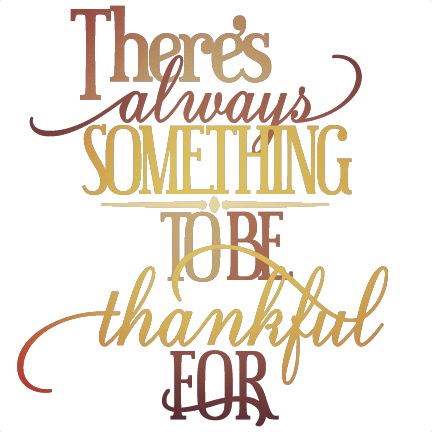
I’ve always liked the above quote. I don’t always follow it, but in my heart of hearts I do believe it.


How easy it is for us to moan and groan, complain and compare though. Tomorrow is a day the U.S. sets aside as a national holiday so that we can all take the time to say thank you and to be grateful. Sadly what really began as a somewhat religious feast has morphed into eating a lot before heading to Black Friday sales. How ironic that we say thanks for all we have on Thursday but then run out to buy things we think we need the very next day.


black-friday


Instead, why not enter into tomorrow with a sense of satisfaction along with big dose of gratefulness? Try focusing on all your blessings rather than on whatever you think you don’t have or what you think you need.


An attitude of gratitude doesn’t come easy. Everywhere you look there are enticements to “buy me” and “be like me,” and at this time of year more than any. Again, ironic.


But, as “Greater Things Today” blogged recently, gratitude doesn’t depend on what we have or don’t have. It cannot be manufactured. It is instead a measure of the spiritual conditions of our hearts. Think about it, the more your heart is filled with gratefulness and satisfaction, the less room it has for discontent or need. When we lack gratitude we allow envy, anger, impatience, and greed to enter into our hearts and into our lives.


bhutan-kids

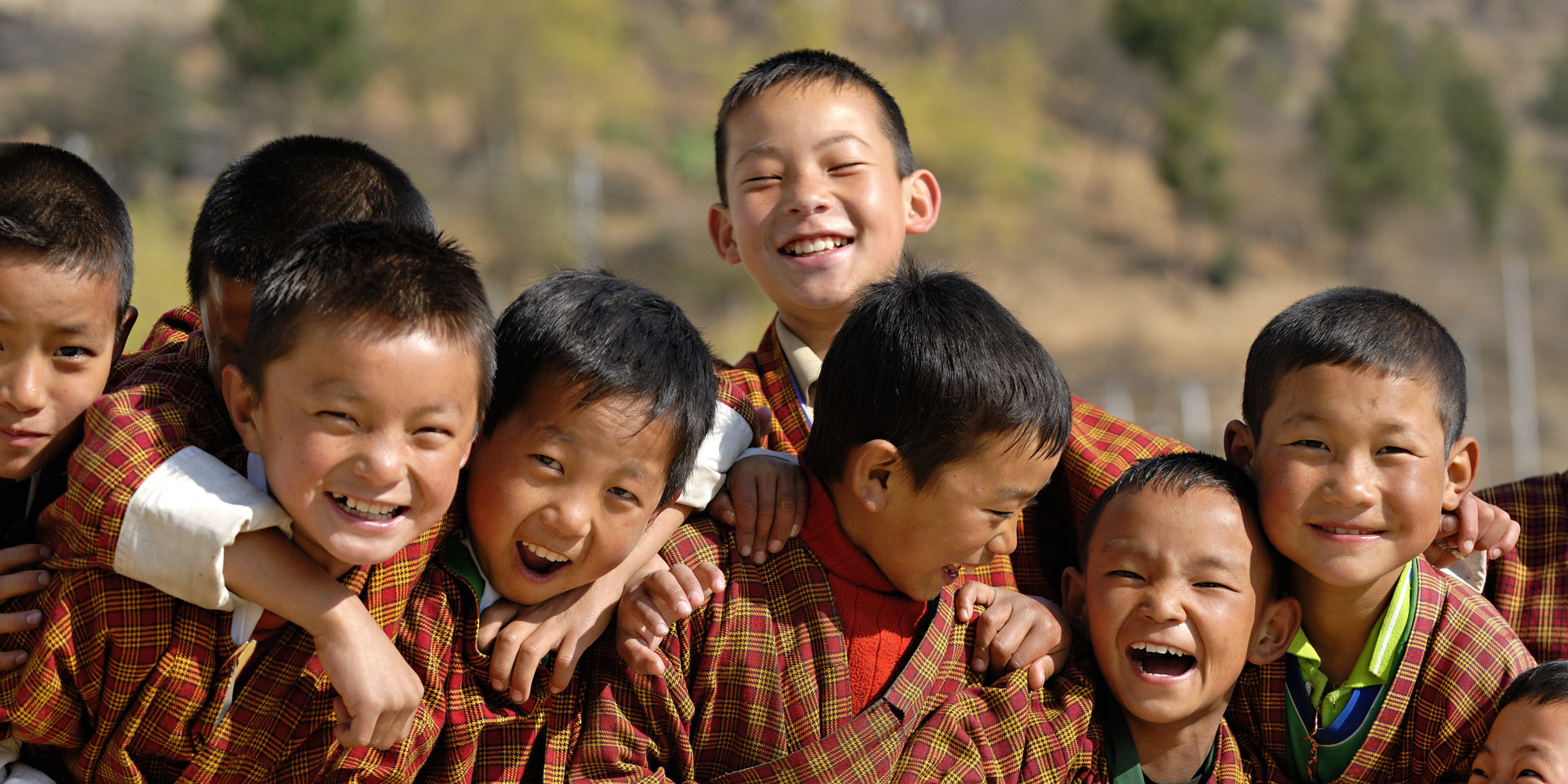
Two people with the same things could in fact have two entirely different levels of gratitude. Take those in the country of Bhutan for instance.


At first look or visit, you’d think Bhutanese were impoverished and therefore unhappy. Don’t judge this Buddhist book by its cover though, as the country consistently ranks as one of the world’s happiest. In fact, the small nation is not only truly happy, it measures happiness.


The small Southeast Asian country is landlocked between India, Tibet, China, and Nepal and is the only country in the world that not only measures its “GDP,” but its “GNH” as well. “GDP,” as many of you know, stands for “Gross National Product” and is the goods produced and services provided by any given country. “GNH” or “Gross National Happiness” however, is probably not as familiar and Bhutan is the only country in the world that annually assesses it. Basically a barometer of its citizens’ quality of life, Bhutan’s GNH indicators stress the balance of material and spiritual development.  By all accounts, it’s working.


The size of Indiana with the population of Alaska and accessible by only two planes, the Himalayan empire only recently allowed internet, television, and western dress and yet boasts one of the fastest growing GDPs in the world. The world’s longest standing Buddhist Kingdom has found a way to increase its world value and productivity while maintaining its culture, history, and environment. Their identity is also important, and only a certain number of foreigners are allowed into the country each year. Every traveler is not only heavily vetted but is required to pay $200 a day for the privilege of entering Bhutan.


thankful-people-happy

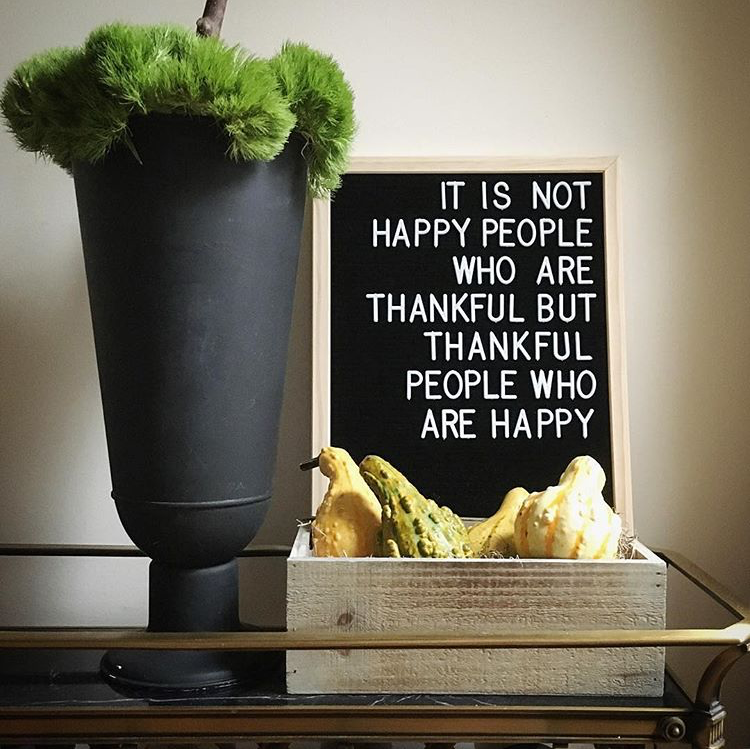
A life of privilege, at least by western standards, is not the way of life in Bhutan however. It’s a simple life and little has changed since the 17th century. Still, they are happy. They are grateful. They are thankful.


The country and its people are proof positive that perhaps you can’t buy happiness, but you can certainly nurture it and make it a priority regardless of your circumstances. Maybe it’s time we in America rethink our needs and wants and take time tomorrow to simply be grateful for all we have and for all our blessings.  I think the Bhutanese would agree.


Pass the Cranberries Please November 21, 2016

Filed under: Uncategorized — carlawordsmithblog @ 6:24 pm

 cranberries


A mere three days from now most of us will be waiting for the turkey ready to bake and making all the sides to go with it. There will be mashed potatoes, yams, green beans, salad, rolls, pies, and some funny looking red stuff. Oh yes, the cranberry sauce. What exactly is it and why do we eat it once a year?


I’d like to say we eat it because it’s good and it’s good for you, but maybe we should actually credit American Indians with the tradition, as they mixed cranberries with deer meat waaaay back in the day. They may have even shared some with the pilgrims on that first Thanksgiving Day.


cranberries-cooking

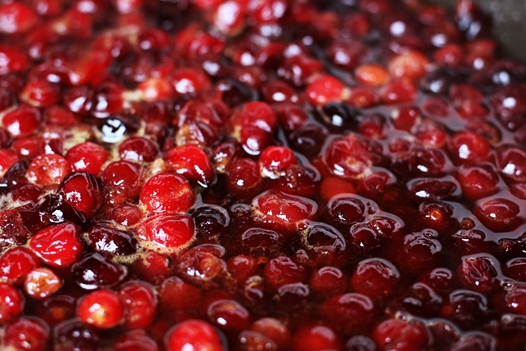
The small, red, tart fruit is indeed very healthy. History notes that sailors used cranberries as a source of vitamin C to prevent scurvy and more recent studies suggest they promote gastrointestinal and oral health, raise the good HDL cholesterol, and may even help prevent cancer.


What cranberries don’t do is float in water, contrary to what a certain cranberry juice brand would have us believe based on their TV ads. Cranberries grow on low-running vines in sandy marshes and are one of only three commercially grown fruits native to North America. The other two being blueberries and Concord grapes.


During harvesting, the berry marshes are flooded, special equipment is then used to knock the berries off the vines, and then they float to the surface. Most of the world’s cranberries are grown on some 50,000 acres in the U.S. and Canada and are harvested in September and October. Perfect timing for fresh cranberry sauce at Thanksgiving!


The very first cranberries were harvested by Revolutionary War veteran Henry Hall, who planted the first commercial beds in Dennis, Massachusetts back in 1816. Many of today’s cranberry bogs are more than 100 years old!


Each year, Americans eat about 400 million pounds of cranberries, 20 percent of which will be consumed over Thanksgiving. The fruit can be eaten both fresh and dried, and is popular in muffins, trail mixes, cereals, and salads. And then there’s the juice!


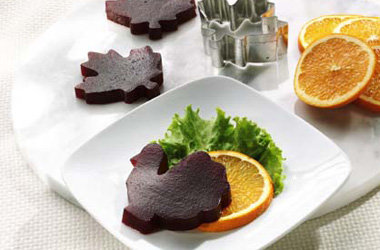
So what do you prefer? Fresh or canned? Whole berry canned or jellied? I prefer the whole berry canned but if you like that blob of gelled stuff, here’s a fun way to make it festive using cookie cutters:


cookie-cutter-cranberry-sauce


Here are some other ideas for your Thanksgiving meal: (note: all recipes can also include chopped nuts such as pecans or walnuts, but I don’t like them in recipes so have not included them.)


cranberry-sauce

Festive Pineapple Cranberry Salad

1 can mandarin oranges

1 can crushed pineapple

2 pkg. raspberry flavored gelatin

1 can whole berry cranberry sauce

1 apple, chopped

Drain oranges and pineapple. Add 3 cups cold water to juice and pour into saucepan. Bring to boil and remove from heat. Add dry gelatin and stir 2 minutes. Stir in cranberry sauce. Pour into large bowl and add pineapple, oranges, and apple. Refrigerate 1 ½ hours or until slightly thickened.


cranberry-relish

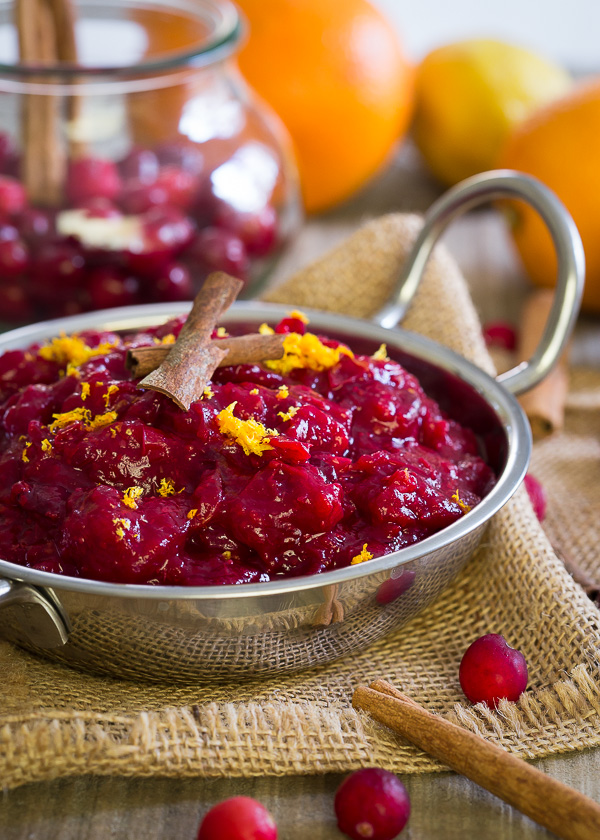
Three Ingredient Cranberry Relish

(Anthony Bourdain calls this, “Delicious and truly one of the easiest recipes in the world.”)

Wash 1 large orange under warm water. Dry and coarsely chop skin, flesh, and pith. Remove seeds. Combine orange and 12 oz. fresh cranberries in food processor. Pulse until mixture appears grainy. Transfer to bowl and fold in 1 cup sugar. Cover and refrigerate overnight. Serve cold or at room temperature.


cranberry-nut-bread-5

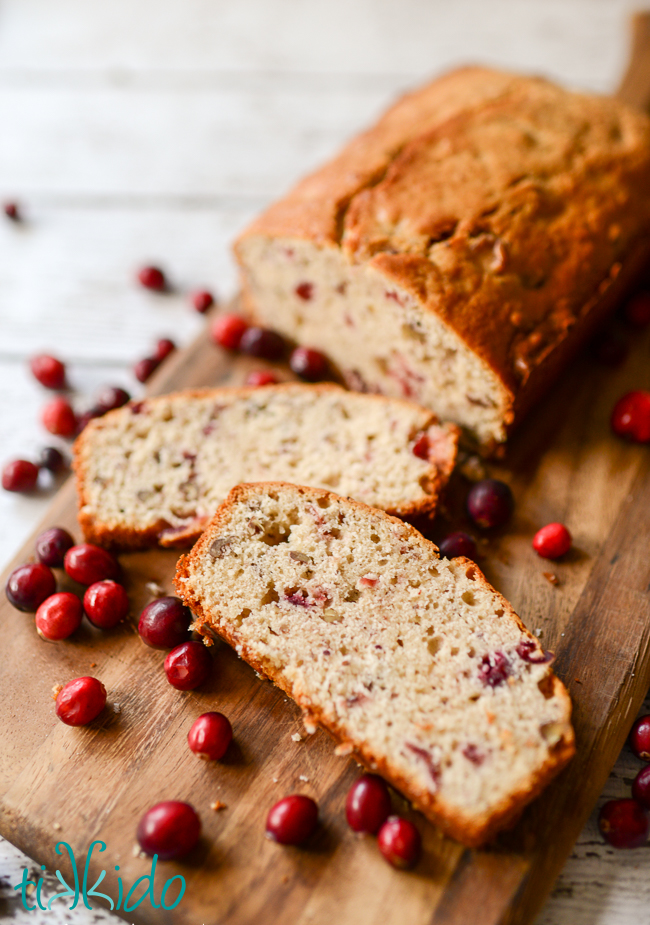
Cranberry Nut Bread (my mom’s)

2 cups cranberries

2 T butter

2 cups sifted flour

1 cup and 2 T sugar

1 ¾ t baking powder

1 t salt

1 egg, well beaten

1/3 cup orange juice

Grated orange rind

1 t orange rind

¼ cup water

Cut cranberries in half. Melt and set aside butter. Sift together dry ingredients. Combine egg, orange juice, and water. Make well in dry ingredients and add liquids. Stir I butter. Add orange rind and cranberries. Bake at 350 for 1 hour.


cranberry-hot-tea

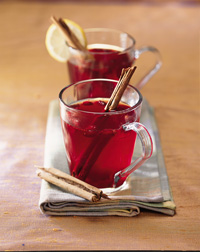
Cranberry Hot Tea

1 48 oz. can cranberry juice cocktail

1 cup firmly packed brown sugar

1 cup orange juice

1 cup lemonade

1 cup pineapple juice

Cinnamon sticks

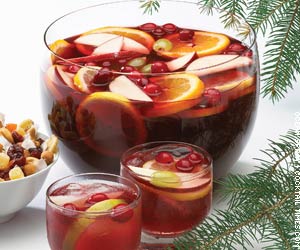
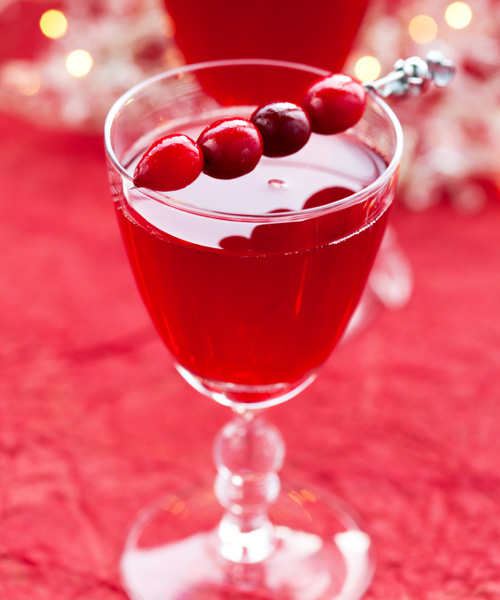
Combine all ingredients in a Dutch oven over low heat. Cook, stirring occasionally, 10 minutes or until sugar dissolves. Serve warm with cinnamon stick garnish.


cranberry-punch

Cranberry Punch

2 bottles cranberry juice

1 ½ bottles water (using juice bottle to measure)

2 cans frozen orange juice, thawed

Juice of 3 lemons or 9 T lemon juice

1 pkg. red hot candies

Whole cloves and sugar to taste

Put all ingredients in pot and heat on low until red hots are melted. Transfer to crock pot to keep warm.


cranberry-cocktail

Cape Cod

Mix 1 part vodka with cranberry juice to taste in highball glass and fill with ice. Garnish with lime wedge.


Variations:

Sea Breeze: add grapefruit juice

Bay Breeze: add pineapple juice

Cosmopolitan: add triple sec and serve in martini glass


cranberry-kiss1

Cranberry Kiss Cocktail

1.5 oz. cranberry vodka

2 oz. cranberry juice

1.5 oz. simple sugar

Lime wedges and mint leaves

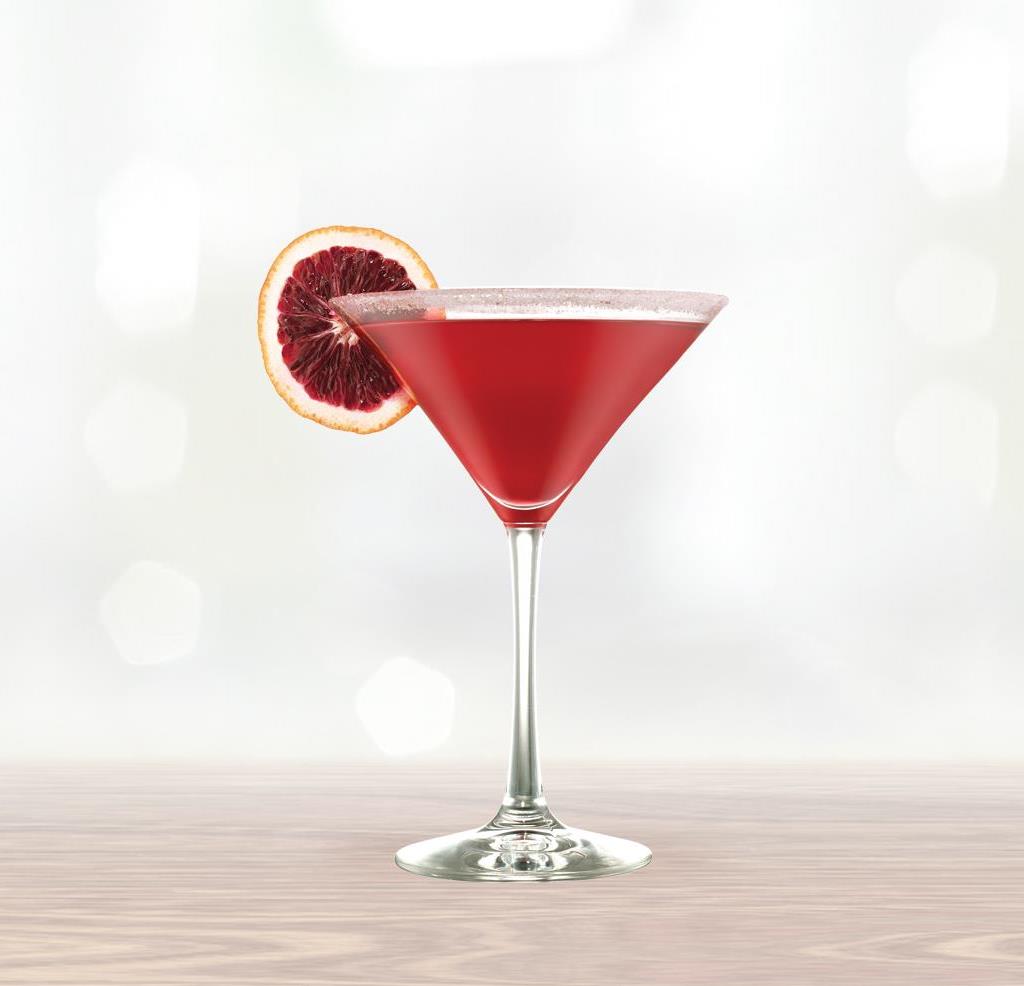
Muddle 3 lime wedges and 8 mint leaves in a shaker. Add other ingredients and shake well with ice. Strain into a martini glass and garnish with floating mint leaves.


cranberry-salsa-dip

Cranberry Salsa Dip

1 12 oz. bag fresh cranberries, rinsed

½ cup sugar

1 bunch green onions, chopped

1 jalapeno pepper, seeded and chopped

1 lime, juiced

Pinch of salt

2 8 oz. blocks cream cheese, softened

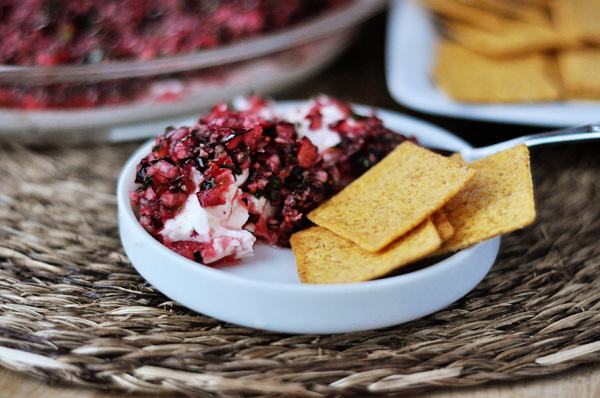
Put all ingredients except cream cheese in food processor. Pulse until ingredients are chopped coarsely. Put in airtight container and refrigerate for at least 4 hours. After, spread softened cream cheese on serving plate and spread salsa over cream cheese. Serve at room temperature with crackers.


Pop the Bubbly November 19, 2016

Filed under: Uncategorized — carlawordsmithblog @ 1:35 am

xchampagne-button


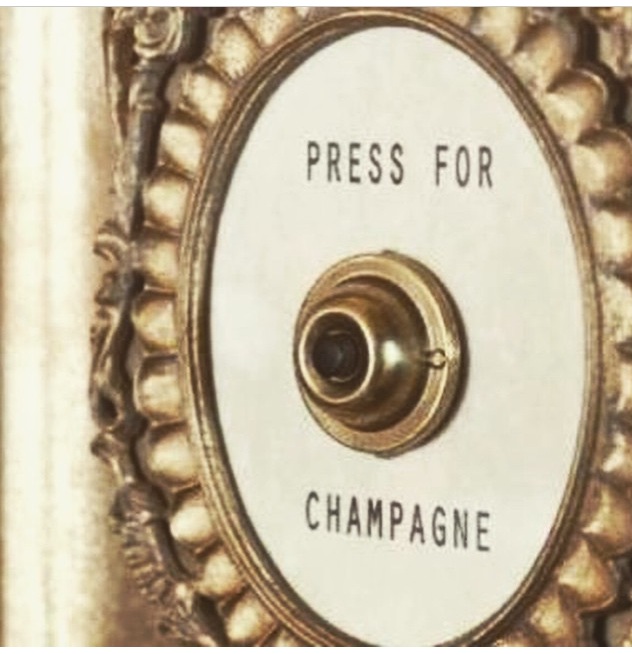
The holidays are right around the corner and with holidays come celebrations and with celebrations comes champagne. I enjoy a good glass of champagne and I love learning new things. That’s why I jumped at the opportunity to attend a recent class on champagne with some girlfriends.


The class at Total Wine was called “Here’s to Bottles that Pop: Champagne and Sparkling Wine,” and I learned there is a difference between the two. In fact, I learned a lot, most importantly: don’t save it just for special occasions!
 

champagne

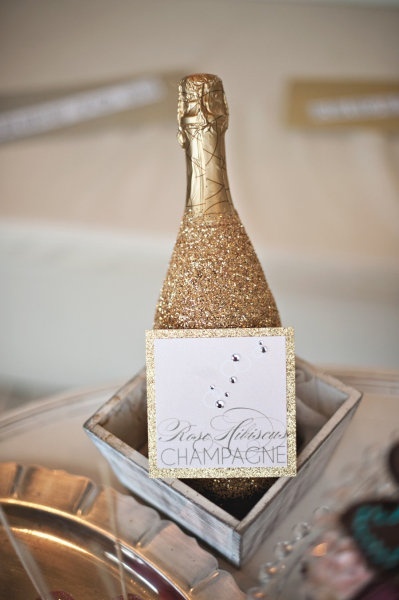
I knew that only what is produced in France’s Champagne region can be labeled “Champagne,” but there’s so much more to it. Yes, champagne is a type of sparkling wine produced from grapes grown in the Champagne region but there are also stringent and comprehensive rules that producers need to adhere to, including grape types, bottling, production methods, and more in order to earn the coveted champagne name. So stringent are the regulations that it is illegal to label a product “champagne” unless it comes from the region and is produced under the appellation guidelines and on specifically designated plots. The Champagne region is 90 miles northeast of Paris and its northern and cold climate is challenging to grow in, but miraculously it’s ideal for growing grapes used in champagne. In fact, most fermenting is done in the cooler months.


So what exactly is champagne? Basically it is wine with bubbles…and so much more!
 

end-day-with-champagne

The traditional champagne production method how champagne is called “method champenoise.” Fermentation is a big part of the process, including that of yeast and rock sugar. The second fermentation results in a natural sparkling wine and the yeast must then be removed.


This begins with ridding, when the bottles are turned upside down and lightly shaken to move the yeast to the neck of the bottle. After this, the neck is frozen and the cap is removed. The pressure in the bottle forces out the ice containing the lees, and the bottle is quickly corked to maintain the carbon dioxide in solution. Finally the bottle is filled to replace the missing volume and fitted with a Champagne cork and halter.


Which brings us to sparkling wine. All champagne is sparkling wine but not all sparkling wine is champagne. Yes, you may see bottled called “California Champagne” but they are unique in that they were approved prior to certain regulations and they must say “California.”

 

a-party-without-champagne

In a general sense, sparkling wine is any wine, usually white, that is carbonated either through fermentation or by adding carbon dioxide. It does not include any or all wines that produce bubbles such as Moscato.


One of my favorites, Prosecco, is Italy’s version of champagne, as is Spumante. Cava is the signature sparkling wine of Spain and means “cave” in Spanish, which is the method it’s produced: in caves or cellars. If you prefer a dry sparkling wine, Cava is for you. French sparkling wines made outside of the Champagne region are called Cremant and Germany boasts a variation labeled Sekt.
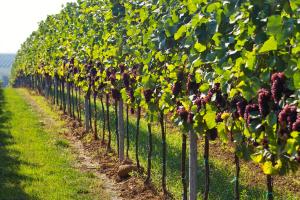
 

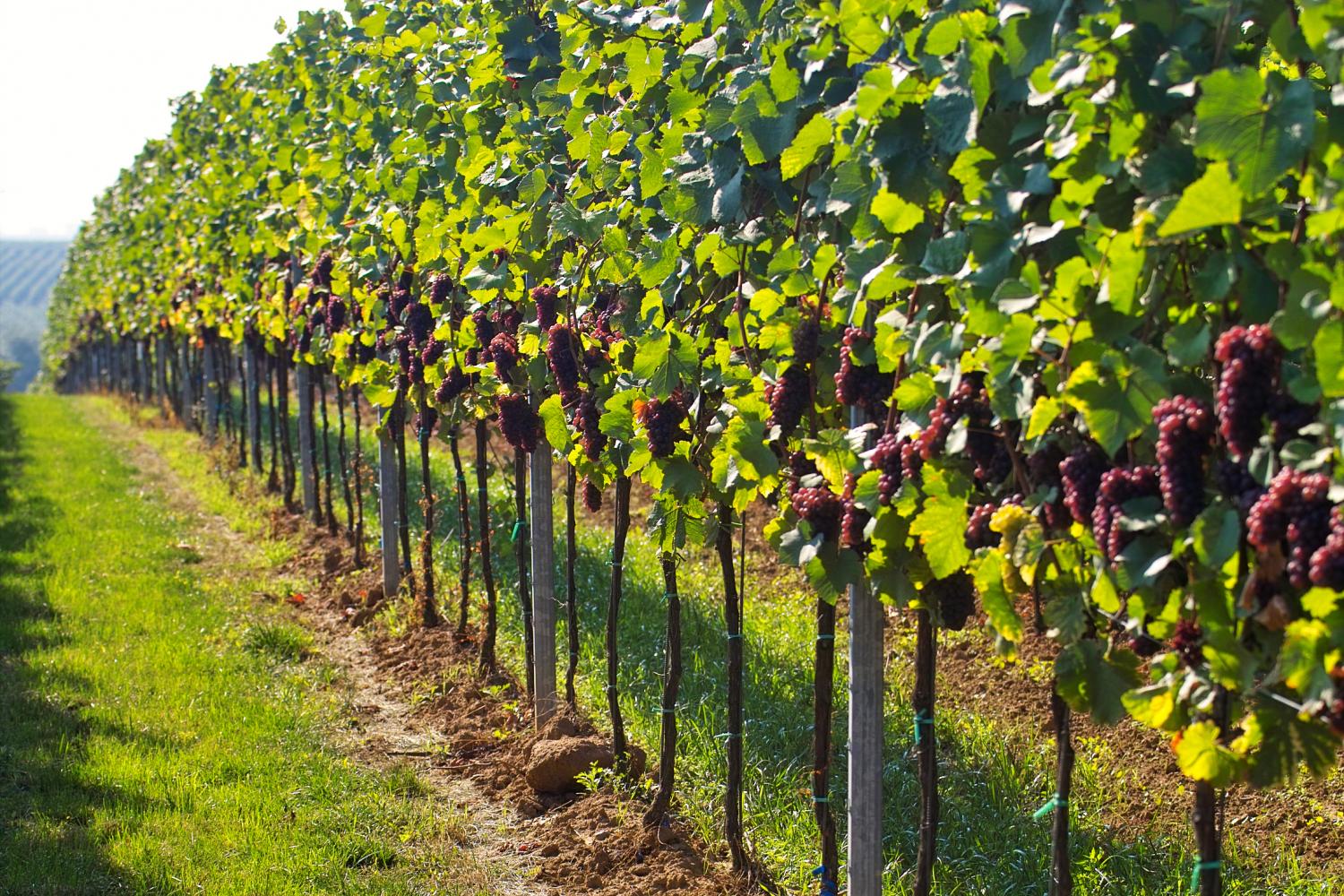
champagne-grapesOne thing I didn’t know is that there aren’t specific champagne grapes per se. Most champagnes and sparkling wines use black Pinot Noir grapes, as well as Pinot Meunier and Chardonnay grapes. So essentially, champagnes and sparkling wines are blends. Who knew?


In layman’s terms, there are three types champagne: Blanc de Blancs made of 100 percent Chardonnay; Blanc de Noir made from all red grapes; and Rose, which is made by soaking red grape skins with juice or by adding a bit of red wine to the mix.


Most champagnes are also blends of different years, or vintages. Any champagne labeled Vintage is the best of the best, must be made from grapes harvested in the same year and aged at least three years in the bottle.


There is also a sweetness scale, ranging from Doux, which is the sweetest, to Extra Brut, which is very, very dry. In between are Demi-sec, Sec, Extra Dry, and Brut. Sec means “dry” and “Brut” means, well, “brute” or as I like to say, “brutally dry.”


I asked our class leader about the word “Domaine,” which you often see on a bottle of champagne. He said it is basically the same as “chateau,” in that it’s where the bubbly was made.


Another term common in the champagne world is “cru,” which is French for “village.” There are 312 Champagne villages that produce high-quality grapes and each is rated based on that quality. Grand Cru is the highest, followed by Premier Cru and Deuxieme Cru. The better the Cru, the better the bubbly and the higher the price.
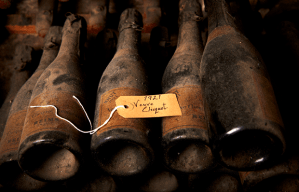
 

old-vueve

All champagne is rated according to a system consisting of such things as vintage, nose intensity, fruit intensity, flavor characteristics, balance, and length/finish. Points are totaled up and that’s where you get a “Wine Spectator rating,” with 100 being the best and the highest.


It’s estimated one bottle of champagne has 49 million bubbles and a cork can travel 40 mph if carelessly popped!


A champagne bottle holds a considerable amount of pressure but early designed bottles tended to explode. Manufacturers kept making them thicker until they could contain that pressure caused by the release of carbon dioxide during the secondary fermentation. It is estimated that a standard bottle of champagne has approximately 49 million bubbles! If you prefer a very bubbly bubbly, look for “musseax,” which means frothy or bubbly. Spumante also means bubbles, so any of them will be bubbly, while “frizonte” means fizzy.


Champagne generally comes in only two sizes of bottles: a standard 750 ml and the 1.5 liter magnum, which are considered higher quality because there is less oxygen in them. Regardless of the size, a bottle of Champagne is said to have about 90 pounds of pressure per square inch, which is more than triple the pressure in a car tire.


champagne_uncorking_photographed_with_a_high_speed_air-gap_flash


This is why opening a bottle of Champagne is as important as the quality of what’s inside. My champagne sommelier told us that we are more likely to be killed by a flying Champagne cork than by a poisonous spider. Yikes! Maybe it’s because a champagne cork can travel 40 mph if carelessly popped.


“Champagne etiquette” suggests you angle the bottle in a slanted method, remove the foil, untwist the wire and remove the cage, and then place your thumb on top of the cork and twist the bottle, gently freeing the cork from the bottle. The proper sound is a mild “pish,” not a loud “pop.” If you remember only one uncorking tip, remember to “twist the bottle not the cork.”


“Champagne! In victory one deserves it; in defeat one needs it.”

Napoleon

I don’t recommend using the “sabrage” method, which is the ancient technique using a sabre to break the head off a bottle. A perfectly placed sabre on the seam of the bottle will crack the glass, severing the top off the bottle. The method became popular after the French Revolution and the sabre is thought to resemble Napoleon’s, as it was his weapon of choice. The little corporal’s many victories encouraged celebrations and he is quoted as saying, “Champagne! In victory one deserves it; in defeat one needs it.”


The ideal temperature to serve Champagne or sparkling wine is 43-50 degrees and did you know there are ice buckets specifically made for Champagne bottles? I didn’t! Champagne buckets are purposely larger and deeper than standard ice buckets so they can accommodate a larger bottle and more ice. Chilling a bottle of champagne in a bucket of ice water before opening not only keeps it cold, it also ensures it will be less gassy and will have less spillage upon opening.

 

glasses

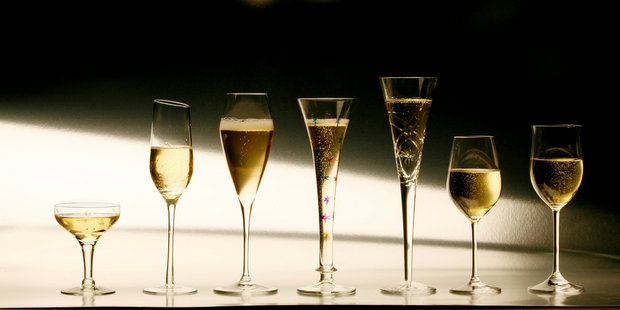
What you pour that bubbly into varies. Popular styles of Champagne glasses often change from generation to generation with the more bowl-shaped “coupe” style all the rage in the 1950s while the taller and thinner “flutes” grabbed the spotlight in the 1980s.


In my class I learned the “Five S’s” of Champagne tasting: see it, swirl it in the glass, smell it by sticking your nose in the glass, sip it and swish it around your mouth then swallow it. Apparently number three, smelling it, is not easily done with the thin-topped flutes and too many bubbles escape from the coupe, so some experts recommend the newer “tulip” shaped glass style.


Whatever style of glass you use, each should be filled only about three-quarters full, meaning a standard 750-ml bottle of Champagne will fill approximately five glasses. You should also pour the Champagne while tilting the glass and gently slide the liquid along the side, which will preserve the most bubbles. If you instead pour the drink directly into the glass, you will likely create a head of “mousse,” making the Champagne harder to drink.
 

champagne-and-shoes

So many people consider Champagne a special occasion drink, but it shouldn’t be reserved for weddings and celebrations. Why not enjoy a glass or two instead of the normal glass of wine while cooking dinner, watching a movie, or just relaxing with friends and family?


It also shouldn’t be reserved for the rich, even though manufacturers in the 17th, 18th, and 19th centuries worked hard on associating their Champagnes with certain noble families and royalty. A bit more costly than wine, it is still not off the charts expensive, with most Champagnes starting at around $30 a bottle.


champagne-coco-chanel


Pop culture is full of Champagne tales and legends. One of the most popular is that Marilyn Monroe took the term “bubble bath” literally and bathed in 350 bottles of Champagne! Another is that the coupe style glass was allegedly designed using a mold of Marie Antoinette’s left breast as a birthday present to her husband, Louis XVI.


Spraying Champagne during sporting event celebrations is widely done and began when Moet & Chandon started offering their Champagne to the winners of Formula 1 Grand Prix events.


Finally, the practice of smashing a perfectly good bottle of Champagne on the side of a boat or ship has been around for at least 170 years. Originally a holy liquid was used as a way of blessing both the vessel and its captain but in the mid-18th century France began using Champagne. Soon this tradition spread worldwide. It is believed that if the bottle doesn’t break or if the ship isn’t christened at all, bad luck will haunt that ship. The Titanic was one such ship.


But what about Dom and what about Veuve? Let’s look at each.
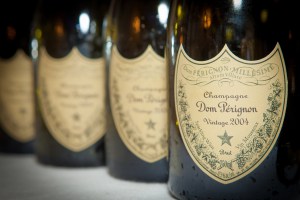
 

dom-perignon-vintage-2004

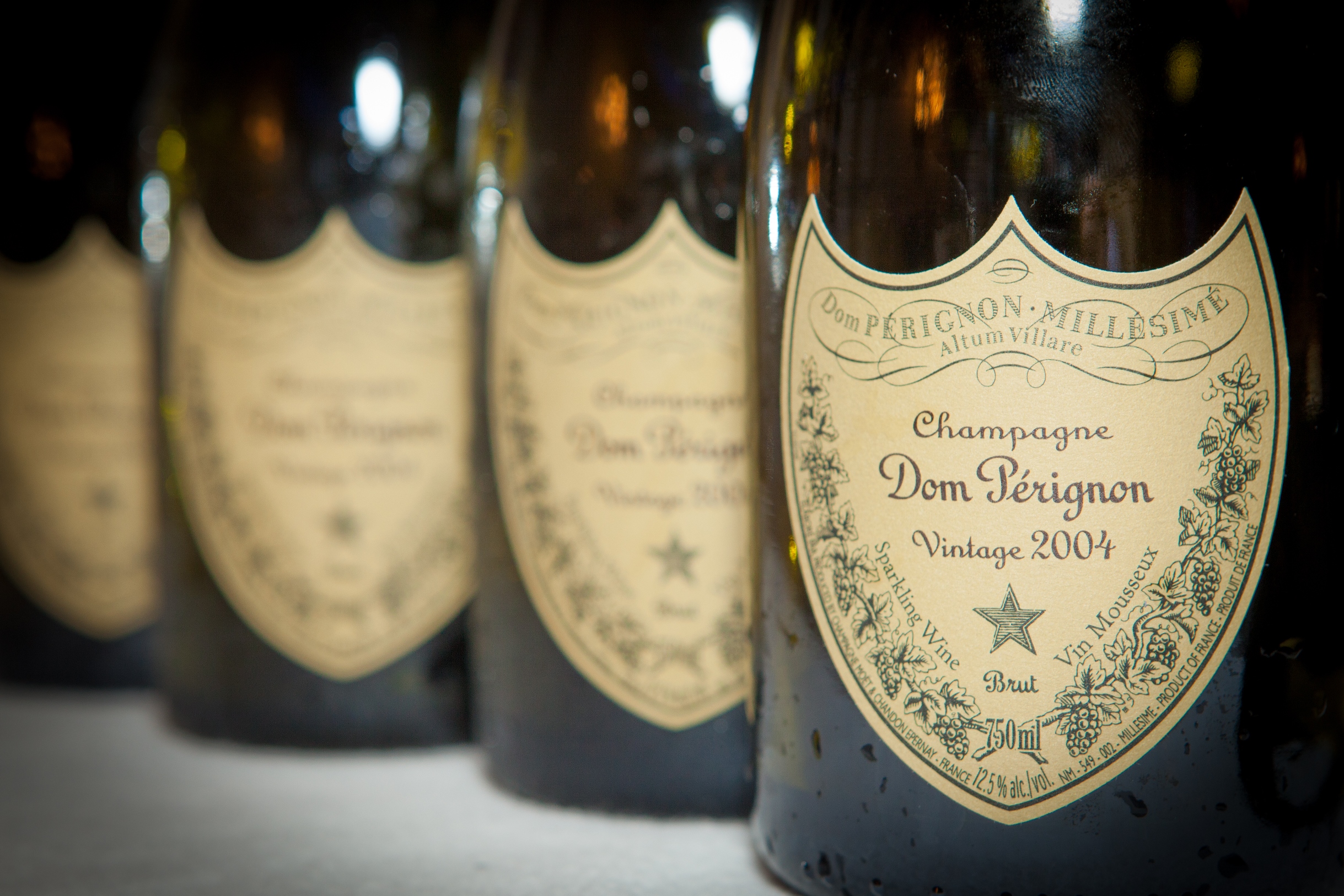
Dom Perignon was an actual person. He was a French Benedictine monk and cellar master and he is credited with pioneering several winemaking techniques in the 1600s. He introduced corks to the industry as well as the idea of using thicker bottles for Champagne and he innovated the blending of grapes. Dom Perignon is considered the first prestige batch of Champagne produced and was named for the monk. It’s the vintage brand of Moet & Chandon and was chosen for the wedding of Lady Diana Spencer and Prince Charles in 1981. Today the monastery where Dom lived is the property of the winery.


vueve

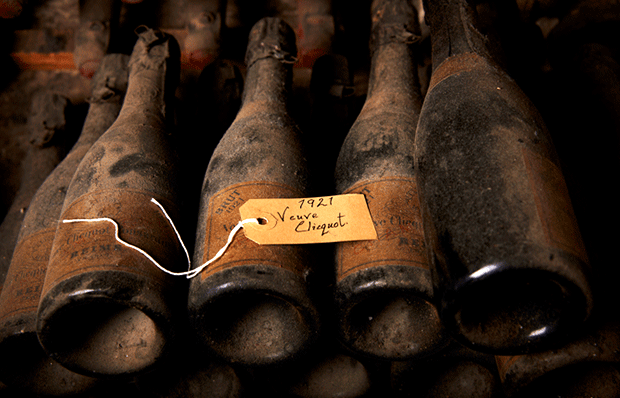
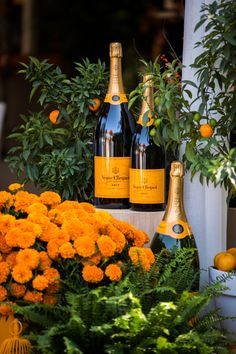
Then there is Veuve Clicquot, or “vuve” as it is affectionately called, with its distinctive gold label. It is often one of the biggest selling Champagnes in the world and if not for a widow, it would have never found the light of day.


Barbe-Nicole Ponsardin was born in Reims, France, the daughter of a wealthy textile industrialist. Nextdoor to her family’s estate lived the Clicquot family whose patriarch, Philippe, also ran a successful textile business. The two fathers arranged the marriage of their children, young Barbe-Nicole and Francois Clicquot. The two had dreams of growing his family’s small wine business, much to the chagrin of his father. Six years after their marriage, Francois died but rather than hide away as a 27-year-old widow, Barbe-Nicole set out to fulfill her husband’s dream and make the business a success. She borrowed money from her reluctant father-in-law and the business was near bankruptcy when she took a huge gamble.
 

Bright and ambitious, the Widow Clicquot was confident the Russian market would appreciate the Champagne she was producing so, rather than wait for the 1800s naval blockades to cease, she smuggled some of her best wines out of France to Amsterdam. Once peace was declared, her shipments made their way to Russia well ahead of her competitor’s products. Tsar Alexander I soon announced it would be the only Champagne he would drink and the rest is bubbly history.


Barbe-Nicole was not done yet though. Champagne making was a tedious business and she knew the process needed improvements if she was to meet the demand for her product. She devised what is today known as riddling, the process of turning champagne bottles upside down so the yeast gathers at the neck. The process is still used worldwide.


The name “Veuve Clicquot” comes from her married name and the word “widow” in French. It is said the Widow Veuve would entertain Napolean’s officers in her vineyard and, as they rode off with customary complimentary bottles of Champagne, they would use the sabrage method of opening them to impress the rich young widow. They, no doubt, were already impressed with her.


Clicquot never remarried and when she died in 1866, she was credited for revolutionizing Champagne production and making it available to more than just the upper-class. In a letter to her grandchild, this first modern businesswoman wrote, “The world is in perpetual motion and we must invent the things of tomorrow. One must go before others, be determined and exacting, and let your intelligence direct your life. Act with audacity.”


I’ll toast to that.