Beyond Words

Words, Wit and Wisdom for Today's Style and Decision Makers

Christmas Treats & Eats from Around the World December 20, 2024

Filed under: Uncategorized — carlawordsmithblog @ 4:23 pm

At a recent Christmas party, I was treated to a fun little game of trivia. One question was “what popular Christmas drink originated in England?” Our table debated between eggnog and wassail and ultimately went with wassail. We were wrong. Or were we?


The night’s correct answer was eggnog but come to find out both drinks originated in England. This all got me thinking of other traditional holiday drinks and eats so off we go…


I love egg nog. I know many don’t and it’s truly a “love/hate” relationship but during the holidays, I can’t get enough of it. How it started is a very tasty tale.


According to “Smithsonian” magazine, the creamy, spiced beverage is believed to have originated in medieval Britain as “posset,” a comforting mixture of hot milk or cream, wine or ale, and spices. In the 13th century, some monks began adding whipped eggs and figs to their possets—but the scarcity of the more expensive ingredients, including eggs and sherry, made this proto-eggnog a luxury reserved mainly for the British elite.


When the beloved drink crossed continents to North America in the mid-1700s, it became known as “egg-n-grog,” a term derived from the Scottish and Gaelic word noggin, which means cup, and grog, an English term for hard booze, often rum. The American colonists soon shortened that to “eggnog,” a term that first appeared in a poem by Maryland minister Jonathan Boucher around 1774.


George Washington was known to serve his own version to guests at Mount Vernon and the drink once sparked a riot at the United States Military Academy at West Point in 1826, when campus staff intervened after cadets, possibly including a young Jefferson Davis, served eggnog at a boisterous Christmas party despite the school’s ban on alcohol. The drink’s wintry spices, and the preference for serving it hot, made nog a Yuletide mainstay today.


Wassail’s origins are equally interesting. The word ‘wassail’ comes from the Anglo-Saxon phrase ‘waes hael’, which means ‘good health’. Consisting of a beverage made from hot mulled cider, ale, or wine and spices and drunk traditionally as an integral part of wassailing. The ancient English Yuletide drinking ritual and salutation traditionally involves door-to-door charity-giving to ensure a good harvest the following year but sadly this ancient custom is rarely done today.


One of the most popular Wassailing Carols went like this:

Here we come a-wassailing
Among the leaves so green,
Here we come a-wassailing,
So fair to be seen:

Love and joy come to you,
And to you your wassail too,
And God bless you and send you,
A happy New Year,
And God send you,
A happy new year.


Now let’s turn to food for a bit.


In our home, a Christmas food tradition consists of tamales and posole. Handed down for generations in my hometown of Santa Fe, NM, the combination of New Mexico red chile and pork tamales along with posole, a soup made of hominy, green chile, and pork that my Yankee husband loves, is served on Christmas Eve. No Christmas Eve is complete without them. This can also be said of Mexico, where “tamaladas” are held for the laborious task of making tamales. The tamales are a bit different then the ones I get from home but the tradition is just as beloved.


Equally beloved in New Mexico are cookies called biscochitos. Similar to southern snickerdoodles but with added anise, no Christmas season is complete without them and they are perfect with eggnog!


If you’re from the coastal regions of the Southern US., oyster stew, rich with butter, milk, and cream, is probably a Christmas morning tradition for you while in St. Louis you’ll probably feast on Butter Cake, a St. Louis holiday staple.


Ham is also a Christmas tradition nationwide but it’s a unique tradition in South Dakota. Even if you’re not in South Dakota, you can bake this ham covered in eye-popping pineapple rings and bright maraschino cherries or buy one of those yummy honey-baked ones.


Across the globe, some Christmas culinary traditions have made it stateside, albeit perhaps without the knowledge and history that go along with their ingredients and recipes.


In the U.K., mince pies are the ultimate season indulgence. The small, individual pastry pies are filled with mincemeat, a mixture of fruits and spices, and served with brandy butter.


Germans are equally as proud of their prized Stolllen. The cake-like bread most associated with Dresden and popular this time of year. It dates back at least to the 1400s when it was a dull dish primarily for fasting and traditionally made of dried fruits, nuts, and spices and finished with sugar icing and maybe some rum. The bread’s shape and white glaze or dusting of powdered sugar is said to symbolize the swaddled infant Jesus.


If you’re looking for amazing food, look no further than Italy. Am I right? On Christmas Eve, some Italian-American families celebrate the Feast of Seven Fishes, a Southern Italian tradition (and one that many Italian-American families commemorate) that’s been around forever. The exact fish and their preparation served doesn’t matter so much as the abundance of seafood dishes at the table. “Why seven?” Some say it is for the Seven Sacraments of the Catholic Church, others say it symbolizes the church’s Seven Virtues: faith, hope, charity, temperance, prudence, fortitude, and justice.” Amen to that!


This time of year, Italians are also craving and creating Panettone, a mix of sweet bread and fruit cake stuffed with candied fruits and raisins. This lovely Christmas bread, widely associated with red boxes stacked up in specialty stores during the holidays, isn’t just a tradition in Italy. Throughout many South American countries, Italian immigrants introduced panettone and over the years it’s become integral in their Christmas festivities According to some, it’s considered bad luck to cut off the domed top or to eat it all by yourself.


And speaking of sweet treats, who doesn’t have a round tin of Danish butter cookies right now? Their distant cousins from Austria, Linzer cookies, are delectable as well. Made from shortbread and flavored with almonds, the sandwich cookies are traditionally filled with apricot or strawberry preserve. They too are perfect with eggnog!


Many families celebrate Christmas in Greece with Christopsomo or “Christ’s bread.” This round Greek Christmas bread is always decorated with a cross. Recipes vary, but the bread typically includes flour, yeast, sugar, and aromatic spices like star anise and cinnamon. Some people also add ingredients like walnuts, honey, raisins, and brandy.


In Brazil, families wouldn’t dream of having a Christmas meal without rabanada. Similar to French toast, rabanada is a fried bread dish that starts with thick slices of crusty bread dipped in milk and sweetened with condensed milk then dunked in eggs, and fried. While the bread is still hot, it’s rolled in cinnamon sugar. It can be eaten as a breakfast dish but is often served as a dessert for dinner on Christmas Eve.


Pepperpot and black cake are touchstone Christmas recipes in Caribbean countries like Trinidad, Jamaica, and Guyana and another member of the Christmas feast supporting cast is macaroni pie. Recipes vary from country to country and family to family, but all agree they are both Christmas traditions.


Tori Avey

Run, run, fast as you can, you can’t catch me, I’m the gingerbread man!

— The Gingerbread Man book

We’ve all heard it and we’ve all read it, the beloved “Gingerbread Man” book. And, even though it’s slightly grisly, it has delighted children at Christmas since 1875, when it was published in St. Nicholas Magazine, and perhaps no confection symbolizes the holidays quite like gingerbread in its many forms, from edible houses to candy-studded gingerbread men to spiced loaves of cake-like bread.


Cakes made with ginger and molasses or honey were likely introduced to Western Europe by 11th-century crusaders returning from Mediterranean countries. The hard cookies, sometimes gilded with gold leaf and shaped like animals, kings and queens, were a staple at Medieval fairs in England, France, Holland and Germany. Queen Elizabeth I is credited with the idea of decorating the cookies in this fashion after she had some made to resemble the dignitaries visiting her court. Yet another royal, Henry VIII, is said to have used a ginger concoction in hopes of building a resistance to the plague. Even today, we use ginger as an effective remedy for nausea and other stomach ailments.


In Germany, gingerbread cookies called lebkuchen were heart-shaped and decorated with romantic messages. The oldest recorded gingerbread recipe, dating to the 16th century, is kept in the Germanic National Museum in Nuremberg. Gingerbread from that city has “protected geographical indication” from the European Union, like Parmigiano-Reggiano and champagne.


Gingerbread houses originated in Germany during the 16th century. The elaborate cookie-walled houses, decorated with foil in addition to gold leaf, became associated with Christmas tradition. Their popularity rose when the Brothers Grimm wrote the story of Hansel and Gretel, in which the main characters stumble upon a house made entirely of treats deep in the forest. It is unclear whether or not gingerbread houses were a result of the popular fairy tale, or vice versa.


Recently, the record for world’s largest gingerbread house was broken. The previous record was set by the Mall of America in 2006. The new winning gingerbread house, spanning nearly 40,000 cubic feet, was erected at Traditions Golf Club in Bryan, Texas. The house required a building permit and was built much like a traditional house. I guess it’s true that everything is bigger in Texas!


Gingerbread arrived in the New World with English colonists. The cookies were sometimes used to sway Virginia voters to favor one candidate over another. A sweet start of things to come?


I do love the theory that says since the “men” are really more toddler-shaped than adult, they represent Baby Jesus and the spices involved are thought to represent the exotic gifts of the Magi.


And last but certainly not least, the Yule Log. Two friends of mine made two of them recently for a Christmas get together and I was amazed at the results. They were so pretty and perfect you hated to cut into them and eat them. The “Buche de Noel” is a French tradition dating back to the 19th century and consists of a chocolate sponge rolled into the shape of a long and filled and covered with frosting. They are said to symbolize a yule log, which families would burn starting on Christmas Eve.


Housepitalitydesigns


All this talk and writing is making me hungry. I think I’ll go grab some biscochitos and eggnog and think about those delicious tamales waiting to be eaten. What about you? What are some of your Christmas family food traditions?


Shepherding the Flock December 17, 2024

Filed under: Uncategorized — carlawordsmithblog @ 9:04 pm

Earlier today I posted fun photos of candy canes. Something about them just make me smile. They are festive yet simple. They are traditional yet forever popular. I love their red and white stripes as I love stripes. And, if you know me at all, you know I love red and white! The other thing I love about candy canes is that they are surprisingly symbolic of the real reason for the season.


A candy cane’s peppermint flavor is similar to hyssop, which is a member of the mint family and was used in biblical times for purification. The red and white stripes represent love and purity along with the blood Jesus shed for us and the cleansing it offers. And what do you see when you turn a candy cane upside down? The letter J. Whose name starts with J? Jesus!


The shape of a candy cane also has religious undertones as on that first Christmas morning, who were the first to visit and meet Baby Jesus? That would be shepherds, who carried with them the crooks they used in the field to round up their lambs. It’s no coincidence that candy canes resemble those curved canes. I find all of this so interesting but let’s focus on the shepherds for a bit.


My sister gave me the above book a few years back and each Christmas I love reading it. Today I read about the shepherds. They are very recognizable to us as they are in every manger scene and many Christmas carols include them. But who were they?


In short, they were you and me. They weren’t royalty or even the popular or famous. Nope, the Son of God chose to be born among the lowly. The ordinary. I have always loved the fact that Jesus, the King of Kings, chose to be born in a very humble stable rather than a palace. As Darling writes, the most significant event in the history of the world included shepherds not sovereigns. It took place in a small town with poverty-stricken parents and in a smelly barn. And, He chose the least expected people to be the messengers of the ultimate good news.


We kind of romanticize shepherds today but back then, nobody did. They were simply seen as necessary as sheep were a valuable commodity. Their jobs were extremely hard and yet they weren’t viewed with respect by their peers. But God chose these humble, unpolished, sweaty laborers to be the first to know of His son’s birth.


This is a reminder that the birth of our Savior and the kingdom of God isn’t just for insiders but for outsiders like the shepherds and the poor and underprivileged like Mary and Joseph; not necessarily the noble, wise, or well-connected. Again, me. And you.


Darling also notes that the presence of shepherds in the Christmas story also reveals what kind of Messiah Jesus would be. He would not be a roaring lion, but a gentle lamb. He wouldn’t be a Caesar who ruled by brute force or a Herod who governed by treachery. The One who came to the shepherds would be the Good Shepherd of us all. This philosophy is all over scripture; much of which many of you are familiar with.


In the Parable of the Good Shepherd, we are reminded that if we listen and live accordingly, Jesus will lead us, much like a shepherd leads his sheep. The image of the Good Shepherd evokes comfort, protection, guidance, and care. The parable of the Lost Sheep, in which the shepherd goes after the one lost little lamb, is also well known. I myself am often that “lost” sheep but find it comforting that God is forever looking for me and carries me on His shoulders each and every time He finds me.


In David’s famous Psalm, he is grateful that “the Lord is my Shepherd.” Just hearing that line I’m guessing many of you follow it with “I shall not want.” Spiritual leaders in both the Old and New Testaments are often compared to shepherds, who in God’s world, care for the vulnerable and the “lost.” God refers to Himself as “Israel’s Shepherd,” Jesus called Himself the Good Shepherd, and His last words to Peter were “Feed my sheep.”


The Lamb of God is a phrase I have said my whole life, both in mass and in many a prayer. John the Baptist said, “Behold the Lamb of God, who takes away the sin of the world.” Jesus is both the Good Shepherd and the Lamb of God. I know this but it’s always good to be reminded that the original shepherds were roughly hewn, untrained, likely illiterate, and of humble rank. And yet God chose them. He chose them to become the world’s first missionaries.


But why sheep and why shepherds? Perhaps it’s because the first needs the second. Sheep aren’t the smartest of animals. They follow along and rarely forge their own paths. They are vulnerable because they are directionless without a shepherd and more importantly, the shepherd cannot protect sheep that are not in his fold, leaving them more susceptible to predators. The sheep ultimately and instinctively trust the shepherd will take care of them and are dependent on their shepherd for safety and direction. Similarly, Jesus, our Good Shepherd, leads us and protects us from evil.


What’s equally amazing is that even though they were caught by surprise by the angels, the shepherds believed. They had the simple faith to look up, listen, and trust. They believed. They worshiped. And they set out to tell others; essentially becoming the first missionaries. One minute they were humbly and tirelessly watching their flocks and the next minute they were witnessing history. I love that even though they were lowly shepherds in a backwater town, they were willing to be awed.


Much like today, the world of the first century was pretty cynical and jaded. People refused to believe and argued endlessly. Sound familiar? We all, including myself sometimes, strive to be the smartest, the best, the prettiest, the richest, and generally in front and in control. Maybe we should instead strive to be shepherds. The next time you look at a candy cane, think of the shepherds. Work hard. Listen. Believe.


Joy to the World? December 16, 2024

Filed under: Uncategorized — carlawordsmithblog @ 3:05 pm

Those profound words were what I woke up to yesterday as I brushed my teeth and turned the page of my daily devotional. We’ve all heard them time and time again: “It’s better to give then to receive” but do we really live by them and do we really believe them? Research shows that yes, we should absolutely believe them!


So, as we’re all singing “Joy to the World” and spreading glad tidings and cheer, we may not realize it but, at the same time, we’re also bringing joy into our own lives. Come to find out that the key to a meaningful life is indeed in giving not from getting.


Okay, okay, we all love receiving gifts, especially this time of year, but if you want to increase your happiness and well-being, research conducted and reported recently in the “Washington Post, shows you should spend your money, time, and/or energy on others. Doing good is actually good for you!


By giving, we gain. We, of course, should not give to gain, but apparently, it’s often an unexpected and sometimes even unrealized benefit. Yes, we give and make a difference in doing so, but it all becomes somewhat of a positive cycle. Happy people give and giving makes people happy. It’s really that simple.


Living a self-less and philanthropic life also has long-term health benefits as the act of giving involves brain regions connected with reward processing as well as the medial prefrontal cortex, which is instrumental in encoding the value of people’s welfare. In short, studies find that people who help others report more satisfaction with their lives and jobs and have fewer depression symptoms up to two months later. And perhaps equally important is that even small acts of kindness can be surprisingly beneficial to our well-being.


We can’t all give huge amounts of time or money to people and places we’d perhaps like to, this is where “Tunnel to Towers’” brilliant marketing of asking just $11 a month proves every little bit can help. It has clearly made a difference as if thousands of people do so, thousands and perhaps millions of dollars can be raised. I now see this idea promoted by many other charitable entities and I myself donate to two local causes that are dear to my heart, albeit in very small monthly amounts. Even the smallest actions and donations add up over time.


If you’re wondering where to start, ask yourself what values are important to you. How do you want to use your time or money? What organizations have served you in your own life? They present a classic “pay it forward” opportunity. What are your interests? If you’re a dog lover, perhaps a local rescue group is a good idea. Golfer perhaps? First Tee organizations are wonderful organizations. Love to read? Consider a local library or book bank. By helping locally, you’ll also likely make new friends; friends who obviously share a common cause, and you’ll see the effects and benefits of your selflessness up close and personal. A great place to start and an effective way to boost happiness is to donate to causes you believe in.


Research also shows that giving is contagious as helping others not only benefits the person giving and the person receiving, but also anyone who observes or hears about acts of kindness. The idea that seeing someone do something nice or generous leads to feeling better about and less cynical about the world in general Boy do we need more of that!


Happiness guru and author Gretchen Rubin writes that by doing good we can also relieve stress as action is often an antidote to anxiety. In her study of happiness, she found that one of the best ways to make yourself happy is to make other people happy and that one of the best ways to make other people happy is to be happy yourself. Sure, you can’t make someone be happy, but you can try and your own happiness will often rub off on others. Generosity can also foster a sense of community and give us the knowledge that we’re supporting something bigger than ourselves and ultimately boost our happiness! We all want to be happy right?


Let’s review quickly however, the difference between happiness and joy. Webster defines joy as a feeling of great pleasure and delight. Happy, on the other hand, is defined as a feeling or show pleasure or contentment. Happiness is generally fleeting and temporary while joy is a true send of utter and permanent delight.


You might have participated in the recent “Giving Tuesday” global movement that unites people in generosity. It perfectly and conveniently lands the Tuesday after the spending bonanzas of “Black Friday” and “Cyber Monday” and is a great reminder that many of us have what we need so maybe we need to give…and I don’t mean tons of Christmas presents for the kids and the grandkids. Sidebar here but fits this narrative: since our daughter was little, she has only received three gifts as I read something at the time that said “if three gifts were good enough for Jesus, they’re good enough for us.” Bingo. It’s stuck to this day.


This all tied together walking out of mass today when my husband said he was officially not focusing on receiving any gifts this Christmas season but instead focusing on all his blessings and giving. We were read “Whoever has two cloaks should share with the person who has none. And whoever has food should do likewise” from the Gospel of Luke and my hope is that hubby wasn’t the only one listening and learning that doing good is good for you. Good luck!


Advent, St. Nick, and Why Do We Get Gifts? December 2, 2024

Filed under: Uncategorized — carlawordsmithblog @ 1:01 am

In many Western Christian churches, including most Catholic and Lutheran parishes, today marks the start of Advent. Growing up, we didn’t really “celebrate” Advent but I’ve grown to embrace it and today I read some inspiring pieces, one of which said Advent is kind of the pregnant phase of Christmas. Both expectation and anticipation come into play but just like a new life, we must wait. And hope. We can’t rush it. The development of any life, whether a tree, puppy, hatching egg, or even a spiritual rebirth, takes time. We must be patient. It’s good to remember that waiting in anticipation is not passive nor is soul-searching. In fact, calm and serenity require as much stamina as physical activity.


The Advent Wreath…more on that in a bit…is just one of many symbols we see everywhere right now. We also see trees, lights, manger scenes, and so much more. They are all symbols of Christmas but they also surprisingly can be related to modern day needs and issues. Think about it. Advent and Christmas uphold many precious realities that are currenlty either in peril or highly divisive. Birth and the unborn, children, families, and even the earth. In celebrating Advent and Christmas, let’s keep all of these in mind.


It’s often said Mary’s was the first ever unplanned pregnancy and despite sooooo many obstacles, she said yes. She kept her precious baby and what would our world be if she hadn’t? Joseph stood by her despite his confusion and natural shock and turned into a loyal, loving, and supportive husband. The family they created is one we should model our families on and remind us of the dignity and importance of life, children, and families in our society.


In a world where “climate change” and “save the earth” are chanted and marched ad nauseum sometimes, we need to ignore the crazies and instead acknowledge that some of our environment is indeed threatened so why not use Christmas trees and wreaths as not only reminders of the Reason for the Season, but of the beauty and sacredness of nature as well.


Last but certain not least is the beloved manger scene: a simple stable complete with animals, a mom, a dad, and a baby like no other. What always reigns me in is the fact that the King of kings chose not to be born in a castle or palace, but in what was in essence a barn. This, along with the poor shepherds surrounding Him, can serve as reminders of the poor among us. Maybe instead of buying all those Christmas presents, you choose to spend that money helping the less fortunate.


The word “advent” comes from the Latin word “adventus,” which means “coming.” During Advent, Christians patiently await the coming of their Savior, Jesus Christ. Christians around the world have different ways of celebrating Advent. Some light candles, some sing, some eat candy, some give gifts, and some hang wreaths. As I mentioned above, one of the most popular Advent symbols is the Advent wreath.


Origins of the Advent Wreath are found in the folk practices of the pre-Crhistian Germanic people who gathered wreaths of evergreen and lighted fires as signs of hope in the cold and dark winter months in Eastern Europe.


Christians later kept the popular tradition alive and by th 16th century Catholics and Prostestant throughout Germany used th symbol to celebrate Advent. From Germany, the use of the Advent wreath spread across the Crhistian world. Legend has it that the four candles and the four weeks represent 1,000 years and together total the 4,000 years between Adam and Eve and Jesus’ birth. Three candles on the wreath are purple and one is pink. They signify Christ being the light of the world and the contrast between darkness and light.


Today, wreaths are made up of various evergreens shaped in a circle that represents continuous life, as well as four candles that symbolize the four weeks of Advent. On the first Sunday of Advent, a purple “Prophet’s Candle” is lit as we focus on Hope and Jesus’ coming. The second Sunday of Advent’s purple candle is followed by the third Sunday’s pink “Shepherd’s Candle” reminding us of Joy and the birth of Jesus. On the last Sunday of Advent, the “Angel’s Candle” of Peace is lit. Some Advent wreaths also add a fifth white “Christ Candle” is the middle, which is lit on Christmas.


There’s no biblical mandate to observe Advent but observers find it very fulfilling and inspiring. It generally begins on the fourth Sunday before Christmas, ends on Christmas Eve, and ranges in length from 22 to 29 days.


Later this week Catholics will celebrate the Feast of St. Nicholas on December 6. Considered the “first Santa,” good ole St. Nick wore a red coat like Santa, had a beard, and loved to share and give. He’s also mentioned in the classic “The Night Before Christmas.” Who knew?!


A very rich and generous man, St. Nicholas heard about a family that didn’t have enough money to buy food so he snuck onto their roof and threw some gold coins down their chimney. The coins landed in their stockings, which were hanging over the fire to dry. This, my friends, is why we hang stockings on fireplaces and put treats in them!


Let’s remember the kindness of St. Nicholas as we celebrate his feast day and try to emulate his example of quiet, generous giving and how important our children are.


Finally, why do we give presents? Well, think of the 3 Kings. They brought gifts to the infant King and by giving to others, we model their generous act. Our daughter Kristen only gets three presents at Christmas, which has been our family tradition all her life. If three gifts were good enough for Jesus, they are certainly good enough for the rest of us!


All of these things explain some age-old traditions and also demonstrate the true meaning of Christmas. It breaks my heart to see the real reason for the season become increasingly “offensive” and secular as well as purely commercial but my hope is that by sitting back and understanding exactly why we have days off in December and why stores love this time of the year, we will realize that there is so much more to it all than just time off, shopping, and Santa. I have hope.


The Dog Days of Thanksgiving November 27, 2024

Filed under: Uncategorized — carlawordsmithblog @ 9:00 am

happy-thanksgiving-pets1

Thanksgiving is tomorrow and you know what that means: food. Lots of food! And, as much as we love all the turkey and fixings they are no bueno for something else we love: our pets.


In addition to lots of food, Thanksgiving is also all about lots of people and kitchen chaos, which means you may not pay attention to what your dogs eat or sneak on the side. But if you want a day without a pet emergency room visit, you might want to take note of the ASPCA’s do’s and don’ts of Thanksgiving for pet owners.


pet-care_thanksgiving-safety-tips_main-image

When talking turkey, it’s tough to not give your dog a little nibble of the bird but just make sure it’s fully cooked, skinless, boneless, and has no tracings of twine or foil. The skin can be especially dangerous for Fido, as it will have spices, sauces, and fats that could all be dangerous and hard to digest.


Bones, even those cooked like neck bones, are the worst and if ingested, will wreak havoc on a dog or cat’s digestive track. They splinter inside an animal and could lead to that dreaded emergency room visit.


Lastly, be sure to double bag and wrap-tie the turkey carcass and toss in an outside bin and keep all garbage away from pets.


What’s the other Thanksgiving Day standard? Pumpkin pie. The confection is my absolute favorite but raw yeast dough will not be your pet’s fave. If ingested, the yeast converts sugars in the dough into carbon dioxide, gas, and alcohol, which can result in a bloated almost drunken pet with severe pain. This could be life-threatening and comes into play when making rolls and other bread items as well.


Nutmeg is a key ingredient in pumpkin pie and traditional sweet potato casseroles, but it is a big no-no for dogs. In fact, the seasonal favorite can cause seizures and central nervous system problems if ingested by a pup. Pumpkin and sweet potatoes themselves are fine in moderation; just make sure they don’t have any nutmeg or other spices.


Along those same lines are onions and garlic. These two are pretty commonly known as bad for dogs, but just in case you didn’t know it, keep them away from your four-legged friends at all times. Both contain sulfides that are toxic to dogs and can lead to anemia. Between the two, onions are more toxic than garlic and cooking them does not reduce their toxicity.


When I think of the holidays from my childhood, I remember my parents always had a big bowl of nuts on the coffee table. They were in a special wooden bowl and were not shelled. An old-school nutcracker and shell picker were always part of the set-up but when I think about it, it’s nuts to have nuts laying around if you have dogs, which we always did.


Nuts, especially walnuts and macadamia nuts, are uber dangerous for your dog. If a bad reaction occurs, a dog will be unable to stand, will vomit, suffer tremors and elevated heart rate, as well as both a fever and weakness within 12 hours of digesting the nuts. Thankfully most symptoms go away but why risk it? Keep those nuts up high people.


Other things you should keep away from your pets

Drippings and Gravy

Turkey Stuffing

Raisins and Grapes

Mushrooms

Corn on the Cob

Butter

Chocolate

Alcohol


It’s not all bad news though and there are plenty of Thanksgiving Day items that can be safely added to your mutt’s menu, including:

Boneless, skinless and well-cooked turkey meat

Sweet potatoes (plain)

Plain pumpkin puree

Green beans

Cranberry sauce

Carrots (raw or cooked but plain)

Apples


If you think your precious pet may have ingested a potentially poisonous substance, call the ASPCA Animal Poison Control Center at 888-426-4436. It’s a number you should probably keep handy all year long.


Have a Happy Thanksgiving and one with safe and happy pets!


Thanksgiving is History November 26, 2024

Filed under: Uncategorized — carlawordsmithblog @ 6:34 pm

I’m guessing that when you read that headline you might have thought this was going to be about everything Christmas now with Thanksgiving taking a back seat, but no, it’s actually all about Thanksgiving and its history.


As we gather round our tables and TVs on Thursday to celebrate the uniquely American holiday that is Thanksgiving, let’s take a minute to learn why we’re doing so and take another minute to actually be thankful.


Appropriately, the very first Thanksgiving was preceded by a series of tumultuous events, starting in September of 1620 when a small ship called the Mayflower left Plymouth, England carrying 102 passengers. The group consisted of an assortment of religious separatists who were seeking a new home where they could freely practice their faith and were joined by others lured by the promise of prosperity and land ownership in a New World. You could say the Mayflower was filled with the original faithful and original capitalists.


After a very treacherous 66 day trip, the Mayflower dropped anchor near the tip of Cape Cod and one month later crossed Massachusetts Bay where who we now call Pilgrims established a village at Plymouth.  It still was rough going though, as during that first brutal winter most of them remained on board and many got sick. Only half of the Mayflower’s original passengers and crew lived to see their first New England spring.


The following March in 1621, surviving settlers moved ashore and were later visited by various Native Americans who taught them how to cultivate corn, extract sap from maple trees, catch fish, and avoid poisonous plants. In November, after the Pilgrims’ first corn harvest proved successful, Governor William Bradford organized a celebratory feast and invited their Native American allies for what is now considered America’s first “Thanksgiving.”


In 1789 George Washington issued the first Thanksgiving proclamation when he called upon Americans to express their gratitude for the happy conclusion to our war of independence and the ratification of the U.S. Constitution. It wasn’t until 1846, however, that Thanksgiving became a national holiday when Abraham Lincoln made it official during the height of the Civil War. His proclamation entreated all Americans to ask God to “commend to His tender care all those who have become widows, orphans, mourners, or sufferers in the lamentable civil strife” and to “heal the wounds of this nation.” Lincoln deemed the fourth Thursday in November Thanksgiving Day, but in 1939 Franklin D. Roosevelt moved the holiday up a week in an attempt to spur retail sales during the Great Depression.


As I write the I can’t help but think what our former leaders would think if they could see us today. Washington would probably cringe that many want to disparge our Constitution and Lincoln would think his words sadly ring as clear today as they did back then. Racial and civil strife. Heal the nation. Chills, right? And as for Roosevelt’s move, it was probably a wise one for the times, but how ironic that the holiday meant to stimulate gratitude is followed by a day when we’re cajoled to spur retail sales. We’re so thankful and yet want so much.


Even in the midst of disagreemnt out there, my hope is that we can all agree that there is always, always something to be thankful for. So this year, let’s really count our blessings. Count our joys instead of our woes, count our friends instead of our foes, count our courage instead of our fear, count our health instead of our wealth, and count our smiles instead of our tears.


Thanksgiving Fun Facts

Benjamin Franklin wanted the turkey to be named the national bird instead of the bald eagle.

The tradition of the president pardoning a turkey every year started with Harry Truman.

More than 250 million turkeys are raised in the U.S. with more than 40 million gobbled up on Thanksgiving.

Male turkey gobble; females cluck.

The original Pilgrims and Native Americans probably shared rabbit, chicken, fish, goose, pigeon, squash, cabbage, beans, nuts, onions, eggs, and cheese at the first Thanksgiving, with not a green bean casserole in sight.


HAPPY THANKSGIVING EVERYONE!


A Berry Good Thanksgiving Tradition November 19, 2024

Filed under: Uncategorized — carlawordsmithblog @ 12:26 am

I’ll be spending Thanksgiving this year again with my husband’s side of the family along with our daughter, which has become an annual tradition I’ve grown to love. Another tradition I love is the serving of cranberry sauce alongside the turkey, dressing, potatoes, green beans, pies, and the likes. In fact, it’s something I often volunteer to take and will do so again this year.


Mud Pie

I was never a big fan of cranberries back in the “open a can and pour out the log” days, but I’ve grown to love them with each new recipe I’ve discovered as well as my tried and true one. What about you? Yay or nay on cranberry sides? And what exactly are those little red berries that we generally only eat once a year?


The small, red, and tart fruit is actually very healthy and we can thank Native Americans for them as they mixed cranberries with deer meat waaaay back in the day. They may have even shared some with the Pilgrims on that first Thanksgiving Day.


History also notes sailors used cranberries as a source of Vitamin C to prevent scurvy and more recent studies suggest cranberries promote gastrointestinal and oral health, raise the good HDL cholesterol, and may even help prevent cancer.


The very first official harvesting of cranberries was by Revolutionary War veteran Henry Hall, who planted the first commercial beds in Dennis, Massachusetts in 1816. Many of today’s cranberry bogs are in fact more than 100 years old!


Cranberries grow on low-running vines in sandy marshes and are one of only three commercially grown fruits native to North America…the other two being blueberries and Concord grapes. During harvesting, the berry marshes are flooded, special equipment is used to knock the berries off the vines, and then they float to the surface. Most of the world’s cranberries are grown on some 50,000 acres in the U.S. and Canada and are harvested in September and October. Perfect timing for fresh cranberry sauce at Thanksgiving!


Each year, Americans eat about 400 million pounds of cranberries with 20 percent of them consumed over Thanksgiving. The fruit can be eaten both fresh and dried and is popular in muffins, trail mixes, cereals, salads, and of course juices.


So, what do you prefer? Fresh or canned? Whole berry canned or jellied? I prefer the whole berry and fresh but if you like that blob of gelled stuff, here’s a fun way to make it festive using cookie cutters.


And just in case you don’t have enough food planned (LOL!), here are some yummy recipes that use cranberries. Use them this week or all year long!


Cranberry Brie Cups (Great for Thanksgiving morning!)

1 8 oz. tube crescent rolls dough

1 8 oz. wheel of brie (can substitute cream cheese)

½ cup whole berry cranberry sauce

Optional: chopped pecans on top


Preheat oven to 375 and grease mini muffin tin with cooking spray.

On a lightly floured surface, roll out crescent dough and pinch together seams.

Cut into 24 squares and place into muffin tin slots.

Cut cheese into small pieces and place inside crescent dough.

Top with a spoonful of cranberry sauce.

Bake until crescent pastry is golden, about 15 minutes.


Festive Pineapple Cranberry Salad (My favorite!)

1 can mandarin oranges

2 pkg. raspberry flavored gelatin

1 can whole berry cranberry sauce or 1 12 oz bag fresh or frozen cranberries thawed and boiled.

1 apple, chopped

Optional: chopped pecans

Drain oranges and pour juice into sauce pan with 3 cups cold water. Bring to boil and remove from heat. Add dry gelatin and stir 2 minutes. Stir in cranberry sauce. Pour into large bowl and add oranges and apple. Refrigerate 1 ½ hours or until slightly thickened.


Three Ingredient Cranberry Relish

(Anthony Bourdain calls this, “Delicious and truly one of the easiest recipes in the world.”)

Wash 1 large orange under warm water. Dry and coarsely chop skin, flesh, and pith. Remove seeds. Combine orange and 12 oz. fresh cranberries in food processor. Pulse until mixture appears grainy. Transfer to bowl and fold in 1 cup sugar. Cover and refrigerate overnight. Serve cold or at room temperature.


Tangy Cranberry Meatballs (great use for any leftover cranberry sauce!)

Leftover cranberry sauce

¼ rice vinegar

2 T ketchup

2 T soy sauce

2 t Worcestershire sauce

1 t brown sugar

¼ cup water

2 lb. pkg. precooked cocktail-size meatballs


In a large saucepan combine all ingredients except meatballs, cook on medium low, and stir until smooth.

Add meatballs and cook until heated, about 10-15 minutes.


Cranberry Nut Bread (my mom’s recipe)

2 cups fresh, whole cranberries

2 T butter

2 cups sifted flour

1 cup and 2 T sugar

1 ¾ t baking powder

1 t salt

1 egg, well beaten

1/3 cup orange juice

1 t grated orange rind

¼ cup water

Cut cranberries in half. Melt and set aside butter. Sift together dry ingredients. Combine egg, orange juice, and water. Make well in dry ingredients and add liquids. Stir in butter. Add orange rind and cranberries. Bake at 350 for 1 hour.


Cranberry Salsa Dip

1 12 oz. bag fresh cranberries, rinsed

½ cup sugar

Green onions, chopped

1 jalapeno pepper, seeded and chopped

1 lime, juiced

Pinch of salt

2 8 oz. blocks cream cheese, softened

Put all ingredients except cream cheese in food processor. Pulse until ingredients are chopped coarsely. Put in airtight container and refrigerate for at least 4 hours. After, spread softened cream cheese on serving plate and spread salsa over cream cheese. Serve at room temperature with crackers.


Cranberry Hot Tea

1 48 oz. can cranberry juice cocktail

1 cup firmly packed brown sugar

1 cup orange juice

1 cup lemonade

1 cup pineapple juice

Cinnamon sticks

Combine all ingredients in a Dutch oven over low heat. Cook, stirring occasionally, 10 minutes or until sugar dissolves. Serve warm with cinnamon stick garnish.


Cranberry Punch

2 bottles cranberry juice

1 ½ bottles water (using juice bottle to measure)

2 cans frozen orange juice, thawed

Juice of 3 lemons or 9 T lemon juice

1 pkg. red hot candies

Whole cloves and sugar to taste

Put all ingredients in pot and heat on low until red hots melt. Transfer to crock pot to serve and keep warm.


Cape Cod

Mix 1 part vodka with cranberry juice to taste in highball glass and fill with ice. Garnish with lime wedge.

Variations:

Sea Breeze: add grapefruit juice

Bay Breeze: add pineapple juice

Cosmopolitan: add triple sec and serve in martini glass


Cranberry Kiss Cocktail

1.5 oz. cranberry vodka

2 oz. cranberry juice

1.5 oz. simple sugar

Lime wedges and mint leaves

Muddle 3 lime wedges and 8 mint leaves in a shaker. Add other ingredients and shake well with ice. Strain into a martini glass and garnish with floating mint leaves.


There you have it. Lots of fun info about and lots of fun recipes for cranberries. Have a berry happy Thanksgiving!


Tis the Season for Thanksgiving November 14, 2024

Filed under: Uncategorized — carlawordsmithblog @ 8:21 pm

“Thankfulness is the beginning of gratitude.  Gratitude is the completion of thankfulness. Thankfulness may consist merely of words.  Gratitude is shown in acts.”

Henri Frederic Amiel


I’m sad. I’m a bit mad. And most of all I’ve had it. I’ve had it with Christmas taking over Thanksgiving’s important November role:  that of being the holiday of gratitude, family, and friends. And food. And football. And fall. And simply one day for festivities and fun.


LOVE Thanksgiving.  I love the food, I love the football, I love the family and friends, and I love fall.  I don’t love that people are already putting up Christmas trees and Christmas lights. Don’t get me wrong, I also love Christmas, but there’s a time and a place for everything.  And a month.


October is for Halloween.

November is for Thanksgiving.

December is for Christmas.


Holidays shouldn’t mix and match.  We don’t mesh Valentine’s Day with St. Patrick’s Day and Easter, so why Thanksgiving and Christmas? I don’t get it and it’s just wrong to be serving your turkey and dressing as you turn on the lights of your Christmas tree.  I know many of you disagree with me and countless of you may have already started your Christmas decoration deluge and I apoligize for wishing otherwise.


Thanksgiving is very important.  Giving thanks and being grateful always is, so devoting an entire day to doing so should not be overshadowed by any other holiday or event…including Black Friday, the day we want everything after the day of being thankful for what we have.


For those of you who don’t know or have forgotten its origins, the very first Thanksgiving was celebrated by the Pilgrims in answer to their prayers for an end to the drought so they would have food. Those same pilgrims worked side-by-side with their new neighbors, Native American Indians, in a show of ultimate acceptance and teamwork.  These are important moments in our nation’s history and deserve to be saluted…all by themselves.


So please, do us all a favor and put away your lights and ornaments for just two more weeks.  Let’s all give Thanksgiving the holiday and the honor it deserves. I’ll be ever so thankful if you do.


Friends for Life? November 11, 2024

Filed under: Uncategorized — carlawordsmithblog @ 12:41 am

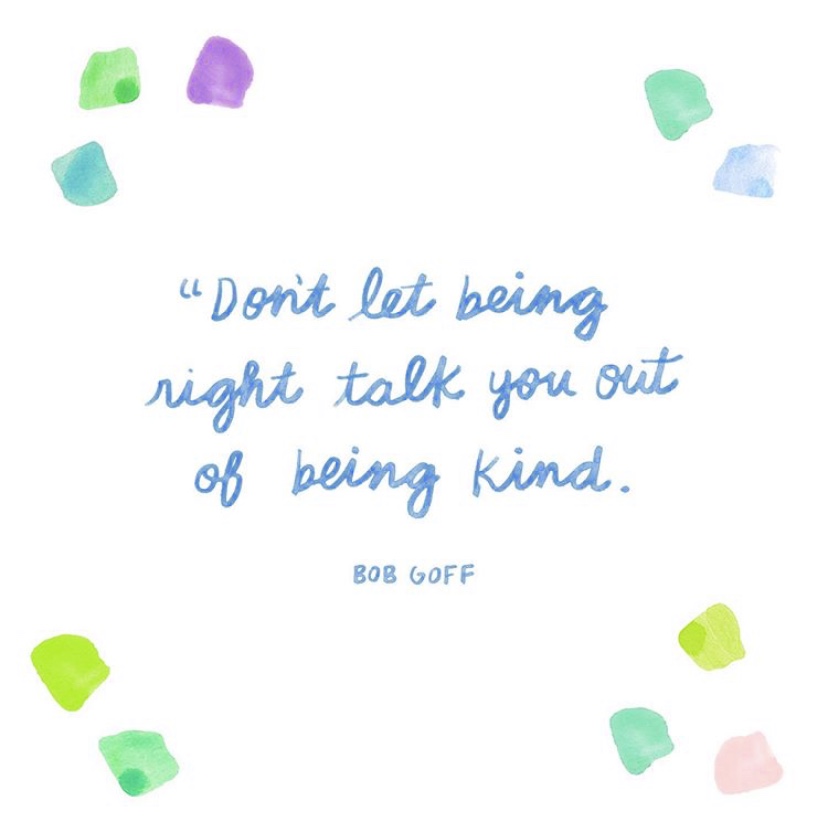
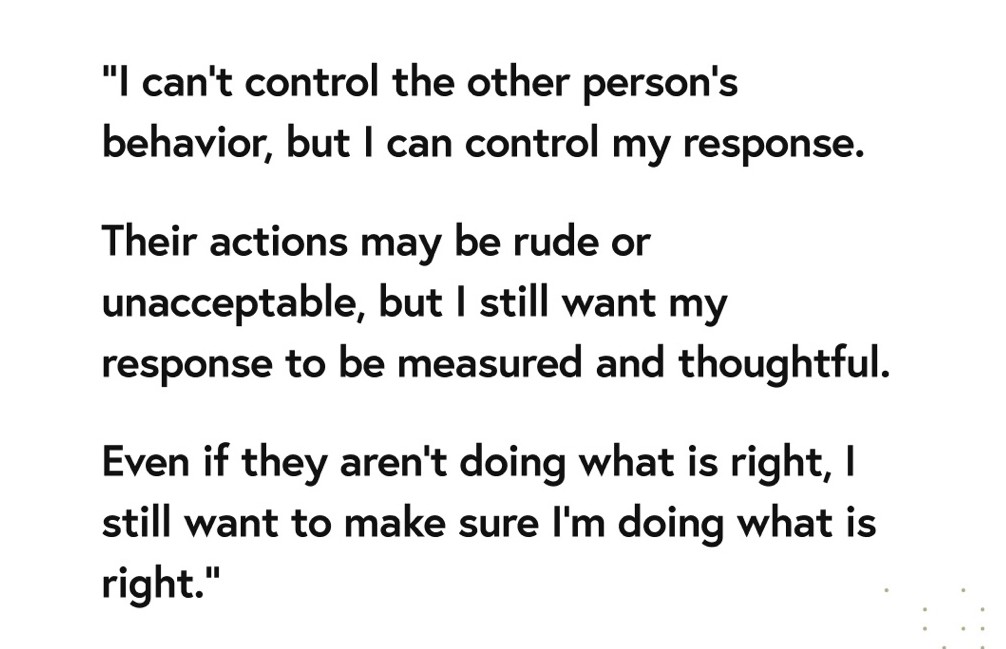
It’s been a long couple of months in our country and I for one am glad the vitriol is over. I posted the above photo after last Tuesday’s election and have lived by it for years both because I have lived in a city for almost 40 years that leans opposite of what I do in most things and because it’s the right thing to do. Many longtime friends lean differently then I do but, except for a handful who have come and gone, I remain friends with them after all these years. Most of them are very dear and treasured friends and we have survived many an election and I’m confident we will survive many more. Those who are no longer on the radar either chose to walk away from our friendship or on a few rare occasions, I have. And that’s okay.


Sadly, I’ve seen lots of inflammatory and insulting posts and a friend private messaged me regarding my above post and it was heartbreaking. Apparently, a dear friend of hers of nearly 50 years and who is considered family in so many ways, “unfriended” her. My friend is both lost and heartbroken and I was at a loss for words when she told me. What do you say?


What I wanted to say is “shame on her!” No one deserves that and to do it on social media is even more egregious. But such is the time we live in as much as we claim to be tolerant and as I’ve personally witnessed in posts. It’s all very sad and very, well, unfriendly.


This all brought up an article I recently read on doing a friendship audit and now might be as good a time as any to consider doing one. What exactly am I talking about? Basically, just taking stock of your circles of friends and whether you’re experiencing more pain than gain from them. I can honestly say I don’t feel the need to do this personally, but I have experienced these types of audits in the past so I thought I’d share what I’ve learned and what I read.


There’s no arguing that there’s no comfort in the world like a good friend or a good group of friends. I’m blessed with many and I count my blessings almost daily for each and every one of them. We all long for friends who lift us up, make us laugh, and encourage and support us. Sadly, sometimes we discover that some pals may be sapping our energy and no longer inspiring us. Those are the ones we should consider a friendship audit for. How so?


Psychotherapist and author Terri Cole and friendship expert and coach Shari Land shared their thoughts with “Woman’s Day” and I’ll share some with you here.


Cole suggests we audit our friendships once-a-year or so and to start by asking yourself three questions:

  • How do I feel when I think about spending time with them?
  • How do I feel when we’re together?
  • How do I feel after?

If you answer anything other than some version of “good” or “great” or things like excited, happy, supported, heard, inspired, loved, uplifted, or understood, it may be time to consider cutting ties. Considering that many friends in our transient lives may live miles away, I would include “talking to” along with the “spending time with” question and to always give grace to those friends who may be going through a tough time.


The goal is to be intentional about spending time with those who make you feel your best, even when you’re not at your best. It’s also important to stay open and flexible. Not all friendships are obvious at the start and not are all meant to last. There’s a famous saying that goes “friends are there for a reason or for a season.” Be honest with yourself and be open to not clinging to friendships that drain you or fail to nurture you and also be open to gravitating to those who aren’t like you. I have many friends whose interests are different then mine but I learn from them and they open my eyes to new and different perspectives. Think Snoop Dog and Martha Stewart and you might just find that friend who surprises you and enhances your life in ways you never thought possible.


Finding new friends can be difficult as we get older though. When you want to meet new people, it’s recommended you join three things: a health-related local cause or class, a social club, and an arts organization. Research shows that we tend to like people better when we believe they like us and it’s no secret that people will respond warmly when you make a friendly gesture, so show someone you’d like to become closer. Be intentional too. Make time for those important to you and who make you feel your best and always be willing to take a chance.


Friendships happen at all stages of life so be sure to surround yourself with the right people for where you are right now. In your 20s, a friend might be one who likes the same nightlife as you do but during your parenting years, it’s likely those who have kids the same age and in the same activities. As you mature in your career, your coworkers may be your best buddies and as you age and retire, it’s often more about character and interests that you gravitate toward.


If you feel the time has come to cut the ties that bind you, don’t be bound to not letting go even though letting go of a once-cherished friendship is said to be as painful as a romantic breakup; especially if there’s a lot of history. The key is to move forward with your integrity in tact and not holding onto a friendship because you feel guilty. Let go of the guilt and let go.


Ancient philosophers and contemporary researchers agree that strong bonds with other people are keys to happiness. But they also note that the things we do to impress others rarely impresses them for long but the things we do to provide value can last a lifetime. Be honest, be kind, and be you. After that, the politics will take care of themselves and you can vote to move ahead or move on.


Going Bananas! October 26, 2024

Filed under: Uncategorized — carlawordsmithblog @ 7:13 pm

Every morning I have my two cups of coffee with cream (I like a little coffee with my cream!) and every evening after dinner I have my grapes. These two are like clockwork and so is something else on the daily basis: a banana. I’m kinda bananas over bananas and have one every day. My husband loves them too so when I buy them, I buy a bunch of them and I buy green ones so they last the week. I love that they’re full of nutrients but they’re also full of interesting tidbits.


We all know bananas are great sources of potassium, but did you know they are Walmart’s top-selling product? Crazy, right? Of the 75 million products the mega-retailer sells, bananas outsell them all; literally billions of them. Reasons vary, but perhaps it’s because they’re an easy, healthy, and affordable snack and maybe it’s because Walmart usually has them close to the checkouts. Brilliant.


I’m not alone is my love for bananas. Per capita, Americans eat an average of 27 pounds per year and worldwide more than 100 billion bananas are eaten annually. Yes, they’re affordable, yummy, and simple, but they’re also healthy.


A medium banana boasts more than 300 milligrams of potassium, more than two grams of fiber, and on average are only around 90 calories. They also offer additional benefits like an energy boost, blood sugar balancing, and weight control. They also contain three natural sugars: sucrose, fructose, and glucose, along with fiber. They are popular with athletes as they give an instant and sustained boost of energy. In fact, research shows that just two bananas provide enough energy for a strenuous 90-minute workout. Nutritionists like to say they pack a triple punch of heart health, gut health, and brain health.


When it comes to your heart, the plant-based antioxidants in bananas help protect cells from damage and their potassium has been linked to improved blood pressure regulation. Gut-wise, bananas have prebiotic compounds that fuel “friendly” bacteria in your intestine, which help shield your immune system from bad ones that make you sick. And then there’s the brain. With a quarter of your daily B6 vitamin fix, bananas may help you think straight and calm nerves and anxiety. Diets in the this vitamin are linked to lower risk of cognitive decline and may actually protect neurological function. Other illnesses and conditions bananas have been known to help include: depression, PMS, anemia, blood pressure, constipation, hangovers, heartburn, morning sickness, mosquito bites, and ulcers.


Wow! I think you’ll agree that you’ll never look at a banana in the same way!



Author Dan Koeppel wrote an entire book on bananas simply called “Banana.” It’s described as a fascinating and surprising exploration of the fruit’s history and cultural significance and is definitely on my list of books to read. In it, he writes that Americans eat more bananas than oranges and apples combined every year. When compared to apples, America’s second most popular fruit, bananas rule. They have four times the protein as an apple as well as twice the carbohydrates, three times the phosphorus, and five times Vitamin A and iron.


On top of all that, who doesn’t love recipes that use bananas? The yellow gems are used to make likes of delectable banana bread and muffins, banana pudding, banana splits, ice cream sundaes, and the classic pudding and vanilla wafers dessert. I love them in a bowl of yogurt and in my smoothies. Tried and true tip: if your bananas become over-ripe, don’t panic or throw them out. Antioxidants actually increase the longer they ripen so put them in the freezer and they’re the perfect future smoothie or banana bread ingredient. Just bring one out to defrost first or if you forget, run the frozen fruit under warm water and the peel comes right off!


Fun story: when I taught preschool at our church, my aid and I had a fun game we’d do with our three-year-olds. Anytime one of us or a student had a banana, we’d play “banana phone,” calling each other and having a fruitful conversation. The kids loved it and giggled the whole time. Bananas can be fun too!


Some say bananas first arrived in the U.S. in Philadelphia around 1876. Although it’s hard to pin an exact date, we do know that in the 1870s, American entrepreneur Minor Keith developed a large banana plantation in Costa Rica and his company, the United Fruit Company (now Chiquita), began shipping bananas to the United States. By the early 20th century, bananas had become a staple of the American diet. Today, the United States imports billions of dollars of bananas each year.


Interestingly enough, during Victorian times it was unladylike for a woman to eat a banana but don’t tell that to Brazil’s Carmen Miranda, who famously donned them in her headdresses!


I can’t go on without talking about bananas’ tough cousin, the plantain. It’s easy to confuse the two as they look alike but they have important differences. Plantains are usually larger and tougher than bananas, with much thicker skin. They are also starchier than bananas and are primarily eaten cooked. Plantains can be boiled, baked, or fried. However, if you were to substitute a plantain for a banana in a recipe, you may be surprised by its very different taste.


And finally, something we hear tossed around in the news and political cycle is “Banana republic.” What exactly does it mean though?


First used in 1904 by American author O. Henry, it generally describes a politically and economically unstable country with an economy dependent on the export of natural resources such as bananas. Typically, a banana republic has a society of ranked social classes, often including a large impoverished working class working class and a wealthy ruling class composed of the business, political, and military elites. The ruling class controls the primary sector of the economy primary sector of the economy by way of exploitation of labor exploitation of labor. The term is often used to describe small Central American countries that are governed by a dictator or armed forces and one that is politically unstable. Let’s hope the U.S. remains a banana lover but not a Banana Republic!


I hope today’s blog has given you lots of food for thought that you find “a-peeling.” Just remember: when life throws you lemons or one bad apple, go bananas and smile!