

Cross My Heart March 27, 2026
Easter is right around the corner and Palm Sunday is this Sunday. I’d like to share with you two little seasonal tales I just love and hope you do too.
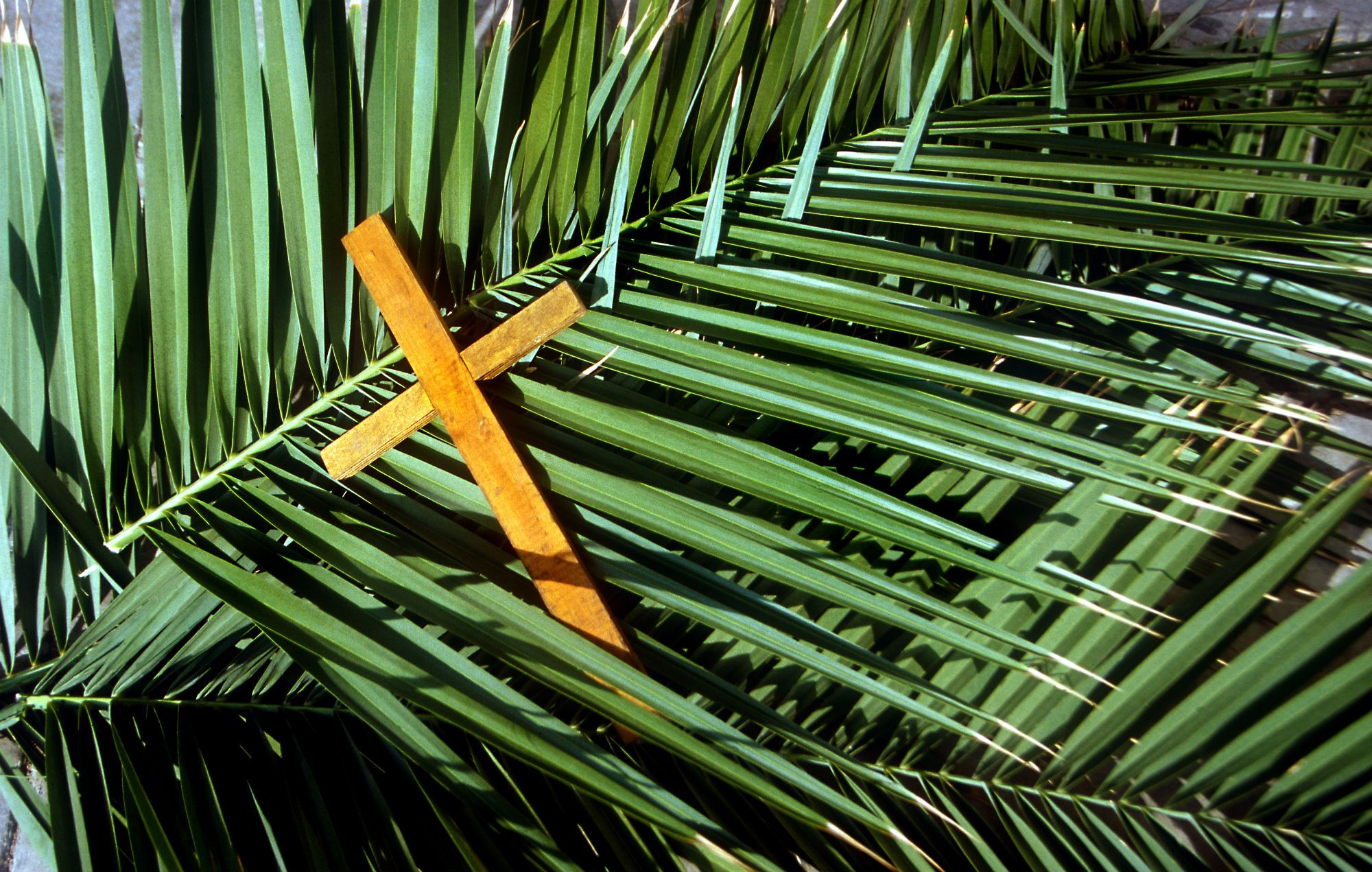 The first one fits in perfectly with Palm Sunday and is the tale of the donkey’s cross. It’s a tale and tail per se. Legend has it that a farmer near Jerusalem owned a donkey far too small to do the work he was needed for. The sad farmer felt he couldn’t afford to feed an animal with no true benefit to him so at dinner that evening, he told his family he was going to have to get rid of the donkey. His children, who loved the animal, begged him to sell it rather than harm it. The farmer questioned their request.
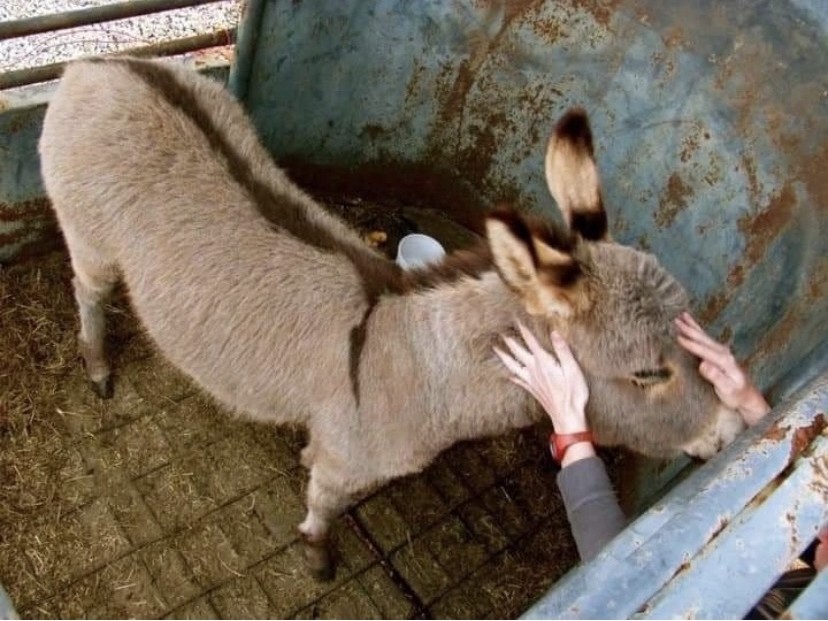 “It’s wrong to sell an animal that can’t do a day’s work,” he told them. His oldest daughter had an idea. “Father, tie the donkey to a tree on the road to town and offer it to anyone who wants to take it for free. The next morning, that’s what the father did.
Before long, two men approached him and asked if they could have the donkey. The farmer warned them that it could carry almost nothing but the men told him, “Jesus of Nazareth has a need for it.” This baffled the farmer as he couldn’t imagine what a great man like Jesus would want with such a worthless donkey but he agreed and handed the donkey over to them.
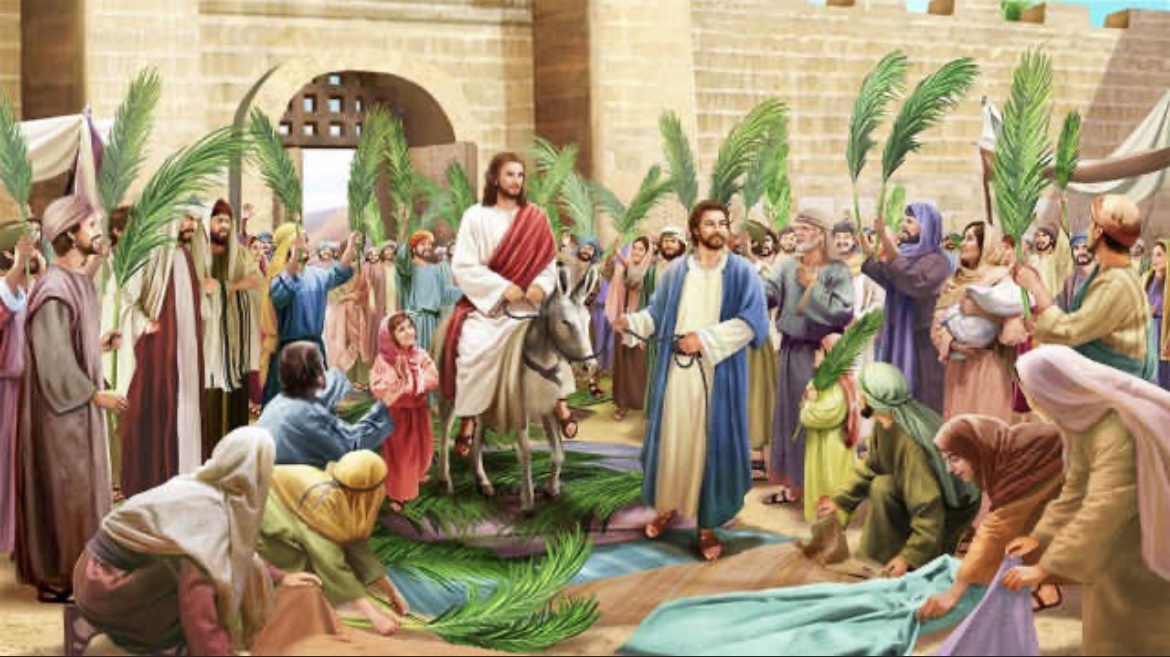
The men took the animal to Jesus, who gently stroked the donkey’s face and then mounted it and rode away. A few days later, on what is now called Palm Sunday, Jesus led his followers into Jerusalem riding on the back of his new beloved donkey. It was a match made in heaven! Literally!
 The donkey equally loved his kind master and later followed him to Calvary. Grief-stricken by the sight of Jesus on the cross, the donkey turned away but couldn’t leave. It was then that a shadow of the cross fell upon the shoulders and back of the donkey, and there it stayed. To this day, all donkeys bear a sign of the cross on their backs. Cross my heart! Check it out for yourself if you don’t believe. Believe!

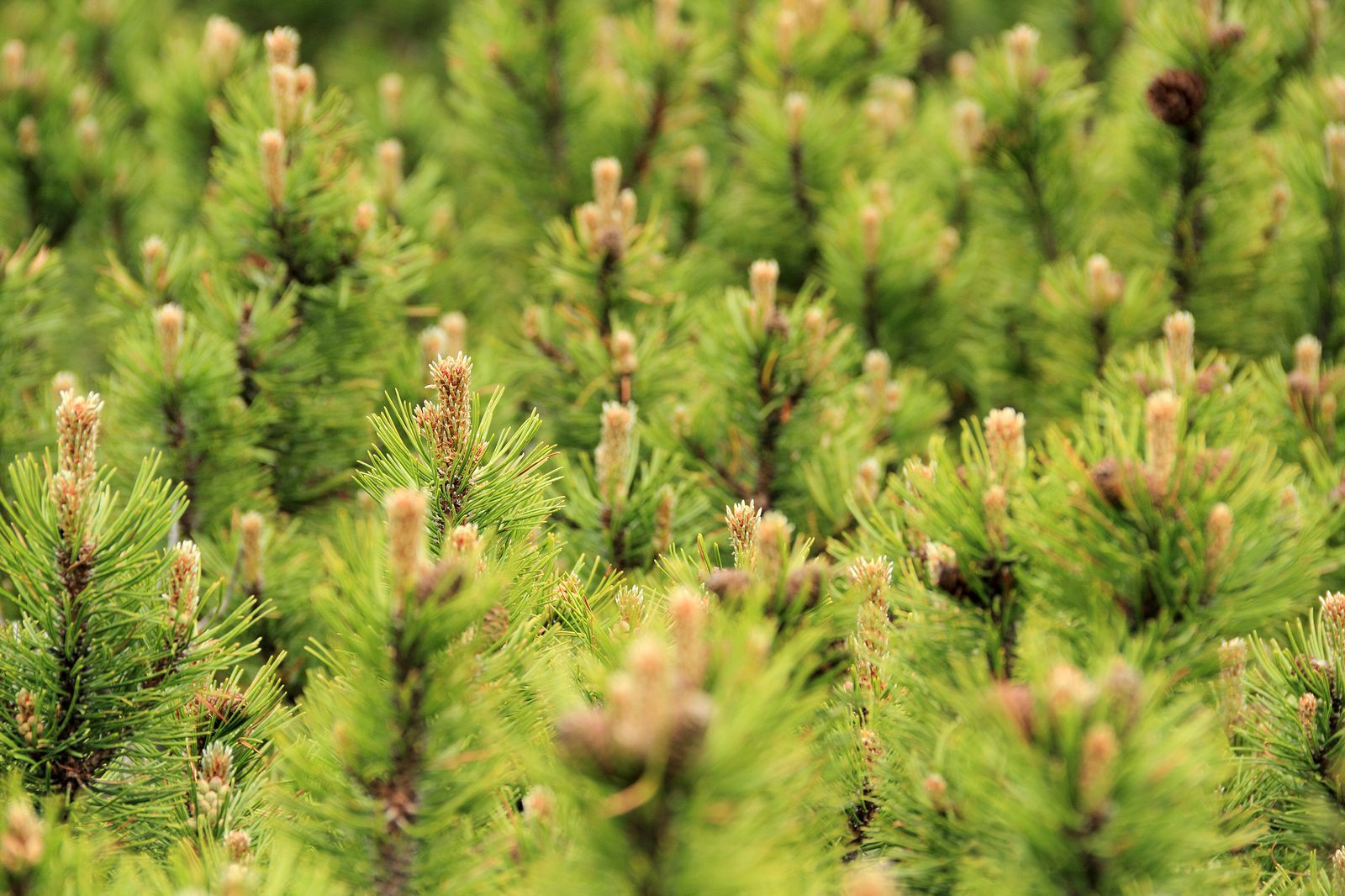
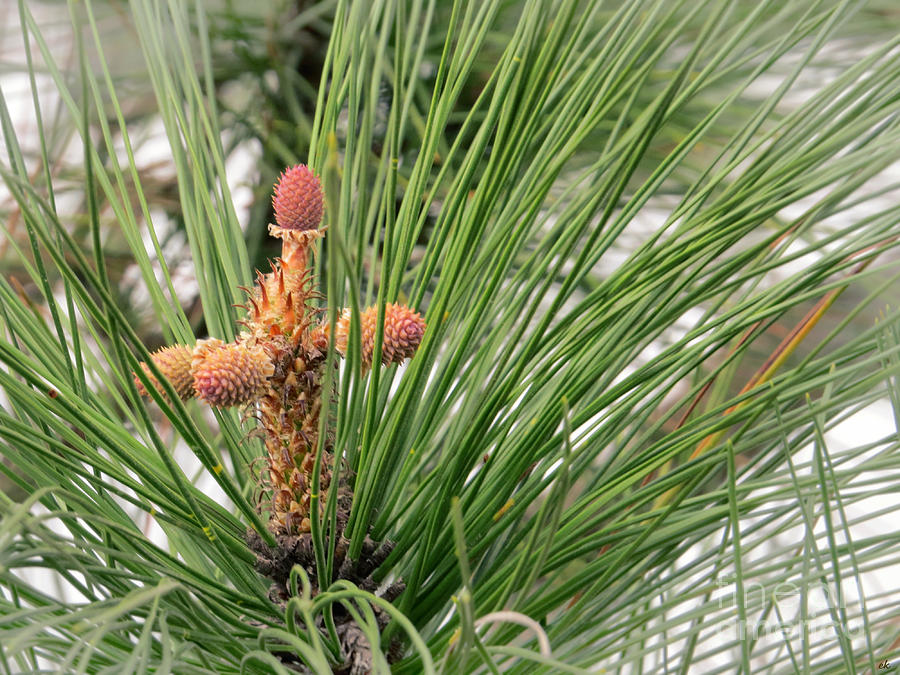
Another fun legend is that of pine trees. The beloved lore has it that just before Easter, pine trees start their new growth. This of course depends on the weather and health of the tree, but when all factors are suitable, the tallest branch of the tree shoots forth and forms the shape of a cross. If you’re lucky enough to have pine trees where you are, look up and look in the tree and hopefully you’ll not only see the highest cross, but many smaller ones scattered throughout the tree. I love pine trees and I love this story. Look up!
Cross My Heart
Easter is right around the corner and Palm Sunday is this Sunday. I’d like to share with you two little seasonal tales I just love and hope you do too.
The first one fits in perfectly with Palm Sunday and is the tale of the donkey’s cross. It’s a tale and tail per se. Legend has it that a farmer near Jerusalem owned a donkey far too small to do the work he was needed for. The sad farmer felt he couldn’t afford to feed an animal with no true benefit to him so at dinner that evening, he told his family he was going to have to get rid of the donkey. His children, who loved the animal, begged him to sell it rather than harm it. The farmer questioned their request.
“It’s wrong to sell an animal that can’t do a day’s work,” he told them. His oldest daughter had an idea. “Father, tie the donkey to a tree on the road to town and offer it to anyone who wants to take it for free. The next morning, that’s what the father did.
Before long, two men approached him and asked if they could have the donkey. The farmer warned them that it could carry almost nothing but the men told him, “Jesus of Nazareth has a need for it.” This baffled the farmer as he couldn’t imagine what a great man like Jesus would want with such a worthless donkey but he agreed and handed the donkey over to them.
The men took the animal to Jesus, who gently stroked the donkey’s face and then mounted it and rode away. A few days later, on what is now called Palm Sunday, Jesus led his followers into Jerusalem riding on the back of his new beloved donkey. It was a match made in heaven! Literally!
The donkey equally loved his kind master and later followed him to Calvary. Grief-stricken by the sight of Jesus on the cross, the donkey turned away but couldn’t leave. It was then that a shadow of the cross fell upon the shoulders and back of the donkey, and there it stayed. To this day, all donkeys bear a sign of the cross on their backs. Cross my heart! Check it out for yourself if you don’t believe. Believe!
Another fun legend is that of pine trees. The beloved lore has it that just before Easter, pine trees start their new growth. This of course depends on the weather and health of the tree, but when all factors are suitable, the tallest branch of the tree shoots forth and forms the shape of a cross. If you’re lucky enough to have pine trees where you are, look up and look in the tree and hopefully you’ll not only see the highest cross, but many smaller ones scattered throughout the tree. I love pine trees and I love this story. Look up!
Cross My Heart
Easter is right around the corner and Palm Sunday is this Sunday. I’d like to share with you two little seasonal tales I just love and hope you do too.
The first one fits in perfectly with Palm Sunday and is the tale of the donkey’s cross. It’s a tale and tail per se. Legend has it that a farmer near Jerusalem owned a donkey far too small to do the work he was needed for. The sad farmer felt he couldn’t afford to feed an animal with no true benefit to him so at dinner that evening, he told his family he was going to have to get rid of the donkey. His children, who loved the animal, begged him to sell it rather than harm it. The farmer questioned their request.
“It’s wrong to sell an animal that can’t do a day’s work,” he told them. His oldest daughter had an idea. “Father, tie the donkey to a tree on the road to town and offer it to anyone who wants to take it for free. The next morning, that’s what the father did.
Before long, two men approached him and asked if they could have the donkey. The farmer warned them that it could carry almost nothing but the men told him, “Jesus of Nazareth has a need for it.” This baffled the farmer as he couldn’t imagine what a great man like Jesus would want with such a worthless donkey but he agreed and handed the donkey over to them.
The men took the animal to Jesus, who gently stroked the donkey’s face and then mounted it and rode away. A few days later, on what is now called Palm Sunday, Jesus led his followers into Jerusalem riding on the back of his new beloved donkey. It was a match made in heaven! Literally!
The donkey equally loved his kind master and later followed him to Calvary. Grief-stricken by the sight of Jesus on the cross, the donkey turned away but couldn’t leave. It was then that a shadow of the cross fell upon the shoulders and back of the donkey, and there it stayed. To this day, all donkeys bear a sign of the cross on their backs. Cross my heart! Check it out for yourself if you don’t believe. Believe!
Another fun legend is that of pine trees. The beloved lore has it that just before Easter, pine trees start their new growth. This of course depends on the weather and health of the tree, but when all factors are suitable, the tallest branch of the tree shoots forth and forms the shape of a cross. If you’re lucky enough to have pine trees where you are, look up and look in the tree and hopefully you’ll not only see the highest cross, but many smaller ones scattered throughout the tree. I love pine trees and I love this story. Look up!
Smells Like a Winner to Me March 21, 2026
For someone who loves a good candle, diffuser oil, lotion, Easter Lillies, coffee brewing, and even Play-Do, today is a special day. It’s “National Fragrance Day!” I know, I didn’t know this myself until yesterday but I love a “pretend” holiday and a love a good scent so here we are. Candles and candles aside, today I’m focusing on a personal treasured fragrance: perfume.
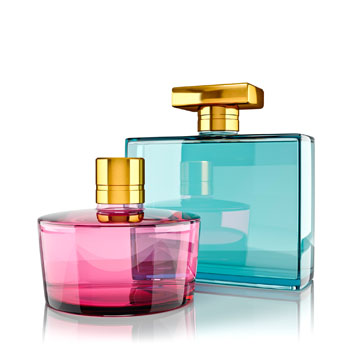 I love perfume and wear it daily, whether I’m going golfing or going to Buckingham Palace. (Keep it light or not at all though if you’re flying somewhere. There’s nothing worse than sitting next to someone on a plane and they’re drenched in a scent you don’t care for.) You could say it’s how I was raised.
One of my fondest childhood memories is of my mom and dad getting ready to go out. They always got dressed up and my mom always wore perfume. Joy and L’air du Temps were her favorites and to this day they’ll always remind me of her. We were a solid middle class Hispanic family so perfume was considered very special and a luxury. Still, my mom made it a point to always have some on hand and so do I. Back then we got it for gifts and gave it for gifts and I’ve carried on that tradition all these years later.
“I just adore fragrance. I can’t leave the house without putting on a scent, even when I’m at my most minimal and rugged. I have a bottle of perfume in every handbag.”
Sarah Jessica Parker
I’m with you Carrie Bradshaw and Kate Middleton might also agree.
I love that on her wedding day to Prince William, the Duchess of Cambridge wore the English perfume “Bluebell.” And while most of us can’t afford a custom Alexander McQueen gown like Kate’s, we can afford a royal-approved scent and who doesn’t want to smell like a princess and have that special “something blue” to wear on her wedding day? Another wedding tip I read was to wear a new perfume on your wedding day and then your hubby will always think of that special day when you wear it again.
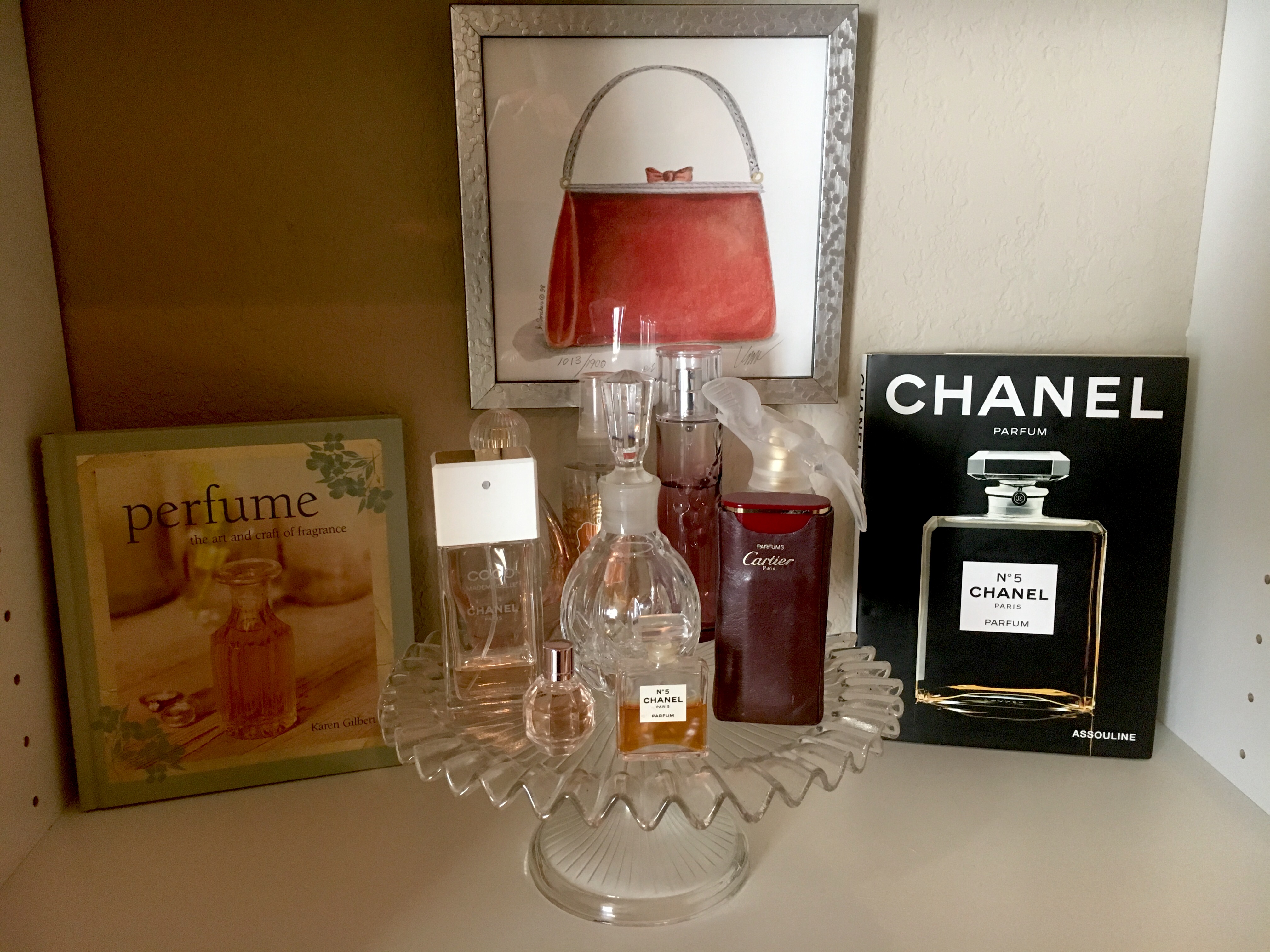 I don’t know if “Bluebell” is Kate’s signature scent, but I do know that min is Chanel’s “Coco Mademoiselle.” I’ve worn it for years and never tire of it. I do however, like other scents and they sit on a crystal cake stand in my closet. Some of my other favorites include Bradshaw’s perfectly named “Lovely,” Caudalie’s “The Des Vignes,” “Must de Cartier,” and Elizabeth Arden’s “White Linen.” I’ve also discovered Baccarat’s “Rouge 540” but boy is it pricey!
If I could, I’d probably also have Ralph Lauren’s original square red-bottled fragrance as it will forever remind me of college but they just don’t make it anymore. “Sweet Honesty,” “Jovan Musk,” and Clinique’s “Aromatics” will forever bring back my high school days and then there’s “Charlie,” “White Shoulders,” and “Halston,” all of which had their hey-days but I never wore any of them. Perfume has a funny way of lingering in our memories. Youd could say it’s almost spiritual.
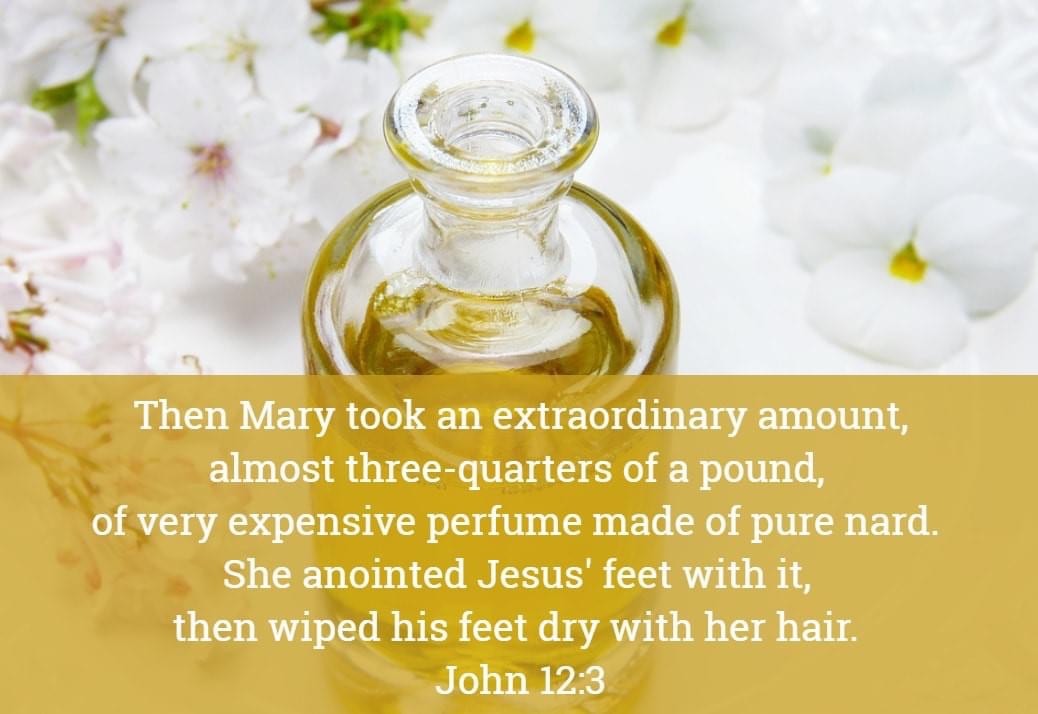 Well, there you have it, it’s not only spiritual it’s biblical!
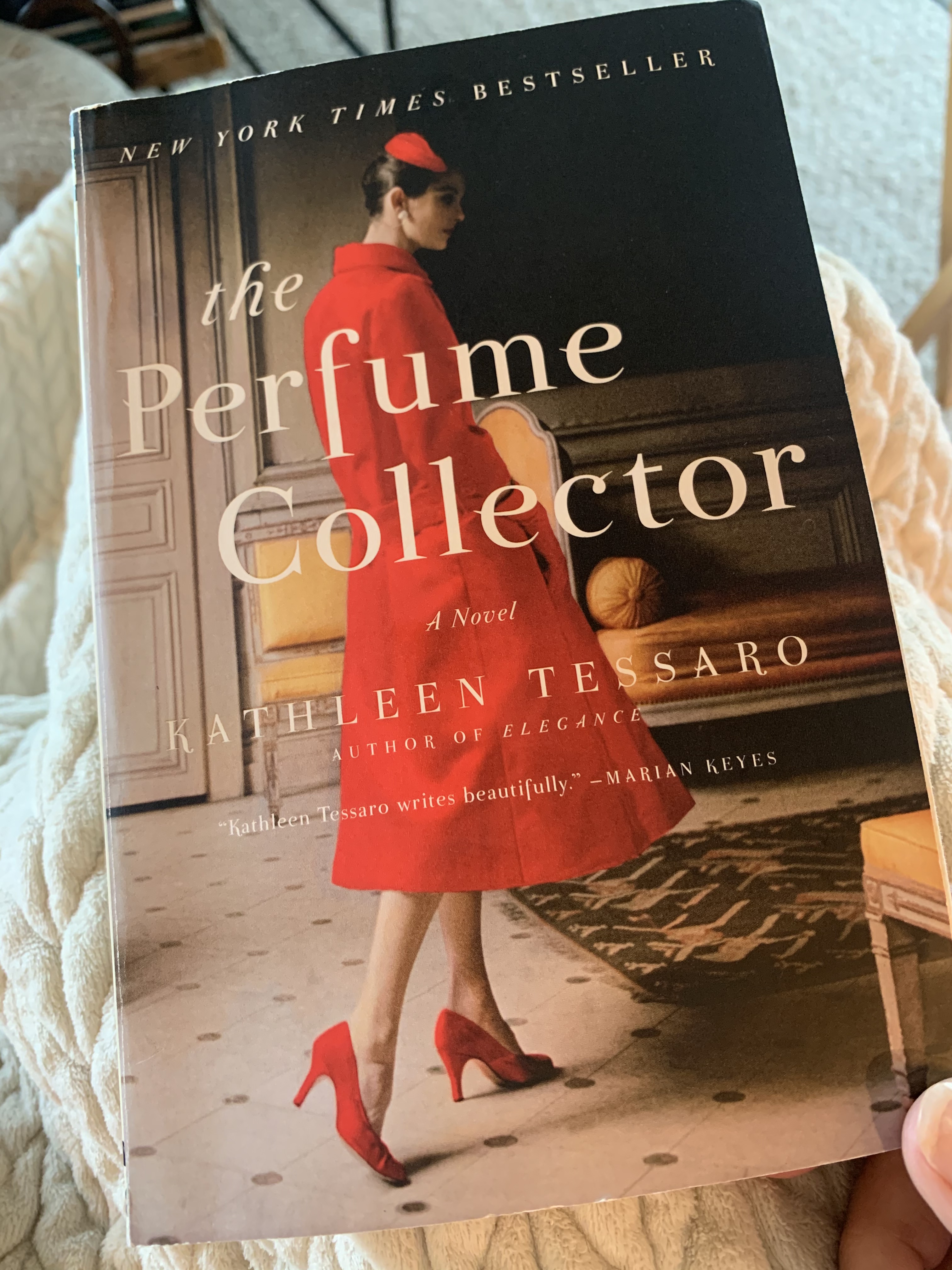 Just a sniff of a cologne raises our scent of smell. I recently read Author Rita Snowden’s story about visiting a small village in Dover England. While sitting in an outdoor café, she picked up the most beautiful of scents and later learned that what she smelled was the villagers themselves, most of who worked in a nearby perfume factory. If you love perfume and reading, I highly recommend the book “The Perfume Collector” by Kathleen Tessaro. Great read and great history.
 How those factory fumes stayed on the workers should come as no surprise as perfume is activated by body heat. For long-lasting results, spray some on pulse points like your wrist, neck, behind your knees, and on your ankles. If you want a more subtle scent, spray it on your hair and clothing. But keep in mind that just because a scent smells wonderful on someone doesn’t mean it will smell the same on you. If you’re opting for something new, try a travel size for starters.
Okay, but when choosing a scent, what’s up with cologne, perfume, and eau de toilette? Basically, they are all variations of the potency of the fragrance. The higher the concentration of the oil in them, the more staying power and usually the higher price. Parfum boasts the highest concentration of oil, followed by Eau de Toilette, and then cologne, which got its name from the German city in which it was first created.
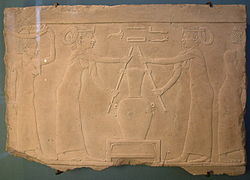 As for the word “perfume,” it comes from the Latin “per fumus,” which means “through smoke.” The first modern perfume is thought to have been made at the command of Queen Elizabeth of Hungary in 1370. France soon became the center of perfume making but perfumes were used primarily by royalty and the wealth to mask body odors. King Louis XV, Madame de Pompadour, and even Napoleon picked up on it all but it wasn’t until the 19th century that modern fragrances really developed and hit the mass market.
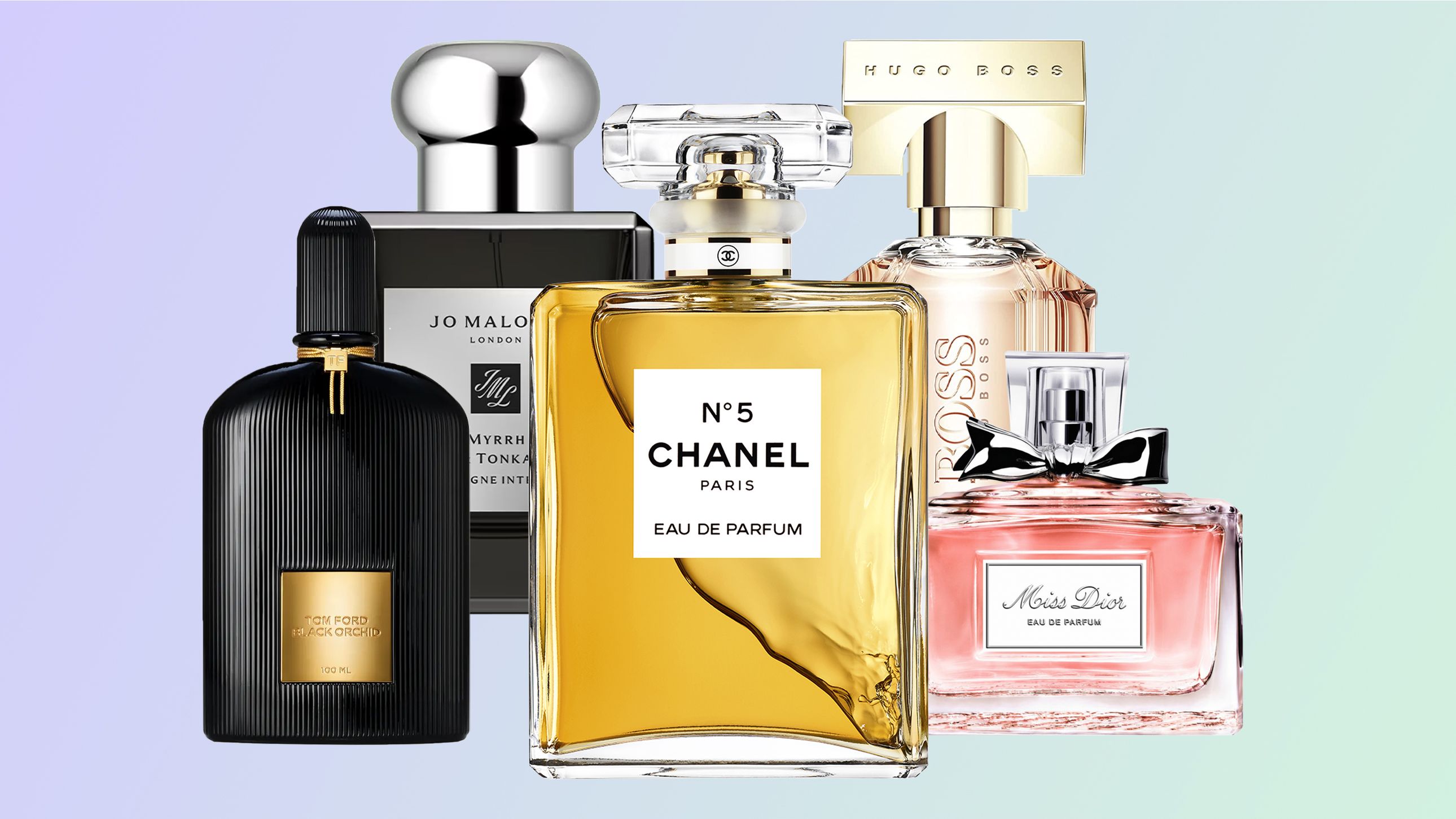 The now classic Chanel No. 5 was created and launched by Coco Chanel and the rest is perfume history. I love checking out creative and pretty perfume bottles and none is more classic than the simple square bottle of Chanel No. 5 and I still have one from a visit to Paris. I will never get rid of it. The bottle is famous but the story behind it and its name is just as intriguing.
From an early age, the number 5 was important to French orphan Gabrielle Chanel. She attended daily prayer at her convent-run orphanage in a circular pattern that repeated the number five and she had an affinity for the five-petal rose that was found in the abbey’s gardens and surrounding hillsides.
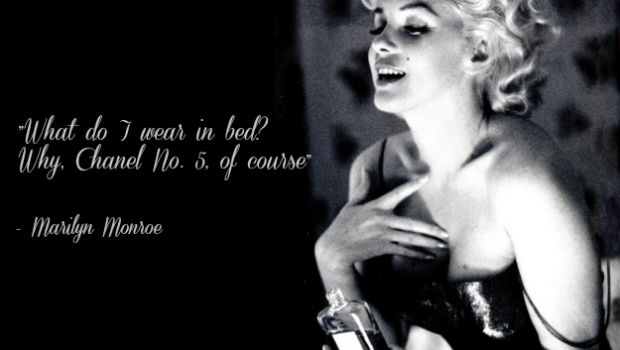 Years later and then a high-end fashion designer, “Coco” Chanel was presented with small glass vials containing sample selections to be made into a perfume under her name. The vials were numbered 1 to 5 and 20 to 24 and she chose the fifth vial.
She later told her master perfumer, “I present my dress collections on the fifth of May and the fifth month of the year, so we will let this sample number five keep the name it has.”
She was just as instrumental in the iconic bottle’s design, envisioning a design opposite of the elaborate crystal fragrance bottles popularized by Lalique and Baccarat. Instead, her bottle would be “pure transparency…simple bottles adorned only by precious teardrops of perfume.” The bottle has remained the same since redesigned in 1924.
One of my friends, who I’ve known since our daughters were in preschool, has worn the same scent for as long as I’ve known her. If I close my eyes I can smell it, if I smelled it somewhere I would look for her, and if she wore any other fragrance, I would pitch a fit.
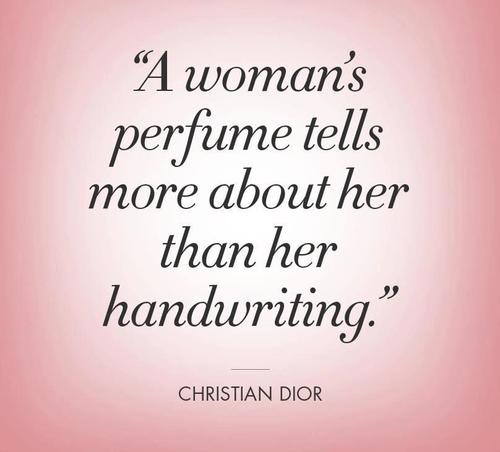 Self-expression is at an all-time high these days, and fragrance is a quick way to make a statement and unveil your style. It becomes a reflection of a personal choice but unlike designer bags and shoes, one has to get close to you to notice it. It’s understated yet rich if done right. You truly make a statement on what perfume you choose and spritz on.
That’s how significant perfume can be. There’s a reason the global fragrance market is worth almost $90 billion and the industry is truly considered liquid assets. Smells like a winner to me.
Irish Eyes are Smiling March 17, 2026
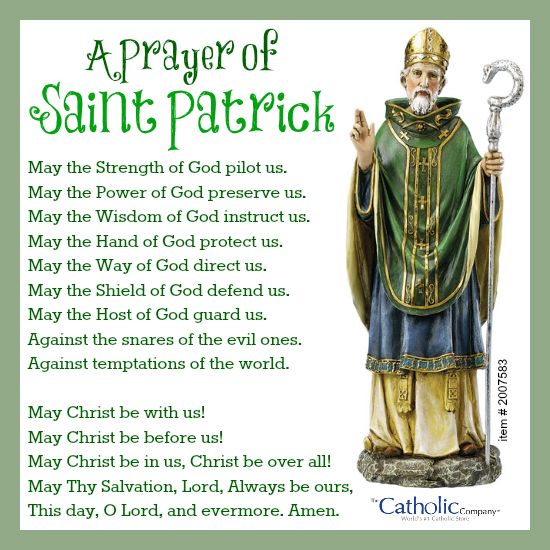
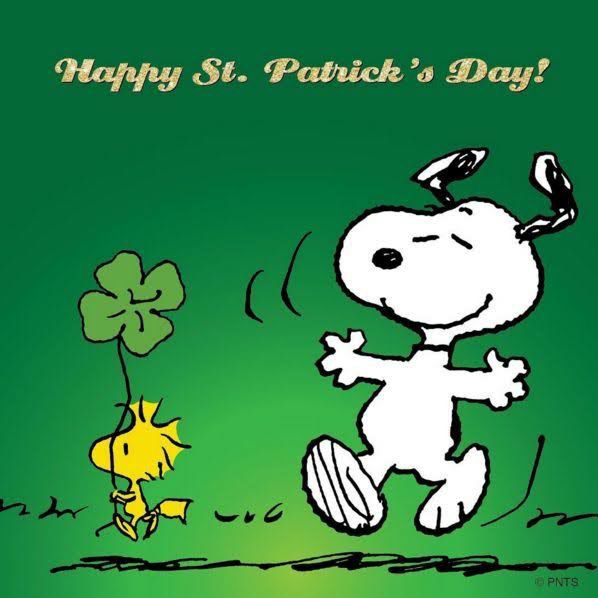 Happy St. Patrick’s Day everyone! We are all a wee bit Irish today and I’m guessing you are wearing green as you read this as we all honor the land of leprechauns, fabulous golf, U2, step dancing, Guinness, shamrocks, Irish Coffee, and St. Patrick. But who was the saint named Patrick and why do we celebrate him in such a big way?
 What A Saint
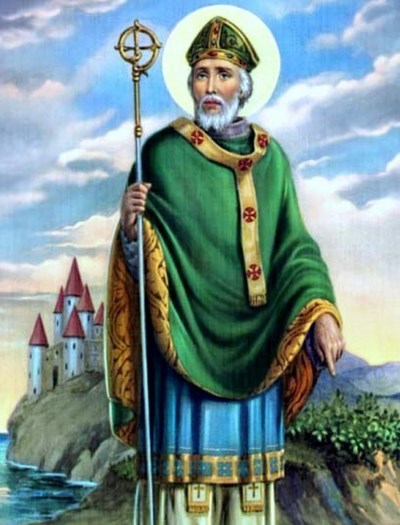
Forever tied to Ireland, Patrick wasn’t born on the Emerald Isle but in Britain. When he was 16, young Patrick was kidnapped by Irish raiders who took him to Ireland and sold him as a slave. He spent many years there herding sheep and turning to God in prayer. He escaped when he was 22 and made his way back to England where he spent 12 years in a monastery. Legend has it that he had a dream in which the people of Ireland were calling him back. The dream is said to have been the voice of God encouraging him to spread Christianity across Ireland and convert the pagans.
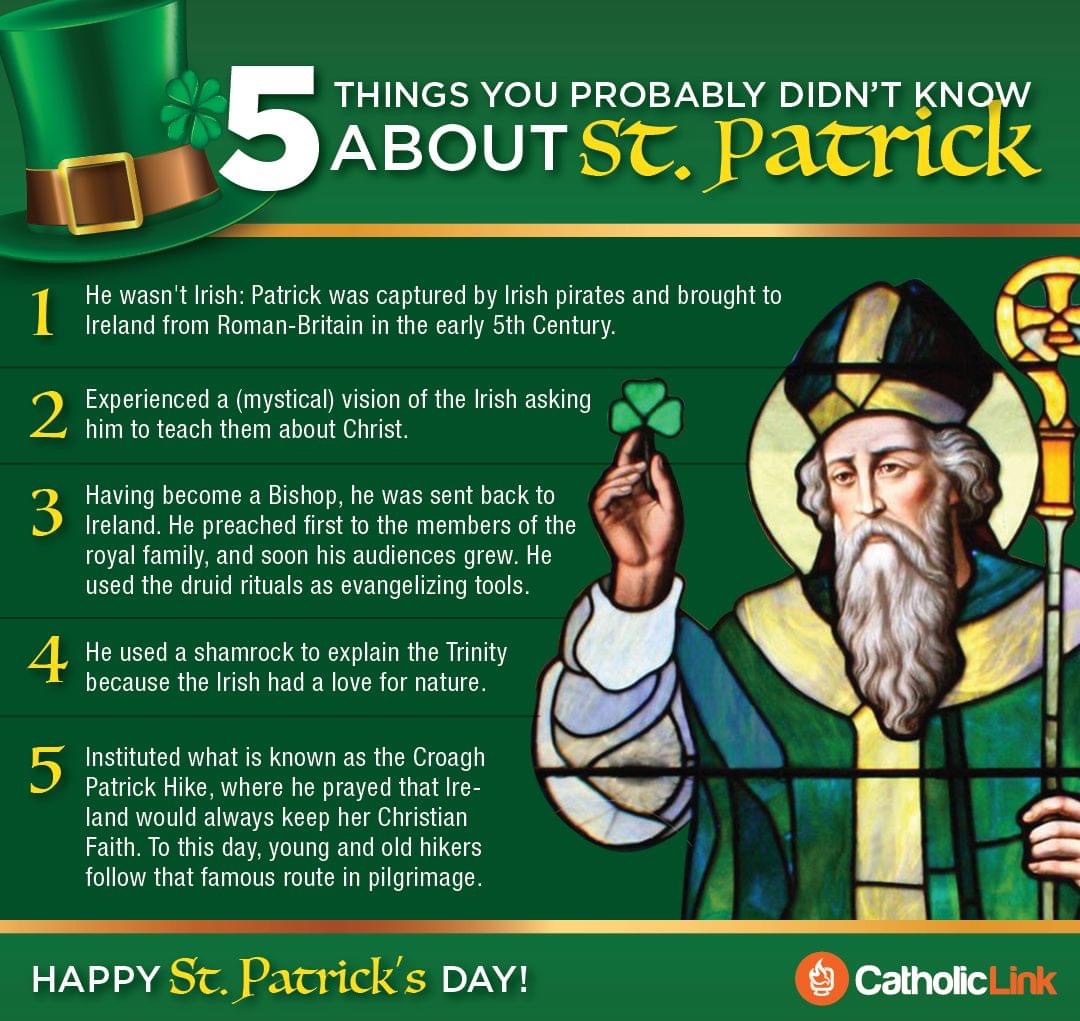 Patrick returned to Ireland and began preaching the gospel, building churches, and converting many. Born of wealth, Patrick lived in poverty and suffered greatly until he died on March 17, 461. He is said to be buried in Down Cathedral in the County of Down in Ireland and ironically, St. Patrick’s Day is celebrated on the day he died, not on his birthday.
 Luck of the Irish
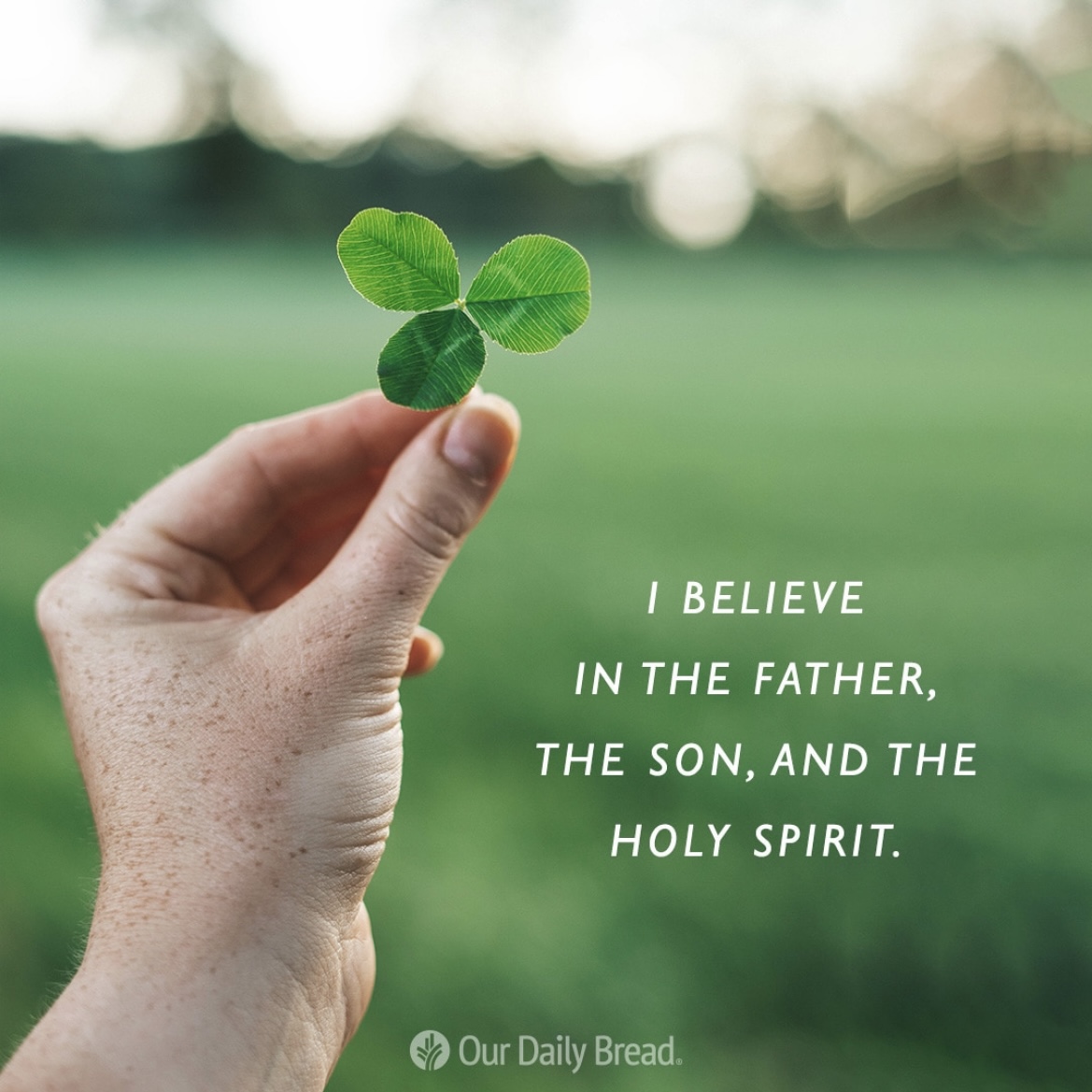
My favorite part of the St. Patrick story is that he used the shamrock as a way to teach the Holy Trinity. The simple green plant grows abundantly in Ireland so he cleverly used it to explain the trinity: Father, Son, and Holy Spirit. His idea was so convincing that even pagan rulers converted to Christianity.
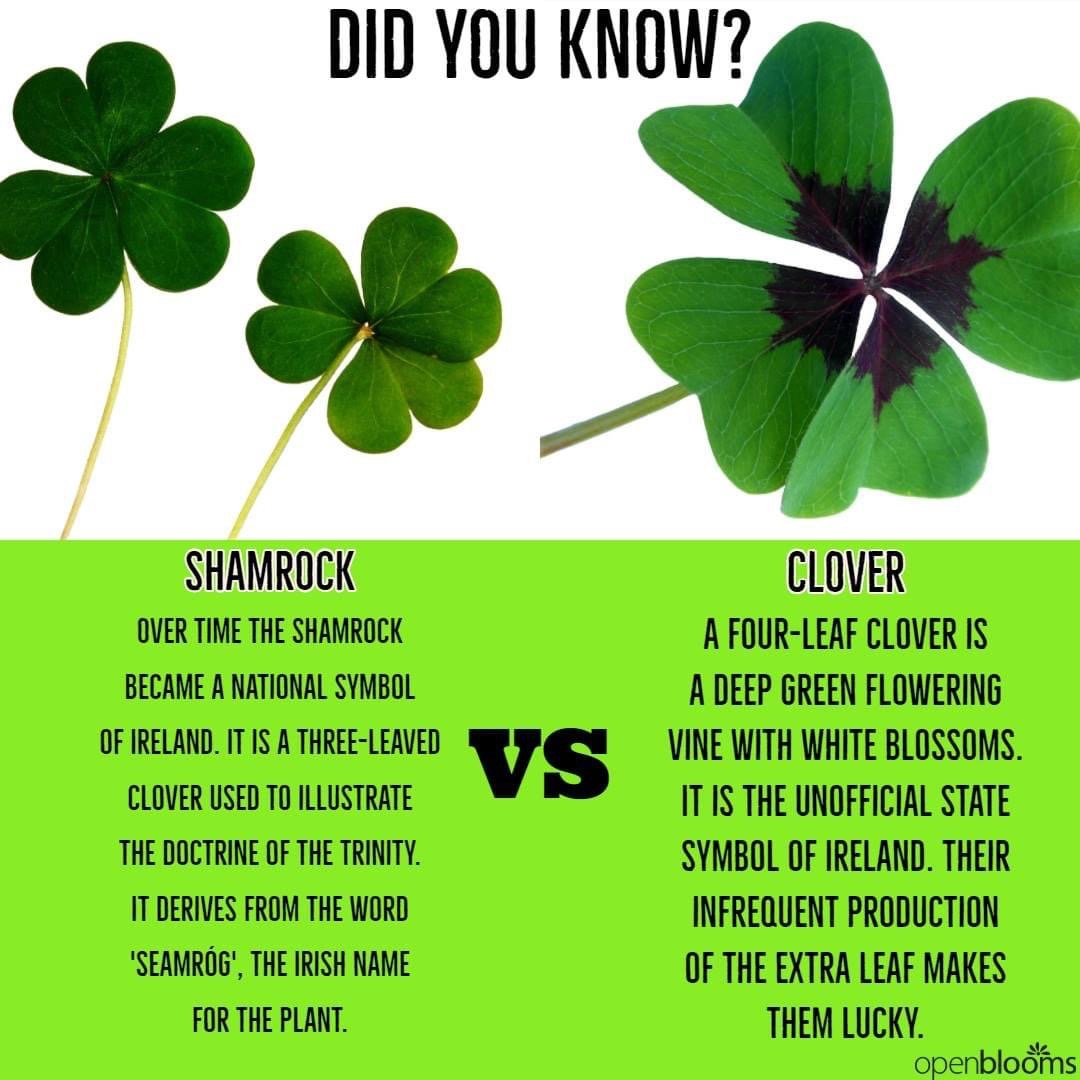 The shamrock has three leaves and is considered a clover plant but what is the difference between it and the four-leaf clover? The latter is the result of a mutation in the clover plant that causes it to sprout four leaves instead of the normal three. These four-leaf wonders are very rare and is why they are considered a universal symbol of good luck.
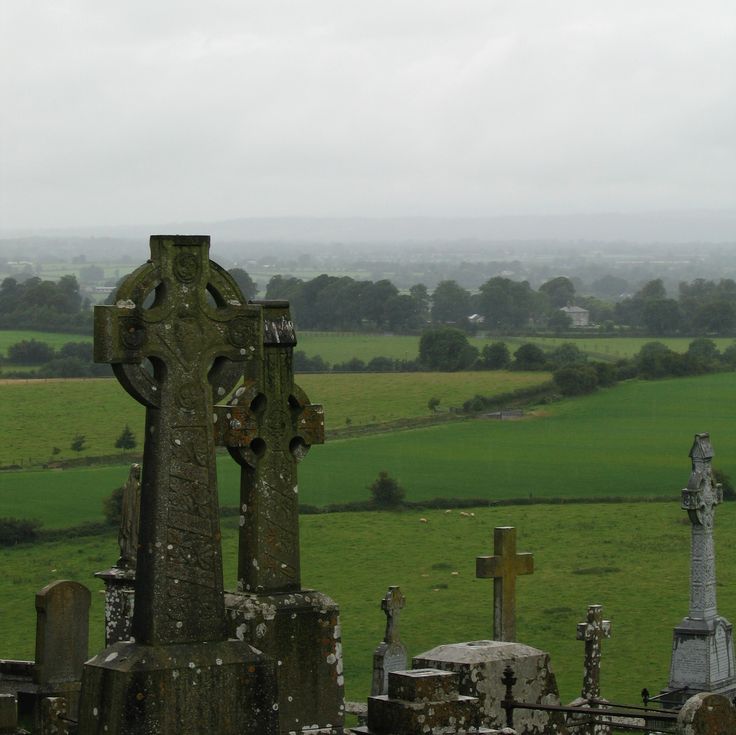
Patrick loved incorporating other traditional rituals in his lessons for both simplicity and proof. Because fire was sacred to the Irish, Patrick superimposed a sun onto a Christian cross. Today this cross, called a Celtic cross, is one of Christianity’s most popular.
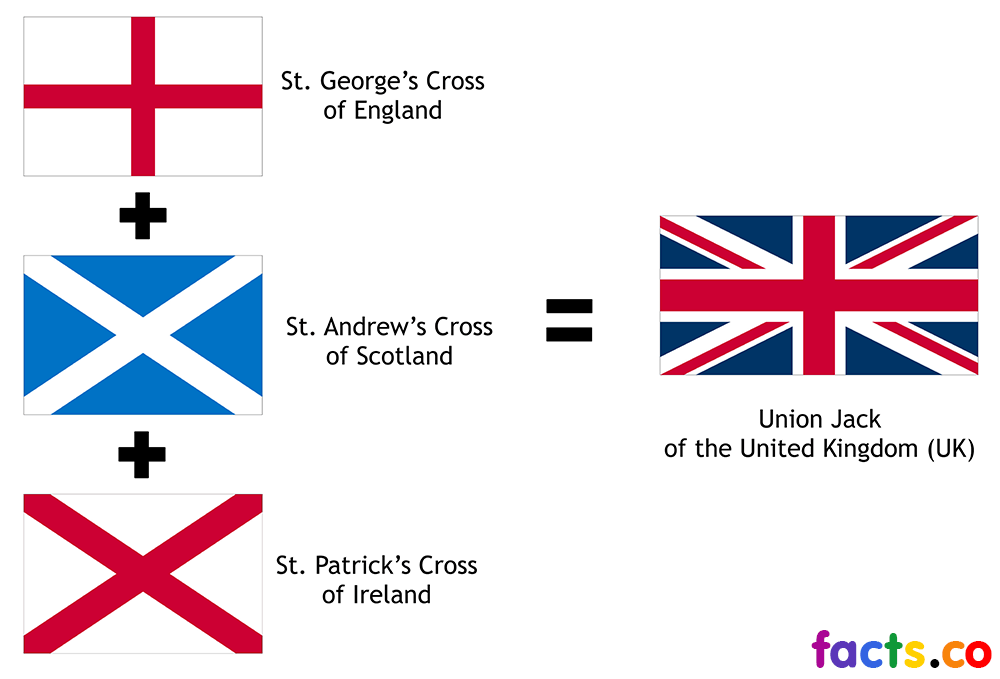 Another cross, St. Patrick’s Cross of Ireland, also makes up part of the Union Jack, the flag of the United Kingdom. When you look at the flag, you can see it is actually made up of three different crosses: St. George’s red Cross of England, St. Andrew’s white Cross of Scotland, and St. Patrick’s red one. And to be clear, the UK is considered all of Great Britain – England, Scotland, and Wales – with the addition of Northern Ireland. Ireland is considered its own republic.
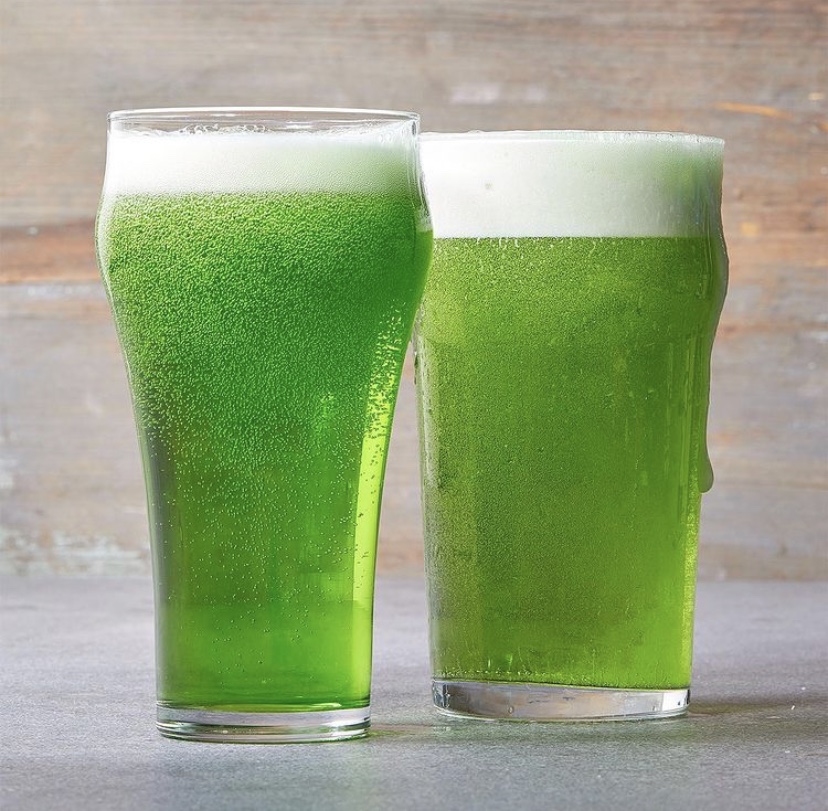
Funny thing is, as much as a celebration and party St. Patrick’s Day is today, from 1903-1970 it was considered a religious holiday according to Irish law, which required pubs remain closed for the day. Squeal! The law was reclassified as a national holiday in 1970, paving the way for the opening of drinking establishment doors and green beer. In the Diocese of Ireland however, it is still considered a Holy Day of Obligation, meaning Catholics are obligated to attend mass and receive the Blessed Sacrament.
 Stateside, it all started as a political holiday when American Irish immigrants organized themselves and commemorated St. Patrick with annual parades and festivities to demonstrate their political and social might. Ironically, there are more Irish in the U.S. than in Ireland! There are an estimated 34 million Americans who claim Irish ancestry but the population of Ireland is only 4.2 million.
St. Patrick today, along with St. Nicholas and St. Valentine, is one of Christianity’s most widely known figures and his prayers can be found among all walks of life. St. Patrick’s Cathedral in New York City is one of the city’s most popular tourist attractions and the Fifth Avenue Neo-Gothic icon ranks right up there with the Statue of Liberty and the Empire State Building. And, in case you’re wondering, St. Patrick isn’t only revered by Catholics. He is honored with a feast day in the Episcopal Church and is also venerated by the Orthodox Church.
 Parades and festivals will happen in many places today, but perhaps the ones in New York, Boston, and Chicago rank highest. Surprisingly, St. Patrick’s Day is also a big event in Dallas. As with everything in Texas, it is done in a very big way in Big D! In Chicago, the Chicago River is colored green and green beer and whiskey flow abundantly throughout the city. And it’s WHISKEY, not WHISKY. Irish spell the scotch with an added “e,” while their Scottish neighbors omit the extra vowel. American-made whiskeys also add the “e.”
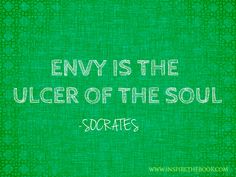 Lastly, the color green. It’ll be everywhere you look today and be ready to get pinched if you’re not wearing it. It’s definitely tied to St. Patrick’s Day and all things Irish, but it’s also tied to jealousy. “Green with envy” is a common saying but my lads, it’s nothing to celebrate. Today and every day, let’s take a cue from St. Patrick and be giving not envious. It’s a trait that will make all eyes smile, not just those Irish ones.
Happy St. Patrick’s Day and the luck of the Irish to you!
Dress for Success March 13, 2026
Are you getting tired of your winter wardrobe and ready to start springing ahead with some springtime fashion? Well, since we have perhaps a few weeks before we can officially start doing that both season and weather-wise, let’s just consider a few tips from those who know best.
And no, that’s not me, although I do love fashion. I also love that the Ralph Lauren style trend is back. This timeless established elegance and sophisticated taste that’s pedigreed, quality, and anything but trendy was never really out of style in my book. It’s also big in home décor and is said to be evidence that we are all craving stability and longing for what’s been lost. Amen to that!
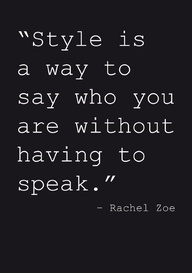 I say I like fashion but perhaps maybe what I like more is style. Simple, elegant, timeless, comfortable, and put-together style. And there is a big difference between the two. American TV personality, author, lifestyle consultant, and style advisor Clinton Kelly says it this way: “Fashion is the stuff designers offer for sale in any given season. Style is the stuff you choose to put on your body. It’s the plate you take from the fashion buffet.” In a nutshell, fashion is what you buy and style is what you do with it. Fashion is fleeting but style is timeless. One other way to put it is to think of fashion draped in brands and trends and tied to upscale designers. It’s easy to walk into a Chanel boutique and come out with something fabulous but to walk into a Target and come out with something stylish takes a lot more than money to accomplish.
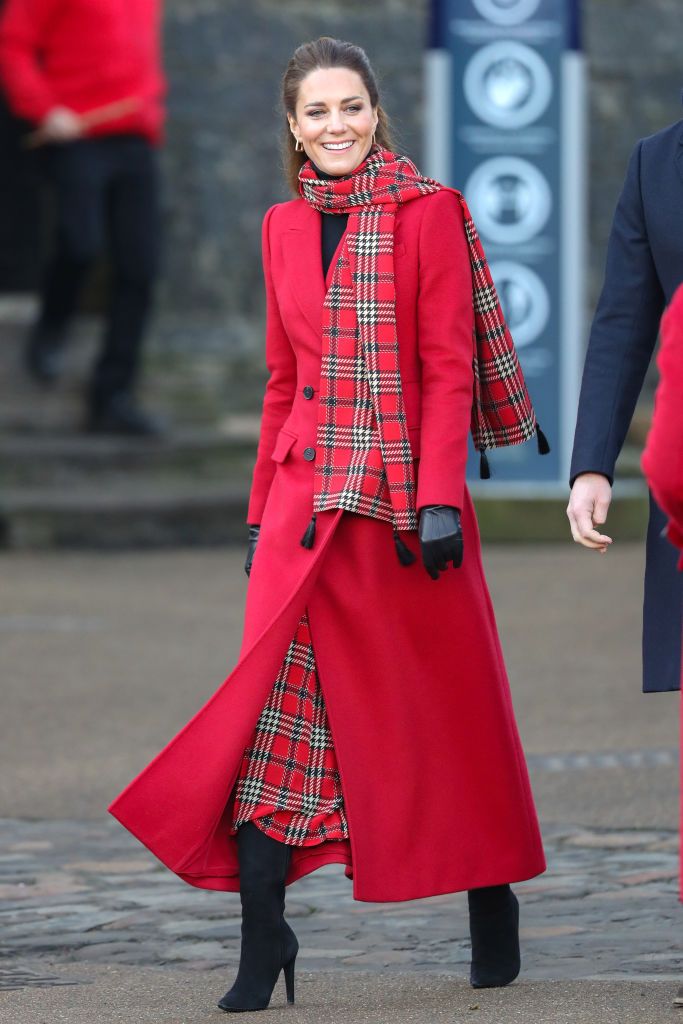
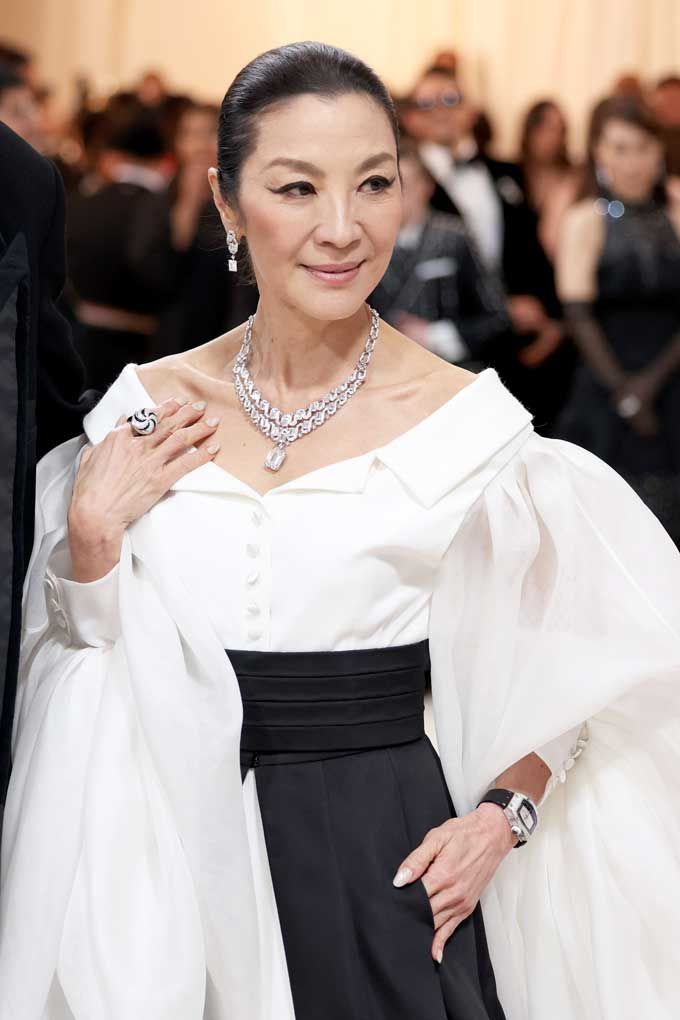
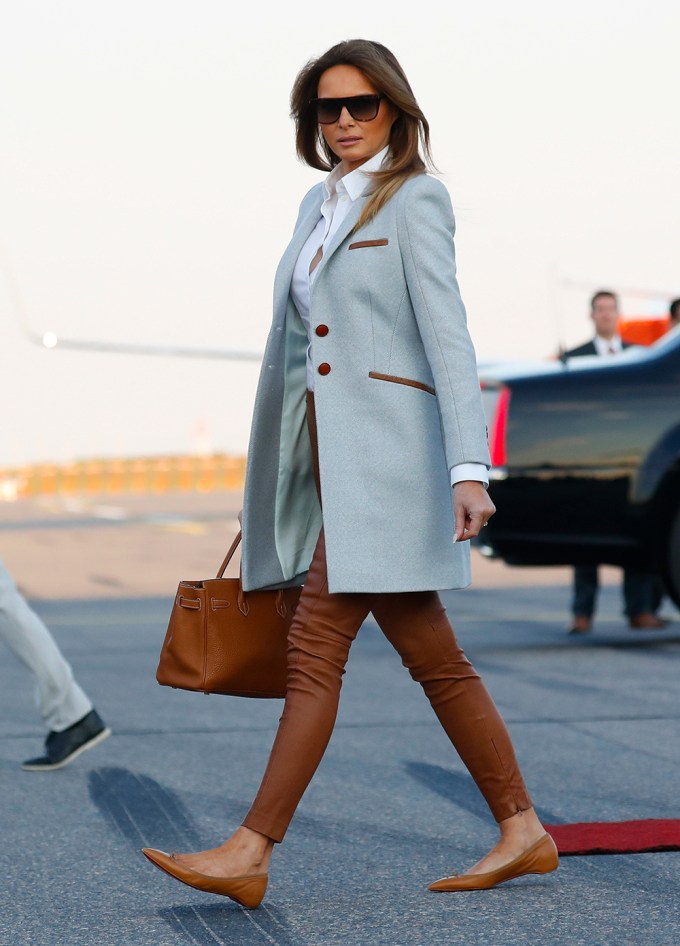
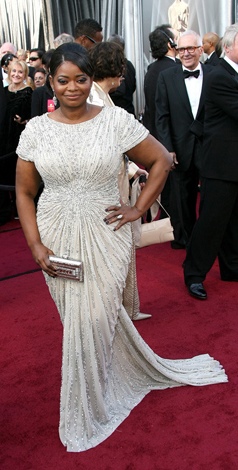
There are many perfect current examples of impeccable style out there, including Kate Middleton, Melania Trump, Michelle Yeoh, Emma Stone, Sofia Richie, and Octavia Spencer. Always classic. Always classy. Always consistent. They echo those from the past like Jackie O and Princess Di. Someone who perhaps best lived by this rule and who is connected to Jackie O and is forever at the top of any style list is the late Carolyn Bessette Kennedy. Her life and marriage to John F. Kennedy, Jr. is the current subject of a popular television series, “Love Story,” and is worth a watch.
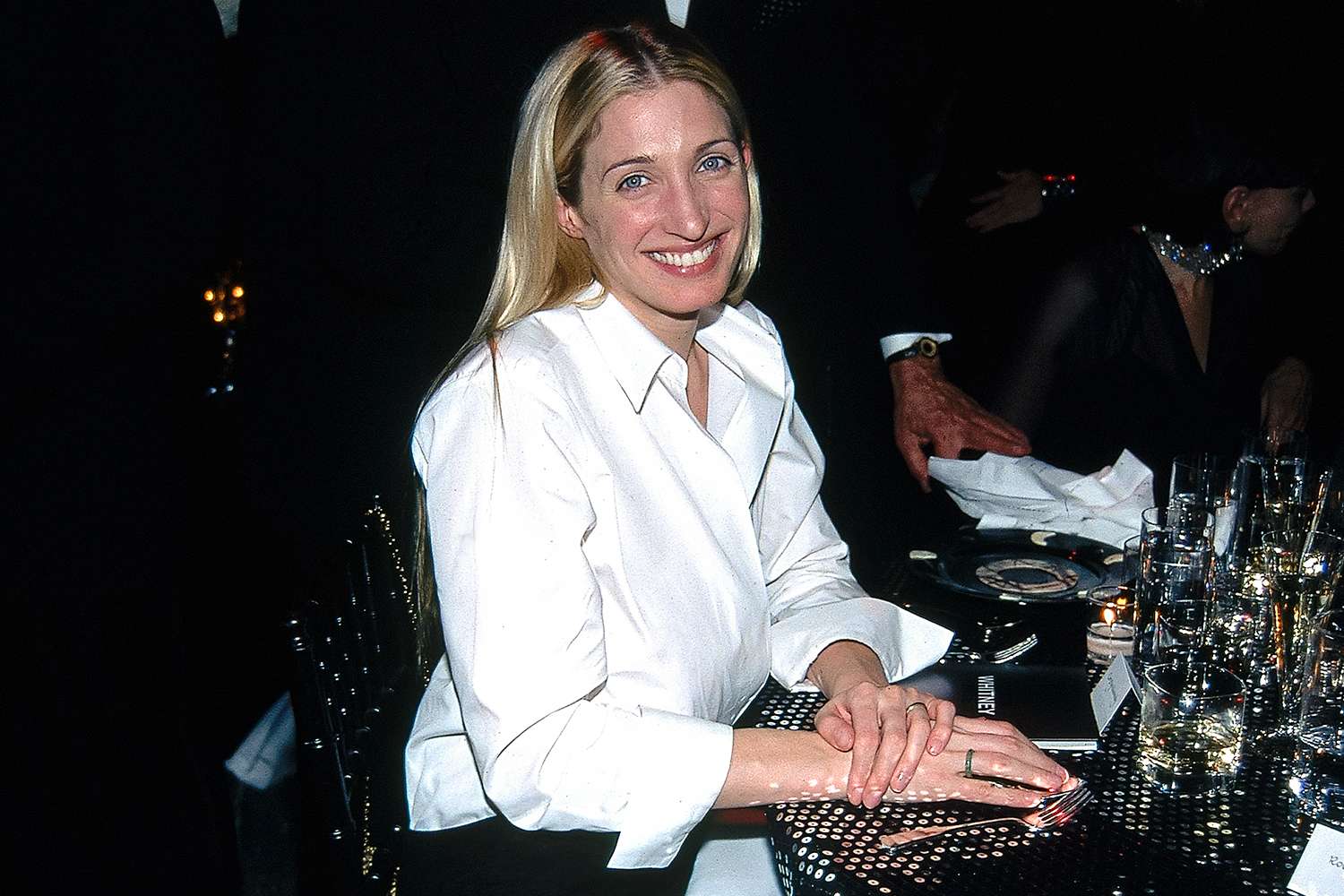
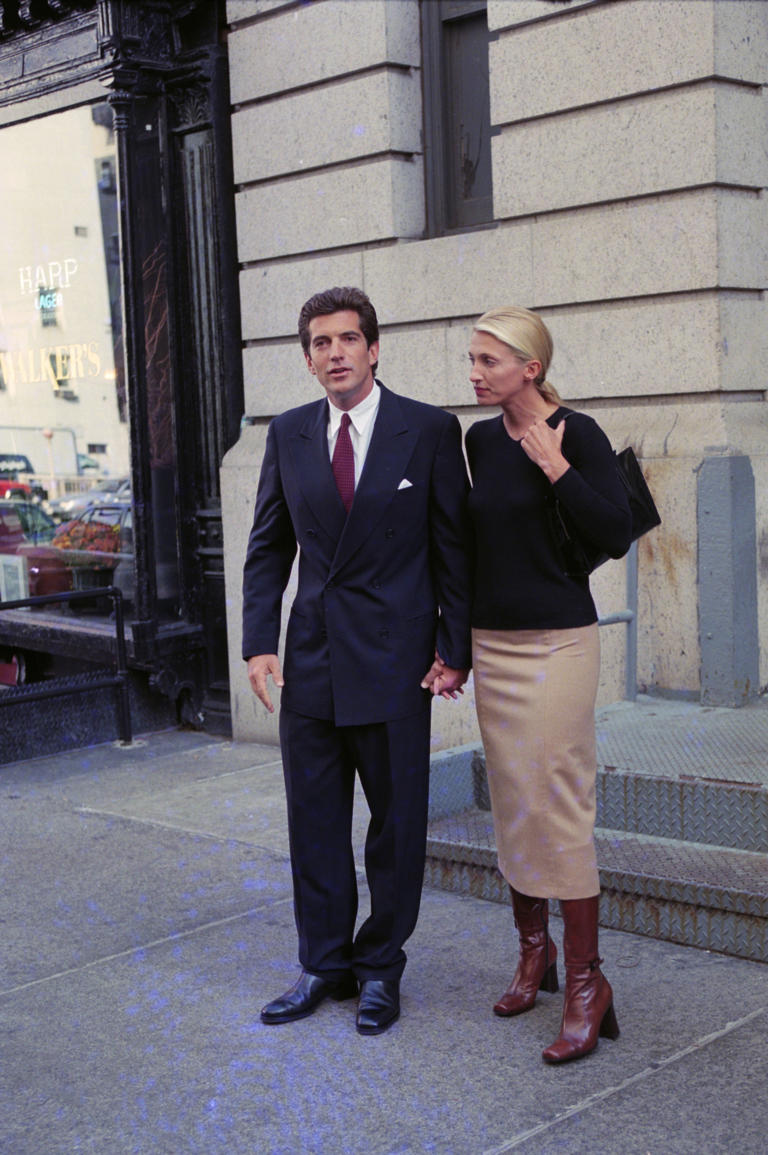
Fame aside, Bessette Kennedy was elegant yet understated style to a T…white tee or tea length khaki pencil skirt. No better example of this was her simple wedding dress by then little know designer Narcisco Rodriquez. For someone who could have worn anything and had the biggest wedding ever, she and JFK, Jr., instead opted for a private wedding in a tiny wooden chapel in secluded Georgia. Love it.
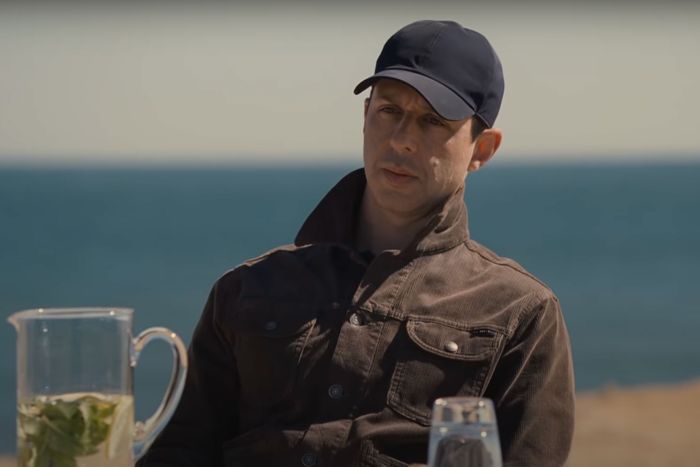 Think “quiet luxury” like in “Succession” and Kendall Roy’s understated logo-less Loro Piana ballcap, not any “Real Housewives” in head-to-toe logos and Birkins in every color. As they say, money talks, wealth whispers.
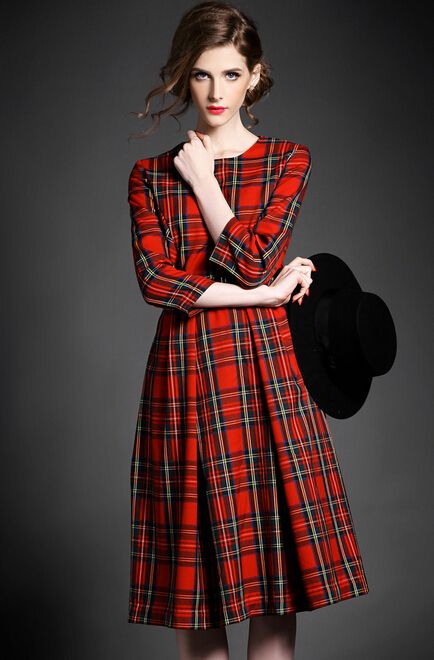 Preppy is also refinding its fashion presence, back and back in a big way since its explosion in the 1980s. Not only did Lauren’s spring 2026 runway showcase it, so did those of Prada, Brunello Cucinelli, Dior, and Fendi. As “Town and Country” put it, these markers of constancy, tradition, and elegance such as polo shirts, navy blazers, khakis, sweaters, and penny loafers are the stuff legends are made of. Their enduring appeal can perhaps come down to one word: appropriateness. They style emotes luxury but logos are kept to a whisper and nothing is too perfect. It was huge when I was in college and many are saying Gen Z is turning back to it as a way of showing their craving of nostalgia, something deeper, and even what it means to be American. Amen and thank you Olympics!
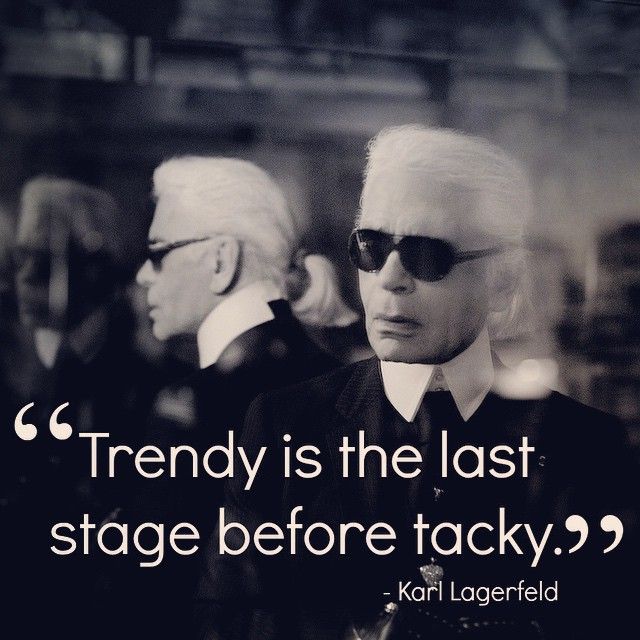 So how do you know what’s a trend and what’s a fad? A fad is generally popular for a short period of time while a trend is sometimes but not always a fad that withstands the test of time. Once popular fads that faded include flapper dresses, neon clothes, and shoulder pads as opposed to those that are still somewhat trending like bell bottoms and maxi skirts. A word to the wise that I heard years ago and still live by is that if you wore it the first time it was a fad, when it comes back in style, you’re too old to wear it.
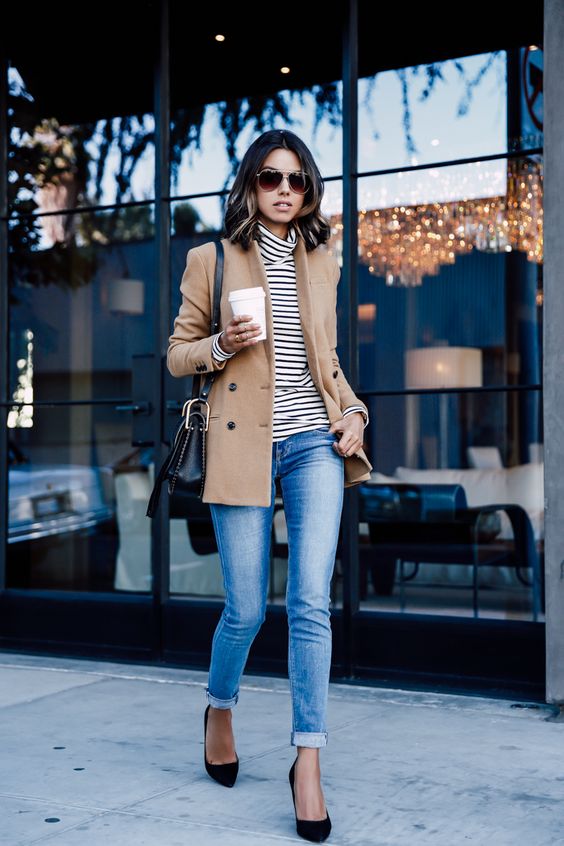 So, what should you wear and what should you buy to pull off this low-key but stylish look? One good tip is the high-low mix. Pair a Prada bag with a Zara dress or wear Tod’s loafers with Old Navy jeans. In other words, don’t go all in with designer or high-end; keep it simple and keep it subtle.
Spend your money on good shoes and good purses…as I like to say, they always fit! You wear these often and they will make any outfit look more expensive. Maybe some sunglasses too and a statement piece of jewelry like an expensive but discreet necklace. An incredible blazer and a well-fitting Little Black Dress are also closet must-haves and pay attention to fabric. Cashmere will also look better than synthetics. Wardrobe buys should also consider the Big 3: casual, work, and special occasions. When you find something, you love like a pair of shoes, buy them in bulk. My go-to’s right now are Rothy’s Birdie’s, Brookes, and Tod’s with a few dressy pumps thrown in. Consider that it’s estimated 20 percent of your clothes are worn 80 percent of the time.
Don’t be afraid to try new things though. Have your staples and some solid mix and match items but have fun too! Wear what makes you feel happy and confident and as my daughter once told me, wear what makes you feel pretty!
Lastly, be aware of knock offs and fast fashion. Yes, they may be waaaay more affordable but production of them could be something you prefer not to support. There are several streaming documentaries that are worth watching that detail their overproduction, low quality, and environmental waste. Their instant creation also leads to trend fatigue.
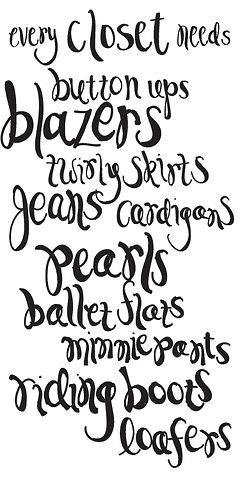 Okay, now that we’ve got all that covered, here’s what experts say are items every woman should have in her closet:
The Workhorse White Shirt. Always have a crisp and ironed white blouse ready to go. I have a few, ranging from high-end to my favorite from Old Navy. It’s amazing how you can dress one up or dress one down. Caroline Bessette swore by them and often wore JFK, Jr’s oversize ones.
A Piece of Legacy Jewelry. Something standout or sentimental that you treasure. I tend to wear the same jewelry everyday to everything. I might thrown on a pair of fun earrings depending on the occasion, but my diamond studs and favorite watch and bracelet go with me everywhere.
The Little Black Dress. Nothing new here, as the LBD has been around since Audrey Hepburn and maybe even before. Keep it simple though, which will allow you to dress it up or keep it casual.
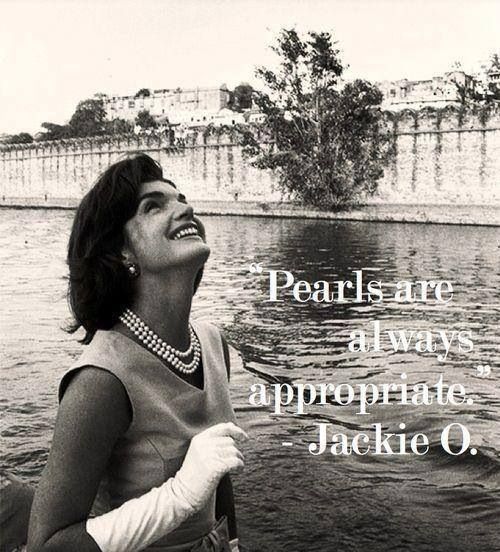 Pearls. Probably the most classic IYKYK. Just ask Jackie.
Comfy Shoes. I have a closet of these and like I said above, when you find a brand and style you love, buy them in bulk!
A Great Fitting Bra. This one is a tough one for me. Consider getting an in-store bra fitting and be prepared to spend some money on one but know that a good one makes all the difference. When you find one, buy several and buy in beige and black. Nothing screams “ick” more than a tan bra showing under a black top.
A Good Blazer. This one is a tough one for me too. I have several but it seems like every time I put one on it just doesn’t look right. If I had to choose, my faves are a classic khaki one and my tuxedo-style one.
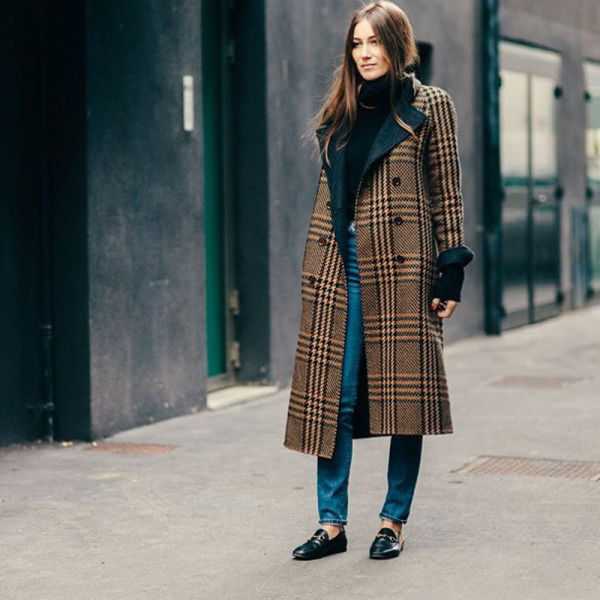 A Good Coat. Trench coats were once all the rave and still are in some parts, but if it’s not your style go with a more simple jacket or even a nice puffer.
Diamond Stud Earrings. These little sparklers never go out of style and go with everything. They don’t have to be giant, which IMO are a bit much, and these days they don’t even have to be “real.” My local jeweler who I love swears by lab grown diamonds. Google them. You’ll be surprised.
So, there’s what you should be wearing but what about what you shouldn’t be wearing? Of course there’s the standard “just because it fits doesn’t mean it looks good” and the “dress your age” tips, but there’s others that have nothing to do with actual clothing, including these from Courtney Carver of the brilliant “Be More With Less:”
Stop Wearing the Guilt of Your Past. Guilt and regret serve no one well. Let go of guilt the same way you let go of a piece of clothing that doesn’t serve you well anymore.
Stop Wearing the Pressure to Prove Yourself. Yes, this can be fashion-related and we often dress to impress others, but what you wear is not always an indicator of what you’ve accomplished. Once you stop proving yourself, you can be yourself.
Stop Wearing the Weight of Other’s Expectations and Judgements. As Mel Robbins writes, “Let Them.” Let them judge you, let them expect something from you, and let them be them. You be you. Caring less about what other people think is the ultimate form of self-care. Usually, when we think people are thinking about us, they aren’t.
So there you have it; what to wear and what not to wear. But like I said, wear what makes you happy and what makes you feel pretty!
Springing Mnemonically Forward March 7, 2026
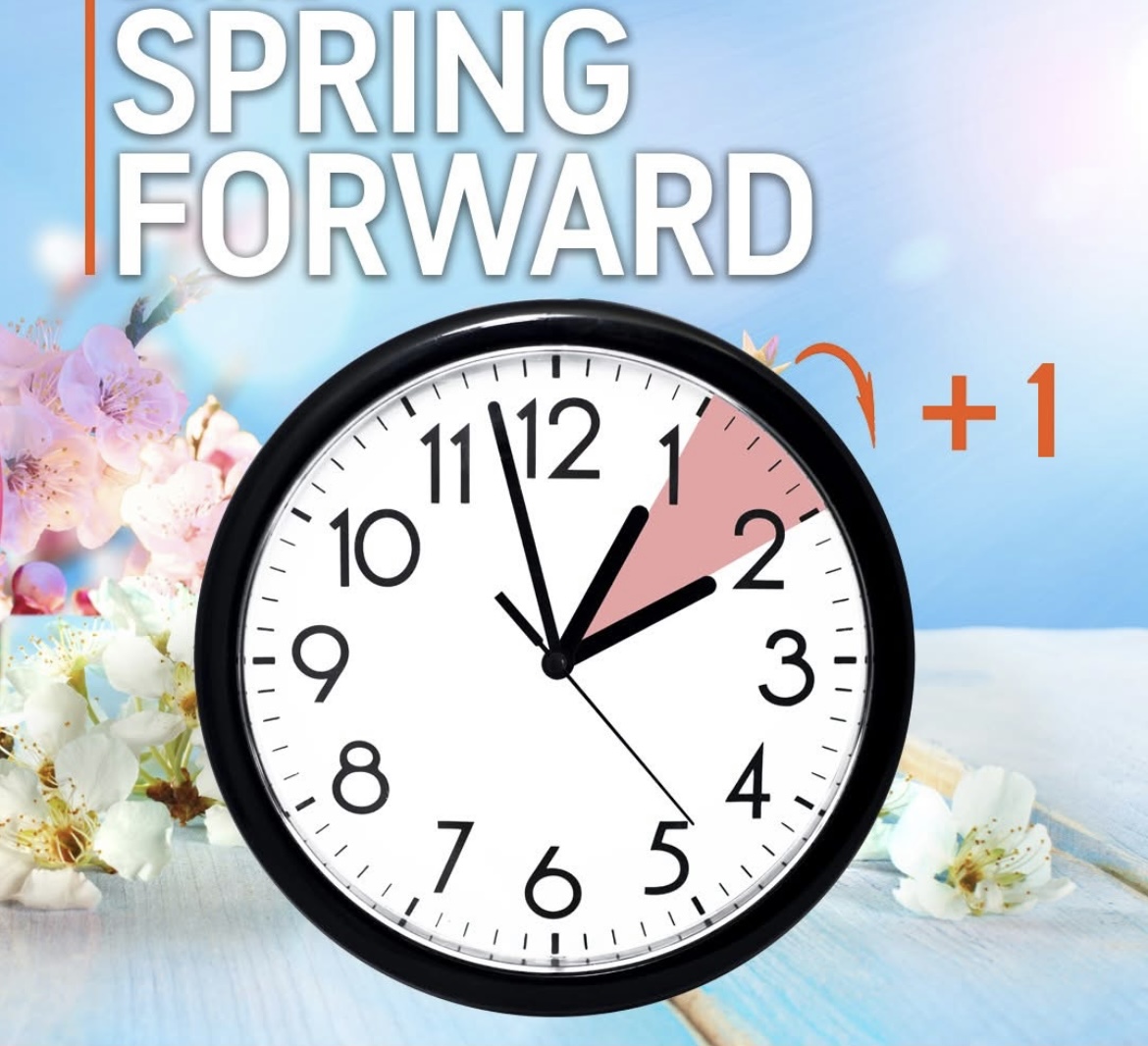 It’s time to “spring forward” tonight and you know what that means. Sadly, it means we lose one hour of sleep. When your local time hits 2 a.m. tonight, turn your clocks forward one hour. Technology automatically will do this on phones, tablets, computers, etc., but for any of you who still have old school clocks (like me!) or even microwaves and ovens, as you lay yourself down to sleep, set your them all forward one hour. More about all this later, but first, did you know “spring forward fall back” is a mnemonic? A what?! Stay with me…
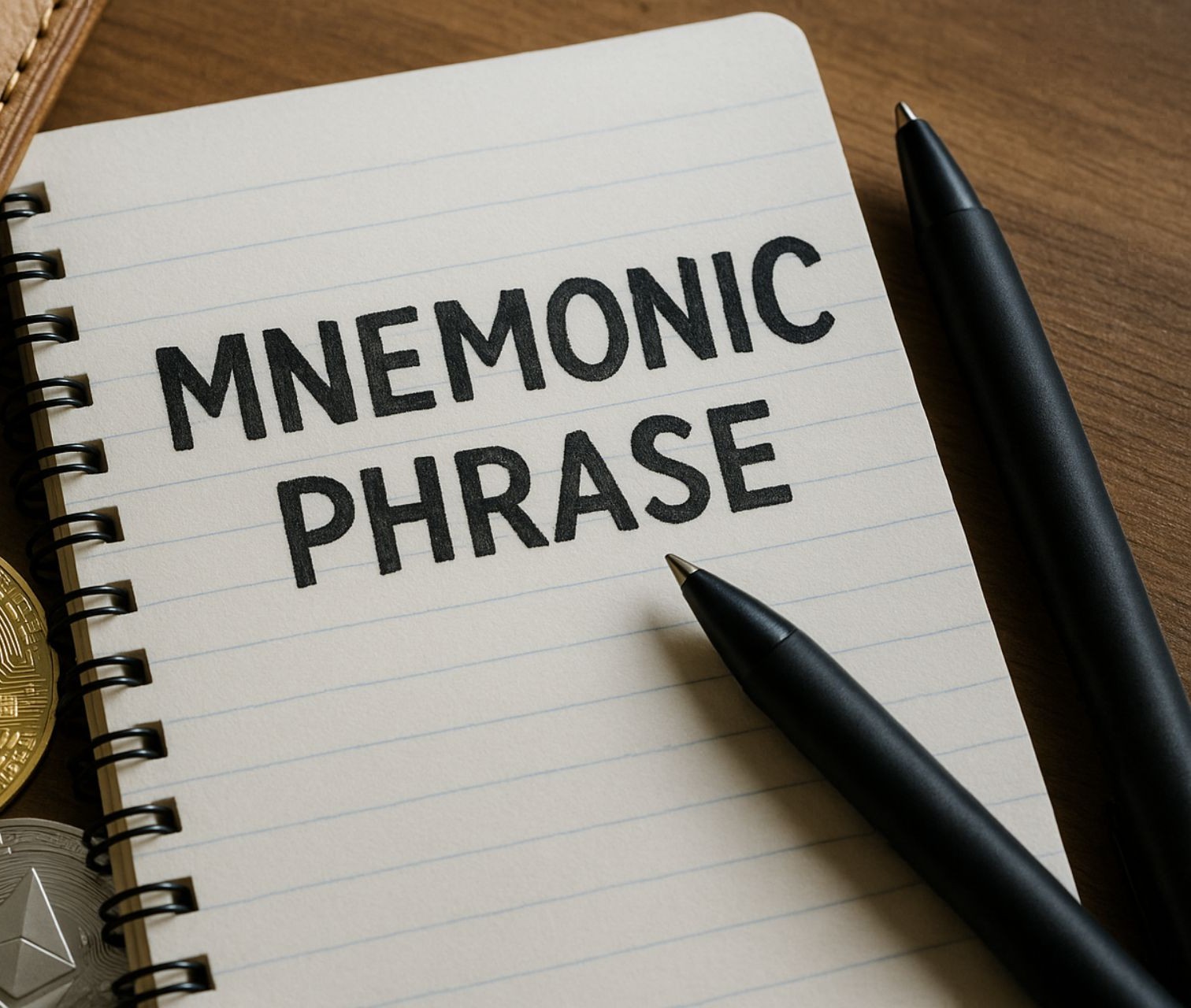 First, how in the world do you pronounce that crazy word and what does it mean? The oddly spelled word is pronounced “nih-mah-nick” and mnemonics are techniques or strategies used to improve memory and help one remember something. IE: “spring forward, fall back.” Easy peasy!
Named for Mnemosyne, the goddess of memory in Greek mythology, mnemonics are also called memoria technica or Latin for “memory technique,” and were used by ancient Greeks and Romans, philosophers, and are frequently referred to by Plato and Aristotle. It sounds so serious, but it’s actually fun!
Think about it.
“Lefty loosey, righty tighty.”
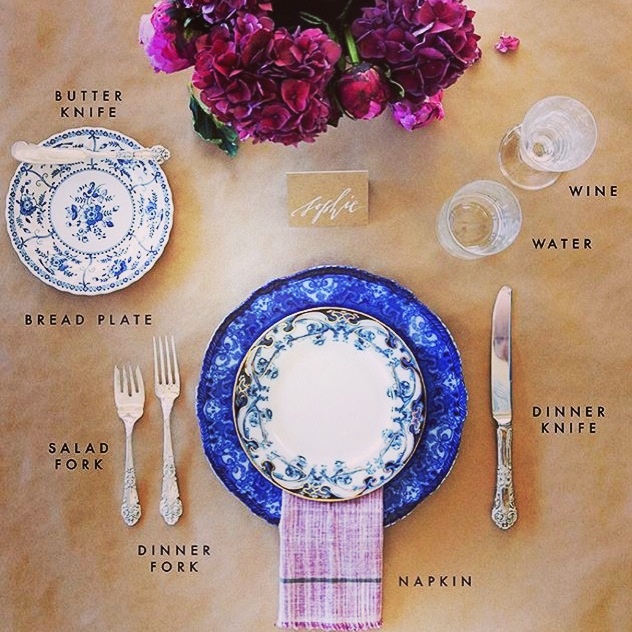 Holding up fingers to remember proper place settings and which glass and butter plate are yours. If you don’t know this trick, follow along: hold your left hand up and make the “ok” sign and then do the same with your right hand. As you look at your hands, you’ll notice the left hand looks like a small letter b and your right hand looks like a small letter d. The b stands for bread and the d stands for drinks. Your bread plate is on the left of your place setting, and your drink glasses are on the right side of your place setting. Need to do this discreetly as your seated? Place your hands on your thighs under the table. Shhhhh!
Another trick is to remember “BMW.” In order, Bread is on your left, the Meal is in the center, and Water/Wine are on the right.
Sayings can be so helpful, as the popular Texas one, “red and yellow kill a fellow, red and black friend of Jack” to help distinguish venomous Coral Snakes from similar looking non-poisonous ones. Also, “Leaves of three, let them be,” to identify poison ivy.
Other tricks include using acronyms. This is when you combine the first letter in a group of words to combine a new word like “HOMES” for the five Great Lakes: Huron, Ontario, Michigan, Erie, and Superior or “GOAT” for Greatest of All Time.” Best of all, an acronym doesn’t even have to be a real word, such as “NATO” for North American Treaty Organization and “NASA” for National Aeronautics and Space Administration.
It may be an ancient trick but modernity and technology have jumped on board ASAP (as soon as possible!) Think “PIN” for Personal Identification Number and “Wi-Fi” for Wireless Fidelity
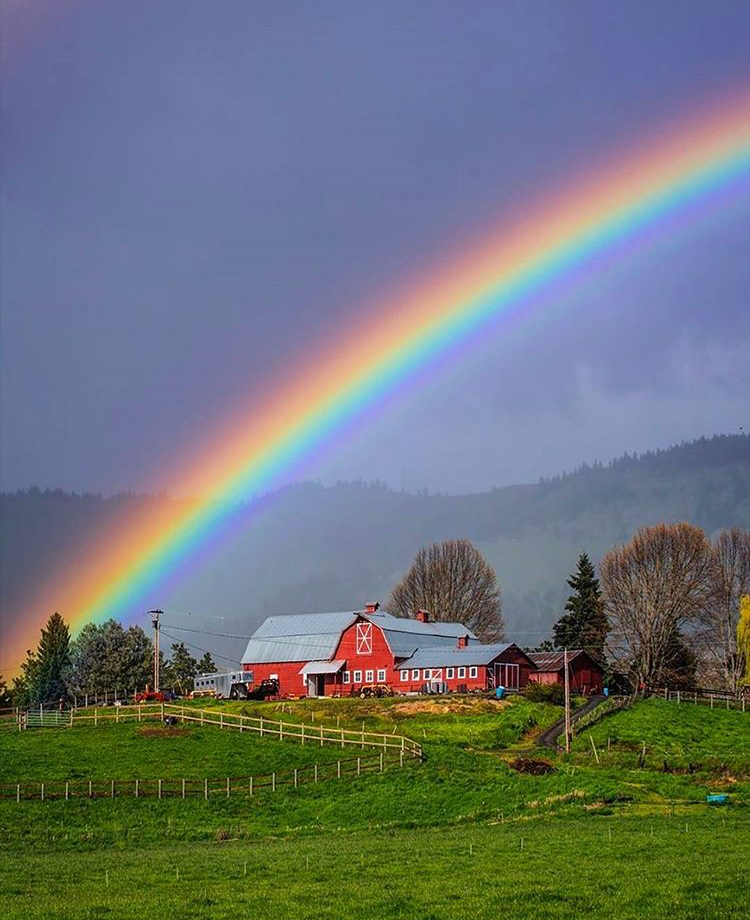 Sayings are also common such as “Richard of York” for the colors of the rainbow: red, orange, yellow, green, blue, indigo and violet or “My very easy method just speeds up naming planets” for Mercury, Venus, Earth, Mars, Jupiter, Saturn, Uranus, Neptune, and poor little Pluto.
Songs often work too, such as the ABC song to help children learn the alphabet. You can even create your own mnemonic tune by choosing a song you know well and create new lyrics using words of things you want to remember to the tune of that song.
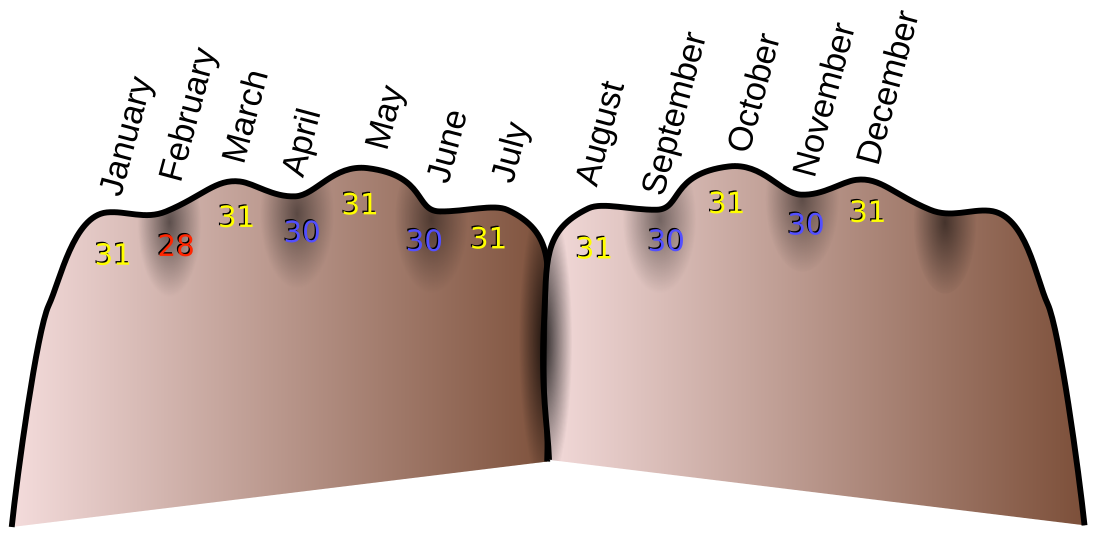 Props can also be used such as “The Knuckle Method” for remembering the number of days in the months of the Julian and Gregorian calendars. Not familiar with it? Here’s how it works:
- Make a fist.
- Start counting from the first knuckle as January.
- Each knuckle represents a month with 31 days.
- The valleys between the knuckles represent months with fewer days (30 or 28/29 for February).
- After July (the fourth knuckle), return to the first knuckle for August.
Cool right? I find this much easier than “30 days has September, April, June, and November; all the rest have 31 excepting February alone” but take your pick.
 Amazingly, it’s not just fun and games as studies have shown that the use of mnemonics have shown the effectiveness of using them. In fact, research shows that learning is more efficient when people use mnemonic devices and tricks.
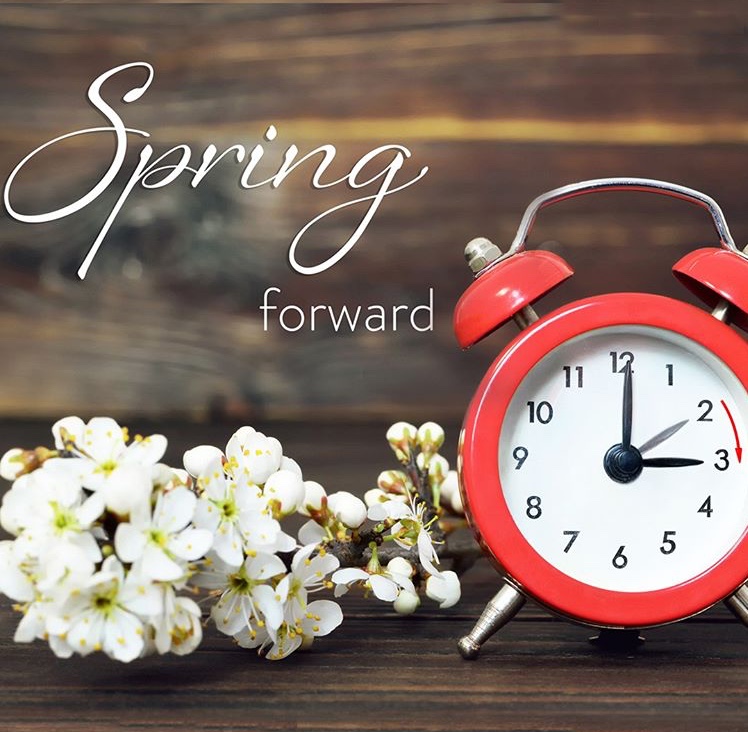 So how did we get here? It’s all due to “Spring forward.” But why do we even do it and what is Daylight Saving Time?
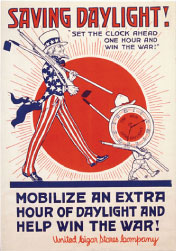
The idea of turning clocks forward one hour during the summer was first conceived by New Zealander George Hudson back in 1895 but it wasn’t really until April of 1916 when the German Empire and Austria-Hungary first used DST as a way to conserve coal during WWI. Britain followed suit as did the U.S. in 1918 and the idea of “saving” as much daylight as possible became especially popular during the 1970’s energy crisis.
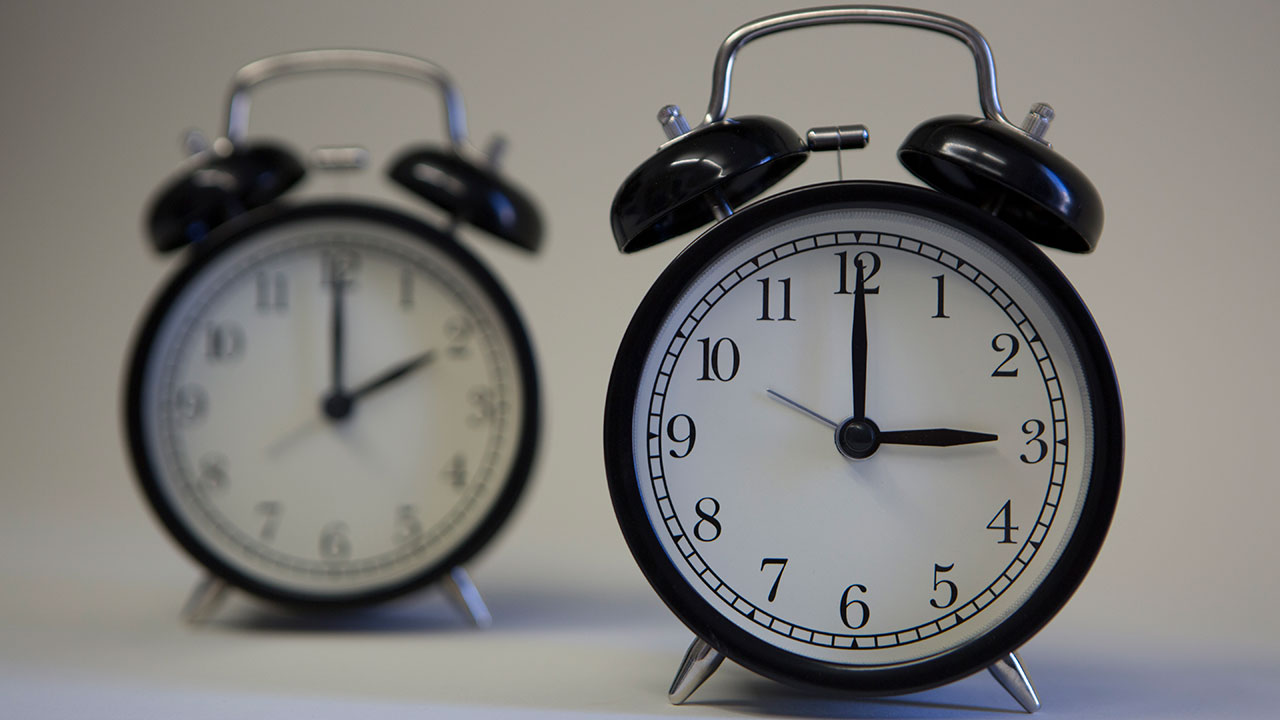 Daylight Saving Time is the practice of setting the clocks forward during part of the year to make better use of natural light. It’s usually one hour ahead of standard time, runs from spring to autumn, and is when sunrise and sunset will be about one hour later meaning there will be more light in the evening and less in the morning.
You might think changing the clocks twice yearly creates more daylight—after all, it’s called Daylight Saving Time. But in reality, the total amount of daylight doesn’t change with the distribution of daylight hours merely shifted.
Two main misconceptions about DST are that it wasn’t primarily intended to benefit farmers and it’s often referred to as Daylight Savings Time, but the correct term is Daylight Saving Time.
 Daylight Saving Time remains unpopular for many and continues to spark political debate on both sides of the Atlantic. In the U.S., public support is low—just 33% of Americans see its purpose, according to a Rasmussen poll and state lawmakers have introduced more than 750 bills and resolutions to change or end DST. Thus far, Hawaii and Arizona are the only two states that do not observe daylight saving time.
But so it goes and every other state will be adhering to “Spring forward” tomorrow so I guess we’ll all just have to bite the bullet.
Don’t Look This Gift Horse in the Mouth February 28, 2026
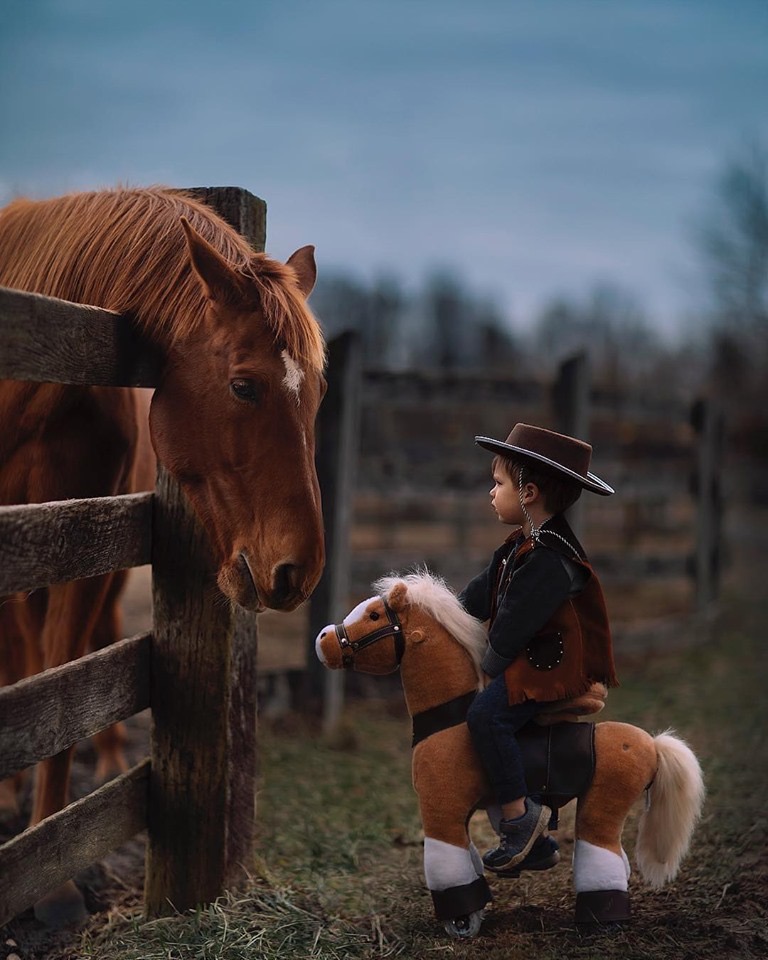 Happy New Year! Say what? Yep, a new year started February 17 and is now in full swing. But wait, didn’t the new year begin January 1? Yes, it did…the traditional new year linked to the Gregorian calendar introduced by Pope Gregory XIII in 1582…but the Lunar New Year started February 17. In Chinese zodiac tradition, each year is associated with one of 12 animals and one of five elements: wood, fire, earth, metal, and water. This year ushers in the Year of the Fire Horse, which is predicted to gallop in bold moves, increased intentions, boldness, ambition, and energy. Now I’m not big on Chinese legends or the zodiac, but I do like horses and our daughter did Hunter-Jumping and Dressage back in the day, so I’m running with it…excuse the pun.
“Courage is being scared to death but saddling up anyway.”
John Wayne
So, what exactly does all this mean? According to calm.com as a new lunar cycle begins, people look to the year’s symbolism for a sense of direction or insight into what might lie ahead. According to Asian astrology, your birth year and the animal it represents determine your personality traits. Horses thrive on speed, energy, and forward momentum and paired with fire; those qualities tend to intensify. Giddy up!
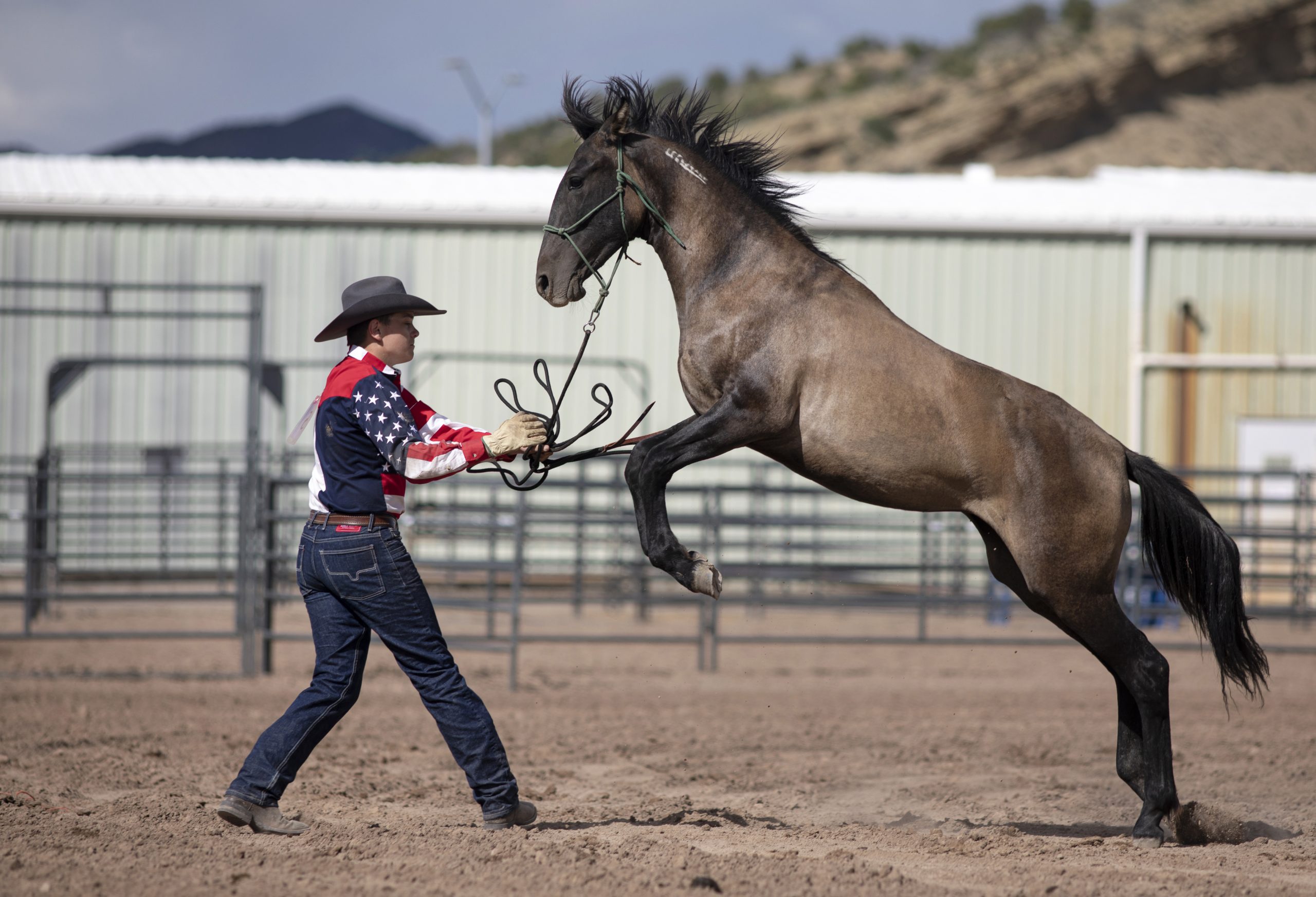 Horse years can be like taming a horse and are often described as active with an emphasis on forward progress and may coincide with upheaval, cultural shifts, opportunity, bold collective movements, renewed passion, and pushing for radical change. When paired with fire, elements are intensified. Emotions can run high and drive can be intense. People born in a Horse year are commonly characterized as energetic, independent, driven, social, and self-directed. The year is predicted to propel one into fast forward motion and intentional goals and it makes sense, as what do we know about horses? They run!
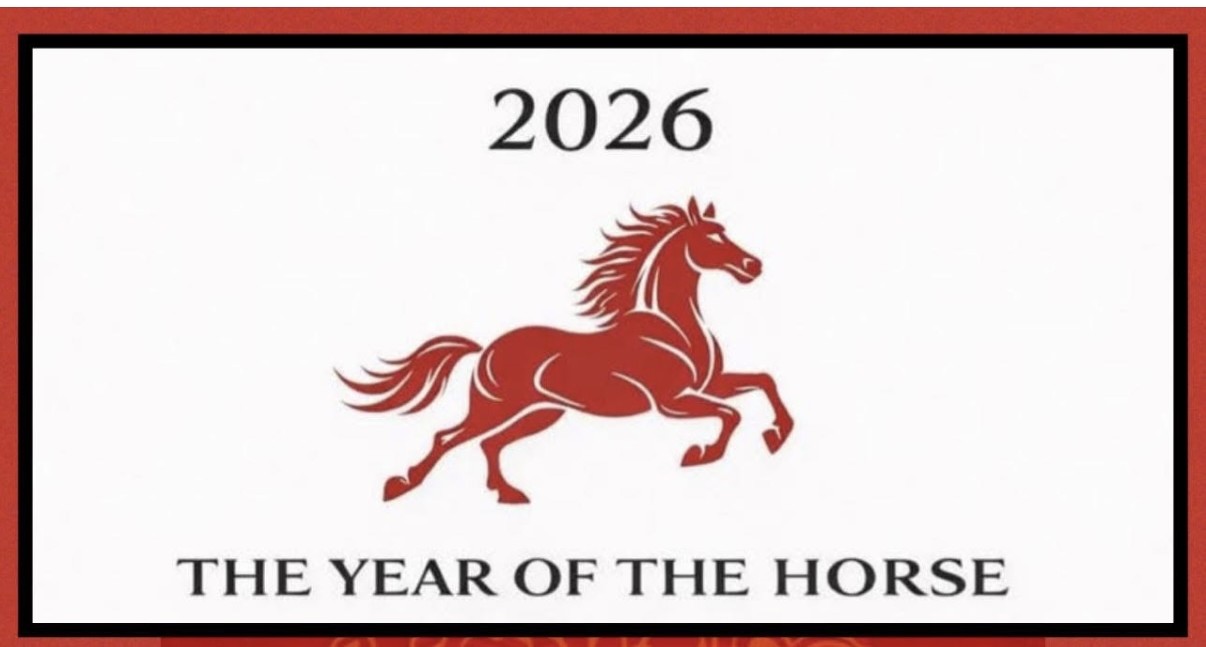 All we need do is look back to the last Year of the Fire Horse to get an idea of what this year might bring. Because an element rotates alongside the animal signs, the same combination only returns once every six years, with the previous one being 1966. IYKYK, right?
 That was a year filled with a lot of horsing around, including the Vietnam War, protests, race riots, coups, worldwide nuke tests, the space race, Miranda Rights, the establishment of NOW and the Freedom of Information Act. It also brought us India’s first ever female Prime Minister; The Sound of Music Academy Award; and hit TV shows like Mary Tyler Moore Show, Star Trek, and Newlywed Game. Sports heroes included Hull, Chamberlain, Mayes, Petty, Unitas, and Ali. Perhaps through all of, what spoke loudest was music with hits by Simon and Garfunkle, the Beatles, Frank Sinatra, the Rolling Stones, the Beach Boys, Mamas and the Papas, the Monkees, Neil Diamond, and Jimi Hendrix. Songs like “Sounds of Silence” and “The Battle of the Green Berets” will forever be tied to that year and era. Sadly, on November 24, 400 died of respiratory failure and heart attacks due to New York City smog, which was the smoggiest day in the city’s history. The city is again in the spotlight right now and once again the air is again dubious.
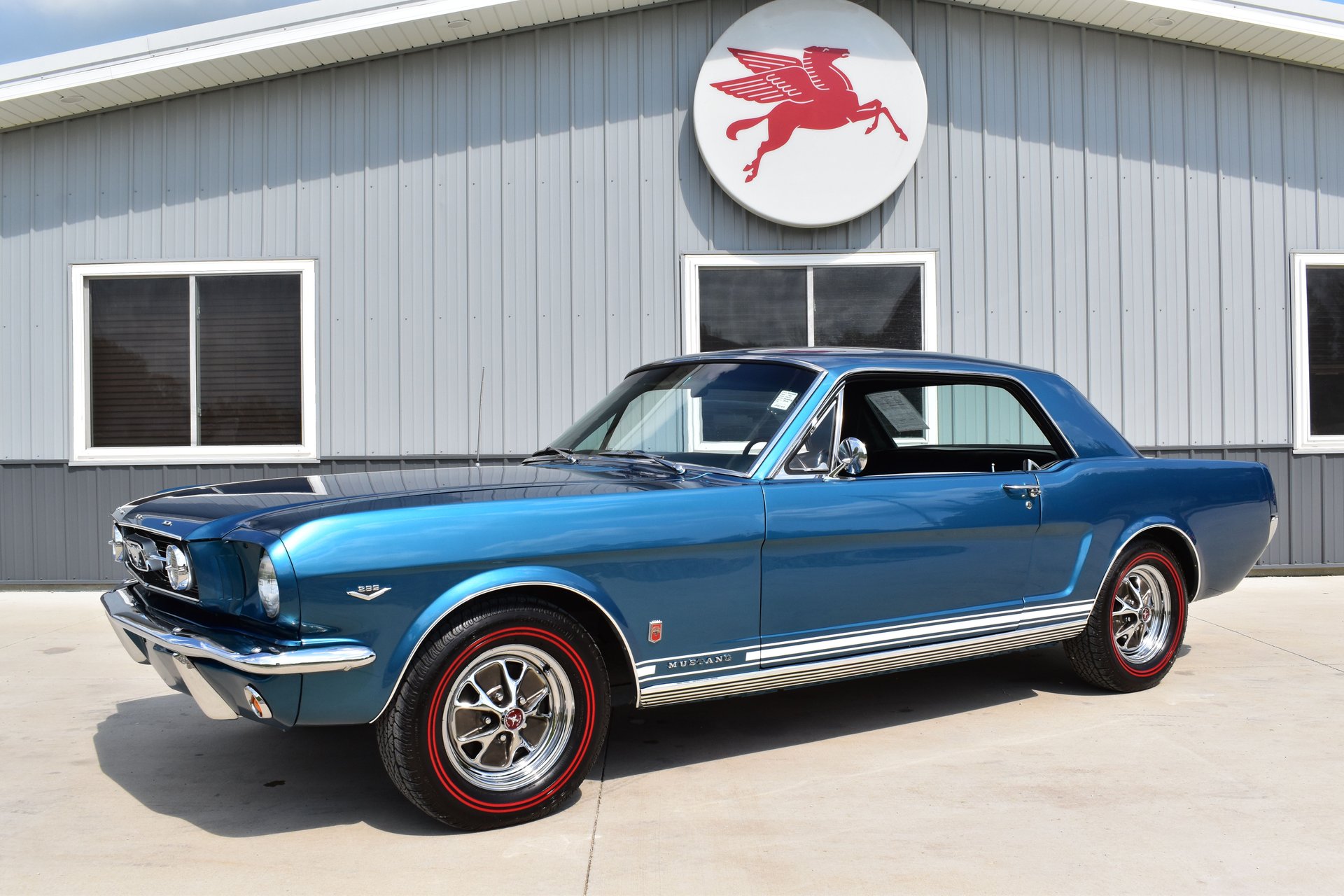 Funny tidbit: the most popular car in 1966 was the Ford Mustang!
But I digress.
Let’s go back to Fire Horse 2026!
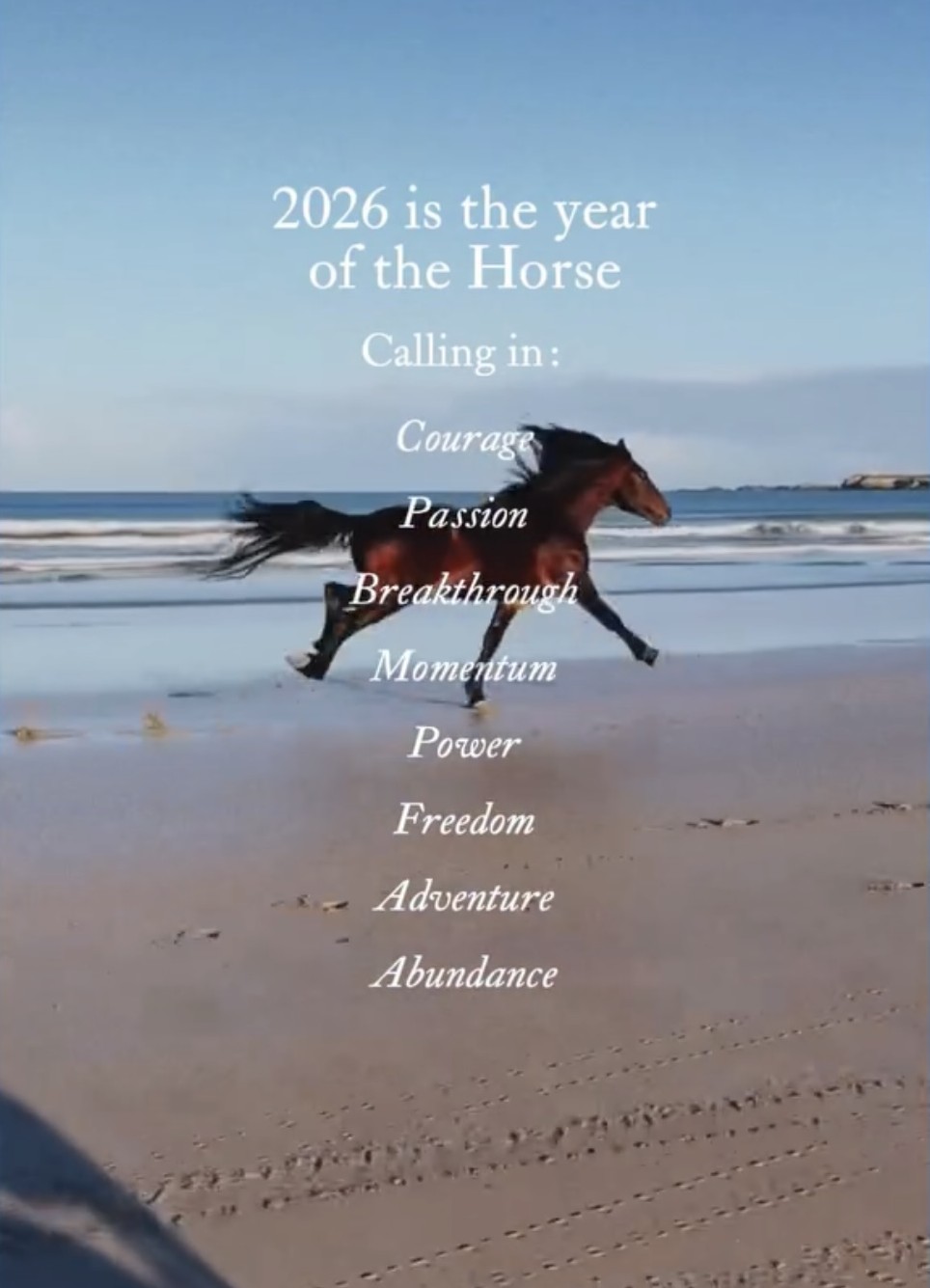
This is apparently the year to put plans into action and make moves with increased activity and stronger expression while taking into account the following qaulities associated with the Year of the Fire Horse:
- Momentum and ambition. This year may be driven by progress and visible results and people may feel impatient yet ready to take action. Dare to show your abilities along with your imperfections, share your skills, believe in yourself, and embody the spotlight! Remember, the more open you are, the more doors open.
- Courage and visibility. Fire is connected with confidence and speaking up so this year may be the perfect time to share ideas or take the lead.
- Independence and self-direction. A horse is linked with personal freedom and even restlessness with a powerful drive for freedom, self-expression, and breaking away from limitations. As a result, there may be a stronger desire to make independent choices or question things.
- Restlessness. Progress will be strongly desired, so when it feels slow, frustration may build up.
- Impulsivity and reactivity. Both fire and horses are associated with speed so decisions and moves may happen quickly but think them out and move cautiously and smartly.
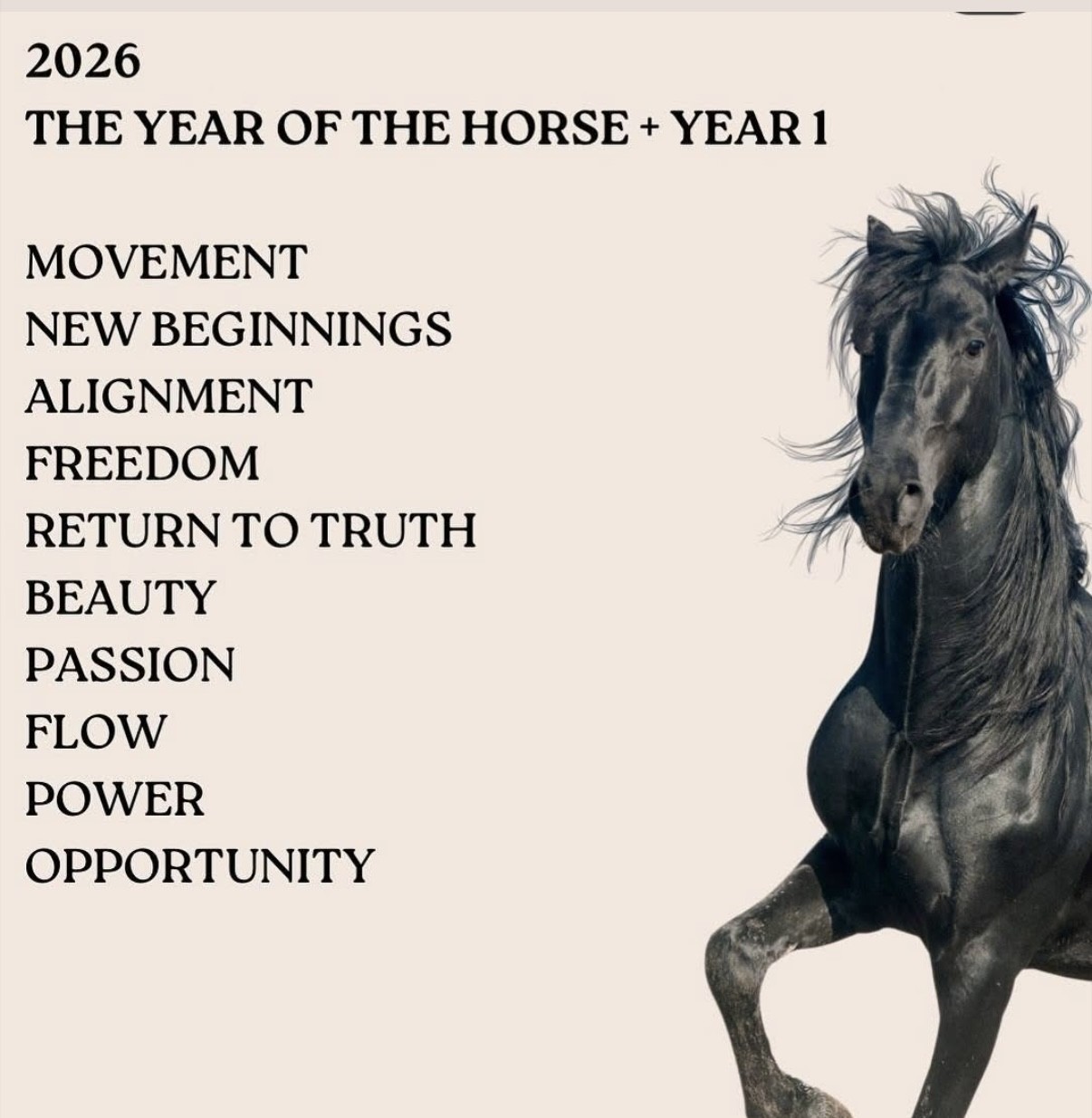 Given these vibes, how should you proceed? You may feel the need to push actions, express strong opinions, and feel motivated but stay clear of overstimulation and impulsive moves. Do so by:
- Choose a clear direction before moving forward. Clarify your direction and ask why you’re considering making certain decision. In other words, hold your horses a bit!
- Break up goals into grounded steps. Easy does it. Increased energy can cause urgency but break things up into specific steps. You might want to trot or canter before galloping.
- Schedule rest. Think of life as a Sabbath…a day of rest. When motivation increases, rest is often the first thing to go but over time, that can lead to irritability, fatigue, and burnout. Put your phone away. Listen to a meditation. Reflect. Go outside. Rest!
- Practice pausing before reacting. I’ve previously chosen “pause” as my word of our traditional new year’s resolutions and boy does it make a difference, whether pausing before acting, thinking, or speaking. Yes, press forward, but strive for balance and grounding too.
- Strengthen boundaries. This one is a must every year and pretty much every day. Even things that seem good and positive require time and energy. Ask yourself if it’s truly worth either of those and consider your capacity and load. Personally, I’ve regretted saying “yes” way more than I have saying “no.” No is okay!
- Define what independence means for you. Horses are often linked to independence, but independence does not need to mean not asking for help or speaking up about your needs. Comfort plays a big role here.
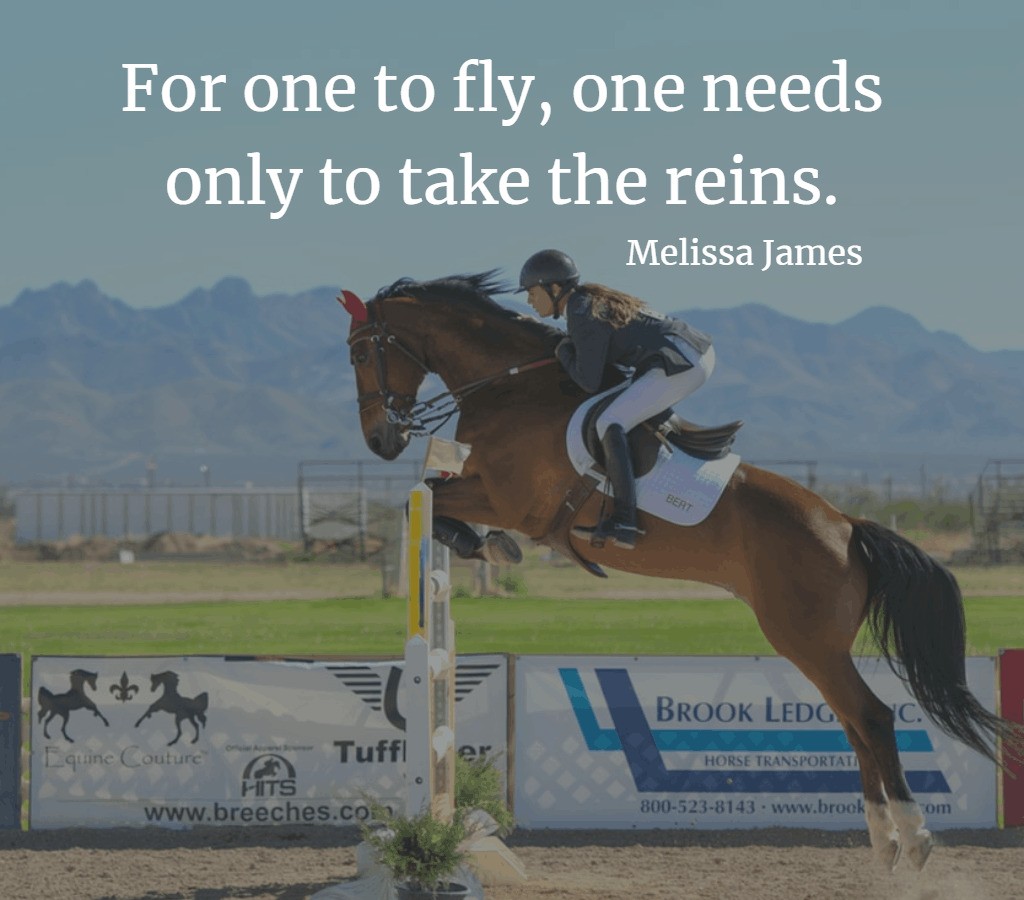 Whether you say yay or “nay” to all of the above, it’s a good idea to be intentional about how you move forward this year and how you respond to possible faster pace. Saddle up but pause before making big decisions, protect time to rest, and honestly consider whether a move a decision is in your best interest. Don’t put the cart before the horse but pony up and take the reins or your life!
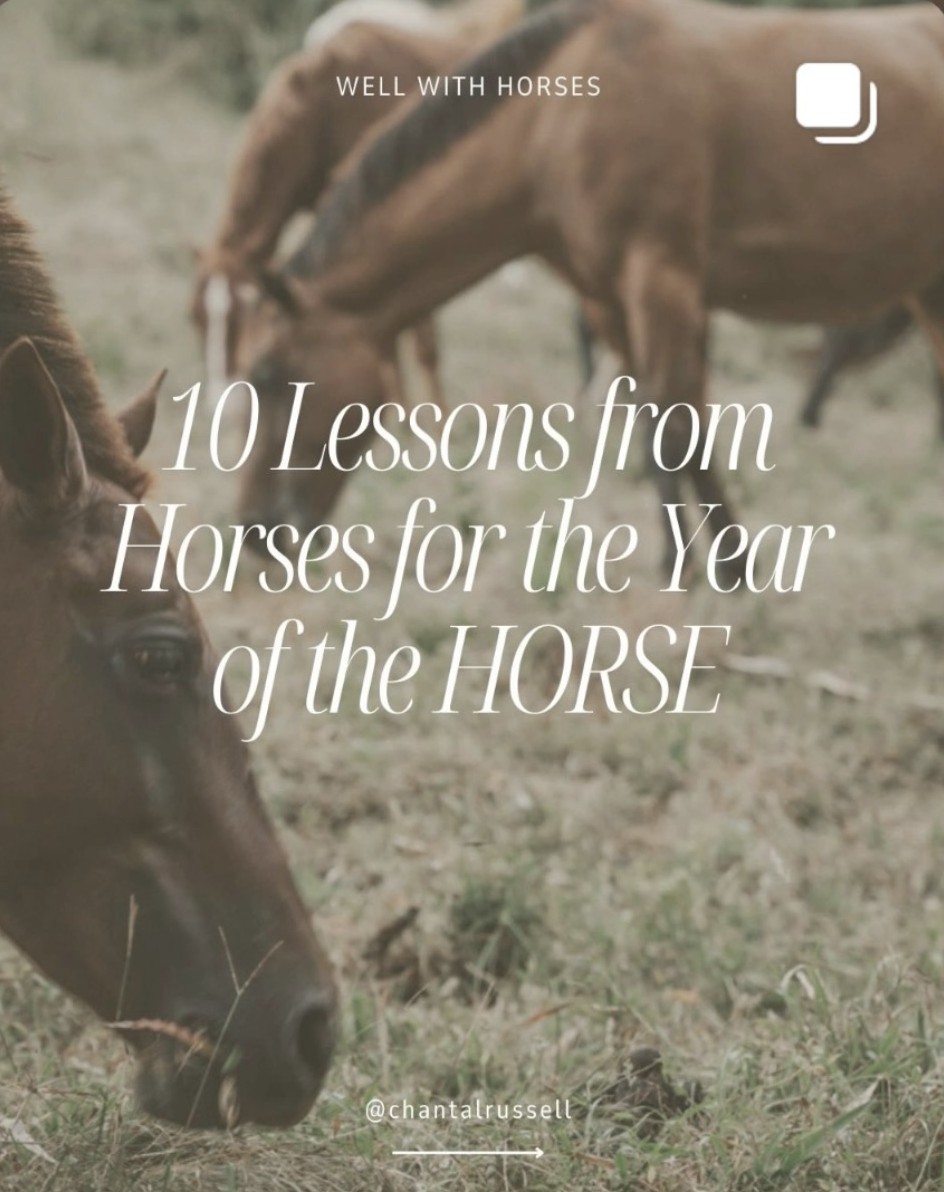
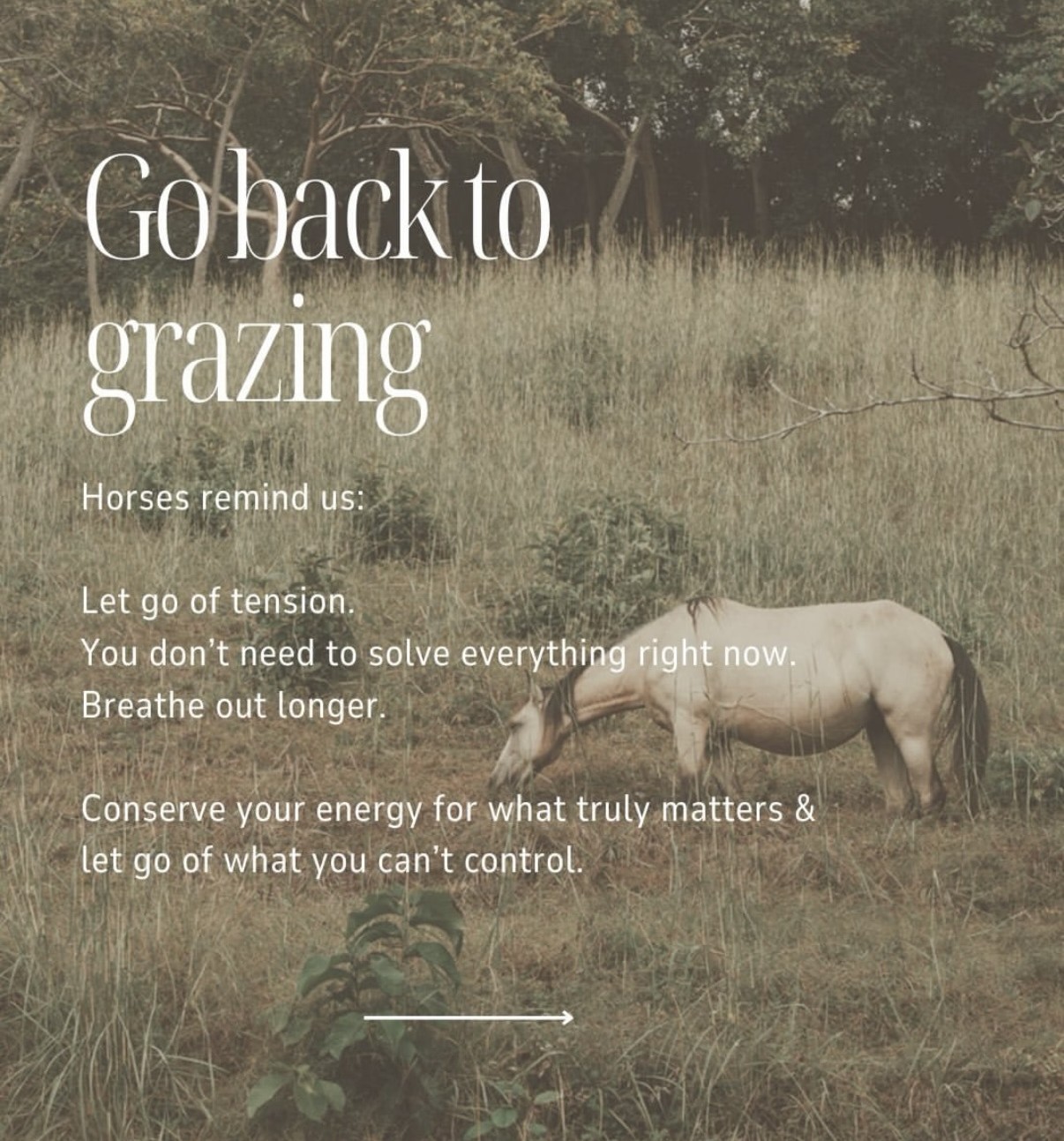
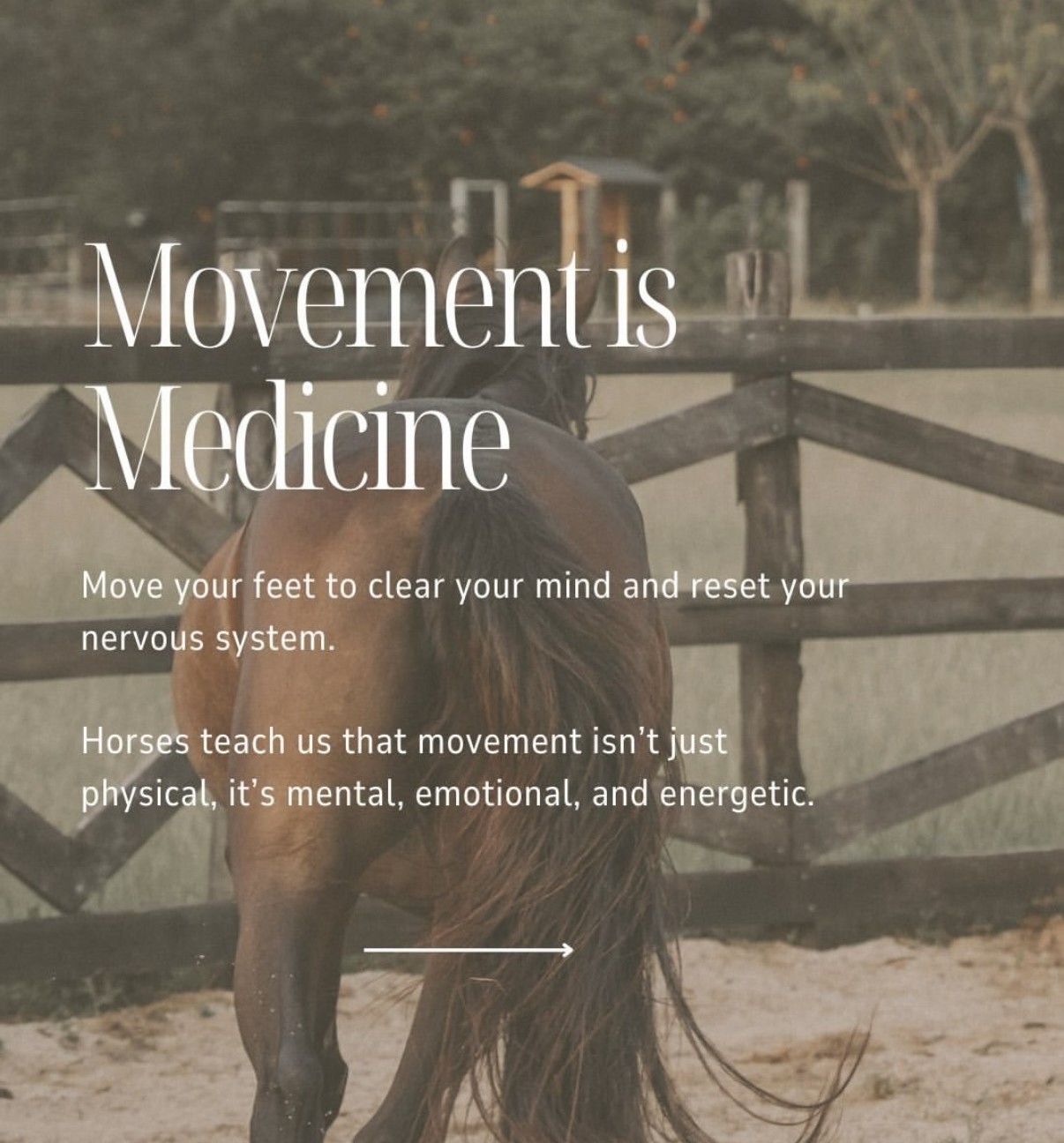
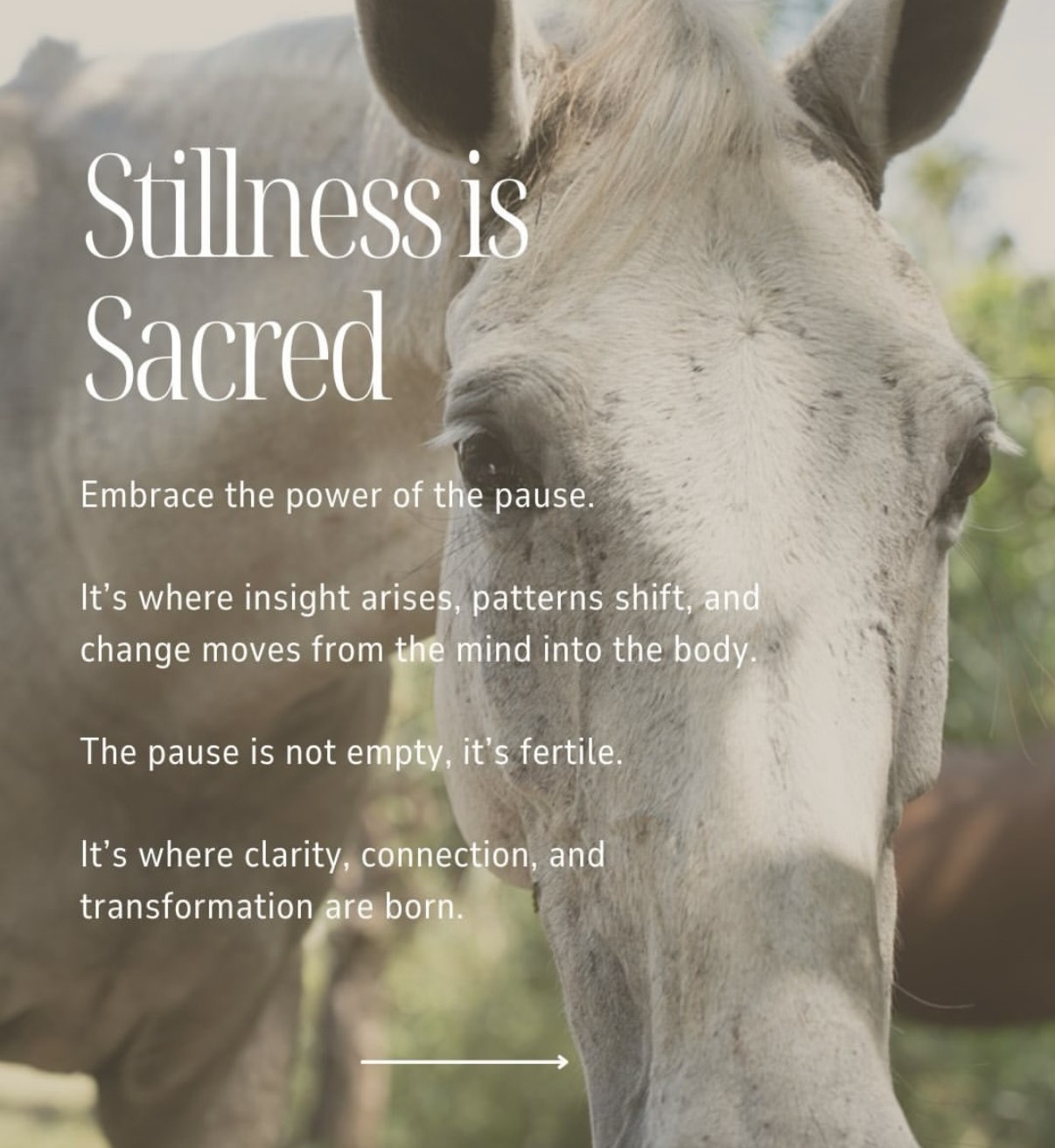
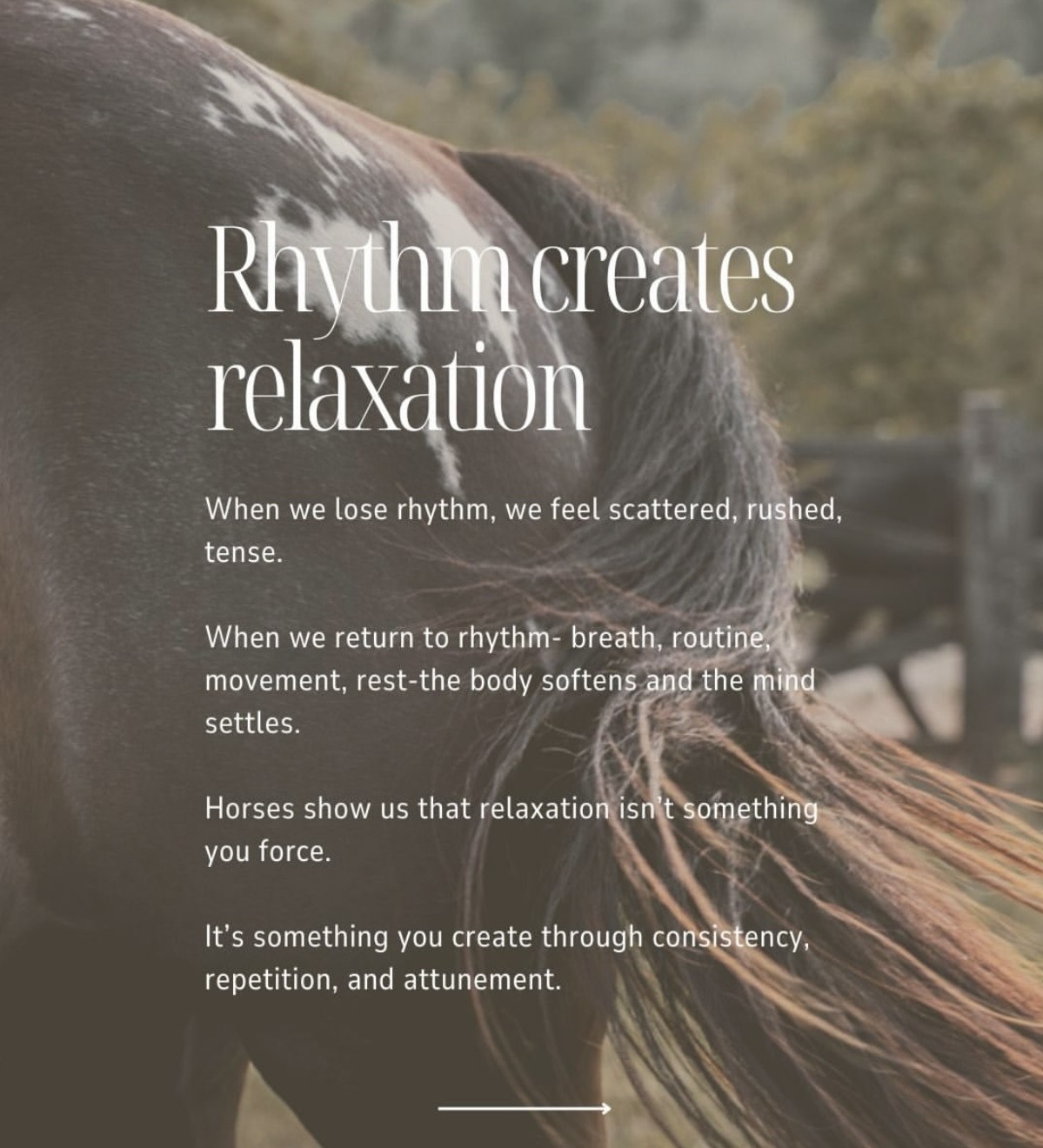
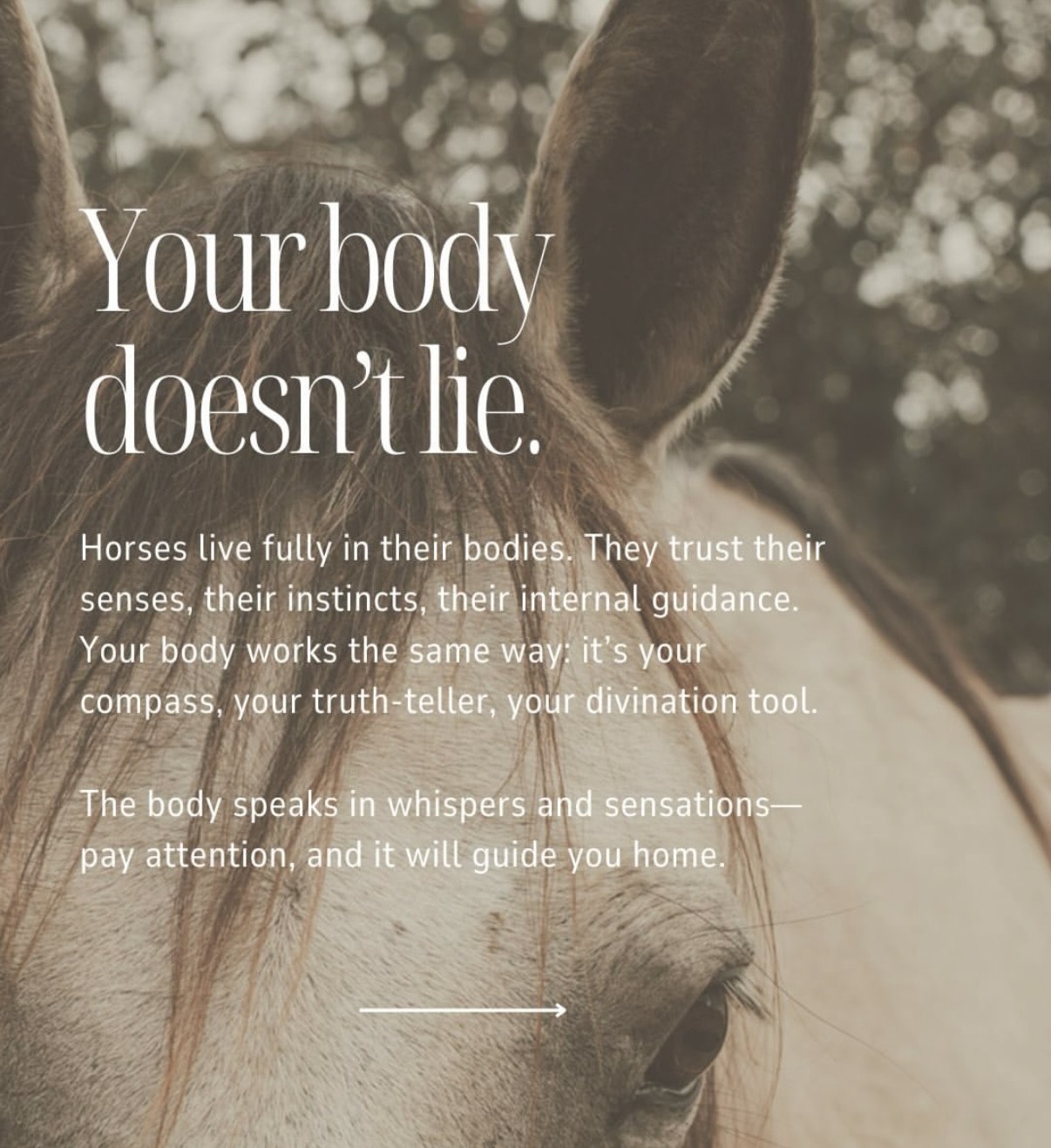
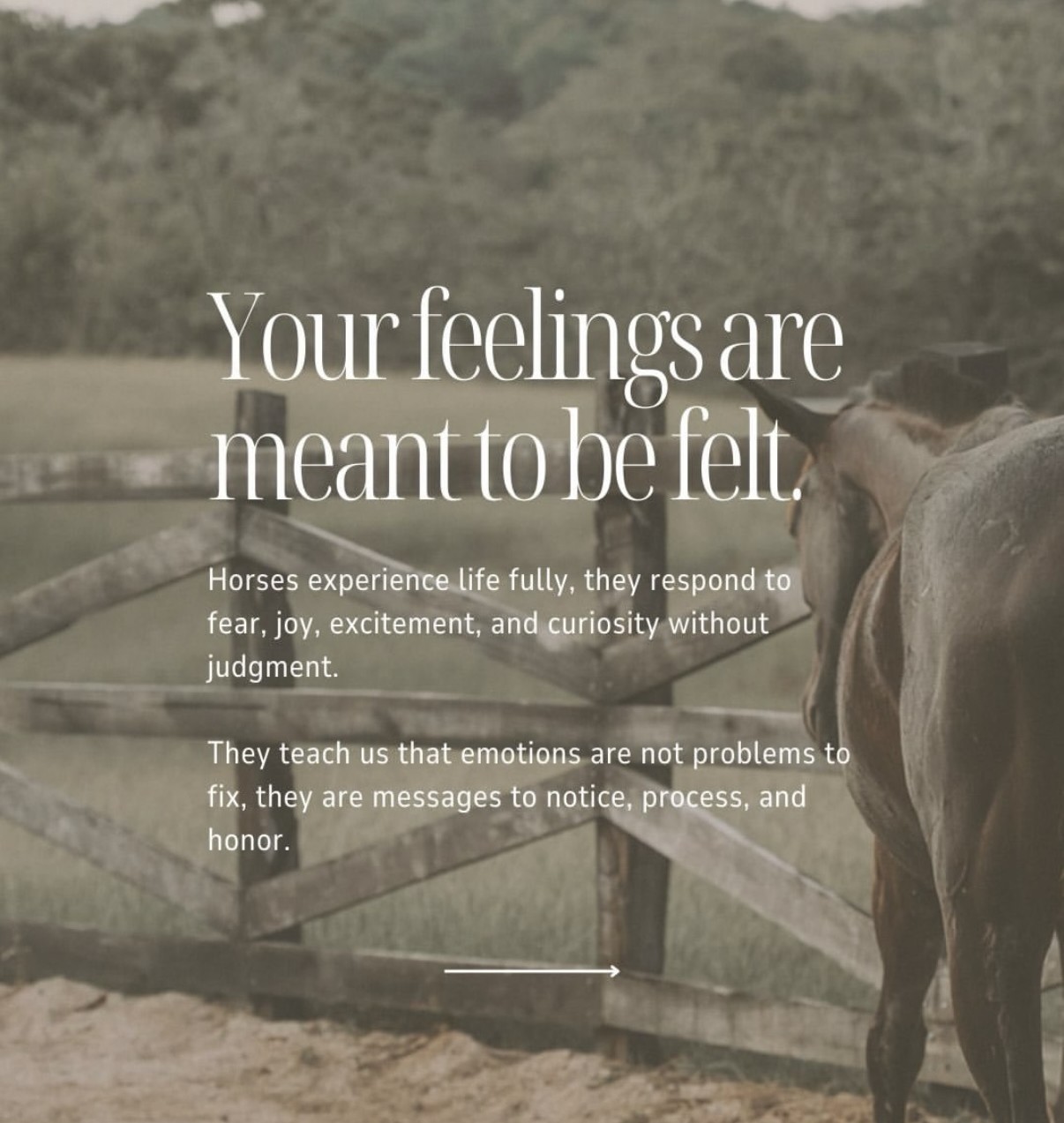
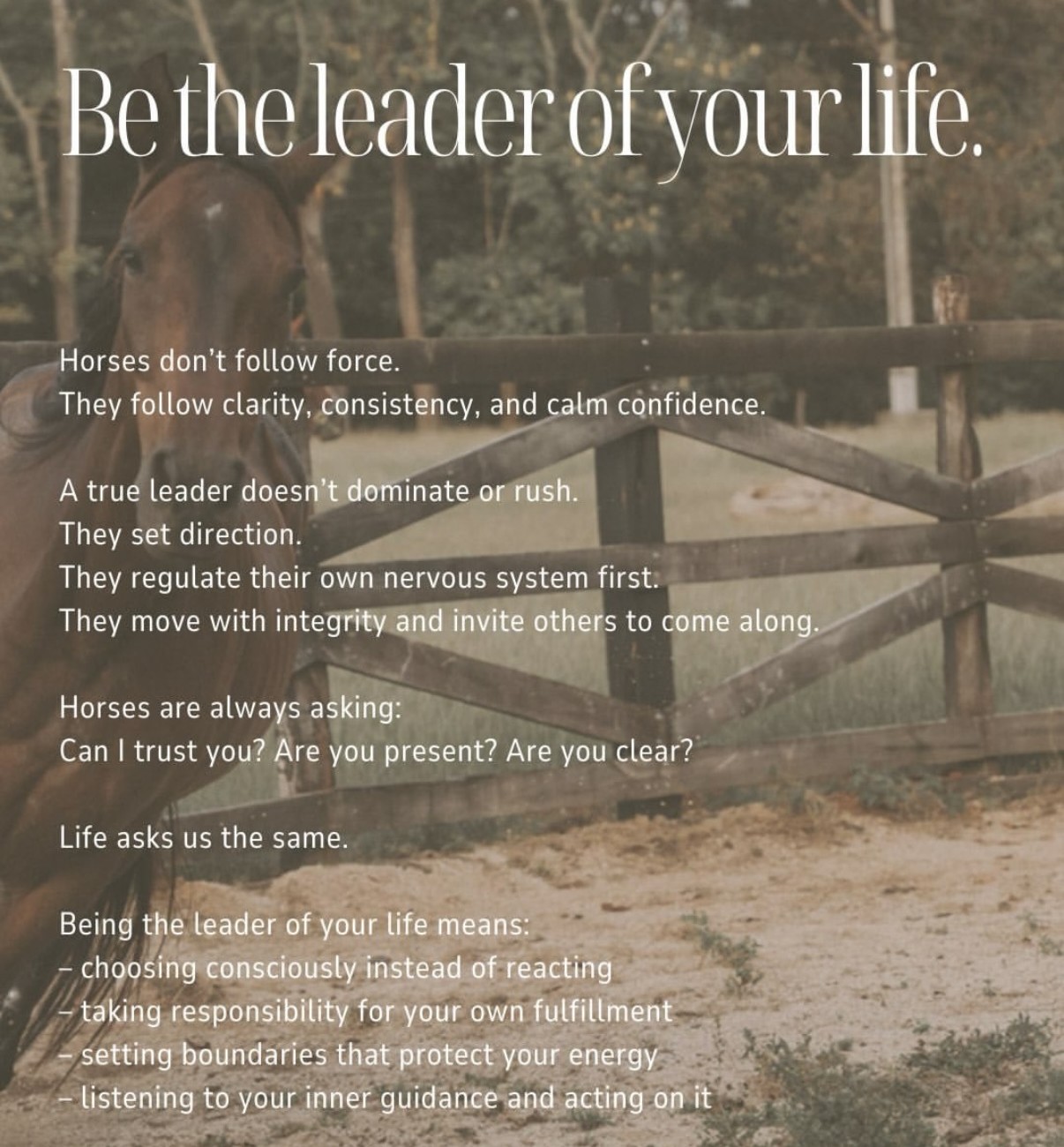
A friend of mine recently posted these graphics by Chantal Russell and I loved them so much I thought I’d share them here. Enjoy!
Don’t Look This Gift Horse in the Mouth
Happy New Year! Say what? Yep, a new year started February 17 and is now in full swing. But wait, didn’t the new year begin January 1? Yes, it did…the traditional new year linked to the Gregorian calendar introduced by Pope Gregory XIII in 1582…but the Lunar New Year started February 17. In Chinese zodiac tradition, each year is associated with one of 12 animals and one of five elements: wood, fire, earth, metal, and water. This year ushers in the Year of the Fire Horse, which is predicted to gallop in bold moves, increased intentions, boldness, ambition, and energy. Now I’m not big on Chinese legends or the zodiac, but I do like horses and our daughter did Hunter-Jumping and Dressage back in the day, so I’m running with it…excuse the pun.
“Courage is being scared to death but saddling up anyway.”
John Wayne
So, what exactly does all this mean? According to calm.com as a new lunar cycle begins, people look to the year’s symbolism for a sense of direction or insight into what might lie ahead. According to Asian astrology, your birth year and the animal it represents determine your personality traits. Horses thrive on speed, energy, and forward momentum and paired with fire; those qualities tend to intensify. Giddy up!
Horse years can be like taming a horse and are often described as active with an emphasis on forward progress and may coincide with upheaval, cultural shifts, opportunity, bold collective movements, renewed passion, and pushing for radical change. When paired with fire, elements are intensified. Emotions can run high and drive can be intense. People born in a Horse year are commonly characterized as energetic, independent, driven, social, and self-directed. The year is predicted to propel one into fast forward motion and intentional goals and it makes sense, as what do we know about horses? They run!
All we need do is look back to the last Year of the Fire Horse to get an idea of what this year might bring. Because an element rotates alongside the animal signs, the same combination only returns once every six years, with the previous one being 1966. IYKYK, right?
That was a year filled with a lot of horsing around, including the Vietnam War, protests, race riots, coups, worldwide nuke tests, the space race, Miranda Rights, the establishment of NOW and the Freedom of Information Act. It also brought us India’s first ever female Prime Minister; The Sound of Music Academy Award; and hit TV shows like Mary Tyler Moore Show, Star Trek, and Newlywed Game. Sports heroes included Hull, Chamberlain, Mayes, Petty, Unitas, and Ali. Perhaps through all of, what spoke loudest was music with hits by Simon and Garfunkle, the Beatles, Frank Sinatra, the Rolling Stones, the Beach Boys, Mamas and the Papas, the Monkees, Neil Diamond, and Jimi Hendrix. Songs like “Sounds of Silence” and “The Battle of the Green Berets” will forever be tied to that year and era. Sadly, on November 24, 400 died of respiratory failure and heart attacks due to New York City smog, which was the smoggiest day in the city’s history. The city is again in the spotlight right now and once again the air is again dubious.
Funny tidbit: the most popular car in 1966 was the Ford Mustang!
But I digress.
Let’s go back to Fire Horse 2026!
This is apparently the year to put plans into action and make moves with increased activity and stronger expression while taking into account the following qaulities associated with the Year of the Fire Horse:
- Momentum and ambition. This year may be driven by progress and visible results and people may feel impatient yet ready to take action. Dare to show your abilities along with your imperfections, share your skills, believe in yourself, and embody the spotlight! Remember, the more open you are, the more doors open.
- Courage and visibility. Fire is connected with confidence and speaking up so this year may be the perfect time to share ideas or take the lead.
- Independence and self-direction. A horse is linked with personal freedom and even restlessness with a powerful drive for freedom, self-expression, and breaking away from limitations. As a result, there may be a stronger desire to make independent choices or question things.
- Restlessness. Progress will be strongly desired, so when it feels slow, frustration may build up.
- Impulsivity and reactivity. Both fire and horses are associated with speed so decisions and moves may happen quickly but think them out and move cautiously and smartly.
Given these vibes, how should you proceed? You may feel the need to push actions, express strong opinions, and feel motivated but stay clear of overstimulation and impulsive moves. Do so by:
- Choose a clear direction before moving forward. Clarify your direction and ask why you’re considering making certain decision. In other words, hold your horses a bit!
- Break up goals into grounded steps. Easy does it. Increased energy can cause urgency but break things up into specific steps. You might want to trot or canter before galloping.
- Schedule rest. Think of life as a Sabbath…a day of rest. When motivation increases, rest is often the first thing to go but over time, that can lead to irritability, fatigue, and burnout. Put your phone away. Listen to a meditation. Reflect. Go outside. Rest!
- Practice pausing before reacting. I’ve previously chosen “pause” as my word of our traditional new year’s resolutions and boy does it make a difference, whether pausing before acting, thinking, or speaking. Yes, press forward, but strive for balance and grounding too.
- Strengthen boundaries. This one is a must every year and pretty much every day. Even things that seem good and positive require time and energy. Ask yourself if it’s truly worth either of those and consider your capacity and load. Personally, I’ve regretted saying “yes” way more than I have saying “no.” No is okay!
- Define what independence means for you. Horses are often linked to independence, but independence does not need to mean not asking for help or speaking up about your needs. Comfort plays a big role here.
Whether you say yay or “nay” to all of the above, it’s a good idea to be intentional about how you move forward this year and how you respond to possible faster pace. Saddle up but pause before making big decisions, protect time to rest, and honestly consider whether a move a decision is in your best interest. Don’t put the cart before the horse but pony up and take the reins or your life!
A friend of mine recently posted these graphics by Chantal Russell and I loved them so much I thought I’d share them here. Enjoy!


 Beyond Words