Beyond Words

Words, Wit and Wisdom for Today's Style and Decision Makers

Deciphering the Super in Our Heroes March 5, 2022

Filed under: Uncategorized — carlawordsmithblog @ 5:14 pm

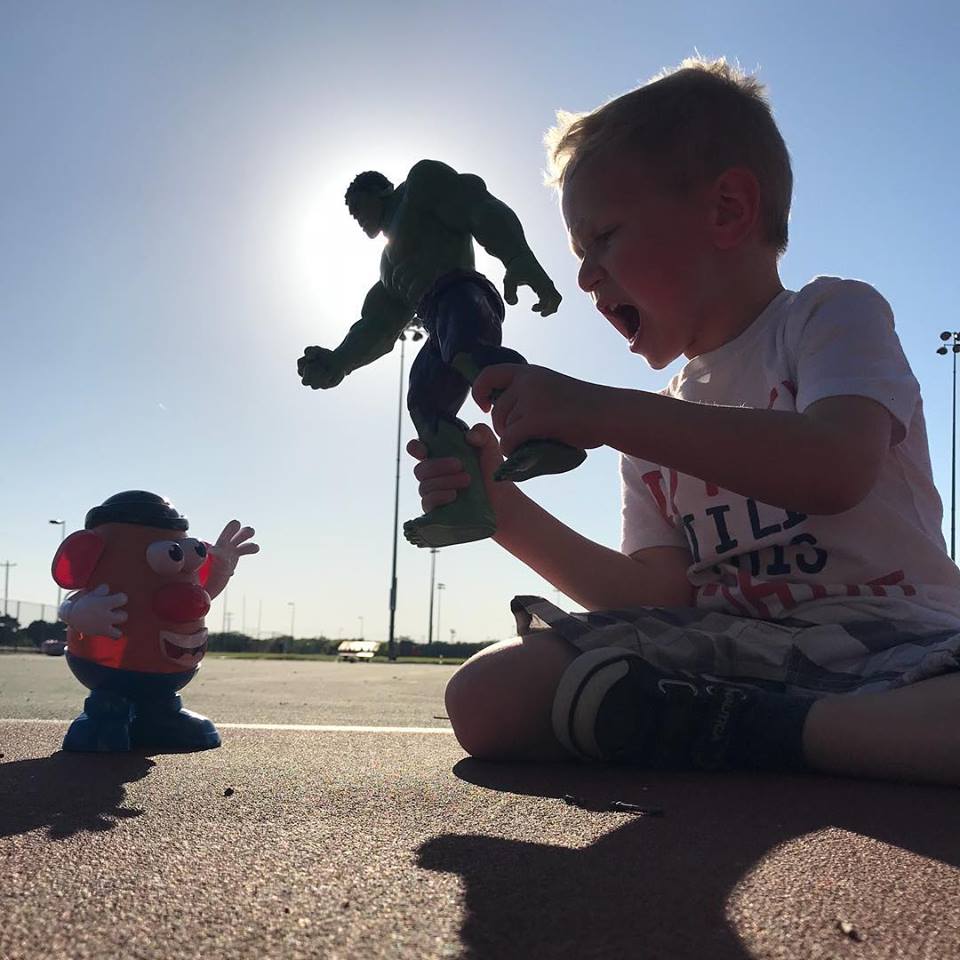
Courtesy Julie Weltens

Driving around today I heard one of my favorite songs, “Something Just Like This” by the Chainsmokers, and it got me thinking about a blog I wrote a few years ago on super heroes. If there’s ever been a time for super heroes, it’s been the past two years and the present and going forward. We need something super and something powerful, right? But who are superheroes? True superheroes? I thought we could revisit the topic today. Enjoy!



What is a superhero? Underdog certainly was when I was growing up. I loved him! “Have no fear; Underdog is here!” The word is generally defined as someone who possesses “super” powers considered abilities beyond those of ordinary people and who typically uses them to help the world become a better place and/or dedicates themselves to protecting the public and fighting crime.


Many consider Zorro, who first appeared in 1919, as the first super hero but if asked that question, Superman, Batman, Spiderman, or Wonder Woman would probably be named. Superman made his debut in 1938 and a year later Batman entered the scene. We all know their names and they are considered “Super Heroes” of screen and lore, but are they really super or heroes?


So back to the song “Something Just Like This” that got me started on this back then and back again today. Although an EDM-pop song, a genre known more for its DJ mixes then its lyrics, it’s got some pretty powerful and thought-proving words that caught my ears. Here’s just a sampling:


I’ve been reading books of old

The legends and the myths

Achilles and his gold

Hercules and his gifts

Spiderman’s control

And Batman with his fists

And clearly I don’t see myself upon that list

But she said, where’d you wanna go?

How much you wanna risk?

I’m not looking for somebody

With some superhuman gifts

Some superhero

Some fairytale bliss

Just something I can turn to

Somebody I can kiss

That’s probably what we all look for in our super heroes: someone we can turn to, not some fairy tale bliss, right?

 

Courtesy Kim Throckmorton-Kimmel

Las Vegas Raiders tackle (and former All-American at Oklahoma) Gerald McCoy addressed heroes in a post he wrote for “The Players’ Tribune” when he asked, “Is Batman a superhero?” The crowd roars, “Of course he is” and although McCoy agreed and noted Batman is his superhero of choice, it might not be for the reasons you’d think.



We all know that Superman can fly and has super-human strength and that Spiderman can scale walls and buildings, but McCoy appreciates the fact that Batman doesn’t really have any superpowers. What? Holy Batmobile Robin, this must be the work of the Joker.


But it’s not. And it’s why Batman is his favorite.


Unlike most superheroes, Batman doesn’t possess any “superpowers” but instead relies on his mind. As McCoy wrote, “His greatest attribute is that he’s highly intelligent. He’s just a regular dude who always finds a way to get the job done.” Those abilities are what McCoy respects and strives to emulate in play on the field and life off it and the type of superpower we should be instilling in our kids.


It got me thinking.


If Batman can qualify as a superhero without any true superpowers, what about the rest of us? What else can qualify as super human abilities? Who else can we consider superheroes?
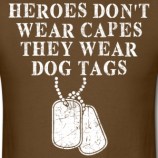
 

Indeed they do. Amen and thank you.


Some heroes of mine are those who participate in and run the local “Hounds for Heroes” program with the Dog Alliance. Heroes come to us in need of service dogs and seeing first-hand how these four-legged friends change and improve their lives is truly amazing.


How about truckers and farmers? Boy have we recently seen how very much we need them and that their voices need to be heard.


Single moms. Nuff said.


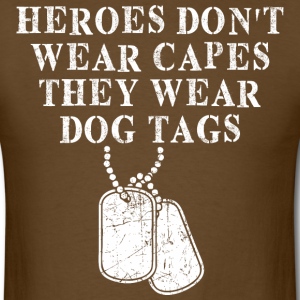
In this time of crisis after crisis, police and first responders have also certainly worn their hero capes.

 

As have everyone in medicine, whether it be a doctor, nurse, surgeon, pharmacist, EMT, and everyone in between. They’ve had a year or two to say the least.


But what about flight attendants? Have they seen their share of heroic days of late? You bet.


It’s funny, but do we very think of our hair stylists as heroes? Could you cut your hair the way they do and color it just perfectly without turning it orange or green?


What about the bus driver who gets your kids to school safely every day?


And how about the engineers who finagle stop lights? Their handiwork sees to it that vehicles stop and go at the right times.



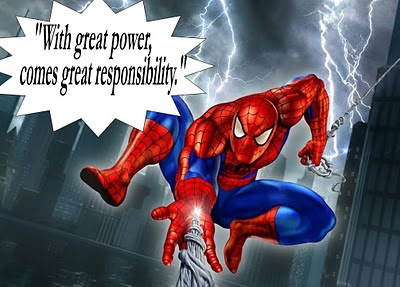
So well said by Spiderman back in 1962 as he echoed the words of Voltaire and that date back to the French Revolution. Yes it does Spiderman; yes it does. And yet, society tends to make superheroes out of famous but often undeserving athletes, movie stars, musicians, TV personalities, and even a host of those online “influencers.” And don’t even get me started about politicians, elected “leaders,” and even their families. Regardless of how much you might like someone famous or powerful, do they really qualify as superheroes? Probably not.



Xspiderman

Kids love superheroes…real and fictional. And that’s okay. They need heroes to look up to and aspire to be like and they need imagination. But again, we as adults need to ensure who they look up to are those worth looking up to. For example, Wonder Woman, who’s been around since 1943, is a great inspiration for young girls. Yes, she is strong and powerful, but she’s also never afraid to speak of love.
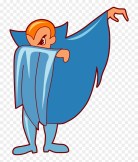


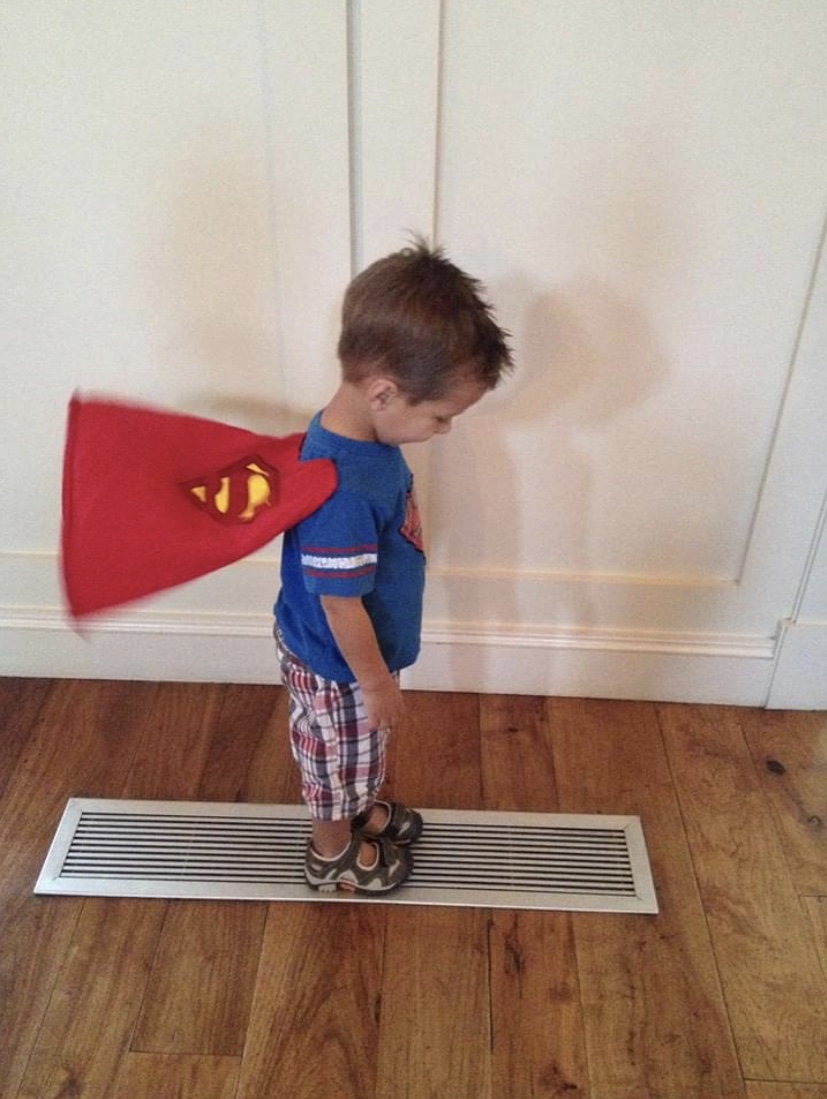
I used to tell my little preschoolers to catch their sneezes and coughs in their elbows by bringing around their superhero capes. It works every time. Who doesn’t want to be a superhero and have a cape?



hero-jesus-human-christian-66927814

Someone I regularly turn to is God, and I would venture to say Jesus is indeed a superhero; perhaps the superest of super heroes. I also rely on my family and friends for support and inspiration and I consider all of them superheroes. None of them have superpowers; they are merely super people in my eyes.


Courtesy Catherine Harkness

Superheroes come in all shapes and sizes and vary from person to person. Someone I consider worth admiring someone else may detest and vice versa. But maybe it shouldn’t be so much who we consider heroic, but what we consider heroic.



Take for example Captain Marvel. I had no idea that his “Shazam” was actually an acronym and a call for the wisdom of Solomon, the strength of Hercules, the stamina of Atlas, the power of Zeus, the courage of Achilles, and the speed of Mercury. How cool would that be, to merely shout something and you gain a truckload of formidable traits?


Depending on who you are or where you are in your life, you might give a shout out for intellect, health, wealth, will, strength, endurance, patience, acceptance, wisdom, or serenity. Society needs superpower science and technology, but don’t we also need love and peace and superheroes who promote them?
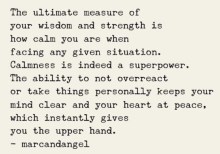


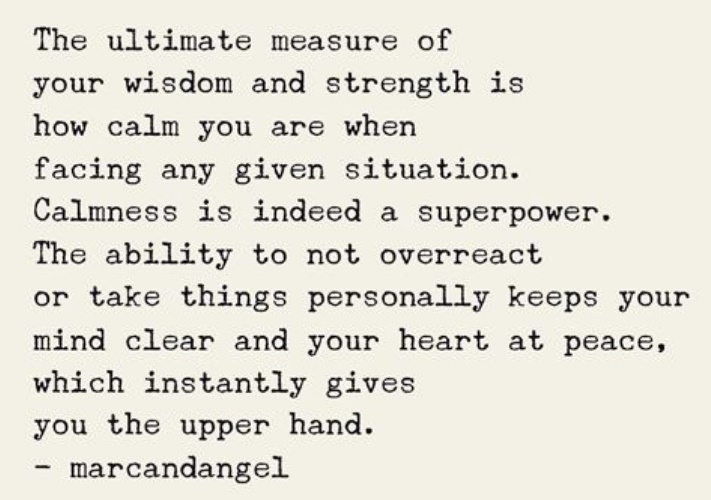
Yes peace. It’s a word being said and prayed for right now. I always long for peace of mind as mine is constantly reeling…it only sleeps when I sleep…so I greatly admire those who are centered and calm. Are you always racing and chasing? No one likes to be told “calm down” but maybe we should all strive to be heroically calm. At the same time, I also admire someone who appreciates a good laugh and has a great sense of humor. Laughter is heroic.
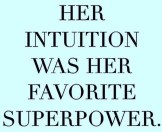


Intuition is superpower

Go with your gut and think it out, right? It’s called intuition: quick and ready insight, reason, and true conviction. I definitely have conviction and reason things out, but I tend to overthink everything. Going with your gut is a trait I admire and consider slightly heroic.


“On my soul I swear until my dream of a world where dignity, honor, and justice become the reality we all share, I’ll never stop fighting. Ever.”

Superman


Dignity. Honor. A commitment to truth and justice. Thank you Superman. And in the end, what is anything super without faith and hope? We hope for the best and hope all goes well. We’re constantly hoping for a cure and holding out hope against hope.
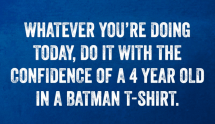
 

It’s my hope that maybe we all take a cue from Batman and start using our brains in heroic ways to keep hope alive. I’m no Wonder Woman and am not looking for some fairy tale bliss, just something I can turn to and that might just make a powerful difference.



The Big Easy, not The Big Sleazy March 3, 2022

Filed under: Uncategorized — carlawordsmithblog @ 4:11 pm

Two days ago we learned all about Mardi Gras and King Cakes so I thought it’d be natural to today talk about the city where both reign: New Orleans. Now before you scroll on and say “I don’t care for New Orleans; it’s so dirty and sleazy,” hang tight. I agree with part of that as I’ve seen the seedy side of NOLA, but come along as we discover its many charms far from Bourbon Street.


Don’t get me wrong, the Big Easy can most definitely morph into the Big Sleazy if you are a rookie NOLA visitor, but it’s also home to a bevy of natural attractions and unique culture. Distinctive lace-work balconies. Legendary lanterns. Colorful shutters. Epicurean wonders. And can we talk a minute about that accent?! It’s got to be one of the most unique and impossible to imitate in all the world. Melt my heart Nawlins!


Okay, in order to appreciate more than a hurricane at Pat O’Brien’s though, you need to venture off the Bourbon Street beaten path to discover history and eats comparable to those in many a world renowned city. Let’s geaux!


I’ve been to the home of the Saints (and sinners!) several times and like many New Orleans visitors, I started with the French Quarter, which is a good idea if you’ve never been. Be sure to peek into historic Preservation Hall and the Hermes Bar at Antoine’s is a nice quiet retreat from the normally noisy street that can be both festive and fun but can also border on the “Big Cheesy.”  Jackson Square, roughly bordered on one end by St. Louis Cathedral and on the other by the Mississippi River, is where you’ll find horse carriage rides; street performers; great people watching; one of my favorite restaurants, Muriel’s; and if you look closely you’ll also find an amazing cooking school and a great little book store.


A few years ago I traveled to New Orleans with my husband on one of his business trips. It wasn’t my first time there so I knew that while he was out doing deals, I needed to keep busy but I’d seen it all: Bourbon, Café du Monde, the Riverfront, and Jackson Square. Considering this, I also knew I had to dig deep to discover what really makes NOLA special. In doing so, I discovered what I still consider one of the coolest things I’ve ever done on a trip; anywhere. I took a class at the New Orleans School of Cooking and not only ate well but learned so much.


The Crescent City (called that because the Mississippi River takes a crescent shape at New Orleans)is synonymous with imaginative fun, but it’s also home to imaginative food. Truth be told, I’ve never been a big fan of Cajun or Creole food except for maybe red beans and rice but I walked out of that cooking class with a whole new respect for both. And trust me, they are two very different and distinct cooking methods. So what’s the difference and what’s the big deal you ask? Read on.


Disclaimer: I’m no native so what I’m writing here is what I learned and what I’ve read. Any of you natives out there who can add to this or even correct me, please do!


New Orleans and Louisiana cuisine have a rich heritage, but unless you’re from there it can all be kind of confusing. Here’s a quick glance at the most integral parts. For starters, I learned that onions, celery, and green pepper are called the “Holy Trinity” and garlic is called “The Pope.” From there, it was what’s Creole and what’s Cajun.


Creole food originated in New Orleans and southeastern Louisiana amid strong French, Spanish, African, and Caribbean influences. The term “Creole” is from the Spanish “criollo,” which translates to “native to a specific place or locality.” In short:


  • Creole cuisine is considered a little higher brow or aristocratic than Cajun.
  • Creole cuisine uses tomatoes and Cajun food does not.  It’s richer than and not as spicy as Cajun food.
  • Creole cuisine is considered “city food” while Cajun cuisine is often referred to as “country food.”
  • Creole gumbo is thicker than Cajun and generally contains shellfish; tomatoes; a lighter colored roux; and file, and fine green powder of young dried ground sassafras leaves.
  • Remoulade sauce is Creole.
  • Beignets and pralines are both considered Creole food.


Cajun food originated in the country, specifically the Acadiana region of southwest Louisiana. The word “Cajun” originates from the term “les Acadiens,” used to describe French colonists who settled in the Acadia region of Canada. The Acadians were forcibly removed from their home and many settled in the swampy region of Louisiana that is today known as Acadiana. The Acadians were extremely resourceful and used the flatlands, bayous, and wild game of South Louisiana and Gulf of Mexico to create a truly unique local cuisine. Like Creole, it also incorporates French influences alongside bayou flair and has a focus on hearty, meat-based, one-pot dishes filled with boudin, Andouille, or crawfish. In short:


  • Cajun gumbo is generally based on a dark roux and is made with shellfish or fowl. No tomatoes.
  • Cajun Jambalaya is generally considered better than the more tomato-based Creole Jambalaya.
  • Cajun food is famous for being very well seasoned, which is sometimes misunderstood as spicy.
  • Crawfish boils are considered Cajun.
  • Cajun motto: “If we can catch it, we can cook it.”


What the heck is roux?

Roux, pronounced “roo,” sounds fancy but it’s simple and is similar to gravy but with lots of varieties and cooking rules. It is the foundation for many Cajun and Creole recipes and is basically a cooked mixture of flour and fat (oil, butter, or lard) and is used as a thickening agent. The basic rule of preparing roux is “never walk away from the roux.” Constant watching and stirring are essential to making any level of roux, all categorized by their color, which is dictated by the amount of time they take to cook. The longer a roux cooks, the darker and more flavorful it becomes. Creole roux is usually made with butter and flour while Cajun roux combines oil and flour.


THE BIG 3

When you think of New Orleans food, whether Creole or Cajun, three dishes often come to mind: Jambalaya, Gumbo, and Etouffee. Similar is some ways but different in so many others.


Jambalaya      

Think of Jambalaya as a distant relative of paella, the famous dish of Spain, only without saffron and shells are taken off the shrimp. The Creole version of it includes tomatoes while the Cajun version doesn’t. It also usually does not have roux.


Gumbo

Gumbo is a mix of veggies and meat or shellfish with a dark roux. It’s normally served with rice and potato salad…something I just recently tried and found it sooooo good!


Etouffee

Etouffee, which means “smoother,” is generally made of one type of shellfish, usually crawfish or shrimp, that have been smothered in a thick sauce and sometimes served ladled over rice.


Our cooking class also consisted of Bananas Foster and pralines, so I thought I’d throw in some history on what makes the first one so delicious and famous.


Bananas Foster

In 1951, when the Brennan restaurant operation consisted only of Brennan’s Vieux Carre on Bourbon Street, Owen Brennan asked his sister Ella to come up with a fancy dessert for a dinner that night honoring Richard Foster for being named chairman of the New Orleans Crime Commission. An already-overworked Ella gathered her chef, Paul Blange, and headwaiter in the kitchen to help her dream up a dessert. Scanning the kitchen and spying bananas, she thought of a simple dish her mother had made by splitting the yellow fruit and sautéing the halves with butter and brown sugar. To jazz it up, they poured rum and banana liqueur on top, setting the mixture on fire at tableside, tossing in cinnamon to make it sparkle, and serving the concoction over vanilla ice cream. They called it “Bananas Foster” and a classic was born. The Brennan family not only created the famous flaming dessert, but was also instrumental in bringing bananas into New Orleans and helping its port become one of the largest to import bananas to the U.S. Today “Bananas Foster” is still the signature dessert at Brennan’s famous pink restaurant. We had it last year and it’s as decadent and delicious as ever.


That’s just what I learned in my cooking class. I feel obligated to also mention three of my favorite food stops when in NOLA: Drago’s for their uh-mazing and one-of-a-kind charbroiled oysters, Mother’s for lunch, and I do love me some beignets and coffee at Café du Monde. Note to fellow breakfast goers: if there’s a line, don’t line up near the street. Loop around the back and line up on the side.


As for Drago’s, visit the original location in Metairie as you head from the airport to the city rather than the one downtown. It’s suburban and nothing fancy but trust me, even if you think you don’t like oysters, give them a try. They are unbelievable. And, don’t let anywhere else claim to serve them. Drago’s has the only authentic and divine ones.


Of the “Big 5” commonly referred to when talking about Commander’s Palace, Arnaud’s, Galatoire’s, Brennan’s, and Antoine’s, I’ve eaten at all and enjoyed the meals but wasn’t totally overwhelmed. I was actually underwhelmed with Antoine’s “famous” Oysters Rockefeller but will say brunch at Brennan’s signature pink building is worth not only the service and food but the legendary green latticed-wall interior and black-and-white tile floor. One more thing: Galatoire’s, Antoine’s, and Arnaud’s are considered classic Creole restaurants and Commander’s Palace is a bit off the downtown beaten path with its Garden District location. IMHO on all of this, Mr. B’s on Royal Street is just as good and I’ve had many a foodie tell me about other restaurants that I still haven’t tried. So many restaurants, so little time.


Beyond the Food

Another thing New Orleans has plenty of is hotels. My favorite? Hotel Monteleone on Royal Street.  A city staple since 1886, the venerable and classically-old school hotel sits majestically at the foot of Royal Street, home to many of the city’s best antique shops. Close enough to all of New Orlean’s traditional tourist traps yet quietly tucked on Royal, Hotel Monteleone is the perfect place to stay. It’s also the home of the famous Carousel Bar & Lounge, a long-time favorite New Orleans hot spot and the city’s only revolving bar. Yes, the Merry-Go-Round bar actually spins as you sit at it and this is important  to know before you order a Pimms Cup or Sazerac and wonder if it’s just you who is spinning! I’d like to add here that I’ve also stayed at the Cambria Hotel in the Warehouse District and loved, loved, loved it. It’s a bit further away from all the action but it’s a wonderful little property.


Okay, so now you know where to stay and where to eat in NOLA, but what to do? Yes, if you’ve never before, do Bourbon and all the trappings around it but then venture off. The Garden District , with its mansions, Tulane and Loyola Universities, and Audubon Park, is worth the fun trolley ride. For live jazz, a night on Frenchmen’s Street is as close to classic New Orleans nightlife as you’ll get as a tourist. Check out the Spotted Cat and just walk along the street and enjoy the many street musicians known as Second Line Parades.


If you’re looking for a day away from the city, consider taking a swamp tour. Yep, I said that right: a swamp tour. They are actually very fun and educational and you’re sure to see a gator…or 10…as you ride amidst hanging moss and Cypress Trees.  Spoiler alert: they feed them marshmallows to get them to jump out of the water! Very fun. Very different.


I can’t close without recommending a quick stop at Faulkner House Books just off the French Quarter near St. Louis Cathedral. This tiny gem is located in the building where author William Faulkner, a fan of and one-time resident of New Orleans, once lived and wrote his first book. The shop may be small but it packs a big historic and quaint punch and has many rare books as well as bestsellers and those by and about Faulkner. I stumbled onto it and was so glad I did. Next door to what many collectors and writers call America’s most charming bookstore is a nice little pub where you can sit outside and read whatever you may have bought in the store. Give it a stop. You’ll be glad you did.


So have I convinced you? Have I gotten everything right? Are you ready to give New Orleans a second chance and second glance? Ready to make some roux? I seaux hope so and hope you take it easy on and in the Big Easy!


Ashes to Ashes March 2, 2022

Filed under: Uncategorized — carlawordsmithblog @ 2:31 pm


I saw that meme yesterday and laughed out loud. Funny but true about today: Ash Wednesday. The day you notice men, women, and children with black crosses made from ashes on their foreheads. It’s today, but what is it and why?  Whether you received your ashes or wonder why someone has ashes on their forehead at the office, the gym, the grocery store, or anywhere else, you’re in the right place on the right day.


Just yesterday at Bible Study my friend told me that last year during Ash Wednesday mass the priest mentioned that today is the most attended day of mass for Catholics. I would have guessed all those “CEO” masses, “Christmas and Easter Only,” would have been the winners and I’m not sure what this tells us, but it’s good to know so many…millions actually…are adhering to a tradition that goes way back. But how far back, and why?


It helps to understand that Ash Wednesday begins the season of Lent, which is 40 days of quiet and reflection leading up to Easter Sunday. We remember what lies ahead on Good Friday and what it means for us and to us. We try to slow down and listen to God. Jesus suffered more than any of us can ever imagine on that fateful day so we take this time to “suffer” in the way of sacrifice and loss.


Yes, we “give up things” like sodas, coffee, alcohol, social media, TV…whatever we choose…but we also focus on Jesus’ own words regarding the three main disciplines of Lent:  praying, fasting, and giving alms, also known as charity. It is said that prayer demonstrates our relationship with God, fasting demonstrates our relationship with our inner self, and giving alms demonstrates our relationship with others. Jesus also instructs us to do all of these without seeking recognition and we are reminded that we don’t wear the ashes to proclaim our holiness to others but to acknowledge that we are a community of believers and sinners in need of repentance and renewal.  We can for sure give up things, but we should also give and do things…good things.


By the sweat of your brow you will eat your food until you return to the ground, since from it you were taken; for dust you are and to dust you will return.” 

Genesis 3:19


The first clear evidence of Ash Wednesday was around the year 960 and there is also much biblical scripture supporting today’s practice. In fact, when receiving ashes a person is told “turn away from sin and be faithful to the gospel.”  The gospel is scripture and scripture is God.


But why the ashes? Ashes are ancient symbols of repentance; they remind us of our mortality and the “ashes to ashes” bible verse. Lastly, being marked with a cross on our forehead reminds us that we belong to Christ and we ask Him to develop in us a spirit of humility and sacrifice, much like He did for us.


When we receive ashes on our foreheads, we remember who we are. We remember that we are creatures of the earth (“remember that you are dust”), and we remember that we are mortal beings (“and to dust you will return”).


I have a Lenten book of daily meditations that I have had for years and refer to it every Lent. Instead of suggesting the usual things to give up like alcohol, gossip, envy, sugar, etc., it instead offers the following inspiration:

Fast from judging others; feast on loving them

Fast from differences; feast on unity

Fast from perfection; feast on acceptance

Fast from hurting; feast on kind words

Fast from sadness; feast on joy

Fast from thoughts of illness; feast on the healing power of God

Fast from words that pollute; feast on words that purify

Fast from envy; feast on gratitude

Fast from anger; feast on patience

Fast form pessimism; feast on hope

Fast from complaining; feast on appreciation

Fast from worry; feast on trust


Don’t we all suffer from many of the above things we could stand to fast from? Any number of us are people pleasers, workaholics, perfectionists, multi-taskers, or whatever you want to call it. But, as we heard in Bible Study yesterday, don’t think confuse being busy enough with being good enough. Maybe we all just need to slow down and look inward, not so much outward, and remember the only person you should try to impress is God.


Finally, I’ve seen the following list of things to give up floating around the internet during the past week and I really like it.  I hope you do too.


Things to Give Up for Lent

  • Guilt
  • Fear
  • The need to please everyone
  • Envy
  • Impatience
  • Resentment
  • Blame
  • Gossip
  • Entitlement
  • Apathy
  • Hatred
  • Negativity
  • Comparison
  • Overcommitment
  • Fear of failure
  • Feelings of unworthiness
  • Doubt
  • Self-pity
  • Bitterness
  • Your comfort zone
  • Worry
  • Pride


Such great ideas for things to fast from during Lent, and every day.


The King of all Cakes and Tuesdays March 1, 2022

Filed under: Uncategorized — carlawordsmithblog @ 8:00 am

Happy Fat Tuesday everyone! Are you wearing purple, gold, and green; donning beads and boas; marching in or watching a parade; and eating King Cake?  If you’re in or from Louisiana probably so, as today is a very festive day, especially in New Orleans. But all partying aside, both Mardi Gras and New Orleans are religious in origin and historically blessed, respectively. Today it’s all Mardi Gras and King Cake but tomorrow we’ll visit NOLA, a city that has so much more to offer than its “Big Sleazy” reputation. Let’s go!


Fat Out Special

Mardi Gras is really just today and despite its party reputation, it has a religious origin. Also known as Fat Tuesday, it is always the Tuesday before Ash Wednesday. Many people (me included) confuse Mardi Gras with Carnival, which is the celebratory season that stretches from Epiphany to Fat Tuesday. Rewind here a bit. The Christian Feast of the Epiphany is also the 12th day of Christmas and marks the day when the Three Wise Men/Three Kings arrived in Bethlehem to see the baby Jesus. For those in places like New Orleans, it also marks the official end of the Christmas season and the beginning of Carnival season.


The French come into heavy play here as “mardi” means Tuesday in French and “gras” means fat. Many believe the first documented Mardi Gras celebration in America was in March of 1699 when French explorers traveled to America and docked near what is now New Orleans. They named their docking location “Point du Mardi Gras” and as other French immigrants arrived, Mardi Gras celebrations became increasingly popular. Until, that is, the Spanish took control of the Crescent City in 1762 and outlawed Mardi Gras celebrations. But, when Louisiana became a state in 1812, Mardi Gras celebrations returned and really never left. In fact, since what many consider the first NOLA Mardi Gras parade in 1827, there’s been a parade in the city every year since. Pending perhaps a pesky pandemic. Parades are back in full force this year though!


Mardi Gras and accompanying Carnival are celebrated all over the world, including well-known festivities in Brazil and Venice but rest assured New Orleans ranks right up there. Fat Tuesday may be all about indulging in everything festive, fun, and frivolous but there’s a reason for that too. It’s the day before Ash Wednesday, which is when Lent starts. Traditionally Lent is a period of 40 days of fasting and giving up bad and questionable habits as well as focusing on doing good. Today’s the day to get it all out of your system for the next 40 days!


Take the Cake

A big part of Mardi Gras is the famous King Cake, which, behind maybe birthday and wedding cakes, is considered the king of all cakes. So what is it with those colorful confections and is there really a baby inside each one? The answer is traditionally yes, and they too have a religious significance. Remember, all this Carnival and Mardi Gras celebration relates back to Epiphany, when the Three Kings traveled to see the newly born baby Jesus. This, my friends, is why the dessert is called a “King Cake” and why there’s a tiny baby hidden inside each one.


Francophiles will also be glad to hear that the beloved King Cake is said to have been brought to America from France in the 1870s and are traditionally oval-shaped, which some say represents the unity of faiths while others say represents a king’s crown. Cakes in New Orleans are decorated in the traditional Mardi Gras colors of purple, green, and gold…the same colors you’ll find those famous beads in. The colors represent, in order, justice, faith, and power.

 

Funny thing is, many a King Cake is not actually a cake. Some are more bread-like while others resemble a pastry. Whatever they’re made of, they are always colorful and festive. The standard Louisiana version is a brioche-like dough swirled with cinnamon and cream cheese then braided and baked in a circle or oval shape and finished with icing and sprinkles. In France, a “galette des rois” or “cake of kings,” is more of a puffed pastry with a sweet almond filling and garnished with “jewels” like sprinkles and icing. Those in Spain and Latin America enjoy orange-flavored bread wreaths topped with dried fruit, which they call “roscas de reyes” or “cakes of kings.”


Okay, but what about that baby. As I said, it traditionally symbolizes Jesus although some cakes will have money or a trinket inside. Whoever finds one in their slice is crowned “king for the day” and vows to provide the next king cake and host the next party…whoever hosts a Mardi Gras party buys or makes the King Cake for it. It’s also considered good luck to find it and this “you’re next” tradition ensures celebrations continue in true New Orleans style.


Speaking of New Orleans style, it’s customary to also spend today cooking and indulging in traditional Cajun and Creole dishes like gumbo, jambalaya, and etoufee. Do you know the differences? Do you know the history? You will tomorrow!


So there you have it and now you know all about Mardi Gras and King Cake. Tomorrow as we start Lent, we’ll visit New Orleans. At least on this blog. Rendez-vous alors!


What is Your Mouth Behavior? February 26, 2022

Filed under: Uncategorized — carlawordsmithblog @ 9:40 pm

I’m here to say I love texture. Texture in home décor, apparel, and come to find out: food. I love textured wallpaper, throw pillows, and furniture with interwoven fibers and a nice mix of elements in a room. I also love fall and winter clothing over summer outfits, and the food I put in my mouth I’m a bit picky about. I’ve never liked anything squishy or slimy like scallops, gnocchi, or dumplings and I’m not a big fan of rice. The only time I (shockingly) veer off this food course is oysters. I do like them and especially the chargrilled ones at Drago’s in New Orleans. On the whole though, I don’t like anything slimy and recent studies confirm we all have food texture preferences.


An article entitled “Model for understanding consumer textural food choice” at onlinelibary.wiley.com caught my eye as it detailed categories of food eaters and how product development and marketing are developing products based on all of this. I love this kind of stuff and you will too as you figure out whether you’re a Cruncher, Chewer, Sucker, or Smoosher.

 

Apparently there is a definite relationship between what foods we like and tend to purchase and our chewing behavior. How we manipulate food in our mouths is a key indicator of food preference. Research was done on this and some of the results included test participants saying things like:

 

  • I like to suck on hard candy until it fully dissolves
  • I usually break up hard candy quickly and swallow it
  • I prefer hard crunchy cookies to soft chewy ones
  • I prefer soft creamy candies to hard candies


Are you feeling a food texture choice yet? Wait, there’s more!


So, the four “mouth behavior” groups mentioned above fall into two modes of mouth actions. Crunchers and Chewers make up Mode One in that they like to use their teeth to break down foods. Crunchers are more forceful biters and like foods that break up upon biting while Chewers like foods that can be chewed a bit longer. Suckers and Smooshers make up Mode Two and prefer to manipulate food between the tongue and roof of their mouth. Suckers like harder foods like hard candies and anything they hold in their mouths and suck for a long time (keep it clean here readers) while Smooshers prefer soft foods like creamy candies and puddings. Check out the below chart courtesy onlinelibrary.wiley.com to start getting a hint at where you might fall.


Table 1. Examples of products chosen by the different mouth behavior groups

Types of products chosen Mouth behavior classification group
Chocolate with nuts, hard chocolate cookies with nuts, CheetosR and RufflesR (PepsiCo), raw broccoli Crunchers
Gummy Bears, StarburstsR (Wrigley Co.), Twix (Mars, Inc), Kettle and CheetosR Puffs (PepsiCo), soft granola bars Chewers
Goat cheese, Buffalo mozzarella, French onion soup, whipped cream Smooshers
Jolly Ranchers hard candies, Werthers OriginalsR (August Storck KG) butterscotch pieces Suckers


My gut feeling tells me I’m a Cruncher as I love all the food listed for them but I also love anything gummy like Gummy Bears and Swedish Fish and prefer creamy peanut butter (which I adore) over crunchy. That’s why it was good to learn that just because someone falls into one of the four groups doesn’t mean they can’t spend time in other groups. It merely indicates foods more chosen and more delightful or satisfying. Amen as I also really like pudding and chewy caramels. Hmmmmm….


So, let’s dive further. The following chart is a great place to find your texture presence.


Table 4. Response patterns of behavior groups shown from survey questions

Chewers Crunchers Suckers Smooshers
Prefer products they can chew Prefer hard crunchy cookies over soft chewy Prefer hard candy over soft Let cereal get soft or eat soft cereals like oatmeal
Prefer chewy candy over hard candy Prefer hard granola bars over soft Like chocolate hard enough to suck on Prefer soft creamy candies over hard candy
Would choose dried fruit that is chewy Eat ice cream right out of the freezer Like to suck a long time on candy Prefer thick creamy snacks over crispy
Like chocolate with good chewing texture Like apples that are crisp Always have hard candy around Prefer flavored ice cream with no pieces
Prefer cereals like Cheerios or flakes Like raw vegetables Like mints with some burn Chewing gum hurts their jaw
Do not prefer chocolates hard enough to suck on Prefer ice cream with crunchy pieces Like high carbonation in drinks Like food that is soft and spreads through the mouth
Do not like to play with food in the mouth Smoosh foods that they could chew


Interesting, right? Let’s take chocolate as an easy way of delineating the four groups out.  Suckers tend to like chocolate that is hard enough to suck on, Smooshers prefer chocolate that melts fast, Crunchers choose chocolate that contains nuts, and Chewers opt for chocolate with a good chewing texture. Okay, this helps out because I tend to like chocolate with nuts. Give me a Snickers, Heath bar, or chocolate chip cookies any day.


If need be however, we all can easily adapt one type of food and its texture to one we prefer. For example, if a Cruncher is eating a soft food, they are more likely to choose one with nuts or chips. A Chewer eating a crunchy cereal will often add chewy ingredients like raisins.


As mentioned above, all of this is very helpful in marketing and product design. Designers and developers are now creating products for each of the four mouth behaviors when possible and are realizing that product textures and messages no longer resonate with everyone. I wouldn’t care how appealing and pretty an ad for scallops might be, it won’t ever convince me to buy the product. Now that you know this, I bet you’ll start noticing words like “creamy,” “crunchy,” “smooth,” and “crispy” in food product advertising.


Two more areas all of this impacts are the elderly and the obese. Think about it, elderly often have dental issues and devices in their mouths, making food manipulation more challenging. Crunchers probably have trouble with very crunchy foods as they age and instead of choosing softer foods, they may lose their appetites all together and be at risk of dangerous weight loss.


Weight gain also comes into play, but for everyone. It was hypothesized that once someone understands their preferred mouth behavior, they can better enhance compliance with diet and weight management regimes. WW, formerly known as Weight Watchers, has taken this idea and successfully run with it, believing that by eating the food that appeals to your mouth behavior, the more likely one is to maybe lose weight and at the very least, be more satisfied and eat less.


Again, I find this kind of stuff fascinating. Now I know why I love Ruffles, crispy bacon, snap peas, cookies, apples, and Cheerios, but I can also relish a good steak, creamy cheeses, grapes, and those heavenly Swedish Fish. This Cruncher is a bite away from bliss. How about you? Are you a Cruncher, Chewer, Sucker, or Smoosher?


Big Boom in Small Towns February 8, 2022

Filed under: Uncategorized — carlawordsmithblog @ 6:52 pm

Close your eyes for just a moment and think of the theme song to Mayberry RFD. I bet you know it and I bet it makes you smile. Something about Mayberry, as fictional and unrealistic as it was, makes many of us long for the relaxed and laidback life Andy, Barney, Aunt B., Opie, Howard, Thelma Lou, and the rest of the gang enjoyed in their all-American village.


Or maybe, sing along to John Mellencamp’s hit “Small Town.”

I can be myself here in this small town
And people let me be just what I want to be
Got nothing against a big town
Still hayseed enough to say
Look who’s in the big town
But my bed is in a small town
Oh, and that’s good enough for me


Both my husband and I grew up in small towns and went to college in small towns. His hometown is actually referred to as “the village” and if Norman Rockwell could paint a town, it would make the perfect model for his brushes. We raised our daughter in a suburb of a big city that had a “small town feel.” Everyone loved the ice cream shop, adults were addressed as “Ms. Smith” and “Mr. Lopez” regardless of how well you knew them, and Friday Night Lights football meant the whole town came out. It was idyllic in that it was “small” but near a big city.


We’ve lived in that big city for 36 years now. We started in the central part of town but with each move we’ve moved further and further away from downtown and now live in what is often considered one of Texas’ most charming small towns. We’re still close enough to the city…a city that has exploded over the past 10 years…but we are far enough away from the things crippling it and many of America’s cities.


Come to find out, we’re not alone in moving out and moving away.


It seems there’s a boom in relocating to boom towns of small town America. Granted, some may be suburbs of bigger cities but it’s still becoming more and more apparent that Americans are growing somewhat weary of what living in a city really entails. Crime. Traffic. High cost-of-living. Leaders that seem far-removed and out-of-touch from their lives and concerns. And most recently, what’s being taught in our public schools and what’s not being taught. For the first time in recent years, the decline in U.S. rural population that began in 2010 reversed itself. Small towns, it seems, are having a big comeback. If you watch the news or read the reports, it’s easy to figure out why. Another day of grab-and-go retail robberies, protests protesting protestors, division, crowded everything, and noise.


As more and more shake the dust off of their city shoes in exchange for perhaps the dust of the outskirts of town, they are reportedly not only surviving but thriving. After two-plus years now of societal isolation, those making the move say they love the connectedness that small towns have perfected and they love how helpful and friendly people are.


Granted, a slower paced life in a smaller community is not for everyone and we need city dwellers! Yes, it’s great to live near good restaurants, fabulous art and activities, and an airport, but it’s also nice to have space and peace and quiet. A fast-paced life is much easier on the young than even the young-at-heart, so what’s somewhat surprising is that young couples, families, and even millennials are taking part in the move to move away. They’re choosing to nest. Choosing to create a home and life that are comfortable and comforting. Perhaps they’re trying to replicate their own childhood memories.


“A longing for our childhood home never leaves us. Wherever we live, we carry inside us a vision of the place in which we were, if not in every case happiest, then first conscious of the world beyond ourselves.” Marcel Proust


I couldn’t agree more. Maybe it’s because in the past month my family sold my childhood home as we moved our mom into assisted living. My life may not have been perfect and full of only happy memories in that home, but it was my home. Now, I’ll likely never step foot in that simple yet special house again.


As some of you are grappling with the same issues, maybe you’re thinking of moving to a small town to bring back that hometown feel. Slow things down. As we age, time does in fact speed up and feels like it goes faster and faster by the years. This is no mere perception, but perhaps science as Adrian Bejan recently surmised. The professor presented an argument based on the physics of neural signal process and hypothesized that, over time, the rate at which we process visual information slows down. This is what makes time “speed up” as we age. I always thought it was because we see fewer and fewer years ahead of us but I’m going with the scientist.


A slow down to this speeding up of time is maybe what we of a certain age are craving as we consider small town living. Places where doctors are nearby and know your name, school boards are accountable and listen, “shopping local” means shopping small, and common courtesy is common place.  At the very least, we seem to all be gravitating to neighborhoods and communities that offer what many consider small town assets. Having everything has been replaced by having certain things.


The past few years have taken a toll on all of us. Cities still seem to be masked up while small towns are less so. We’ve heard again and again the benefits of both minimalism (culling possessions and keeping only essentials) and maximalism (accumulating even what you don’t need or hoarding) but as one of my favorite bloggers of SusanAfter60 recently wrote, maybe it’s time for essentialism…culling what’s not essential and accumulating what is. Even Mary Poppins knows enough is as good as a feast and said so in one of my favorite quotes of all time. You might have less possessions but each one will hopefully serve you well. Wherever you live.


Resolve to Commit January 8, 2022

Filed under: Uncategorized — carlawordsmithblog @ 6:53 pm

I recently started the book “The Midnight Library” and its subject matter got me thinking. Thinking about life as I know it and have known it, hopes and dreams, and New Year’s Resolutions.  In brief, the book is about Nora Seed and the regrets that have piled up. Some legit; some just in her mind. But, when she finds herself at the Midnight Library, she’s given a chance to make things right and do things differently through its books. Needless to say, this guilt-ridden cradle Catholic and library/book lover is all over it.


Don’t get me wrong, I love my one beautiful life and am so grateful for my many blessings, but I do have regrets and probably would have made different…and better…choices a few times in my life. Nothing earth shattering or life changing, just ones filled with more wisdom and less chance. More grace and less naiveté. It’s never too late, right?


Come Monday, we all might be feeling regretful. That’s the day, January 10, that a British study estimates most of us will have ditched our New Year’s resolutions. Stateside, even though a projected nearly half of all Americans made resolutions January 1, (or in this year’s case, January 3) nearly half of them will fail at the long-term achievement of them.


Ugh. Are you already a resolution fail?  Are you regretting either the one you chose or the pursuit of achieving it?


Every year my New Year’s resolution is to learn something new. I’ve taken classes in everything from Italian to ice skating, cooking to shooting a gun, bridge to yoga. I LOVE yoga and its bridge pose but I hated bridge. Too quiet, too serious, and way too much math.  My husband and I took dance lessons (he hated them) and I’ve improved my golf game (he loves it.) I’ve also learned to cross-stitch and tried Pickle Ball. Funny thing is, is that except for golf and yoga…and this blog, which I started on a whim in 2016…I haven’t continued my learning curves and haven’t really committed to any of them. Jack of all trades you say, master of none? Perhaps.  An interesting article on this very thing recently ran across my lap and I learned that the effects of being only partly committed to things can be heartbreaking.


If we are honest with ourselves, I’m sure I’d find I’m not the only one out there who is a half-committer. We check the box, dive in, give it our best, procrastinate, get distracted, and abandon it. This is the case with me with ambitions other than New Year’s resolutions. I’m a dabbler. I love to learn about something, give it a shot, and then I’m done. Apparently this is frowned upon and unless you really don’t like something, not committing to it will likely result in letting yourself down and maybe even letting others down. We beat ourselves up and brew up negative self-doubts.


Yikes. And here I thought I was just trying to expand my scope. Note to self Carla: commit!


Happiness guru Gretchen Rubin has tips on how to commit to committing and make sure resolutions we set are successful. First off she says, be specific. Don’t just say you want to find more joy or calmness in your life but instead identify what gives you joy or makes you calm and then resolve to do those things. “Read a good book” or “surround myself with people who are fun and likable” are way more likely to be accomplished than simply “be happier” and “sign up for tennis lessons” assures you will “learn to play tennis.”


And dump the demanding mindset. Seems like our resolutions are often grim or a grind. The more pleasant something sounds, the more likely you’ll do it and feel a sense of accomplishment. “Have lunch once-a-month with friends” will probably get checked off the list long before “learn to do my own taxes.” Think about it, if learning how to do your taxes is crucial, you’ll learn to do them resolution or no resolution.


Experts suggest setting smaller goals you truly want to accomplish something and keep at it. Rather than saying “I’m going to lose weight this year,” say “I’m going to work on losing 10 pounds between now and March.”  Also think about what didn’t work last year or in the past. Ask yourself why and either fix the problem or move on. Some also recommend setting monthly goals rather then or in addition to year-long commitments. Accomplish something every month or commit to doing something (or not doing something) for 40 days.


Rubin offers great advice and provides a great free tool with her annual list of things you’d like to do by the end of the year. She reminds us that items on this year’s “22 for 22” list can be easy or ambitious, one-time undertakings or habits that stretch for years. The list also contains your choice for your “Word of the Year.” A list and a word prompt?  Hmmmmm…pretty sure I quickly printed it out and got to work.


Almost instantly I wrote “Discipline” for my word.  I was thinking not only more self-control and self-discipline, but maybe that dreaded C word: commitment. On the flip-side, during my first yoga class of 2022, fabulous instructor Nicki of Inner Essence Yoga asked us to choose an Intention for 2022 and a word for 2022. Intention-wise, I went straight to “Hope and Healing” and first word that came to my head was “Acceptance.” So, do I commit to something this year or accept things as they are? Hoping it all works out!


I like the idea of setting “intentions” rather than making resolutions or even setting “goals.” The word just sounds more user-friendly and practical.  “I intend to learn or do XYZ and my intent going in is pure” jives with me way more than “I resolve to…” Tumaytoes tohmahtoes perhaps, but whatever works.


Whatever I choose to do or learn this year, I’m pretty sure it will be something safe and soundly thought out. I am not a risk taker. I don’t mind difficult or challenging, but risky or uncertain will certainly get a “no thank you” from me. I have zip-lined in the rain forest, took a solo dog sled ride in Alaska, and love doing the annual Polar Plunge on New Year’s Day, but that’s about it. I can’t even think about anything risky I’m interested in trying. If you think of something for me, please let me know.


Instead, I’m going to focus on something  “new” instead of something “no way.” I’ll learn something new, go somewhere new, and do something differently. The challenge will be figuring out how to really commit to something.  But, do I really need to? Do I have to?? If I decide to take piano lessons, do I really need to perfect my skill at it? Isn’t it okay to just enjoy learning the basics of something new and then moving on to something else? I’m thinking yes.


Lastly, accept the fact that you aren’t the same person you were one year ago (who is, right?!) and embrace the new and maybe different you. Remind yourself of your successes and victories and replace that dreaded I “have” to with I “get” to unless the “have to” is health related or essential. Stop wasting energy on people and things that drain your brain, show gratitude, and face the year and your intentions enthusiastically and with confidence. I’m confident you can do it!


Making a List: Christmas Carols & Movies December 22, 2021

Filed under: Uncategorized — carlawordsmithblog @ 9:00 am

One of my many favorite things about this time of year is that I know every time I get in the car, Christmas carols can be found on radio stations galore. Sirius/XM has playlists playing everything from classics to country and one of our local stations always dedicates December to non-stop Christmas music. The classics bring back childhood memories, Mariah and Brenda get me singing along and bopping, and any song sung by a children’s choir melts my heart.


I also love Christmas movies and have watched so many Hallmark movies. Yes, I know, make fun of me but I’m guessing many of you have watched one or two or two dozen yourselves. All those “Christmas in the Rockies” and “A Crown for Christmas” flicks have somewhat the same plot line but I love them. They are uplifting, stress-free, and chalk-full of love and morals. I also love that other stations including UPtv, GAC, Lifetime, and others are serving up their versions of Hallmark hall of famers. Even Netflix has a few!


So, which of the above are my favorites? I thought I’d make my list and check it twice and see how the two lists compare to yours. Let me know and let’s go!


Carla’s Favorite Christmas Songs

1. “Away In the Manger.” Hands-down my favorite Christmas song. I especially love the line “But Little Lord Jesus no crying He makes.”


2. “Feliz Navidad.” The Jose Feliciano version. Only.


3. “Do They Know It’s Christmas/Feed the World” by Band Aid. I remember when this event happened. How nice that we banded as one and weren’t so divided. And ask yourself, do they know it’s Christmas?

4. “The First Noel.” Always gets me in mass.

5. “Rockin’ Around the Christmas Tree” by Brenda Lee. A classic.

6. “Santa Claus Is Comin’ to Town” by Bruce Springsteen. The Boss does Santa.

7. “White Christmas” by Bing Crosby.

8. “All I Want for Christmas is You” by Mariah Carey. MC creates a classic. Who doesn’t love it?

9. “Walking in a Winter Wonderland”

10. “Christmas, Baby Please Come Home” by Darlene Love.

11. “The Christmas Song” by Nat King Cole.

12. “Do You Hear What I Hear?”

13. “Rudolph, the Red No-Nosed Reindeer” by Gene Autry.

14. “Christmas Time Is Here” from “A Charlie Brown Christmas”

15. “Oh Holy Night” any traditional version.


As you can gather from the above, I’m not a big fan of classic carol remakes. I don’t mind an occasional Martina McBride or Josh Groban version, but give me Bing and Brenda anytime. However, there are two remakes I am currently obsessed with by the amazing band For King & Country. Their versions of “Little Drummer Boy” and “Go Tell It On The Mountain” are as they say, viral, and worth a listen. They are powerful yet purposeful and give me chills.


I also like Blake Shelton and Gwen Stafani’s “You Make It Feel Like Christmas.” I love him and it’s a fun and bouncy little jingle.


And now….movies. I recently saw “Christmas With The Chosen” and liked it, but it’s too early to put it on my favorite list just yet. Here are those that do make my list:


1. “National Lampoon’s “Christmas Vacation.” Clark, I gotta say, your family follies are a Smith family Christmas tradition. We know it by heart and we laugh every time.


2. “Elf.” Buddy stole my heart and this movie is an annual must-see. Smiling is my favorite too Buddy.


3. “It’s A Wonder Life.” Every time a bell rings an angel gets its wings. George Bailey not only inspired many, I named a dog after him years ago. Great message. Great movie.

4. “The Snowman.” This animated beauty should be watched by every child out there and its book is a great gift to go with it. Trust me on this. You’ll love it.


5. “White Christmas.” Bing. Danny. Rosemary. Vera. The Costumes. The singing. The magic.


6. “A Charlie Brown Christmas.” If you didn’t watch the history behind this classic on “CBS Sunday Morning” this past Sunday, do yourself a favor and find it online. It will make you love Charlie and the gang even more.

7. “The Holiday” starring Kate Winslet and Cameron Diaz is delightful.

8. “Miracle on 34th” Kris Kringle’s big debut so to speak and a reminder to believe and have faith.

9. “Love Actually.” A modern take on love and the holidays. Hugh Grant. Liam Neeson. Colin Firth. Laura Linney. Emma Thompson. Keira Knightley. British accents. Need I say more?

10. “The Family Man.” Definitely not an upbeat Christmas flick, it stars Nicholas Cage is a kinda new take on finding the meaning of life. No one can compare to Donna Reed, but Tea Leoni plays a great role.


Runners Up: “Last Holiday” starring Queen Latifah, “The Polar Express,” and “The Bishop’s Wife.” So many movies. So little time.


I can’t wait to read your lists and your take on mine. Enjoy and keep them coming!


Growing Christmas, One Plant at a Time December 20, 2021

Filed under: Uncategorized — carlawordsmithblog @ 9:00 am

If there’s one thing that screams “Christmas,” it’s the bright red of a poinsettia plant. We see them everywhere, from grocery stores to floral shops, but why? Why are they the Christmas plant of choice? And what about that holiday-named Christmas cactus? What’s its story? Let’s find out!


Poinsettias make beautiful additions to any Christmas décor but did you know this unofficial flower of Christmas isn’t really a flower per se? Native to Central America, the colorful parts of a poinsettia are actually the leaves of the plant, with the flowers being the small yellow dots in their centers. And although red leaves are the traditional Christmas choice, white and pink are actually quite popular too. But how and why did they become associated with Christmas?


It all goes back to a Mexican legend that tells the story of a young girl Pepita and her cousin Pedro who were on their way to church to visit the Christ child on Christmas Eve. The two children couldn’t afford to bring a gift to leave behind so Pepita picked a bouquet of weeds on the way and left them lovingly and humbly in the nativity scene where they soon transformed into beautiful red flowers. From that day on they became known as “Flores de Noche Buena” or “Flowers of the Holy Night.” How they ended up in the U.S. and one of the most treasured Christmas traditions is yet another story with a classic American twist.


Poinsettias get their name from Joel Roberts Poinsett, who was the first U.S. ambassador to Mexico. He brought the plants back home in the early 1800s but they really didn’t become a holiday tradition until a century or so later. That’s when entrepreneur Paul Ecke, Jr. sent free poinsettia plants to TV studios across the country, which later ended up on none other than “The Tonight Show” and Bob Hope holiday specials. The trend caught on and today there’s even a National Poinsettia Day celebrated on December 12, the anniversary of Poinsett’s death.


The beautiful thing about poinsettia plants is they can last forever, even for those whose thumbs are anything but green. In fact, many will keep their foliage well into spring, especially those with lighter leaves.


When you first bring one home and if it has foil, remove the foil so the plant can drain. It’s best to place one on a plate or a saucer and never let standing water accumulate in the saucer. Keep your poinsettia’s soil moist but don’t over water. As for sun, poinsettias do best in somewhat cool but well-lit rooms. If you want to preserve your poinsettia for months to come, cut the plant back to two buds after the last frost and set it in your flower beds or containers on your porch or patio.


Wherever you put them, make sure they stay well-drained and get plenty of sun. Around October, you will want to put the plants in a closet, basement, or anywhere that is light-free for 14 hours a day. Come morning, move them into the light and continue this process for 10 weeks, which should take you right up to the Christmas holidays!


In Central America, a poinsettia shrub can grow up to 12 feet tall and did you know they also make beautiful cut flowers? To do this, after cutting the ends of a stem sear them with a candle to keep the sap from escaping, which prevents the stems from drooping. Place them in a vase with water and check the water level regularly, as they can tend to drink up lots of water! Place them on a table or mantel and take in their long-stem beauty.


Finally, are they poisonous? Long thought to be dangerous for both dogs and children, poinsettias are really only mildly toxic and the “poisoning” quotient they afflict is somewhat exaggerated. Here’s what we know: if the leaves are ingested, vomiting often occurs but since it would take a large amount of ingested leaves to be considered truly toxic, they generally don’t lead to poisoning as most animals and kids won’t eat loads of them because of their nasty taste and the unpleasant texture of their sap.


So there’s a “who, what, where, when, and why” on poinsettias, but what about that other holiday favorite: the Christmas cactus?


When you think of a cactus you probably think of a desert, but the Christmas cactus is said to have originated in the tropical rain forests of Southern Brazil. These plants often grow on top of other plants and among tree branches and because of their native origins, they thrive in humid conditions. And, these plants with long green arms and a rainbow of flowers can actually last for years. According to the Old Farmer’s Almanac, when cared for properly, they can live 20 or 30 years!


Known as a Christmas cactus, the plant actually has two cousins – the Thanksgiving cactus and the Easter cactus, which are very similar and get their names mainly from when they bloom. Don’t stress too much about which one you have, just focus on how to care for them.


All Christmas cactus thrive in cooler temperatures so it’s advised you keep them away from heat sources and put them in a cool place away from heaters and fireplaces. They also prefer sunny locations indoors, which can prolong blooms, but at night keep them away from light sources including lamps and overhead lighting. Proper drainage is also key.


Outdoors, make sure the temperature is warm and place them in partially shaded locales. Over-watering, considered watering before the soil is dry, is the main culprit to unhealthy plants. When watering, be conservative and if possible, choose to mist them, which they love. Think rain forest here and you’ll soon see a showy plant with stems arching over the pot’s sides and flowers in colors like peach and orange, as well as the traditional pink and red.


An added bonus to Christmas cactus is that they are easy to propagate. To do so, trim a few segments off a healthy plant and put them in a small pot, preferably with some of the original soil. Care for these new sprouts just like you would the parent plant. The best time to propagate is in the spring.


In many a home it’s just not Christmas without one or more poinsettias and a beautiful blooming Christmas cactus. Now you know why this is and how to ensure your plants live up to their traditions. Have fun and happy growing!


Do You Know What I Know? December 17, 2021

Filed under: Uncategorized — carlawordsmithblog @ 6:42 pm

It’s no secret I’m very traditional and love a good tradition. In a recent blog I dove into Advent, why we give gifts, and St. Nicholas. Today I’m continue the traditions and “why” theme and am including some fun facts and a little trivia on Santa’s reindeer. Enjoy!


Tis the season for seeing “Merry Christmas” and all things Christmas everywhere.  Sadly, you also often see the word “Christmas” shortened and referred to as “Xmas,” which has always irked me. In my thinking, doing so literally removes the real meaning of Christmas: Christ. But, I’m happy to report that there’s a somewhat acceptable explanation for it.


Apparently the X in Xmas doesn’t replace “Christ” from the word with the English letter X, but rather with the Greek letter “chi,” which looks like the English letter X. Chi is the first letter in the Greek word that we translate as “Christmas” and ancient Christians would abbreviate it by using only the first letter of it. They meant no offense and coincidentally, the letter also resembles a cross. In addition, the word “Christ” is the Greek translation of the Hebrew word “messiah” and both mean “anointed.”


I still much prefer “Christmas” over “Xmas,” but am happy to learn the origins of the latter meant no disrespect to why we celebrate Christmas. Amen!


You don’t need to look very far this time of year to see those beloved red-and-white-striped treasures, candy canes. You see real ones hanging on trees, created and grouped onto wreaths, decorating packages, and all sorts of red-and-white themed Christmas decorations. They’re fun and they’re festive and they have an interesting story behind them.


On that very first Christmas morn, who were the first people to visit and meet Baby Jesus? That would be the shepherds and as they paid homage to the newborn Savior, they carried with them their crooks, which they used in the fields to round up sheep. It’s no coincidence that candy canes resemble those curved rods and that if you turn one upside down, you get the letter J for Jesus. The traditional colors of a candy, red and white, are also significant as they represent our Lord’s sacrifice and purity. Lastly, candy canes are just that: candy. They are sweet and meant for sharing so do so!


Candy canes can also be somewhat healing too, depending on how much actual peppermint they have in them. Peppermint, as many know, is great for taming tummy troubles like nausea to menstrual cramps and recent evidence shows it may also be a powerful response to irritable bowel syndrome. Peppermint is also known to curb cravings, with one study reporting that by just smelling peppermint oil every two hours, participants were less hungry and less liable to overeat.


In addition to merriment and giving, the holidays are also known for bringing on headaches caused by tension, anxiety, and alcohol, but did you know that rubbing peppermint oil on your forehead and temples can be just as effective as acetaminophen at relieving the pain? Plus it smells so good!


Speaking of smell, tis the season for many a stuffy nose and congestion and yes, peppermint can help here too as it is chalk-full of menthol, the compound found in over-the-counter cough and cold medicines.


Peppermint oil is one of my favorites, and I use it in many ways, including:


  • Inflammation/arthritis/tendonitis: massage on inflamed area or joints
  • Headaches – rub on temples, forehead, sinuses, and neck
  • Respiratory – rub on sinuses
  • Appetite – inhale to curb
  • Diffuse for mental clarity
  • Itching – rub on area


I also use it in combination with other essential oils to relieve joints and muscle aches, sciatica, arthritis, inflammation, and tendinitis.


There are many versions of peppermint oil out there, so just make sure you get a pure and natural variety. I personally swear by Young Living and highly recommend its Peppermint Oil, along with all of its other essential oils and products.


Finally, the scent of peppermint can also improve concentration and has been linked to improved alertness, motivation, and even performance.


There are so many benefits and so many uses of sweet peppermint and who doesn’t love a festive candy cane?


We’ve all heard the song, have sang it many times, and probably know all the words by heart but what in the world are we talking about with “calling birds,” “maids a milking,” and “lords a leaping?” They’re all part of the famous “Twelve Days of Christmas” carol but they don’t signify the 12 days before Christmas as many believe and they have a Christian origin.


The celebration behind the tune started back in the Middle Ages as a way to mark the days between Christmas Day and the Feast of the Epiphany on January 6. From 1558 to 1829, Catholics in England were forbidden from openly practicing their faith so a song of 12 days was written as a catechetical tune that included hidden meanings of the faith. Secretly and on the down low, the verses reminded believers of some of the tenets of their faith without being overtly religious. This way, they could be sung without fear of punishment.


On that “note,” here are what the “Twelve Days of Christmas” symbols symbolize:


First Day: A partridge in a pear true. Jesus. Mother partridges are known to pretend they are injured as a way of keeping predators from their helpless nestlings, much like our Lord protects us.


Second Day: 2 turtledoves. Mary and Joseph and the Old and New Testaments.


Third Day: 3 French hens. The 3 Wise Men; the Father, Son, and Holy Spirit; and the 3 Theological Virtues; faith, hope, and love.


Fourth Day: 4 calling birds. The four evangelists – Matthew, Mark, Luke, and John – and their four gospels.


Fifth Day: 5 golden rings. The first five books of the Old Testament: Genesis, Exodus, Leviticus, Numbers, and Deuteronomy. Also called the Pentateuch, from the Greek words for “five” and “books,” they are meant to answer the basic questions of life and its origins.


Sixth Day: 6 geese-a-laying. The six days of Creation as written in the Book of Genesis.


Seventh Day: 7 swans-a-swimming. The seven Gifts of the Holy Spirit: wisdom, understanding, counsel, fortitude, knowledge, piety, and fear of the Lord as well as the seven Sacraments: baptism, confirmation, Eucharist, reconciliation, anointing of the sick, holy orders, and matrimony.


Eight Day: 8 maids-a-milking. The eight Beatitudes given to us through Jesus in the Sermon on the Mount. Guidelines for true happiness, they have the power to turn the values of a secular world upside down.


Ninth Day: 9 ladies dancing. The nine Fruits of the Holy Spirit: charity, joy, peace, patience, kindness, goodness, generosity, gentleness, faithfulness, modesty, self-control, and chastity.


Tenth Day: 10 lords-a-leaping. The 10 Commandments.


Eleventh Day: 11 pipers piping. The 11 faithful apostles: Simon Peter, Andrew, James, John, Philip, Bartholomew, Matthew, Thomas, James, Simon, and Jude.


Twelfth Day: 12 drummers drumming. The 12 points of the apostles’ beliefs and their creed.


And finally, just for grins, how about some fun reindeer trivia and facts?


All of Santa’s reindeer were female because only female reindeer keep their antlers in December.


Reindeer are one of the only mammals that can see UV light, allowing them to see predatory polar bears against the snow and lichen, that fungi, moss-like plant they eat.


Caribou is simply the North American name for reindeer.


As the name suggests, reindeer are a species of deer and the only deer species in which both males and females can grow antlers. Yes dear…um deer!


The Sámi people, those famous reindeer herders of northern Norway, really do use reindeer to pull sleighs through the snow.


And now that you know all the 12 Days of Christmas meaning, do you know the names of all nine Santa’s reindeer?


And just to be safe, here’s a fun “Reindeer Food” idea to do with your kids: combine oats, “snow” glitter, and silver glitter in a bowl and have your children sprinkle it on the lawn or your porch on Christmas Eve. Tell them it will attract Santa’s sleigh with food and sparkle!


So there you have it and now you know. I love this kind of stuff and I hope you do too!


Merry Christmas everyone!