Beyond Words

Words, Wit and Wisdom for Today's Style and Decision Makers

Thanksgiving is History November 17, 2023

Filed under: Uncategorized — carlawordsmithblog @ 4:12 pm

I’m guessing that when you read that headline you might have thought this was going to be about everything being Christmas now with Thanksgiving taking a back seat, but no, it’s actually all about Thanksgiving and its history.


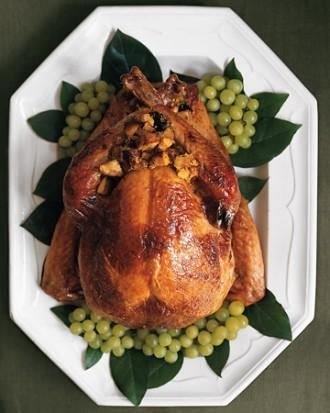
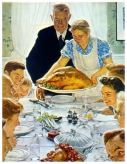
As we gather round our tables and TVs later next week and celebrate the uniquely American holiday that is Thanksgiving, let’s take a minute to learn why we’re doing so and take another minute to actually be thankful, which should be somewhat a given given all the scary and bad news out there.


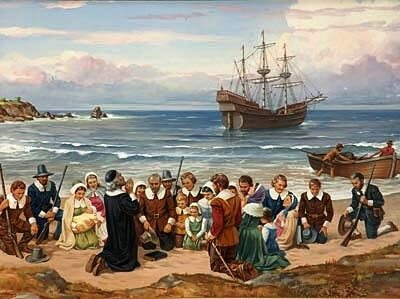
Appropriately, the very first Thanksgiving was preceded by a series of tumultuous events, starting in September of 1620 when a small ship called the Mayflower left Plymouth, England carrying 102 passengers. The group consisted of an assortment of religious separatists who were seeking a new home where they could freely practice their faith and were joined by others lured by the promise of prosperity and land ownership in a New World. You could say the Mayflower was filled with the original faithful and capitalists.


After a very treacherous 66 day trip, the Mayflower dropped anchor near the tip of Cape Cod and one month later crossed Massachusetts Bay where who we now call Pilgrims established a village at Plymouth.  It still was rough going though, as during that first brutal winter most of them remained on board and many got sick. Only half of the Mayflower’s original passengers and crew lived to see their first New England spring.


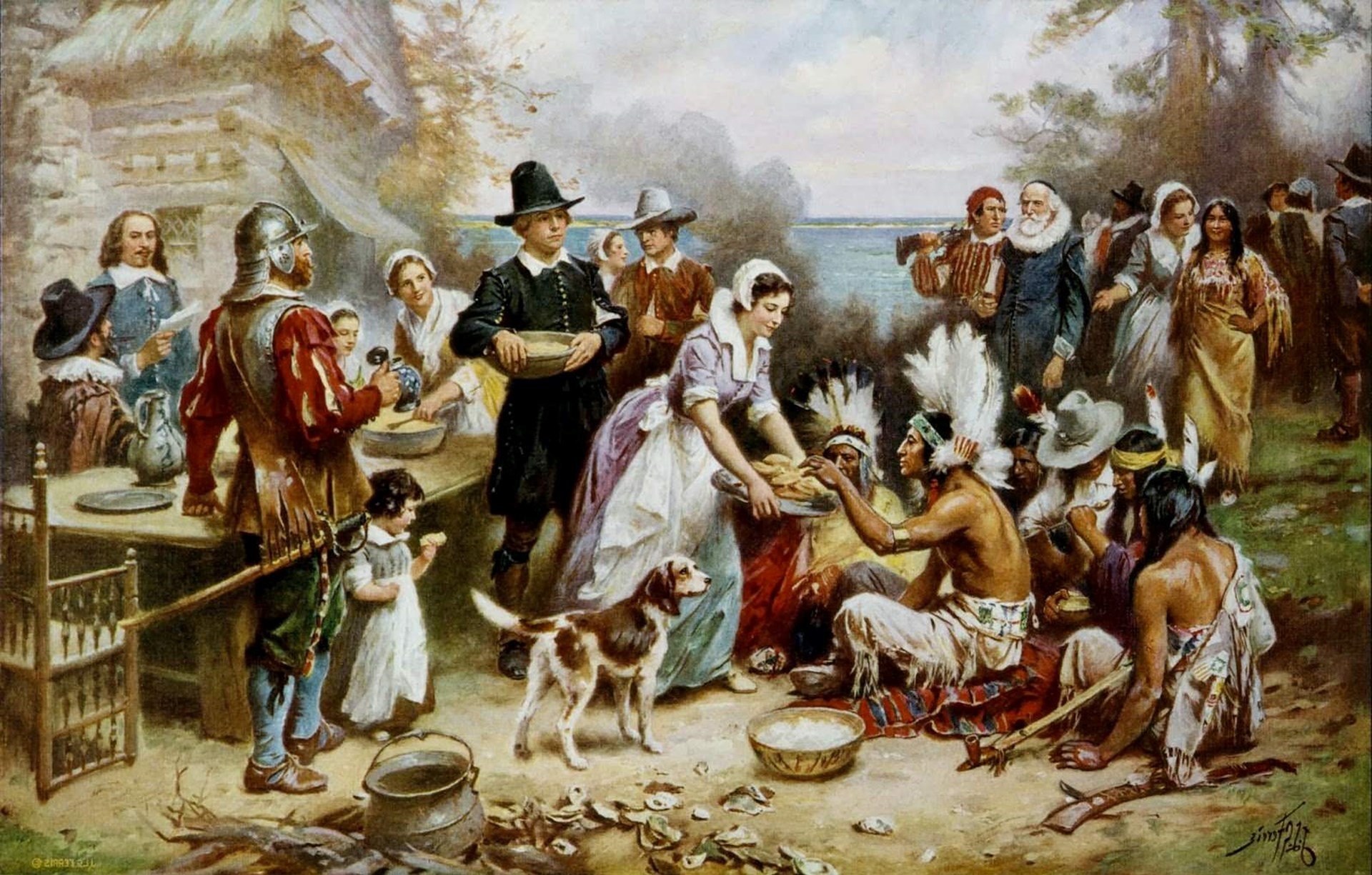
The following March in 1621, surviving settlers moved ashore and were later visited by various Native Americans who taught them how to cultivate corn, extract sap from maple trees, catch fish, and avoid poisonous plants. In November, after the Pilgrims’ first corn harvest proved successful, Governor William Bradford organized a celebratory feast and invited their Native American allies for what is now considered America’s first “Thanksgiving.”


In 1789 George Washington issued the first Thanksgiving proclamation when he called upon Americans to express their gratitude for the happy conclusion to our war of independence and the ratification of the U.S. Constitution. It wasn’t until 1846, however, that Thanksgiving became a national holiday when Abraham Lincoln made it official during the height of the Civil War. His proclamation entreated all Americans to ask God to “commend to His tender care all those who have become widows, orphans, mourners, or sufferers in the lamentable civil strife” and to “heal the wounds of this nation.” Lincoln deemed the fourth Thursday in November Thanksgiving Day, but in 1939 Franklin D. Roosevelt moved the holiday up a week in an attempt to spur retail sales during the Great Depression.


As I write the I can’t help but think what our former leaders would think if they could see us today. Washington would probably cringe that our Constitution is being disparaged by many and in many ways and Lincoln would think his words sadly ring as clear today as they did back then. Racial and civil strife. Heal the nation. Chills, right? And as for Roosevelt’s move, it was probably a wise one for the times, but how ironic that the holiday meant to stimulate gratitude is followed by a day when we’re cajoled to spur retail sales all our own. We’re so thankful and yet want so much.


Even in the midst of so much negativity and strife out there, there is always, always something to be thankful for. So this year, let’s try to count really our blessings. Count our joys instead of our woes, count our friends instead of our foes, count our courage instead of our fear, count our health instead of our wealth, and count our smiles instead of our tears.


Thanksgiving Fun Facts

Benjamin Franklin wanted the turkey to be named the national bird instead of the bald eagle.

The tradition of the president pardoning a turkey every year started with Harry Truman.

More than 250 million turkeys are raised in the U.S. with more than 40 million gobbled up on Thanksgiving.

Male turkey gobble; females cluck.

The original Pilgrims and Native Americans probably shared rabbit, chicken, fish, goose, pigeon, squash, cabbage, beans, nuts, onions, eggs, and cheese at the first Thanksgiving, with not a green bean casserole in sight.


HAPPY THANKSGIVING EVERYONE!


Corny But Good October 26, 2023

Filed under: Uncategorized — carlawordsmithblog @ 9:02 pm

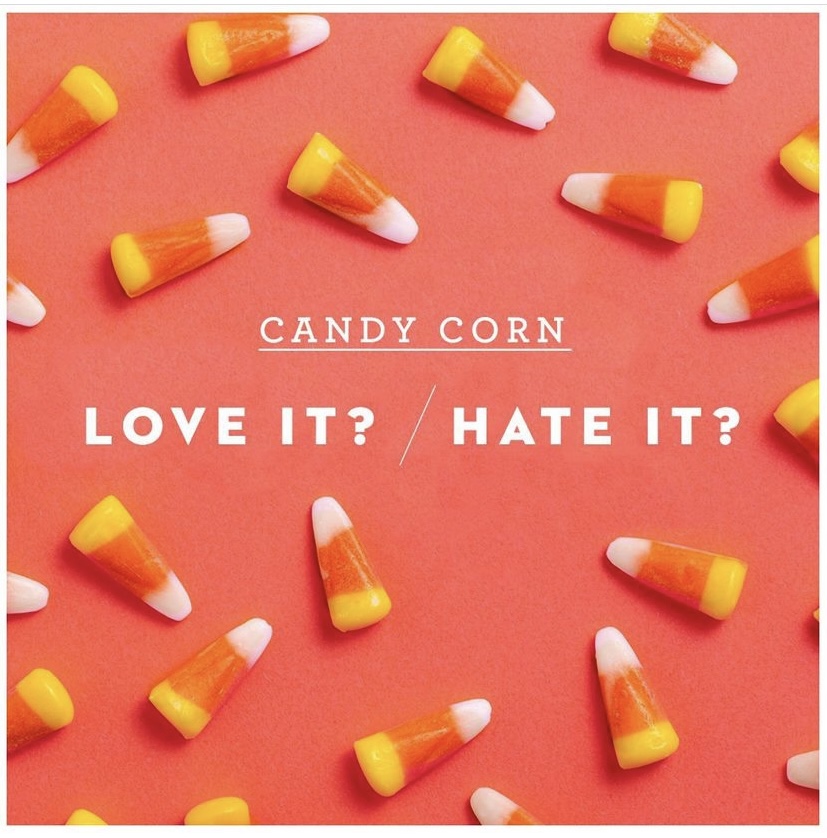
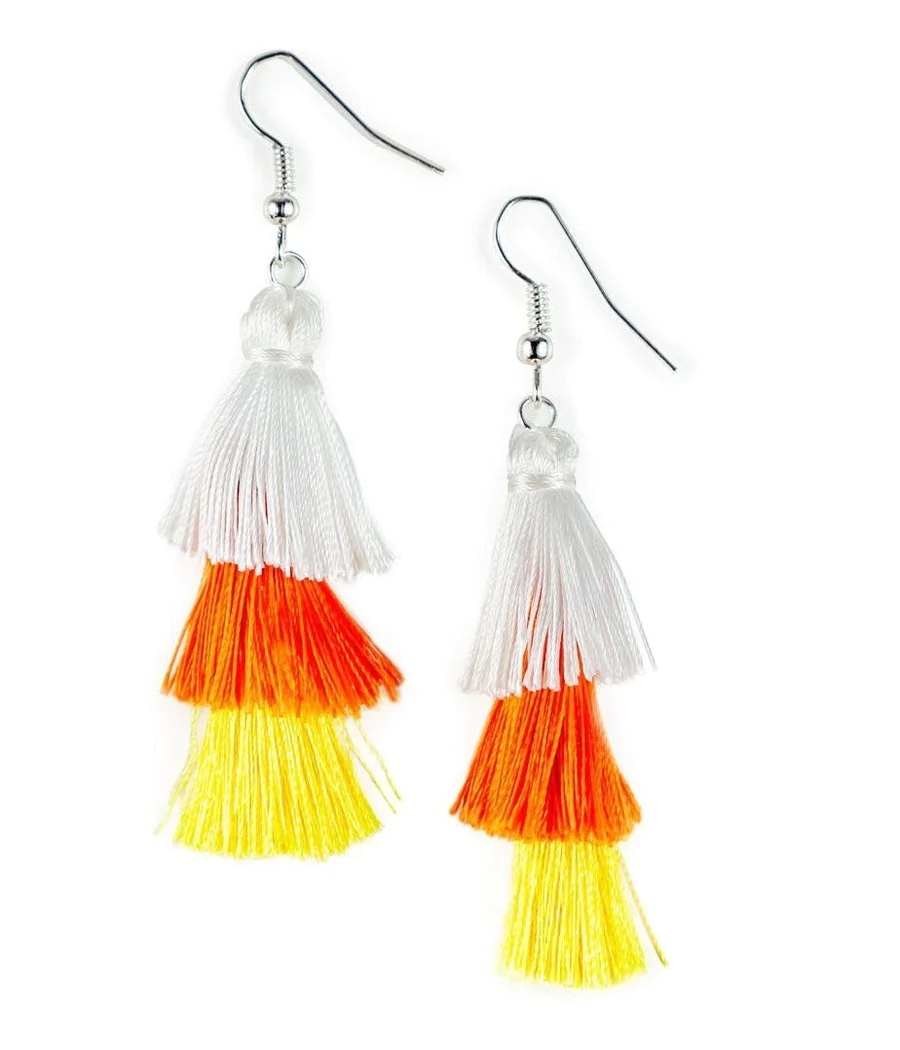
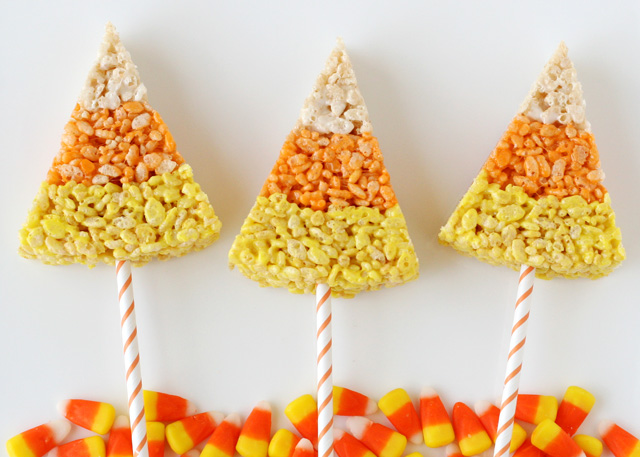
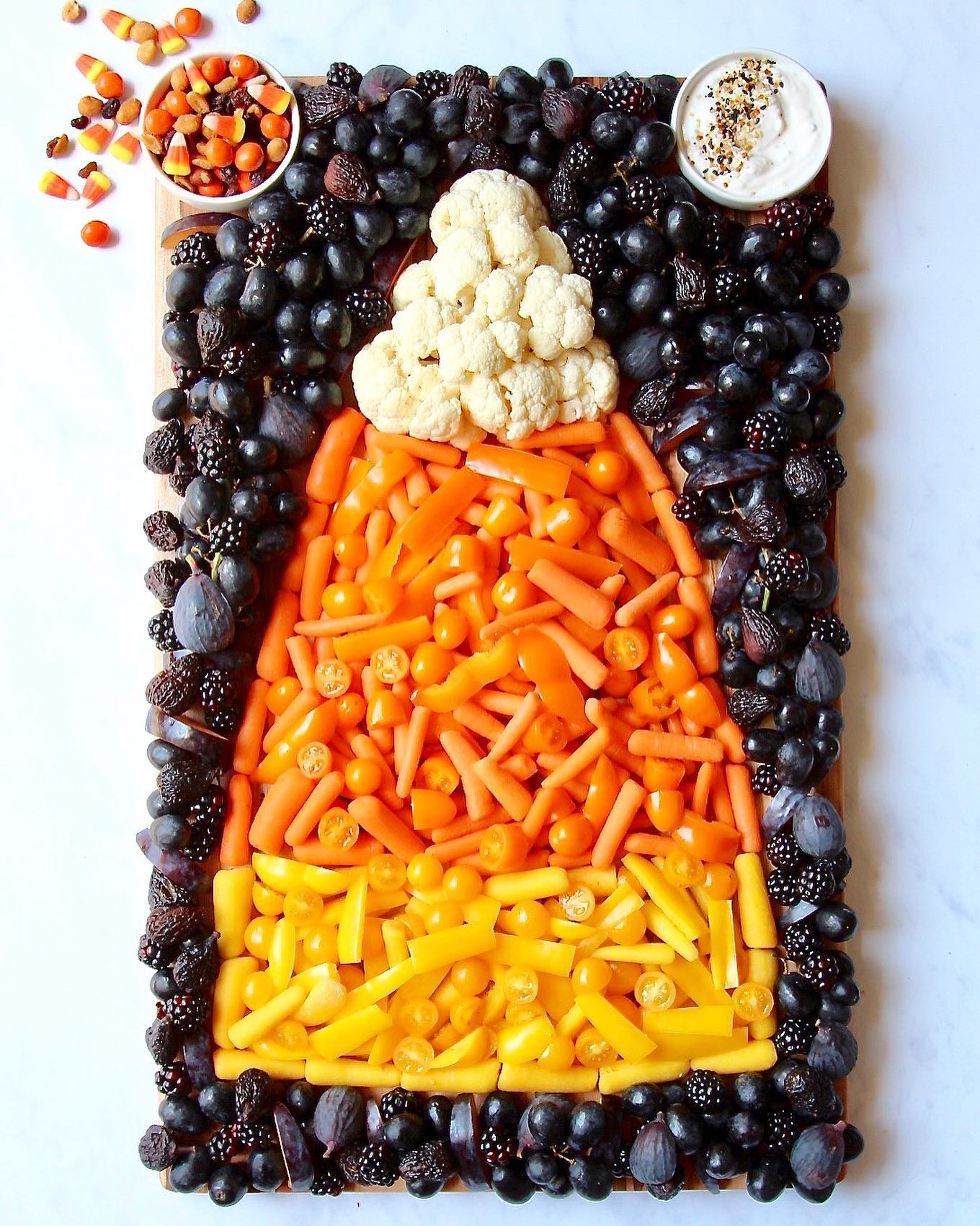
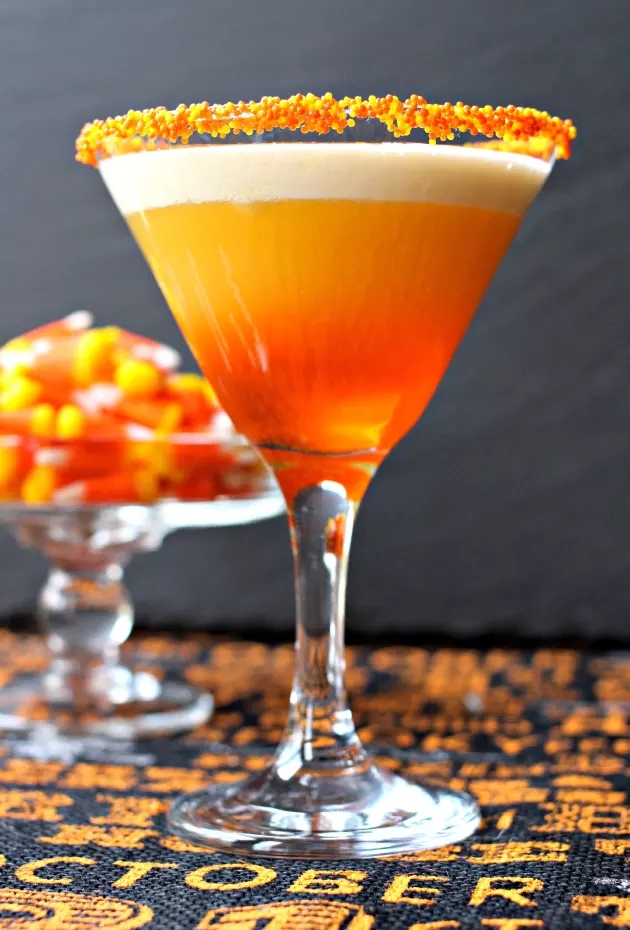
I recently posted that question on social media and it’s amazing how passionate people are either way. One is definitely a Candy Corn lover or hater. I personally LOVE Candy Corn. It’s hands down my favorite traditional Halloween treat. Amazingly I don’t even like Halloween though, and I don’t enjoy having to dress up in a costume. But give me Candy Corn and I’m a happy camper. In fact, I love all things Candy Corn as you’ll see in the photos I’ve included here.


You are undoubtedly seeing the traditional triangular-shaped treats with their iconic white, orange, and yellow pattern on every store shelf this time of year. Candy Corn has become synonymous with Halloween but that wasn’t always the case.


Candy Corn’s history dates back to the 1880s when George Renninger, an employee of the Wunderle Candy Company in Philadelphia, came up with the idea of molding butter cream into the shape of a corn kernel. The exact recipe is unknown, although it’s suspected the main ingredients were butter cream, sugar, and corn syrup, meaning Candy Corn does indeed contain “corn” in at least some form! At the time corn was an American staple in feeding both families and livestock and its target market was agricultural and rural families. In fact, the treat’s original name was “chicken feed!”


Much like the above fun cereal treats, Renninger’s creation could be molded into any shape, with chestnuts, turnips, and peapods being some of the first options before today’s shape took hold. Candy Corn’s chewy substance is generally made from sugar, egg whites, and ground almonds and being that it had limited availability due to the amount of labor it took to make, it became forever linked as a harvest and fall-time treat. It was only natural that its association with Halloween would happen.


Jelly Belly, then known as the Goelitz Confectionary Company, is credited with popularizing the Candy Corn more than a century ago when it began making the candy in its Cincinnati factory in 1898 using the original recipe to create the tri-color candy. How its made has changed dramatically however.


The confection took off but being that its three distinct stripes were painstakingly poured by hand, demand was hard to keep up with. Originally, workers had to carry 45 pounds of sugar and corn syrup down a conveyor belt laden with candy trays. They then had to pass the streamers over the trays so the liquid could drip into the molds, repeating the process with each color to make a single piece of candy consisting of its signature signature white tip, orange middle, and yellow tip. Not only did this require strength and endurance, it was very time-consuming.


Thankfully, America’s factory economy took off and now equipment does most of the work. An estimated 17,000 tons or 35 million pounds of the seasonal staple are produced annually using a recipe that hasn’t changed much over the years. Jelly Belly alone makes 9 billion kernels every year!


So, what does Candy Corn taste like and what is it supposed to taste like? That’s a matter of personal palate but according to Jelly Belly the main flavors are rich marshmallow and warm vanilla. As for the texture, which is critical to me in any food, Candy Corn is meant to be creamy and smooth.


Another fun side of Candy Corn is the fact that you can teach young kids the concept of The Holy Trinity with it in that even though it’s made up of three parts, it’s one candy. Love it.


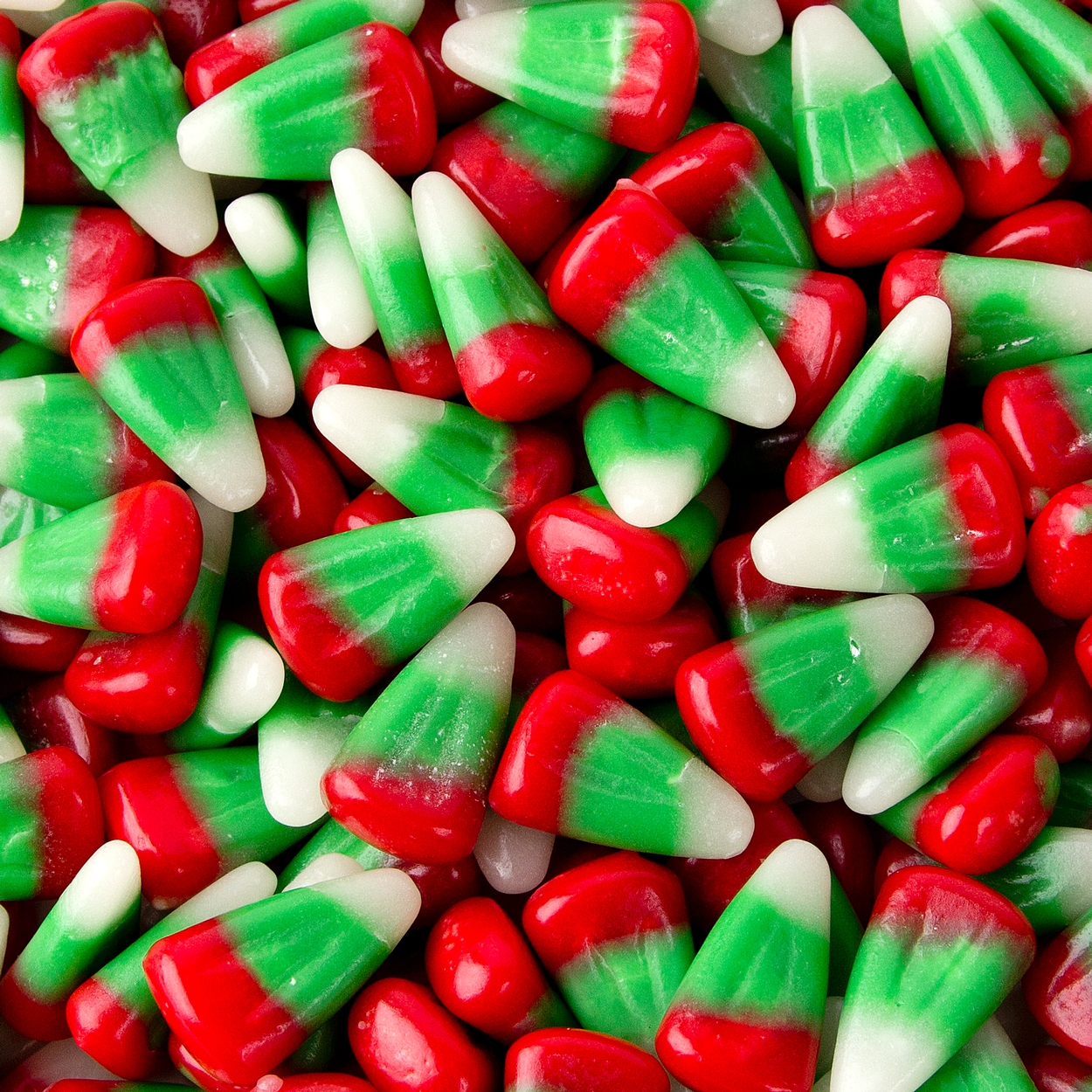
As with anything, Candy Corn has morphed into more than its original form, including red and green “Reindeer Corn” and pink and red “Cupid Corn.” Yes, I would probably eat those, but being the traditionalist that I am, I pretty much stick to the white, orange, and yellow originals. I don’t even like the ones that have a chocolate-flavored brown portion. I do, however, love the pumpkin shaped candies.


What about you? Do you love or hate Candy Corn? What is your favorite Halloween treat?


Who knew those little white, orange, and yellow candies had such a long and storied history. I for one will be buying some and invite you to join me as we celebrate National Candy Corn Day on October 30. I might even polish my nails!


Fall is For Spice: Chile Spice! September 23, 2023

Filed under: Uncategorized — carlawordsmithblog @ 2:50 pm

Happy first day of fall! And, even though it’s still hot here in Texas we’ve at least seem to have left the 100+ degrees behind us. Woohoo!


Fall is my favorite season. I love fall clothes, I love traditional fall weather, Thanksgiving is my favorite holiday, and I love football! When I think of fall, I think of all of those things but I also think of something else: chile. Yep, not pumpkin spice, but chile. Fall is when that scrumptious green chile is harvested and roasted in New Mexico towns like Hatch and Chimayo. If I close my eyes, I can smell the distinct aroma.


Another fall tradition is all things pumpkin spice. This year marks the twentieth anniversary of that legendary beverage, the Pumpkin Spice Latte from Starbucks. The drink was a huge hit from the moment that it was introduced, and it’s now Starbucks’s best-selling seasonal beverage and apparently, it’s every company’s dream is to create the next Pumpkin Spice. And just for fun, when I do venture into a Starbucks, I love giving the barista any name but my own. My favorite is Natasha. Give it a try! You can be anyone you want in Starbucks!


But back to chile.


August through October is green chile harvesting season and it’s around this time of year that grocery stores start hosting Hatch chile roasting events with chile roasters out front presiding over big steel and mesh cylinder roasters and turning green chile peppers around and around until they are just right to be packaged and sold. Inside the stores you’ll find green chile infused bacon, cookies, breads, cheeses, and even wines. I stock up on all of them. I’m also a sucker for green chile cheeseburgers.


Growing up in Santa Fe, we’d roast the chiles at home either on the grill or in the oven. I’ve done both as I’ve grown up, but now that they’re conveniently at my nearby grocer, I leave the roasting to them. I do remember, however, my husband and I bringing home burlap sacks full of chile from Santa Fe…a couple of times on a plane! Those days are over but our freezer is still stocked full of both frozen whole green chile and chopped.


If you buy the chile whole, you need to peel each roasted pepper before using them in any recipes. This is easily done in a sink. Simply run light water, peel the roasted skin off much as you would a banana, then hold the pepper and pull off the stem. This will allow you to open up the pepper and remove any remaining seeds. From there, you just chop it up and use it as you wish. Word of caution: be sure to wash your hands after peeling the peppers!


Not many states have a food that is as closely related to them as chile is to New Mexico save for maybe lobster in Maine, gumbo in Louisiana, chowder in Massachusetts, and pizza in New York. The self-proclaimed “Chile Capital of the World,” New Mexico takes its chile seriously. But what is so distinctive about it and why is it so famous?


First of all, it’s different then other peppers like Serrano or Poblano and it’s unique to NM. In fact, many consider the 10-mile-long Hatch Valley; near Las Cruces, New Mexico and not far from El Paso, Texas; the best chile growing region on Earth. Yep, Earth. The area’s high elevation at just over 4,000 feet, intense heat, dry weather, and slightly alkaline soil all contribute to making the perfect blend for growing the chile. It’s been said that the area’s soil and climate do for chiles what Champagne’s does for sparkling wine and Parma’s does for cheese. Hmmmm…a bottle of bubbly with some green chile cheese sounds pretty good right now!


Hatch chile may be the most famous, but Northern New Mexico has its own, albeit a bit more “best kept secret” chile hot spot. Chimayo, just north of Santa Fe, is well-known for its variety of chile and its James Beard Award winning restaurant Rancho de Chimayo has what I consider the pictured above and best stacked chicken enchiladas anywhere. Maybe even on Earth!


So how on Earth did two small villages in New Mexico come upon a harvest unlike any other?


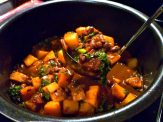
According to the information displayed at the New World Cuisine exhibit at the Museum of International Folk Art in Santa Fe, it was Spanish colonizers who founded Santa Fe in 1610 and immigrated into New Mexico in the 1500’s and brought chile with them. They introduced chile to Indigenous Pueblo people and converted the Nahuatl name, chilli, to chile. Unlike the chili in Texas and other places (which I also love), chile in New Mexico is both a plant and a dish.


When you order a dish like enchiladas in New Mexico you will often be asked if you want red, green, or Christmas, the latter being both. I’d say green chile is more famous and the only one my husband will eat (and he ADORES his green chile especially in his scrambled eggs and breakfast tacos) but red is my favorite in tamales, Frito pies, and for breakfast with eggs. For enchiladas, it’s only green for me and green is what you make chile rellenos with. Both can be made into sauces, which are called green chile and red chile.


And quick note on those amazing enchiladas: they are “stacked,” not rolled. This means they come to you on a plate like pancakes do and if you’re really a native or enchilada expert, you know to order them with blue corn tortillas. Above is a sample of my mom’s enchiladas, which try as I may, I can never fully duplicate.


Red chile is perhaps most famous for those often-considered decorative ristras that hang on many a porch and door in New Mexico. Traditionally they actually serve a purpose. They are ripened green chile peppers that are strung together then hung in the sun to dry. The dried pods are then ground up into a flour-like powder, which is used to make red chile sauce.


If you ever get a chance, go to the Hatch Chile Festival, held annually now for 51 years. At it, you’ll get your fill of all things chile and enjoy a parade headed by The Chile Queen and her Red and Green Princesses. What’s not to love about that?!


Not only is green chile delectable, but a steaming pot of the peppers is also healthy and chalk full of Vitamins C, A, and K as well as potassium and are excellent and natural sources of iron. They also speed up one’s metabolism as much as 50 percent for up to three hours after eating, have zero calories, and are loaded with antioxidants. The capsaicin in them is also said to be beneficial in combating the common cold or sinus infections. Lastly, they actually make you feel good! The heat produced by chile acts as an effective pain reliever as the endorphins released when you eat them boost your mood. Yummy and healthy. I’m in!


When it comes to chile, I’m all in for all of it. Just writing this makes me crave some stacked enchiladas smothered in green chile with a side of whole beans. I better get cooking!


At the Movies September 4, 2023

Filed under: Uncategorized — carlawordsmithblog @ 3:59 pm

Most can name what film that quote comes from, as with “Show me the money,” “I’ll have what she’s having,” “You can’t handle the truth,” and “Just keep swimming.” We all have our favorites and we all remember many a line and cherish many a soundtrack.


I recently blogged about the power of music in our lives and it wasn’t soon after that I came across a post entitled “Films that Changed My Life.” It piqued my interest and made me wonder that same thing. I’m not going to be as dramatic as “changed my life,” but are there films that I love and will watch again and again? I’m saying yes!


Actually pause, because when I think about it, one film that could maybe qualify as changing my life is “Brian’s Song,” the 1971 movie that recounts the life of Brian Piccolo, a Chicago Bears football player stricken with terminal cancer, focusing on his friendship with teammate Gale Sayers and brilliantly portrayed by James Caan and Billy Dee Williams. Being the rule follower that I am though, I hesitate to include it on my official list here because it wasn’t a film in the movie theater but an ABC Movie of the Week on TV. Still, it by all means merits at least a mention here. Same goes for “Cinderella” starring Lesley Anne Warren. Looking back, my first real memory of seeing a movie in a theatre was I saw “Grease” in Santa Fe’s historic Lensic Theatre, even though my dad did co-own a few theatres when I was growing up. I still really like “Grease,” but I’m not certain it falls on my all-time faves list.


On that note, roll the curtain up for my list of my favorite movies of all time…


“Goodwill Hunting”

Love that quote and love this movie so much it might be my favorite of all time.


“Sound of Music”

“Mary Poppins” (one of my favorite quotes every is from Mary when she tells Jane and Michael “Enough is as good as a feast.” She’s not wrong.)

“My Fair Lady” (and nearly every Audrey Hepburn movie TBH)

“Bye, Bye Birdie”

I will watch these three musicals anytime anywhere and pretty much know all the words and scenes by heart.


“Forrest Gump”

Hands down one of the best movies ever. Sometimes there’s just not enough rocks.


“Dances with Wolves”

The first time I saw it I couldn’t believe it. Its soundtrack is also great.


“Legally Blonde”

Funny yet powerful movie that never gets old.  Elle Woods was everything: smart, sassy, lady-like, pretty, confident, kind, and funny. In a world full of haters; be Elle Woods.


“Hope Floats”

Just a sweet, sweet movie and could Harry Connick, Jr. being any cuter or lovable?


“The Blind Side”

I hate all the drama and innuendo currently surrounding this amazing film but I still love it. What’s not to love about a mamma who says “I will never wear that gaudy orange” and warns bullies that she’s always packing?


“Crazy Rich Asians”

The wedding scene where the bride walks through water up the aisle in those thigh-high gold sparkle boots. I cry every time.


“Planes, Trains, and Automobiles”

John Candy at his finest and a twist no one saw coming.


“The Parent Trap”

The one starring Dennis Quaid and Lyndsay Lohan.


“Sex and The City: The Movie”

A tale of the strength of friendship that set the bar for all squads.


“Finding Nemo”

What a fun movie. Just keep swimming, right?


“Dumb & Dumber”

I know; corny as heck, right? It gets me every time though. We landed on the moon!


“National Lampoons Christmas Vacation”

Our family Christmas tradition. Also up there: “It’s a Wonderful Life” and “Elf.”


“The Big Chill”

A film for the ages with soundtrack for the ages.


“The Breakfast Club”

Wonderfully messaged film that, sadly, could never happen in high schools today.


“The Parent Trap”

“A Man Called Otto”

I only recently saw this but am thinking it ranks up there.


“Mrs. Harris Goes to Paris”

Sweet as can be movie that surprisingly stole my heart.


“Cinemo Paradiso”

Mi piace molto!


“The Bucket List”

The ultimate road trip flick.


“Rainman”

Uh-mazing acting by Dustin Hoffman and Tom Cruise too. Such. A. Great. Movie.


“Thelma & Louise”

It broke ground when it was released and that last scene is one of the most memorable ever. Are you a Thelma or a Louise?


“Slumdog Millionaire”

Pretty much opened everyone’s eyes but in an entertaining and thoughtful way.


Along these lines comes a list of favorite actors and actresses…


Actors

Kevin Costner

Tom Hanks

Matt Damon

Gene Hackman

Cary Grant

Mark Wahlberg

Denzel Washington

Paul Newman

Jimmy Stewart

Robert Duvall

Morgan Freeman

Jeff Bridges

Dennis Quaid

Liam Neeson

Henry Golding

Michael B. Jordan

Michael Keaton

Alexander Skarsgard

Ashton Kutcher

Vince Vaughn

Bruce Willis

Sam Shepherd


Actresses

Sandra Bullock

Audrey Hepburn

Diane Lane

Jennifer Garner

Sally Field

Robin Wright

Meryl Streep (whose list isn’t she on?!)

Kate Winslet

Rachel McAdams

Anne Hathaway

Julia Stiles

Claire Danes

Emily Blunt

Helen Mirren

Annette Bening

Michelle Pfeiffer

Diane Keaton

Kathy Bates

Doris Day

Debra Winger

Meg Ryan

Jessica Lange

Renee Zellweger

Minnie Driver

Regina King

Roselyn Sanchez

Eva Mendes

Sandra Oh


And lastly, is it just me or do you also sometimes confuse Keira Knightly and Natalie Portman and could Amy Adams, Anna Kendrick, Joanna Garcia, and Isla Fisher be sisters if not twins?


So what movies changed your life or that you just love? Can’t wait to hear!


Music to My Ears August 29, 2023

Filed under: Uncategorized — carlawordsmithblog @ 3:56 pm

I recently toured the Buffalo AKG Art Museum and among all the Monets and Warhols hanging in its beautiful halls, one of my favorite paintings was the above William Harnett painting. The oil on canvas is entitled “Music and Literature” and was painted in 1878. Crazy, right? Sooooo long ago! I was drawn to the piece because it depicts two of my favorite things: music and books. I’ve been thinking about music a lot lately and figured it’s worth a visit here.


Unless you’ve been under a rock lately, you’ve probably heard all about Taylor Swift and Jason Aldean. Swift is setting every live concert record on her current and extremely popular Eras tour, which is the highest grossing tour of all time and the first to shatter $1 billion in ticket sales. In North America alone, Swifites are helping Swift gross $2.2 billion in ticket sales alone. It’s estimated that each of her shows collects $10,000,000 in ticket sales, resulting in a $4 million profit. Merchandise sold at each tour stop averages $2.5 million and Swift’s total profit per show per night is said to be $5.7 million. It’s no secret that, even back when albums were selling, artists make most of their money on tours but this one is off the charts. Excuse the pun.


Aldean is also making headlines thanks to his “Try That in a Small Town” song and video. Truth be told I am a long-time and huge Aldean fan and when I first heard his new song that laments what’s going on in cities across this country, I loved it. I think it’s raw, honest, and somewhat needed. Critics, as you may know, have slammed it but their objections have only helped the song climb to #1 and become a certified hit and anthem. Same with Oliver Anthony’s “Rich Men North of Richmond” song out of nowhere that is currently topping the charts.


So, what is it about music that gets to our hearts and gets to our souls? Why is it I we can remember every word to “American Pie” but can’t remember what we had for dinner last night? I, for one, am never really without it and can’t imagine a music-free flight or road trip. Music hits so heavy in my life that on a recent trip to London with our daughter, my highlights included watching and singing along to “Mama Mia” in the West End and seeing Bruce Springsteen live in Hyde Park. Yes, I loved all the royal things and had to pinch myself several times, but when it came down to it, singing “Dancing Queen” in a historic theatre with our daughter and “Born to Run” with a bunch of crazy Brits was beyond amazing and incredibly memorable.


And speaking of Bruce, my ever-loyal husband has seen the Boss 40+ times (and yes, he’s beyond jealous about the London show) and actually proposed to me with Bruce’s “Wanna Marry You” song. We walked down the aisle at the end of our wedding to Elvis’ “I Can’t Help Falling in Love with You” because Bruce sang it during the “Born in the USA” tour and my hubby liked it. To this day, it’s our song. Suffice it to say Bruce Springsteen’s music is important to us.


Something else my hubby and I love doing is making playlists. Him especially. He has a mountain playlist, a beach playlist, a desert playlist, and a host of Bruce playlists. My range of music varies widely and my playlists include everything from country to chill, rock to pop, Christian to spa, dance to instrumental. A listen to my main playlist will take you from Van Morrison to Sound of Music to Kool & the Gang to Willie Nelson to U2 to Bach to Toby Keith to Jimmy Buffet to Abba. It’s quite the journey and quite the fun!


Fun can also describe live music, which is something my husband and I both have a passion for. I was privileged to work for the main arena in town doing publicity and promotions and got to meet many a star. To this day it was the most fun job I’ve ever had. Austin is deemed “The Live Music Capital of the World” and when we moved to town 37 years ago, we frequented many a live venue. Sadly, Austin’s growth has become unmanageable so attending a show is now more hassle then fun. It also doesn’t help that we’re getting up in age but we like to remind ourselves and others that we saw live music in Austin during its glory days.


I can honestly close my eyes and hear certain songs and they will forever remind me of something. “We Are Young” takes me back to Moms Weekends with our daughter when she was in college and Miley Cyrus’ “Party in the USA” takes me back to driving around with a dear friend. From way back, I can hear “Urgent” by Foreigner or “Every Little Thing She Does is Magic” by the Police and be transported to a frat party during my college days and a fellow coed’s boyfriend’s truck, respectively. “You Can’t Always Get What You Want” by the Rolling Stones will always remind me of that great funeral scene in “The Big Chill,” Darden Smith’s “Little Victories” reminds me of being in labor and us driving to the hospital to welcome our daughter into the world, “You Were Meant for Me” by Jewel ushers me back to helping a dear friend pack things up during a divorce, Lyle Lovett’s “Nobody Knows” was beautifully included in a scene out of “Beverly Hills 90210” as was Abba’s “Dancing Queen” in “Firefly Lane, and I’ll never forget Tom Petty’s haunting rendition of “I Won’t Back Down” during a 9/11 TV special. Random, right? These don’t even include expected ones and the list could go on forever.


Music is powerful. Music is moving. And music helps you move. I can’t even imagine a treadmill workout without it and the same goes for running errands. Sadly and regrettably, I am not musically inclined at all. I did take guitar lessons when I was young and I love to sing and was in choir, but knowing notes and reading music are not skills I have. I might be able to write a good song if I had to and would love to be able to play the piano. It’s never too late, right? My dream? Playing a piano in the privacy of my own home surrounded by a library and shelves full of books. I’ve always said if I could be anything or anyone in life, I’d pick either a professional tennis player or a singer a la Stevie Nicks or Shania Twain. “I Feel Like a Woman” by Shania is forever my go-to karaoke song. Let’s go girls!


Perhaps no one said it better than the great Dick Clark. What about you? Do you have songs that take you back to certain people or places? Are you a music lover and listen to it whenever and wherever? What music is the soundtrack of your life? Let’s end here on a high note and share your songs of life.


In Character August 6, 2023

Filed under: Uncategorized — carlawordsmithblog @ 6:31 pm

During lunch recently with dear friends, one of them mentioned that her granddaughter got some emoji stickers and chuckled at the “poop” one. It made us all laugh thinking about it and got me thinking about things I’ve read about emoji. Truth be told, I love them and use them often; mostly in texts. Apparently, so do millions of others but do you know who created the cherished little cartoons, what research says about them, and that they created a growing job market?


First up, the research.


The U.S. Emoji Trend Report was conducted by Adobe as part of its Future of Creativity study and it showed the vital role emoji play in our lives. In fact, the report found that 91 percent of U.S. emoji users agree they make it easier to express themselves and 71 percent say they can help spark positive conversations about cultural and social issues. They also help people overcome language barriers and form connections that would otherwise be difficult to do, empower self-expression, make conversations fun, impart personality into a conversation, and positively impact mental health. In fact, 73 percent of emoji users think people who use them are friendlier, funnier, and cooler than those who don’t. Pretty heady stuff for simple characters, right?


A couple of other interesting findings:


The top 5 emoji in the U.S.? Smile with tears, thumbs up, red heart, winking with heart kiss, and tear.


Sixty percent of U.S. emoji users agree that using them in their communications has improved their mental health. Insert “thumbs up” emoji here.


Emoji use at work improves efficiency, boosts creativity, and builds stronger relationships with 71 percent saying using emoji at work positively impacts likability and credibility and 63 percent saying they make team building more efficient. (The most effective emoji at motivating users at work are reportedly thumbs up and muscle arm.)


75 percent say its ok to only send an emoji as a quick response instead of words.


There are more positive emoji than negative ones.


Making an emoji a personal reflection of your race and appearance is as diverse as emoji users themselves. I personally use the brunette but other than that, all of mine are that yellowish-gold. To each his own, right?


Emoji are so part of our lives that there is an actual World Emoji Day every July 17. Who knew?


Yes, it’s true, inserting and using cartoon pictures of objects we love and feelings we feel can serve as words we can’t vocalize or write, but it’s important to note that certain symbols mean different things in different places so emoji etiquette is important.


Some emoji are used in different ways with different people. Case in point, what many call “praying hands” some consider “high five.” Certain emoji also hold different meaning in different cultures. The “thumbs up” emoji is popular in the west but in some Middle Eastern cultures it is an offensive gesture. The same can be said about the “A-OK” hand gesture, which is distasteful in Latin America. And in Japan, the words for “poo” and “luck” sound similar, so it’s not uncommon to send a friend a “poo” emoji before an exam or job interview. Emoji don’t always mean what you might think they do, can differ in appearance from platform to platform, and are always changing. Remember when Apple ditched the handgun and replaced it with a water gun? Then there are the ones that are used in ways not originally intended such as the eggplant and the peach, but we won’t go there.


So how did all this come to be and where did the name come from? It all goes back to 1999 when then 25-year-old Shigetaka Kurita of Japan designed the first emoji as a way to ease communication on a mobile internet system developed by Japanese telecom giant NTT DoCoMo. The system offered emails but was restricted to 250 characters so emoji offered a way to say more in a limited space. And the name? The word emoji comes from the Japanese e (picture or image) and moji (character.) Many consider them one of Japan’s most transformative modern designs but they still remained largely confined to Japan for more than a decade.


It wasn’t until 2010 that emoji were incorporated into Unicode, the standard that governs the software coding of text, when 722 emoji were released on both iPhone and Android. A year later Apple added an official emoji keyboard to iOS and Android followed suit two years later. At last count there are now more than 3,600 emoji with a new batch reportedly being unveiled next month.


Angela Guzman knows a little about this, as she was an Apple intern who, with a mentor, designed the company’s original emoji set including face with tears of joy, red heart, party popper, and pile of poo. (What many don’t know is that pile of poo, the same one my friend’s granddaughter giggled at, is also the ice cream on the ice cream cone.) Her first design was the engagement ring and she says one of the hardest to design was the dancer with the red dress. She and her mentor are today proud owners of a U.S. patent for the close to 500 characters they created.


Guzman is as surprised as anyone on how her and others’ creations have revolutionized communication and that emoji would eventually appear on everything from toys to stickers, apparel to candy, and the subject or characters of movies, books, and music videos. And get this, in 2016 the original emoji set was added to the collection at New York’s Museum of Modern Art. Emoji is an official work of art!


Two other interesting things I learned while researching all of this: emoji is not capitalized and there is no plural for emoji.


And just in case you’re wondering, my favorite emoji? In no particular order: praying hands, laughing faces, girl with hand up, girl with hand on face, girl with both arms up, face with heart eyes, sunglasses face, thumbs up, and eyes wide open face. How about you? Which ones are your faves?


So, you think you have the skills and desire to design more little characters for society? There may be a job for you! Yep, Emoji Designer and Emoji Translation are growing job opportunities. Keith Broni from Ireland is said to be the first person in the world with the job title Emoji Translator; a position that many companies have created to help them navigate through the growing emoji minefield. Broni beat out 500 other applicants for the job and has since worked with PR firms, marketing departments, and multinational companies.


Other emoji spin-offs include an emoji spelling bee (how fun would that be?!), emoji convention Emojicon, Emojipedia, and emoji summer camps for kids with the requisite Emoji Art Instructor position leading the way. So prevalent are emoji that one UK linguist once said emoji was the country’s fastest-growing language. But, Rob Drummond, a senior lecturer in linguistics at Manchester Metropolitan University, says no way no how. He reports that a test for a language is that you have to be able to translate a full sentence from one to another with shared meanings and since emoji meaning vary from person to person, this is not the case. Still, the tears of joy emoji, considered the most commonly used one on the planet, was the Oxford English Dictionary’s word of the year back in 2015.


So, the next time you insert a smiley face, praying hands, or champagne toast in a message, think about that little character’s backstory and you’ll forever want to give all the creative minds behind them a big thumbs up.


Talking in Code August 1, 2023

Filed under: Uncategorized — carlawordsmithblog @ 3:13 pm

I recently saw the movie “Oppenheimer,” a movie and history I was so excited to see. Growing up in Santa Fe meant I knew about the man who invented “the bomb,” Trinity Site, and of course Los Alamos. The town was right up the mountain from Santa Fe and we used to tease that seeing its lights at night meant it was “glowing.” Los Alamos had a mystery about it and not until I was older did it open up so-to-speak. The Lab is still there and I will say, the town is definitely worth a visit.


I think we all pretty much know how the Oppenheimer story ends, and thankfully that kind of “ending” hasn’t happened since. War is brutal and WWII was especially so. The U.S. kinda watched from afar but on December 7, 1941 we watched “the day of infamy” unfold. News of Japan’s attack on Pearl Harbor set in motion our entry into WWII. The country rallied behind our troops and our efforts.


A book I’ve had for many years

Growing up in Santa Fe also meant I’d heard about another WWII legend, the Code Talkers. Perhaps not as well-known or famous as Oppenheimer, Code Talkers are nonetheless credited with helping us win the war. Who were they and what did they do?


According to the National WWII Museum in New Orleans, a “code talker” was the name given to American Indians who used their native tribal language to relay encoded messages for the U.S. Marines. The timing of their enlistment was critical, as the Japanese had broken all previous codes sent over radio waves and our Marines were desperate to find a secure way to communicate critical information. With new Code Talkers on board, they were in good hands.


Code Talkers actually had a hand in every major Marine operation the in the Pacific theater and were never successfully decoded by Japanese codebreakers. At the critical and famous battle of Iwo Jima, it is estimated that 800 messages were transmitted and received by the Code Talkers without error. So essential were they to our military efforts, that Major Howard Connor, a Marine officer of the signal division at Iwo Jima, once said, “Were it not for the Navajos, the Marines would have never taken Iwo Jima.”


Author Laura Tohe’s father was a Code Talker and she gives an inside view of their journey. President Roosevelt’s announcement of America’s entry into the war was heard coast-to-coast, including in many parts of the Navajo Nation homeland in Arizona, New Mexico, and Utah. Known for their collectible blankets and jewelry, young Navajo men were moved to enlist and being that they came from reservations, rural backgrounds, and military-style boarding schools, they were well-prepared for harsh military life. What they didn’t know and maybe weren’t as prepared for was that they would be asked to develop and us their native Navajo language…a language they were often forbidden to speak in government schools…as a secret weapon.


The idea of using American Indians fluent in both their traditional tribal language and English to send secret messages in battle was first put to the test in WWI. It wasn’t until WWII however, that the U.S. military developed a specific policy to recruit and train American Indian speakers to become Code Talkers.


The U.S. Army was the first branch to begin recruiting Code Talkers from places like Oklahoma in 1940. Other branches, including the Marines and Navy, followed suit and the first class of 29 Navajo Code Talkers begin training for the Marines in 1942. Navajos made up the majority of Code Talkers, but there were at least 14 other Native nations, including Cherokee and Comanche, who served as Code Talkers in both the Pacific and Europe during the war. It’s estimated that around 400 Native Americans served their country and served it in a most unique and valuable way.


As the war progressed, the military shifted to using just Navajo. It was chosen mainly because it wasn’t spoken outside of the U.S., was at the time unwritten, and is the most spoken indigenous language in the country, meaning finding native Navajo speakers proved easier than finding those from a mix of smaller groups. But why a native language and why Navajo?


For one, it was spoken almost exclusively by Navajos and is a mostly oral language with no written alphabet. There was no published dictionary on it and grammar was deliberately complicated with metaphors, tricks, and obscure references. In short, it is a very complex language and its tonal qualities and dialect make it very hard to learn. Some actually believe the code devised and carried out by the Navajos may have been the only unbreakable code is military history.


So, what happened to these war heroes after victory? Most went back to their homes without any fanfare. In fact, upon discharge they swore to never reveal their role as it wasn’t known if they and their codes would be needed in future battles. The code was declassified in 1968 and the Code Talkers have since been honored by Presidents Nixon, Reagan, and Trump. In 1992, a special exhibit at the Pentagon revealed a permanent display of photos, equipment, the original code, and explanation of how the code worked. It was a long time coming and deserving honor for their loyalty, bravery, resilience, and ingenuity. As Tohe writes, “A language once forbidden became a weapon that was quick, accurate, and never deciphered. Most important, it saved many American lives.”


Congressional Silver Medal that reads “The Navajo language defeated the enemy.”

Thank you Code Talkers and God Bless America.


A Sandwich Fit for an Earl July 24, 2023

Filed under: Uncategorized — carlawordsmithblog @ 6:19 pm


Travelling abroad often makes you crave your favorite hometown and All-American meals. Visiting Windsor and London with our daughter recently was tons of fun but by around day three, we’d had our fill of potatoes, sausage, runny eggs, limp bacon, mushy peas, and anything boiled. Upon arrival back home, we immediately treated ourselves to some good ole Tex-Mex and our bellies were so happy and said “muchas gracias!”


Truth be told I’m not a diehard foodie, but what I love, I love. One thing I love is a good sandwich, which was something we sorely missed in England. My favorite sandwiches are simple: chicken or tuna salad, grilled cheese, and a classic peanut butter and jelly. Okay, I also like a good cheesesteak sandwich. If it were up to me, sandwiches would be on our menu every week. You could call me the Queen of Sandwiches!


Amazingly, royalty is to thank for the beloved sandwich, which fits in perfectly with my memories of our trip. Apparently, the Earl of Sandwich is credited with inventing the sandwich, hence the name. Who knew?! The Earl wanted to eat his meals with one hand during a gambling event and instructed his servant to put his meat between two slices of bread. Voila! The sandwich was born. You literally can’t make this stuff up.


Okay, so meat and cheese on bread. Got it. But how in the world did peanut butter and jelly come to be? I LOVE peanut butter (creamy only please) so I was fascinated to find out the history of one of my favorite sandwiches.


First had to come the bread, specifically sliced, which we can thank Otto Frederick Rohwedder for, as he invented the bread slicer in the early 1900s, deeming it “the greatest thing since sliced bread.” Again, you can’t make this stuff up.


Jelly is also of course important here. Paul Welch secured a patent for pureeing grapes and turning them into jelly in 1917. I remember years ago driving from Buffalo to Cleveland and seeing what I thought were vineyards, only to be told it was all property of Welch’s and all of which would be turned into jelly, jam, or preserves. Speaking of all of those, let’s review quickly the differences between them.


Jelly is made using only the juice of the fruit and sugar and is the firmest and smoothest product of the bunch. Jam, on the other hand, is made from whole or cut fruits and then cooked to a pulp with sugar, producing a thick, fruity, spread. Its texture is usually looser and more spoonable than jelly. Lastly, preserves and marmalade. Preserves contain the most physical fruit of the bunch and are sometimes held together in a loose syrup; other times, the liquid is more jammy. Marmalade is simply the name for preserves made with citrus. It is similar to jam but made only from bitter Seville oranges from Spain or Portugal. The name of Marmalade originates from the Portuguese Marmelos, which is a quince paste similar in texture to an orange spread. I prefer a good jam on my PB&Js.


Okay, now for the P of those PB&Js.


The National Peanut Board reports the forerunner of the peanut butter we know and love today was first established in the 1880s when Dr. Ambrose Straub from St. Louis made a peanut paste for older patients struggling with swallowing or who had bad teeth and couldn’t chew well. Around that same time, Dr. John Harvey Kellogg (yep, that Kellogg) patented a process for manufacturing peanut butter. Introduced to the masses at the 1893 Chicago World Fair, you could say it all went viral when Straub partnered with a food company and took it to the St. Louis World Fair. Soon after, grocery stores began ordering it and shoppers discovered its magic.


Oddly enough, and again a somewhat tie-in with my recent London trip, peanut butter initially was considered and upscale food and was often offered in New York City tea rooms. For years, today’s staple was considered a delicacy.


Putting all three parts together…the bread, jelly, and peanut butter…into a sandwich came to be in 1901 when Julia Davis Chandler wrote a recipe for in the Boston Cooking School Magazine of Culinary Science and Domestic Economics. But it literally took a war to bring it to the masses.


During the Great Depression of the 1930s, families did discover peanut butter as a satisfying and affordable nourishment but the event that put the peanut butter and jelly sandwich on the map was World War II.


Sometimes necessity breeds brilliance, and that was somewhat the case when peanut butter and jelly were included on U.S. Military ration menus during the war. Military minds discovered peanut butter was a high-protein, shelf-stable ingredient that was also easily portable on long marches and soldiers discovered its tasty taste. When soldiers came home from the war, they spread the word on the tasty spread and sales of both peanut butter and jelly soared. Kids loved it because it’s yummy, parents loved how easy it was to make, and the economy loved it because the making of it created incomes and jobs.


Hard to believe one of my beloved sandwiches has such an interesting history. It may look like something simple, which it is, but in between those slices of bread smothered with peanut butter and jelly is royalty, creative minds, and even a war. Sounds to me like a PB&J is fit for a king!


Queue the Lines July 17, 2023

Filed under: Uncategorized — carlawordsmithblog @ 2:22 pm


Queue

noun

A line of waiting people or vehicles.


Wimbledon has come and gone for another fortnight and year and this year’s tournament was especially special for me as I was blessed to attend a day of the famous tennis tournament with our daughter. It was so very special and made two Grand Slams that she and I have attended (Wimbledon and the French Open) and three that I have as I’ve also attended the U.S. Open. Pretty much I’m done though, as odds are I will never attend the Australian Open. But, that’s not why I’m here today. I’m here to talk about lines.


We in America do not like lines but the Brits; they kinda love them. In fact, one of their most famous lines is the reason Kristen and I were able to get into Wimbledon.


Wimbledon remains one of very few major sporting events where you can buy day of tickets but you need to be in the Queue. Yep; it even has a pretty name that basically means “line.” This is no ordinary line though, as we came to find out, but it was an extremely memorable one.


We’d heard about the Queue long before our trip and made plans to get in it. Our hotel wake-up call was 4 a.m. and we were on the grounds around 5 a.m. That’s when the fun began. So to speak.


No one told us that around 15,000 people are “in” the Queue on any given day and being that the iffy London weather was perfect that day and many big names were slated for matches, thousands actually showed up. Our official Queue numbers were in the 3,000s, which we were assured would get us in. Knowing this we waited. And waited. What we didn’t know is that you should bring blankets, baskets of food and drink, chairs, and even tents with you to the Queue. We also didn’t know we should plan on being in the Queue for around six hours. Yep; SIX hours. Since we didn’t get the supplies memo we, along with other fellow Queue rookies, were forced to stand in an almost two-hour line for food and drink and sit on large plastic trash (“rubbish”) can liners. (Note to The Queue: you may rule the queue game but you could learn a thing or two from American tailgates and include more food and beverage vendors along with some selling blankets, hats, and the likes. I guess that’s the American capitalistic way but the money that could be made!)


You may be thinking a line of people waiting to get in, but as the above photo shows, the Queue is actually a giant field of people sitting and standing for hours on end albeit in the most orderly and patient of ways. On our plastic “blanket,” we might as well have held a sign saying “Rednecks come to Wimbledon” but we survived, got in, and are forever grateful for the famous Wimbledon Queue.


What we’re not grateful for are the endless lines…or queues…that are as abundant in London as royalty, double-decker busses, and black taxis. Funny thing is, Brits actually like them. In fact, the average Brit is said to spend 47 days of their life queueing. And rest assured, in true British pragmatic fashion, queues are not ordinary lines. There are rules, they are orderly, and people willingly follow and act accordingly. No cuts. No saving spots. No complaining. In one queue we were instructed to stay to left of an imaginary line and in another everyone in line was told a wider queue was needed so we were instructed to spread out. All did so in the most mannerly of British manners style.


As Americans, we were a wee bit more hesitant but when in Rome. We obliged as we were endlessly instructed to go from one queue to another to another. Queue upon queue was the name of the game. It’s been said the British love a queue so much they’ll join a queue then ask what it’s for. This was somewhat proven when our friend Elizabeth, who lives in Windsor, told us the funny story of when she, her husband, and a group of friends started an imaginary queue while out somewhere and giggled as people randomly queued up behind them. LOL.
 

Queueing is just one of many things the Brits are know for doing and doing better than perhaps anywhere in the world. But why? What’s the story behind the queues?


Tracing their historical history is something that has been studied and researched, and most agree it goes back to the Industrial Revolution. During those early 19th century years, the orderly queue was said to have been established to organize the masses of people moving in huge numbers from the countryside into towns as people were asked to queue up in a structured way to create order. Whatever the case, the notion of an orderly queue is still cherished today.


Americans on the other hand, we were told, are always ready while Brits don’t mind a wait. They’re not wrong. They’re also not alone.


Although Britian may have written the book on queues, it’s not the only place that utilizes them on a regular basis. The Japanese place enormous value on orderly queuing and in Thailand people sometimes place their shoes on the floor to mark their position in a queue while they rest. I’m not sure that would work in Britain and I’m pretty sure it would never work in the Wimbledon Queue.


Again, we cherished our time at Wimbledon and in England and will forever be grateful for The Queue. Just maybe not all the queues. Loved the experience though and this rule follower and lover of all things neat and tidy did actually appreciate the order. It’s as if that’s my cue to line up and buck up right on cue.


Planning Ahead June 27, 2023

Filed under: Uncategorized — carlawordsmithblog @ 1:44 pm

Are you, like millions of Americans, planning a Fourth of July get-together?  Even with record heat, people coast-to-coast will be pulling out boats and barbecues and inviting friends and family over.  Everyone loves a good, old-fashioned outdoor cook-out and every year Independence Day northerners and southerners alike make it the most popular day for barbecuing in the U.S.A.


Whether you’re bar-b-cueing or grilling, do you really know how many hot dogs you can expect each of your guests to eat or the best way to set up a buffet?  Just in case, here are some tips to make your Red, White and Blue party the best on the block.


Plan on each of your guests eating two hot dogs a piece and one hamburger. Ribs, brisket, and sausage are a whole different story as everyone has their favorites. Just make sure to have plenty of all, including sides like beans, potato salad, cole slaw, and the likes for each of their likes.


Crate and Barrel

Drink wise, each of your guests will use an estimated four “Red Solo Cups” and two paper plates. For a two-hour party, estimate one bottle of wine for every guest just to be safe and two bottles or servings of beer per person for the first hour. In general, plan on two drinks per guest during the first hour of your party, and one each hour after that.


Good Housekeeping

Be sure to have plenty of bottled water and non-alcoholic drinks on hand to, as you can never have too much.


If your cook-out consists of a buffet, consider the following ideas:

Mark the beginning of the line/table obvious by placing a tall stack of plates at it.

Make the buffet servable from two sides to keep the traffic flow going.

Don’t forget plenty of empty saucers/spoon rests for the guests to use after serving themselves.

Make the serving bowls and trays both attractive and accessible by placing them at various heights.

Food description cards are always a nice touch, especially on dishes that aren’t easily identifiable like dips or cheeses.

Place food that you have the least amount of at the end of the buffet.  Guests are less tempted to serve much of these items as their plates have filled up.

Place napkins and serving utensils at the very end of the buffet line so guests don’t have to fidget with them while serving themselves.


Gray Malin

If your party is a potluck, and whose isn’t these days, and guests bring dishes to share, a good and simple rule is to return their empty dish with something delicious inside that you’ve made.


As an invited guest, if you don’t know what to bring as a hostess gift, consider a bottle of wine, festive or theme-related coasters, cocktail napkins, a nice bottle of olive oil, a scented candle, or decorative tea towels.


Lastly, please don’t forget your pets as you celebrate the Fourth. Fireworks are very scary for many dogs so please plan ahead for their safety and comfort as well.


And it goes without saying that it’s important to remember why you are having a party: to celebrate our great country! So, as you set up and cook out, keep in mind our freedoms to do so and maybe even say a special prayer for God to keep blessing the USA.


If you’re looking for some fun board and drink ideas, here are a few that I love. Stars and Stripes forever and Happy Birthday America!