Beyond Words

Words, Wit and Wisdom for Today's Style and Decision Makers

My Happy Place November 9, 2019

Filed under: Uncategorized — carlawordsmithblog @ 10:21 pm


As part of my daily meditation and prayer, I end with a “30 Days of Gratitude” sheet that poses a thought or question for the day. Today’s struck me as timely and poignant as it asked, “What place are you most grateful for?” Easy peasy, it’s Costa Rica.  Exactly one week ago today I was on a plane headed to the Central American locale and it’s been on my mind and in my heart all day.


But why Costa Rica people ask? And how?
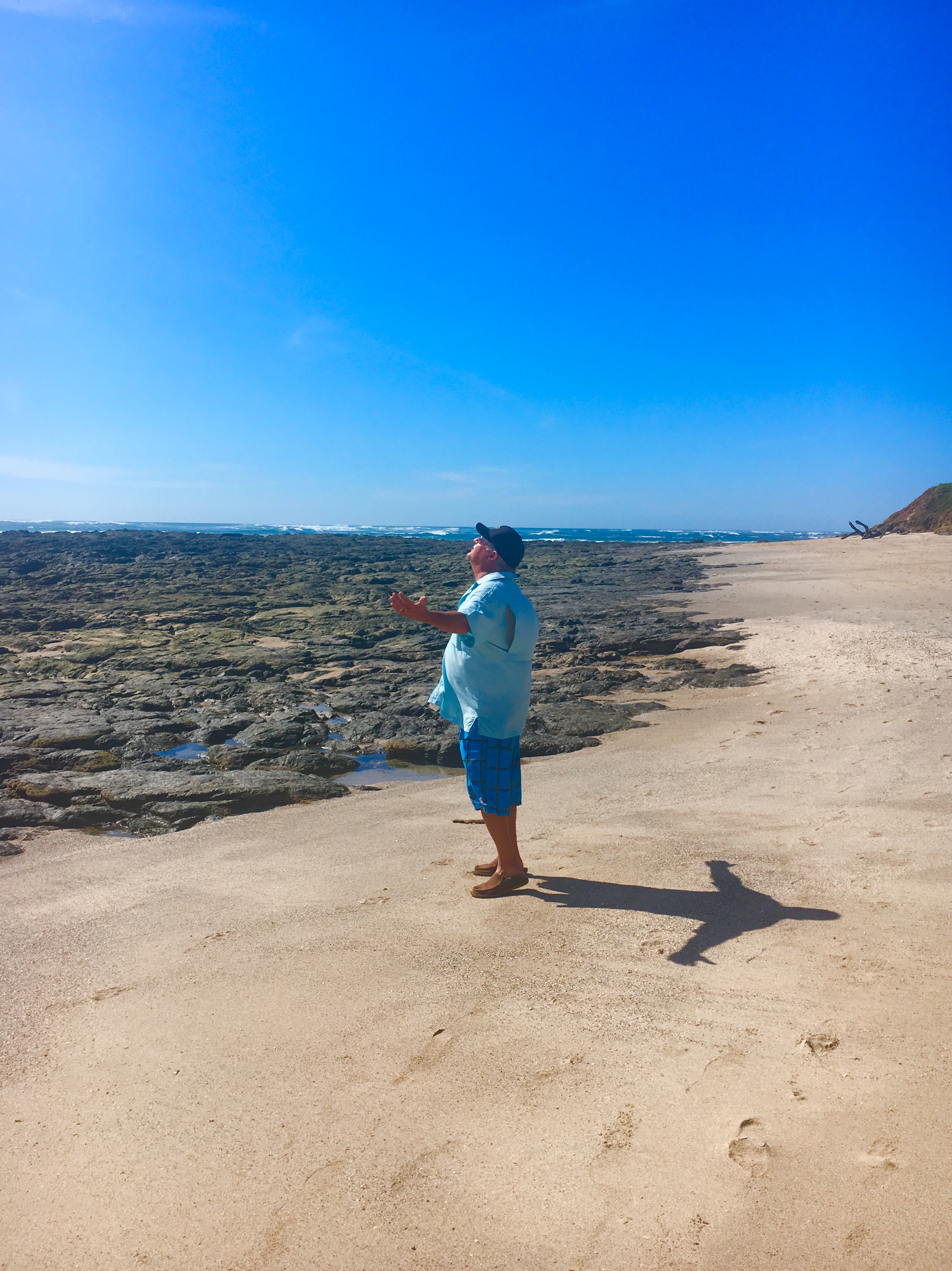
 

It all started five years ago when my husband and I were watching football on TV and saw an ad that Southwest Airlines was starting service to new destinations, including Costa Rica. The airline is my husband’s airline of choice and he flies it often for business so we thought, let’s use those miles and go somewhere different. We considered Belize, Dominican Republic, Turks and Caicos, Aruba, and other new SWA destinations but somehow settled on Costa Rica. And boy am I glad we did. We’ve now gone five years in a row every November.

 

San Jose is the capital of Costa Rica and has a population of 300,000 but we have never been to it. We fly into Liberia International Airport, which is a smaller yet surprisingly new and glistening facility. From there, it’s an hour drive to our hotel.  Each year we’ve done an ATV tour and our first year we zip lined through a jungle canopy. Although I’m glad we did so, neither of us was a big fan of the activity and never have to do one again.

 

Truth be told, we go to Costa Rica not for adventure but for relaxation. The ATVs and walking the beach are pretty much the extent of our activity. The couple that joined us this year did rent bikes at the hotel and enjoyed them. We enjoyed hearing about them. Two of the five times my husband and I have gone alone, one year our daughter went with us, and the other two years we were joined by two different couples. We’ve loved each version equally.

 

There are so many things to love about Costa Rica. For starters, it’s an easy three hour flight from our Texas home and I speak the language. It also helps that it shares our Central Time Zone and uses the same electrical voltage as the U.S. so there’s no need for those pesky adapters. U.S. dollars are accepted almost everywhere but you might want to grab a “colon” or two, as the official currency is considered one of the world’s prettiest. But when it comes down to it, it’s all about the people and the place where we stay.

 

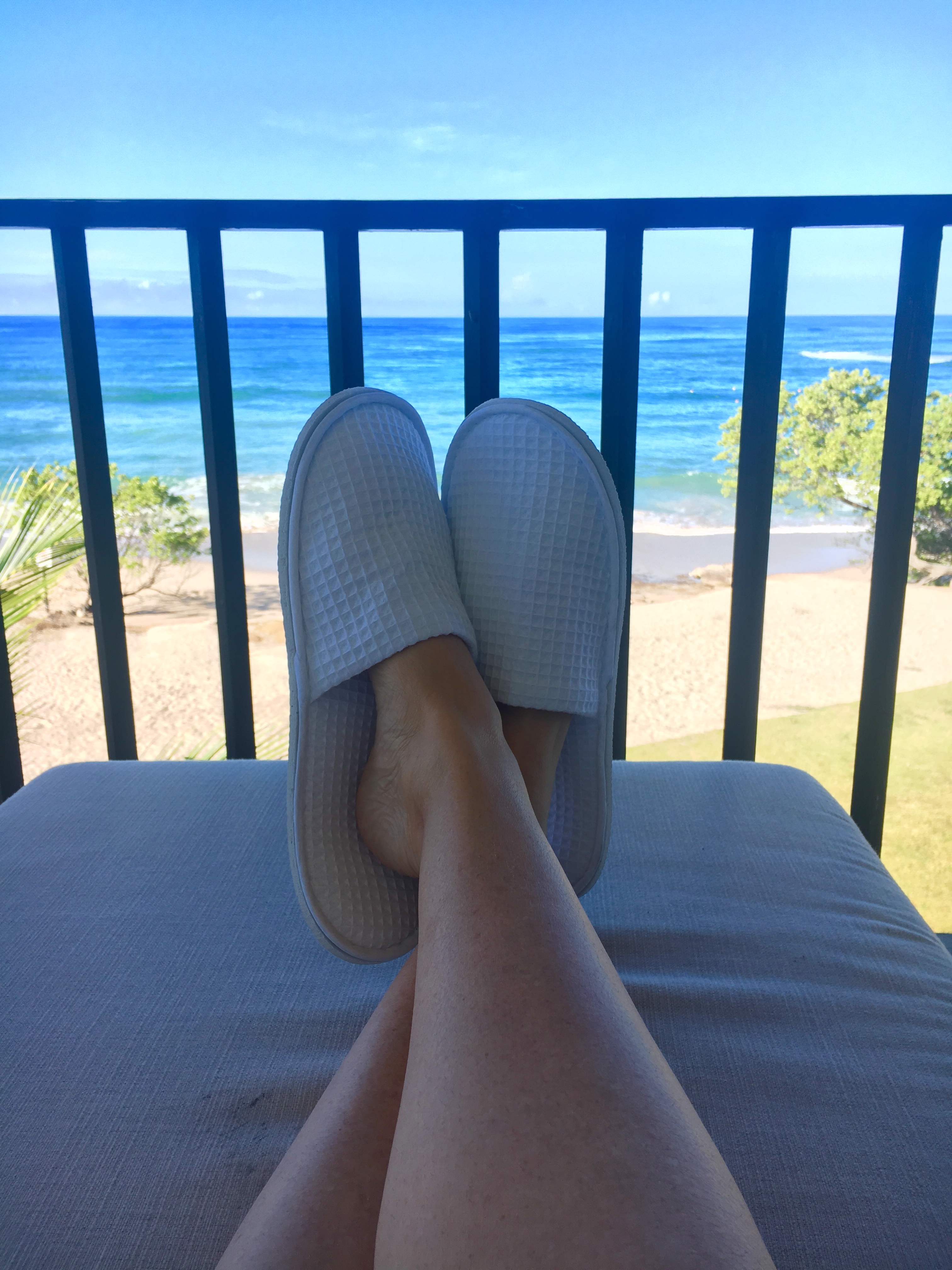
Our first year we chose the JW Marriott Guanacaste (Guanacaste is a province in CR) because we knew JWs are reputable and we felt safe staying at one in a country that at the time was very foreign to us. Our initial reaction was “pure paradise” and we’ve returned annually and stayed in the same ocean front room every year since.  We love the views from “our” room and the sunsets are spectacular every night. It also doesn’t hurt that this lover of spas is blessed with a treatment that includes a scrub, massage, and private outdoor bath. It is truly the best I’ve had anywhere. The fact that we go in November means the property is not crowded and has a very quiet and chill vibe, something we were looking for and long for. Its negative edge pool overlooking the Pacific is heaven on earth and the fact that it sits all alone in the area just adds to the feel-good ambiance.


It’s also the people.



This year we were warmly greeted by staff member Rodney who’s been working there since we’ve been going and his congeniality is matched by each and every staff member whether it be a waiter, pool boy, housekeeping, drivers, tour guides, room service, and really any and every one. It’s the Costa Rican way.

“Ticos,” as Costa Ricans are often called, live by the national saying of “Pura Vida,” which means “the pure life.” But it goes much further than just a slogan on t-shirts and in brochures. Locals use it to say “hello,” “goodbye,” “everything’s great,” and “everything’s cool.” It also reflects the way of life in Costa Rica: no worries, no fuss, and no stress, being thankful for all you have, and not dwelling on the negative. The Tico way of thinking is that as long as you are surrounded by family, friends, animals, and nature, all will be well. Maybe that’s why Costa Rica is consistently rated as one of the happiest places on Earth and has one of the world’s highest life expectancy rates of almost 77 years. The motto is most definitely contagious, as the entire time I’m there all is good, all is well, and I’m so dang happy.
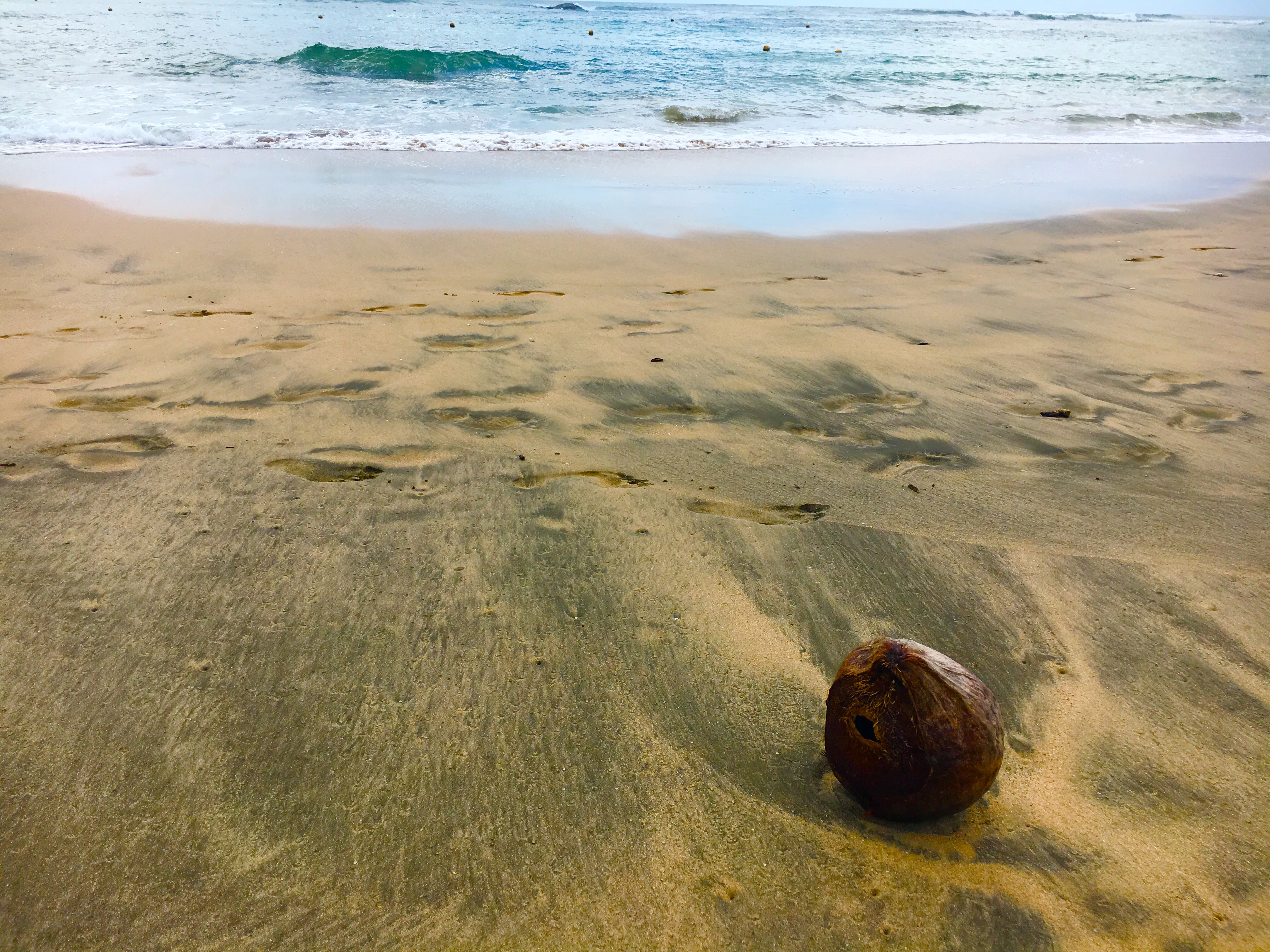
 

Another interesting thing about Costa Rica is that is has no military. Since 1948, this “Switzerland of Central America” instead uses its budget for free healthcare and education (students in uniforms are seen everywhere), which has proven to prevent a flood of rural poor into major cities and causing issues troubling other Central American countries. For this reason, Costa Rica is significantly safer than many of its neighbors and is regarded as a model Latin American country.


Costa Rica, which means “rich coast,” is today a peaceful democratic country that came to be in the mid-1500s when the Spanish came upon it and the gold in the area. Democracy came easy to Costa Rica, which gained its independence in the early 1820s and signed a 1949 Constitution very similar to that of the U.S. in that it guarantees all citizens and foreigners equality before the law, the right to own property, the right of petition and assembly, freedom of speech, and the right to habeas corpus. Its government is also divided into three branches: executive, legislative, and judicial. Although it did suffer a politically polarizing civil war in the 1940s and a brief tangle with socialism, today it boasts hardworking and well-educated citizens and in 2010 elected its first female president.

 

Bordered to the north by Nicaragua and to the south by Panama (another nice Central American country to visit), Costa Rica is small in size with just 75 miles separating its two coasts and a population of just under 5 million. Small perhaps, but it boasts some of the most diverse and beautiful scenery in the world and is home to a diverse natural landscape that ranges from rainforests to beaches to active volcanoes.  Much of this is prized and protected by an enviable ecotourism program. Nearly 25 percent of the country’s land has been set aside in protected areas and there is an astounding 850 species of just birds. While zip-lining, white-water rafting, hiking, or just relaxing at a pool or on the beach, you’re likely to see native Howler Monkeys, iguana-like basilisk lizards, and a raccoon-like coati as well. The idea that travel should incorporate education about the environment and the preservation of natural resources is not lost on the millions of visitors who visit the country, a number that has more than quintupled in the last decade, making tourism the leading sector of the nation’s economy.


This great land spans from a high elevation of 13,000 feet to sea level with more than 735 miles of coastline along both the Pacific Ocean and the Caribbean Sea. Somewhat surprising is the fact that the Caribbean side is remarkably undeveloped and it’s the Pacific side that boasts all of the popular towns, beaches, and resorts.

 

Costa Rica also boasts one of the world’s most biologically diverse ecocultures and let’s not forget the volcanoes.  Flying into Liberia four or so volcanoes are always pointed out. Part of the Pacific Ring of Fire Circle, Costa Rica has more than 200 volcanic formations dating back 65 million years but today only five or so are classified as active volcanoes.  Arenal is perhaps the most famous and picturesque volcano as it has a perfect volcanic cone and sits inside the lush Arenal National Park. Irazu Volcano is said to have the most stunning views however, where on a clear day you can see both coasts of the country. The most accessible active volcano is Poas, which has the second widest crater in the world at nearly one mile in diameter. Not only are the volcanoes top tourist attractions, their eruptions over the years have created a soil rich in minerals and extremely fertile, resulting in dense forestation and a myriad of bird and wildlife species.


We have not ventured to or visited any volcanoes as they are far from where we stay but we have heard about tours leaving the area and I’m of the thinking they would be glorious to see. If only it didn’t require me leaving the pool or beach.
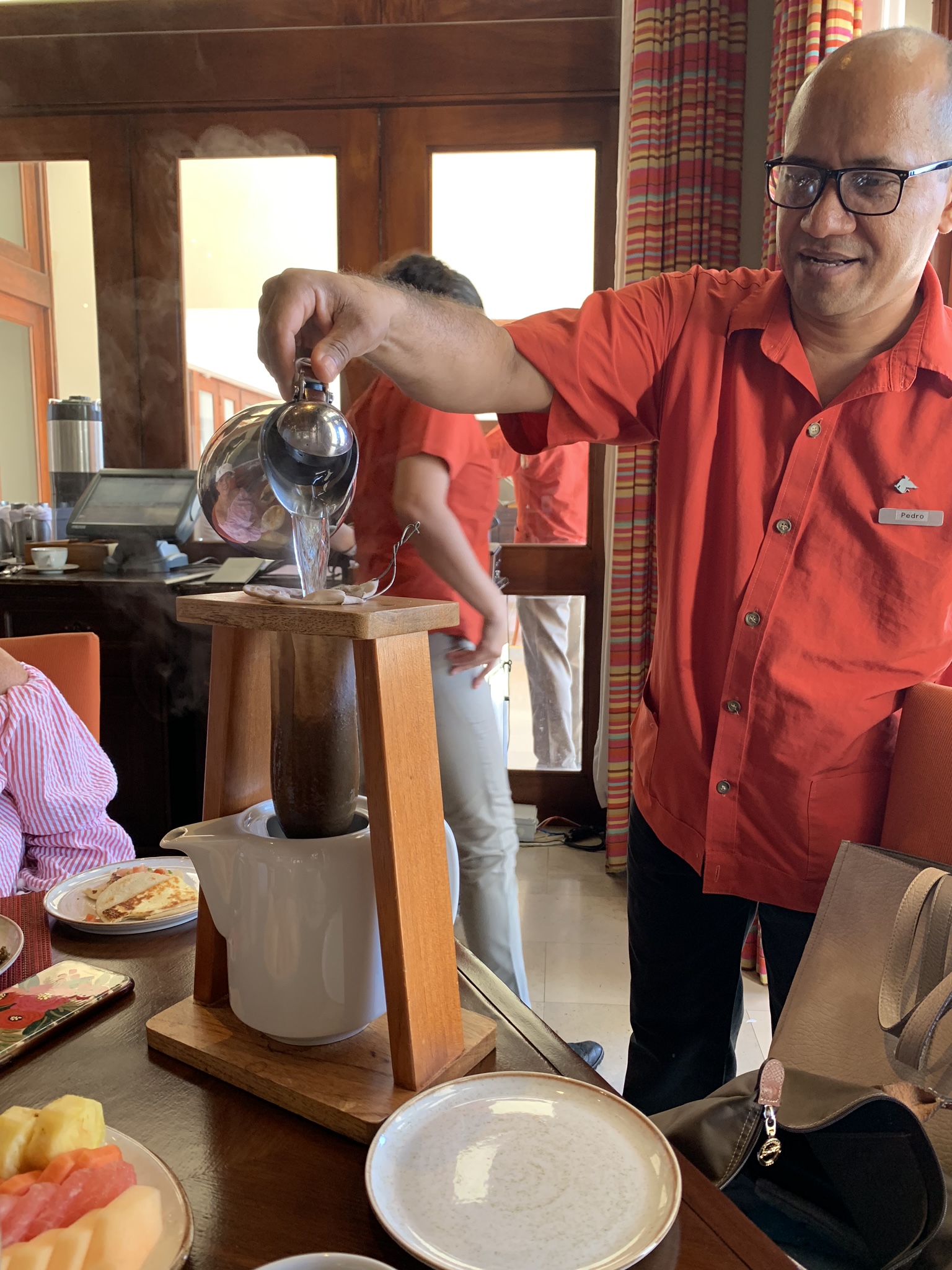
 

Tourism is hands down the country’s main industry, but medical manufacturing and call centers employ many a Tico as does banana, sugar cane (we saw miles and miles of cane stalks along the highway), and that famous Costa Rican coffee production.  Also known as “grano de oro” or “grain of gold,” the local coffee, especially brewed tableside in a Costa Rican “chorreador” pour over coffee dripper, is indeed a little cup of gold.


Power is important in Costa Rica, but not the kind you’re probably thinking of. I’m talking the kind generated by Cachi Damn, which is Central America’s largest. Through it, the country sells 60 percent of power to other countries.


The overwhelming majority of Costa Ricans are practicing Catholics although gambling and prostitution are legal. Hunting wildlife and marijuana are not. But, just last year the country decriminalized possession of weed and the personal cultivation of marijuana is legal in small quantities. Selling it and large-scale possession of it or cultivated it for profit are punishable by imprisonment. Currently legalized medicinal marijuana is pending in the Costa Rican legislature.
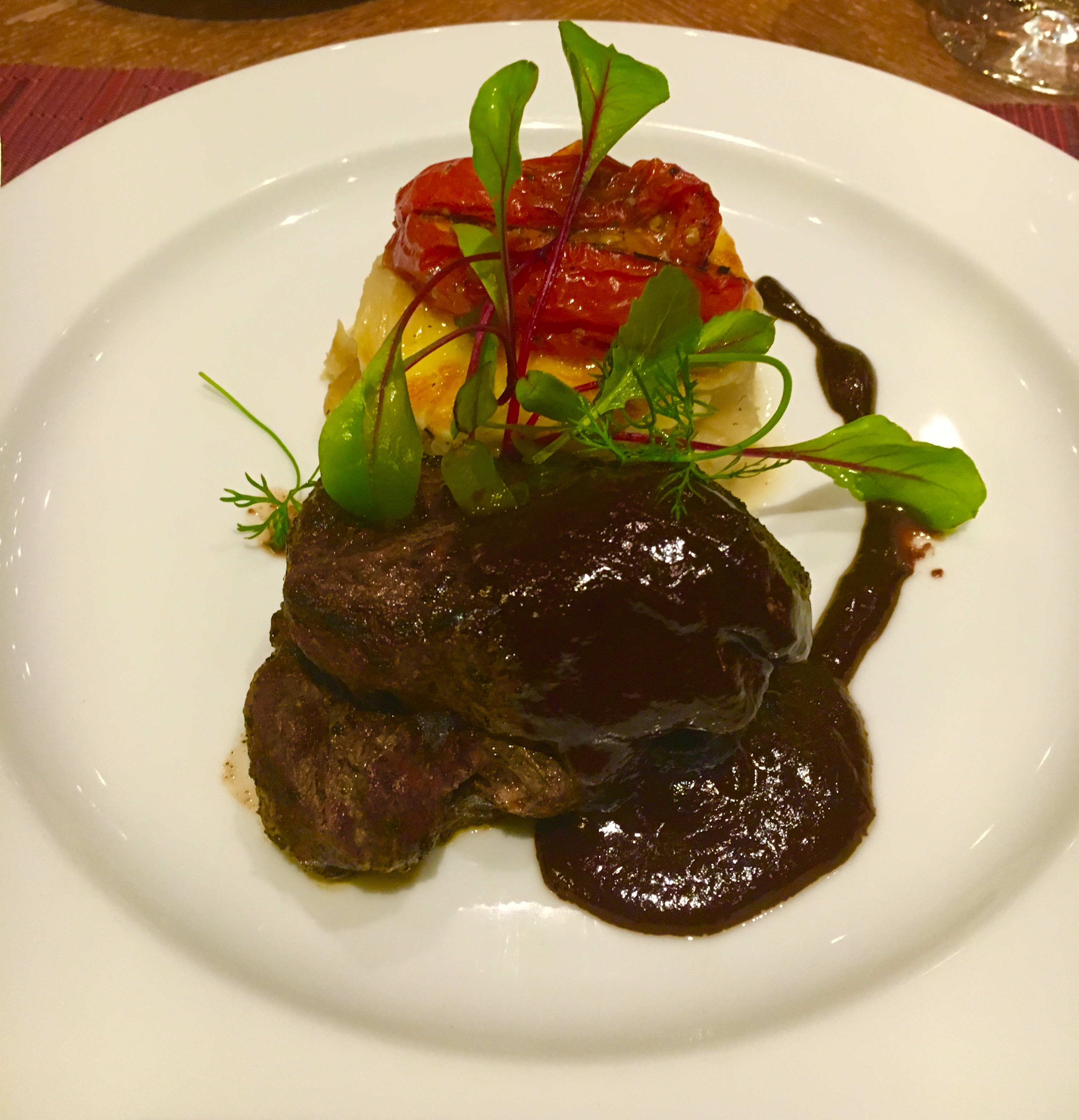
 

I’ve always said Italy has the best food on planet Earth and while the traditional Costa Rican menu  isn’t necessarily memorable, I’ve had one of my favorite meals ever at one of the hotel’s restaurants. Shown above, it’s Costa Rican cocoa beef tenderloin with au gratin potatoes and confit tomatoes. I die. The national dish is Gallo Pinto, which is black beans and rice and something my husband loves. You will also be treated to a lot of delicious chimichurri, beef, chicken and fish, specifically shrimp and sea bass. Something else my husband loves is the local guanabana, also known as soursop. Native to the Caribbean and Central America, the fruit has an aroma similar to pineapple, the creamy texture of a banana, and the flavor or a combination of strawberries and apples. It is used to make fruit nectar, smoothies, juice drinks, and ice cream. My husband has a guanabana smoothie all day every day we are there.
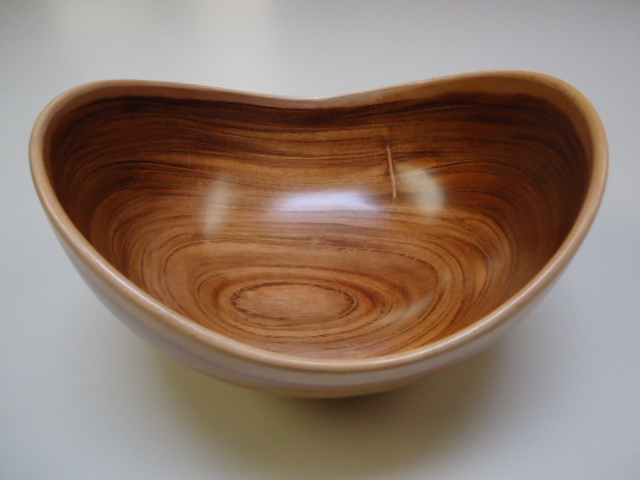
 

Although I’ve gotten better in my old age, I love a good souvenir and gift store. When in Costa Rica, the things to buy are Guaitil pottery, traditional and painted oxcarts (have one!), handmade jewelry, and wood carvings and exquisite wooden bowls. My friend and I saw so many of these gorgeous bowls this year that we literally couldn’t decide which ones to buy. Most are made of native teakwood trees – so many of which we saw along the highway – and are beautiful keepsakes of a beautiful place.
 

I hope this helps explain my love for Costa Rica and I hope it gives you a quick snapshot and insight into the “Pura Vida” style. I also highly recommend the book “Happier than a Billionaire” by Nadine Hays Pisani. In the witty book, Pisani writes about her and her husband quitting their New York City jobs and life and moving to Costa Rica. It wasn’t always easy and far from glitzy or glamorous, but today they own a beautiful B&B called “The Happier House” and are truly happier than billionaires. You can follow their adventures  at happierthanabillionaire.com to get a more feel for Costa Rica . It is truly my happy place.


Treat Yourself November 1, 2019

Filed under: Uncategorized — carlawordsmithblog @ 7:20 pm


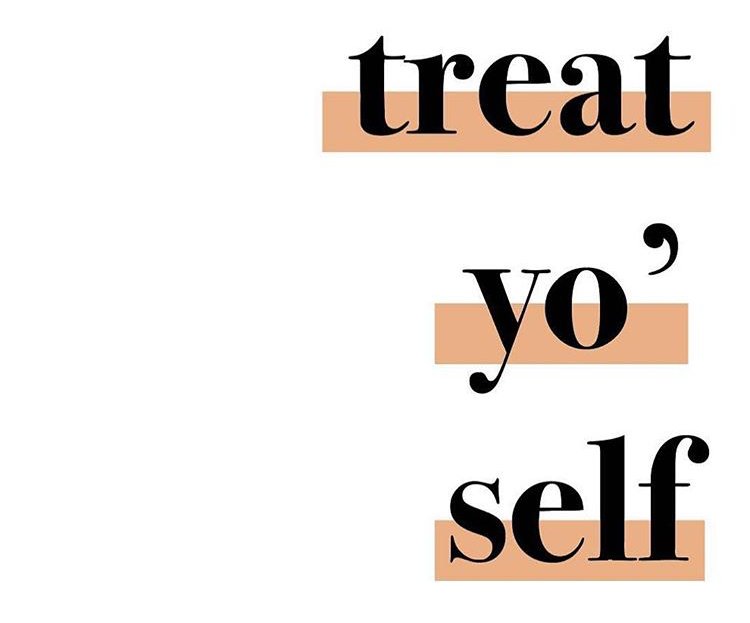
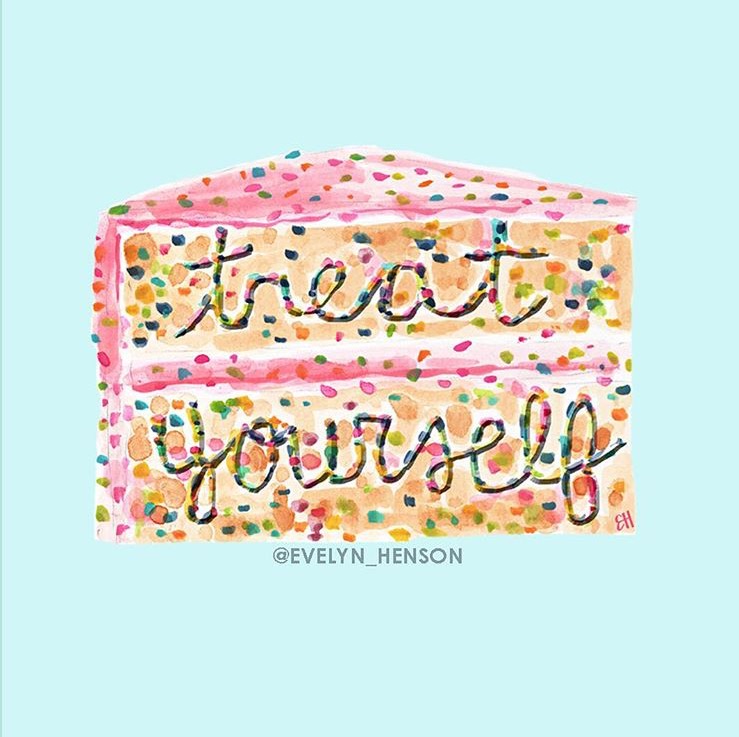
My favorite Halloween Instagram post was the above simple graphic. On a day when we ask others to treat us, I appreciated the keen reminder to treat yourself. Maybe not necessarily on Halloween, but make it a point to sometimes to treat your damn self.


But how? Just Google it, right? Wrong. Despite the fact that there is a plethora of self-help publications, programs, and podcasts, do they really know what you need? We also get tons of advice from friends, family, and trusted mentors, but do they truly know what is best for you?


One of my favorite bloggers and authors is Courtney Carver.  In a recent blog, Carver talked about trusting yourself when it comes to what’s best for you. For a long time, she trusted other people to decide the way to go but she has come to learn she herself knows what’s best for her.  Amen sista.


I can relate.

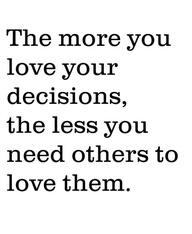
Although I’m very strong in my beliefs and opinions (shocker, right BFFs?!), I can also sometimes be easily persuaded, influenced, and even convinced. Yes, I know this is a good thing in some ways as it’s always noble to have an open mind, but sometimes I find myself saying “Make a decision Carla and stick with it!” Needless to say,  I read Carver’s post with eyes wide open and am joining her on a daily practice of trusting my own voice. After all, don’t I really and truly know what’s best for me and my little life?


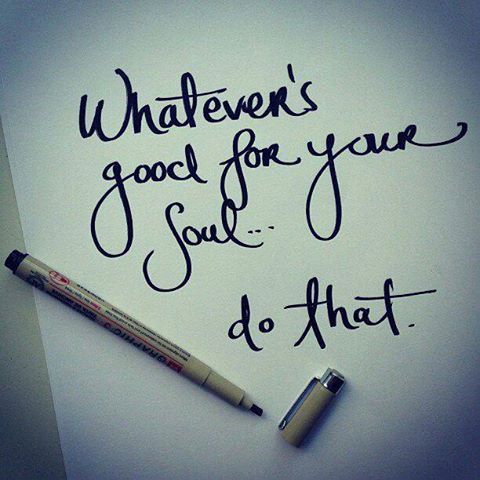
What’s best for me is spending time with trusted friends, writing, travelling, and practicing yoga. I don’t write to be famous or exalted; I write because it’s therapeutic and feeds my soul.  I don’t practice yoga to be a size two or to stand on my head; I practice yoga to be flexible and balanced and to drain my brain. I don’t value friendships because I want to be popular; I value them because they keep me grounded and teach me. Being in a big group of people exchanging small talk is not good for me. Spending quality time, even if limited, with those I love and respect is good for me.


Books are good for me. All kinds of books. Biographies, silly romance novels, historical books, spiritual books, and coffee table books. So many books.


Sometimes crying is good for me. After a good cry I find that letting go of resentment, anger, fear, or guilt is often just what I need. Accepting the fact that “it is what it is” is good for me. Unfortunately I like to fix things. I plot and plan and conjure up solutions to no end, but I’m learning that some things are just not fixable. And I’m okay with that.


My dogs are good for me. They demonstrate what is one of my most coveted traits, loyalty, like no other creature on earth. They love unconditionally and fully and they calm me. It’s not just me; research shows that petting a dog and being around one lowers one’s blood pressure. They are truly this woman’s best friend.


Spending quiet time praying and meditating is also good for me. I recently created a special place to do this in my home and it’s made all the difference. I love this quiet time alone knowing full well that I am never really alone.


Organization and order are good for me. I like things controlled and scheduled. I don’t like chaos. Funny thing is,  I don’t care if you’re disorganized and I actually secretly admire those who can live in a topsy-turvy world, just let me live in my “everything in its place” land and we’ll be good. Yes, I can drive myself (and others) crazy with my orders to keep all in order, but order also gives my often harried and busy mind peace.  I know, crazy and totally OCD but that’s me. And I’m okay with it.


Climbing into my comfy bed at the end the day always feels good to me. I also like to sleep in and wonder why doing so is often considered lazy yet going to bed early is not. I’m a sleeper and a night owl and I own it. To all you early risers, I say the early bird gets the worm because worms are gross and mornings are stupid.


Another place I love to lay down on is a massage or facial table. These hour-long sessions of pampering make me feel good and they make me feel grateful. They are perhaps the epitome of luxury but at the same time they epitomize self-care, being healthy, and life-giving soul care.


And how can I forget how good music is for me. It has been since I can remember and is still to this day. I know the words to hundreds of songs and any given song can either take me back to a certain time in my life, relax me, or motivate me. Music of all forms (except maybe opera and jazz) is extremely important to me.


Baths are good for me. I love the quiet and the water and the inner peace I feel in one. Lighting candles is also good for me. The scent, the flame, and the simplicity of one little item make me feel good.  Walks also make me feel good as do the multitude of corny yet inspiring Hallmark movies.


The ocean is good for me. I love the sound of waves and watching a sunset or sunrise on the water. Napping on the beach under an umbrella with a book nearby is good for me. My nighttime relaxation app choice is always waves; sometimes mixed with rain, which I also love.


Traveling is also good for me and I particularly love road trips. Visiting interesting places where I can settle, discover, relax, and learn is good for me. Constant travel however, is not. Making beautiful memories in far away places with people I love makes me happy but I don’t need to see it all and go just to say I went. That, my friends isn’t good for me. It’s exhausting. And expensive.


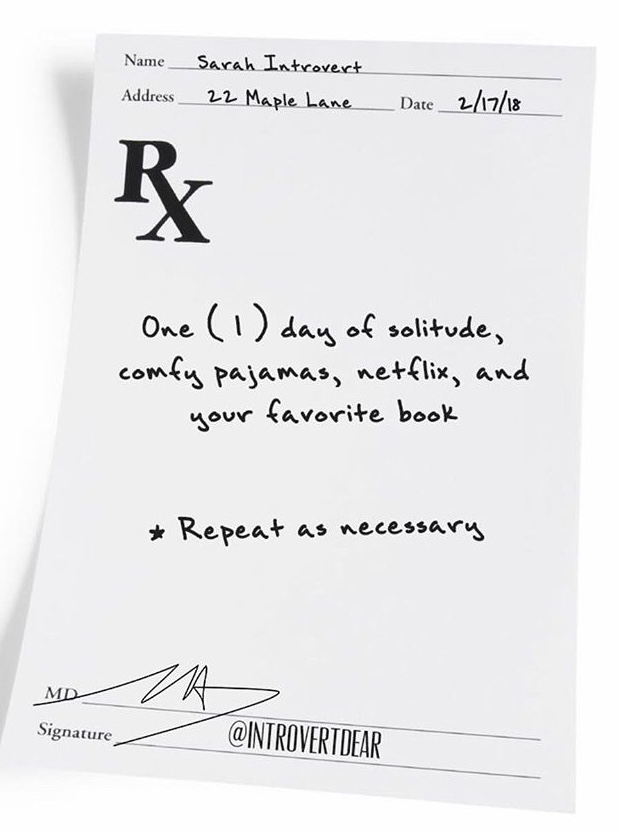
Maybe it’s because I also value nesting. I am never bored in my home and actually long for quiet, do nothing days, especially after a long week or trip. I sometimes go out of my way to linger more and do less. I’m so over going, going, going and doing, doing, doing. Carla needs to her quiet time.


What’s best for me, and I would say almost everyone, is not comparing and competing. Being grounded and satisfied, on the other hand are good things. Two things I’ve always said I’m good at are writing and worrying, and yet I know worrying less is good for me, as is learning to trust and just be still. Maybe I should write about it!


On the flip side, I’ve discovered that rushing is not good for me and neither is juggling. They are perhaps at the top of my “To Don’t” list. Being maxed out is most definitely not good for me, I don’t care what anyone tells me.  If it complicates my life rather than enhancing it, I’m out if I have any choice in the matter.


Change is not good (or maybe just not easy) for me either but I will say it’s something I’ve gotten better at. As spiritual mama and mentor Susie Davis says, “I like patterns that repeat.” Same. Give me stability and reliability and I’m good to go. As we all know however, life is not always about stability or controlling or scheduling everything so I personally need to be okay with change, leaving my comfort zones, letting go of control, and being a bit more spontaneous.


I’ve also learned that just because people I like enjoy doing certain things doesn’t mean I need to. I didn’t like “Game of Thrones” and I don’t like Halloween. My husband loves golf and we live on a golf course but even though I play the game, I’ve accepted the fact that I don’t love it and don’t need to play regularly. Give me a good friend to play with, an occasional round, or a couples event and I’m all in, but day-to-day grinding out a round just doesn’t appeal to me. And I’m okay with that.


Carver also talks a lot about minimalism and how removing just a few things from your life can make space for so much more. More important things. More things that are good for you. More life giving moments. It’s all about making room for the things you need and love and removing the things (and people) who suck the life out of you.


I need people in my life who feed my soul and I know that I’m blessed with some great ones. The women I work with feed my soul. My husband and daughter feed my soul. I love just chilling with my hubby and spending fun and quality time with our daughter. Nothing brings me more joy.


I also get joy from friends I’ve had for years. Some since high school and college and others I’ve made in the 30-plus years I’ve lived in the same city. They all feed my soul. My annual college girls trip (we’re on number 17 now) thoroughly feeds my soul and is something I look forward to every year. I have however, accepted that making new friends is work for me and not something I enjoy and that if you poison my spirit I have no place for you in my life. Others might tell me “but Carla making friends is good for you.” Guess what? Yes, if I make a new friend or a hundred friends who fill my life and feed my soul, I’m open, but I’m also good with the ones I have.


I recently wrote about Hygge, the Danish concept about slowing down and savoring the moments while making the ordinary extraordinary and the normal special. I love the idea that you should focus on spending time with those you really feel good around and not those you think you should feel good around. How many of us do that? Stop! Carla knows that’s what best for her is this very Danish notion of spending time with those she can be herself with and in a way that’s not demanding.


And I’m not sorry for that.


Carver would support me in this, as she is big on us not apologizing for things we don’t need to be sorry for.  Included on her list are two of my biggies: staying home and saying no. She also says we need to stop apologizing for how we dress, thinking differently, being ourselves, and changing our minds. I agree and say yes to saying no!


Figuring out and embracing what’s good for me makes me happy and we are all in pursuit of happiness, right? It’s been proven again and again that happier people make healthier choices and that engaging in healthy behaviors contributes to our overall happiness. But all we hear is gloom and doom out there and that everyone else is to blame for our level of happiness. Not true! Research shows that about 40 percent of our happiness is determined by what we do, not our surroundings, genetics, or circumstances.


So join me in quieting those well-intentioned voices in our lives and in our heads and go with your gut and your heart. You know what is best for you and it’s time to listen to your own voice. It’s telling you what’s right or wrong loud and clear. Listen up and treat yourself. And not just on Halloween.


The Unhealthy Side of Wealthy October 28, 2019

Filed under: Uncategorized — carlawordsmithblog @ 3:09 pm

“If you think money will buy you anything and everything, you’ve never, ever had money.” That, from former hedge fund gazillionaire Florian Homm who photographer and filmmaker Lauren Greenfield interviews in her eye-opening and somewhat disturbing “Generation Wealth” film. Released over the summer, I just recently watched it and found it mesmerizing.


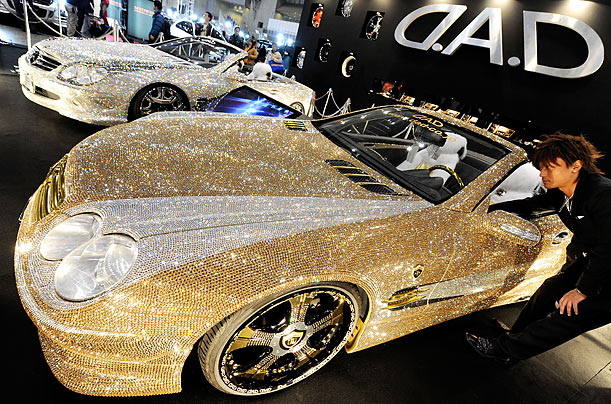
In a nutshell, the film documents that being average and normal, whether in looks or wealth, is no longer good enough. You have what you need, but still don’t feel like you have enough is a growing and pervasive thought. We are addicted to and obsessed with wealth and status symbols on a level never seen before. We are a generation always looking for more, more, more. More money and toys. More and bigger homes. More boats and bling. More status and symbols of it. Sadly societies, like the one that built the Great Pyramids, often build their wealth when they are in decline. Are we there yet mom and dad? Not sure, but the warning signs are at every fork in the road we’re facing.


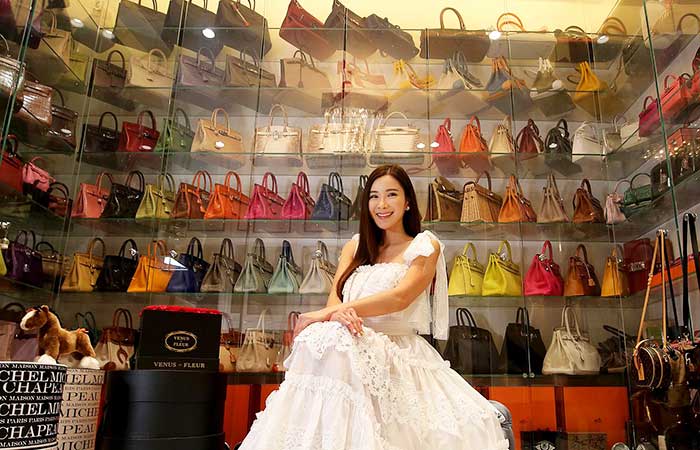
I use “we” collectively here, meaning society in general. Yes, we blame society but we are society. Hopefully this post doesn’t personally pertain to you, but don’t feel like its subject matter doesn’t affect you. It does. I know it involves and affects me. Yes, I love fixing up my house just so and I’m right there in line in Paris for a designer bag, but I won’t go into debt for either. And to be clear, this isn’t about financial freedom, which we all covet, it’s about buying and buying more just to show off. Some say it’s not about the money, it’s about the lifestyle and yes, that is partially true, but just how many cars and how big of a house does one really need? Do you really love those Louboutins and would you have bought them if they didn’t have those red soles?


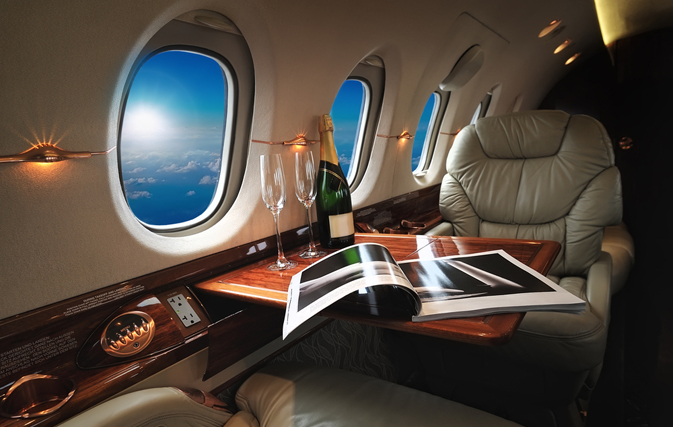
I love what Warren Buffet once said about wealth. I’m paraphrasing here, but basically he said that being wealthy is for sure nice, but anyone who makes good money can buy the big house and the fancy jewels and cars. The real key he says, is a private plane. Those my friends, separate the men from the boys and if I ever win the lottery, a private plane is first on my list (along with a private chef!) Can you imagine just being able to fly anywhere anytime and not have to deal with TSA precheck, parking, waiting at a crowded gate, and the dreaded C group or middle seat? Dream on Carla.


Greenfield documents how there has been a shift in the American dream and that the new dream is status, fame, and fortune. Long gone are the tried and true values of hard work, frugality, and discretion. Americans want it now and they want it quick. Young America feels entitled to it. Bigger is better and if a lot is good, then more must be way better. To prove this, look no further than that giant HD television proudly mounted on your wall.


It used to be TV shows were entertaining but today we are inundated with fictitious lifestyles that don’t really entertain us but rather fuel our inadequacies. And make no mistake; these so-called “reality shows” are anything but real. The proverbial Joneses we try to keep up with are no longer our neighbors but the Housewives and the Kardashians. Ironic that the scandal-ridden family’s long running “reality” show has “keeping up” right in its title and that very little about them is real, no? It’s fitting though, since “Generation Wealth” notes that we spend more time with people on TV then we do with any of our neighbors, including the Joneses. We also make decisions based on what we see on TV including how we spend our money, how we talk to our parents and our children, what we eat, and what cosmetic procedures we think will make us happier and whole.


All of this carries over into social media, film, and music. I remember reading a few years ago that, for the first time in history, not one Top 10 movie was set in reality. Telling too is the fact that the whole Kardashian moguldom was started by a sex tape that went viral. What does that tell young girls? Make a sex tape and you too can have the big house and the Birkins?


Today’s non-celeb posters all long to be “influencers,” whatever that might mean today or 10 years from now. They are all seeking fame and fortune through personal branding and number of “followers” but I’m pretty sure most of them will discover real jobs await for them and once those filters come off and the next “It” girl arrives, their 15 minutes of “likes” fame will have run its course.


Don’t get me wrong, I’m as guilty as anyone regarding social media. I post on Facebook and Instagram and will post this blog online as well. But I will say that I’m not big on following anyone who only and constantly posts photos of themselves, most of which are filtered to death. Instead I gravitate toward sites that make me laugh or make me think. Okay, and home decor.


Another casualty in this quest for having all that money can buy is beauty. “Generation Wealth” calls physical makeovers the new American rags to riches success story but it’s no longer just the wealthy getting them. People are literally going into debt to change their face or body and as we see in the movie, one woman went to Brazil for major and multiple augmentation surgeries but later lost custody of her two kids because she couldn’t afford them. Hashtag break my heart.


We are obsessed with the superficial and just seem to never be satisfied with our looks and are more than eager to buy elective surgery. Elective. Who elects to have surgery if they really don’t need it? People aren’t aging like in prior generations and the value of looking young trumps aging gracefully. I don’t know about you, but when I see a 50 or so year old woman with a “new” face, I don’t think “Wow, she looks great!” I think, “Wow, she’s has some work done.” This constant yearning to “fix” one’s body and to be something or someone we’re not is just another way to buy and escape reality. And I don’t care what any feminist or #metoo member says, girls are learning from a very young age that their bodies and faces are currency and that beauty is how you win.


Gordon Gekko so famously said “Greed is good” in 1987’s “Wallstreet” and there is definitely a collective greed among us but we are paying the price for it. Americans want to make it big overnight and get rich quick and we are working ourselves to death at the expense of our health and family. Meantime, morals and values have declined and we are losing balance in our lives. Homm explained it as being “a hamster on a gold studded wheel.” Yikes.


There’s also a prevailing “fake it till you make it” mentality in that we long to be the “haves” and will do anything to conceal that we’re really the “have nots.”  There is growing concern that poor and middle class people spend as much as the rich on designer goods and live by the credo that everyone wants to be rich and if you can’t, the next best thing is to be feel rich. But how can you possibly feel rich when you get all those bills every month or grab that fake purse on your way out the door? I just don’t get it.


Seems we have become so desperate to express our success and status in the face of others that we are virtually trapped in our own ambitions. Too often the presentation we give to the world denies our own realities. It all reminds me of one of my favorite quotes. I’ll never forget when a friend told me that her wise, old, southern grandpa once told her, “Old money and no money are the same. Neither of them show it.” Hmmmmm….so eloquent and true.


This money is success thinking is not unique to America. Our addiction to consumerism has been fueled by globalization and for proof look no further than China and Russia, two societies that have historically tried to abolish class and inequality but are today are dripping in indulgent lifestyles.  In the film you meet a Chinese man who built an exact replica of the White House for his home, complete with Mount Rushmore in the backyard. It is said that China is the biggest market for western luxury goods and Russian debutante balls once reserved for royals and aristocrats are now sponsored and run by designer houses. Entire cultures are being destroyed or lost because societies are more concerned with buying Louis Vuitton then preserving sacred traditions.


As I write this, I hear two voices. One is the older generation saying “but haven’t we always ogled over glitz and glamour, from the Kennedys to the royals?”  I also hear the younger generation, including my daughter, saying, “oh mom, you’re over reacting.” But am I? Maybe yes, maybe no. Yes if you simply admire and respect the finer things in life but no if you’re obsessed with them, buy fake ones or ones you can’t afford, and allow your self-worth to be defined by them. If you simply have an interest in some luxury goods (raising my hand) but do not go into debt acquiring them, then yeah maybe a red-soled flag needn’t be raised for you.


I’m also well aware that being motivated by money is sometimes a good thing regarding business success and that in some very ways it can indeed buy happiness. It’s the current intense love for excess that has me and many others worried. Just like there is always someone smarter than you, there is always someone richer than you. Unless you’re Jeff Bezos. No one can remain truly fulfilled and happy living with a “me, myself, and I and my net worth” mentality. No one.


So what does this mean for the next generation and today’s young adults who have grown up in a “never too much” environment? It means even they can be “sold” for status, as the recent college admission scandal showed us. I personally see it all spiraling. Kids seem to be in such a rush to grow up. Jewelry and purses my daughter asked for for Christmas and birthdays when she was in high school are now every day items for elementary-aged kids and younger. She recently visited her college alma mater, which happens to be the same as mine, and was shocked to see young coeds sporting brands and labels that grown women used to save and ask for. Hermes belts and bags? Check. Neverfulls and Goyards? Check, check. Love bracelets? Checkmate. In college. On 18 and 20 some-year-olds. Cray cray.


You could say they are the true “generation wealth” as they have lived in the most privileged time in the most prosperous nation. Even the poorest of them have probably never not had a cell phone or internet. The ones Greenfield profiles admit they live with the constant pressure to have it all and that a wealthy legacy is almost too big of a burden to bear, leading many to addiction. Rich kids are not always happy and they are often raised by “help” because mom and dad are too busy working day and night. Yes they live in a world of privilege and wealth, but also one that lacks traditional family life and is often racked with perverse morals and values.


As for the parents of these kids, most regret how they raised them and if they could do it again, they’d focus more on their kids and less on their work and making more, more, more money. The kids themselves all say they just want to be the good parents they didn’t have growing up and want to be there and nurture their kids.


Some of this is nothing new; it’s only now on a grander and more publicized scale. Back in the 1970s we started borrowing to maintain a certain lifestyle that we could no longer afford and the 1980s brought a burgeoning emphasis on wealth. Think “Dynasty” and “Dallas,” Gordon Gekko and the then new “Lifestyles of the Rich and Famous” TV show. I was in college in the ‘80s in a place where oil was flowing and friends had Porches and Rolex watches. I couldn’t believe my eyes and this very middle class product felt a bit out of her league yet quickly found life-long friends among them. That oil boom eventually went bust, as did the housing and financial industries so famously in 2008. It really never lasts.


At the end of every decaying culture people retreat into their own illusions and sexual hedonism dominates. Have you seen pop culture lately? Porn is everywhere. It is pervasive and it is accessible. Music videos are practically X-rated, it’s suddenly ok to spend money on strippers, and there are even pole dancing “exercise” classes. Movies, music, and videos all glamorize and feature strippers and young girls post soft porn photos on their social media accounts. I saw this firsthand last spring in the Bahamas. My girlfriends and I were on vacation and watched in horror as three young adult girls posed on the beach in what can only be described as extremely provocative poses in front of us and families of all ages. There is really such a prevailing lack of shame making sex just another extension of commerce and the wealth it has created.


So what do we do? We can’t – gasp – stop making money, right? It’s the American way! Experts Greenfield interviewed all agreed that what we need to do is stop following toxic and insatiable dreams. We need to come back to what matters. Anything else is delusional. Bring back faith and family. Bring back morals and values. Bring back the value of hard work and earning what you have. Scratch entitlement from our vocabulary and stop giving medals and awards for everything. Living in debt is not the answer and our realities need to be our true lives, not those we see on TV.


I will close with the closing line of “Generation Wealth.” As a Las Vegas “escort” talks about all she’s seen and done she also acknowledges the toll it’s taken on her and her son. And as she painfully and delicately tries to convince us that it’s all been worth it and dreaming and wishing are good and normal, she cautiously warns, “Be careful what you wish for.” Indeed.  Even rich men need God.


Dear Gourd: All Things Pumpkin October 14, 2019

Filed under: Uncategorized — carlawordsmithblog @ 6:44 pm


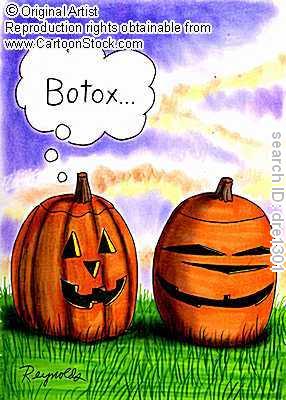
Fall is officially upon us, and perhaps there are no two food and season connections then pumpkins and fall. Think about it, when it comes to seasons, pumpkins and fall are forever attached.  Jack-o-lanterns and pumpkin pie. Pumpkin bread and pumpkin candles. But, I’m gonna put this out there right now: I am not a pumpkin spice latte girl. I truly could care less when to start getting in line for the seasonal brew but I do love many other pumpkin products. Pumpkin pie is my absolute favorite pie ever in the whole wide world. I could eat it every day. I also like pumpkin bread and some pumpkin scented candles.


But what’s so special about pumpkins? Well for starters, they’re a fruit not a vegetable. What?! Yep, which explains why pumpkin pie is so delicious: it’s a fruit pie!


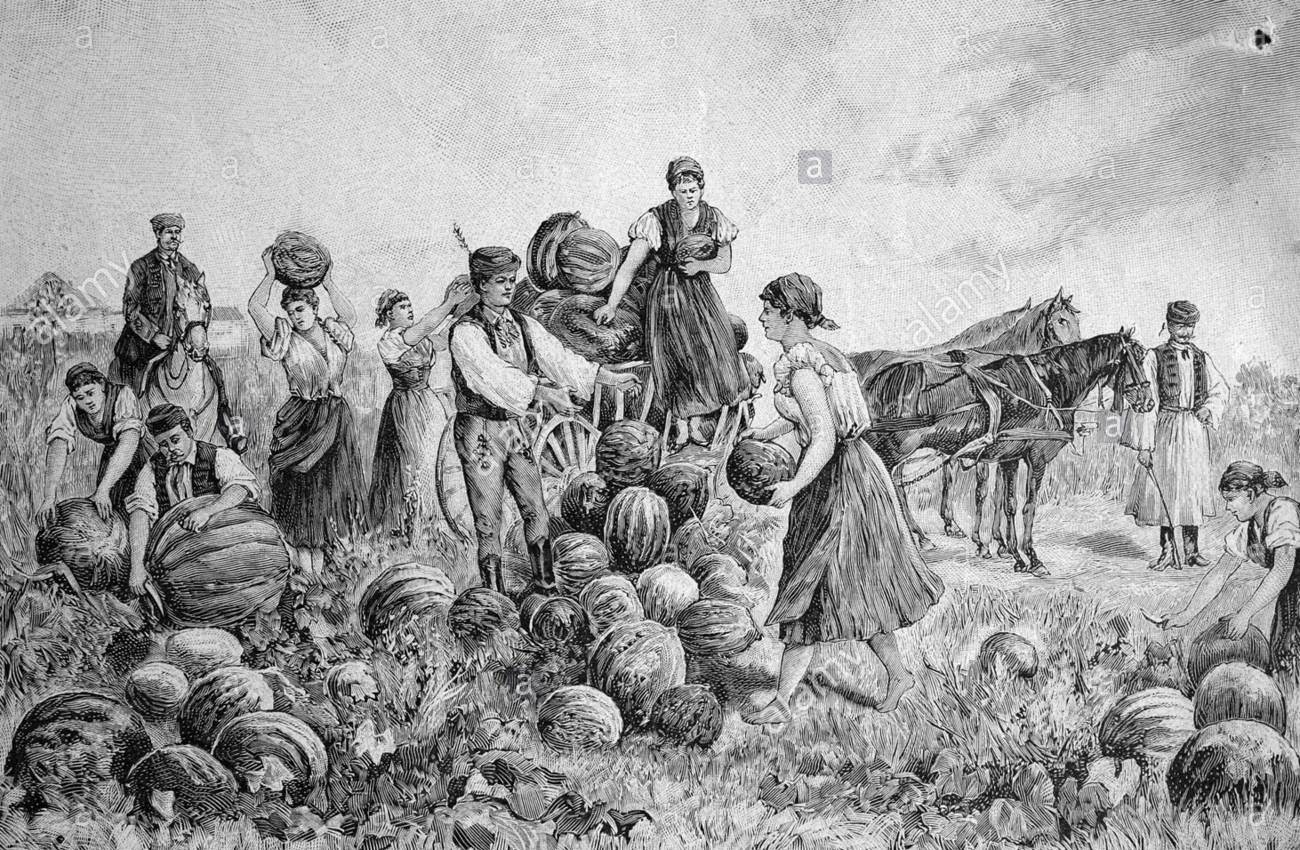
Stay with me here as I put my scientist hat on and explain that since a pumpkin contains seeds and develops from the flower-producing part of a plant, botanists consider it a fruit and the plumper cousin of say apples and strawberries. Vegetables on the other hand, like carrots and potatoes, are the edible parts of plants such as leaves, stems, bulbs, and roots. The poor little pumpkin is not alone in the world of confusing not so much apples and oranges but fruits and veggies. They are joined by tomatoes, avocados, and cucumbers, all of which are fruits, not vegetables. And get this, since a pumpkin is actually a cultivar of a squash plant, squash is also a fruit! That’s right, zucchini, acorn, and butternut squashes are all fruits and so are gourds!


The problem could be that these surprising fruits aren’t sweet, which we tend to think fruits to be. It also doesn’t help that cooks and grocers often classify these more savory fruits as vegetables.  Whatever you consider them, pumpkins are both good and good for you. They can be roasted, sautéed, pureed, or mashed. They can be made into soups, casseroles, breads, muffins, and yes, those glorious pies!


They also have quite a history.


The word “pumpkin” comes from the Greek word for “large melon,” pepon. The French Frenchified it with “pompon” and the British changed it to “pumpion.” American colonists are credited with Americanizing it into “pumpkin.”


Pumpkins are one of the oldest domesticated plants around, originating as early as 5000 BC by some calculations. The big orange fruits are widely grown for commercial use with 2017 world production hitting around 25 million tons. China and India account for nearly half of that production while stateside, Illinois accounts for nearly 95 percent of the U.S. crop. Nestle produces 85 percent of processed U.S. pumpkin under its Libby’s brand at its plant in Morton, Illinois. That’s a lot of pumpkin!


But how did pumpkins become so connected to Halloween and Thanksgiving? Let’s look at Halloween first.


Carved into Jack-o-Lanterns every October and decorated with all types of ghoulish and fall-like decorations, pumpkins first became associated with Halloween in Ireland. In fact, the practice of doing so has to do with an Irish myth about a man named “Stingy Jack.” It wasn’t until 1837 that a carved pumpkin was called a Jack-o-Lantern and its first association with Halloween was in 1866.


As for Thanksgiving, it may have to do with the fact that pumpkins are integral to Native American cooking and a traditional part of an autumn harvest in both the U.S. and Canada. It is said that pumpkin pie became a Thanksgiving tradition when Pilgrims found it difficult to grow wheat flour in the unforgiving New England soil. The early settlers improvised and pumpkin pie was born, first being cooked inside a pumpkin and roasted over bonfires.


Traditionally planted in early July, pumpkins are hardy little growers and pack a wallop of nutritional punch. They are a great source of beta carotene, rich in fiber, high in vitamins especially Vitamin C, low in calories, reduce blood pressure, boost immunity, are loaded with potassium, the pulp is good for your skin, and even support fertility through their high iron levels.


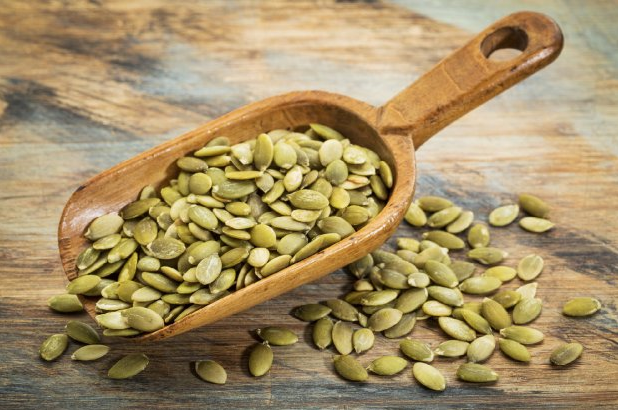
And don’t forget the seeds, also known as pepitas, which are high in calcium, magnesium and fiber; help absorb glucose and balance levels of liver glucose; and boost sleep and heart health.


Pumpkins are also very versatile. Nearly every part of them is edible and they can be boiled, steamed, or roasted and made into everything from mashed sides to pumpkin pies. You can also drink them, as Starbucks has so famously proved. The coffee giant introduced pumpkin spice lattes to us in a brilliant 2003 marketing campaign and today pumpkin spice everything can be found everywhere. Pumpkin flavoring is also popular in both alcoholic and non-alcoholic beverages.


Maria Marlowe


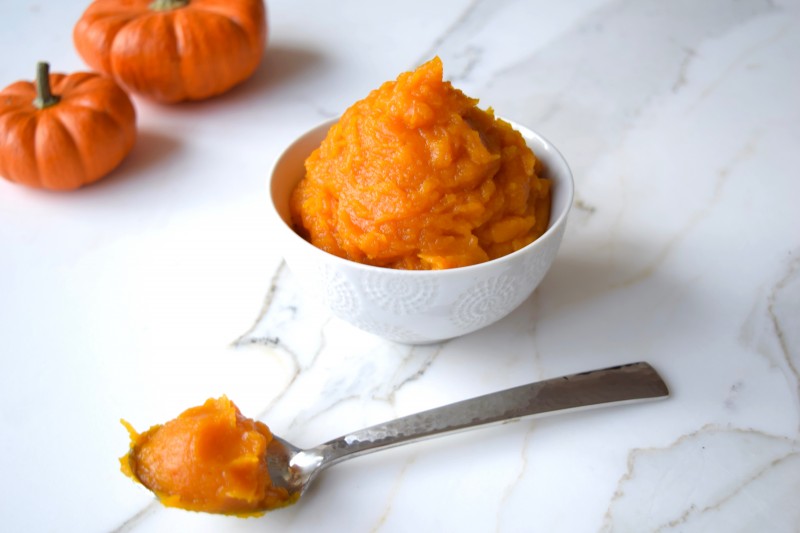
As with anything, whole and pure is the way to go although many a pumpkin pie recipe, including my grandma’s, calls for canned pumpkin. Purists favor real pumpkin filling, but if you opt for “100 percent pure pumpkin” instead of “pumpkin pie mix” or pumpkin puree, you are good to go. Just remember that many canned options contain added sugar as well as other winter squashes like butternut, but a half-cup of canned pumpkin has more Vitamin C than a serving of kale, 20 percent of your daily potassium, and 3 grams of fiber. Even Fido can benefit from pumpkin. Many veterinarians recommend canned pumpkin and its high fiber content as a dietary supplement for dogs and cats suffering from constipation or diarrhea. I can personally attest to this as one of our Beagles has been known to benefit from just a dab of canned pumpkin in a bowl of food. Not bad for something out of can, right?


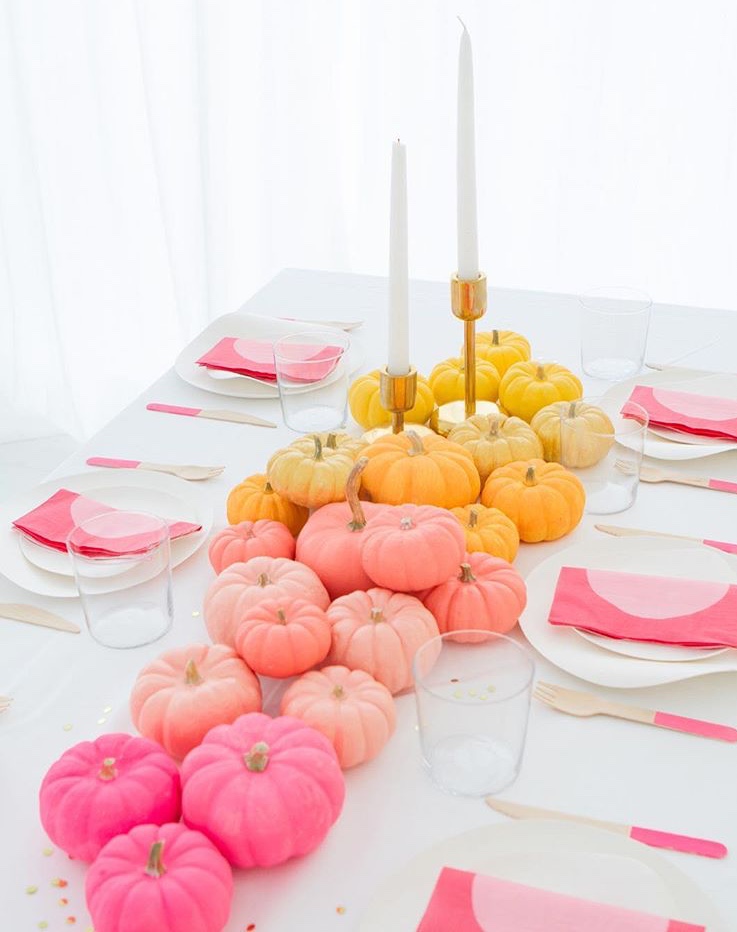
Pumpkin’s allure does not end in the kitchen. Fall is a pumpkin lovers paradise, as pumpkin décor is not only welcoming but cozy. Don’t go crazy though. Limit your pumpkin pieces to a few and think out of the box like the pink ones above. Yes they’re fall-ish, but they’re also chic.


And if all of this isn’t enough to get you on the pumpkin train, I offer up two folk tales: Cinderella and The Legend of Sleepy Hollow. Who can forget Cinderella’s glorious pumpkin carriage and I read that in some versions of Sleepy Hollow, the headless horsemen uses a pumpkin as a substitute head. Not as precious as a gilded coach, but to each his own.


On that note, I leave you with two recipes I recently found. One is for author and spiritual mama Susie Davis’ mom’s pumpkin bread that looks delicious, as well as a tried and true way to roast pumpkin seeds. Enjoy!


Mimi’s Pumpkin Bread

(courtesy Susie Davis)

Ingredients

3 1/3 cup flour

3 cups sugar

2 t baking soda

1 ½ t salt

2 t cinnamon

2 t nutmeg

½ t ginger

2/3 cup water

2/3 cup vegetable oil

4 eggs

2 cups canned pure pumpkin

Directions

Combine dry ingredients. Add remaining ingredients and mix well with hand mixer. Pour in two greased and floured loaf pans. Bake at 350 for 1 hour. (If using a glass pan, decrease heat to 325.) Allow to cool 15 minutes before removing from pan to cool on wire rack. Cool one hour before slicing.


How to Roast Pumpkin Seeds

Start with the right pumpkin. A good pumpkin will feel hard and smooth and not have soft spots or discoloration. Its stem should also be firm. Then….

Cut off top of pumpkin and scoop out seeds.

Transfer seeds to large bowl of water and clean, separating and discarding any pulp.

Transfer seeds to colander, rinse, and pat dry with towels.

Heat large pot with 6 cups water and boil. Add salt and seed and boil 10 minutes. Drain seeds and dry.

Spread cleaned seeds on baking sheet and bake at 250 about 1 hour.

Toss with olive oil and roast at 350 for 20 minutes, tossing occasionally.

Cool completely and then store in airtight container.


Falling for Winter White September 24, 2019

Filed under: Uncategorized — carlawordsmithblog @ 12:10 am


A few weeks ago I posted an online question about whether you should wear white after Labor Day. Many chimed in an almost unanimous “yes!” so now I ask, what about once the season of fall has officially arrived? Today is that day as it’s the first day of autumn but where I live the temps are in the upper 90s and even 100s still, so pulling out the parkas just isn’t happening.  It’s just so hard to even think about fall clothing right now and equally hard to not keep wearing what I’ve worn since March.


Fall is my favorite season.  I love all things autumn, including the cooler but not really cold weather, football, soups, Thanksgiving, and fall fashion. I’m not a big Halloween girl so black and white together aren’t my palette, but what about white? Is it still okay to wear?


I’m here to say YES, it is!


Thankfully, as is always discussed over Labor Day, the antiquated rule of no white after Labor Day is rarely followed to a T much less tee-shirt. Those up north and in the mountain west probably do so much more than anyone else, in their case it’s more about the weather than the season. In the south and desert southwest, you’re likely to see white shorts and white sun dresses nearly 12 months a year.


Those who came up with the arbitrary “no white” dress code are likely rolling in their graves as they see the rule not being followed, but it was created many moons ago and its origins are as modern as its purpose.


Come to find out, it all came about because upper class ladies of leisure in the late 19th century were wearing thin on the nouveau riche. So, they decided to formulate a secret fashion rule that would single out old money from new money in a much manipulative manner. Any woman seen wearing white after Labor Day was considered anything but high society or the real deal, regardless of her pocketbook.


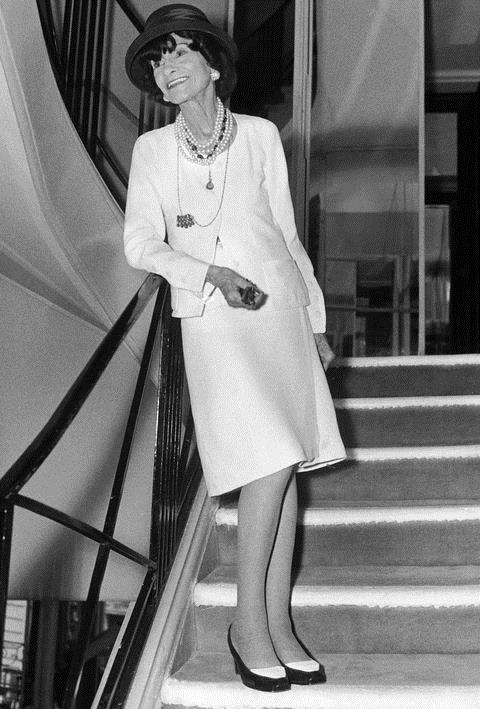
If that’s not reason enough to say pooh-pooh that the rule, consider the fact that none other than Coco Chanel famously wore white year round. What would the fashion world be without her signature cream colored tweed jackets?


In the past, those who had money considered white “vacation wear,” as they’d put on their white linen and crisp cottons as they vacayed in tropical destinations. Once Labor Day became a federal holiday in 1894, those linen suits and white dresses were packed away for the season and replaced with a more cool weather wardrobe as the new holiday signaled the end of summer.


But, when you live where it’s almost always hot and you rarely see anything close to cold weather unless you travel to it, it may seem like the summer never really ends so why put away all your summer clothing? Well, you don’t have to. But, there are still a few fashion tips to keep in mind.


When choosing what whites to wear and which ones to put away until next spring, think fabric and shade.


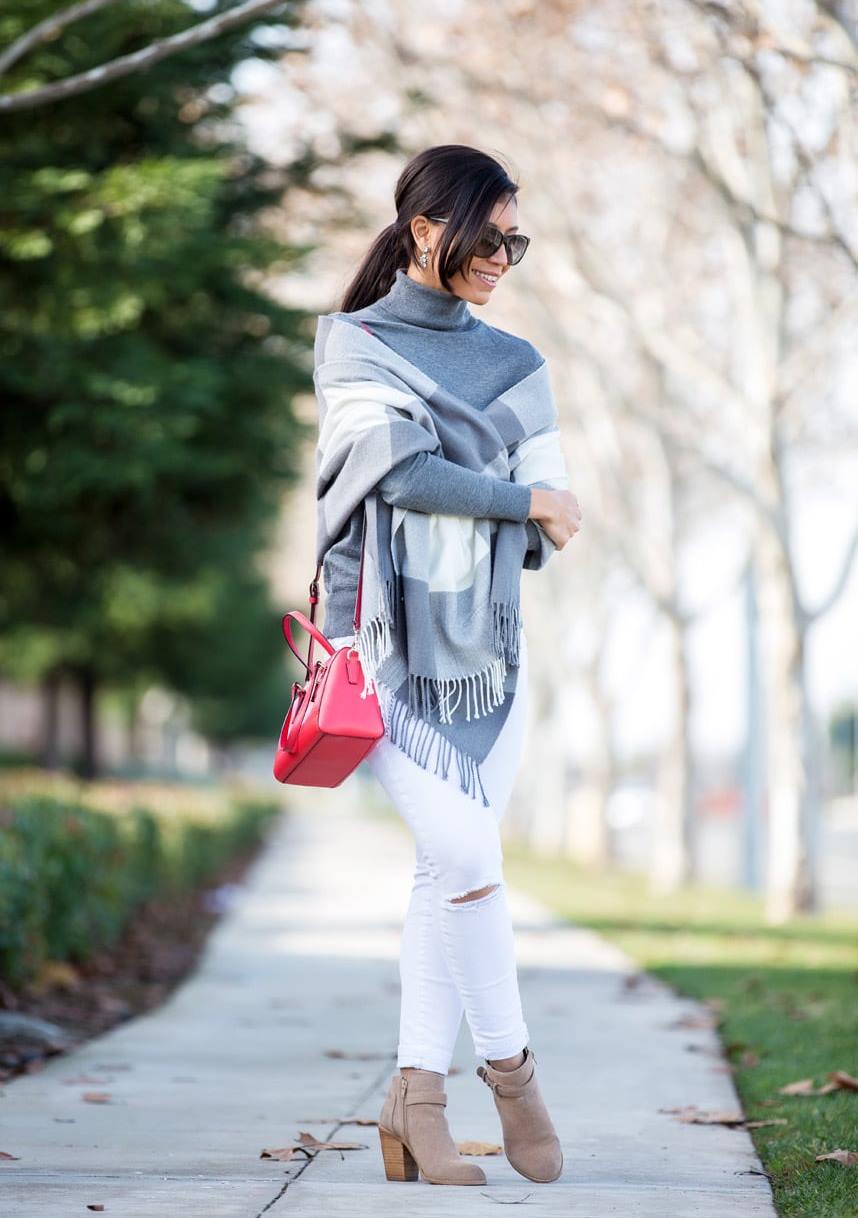
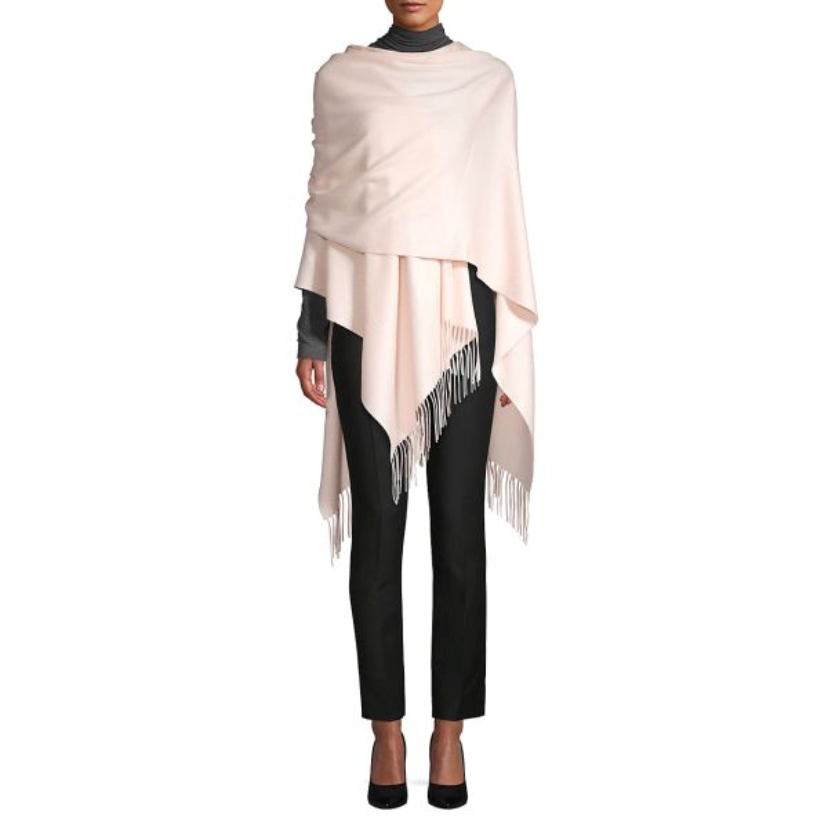
Lightweight fabrics do indeed scream summer, so many opt more for heavier fabrics such as cashmere and even jeans. Yes, this is difficult to do in warm climates, so maybe just aim to lean somewhere between white wool and white eyelet. If a bright white still makes your fashion mamma cringe, choose cream, ivory, or off-white. Nothing is cozier than a yummy winter white chunky sweater, cream cashmere pashmina, or ivory pants, or a winter white coat.


Personally, I draw a thin white line when it comes to shoes. I generally don’t wear white sandals or summer wedges once fall has arrived, although if the event calls for them I might wear them a bit past Labor Day. What I will sport on my feet is a pair of cream driving mocs or loafers.


When all else fails regarding fashion dos and don’ts, look no further than Vogue magazine. Anny Choi, Vogue market editor, says long-sleeved dresses, knitwear, boots, jumpsuits, tailored denim, and bags are the perfect way to add wintery white to your wardrobe. Wrap a cozy cashmere sweater over a dress, throw on a pair of booties or over-the-knee boots on with a maxi or midi, or simply carry a chalk-colored bag.  She also says to avoid a head-to-toe whiteout wardrobe at all costs.


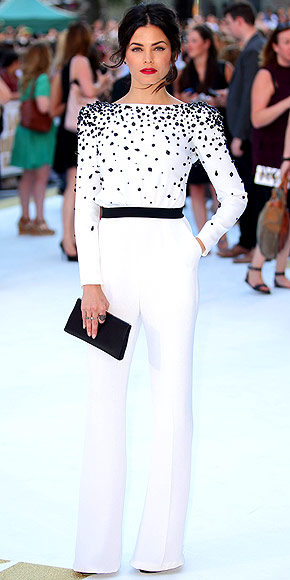
I hope this helps clear things up and helps you decide what to wear and what to put aside for the season.  And unlike the above photo of the stunning Jenna Dewan in an equally stunning black-and-white Zuhair Murad ensemble, just remember that nothing is ever truly black and white.


A Memorable Trip for All the Wrong Reasons September 20, 2019

Filed under: Uncategorized — carlawordsmithblog @ 2:55 pm

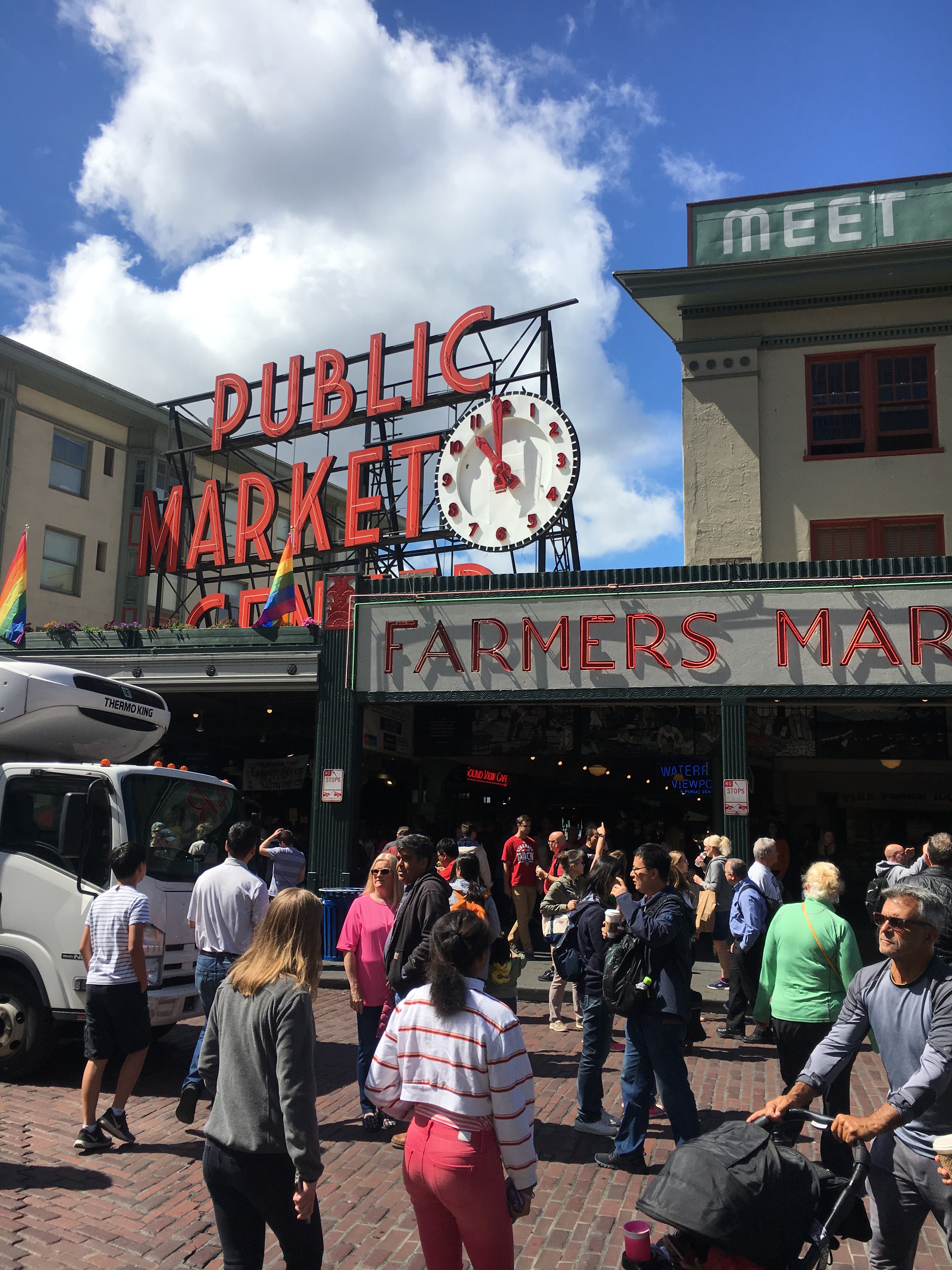
I love to keep a running Bucket List of places I long to visit. Visiting a destination and crossing it off my list usually brings me great joy and satisfaction. I hate to say it though, one place was recently crossed off my list but didn’t bring a great deal of joy. I’m looking at you Seattle. The Emerald City. Pike Place Market. The Space Needle. The Pacific Northwest. All fabulous, right? In my case, wrong.


Don’t get me wrong, I’m so grateful I got to visit Seattle this summer and loved my travel roomie and time spent with her, but I gotta say, Seattle was a bit disappointing. Thankfully, I breathed a big sigh of “I’m not crazy” relief when a dear friend of mine just told me this week that she was not loving Seattle on her trip there.


I so wanted to like Seattle and have been holding off writing about my travels because I didn’t want to hurt its feelings (so current, right?) and kept thinking maybe I was just off-base. But hearing that my trusted buddy felt the exact same things made me man up and proclaim in print that IMHO, Seattle is not a must see.


So what is it? Or better yet, what is it not?


For me, there were two major disappointments: Pike Place Market’s fish mongers and the fact that there are homeless everywhere. And I mean everywhere. I’d heard about the documentary “Seattle Is Dying” literally the week before my trip and watched in horror as a Seattle journalist discussed the city’s demise. The timing couldn’t have been more perfect as I felt somewhat prepared for the tents and camps and yet I was still shocked by the multitudes of them beginning with my Uber ride from the airport to our hotel. On the freeways I saw tent cities under overpasses and along wooded areas. On the city streets during our stay I saw a mom nursing her baby holding a sign right outside our hotel and witnessed a guy shooting up on a major street as we walked around touring sites. Our hotel doors locked at 9 p.m. and we were told by a very honest concierge it’s because they need to keep the homeless out. Good to know.


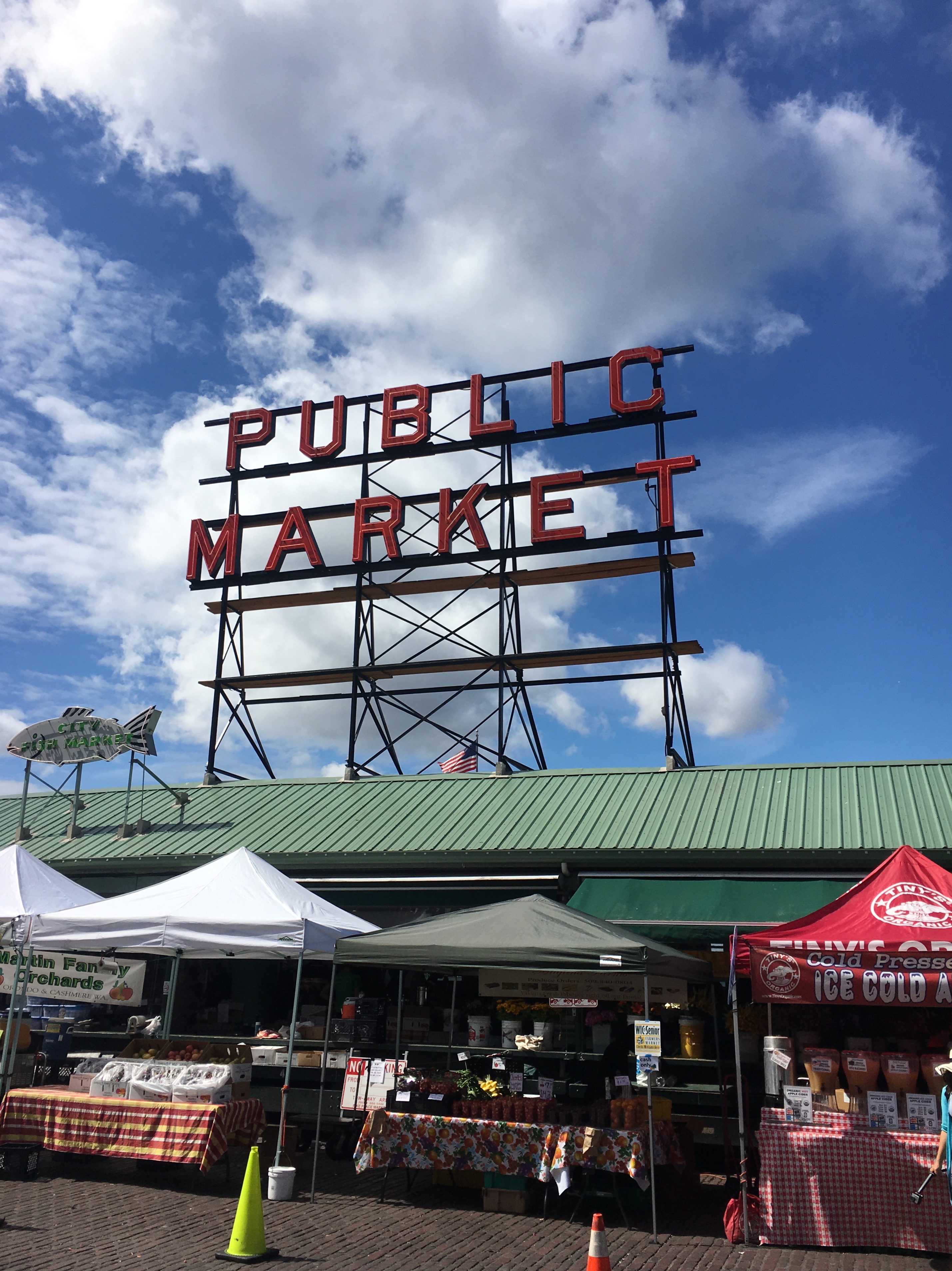
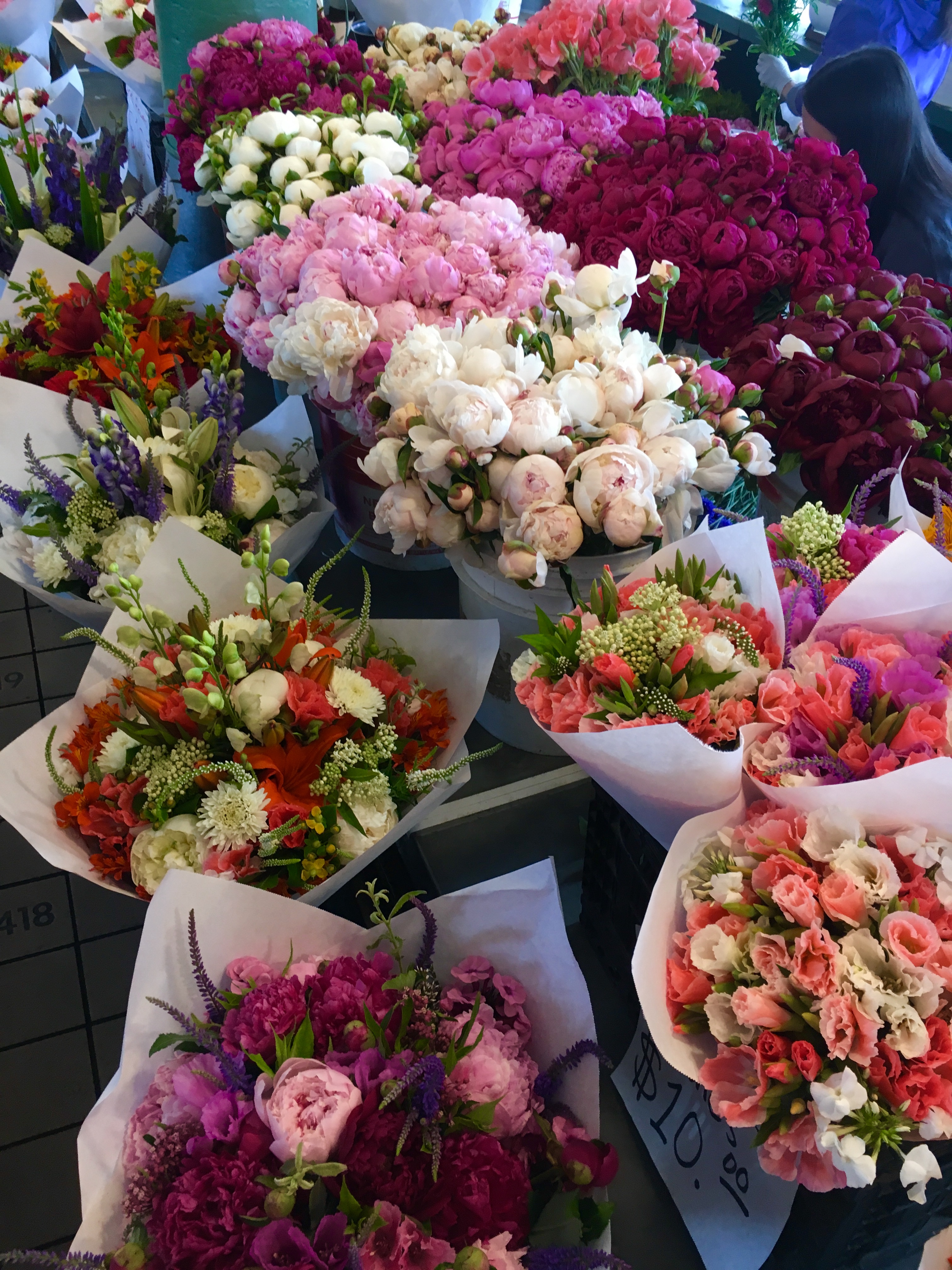
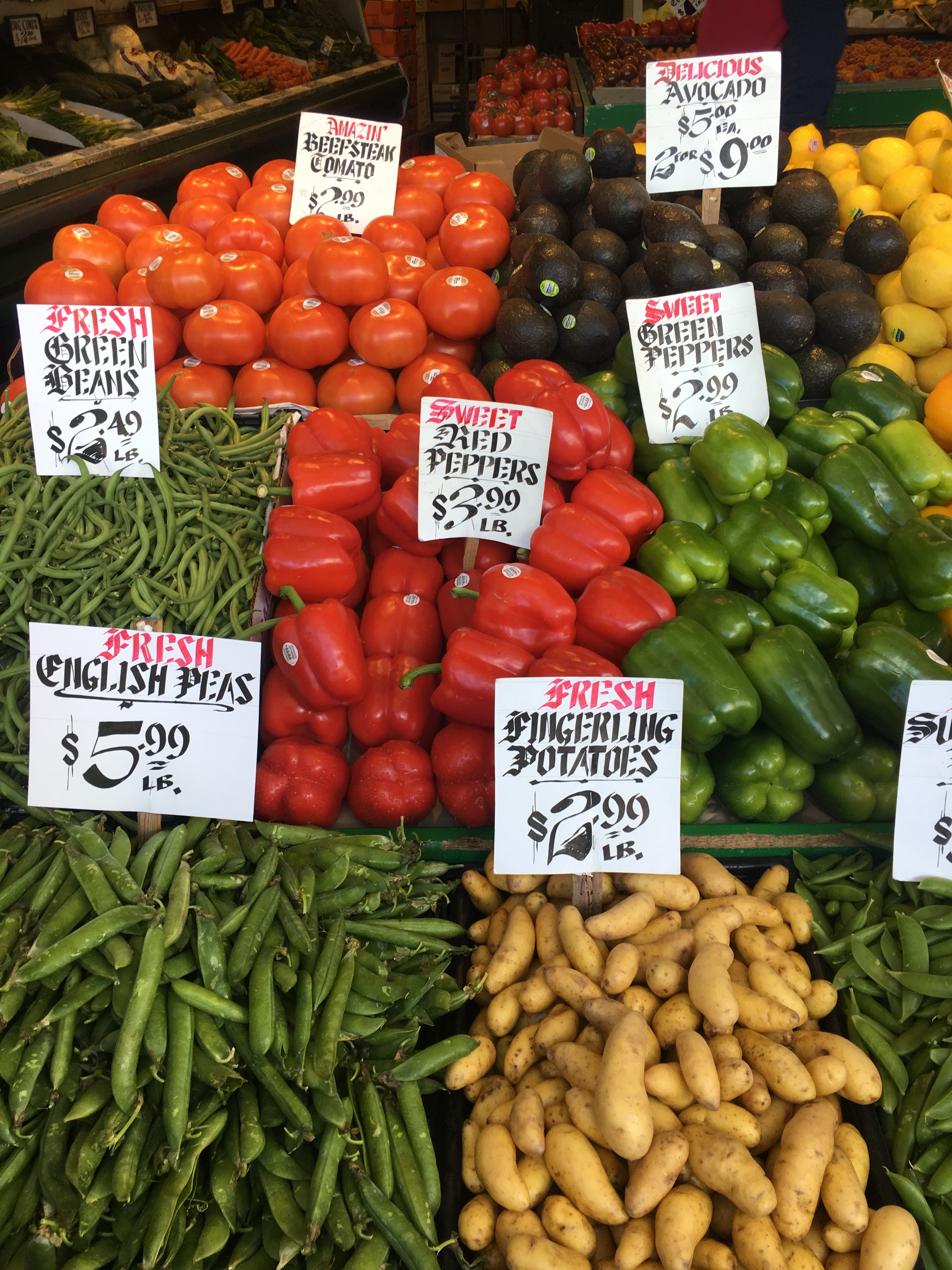
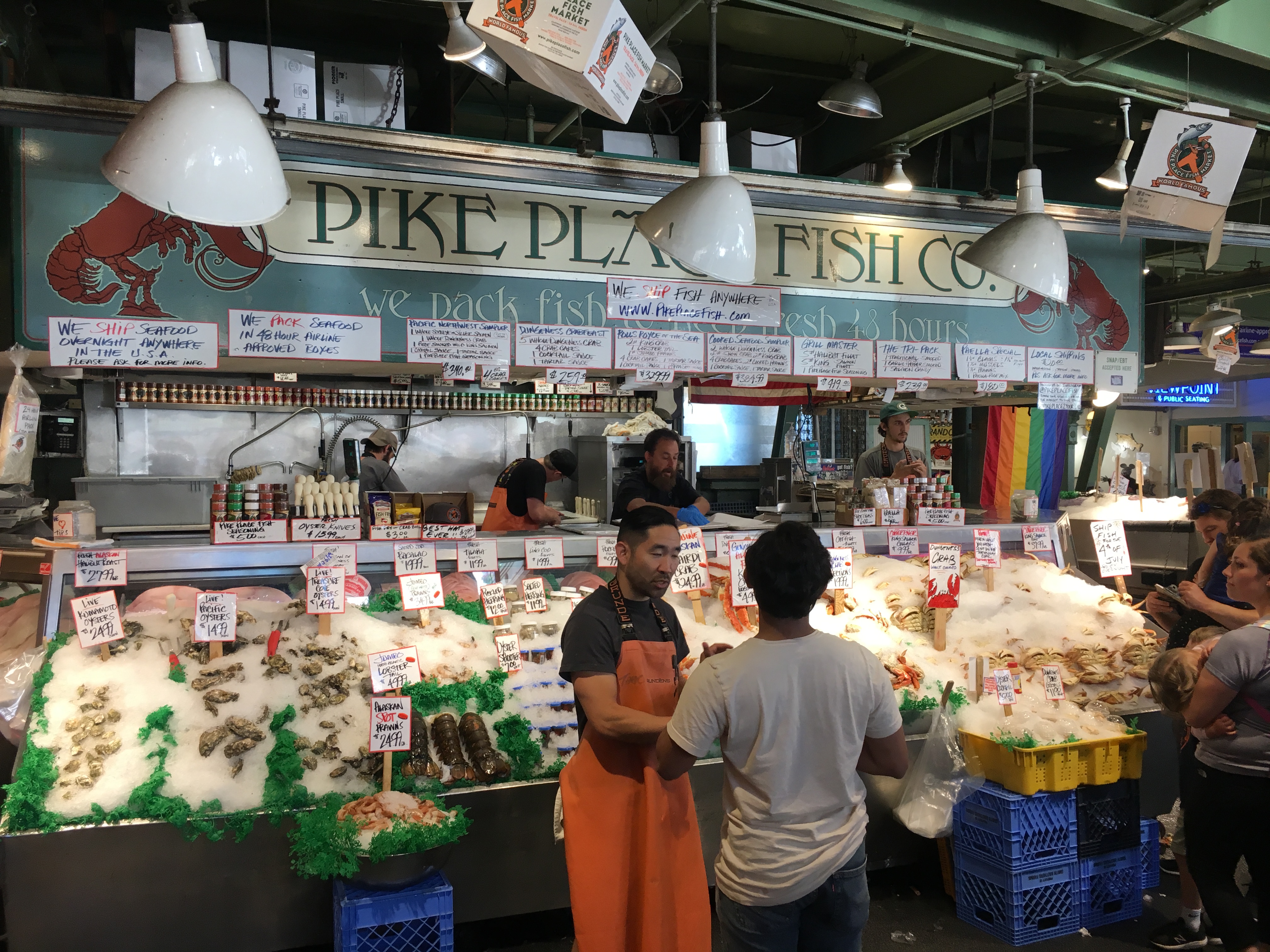
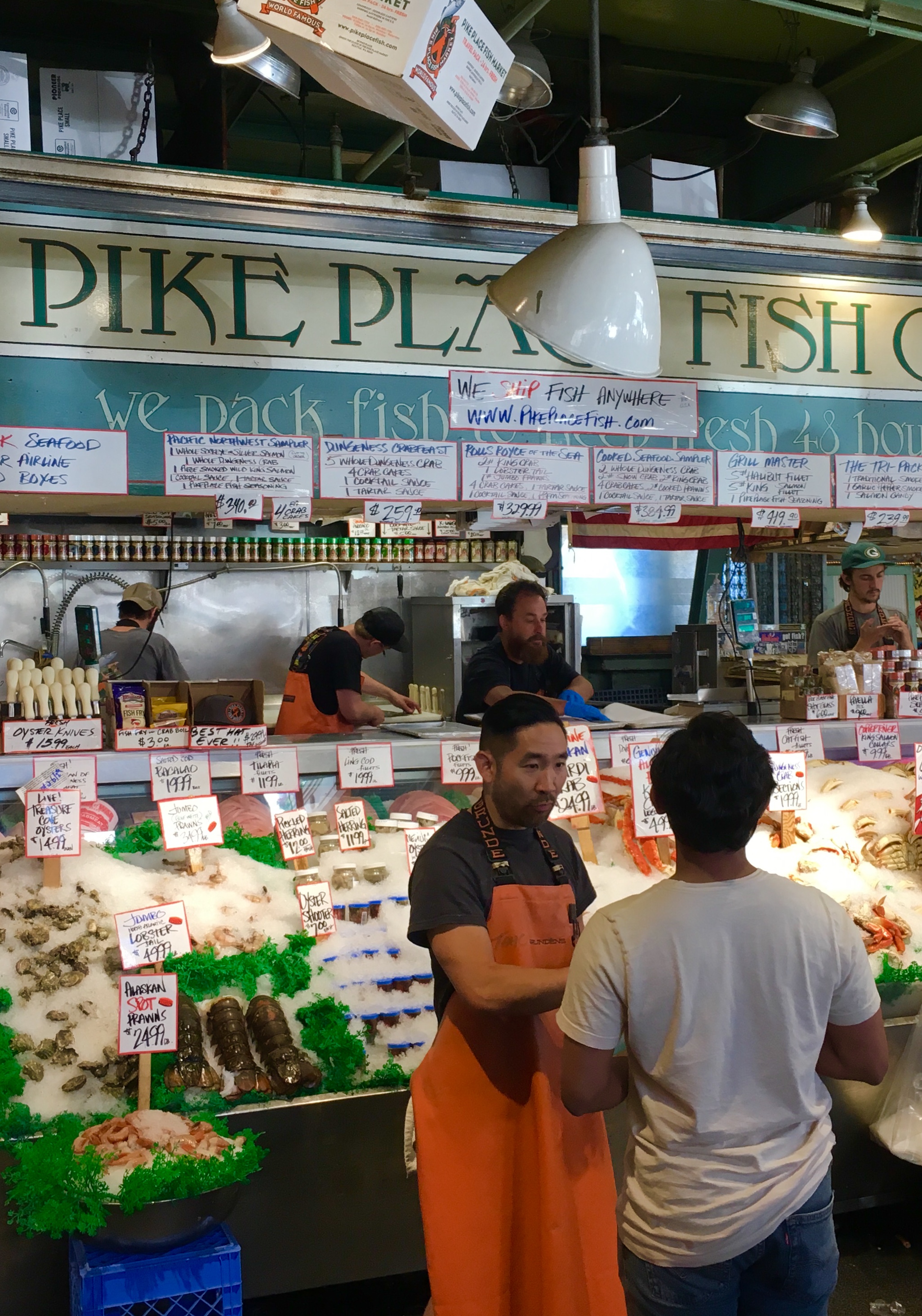
As for the fish market, I guess my wish list was bigger than reality. I was expecting rows and rows, booths and booths of fish mongers and fish selections, but in the main area there is really only a smallish section devoted to them. And the flinging of purchased fish and the daily catch was nowhere near what I’d been led to believe. I’d also read the Lower Arcade was filled with unique shops. I suppose, but again, not impressed. What I loved most about the “fish” market were the flowers and the produce. Now they were remarkable!


Other than that, Pike Place Market was not my favorite. I’m also not a Starbucks fanatic so that aspect of the city didn’t fill my cup. It was kinda cool to see the oldest (not original cuz it’s gone) Starbucks location but after taking a photo, I quickly moved on. I will say Seattle does photograph beautifully. It’s a bit like all those filtered Instagram photos though in that the picture is prettier than the real deal. You could call it the Kardashian of cities with San Francisco joining its snapshot sisterhood.


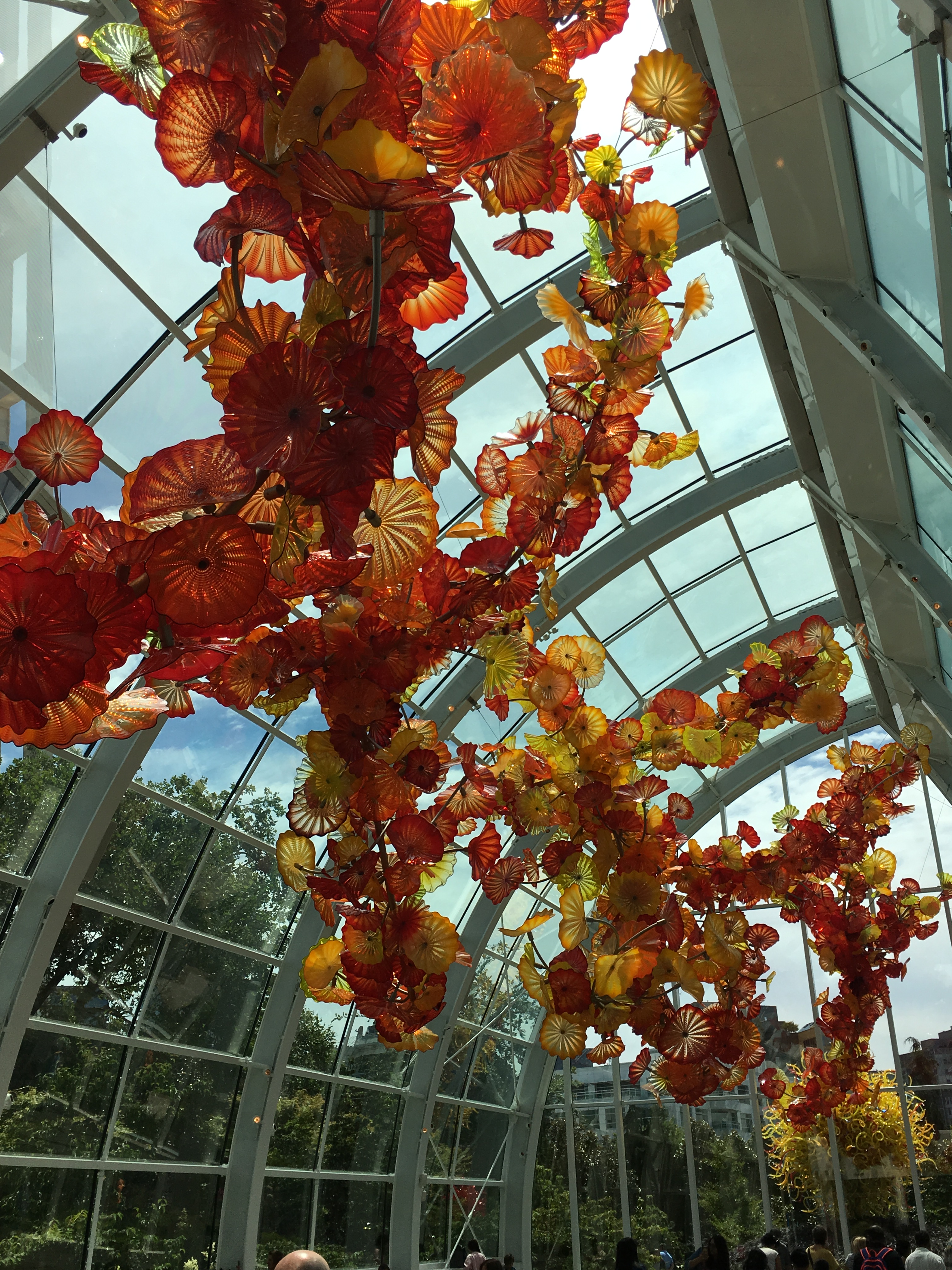
Surprisingly, I liked the Space Needle way more than I thought I would and my favorite Seattle site was hands down The Chihuly Garden of Glass right next to the needle. It was amazing and I couldn’t get enough of it. But what about Mt. Rainier? Very impressive and very cool. When you can see it. But Pioneer Square? Eh. The Waterfront? Meh.  Belltown? Bummer.


Like many urban areas, I’m sure the surrounding parts of Seattle are beautiful. Pretty sure Bill Gates and Jeff Bezos don’t live anywhere near what I saw. I’m also aware that the parts of Seattle I saw are mainly its downtown area but that’s what tourists see. It’s where businesses thrive. In a way, a city’s entertainment and downtown districts are its calling cards and the call I got in Seattle is one I won’t rush to answer again. Fix the problems or don’t put them on your brochures and websites.


It could also perhaps be that I’m just wearing on big cities and much prefer smaller and quainter small towns. If you’re not New York or Paris, I’m out. And yet, weeks after visiting Seattle I was in New Orleans and I still love the Big Easy. I remember thinking, if New Orleans feels cleaner than Seattle you know there’s a problem! Both my girlfriend who just returned from Seattle and I left Seattle feeling like it was just a big dirty place. I’m glad I went, but I don’t ever need to go back.  And don’t even get me started on San Francisco, what used to be America’s most beautiful city.
 

My fear is that Austin is becoming more and more like Seattle. Population wise, the Texas capital is actually bigger than Seattle and it’s facing more and more of The Emerald City’s woes. Our City Council recently passed an ordinance that basically allows public camping as long as the person is not endangering themselves or others…or in front of City Hall. The edict is currently being reviewed and possibly revamped due to public outcry and an influx of tent cities across the city and hopefully it’s not too late. I was in shock this morning as I listened to one mom call in to talk radio and express her fears and frustrations that her freshman daughter at the University of Texas lives mere feet from countless tents along the university’s main drag. I would die knowing my child was walking to class amidst such decay and demise.


Don’t get me wrong; I’m a homeless advocate and am married to a man who, for years, has gone downtown to feed the homeless once-a-week. But, there is no denying it’s getting worse and worse across our great land. I’ll never forget when my daughter and I were in Paris last year and were talking to a group of non-Americans who had recently visited the States. We asked them their biggest takeaways and they mentioned how surprised they were that everything is drive up in America: food, banks, prescriptions, etc., and how patriotic we are; which they said they envied. They don’t, however, envy  how many homeless they saw and can’t believe it’s so rampant in America. Let that sink in for a bit.


But what to do, right? In “Seattle is Dying” a program in Providence, Rhode Island is profiled. They are doing things right there and perhaps other cities should take a look and listen. Instead, Austin’s mayor went to LA. Go figure. Granted, Providence is way smaller than LA or San Fran, but the concept could very well be implemented with a larger budget on a larger scale.


Many things need to be addressed in order to take care of our own, including mental health, addiction, and even the cost of living in some cities. This is not a blog about answers sadly, as I am not an expert in any of these fields. I’m merely a traveler who wants to feel safe and a human being who is empathetic and concerned. In the meantime, places like Newport and Naples, Charleston and Chattanooga are looking better and better.


Learning to Play September 16, 2019

Filed under: Uncategorized — carlawordsmithblog @ 1:39 pm

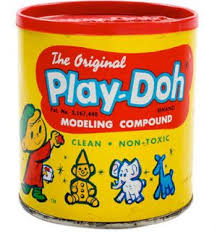
I have a handful of favorite scents: Easter lilies, gasoline, Chanel Mademoiselle perfume, a new can of tennis balls, sautéed garlic, and Play-Doh. There’s something magical about the colorful molding clay’s scent, and what better day to talk all things Play-Doh then today, National Play-Doh Day?! I not only love the smell of Play-Doh, I love playing with it, and I love the fact that something so simple is so good. So, let’s celebrate!


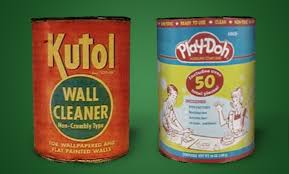
As with many a unique and successful invention, Play-Doh’s origin has gone through a metamorphosis and had nothing to do with fun and games. At the request of Kroger Grocery, Cincinnati-based soap manufacturer Kutol Products and employee Noah McVicker created a non-toxic and non-staining reusable modeling compound to remove soot and coal residue from wall coverings. But with the transition from coal-based heating to natural gas as well as the introduction of washable wallpaper, demand dwindled. Play-Doh, as it later became known, needed a new identity and all you teachers out there will be thrilled to know that it came thanks to none other than a teacher.


McVicker’s nephew Joe was the brother-in-law of preschool teacher Kay Zufall who persuaded them to manufacture their putty as a child’s toy because she had seen that kids found traditional modeling clay too hard to manipulate.  Joe was on board with the idea and shipped some of the product to a local school in the mid-1950s. Teachers and kids both raved so he offered to supply all Cincinnati schools with it and it officially became “Play-Doh.”


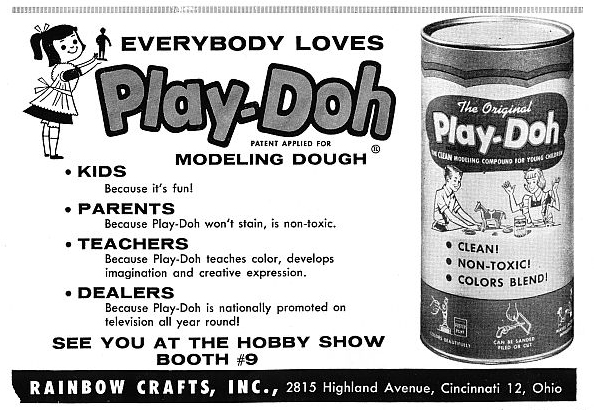
Working with no advertising budget but realizing the he had a winner, Joe took it to a manufacturers of school supplies convention in 1955 in hopes of getting it more exposure. His plan worked, as Play-Doh was picked up by Washington, D.C. department store Woodward & Lothrop and none other than Captain Kangaroo raved about it on his popular national TV show after being approached by Joe. In 1956 the McVickers formed the Rainbow Crafts Company to make Play-Doh and that same year Macy’s in New York and Marshall Fields of Chicago both opened retail accounts.  A mere two years later, Play-Doh sales reached nearly $3 million.


It wasn’t long before America’s favorite pliable putty was exported, beginning in 1964 to Britain, France, and Italy. The McVickers knew they’d hit gold and in 1965 Rainbow Crafts was issued a patent for Play-Doh and was purchased by General Mills for $3 million. Hasbro became Play-Doh’s owner in 1991 and manufactures it today through its preschool division. All of this makes this preschool teacher very happy.


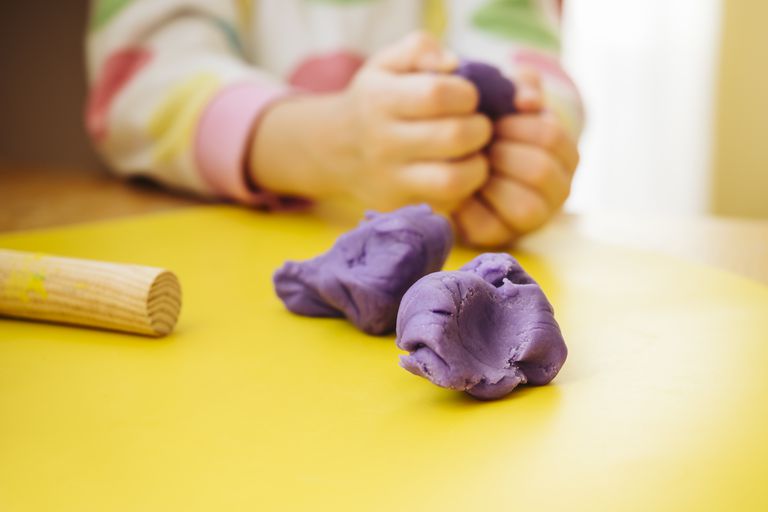
As a preschool teacher, I’m forever grateful for Play-Doh. On any given day in my class, if I pull out Play-Doh and all the fun tools that go with it, kids will immediately drop what they’re doing and go at it. They love making pizzas, animals, letters, tacos, and shapes out of it and it’s so good for fine motor and other skills. Using their hands and fingers as they roll, smash, cut, and slice the dough, they don’t even realize they are getting their little fingers and hands strong and ready for future skills like writing and they’re improving their focus and creativity. It’s truly a classroom and kid-friendly win-win!


Classes and home everywhere agree, and since 1956 more than 3 billion cans of Play-Doh have been sold, which is enough to reach the moon and back three times. If you made a giant ball out of all the Play-Doh ever sold, it would weigh more than 700 million pounds and today it’s sold in nearly 100 countries and in more than 6,000 stores in the U.S. alone.


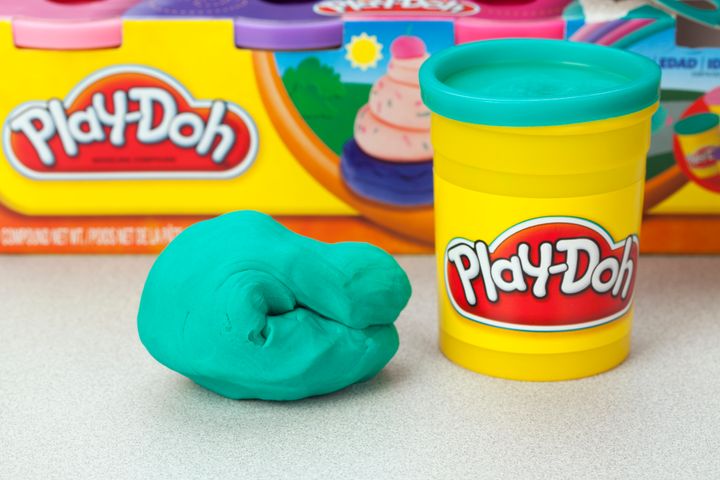
Originally only manufactured in off-white, Play-Doh now comes in more than 50 colors. A year after being introduced as a toy, it was offered in primary colors and its palette was extended to eight colors in the 1980s. Polls about which color is the most popular have revealed that Rose Red, Purple Paradise, Garden Green, and Blue Lagoon are the peoples’ favorites. With festive colors like glitter and glow-in-the-dark introduced in later years as well as gold and silver in 1996 in celebration of Play-Doh’s 40th anniversary, interest and innovation continue. Boy would I love to get my hands on some of that glitter goo or the gold and silver versions. And how much fun my students would have with the glow-in-the-dark one!


But back to that delectable Play-Doh smell. Who doesn’t love it? So many people, in fact, that for the compound’s 50th anniversary Hasbro created a Play-Doh fragrance and in 2017 trademarked the scent. The distinctive smell of Play-Doh is described by the company as “a unique sent formed through the combination of a sweet, slightly musky, vanilla-like fragrance with slight overtones of cherry” and was made for anyone looking for that scent so iconic and reminiscent of childhood.


Not only does it smell good, but for many years if you created a fingerprint in it, it would actually fool fingerprint scanners. With new and improved technology this is no longer the case, but how amazing is that?! What you can do with Play-Doh today however, is create animated characters with its “Touch Shape to Life Studio” app, which allows kids to turn their clay creations into high-tech animated characters.


One little mystery about Play-Doh is what it’s made of. Hasbro says the compound is primarily a mixture of water, salt, and flour but word has leaked that it might also contain a starch-based binder, surfactant, preservatives, hardener, and even a petroleum additive that gives Play-Doh its unique smooth feel. And gluten allergy sufferers take note:  Play-Doh does contain some wheat and may cause allergic reactions to those allergic to wheat gluten.


It should come as no surprise given all of this that Play-Doh is in the National Toy Hall of Fame in Rochester, New York.  It was inducted in 1998 and in 2003 the Toy Industry Association included it on its “Century of Toys” list made up of the 100 most memorable and most creative toys of the 20th century.


I for one will forever include it on my favorites list and for that, I thank a teacher. It just goes to show that in the end, clever ingenuity when faced with adversity often wins and that learning is fun.


A Very Brady Blog September 9, 2019

Filed under: Uncategorized — carlawordsmithblog @ 3:24 pm


Here’s the story, of a lovely lady…


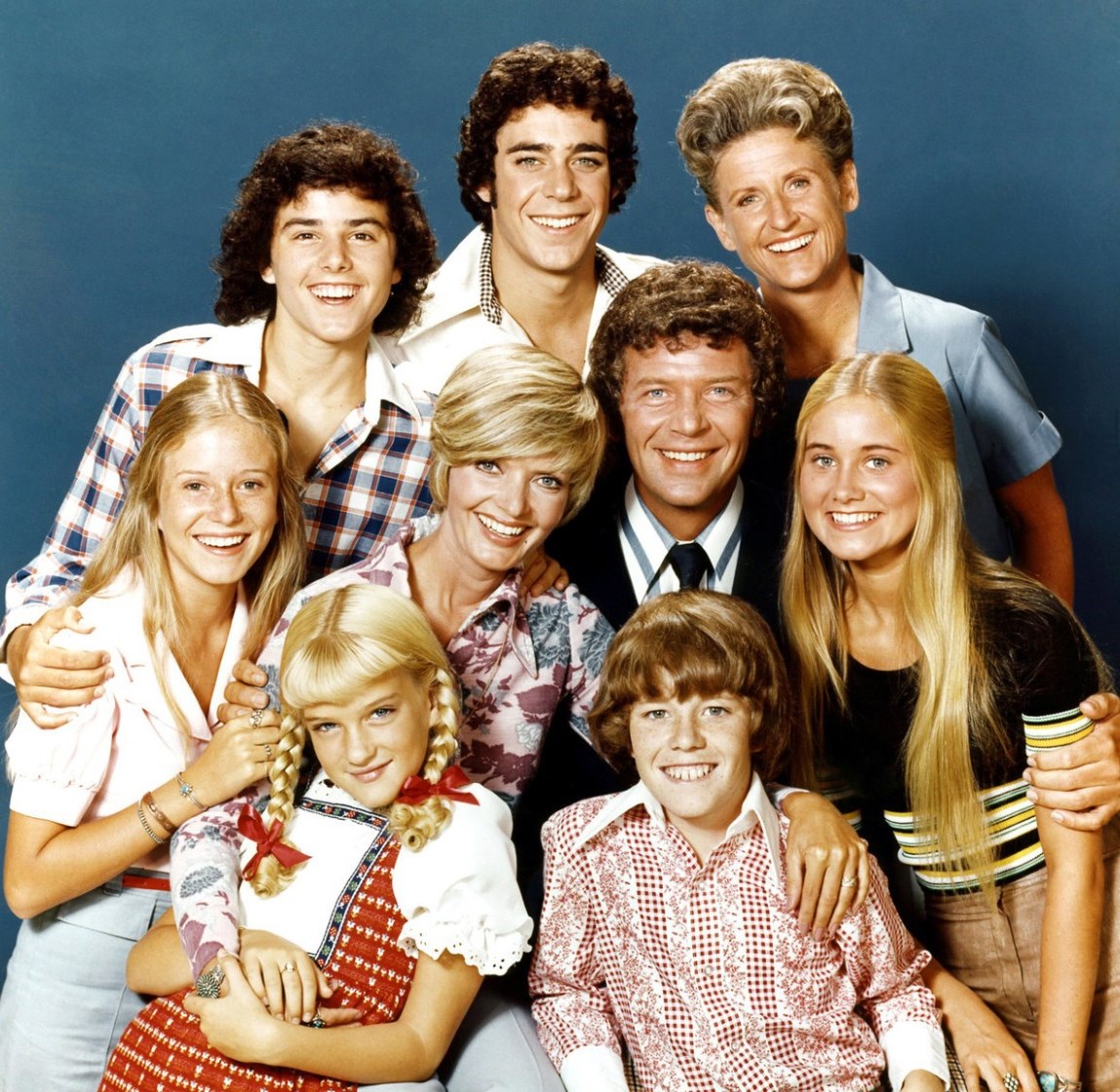
Got you singing, didn’t I? Those are the opening words to one of the most famous theme songs in history and is, of course, that of “The Brady Bunch,” the iconic 1970’s TV show that this year is celebrating its 50th Anniversary with a big HGTV special and reunions galore. This “Brady Bunch” fan could not be happier! Are you with me?


Here’s the Story

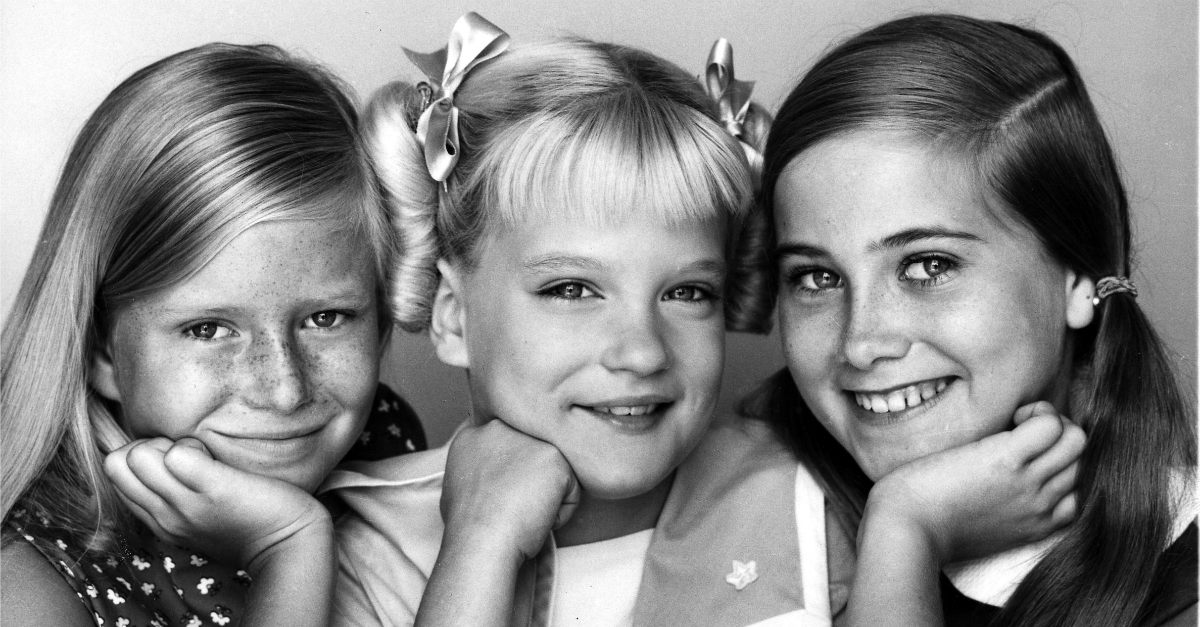
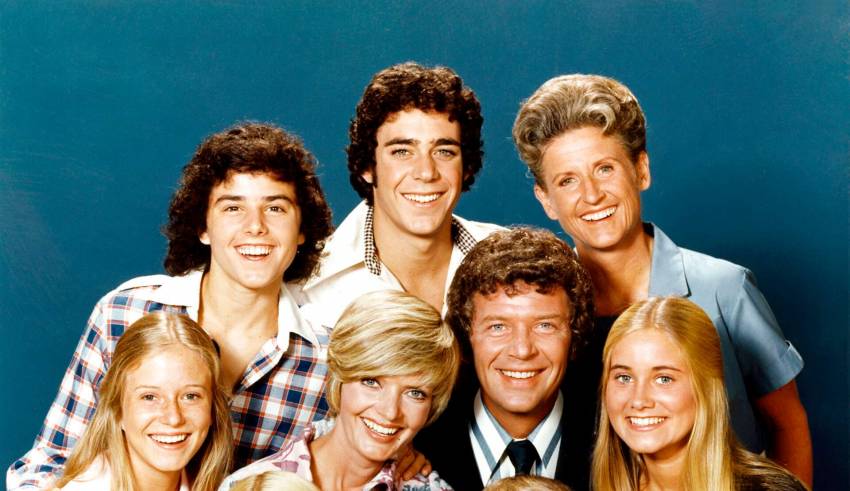
Created by Sherwood Schwartz (I even knew his name and when I close my eyes I can see it in the show open), “The Brady Bunch” premiered 50 years ago this month on September 26, 1969 (the same year we landed on the moon and Woodstock was held) and ran until March 8, 1974. It was inspired by a news story about a blended family and Schwartz interviewed more than 260 boys and girls to find his perfect bunch. As for Carol (the lovable Florence Henderson) and Mike, Gene Hackman was actually considered for the role of Mike Brady, but at the time he was an unknown actor so Robert Reed was chosen instead. “The Brady Bunch” was hands-down one of my favorite shows to watch, along with “The Partridge Family,” and I still love it to this day. I wanted so bad to be Marcia Brady and thought she was so cool and so pretty. If I ever meet Maureen McCormick who portrayed her, I think I might even get a little nervous and shout out “Marcia, Marcia, Marcia!”


Truth be told, the acting wasn’t great and the scripts weren’t very believable, so why was “The Brady Bunch” a success and why is it still one in syndication?


Originally titled “Mine and Yours” by Schwartz, similarities were made between it and two hit movies from the time, “Yours, Mine, and Ours” starring Henry Fonda and Lucille Ball and “With Six You Get Eggroll” starring Brain Keith (Uncle Bill from another favorite of mine, “Family Affair”) and Doris Day (a forever favorite of mine.) It’s important to note that “Brady Bunch” scripts predated those of both movies.


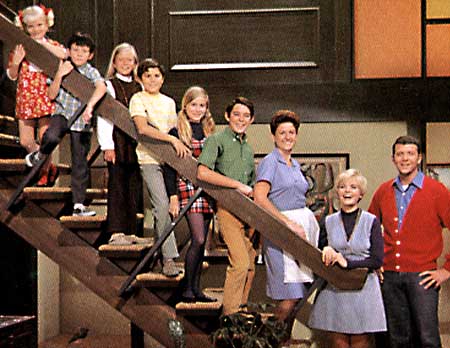
As corny as it was, you can’t deny the Bradys were groundbreaking. The family was a blended one, consisting of the kids (Greg, Peter, Bobby, Marcia, Jan, and Cindy for those of you living under a rock for the past 50 years) of a widowed dad Mike and the mom he marries, Carol Martin. Funny thing is, it was never revealed whether Carol was a widow or a divorcee. ABC objected to Schwartz’s desire that Carol be a divorcee, so instead her marital status was never revealed. How times have changed.


Add to this the fact that back then Los Angeles and California were both cool and enviable places to live. What young American did not long to pack their bags and move the LA in search of their dreams? Again, how times have changed.


Carol and Mike must have done something right, as the six Brady kids in real life have remained fairly clean compared to many other child stars. You really haven’t heard about Marcia being in rehab, Bobby going to jail, or any of them making headlines. Instead, the six actors have kept working both on screen and off and for the most part, remain fairly normal people. This alone is worth celebrating.


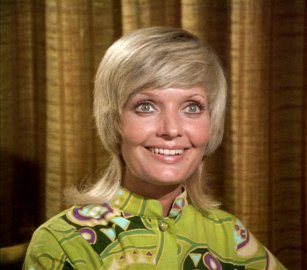
Not everything Brady was perfect though. Case in point: Carol’s heinous hairdo!  I remember thinking it was soooo bad even back then. And how, pray tell, did three girls and three boys share one bathroom? No way, no how. And, did you know a toilet was never shown?


One question I always had was why in the world did Carol Brady need a live-in housekeeper when she didn’t work full-time outside the home? Come to find out that dear, beloved Alice (Ann B. Davis, a name forever engrained in my brain) had actually been Mike’s housekeeper so how sweet of him to include her in his new family. The boy’s dog Tiger also made the cut.


Ironically, the series was never a big critics or ratings winner, but in syndication it’s a huge hit with an episode said to be broadcast somewhere in the U.S. and abroad every day of the year. Schwartz believes part of its original appeal is because it was written from the kids’ point-of-view, not that of the parents. Situations like boy trouble, sibling rivalry, and meeting famous rock stars appealed to the young audience as did the fact that despite short-lived conflicts, the Bradys were a harmonious family that demonstrated respect, honesty, and acceptance. Every character was lovable in some way or another. For Cindy (Susan Olsen), it was that lisp. It was real and Olsen worked with a speech therapist until age 19 and ultimately had it corrected with surgery.


Season one focused on issues any blended family might face: accommodations in newly shared home, resentments toward siblings, and boy/girl rivalries and differences. After that initial season, scripts concentrated more on typical preteen and teenaged issues like puppy love, self-image, and responsibility. Remember when Greg was “grown up” and moved upstairs to his own private room and how furious Marcia was about it?!  Never was anything political brought up however, which is especially laudable given the fact that the Vietnam War was being waged during the series’ run. How wonderful if today’s sitcoms and TV shows would do the same, no?


Nonetheless, sensitive subjects were addressed. In one episode Carol reminds Bobby that the only steps in their house were the ones leading to the second floor. In other words, there were no stepchildren in the Brady household, only children.


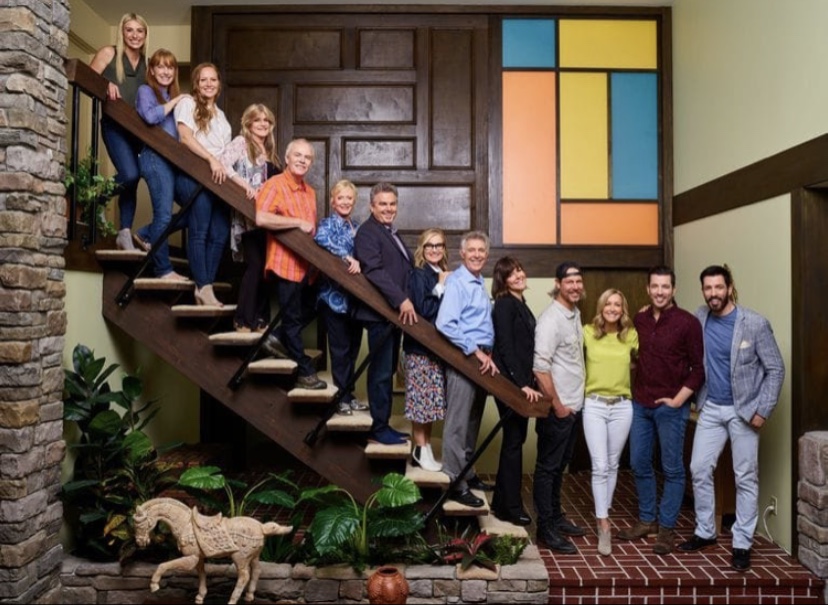
The House That TV Built

Now, all these years later, “The Brady Bunch” is taking over TV again. HGTV’s four-episode miniseries, “A Very Brady Renovation,” premieres tonight and is the most anticipated of the many commemorations planned. The series will follow all six Brady kids as they help makeover the LA home that was used for exterior shots of their TV home and turn the inside into what we all remember the Brady house to be.  In it, each cast member is assigned a room to remodel, all the while being helped by HGTV stars Drew and Jonathan Scott of “Property Brothers” as well as stars from “Restored by the Fords,” “Hidden Potential,” “Flea Market Flip,” and “Good Bones.”  I can’t wait and already have the DVR set!


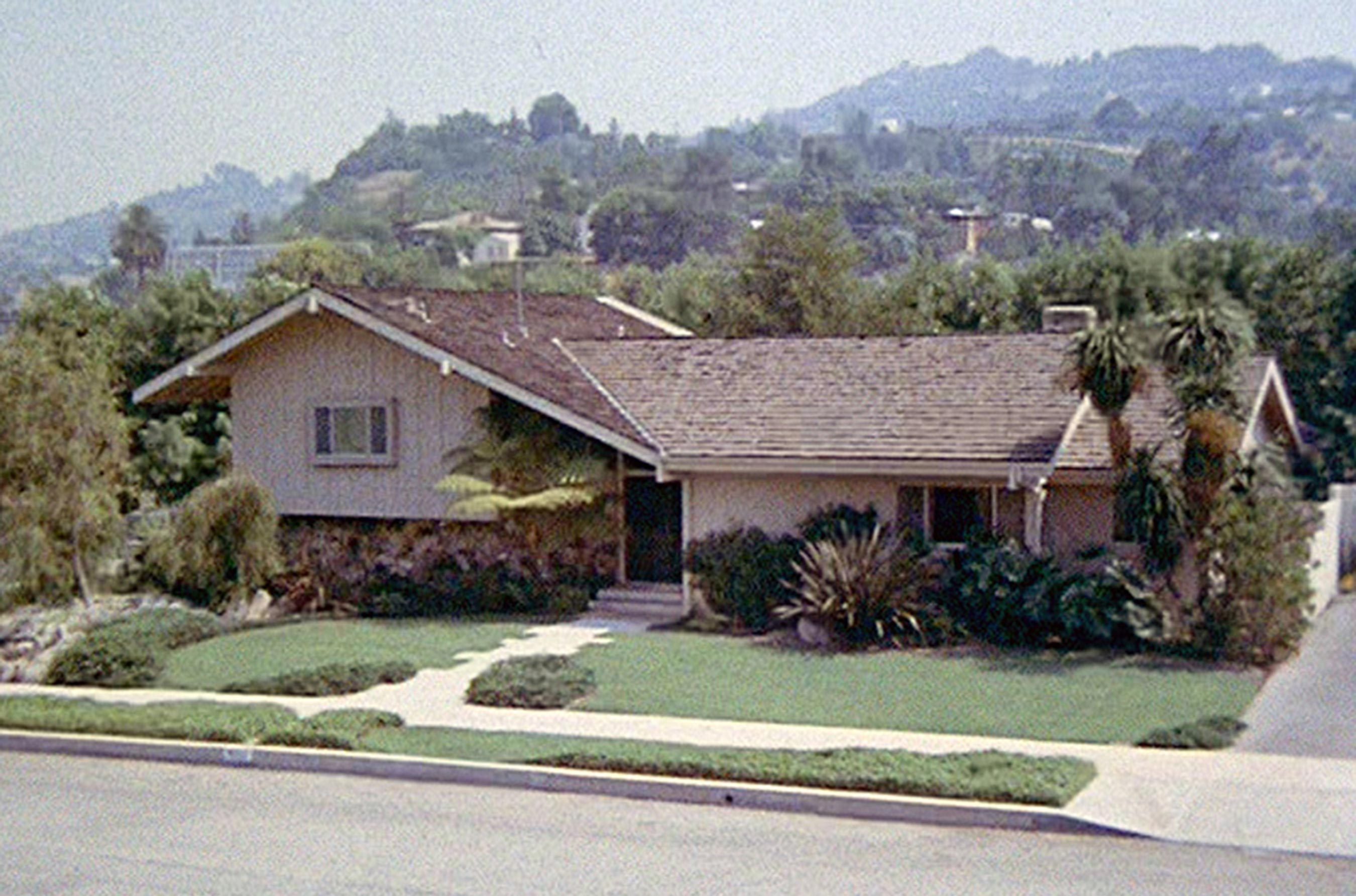
HGTV bought the home last year for nearly $2 million, outbidding many others. The actual house was never used in the making of the original series, with all filming done at Paramount Studios. But, what living and breathing Brady fan does not remember the classic suburban house and its distinct two story exterior?  In one episode Mrs. Brady gave the address of 4222 Clinton Way, but it’s recently been revealed the house is actually on Dilling Street in North Hollywood and tourists drive by it and take selfies 24-7. The fact that this mid-century modern abode is a nostalgic keeper says a lot, as most split-level houses of its kind are today’s tear downs, not fixer-uppers.  Actor Christopher Knight, who played Peter, told “Parade” magazine that he was always shocked at how connected the audience is to the house because they really had no recollection of it because they never worked there.


One thing I didn’t know is that the house was supposedly designed by Mike, an architect. It is said that the house, built in 1959, was selected by Schwartz because he felt it looked like something an architect would live in. Personally, I was always confused that the upstairs in exterior shots looked to be on the left side of the house but the interior stairs seemed to lead to the right. Now I know why.


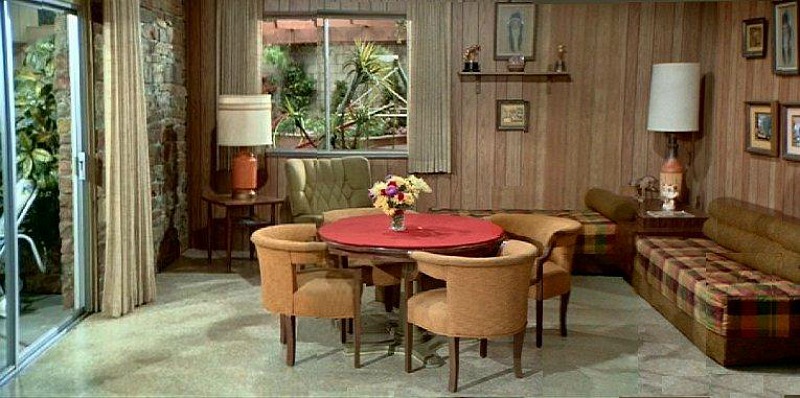
I loved the Brady’s house. The kitchen was big and had double ovens! It was two-story. Mom and dad always casually sat and visited in the living room and the entry had double doors! The sleeper–style sofas in the den? We still have similar ones at my mom’s.  We call them the Brady Bunch couches. In that same made-for-television den was a painting on the wall of a young what looks like a Native American girl. Our friends growing up had the same exact print! I’m telling you, the Bradys were very special. TV magic. Brady magic.


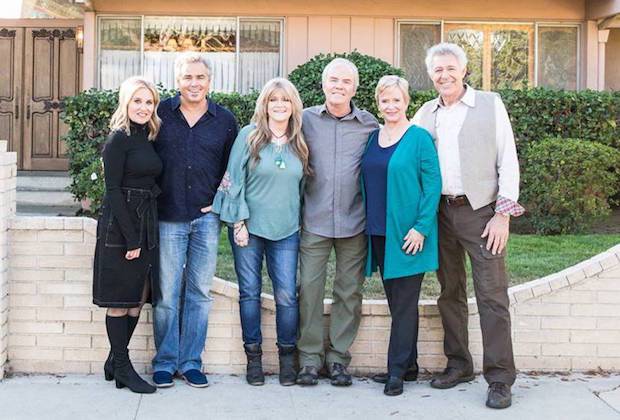
Much has been revealed about the cast, including the fact that Barry Williams (Greg) and McCormick had their first kiss while filming in Hawaii and that Olsen and Mike Lookinland (Bobby) used to make out in Tiger’s doghouse. The fact that Reed was gay was kept secret by the entire cast until his passing and Olsen and Lookinland have since shared that Reed was more of a father figure to them than their biological dads. Today Williams and Christopher Knight (Peter) remain friends and were at each other’s weddings but sadly, McCormick and Eve Plumb (Jan) didn’t get along during filming and still don’t.


McCormick however developed strong bonds with both Davis and Henderson and they remained close up until the two elders passed.


Perhaps all of this is why it’s so wonderful and why I love that all six actors reunited for the making of anniversary-related events including Brady-focused episodes of “Chopped, “Pioneer Woman” and other Discovery and Food Network shows. I have to believe that Henderson, Reed, and Davis would also be involved if they were still with us today. Reed passed away in 1992 and Henderson, who was born on Valentine’s Day, succumbed to a life-long battle with heart disease in 2016 at the age of 82. Following her years of playing the Brady’s devoted housekeeper, Davis lived a quiet religious life until her death in 2014.


We all had our favorite Brady, but perhaps it was beloved Alice who ranked highest. Alice was indeed a bit odd, but she was spot on when it came to solving family conflicts, being the voice of reason, and cleaning up messes. She was the mainstay of the family and the kids always knew they could count on her as a trusted confident and sounding board. We all need an Alice in our lives, right?


A Tune for the Ages

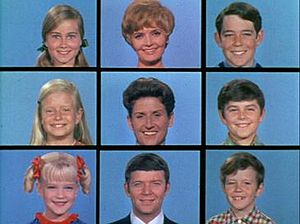
I started this blog with the first line from the show’s open; an open that will forever live in infamy and is truly a cultural phenomenon. The at the time “high tech” style has been credited with “The Brady Bunch effect” and it was selected by “TV Guide” readers as the eighth best show opener ever. My guess is that as you’re reading this, you’re singing the song and visualizing the faces in the tic-tac-do grid design.


Written by Schwartz and Frank De Vol, it was originally arranged and performed by a group called “Peppermint Trolley Company” but in season two, the Brady kids took over the singing of it. I remember when that happened and thought it was so cool!


I also loved some of their other songs, especially when they sang “Sunshine Day” and “Keep on Dancing” (in those matching blue and white pants and sweaters outfits!) from the episode where they were on “Amateur Hour.” The Brady kids also recorded several albums but none became hits. Oh well, for that we had “The Partridge Family,” right?


The new anniversary events are just part of the popular Brady bank vault.  Sequels and spin-offs have also hit the airwaves, as have an animated series, a variety show, TV movies, and a stage play. Apparently we never get bored with all things Brady.


So that’s the story of a man named Brady and his blended bunch that influenced a generation of fans and continues to do so. I have a hunch we haven’t seen the last of the beloved Bradys. Carol and Mike would be proud.


A Day to Work on Your Attitude and Go Fishing! September 2, 2019

Filed under: Uncategorized — carlawordsmithblog @ 6:53 pm


As we celebrate Labor Day today, let’s remember the reason for it: all those who work and labor. Quick history before I move onto today’s blog:


Labor Day pays tribute to American workers and their achievements, sacrifices, and contributions. It was created by the labor movement in the late 19th century and became a national holiday in 1894. To all you laborers who have today off, enjoy your day and to those who don’t, thank you!


The challenge for many employers and workers will start back up tomorrow as we head back to the office, the store, the plant, the school, and other places of employment. It’s every boss’s dream to have a successful business filled with people who are happy to be there and ironically the needs of an organization and the needs of its workers are often the same: creativity, passion, flexibility, and devotion. But how do we get there? One proven way? Fish! Yep, fish. As in Seattle’s fish mongers.


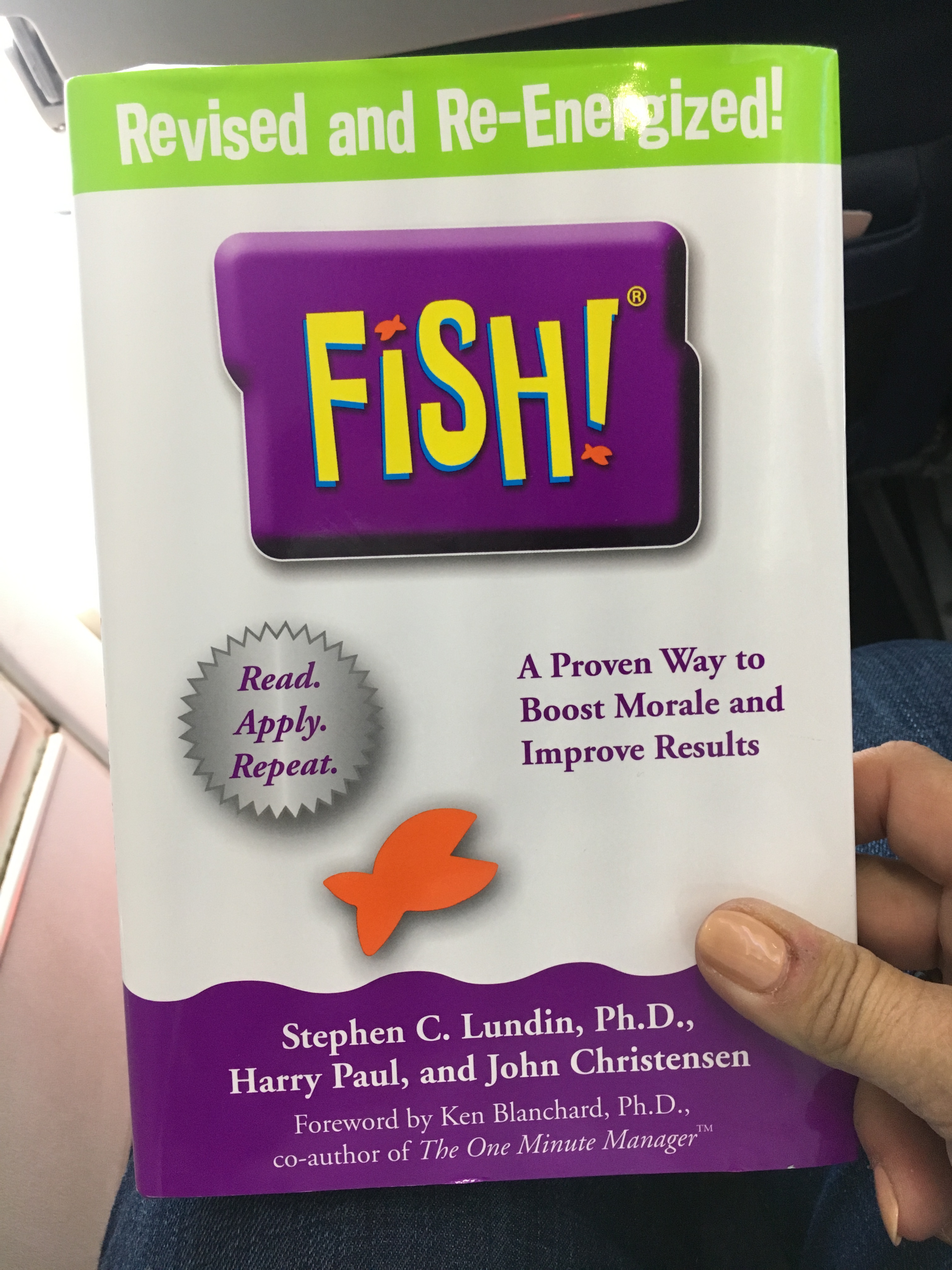
The fish mongers at Seattle’s Pike Place Fish Market are famous. Tourists line up to see them in action and locals buy many a cod and salmon from them. It may all look like fun and games from the outside, but their jobs are anything but glamorous. They must hate their jobs and have horrible attitudes, right? Wrong. In fact, their work ethic is among some of the best and if you don’t believe me, I’ve got a book for you. It’s called “Fish!”


Billed as “a proven way to boost morale and improve results,” I first heard about “Fish!” during a staff development training some years back. I was fascinated by the concept it details and always meant to buy the book but never got around to it. Then this summer I took an impromptu trip to Seattle and bought it as my official souvenir. I finished it in one reading.


Since its first printing in 2000, the book has sold more than 5 million copies in 35 languages. It is one of the best-selling books of all time and is used today by executives and trainers across the globe as a way to improve morale, increase production, build trust, and develop teamwork in businesses big and small. So what ‘s the secret?  The “Fish Philosophy,” which has four simple but effective practices: Choose Your Attitude, Play, Make Their Day, and Be There, all of which can be applied at work and in every phase of your life. When applied daily, they help anyone be more energized, effective, and fulfilled. You will also experience a positive change in your relationships and in yourself. In the end, it’s all about shifting things toward the positive and who doesn’t want that?!


But, they aren’t a “to do” list of rules to check off, but rather a way of thinking. The Fish Philosophy is a way, not a day.


In short, the book tells the story of Mary Jane, a big time boss lady whose staff just isn’t happy. She happens upon the Fish Market and is stunned at the sounds of laughter and remarkable energy emitting from an otherwise non-desirable workplace. She befriends fish monger Lonny, trains her staff in his four-step philosophy, and the rest is staff improvement and training history. At first hesitant and skeptical, Mary Jane’s staff reluctantly took part (they had no choice!) but ended up embracing the model and became an amazing, award-winning group. How’d they do it? First, by changing the way they looked at things.


CHOOSE YOUR ATTITUDE

This is the core of the four Fish Philosophy ingredients. Without it, the others won’t happen.  In a nutshell, it comfirms that even though you may not have a choice where you work or the job you have, you have a choice about the way you do your work. Like a fish monger, you can love what you do even if you may not be doing exactly what you love. By accepting the fact that you always have a choice about the attitude you bring to the job, you realize you choose the kind of day you have. So, as long as you are going to work, you might as well make it the best day you can, right?


It sounds simple to understand, but may be a bit difficult to do. For starters, stop with the victim mentality. The “woe is me” attitude is killing this country right now. Pull up your boot straps and grow up. Don’t take things so personal and don’t blame others for your problems. Instead, make the best of it and accentuate the positives, what few there may be.


Yes, we may not have multiple choices where we work or the job we have, but we have everything to do with how we approach that work. If you want to change your culture, change your conversations. If you gripe and complain, make sure your words lead to solutions or accomplishments. Your attitude my friends, has a lot to do with how you are treated and what happens to you. Bring your best qualities to work every day regardless of what is happening around you. Your choice. Choose your attitude!


PLAY

This second ingredient of the Fish Philosophy may sound frivolous, but it’s anything but. Think about it, happy people are healthier people and happy people treat others well. Creating and allowing opportunities for staff members to play together results in an energy-filled workplace, promotes problem solving, stimulates creativity, decreases turnover, and improves teamwork.


Everyone wants to play on a winning team, right? So what are the traits of winners? They take pride in what they do, they work hard, and they have fun. In this type of workplace, time passes quickly and work becomes a reward rather than just a way to rewards.


Yes, take the business seriously but look for ways to incorporate serious fun too.


MAKE THEIR DAY

This third ingredient is all about is all about making memories for others…good memories. Not only is this good for business, it gives individuals personal satisfaction in knowing they made someone’s day.


Start by asking “what can I do?” and then find creative ways to engage clients and always respectfully include them in your workings. Always be on the lookout for the next opportunity to provide positivity and whatever you do, be fully engaged in your work and be present. This leads us to…


BE THERE

We are a distracted society. Always on our phones and forever so busy. Not good. Not always productive.


Instead, how about being fully present and focused on what others need from you? Look people in the eye; focus on them not on your messages. Show them consideration and truly listen to them. Acknowledge their needs and their accomplishments. Aren’t all of these traits the very ones you in turn want from others? Be the first to demonstrate them.


These are all lessons that build better workplaces but they also build social competence, something so desperately needed in today’s schools, society, and world as a whole. So in the end, if you want to transform your work into your passion or simply crave energy, spirit, and fun, think of Fish! It might not be the end-all solution to all workplace or personal trials and troubles, but if it can work wonders on fish mongers, I’m pretty sure it can work for you and your staff and maybe, just maybe, result in personal and/or organizational transformation. In the end, sometimes in order to change the culture, you have to change yourself. You can choose to change or not. Change is risky, but so is the risk of not changing. Maybe it’s time to go fishing .


Give It a Rest August 24, 2019

Filed under: Uncategorized — carlawordsmithblog @ 5:32 pm

You spend more than 100 days a year sleeping and there’s nothing more refreshing than a good night’s sleep, right? Every night I relish climbing into bed and calling it a night but sadly I don’t always get the perfect ZZZZZZs  and I often wake up not so much feeling tired, but not truly rested. Why? What gives? I’ve created a cozy, comfy bed but even that’s not 100 percent full proof. And that’s not good. Or healthy.


Good Night

Research links sleep to a stronger immune system, improved concentration, and an overall better mood according to WW, formerly Weight Watchers. In contrast, getting less than six hours of sleep a night on a repeated basis has been linked to overeating and weight gain. In fact, a person who doesn’t regularly get the recommended amount of proper sleep may eat almost 380 more calories a day more than someone who does. It’s no secret that healthy people make healthier choices but a healthy choice even the healthiest of people often neglect is sleep, and it can cause real nightmares.


Most experts recommend seven-to-nine hours of sleep a day for adults but one in four Americans say they only get four or five hours. I don’t know about you, but for me, sometimes falling asleep is hard. I start feeling tired but the minute I jump into my beloved bed my mind races. Of course I also often turn on the TV and check my phone, both of which are big time bedtime no-no’s. Instead, I should read my book and call it a night. Easier said than done, right?


In a recent WW meeting about sleep we talked about ways to set yourself up for wonderful slumber. A three step “cue, calming activity, and reward” system was suggested starting with a nightly cue that it’s time for bed. This could be an alarm, after packing lunch, or at the end of a favorite TV program. You can give yourself 30 minutes or so, but after that it’s time for a calming activity that you do every night before bed. Some people might take a hot bath or shower; others might read or start a meditation or relaxation app. A routine I recently started is eating cherries at night. I recently read that they contain melatonin and after eating such great ones in Seattle over the summer, I’m hooked. In the winter I enjoy a cup of hot chamomile or Sleepy Time tea and I also like to start my bedside diffuser that I fill with a lavender essential oil. Lastly, I like to end the day being grateful for three things that day. All of this is setting the stage for the reward: a good night’s sleep.


This is not a full-proof plan but one that if done regularly, might make a huge difference in your life. We are all stressed out and stress is a bad word when it comes to sleep. Our days are “go, go, go” and then we expect our bodies and minds to magically just shut off and fall deeply to sleep. Not gonna happen and the fact that nearly 60 percent of Americans have trouble sleeping proves this.


This lack of beauty rest is creating ugly results, including decreased job performance and that 55 percent of Americans say they feel more antisocial after a bad night of sleep. Even when we do nod off, we’re waking up an average of two times during the night.


Exercise could be one important piece of the sleep puzzle as it plays a key role in how well we rest. Think about it: more exercise usually results in more and better sleep and if you sleep well you are rested and energized, which means you’re more apt to want to exercise.


The Bed of Your Dreams

So now that you’re thinking about your bedtime routine, let’s look a bit at your physical bed and figure out what makes a one five-star hotel worthy and the bed of your dreams. Surprisingly, it’s not so much about the actual bed, but rather the bedding. And it’s all about the layers.


The perfect bed consists of sheets, a duvet or other topper, a coverlet or other throw blanket, mattress cover, mattress pad, and an abundance of fluffy pillows. Let’s start with the sheets.


I’m a bamboo sheets girl. I love them. I love their softness and their feel.  Others, like you perhaps, prefer a crisper cotton sheet. There are also microfiber, flannel, sateen, and a host of other fabrics used for sheets. In this case, it’s important to know your weaves.


Sateen means silky, smooth bedding while a percale has a light, crisp feeling. Poly-cotton blends and polyester styles like rayon or Tencel  will wrinkle less but they are less breathable than 100 percent cotton, which is the best choice if you tend to get hot at night. In this case, look for natural and soft premium cottons like Pima or Egyptian. For warmth, you might consider flannel sheets and if you want a stretchy knit that feels like you’re sleeping in your favorite T-shirt, jersey sheets have your name on them. Finally, is it true that satin pillowcases are better for your face and hair? Actually, yes.


Silk is made by silkworms and is woven into fabrics like satin, a fabric weave made of silk and other fibers like polyester. Satin doesn’t absorb a lot, so it won’t soak in your night creams or rob your hair and skin of their natural oils. On the other hand, silk and cotton are highly absorbent but both polyester satin silk pillowcases and natural silk pillowcases may provide reduced friction, meaning fewer split ends and diminished wrinkles as your skin is not being pulled and tugged at night. Lastly, satin feels cool to the touch while silk warms up with body heat.


“Thread count” seems to be what everyone considers but what exactly does that mean? Generally speaking, fabrics with higher thread counts are made from finer threads, resulting in a softer, smoother feel. For most, 300-420 count is considered the best. Most experts say any higher thread count means thinner and weaker threads and higher doesn’t make a difference. What does make a difference is ironing cotton sheets. No, I don’t do so but yes, I’ve heard it makes the sheets crisper and enhanced. Just one more reason to stick to my bamboo babies.


Whatever sheets you choose, choose to invest in good ones. Yes, you can find sheets at bargain basement prices, but they aren’t going to hold up and will most likely (gasp!) ball and fray. Always wash your sheets in cool water, as hot water wears down the fibers faster.


What goes on top of those sheets is up to you. I love a good down comforter and pretty duvet as well as comforters, but others (like my mom) still like bedspreads and there are always quilts. If you suffer from allergies to goose or duck down there are alternatives but true down holds its shape better than polyester fiberfill, which tends to clump and stiffen up.  Even during the heat of a Texas summer, I still want something on top of my sheets. It’s something about the weight of it all. I also like a fluffy down mattress pad on top of my memory foam mattress.


Now onto pillows. There is nothing like a comfy pile of pillows on a luxurious hotel bed. They always seem just right, fluffy but supportive, but duplicating the look is not always easy.  For starters, consider four pillows, two of which could be square “Euro” pillows alongside two standard ones. There are lots of pillow choices, ranging from my preferred down filled ones to traditional foam versions and even “My Pillows.” Which, by the way we have. I like them, but I don’t love them. Sorry Mike Lindell.


Whatever pillow style you choose, consider how important they are to a good night’s rest and how much time you spend on them. Buy new ones regularly and don’t be afraid to spend money on the purchase. It’s money well-spent.


One last bedding tip: January is the best time to invest in new sheets, pillows, blankets, and the like, as annual “White Sales” offer deep discounts on most items.


Sleep Tight

Now for mattresses. Like bedding, there are many choices and options. If you don’t believe me, drive around and chances are you’ll pass multiple mattress stores. Why are there so many and why is entering one so blasted intimidating? Don’t be afraid, and instead keep these “Consumer Reports” tips in mind.


There are basically two major types of beds: foam and innerspring. Foam softens when you lie down and molds to your body. Sleep partners can move around without affecting the other one and once you get up, it springs back to its original shape. Think Temper-Pedic and other memory foam versions. Innerspring are what traditional “old school” mattresses are made of but the more coils does not necessarily mean a better mattress. More important are what those coils are made of and other manufacturing processes.


Unless you know exactly what you want, it’s always best to buy a mattress that you can see and actually lay down on. Yes, lay down on those mattresses…for at least five or 10 minutes…and do so on your side, back, and stomach. Wear lose clothes when mattress shopping as well as shoes you can easily slip off. Don’t be bullied into making a quick decision and don’t be bullied into buying a box spring. You may not need one (be sure to check warranty requirements) and keep in mind that many memory foam manufacturers recommend platform or slatted wood foundations. And rule of thumb: replace your bed if it feels lumpy, you wake up sore, and for sure once it’s more than 10 years old.


I can’t talk about beds without mentioning water beds, those odd but popular 1970s and 1980s beds. Silly as they may sound today, they were actually very comfortable and great for your joints. You just needed to hope they didn’t leak or bust and the weight of them required second thoughts of having them on anything but the first floor.


Today we instead have “adjustable air” beds like Select Comfort’s Sleep Number beds. Users can select firmness and elevation levels of their side of the bed, making them great for couples who have distinctly different sleep patterns and styles.


And speaking of sleep styles, studies show that your sleep habits say something about your personality.  If you sleep on your back you’re probably an introvert and an early riser while side sleepers are often extroverts and night owls. (I’m a side sleeper and both of those are scary accurate!) Are you a stomach sleeper? Then you’re most likely a combo of both and something called an ambivert. Some studies report that sleeping on your back is healthiest for your spine, neck, shoulders and skin. In addition, what side of the bed you sleep on is also revealing. If you sleep on the left side of the bed you are more likely to prefer oldies music, drama films, and beer over wine. Those who sleep on the right side of the bed like rock music, action flicks, and wine.


Side sleeper or belly dozer, it’s all about making your bed and sleep area a special place. Your goal should be to make your entire bedroom a sanctuary of peace and comfort, complete with table lamps, live plants, and an overall sense of calm in hopes of a good night’s sleep and waking up rested and ready to take on the world.
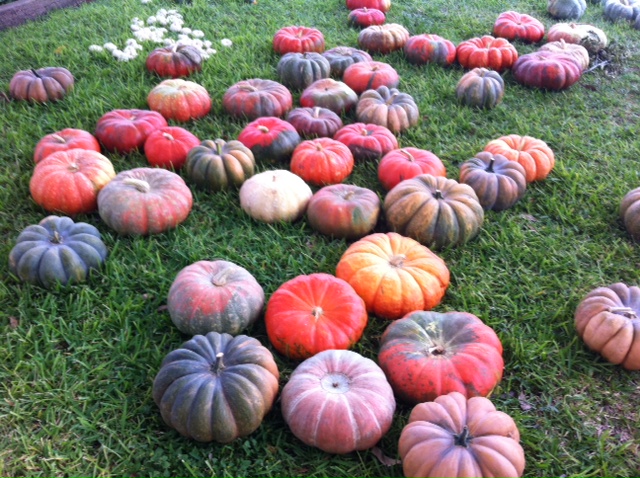

 

Sweet dreams everyone!