Beyond Words

Words, Wit and Wisdom for Today's Style and Decision Makers

My Cup Runneth Over August 16, 2020

Filed under: Uncategorized — carlawordsmithblog @ 9:14 pm

The smell of fresh brewed coffee is truly one of life’s little pleasures. If you are a coffee drinker like me, you know the joy of tasting that first sip of morning java. There’s just something about the flavor and the warmth that starts me off on the right foot. A coffee snob I am not though. I’m not of the Starbucks bandwagon and I don’t own a French press. I’m not picky about the actual coffee, but I am picky about the creamer. Give me medium-to-strong coffee and a flavored creamer and I’m happy. Lots of creamer. I prefer a flavored sugar-free version but will do plain creamer if need be. I jokingly tell my friends that like my Sooner crimson, I like my coffee with cream!
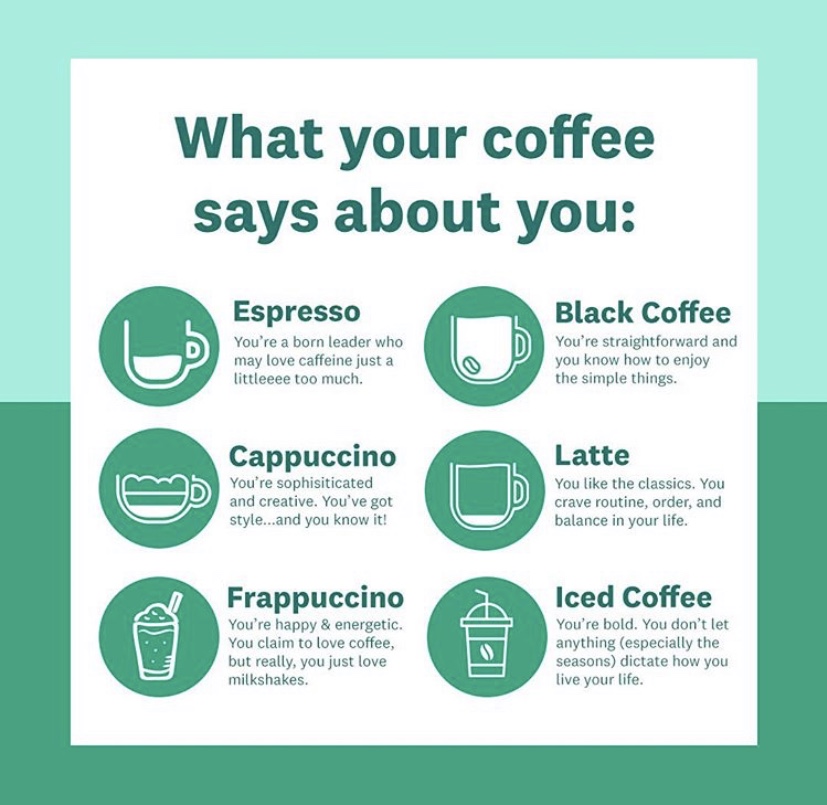


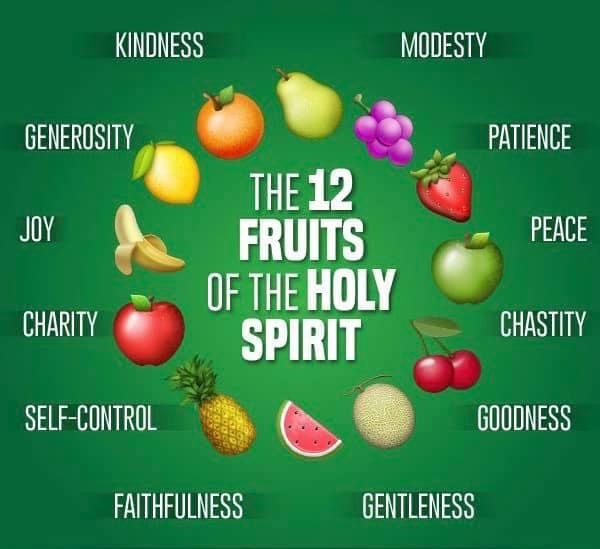
Not surprising then is that my favorite, as my husband calls them, “fruh-fruh” coffee drinks (he drinks his black and his personality totally matches the above chart!) are café con leche, a tall skinny latte, café au lait, or cappuccino, and yes, my personality matches my coffee choices too. The last one, cappuccino, is made with espresso and a milk foam mixture and is popular the world over. Its origins are not surprisingly Italian, as is its name, but the name didn’t come by way of  a barista or coffee grower, but by someone who may just surprise you.
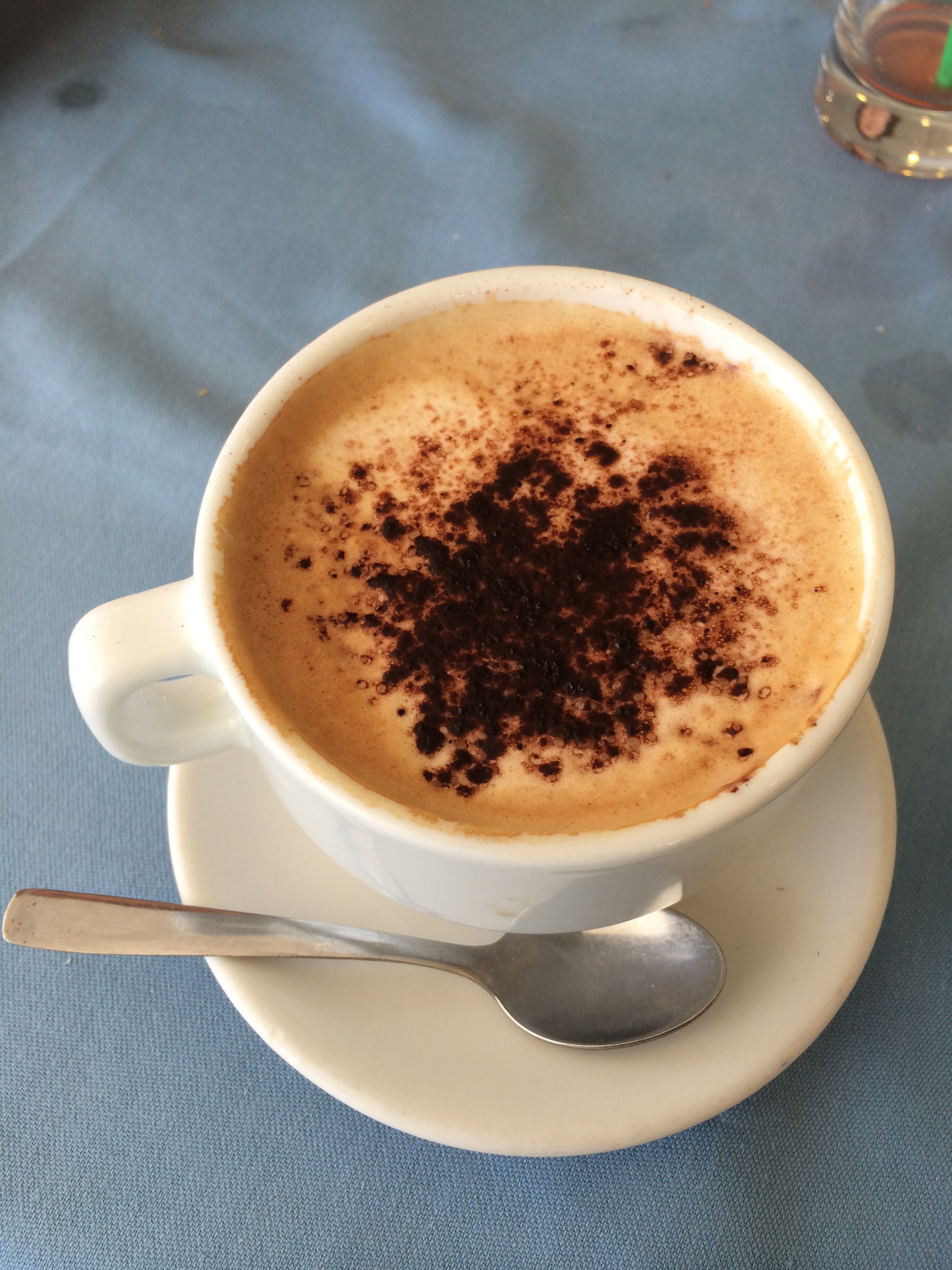


Way back in 1648 a young Mark of Aviano became a Capuchin monk and eventually made his way preaching all over Italy following several years of cloister. He became counselor on religious and political matters to Leopold I, emperor of Austria; secured the release of Vienna from the Ottoman Turks; and worked as a peacemaker throughout Europe. Legend has it that the Ottomans fled from Christian soldiers but left behind their strong, bitter coffee. As a way of making the brew sweeter and more palatable, it was mixed with honey and milk and the new drink was named after Blessed Mark’s order, the Capuchins, which later mutated into “cappuccino.” The monks are known for their brown hooded robes, which happen to be the color of a cup of cappuccino, and “cappuccino” is Italian for “hood.”


Cappuccinos aren’t the only coffee with a history. In fact, the history of coffee itself is quite interesting and also has a connection to monks, albeit a smaller one than cappuccino.
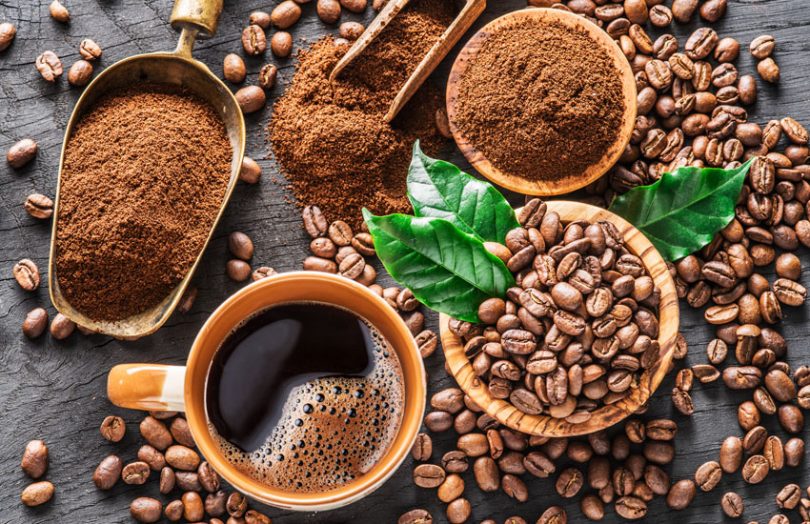


According to many and the National Coffee Association, coffee was originally discovered in Ethiopia where it’s said a goat herder named Kaldi learned the amazing potential of coffee beans after he noticed an increased level of energy in his goats after eating coffee berries. Kaldi quickly told the abbot of the local monastery about his findings who subsequently made a drink using  the berries and discovered he was much more alert after doing so. The abbot spread the word with other monks and soon word moved the Arabian Peninsula and Middle East, where as early as the 16th century coffee was used to help with concentration.


Coffee made its way to Europe by the 17th century after European travelers to the Near East discovered what they considered an unusual dark black beverage. Religious life came into play yet again however, when in 1615 local clergy condemned the drink when it arrived in Venice. So great was the controversy that Pope Clement VIII was asked to intervene but after tasting it himself, he found it delightful and gave it official Papal approval.


Coffee and coffee houses flourished in Europe, so much so that many businesses grew out of them. Lloyds of London, the famous insurance marketplace, began as a coffee house. It wasn’t long before coffee made its way to America, thanks to the British in the mid-1600s. It was a hard sell however, as tea was the preferred drink in the New World until 1773, when the colonies revolted against a heavy tax on tea imposed by King George III. Yep, what you had was the Boston Tea Party, something we’ve been hearing a lot about lately and something that forever changed the American hot drink preference to coffee. I’ll drink to that!


It wasn’t long before missionaries, travelers, and traders started sharing and selling coffee beans and seeds and trees were planted worldwide. Plantations cropped up in huge numbers and nations were established based on their coffee economies. By the end of the 18th century coffee had become one of the world’s most profitable export crops and today it is the second-most traded commodity in the world behind only petroleum.  As for rankings by metric tons of exported coffee, Brazil tops the list followed by Vietnam, Colombia, Indonesia, and Ethiopia.


Caffeine is burnt off as coffee is roasted so “light” coffee actually has more caffeine then medium or darker blends.
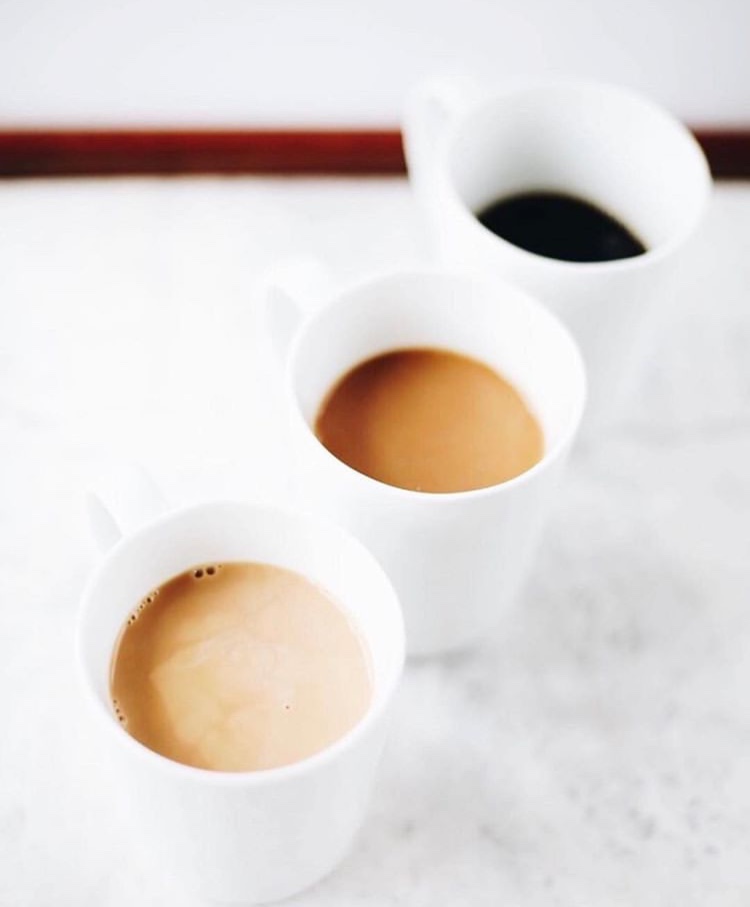


Whether you’re a liker of a robust coffee or a lighter “breakfast blend” drinker, know that caffeine is burnt off as coffee is roasted so “light” coffee actually has more caffeine then medium or darker blends. There are so many brands and types of coffee it’s almost hard to keep up with all of them. I get nervous just walking into a coffee house and having to decide what coffee drink I want and what size. So many choices!  But whether you prefer Tim Hortons or Gevalia, regular or flavored, there are two names that have interesting histories: chicory and Folgers. Yes, Folgers.


Let’s start with chicory.
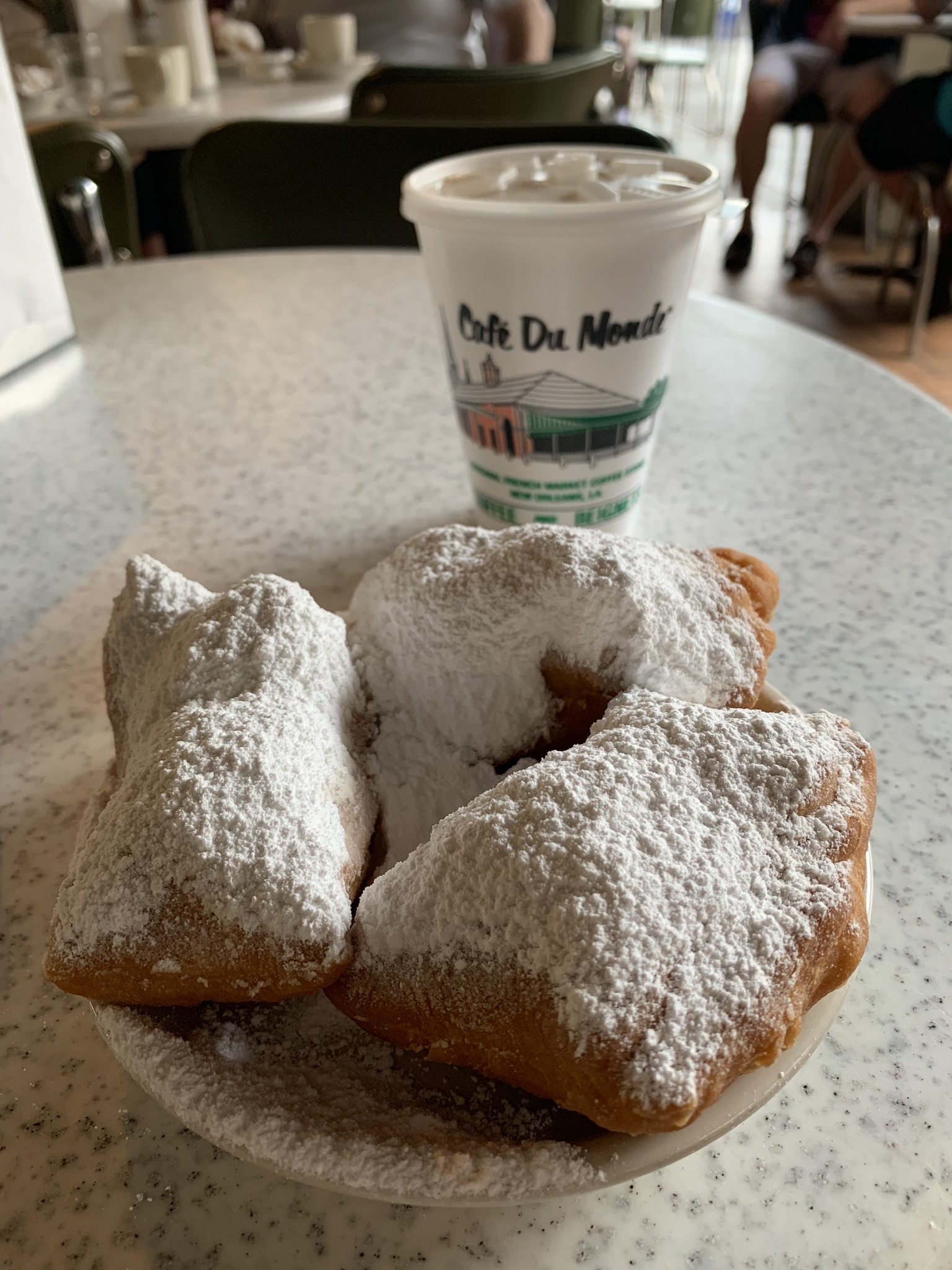


Think New Orleans and you think chicory coffee. No visit to the Crescent City is complete without coffee and beignets at the legendary Café Du Monde. But is chicory coffee, which is all Café Du Monde and many other NOLA coffee houses serve, different or special? As the French would say, oui oui!


Chicory is actually a pretty flowering plant and it’s the root of the plant that gets roasted and ground into chicory coffee. Since the 19th century the French have mixed it with coffee and the word “chicory” is a English-ized version of the French word “chicoree.”


According to “Smithsonian Magazine,” following that famous tea party up in Boston, the French established coffee plantations in the Caribbean and solidified the trade with the founding of New Orleans. Coffee crops soon became part of the city’s culture and by 1840, the port of New Orleans was the second largest importer of coffee in the U.S. But during the Civil War, Union blockades cut off access to the port so ingenious Louisianans began looking for ways to stretch coffee supplies. They tried acorns and beets but discovered that chicory was the way to go as it is cheap and goes a long way. The rest, is coffee history although today very little chicory is grown commercially in the U.S. and even Café Du Monde gets it supply from France.


Who does get their coffee from New Orleans? Folgers!
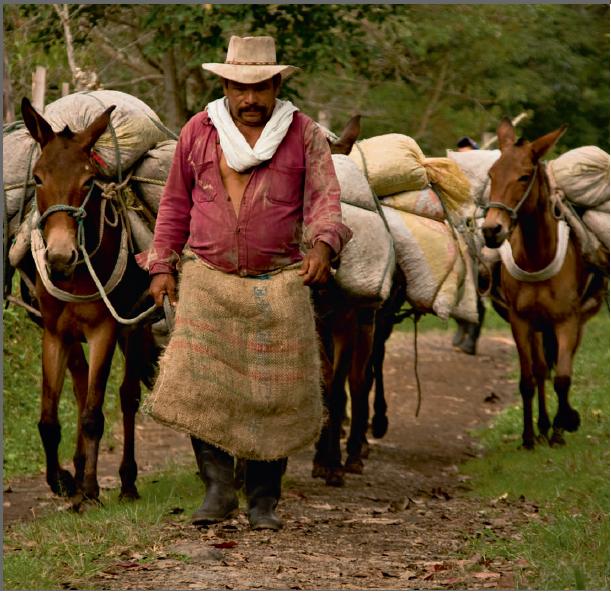


“The best part of waking up is Folger’s in your cup.” You’ve heard it a million times and probably just sang the tune in your head as you read the words, right? The jingle is one of America’s most recognizable and is easily considered a part of American culture. But it didn’t start the Folger’s story. That’s a whole other story.


It all began when a young James Folger and his brothers moved from Nantucket to San Francisco in search of gold. They didn’t find gold per se, but he ultimately found something golden.


James’ brothers headed out to work in the mines but he got a job at The Pioneer Steam Coffee and Spice Mills and later became a full partner. After the Civil War and resulting economic collapse, the company went bankrupt but Folgers convinced creditors to pay off the debts and then he bought out all remaining partners. J.A. Folger & Co. was born.


Coffee demand increased during WWII, but wartime shipping routes from Central America to New Orleans made NOLA one of the largest green-coffee markets in the U.S. so construction began on a New Orleans plant for Folgers in 1960. The company, now a part of the J.M. Smucker Company, still manufactures its coffee at its New Orleans plant today.
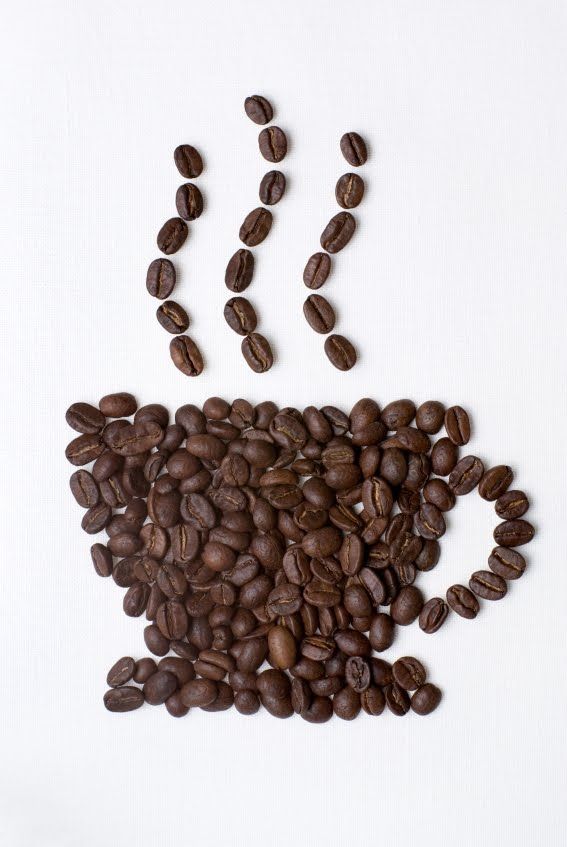


Interesting little stories, right? But what about those famous and beloved cups of coffee from none other than McDonald’s and Dunkin Donuts? Yep, say what you will, but Mickey D’s and DD’s have some pretty amazing coffee.


The reported secret behind McDonald’s coffee is the blend of Arabica beans used by its supplier Gavina and grown in Brazil, Colombia, Guatemala, and Costa Rica. It is considered true gourmet coffee and is a medium roast. It’s also said that McDonald’s brews fresh coffee every 30 minutes so you never get a cup of old tasting brew.


Dunkin Donuts also boasts that its coffee comes from 100 percent Central and South American Arabica beans. The chain also works with the Rainforest Alliance to make sure its coffee is ethically sourced. In fact, the grocery store version of Dunkin Donuts coffee is USDA organic and Fairtrade.
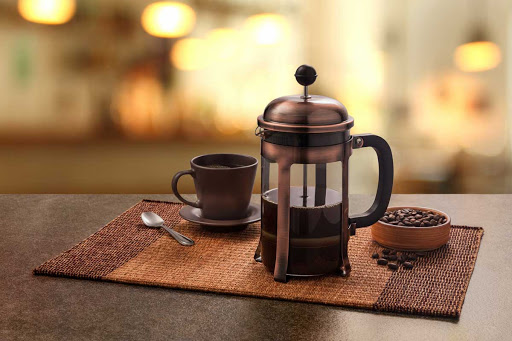


It’s estimated that 64 percent of Americans over age 18 drink coffee every day, with Baby Boomers leading the pack. When it comes to worldwide coffee consumption, the Finns have us all beat. Only Finland and Sweden drink more than 22 pounds of coffee per person per year, with the Finnish drinking nearly three pounds annually. That’s a “latte” coffee and who knew, right? I would have thought it would be Americans, French, or Italians.


One more fun tidbit. How and why is coffee called “joe?” Credit a man named Josephus Daniels who became Secretary of the Navy during WWI. Among his many goals was to improve morality among the sailors and one way he tried was by prohibiting alcohol and purchasing more coffee. Disparagingly, a cup of coffee became known as a “cup of Joe Daniels,” which ended up being today’s more common “cup of Joe.”
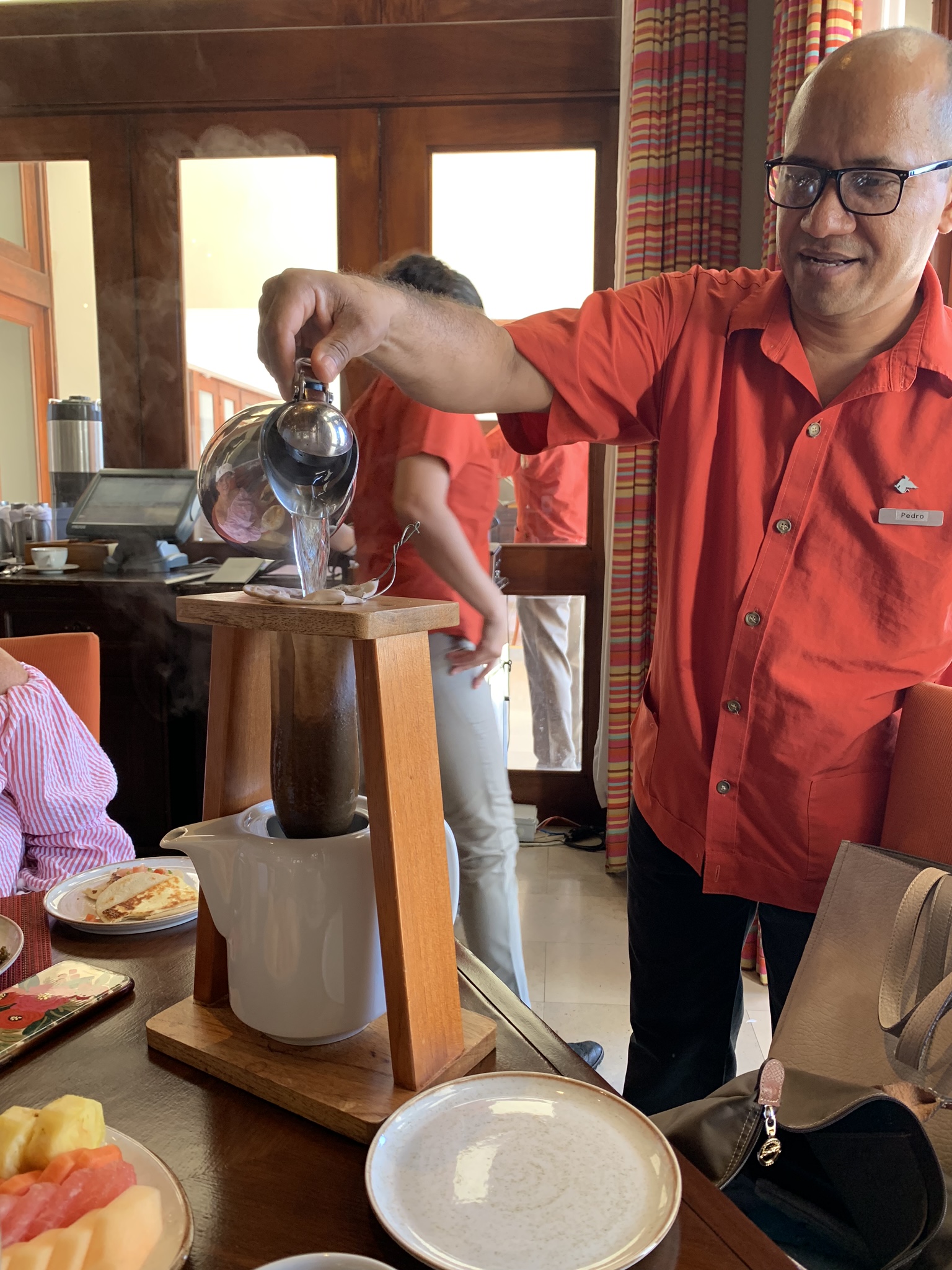


There are many names for coffee. Some refer to how it is made or brewed, such as drip or espresso, while other names describe a specific beverage made using coffee such as latte or cappuccino. It’s also common to hear coffee called “java” but not all coffee is truly java in nature.


“Java” actually comes from the island of Java where the Dutch introduced coffee during the 1600s. They soon began planting coffee on several Southeast Asian islands, including Java, where Arabica coffee is still grown today. How and why all coffee came to be called java is somewhat of a mystery although many assume the Dutch started it.
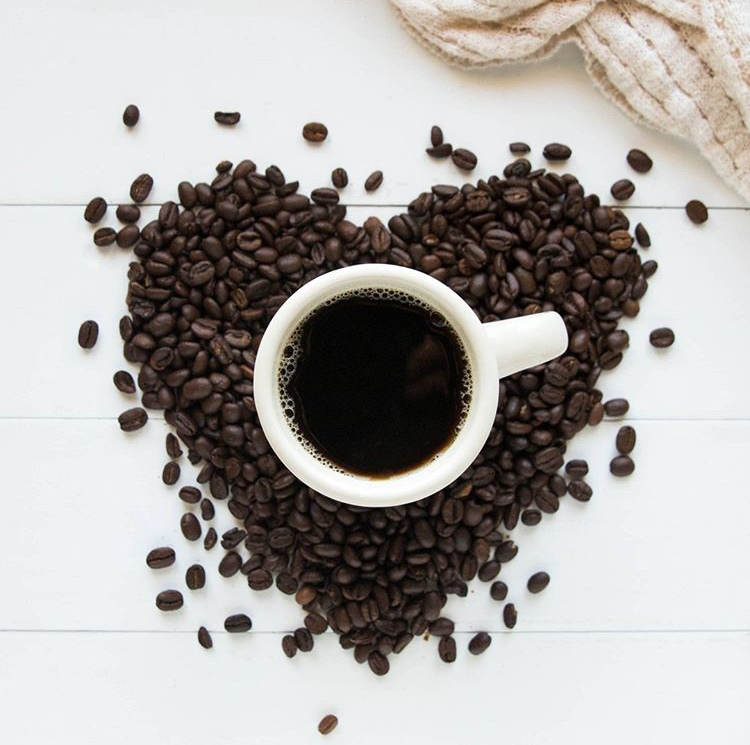


So we’ve established that people the world over think coffee is good, but did you know it can also be good for you? We often associate coffee with the caffeine in it and the jitteriness it can cause, but that’s a very small part of the plant and bean’s make-up. Yes, elevating blood pressure is a concern we should individually consider, but some studies have shown that coffee drinkers have a slightly lower risk of having a stroke and showed no signs of increased heart disease risk.


The bottom line is that coffee has an impressive number of health benefits and is high in antioxidants. Many of the nutrients in coffee beans find their way into brewed coffee and studies show that countless people get more antioxidants from coffee than from fruits and vegetables combined. A single cup of coffee is said to contain Vitamins B2 and B5, Manganese and potassium, and magnesium and niacin. Granted, the RDI percentages of each might be low, but when you consider that most of us drink more than just one cup per day, the numbers can quickly add up. And this is regular coffee, not any of the new vitamin and nutrient-infused brands like Vitacup. Other studied benefits of coffee include:


  • Improves energy levels, mood, and brain function.
  • Can increase fat burning and boost metabolic rates through its caffeine, which is one of few natural substances proven to help with fat burning.
  • Stimulates the nervous system, which signal fat cells to break down while increasing epinephrine/adrenaline blood levels.
  • May lower risk of Type 2 Diabetes, Parkinson’s, and colorectal cancer; may protect from Alzheimer’s and Dementia; and may protect the liver from both cancer and cirrhosis.
  • May fight depression and reduce suicide risk.


It should be noted that research indicates the presence of cafestol in coffee does affect the body’s ability to metabolize and regulate cholesterol so anyone with high cholesterol issues should take note.


So there you have it; everything you want to know about coffee and then some! I’ve enjoyed learning all about my morning (and sometimes afternoon or evening) friend and I hope you my friends did too.


Do Them a Favor August 12, 2020

Filed under: Uncategorized — carlawordsmithblog @ 8:31 pm

One of the growing list of misfortunes coming from the current COVID crisis are the many weddings and other would-be celebrations that have either been cancelled or postponed. Yes, when we’re dealing with job losses, deaths, and other more critical fallouts, a wedding may seem minor to many but to the families of the bride and groom, a cancellation or postponement are both catastrophic…and expensive. I’ve heard of several who have done one or the other and my daughter has been in or invited to many that have as well. And to add salt to the wound, they often get little or none of their money back, which is a vow no one wants to take.


But, that’s not the reason behind why I write today. I write to remind everyone about a common courtesy related to weddings and other events you are invited to.


My dear friend sent me something regarding RSVPs and she got me thinking. Do we even know what they truly are and do we really care? To me, they rank right up there with handwritten thank you notes. I’ve blogged about thank you notes before and I still say write them and send them! I’m also here to say that if I go out of my way to send you that registered wedding or shower gift, send you flowers for a death or a birth, or any other special token of my love and congratulations and I never receive a “thank you,” you probably won’t be receiving anything from me in the future.


But today’s post is about responding; not to a gift but to an invitation. Equally important so, if you’re one of the growing number of people who don’t RSVP and/or don’t send written thank you notes and aren’t teaching your kids to do so, you might want to stop reading now. Those of us with manners and etiquette won’t miss ya.


So, onto RSVPs.


Let’s think about it for a minute. You’re having a couple of neighbors over for a dinner party. You’re expecting 12 of them and plan accordingly. But, only six show up and the other half didn’t let you know they weren’t. You’re left with a much smaller affair and a lot of leftover food and empty seats. You’re probably not real happy with those who didn’t show. Now think about these same series of events occurring but with a much larger event like a 300 person wedding. You. Would. Be. Livid. And rightly so.


Whether we’re talking book club, a casual birthday party, a medium-sized baby shower, or a large wedding, you, as an invited guest, have two obligations: bring a gift and RSVP. Okay, maybe you don’t need to bring a gift to book club, but you do need to RSVP!


Four little letters: RSVP. But, what do those four letters stand for? Most of us would say something along the lines of “the favor of reply is requested,” which is pretty close. Eaux seaux close. Somewhat surprising is that credit goes to the French, who IMHO, are not the most polite or cordial people on the planet but who in this case got it right. Oui oui!


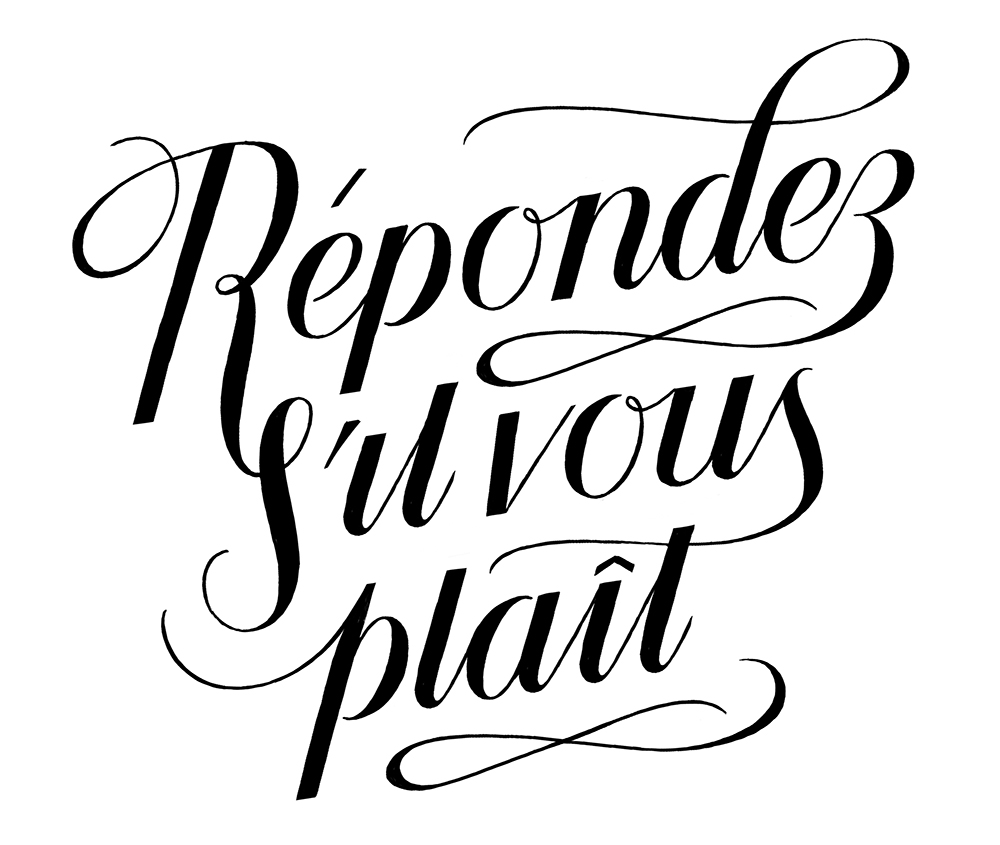
RSVP is an abbreviation for the French phrase “respondez s’il vous plait,” which directly translates to “reply, if it pleases you.” Funny how what seems like an option is understood by the French as a demand and that’s how it’s regarded the world over.


Stateside, it all started with, not surprisingly, socialites in the 1800s. These women more than likely idolized all things French style and perhaps even English status, so they wanted to be on board the bourgeois bus and none other than manners maven Emily Post climbed on board with them.  Failing to reply to an RSVP was tantamount to social out casting and showing up to an event without doing so was equally appalling. I’m not much one for social climbing or being someone you’re not, but I gotta agree with the ladies on this one.


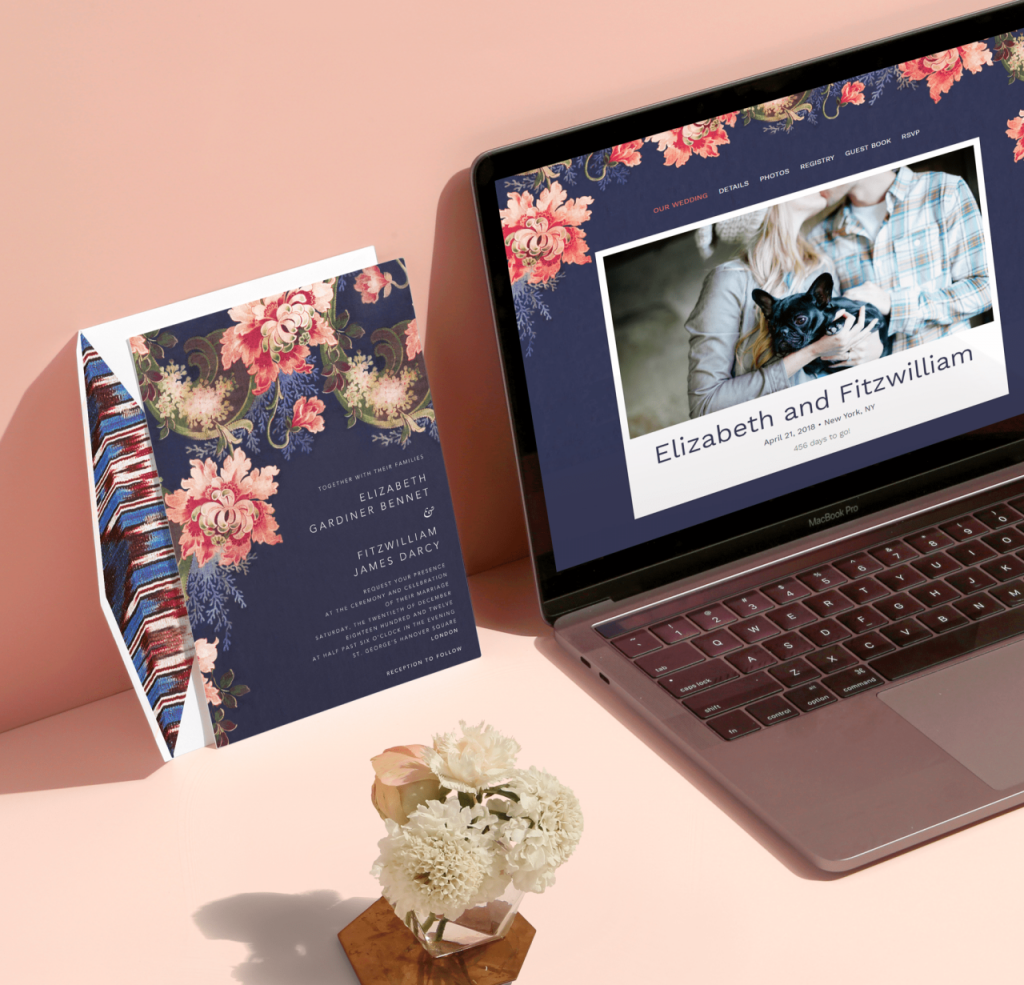
Today’s high-tech world means many a high-tech invite, but there are still plenty of paper and mailed formal invitations out there. Many of them come complete with a self-addressed and stamped reply card that you, as the recipient of the invitation, should return ASAP or before the date listed. Yep, RSVP ASAP. It’s so easy!  Simply fill out the card and pop it in the mail.


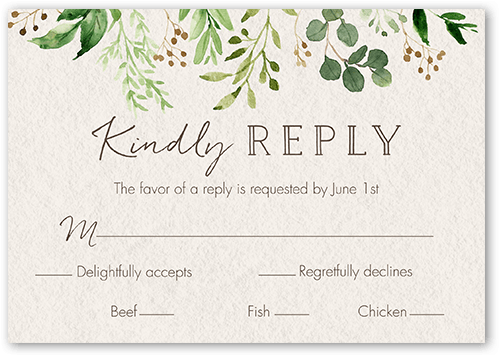
Reply cards may vary a bit as some might include a meal choice and a line to fill in, which is usually preceded by an “M.” Following the M, write in your name (Mrs. Jane Smith or Mr. Marco Lopez) and then check the “will attend” or “won’t attend” box. As the above photo shows, you can make this task a bit more fun by how you word the options.


Another spot you might be asked to fill in is how many will be attending with your party. This depends on who the invitation is addressed to and whether you are allowed to bring a “Plus One,” or guest. How do you know?  Check who the invitation was addressed to, either on the front envelope or on the inner envelope. An invitation might go to “Mr. and Mrs. Gilbert Feinstein and Family” and then the inner envelope would have written on it, “Gilbert, Sophie, Tucker, and Megan.” This means the whole family is invited so if all four are going to the event, put down four. Some invitations might just include your name on the invitation “and guest,” which means you are welcome to bring one guest. Fill in the RSVP with either one or two attendees. If an invite is addressed just to you, you’re going solo. And one more thing, never, ever ask if you can bring a guest!


If an invitation doesn’t include a pre-addressed reply card, it more than likely will have another option like an email or phone number. In any case, the rules of RSVP ASAP still apply.


Paperlesspost.com

As for the growing in popularity electronic invitations available through sites like Evite and Paperless Post, you will still be given options to respond; even if it’s with a simple “yes” or “no” reply button. Just make sure you do so as these are the types of invites that often get entered on our calendars right away but then go to cyberspace black holes never to be looked at again until maybe the day of the event. RSVPs to these simple invitations are just as important as those to multi-enveloped and engraved card-stock invitations.


In all RSVP cases, waiting to see if you get invited to something better or perhaps more personally preferred is not reason to hold off on sending an RSVP. Just as RSVP ASAP rules the reply roost, so does “first come, first served.” If the date is open, it’s open for the first event you get invited to.


Then there’s the sometimes confusing but really not “regrets only” option. This simply means the host is counting and planning on your attendance unless they hear from you otherwise. No need to reply unless you cannot make it.


Sadly, there will always be those who show up who didn’t RSVP. I remember a dear friend’s daughter was getting married last year and she didn’t know what to do as many invited guests had not responded either “yay” or “nay” to the fairly formal and costly affair. She didn’t know what to do.


Most experts agree that a phone call or text is appropriate follow-up to mailed invitations while online invites often include a follow up option. Just be sure to keep it cordial and friendly although your head may be exploding at the very idea that you even have to do this, and let them know you’re reaching out to confirm they’re attending. Put it on them to have to say, “OMG! I forgot to reply and I’m so sorry to say we won’t be there.” Hopefully they won’t do that again!


If you are the sender of an invitation that will include an RSVP date, that date is important. Paperlesspost.com says a good rule of thumb is to set your RSVP deadline three weeks prior to formal events like weddings and two weeks out for more casual get-togethers like birthday parties. These are dates assuming your invitation went out around six weeks prior to the event.


So why all the fuss? Well, for one, hosts spend lots of money planning their events and it’s just plain rude to not let them know whether they should be spending any money on you. Knowing how many people will be in attendance can also determine where to hold an event and even what to serve. It may sound like it’s all about money but it’s also all about manners.


As much of the world continues to venture into a less formal and more casual way of life, I’m of the thinking that some things should never change. Being grateful and being polite are not “formal.” They are courteous and gracious, decent and respectable. Nothing old-fashioned about that. You can thank me later for this one.


Growing Like a Weed August 3, 2020

Filed under: Uncategorized — carlawordsmithblog @ 9:03 pm

With travel limited this summer, I seem to be a sister of the traveling porches. I’ve gone from our back patio to my mom’s back porch, back to our patio, onto my friend’s patio on a recent and much-need visit, and back to our patio. It’s all been good and both my mom and friend’s yards were abloom with my favorite flower: daisies! The simple and happy flower always brings a smile to my face so for a brief break from the virus, riots, and everything else destroying our country, I’m venturing away from the gloom and doom and instead writing about something happy and sappy: the delectable daisy. I hope it brings a smile to your face!


One of the most familiar flowers in the world, daisies can be found on every continent except Antarctica. They grow abundantly and they grow just about anywhere. So popular are they that, much like a rose, even a child can recognize and name them. They are playful and even somewhat whimsical. They exude joy and innocence. Nothing fancy or expensive, just simple and simply delightful.


Their name is even special. “Daisy” originates from the Old English phrase “daes eage,” which means “day’s eye.” It is thought the flower was given the name because they close their petals at night and open them up in the morning. I’m no morning person, but I loved learning this.


In addition to their unique name, daisies also have a unique history. For literally thousands of years we have had a love affair with them. Cave carvings dating back to 3000 BC depict daisies and it’s a well-known fact that ancient Romans used them medicinally. The oils from daisies were extracted and used to treat wounds, avoid infection, and promote healing. The Romans were onto something, as we’ve come to learn that daisies contain anti-inflammatory and anti-bacterial properties and tea made from them can be used as a diuretic, to sooth sore throats and ease coughs, slow bleeding, and even treat colic. Not bad for a pretty little flower, right?


Victorian-era daisies also claim quite a history, as it was the ingenious and queenly Victorians who created the well-known “he loves me, he loves me not” pastime of plucking the petals of a daisy one-by-one. They also considered daisies a symbol of fidelity, making them perennial perennials in wedding bouquets.


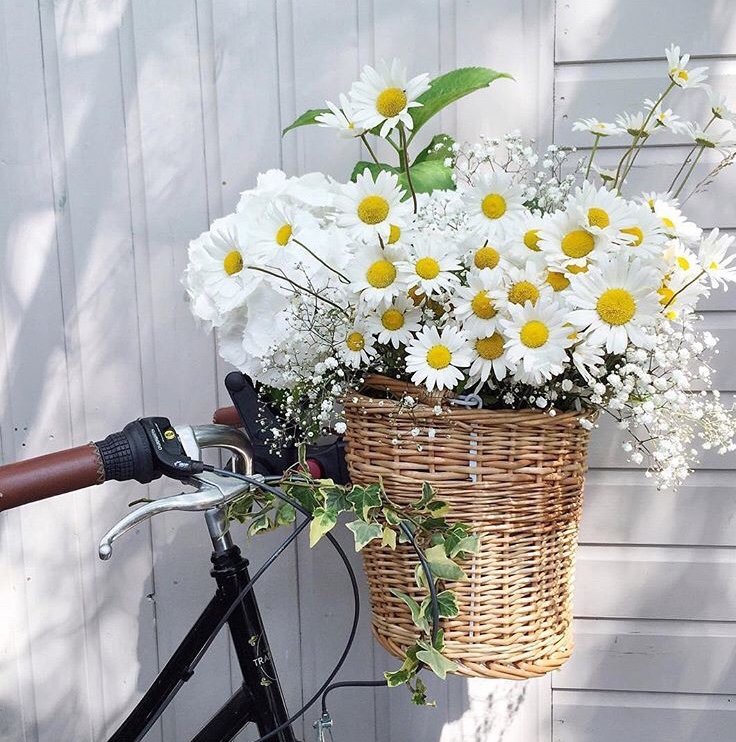
They are still popular in bridal bouquets, baskets, and vased on a table, but did you know daisies are also edible? Closely related to artichokes, daisies make for a charming garnish, are great sources of vitamin C, and can relieve indigestion. Maybe “please don’t eat the daisies” is not so accurate after all! And lucky April birthdays, as the daisy is their birth flower.


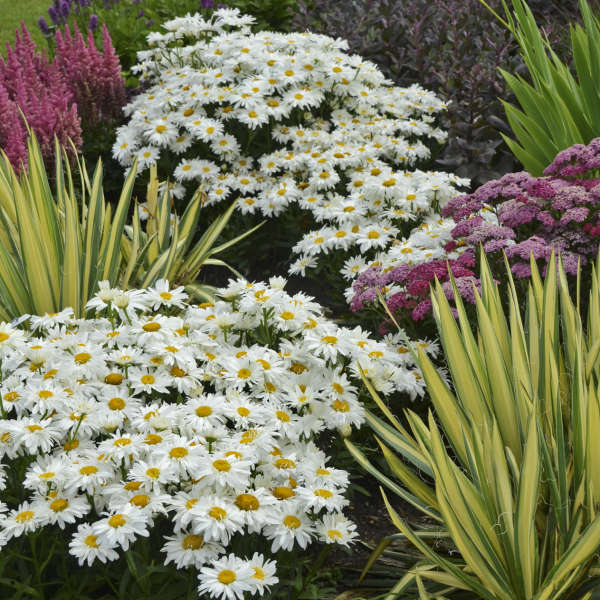
If you’re like me, when you think of a daisy you probably think of the classic white-petaled bright yellow centered blooms, but there are many different versions of a daisy. Gerbera and Shasta are probably two of the most popular varieties, all of which are related to sunflowers. I am not a fan of sunflowers but it does make sense.


Growing daisies is somewhat of a no-brainer, even for a non-green-thumbed person like me. They say there’s a daisy for everyone and everyone can grow daisies. What I love about daisies in a garden is that they grow somewhat tall and full. I like to think of them as texture for my beds in that they stand out and stand tall yet stand unpretentious and carefree. Most start blooming in early summer and will gloriously continue to do so through fall. They are extremely adaptive and thrive in both wet and dry climates, sun and shade, and even mountains or prairie fields. As Melody Rose of davesgarden.com wrote, “they ask for very little and give back so much.” Plant that in your brain and grow with it.


In general, sow daisies in the fall for spring and summer blooms. Ridiculously easy to grown, simply prepare your garden soil by removing weeds, sprinkle daisy seeds, and keep them moist the first two-to-three weeks. A sunny, well-drained bed for starters is best. Once full and blooming, be sure to divide daisies when they become too bushy by removing a root ball and replanting it at least a foot away from the original plant. It’s also important to remove dead-heads from blooms to promote regrowth. One last tip: watch for aphids as they tend to like daisies. If you do see the pesky little critters on your flowers, simple spray with water, which usually shoos them away.


Although many daisies are considered annuals in that they bloom for just one season, many agree that if healthy and free of any frost, they tend to act more like perennials and return each year. I know for a fact that my mom’s daisies, which are in 7,000 feet and see snow every year, come back every year.


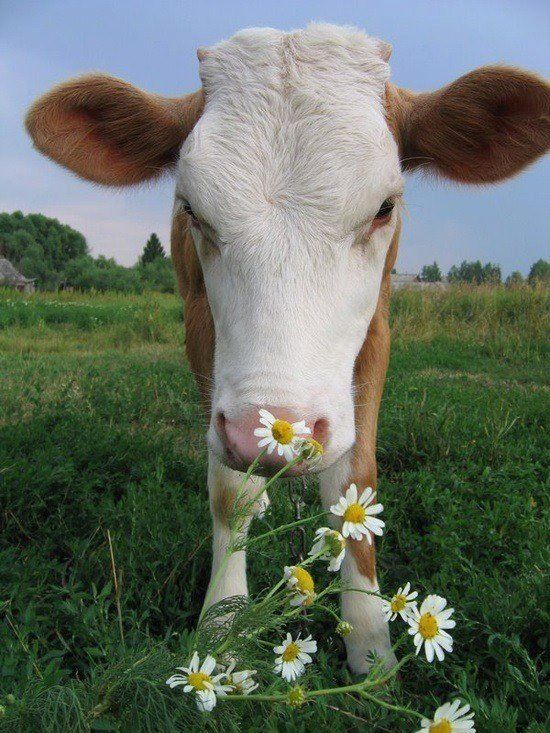
Although one of the most beloved flowers, daisies are not beloved by ranchers and farmers. Considered weeds in many parts of the world (one of the reasons they are so easy to grow), daisies can create hoe-ly havoc in pastures. Daisies produce huge amounts of seeds that remain viable for decades, meaning they are super hard to eradicate on places like farms and ranches. To make matters worse, cows don’t eat them so they tend to overgrow overtime and in abundance. Pretty yes, but a pretty pain too. On the flip side, deer don’t eat them either, which makes them the perfect deer-resistant garden plant.
 

With all the talk of saving the bees these days, it’s also important to note that bees and other pollinators love daisies. Shastas are their favorites, but all daisies seem to “bee” popular and much like people, it’s partly due to their shape. Boasting a flat and open center, a daisy provides a large landing spot on which bees, butterflies, and other buzzers can easily collect pollen and nectar.


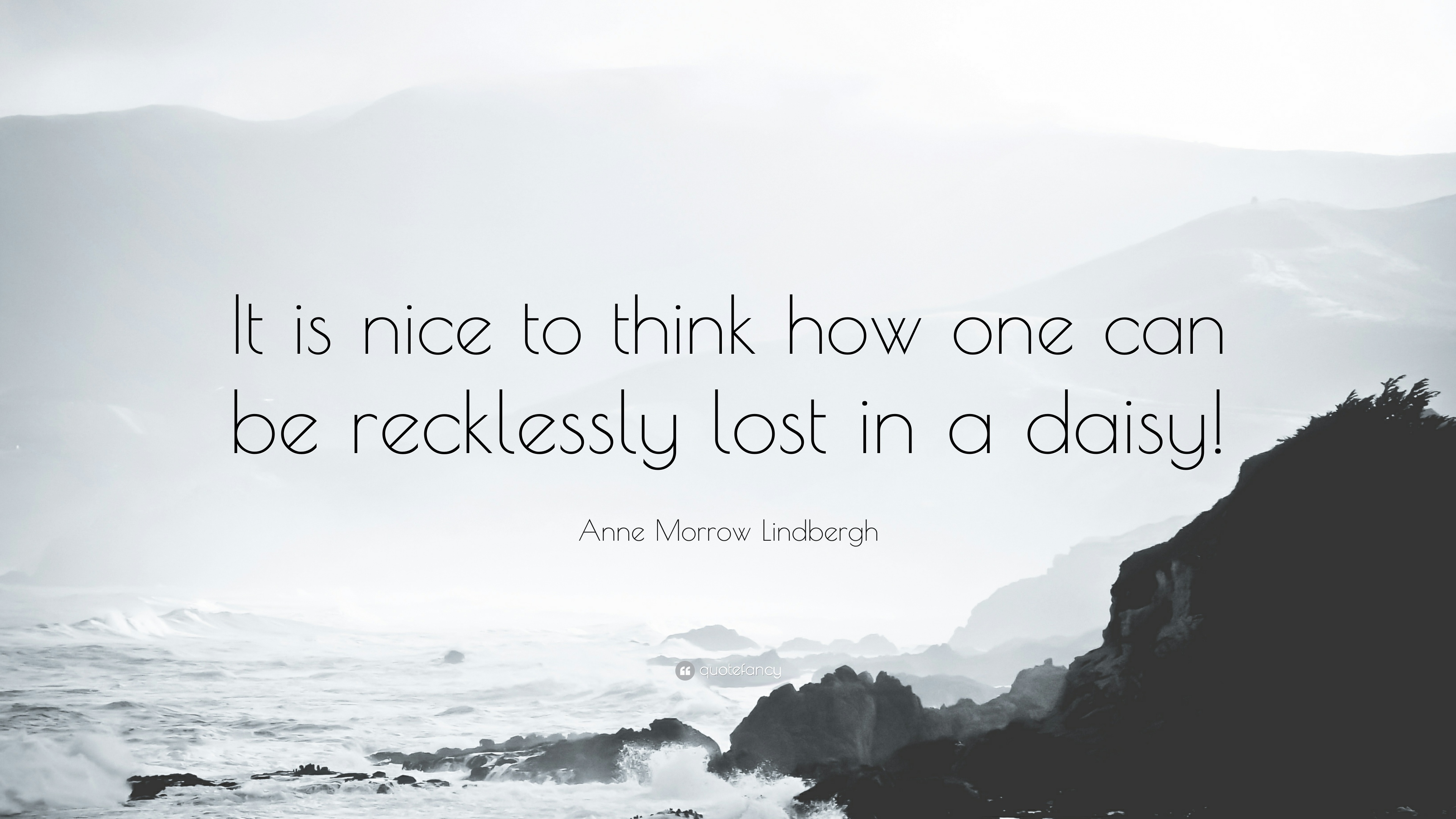
I couldn’t agree more with Ms. Lindbergh, who happens to be the author of my favorite book ever, “Gift from the Sea.” Clearly I’m not alone. Just look around and you can get lost in daisies on everything from clothing to jewelry to home décor and don’t most of us know at least one person or pet named Daisy? My grandma had a cat named Daisy Mae. Daisy was the object of Gatsby’s love. Daisy Duke made jean shorts famous. Who wouldn’t want to wear, decorate with, or be named after a flower associated with purity, loyalty, simplicity, and humility; a flower that even alone in a vase, exudes the word “cheerful.” If you ask me, what this country needs more of right now is more daisies. After all, where flowers bloom, so does hope.


Listen and Learn June 29, 2020

Filed under: Uncategorized — carlawordsmithblog @ 9:34 pm

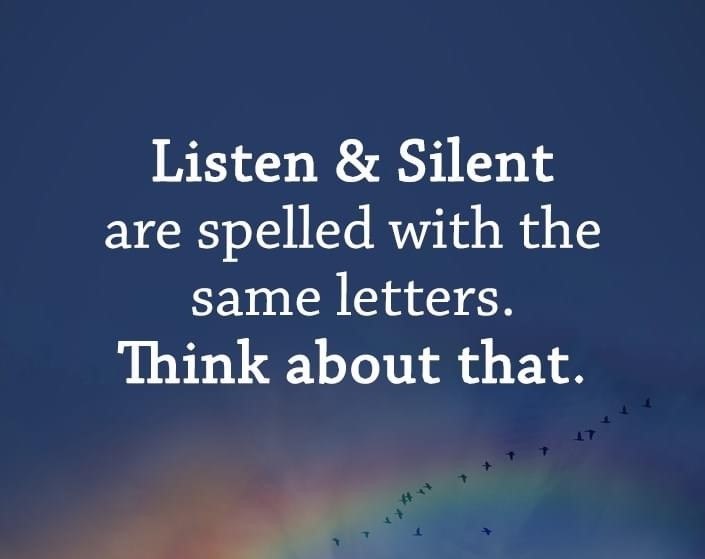
There’s a lot of shouting going on out there. Yelling seems to be the current method of getting your message heard but sadly, some are yelling so loud and so much that many have literally stopped hearing them. The anger and hate is deafening and many are turning a deaf ear on what is hoped to be heard and in some cases, should be heard. Maybe for a minute, we should all stop screaming and instead start listening.


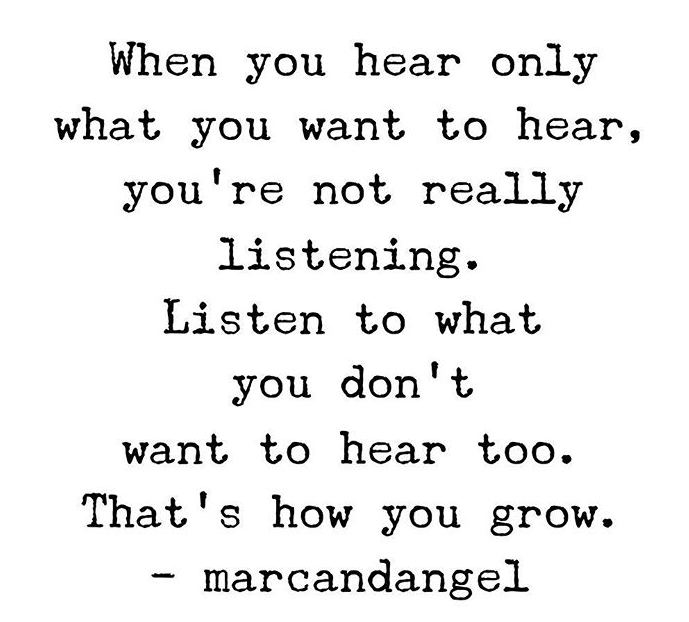
But, people in general just aren’t good listeners. We would much rather be talking. And posting. And commenting.  We seem to value speaking and being heard over listening and understanding. If by chance we do listen, it’s often just to set up our opinion or argument. We are living in a very politically and socially charged season right now and everyone has strong opinions they feel are the only opinions and more importantly, the only right opinions. As a wise friend once told me though, there are two sides to every story (and opinion): one side, the other side, and the truth. Think about that for a minute.


Think also about the oldie but goodie “If you have nothing nice to say, don’t say anything at all.” Rather then saying something demeaning or insulting, try breathing and listening. If you can’t be positive, be quiet. The silent majority often wins the battle even though some would have you believe all those squeeky wheels get the oil. Oil is slimy. Silence is golden.


Everywhere you look today someone has something to say but rarely hears what else is being said. Making our point is the goal, as is convincing others to approve what we believe and proving we are right by golly and you are wrong. End of story. End of post. End of any chance of agreement, reconciliation, or truce.


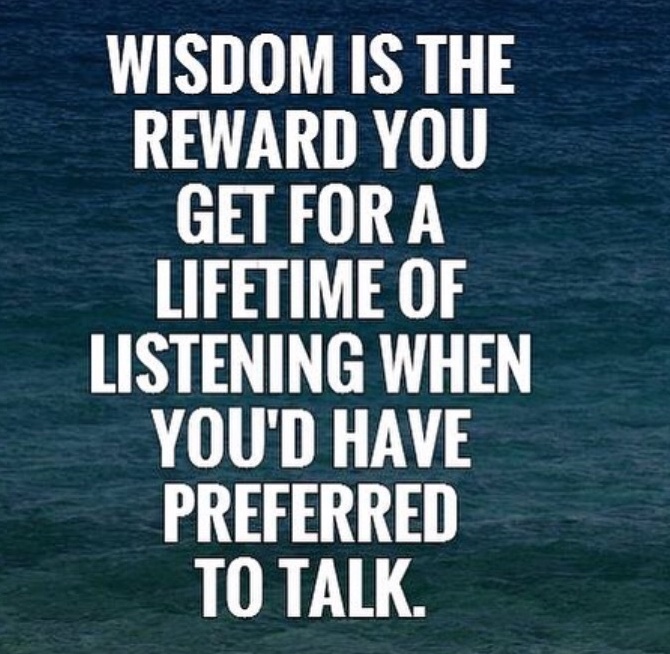
In short, we are good at talking but not so good at listening. Effective listening is an art; a learned skill. It is not something that’s arrived at easily or naturally, but it is an asset like no other. What if we just stopped for a minute to listen to others; really listen. Instead of planning and plotting our agenda and getting our points known, how about we work on truly understanding and comprehending another person’s position? As the Peace Prayer of St. Francis entreats, seek not so much to be understood as to understand. Something so simple and so benevolent could be the solution as we all strive for unity and acceptance.


It’s no secret that the quieter you become the more you can hear. We all want to be heard and are hearing a lot right now but much of it is falling on deaf ears because it’s being screamed at us in an unreceptive scolding tone. It’s also become non-stop screaming, which no one will listen to for very long. No one likes to be yelled at and everyone likes to be listened to.

 

Listening to others actually presents one with a win-win situation. Much of what we say is often misunderstood, which leads to conflict, frustration, and even disillusionment, as is so evidenced today. But, when you actively and respectfully listen to others, it encourages respect for both you and your opinion and a reciprocal level of listening back. In the perfect world course. There will be some…many probably…who no matter how much you listen to their side and opinion they will never listen to yours but if they don’t, it’s on them.


Listening is quite frankly the key to effective communication. You can yak away your position, but unless who you’re yaking to listens, it’s all for not. Don’t raise your voice; improve your argument. Some might say listening demonstrates weakness but I’m of the belief that smart people don’t plan big moves out loud. They let their success be their noise and know full well that silence is not a weakness. “Listen and learn” is real advice and real true.


To be a good listener, make who you’re listening to feel heard and maybe even understood. Make sure everyone feels safe in the conversation and focus on the speaker as they speak. In today’s online age, this is often impossible to do, but remember that when someone is stressed or insulted by what is being said or written, they are more likely to mishear or misread what you’re trying to get across. Never, ever try to convey emotions over the internet or texting and remember that feelings are never wrong. If what you say or write hurts someone’s feelings, your point is defeated. No one cares if you make them mad, but they do care if you hurt their feelings.


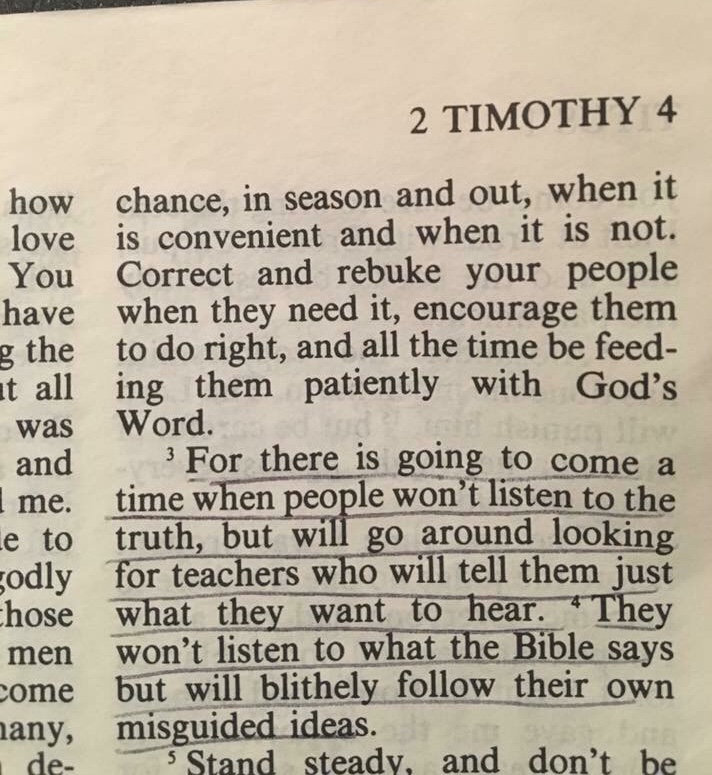
Lastly, pay close attention to who you’re listening to. There are many false prophets out there and you never want to take advice from someone you don’t respect. As you listen, present feedback in a polite yet informed manner and asks questions before submitting opinion or argument. Listen closely to what is being said and if there’s any doubt as to what the point is, repeat back what was said.


God gave us two ears and only one mouth, so He must have been on to something. A big part of loving is listening and a big part of praying is listening. God is constantly speaking to us but unlike us, he doesn’t scream so we need to be listening. When in prayer, we’re quick to present our petitions but do we ever sit still and listen to or for God? We’re good at talking to Him but not so good at talking with Him. Not bad advice when it comes to others as well.


I’d like to suggest that just for a day, maybe a week, or how about a month, try talking with people not talking to them. And talk to those whose opinions and outlooks differ from yours. Give them chance and give them a listen. You might just listen and learn.


Downward Dogs June 26, 2020

Filed under: Uncategorized — carlawordsmithblog @ 10:13 pm

We’re all in need of a little therapy these days aren’t we? My therapy consists of daily prayer and meditation, a good book or series, outdoor activities like golf and walking, and yoga. Yoga centers and calms me and like a former teacher once said, “We don’t use our body to get into a pose, we use a pose to get into our body.” My goal is not to do headstands, but to keep from being a stiff old lady who can’t bend, stretch, walk, or climb. I keep bending so I don’t break. In more ways than one.


Dogs also calm me and this morning the two…yoga and dogs…united in a most magical way.


Setting up for my online Mindful Vinyasa Flow class with the fabulous Nikki, all three of my dogs decided to join me. Normally I’d shoo them away, close the door, and practice dog-free. For some reason today however, all three of them seemed very calm, and in their own dog-like ways, very mindful. They each found a spot in the room and quietly laid down. Nikki often has her dog join us so I thought what the heck? And I’m doggone glad I did!


With Boomer perched on the bed, Nikki (one of my dogs, not my yoga instructor, but how foretelling that their names are spelled the same, which is not the standard spelling?!) in her little bed, and Barry snuggled alongside my mat, we all settled in for a little namaste. All during the class I was feeling a little upper body stiff and when it came time to twist on the floor and stretch, I found myself wishing I had yoga blocks. I don’t always use them and when I did, I just used ones in my class’s studio, but I kinda felt like I needed to move the ground up to rest my bent knees as they twisted to the right. As I did so, I felt Barry was right there and so I used him as a block. I didn’t think it would go well because Barry is the most skittish of our three rescues and I thought he would immediately startle and move away.


But he didn’t.


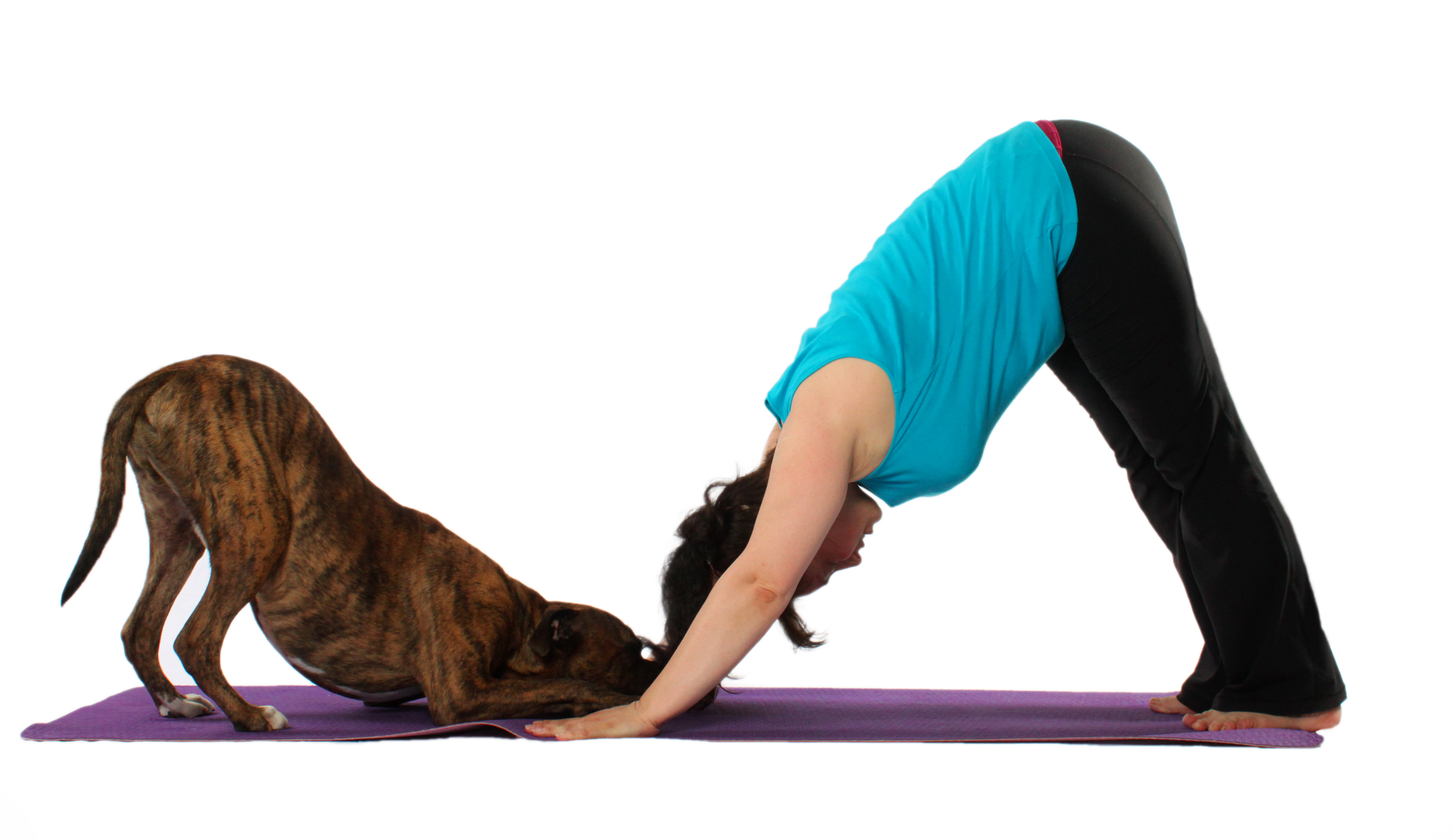
Instead, he stayed right next to me and continued to allow my knees to rest on him. It warmed my heart and took the term “downward dog” to a whole new level! I shared all of this with Nikki and fellow class attendees when class was over and we all admitted that none of us were really surprised. As Nikki said, dogs have a way of knowing what we’re feeling and what we need.


In fact, research suggests that dogs may actually possess and experience empathy, that psychological ability to feel someone else’s emotions. Barry convinced me of this today. He felt my need for support and steadily offered it.


A study published in the journal “Learning & Behavior” found that dogs who heard their owners call “HELP!” is a distressed tone opened a magnet-sealed door to reach them faster and more urgently than when they heard the same owners recite a nursery rhyme. Think about it. How many times have we seen dogs nuzzle up to a baby, protect their owner, rescue someone trapped, and go canine crazy after being reunited with an owner? They know. They feel.


This is also confirmed by Aaron McDonald, a canine behaviorist, dog trainer, and author of “Three Dimensional Dog: A Unified Theory of Canine Behavior,” who told “Eating Well” magazine, “Dogs are always keenly attuned to everything going on in a family. They record every nuance of ‘normal’ life and become concerned if we break that pattern.” He goes on to say that yelling distresses them even when it’s not directed at them, which is something my household needs to consider especially during football season!


I’ve often wondered during the whole COVID quarantine whether our three dogs have noticed that we are home all the time now. All the time. All day and night. From what Mr. McDonald said, they do and I’m of the thinking that they love it!


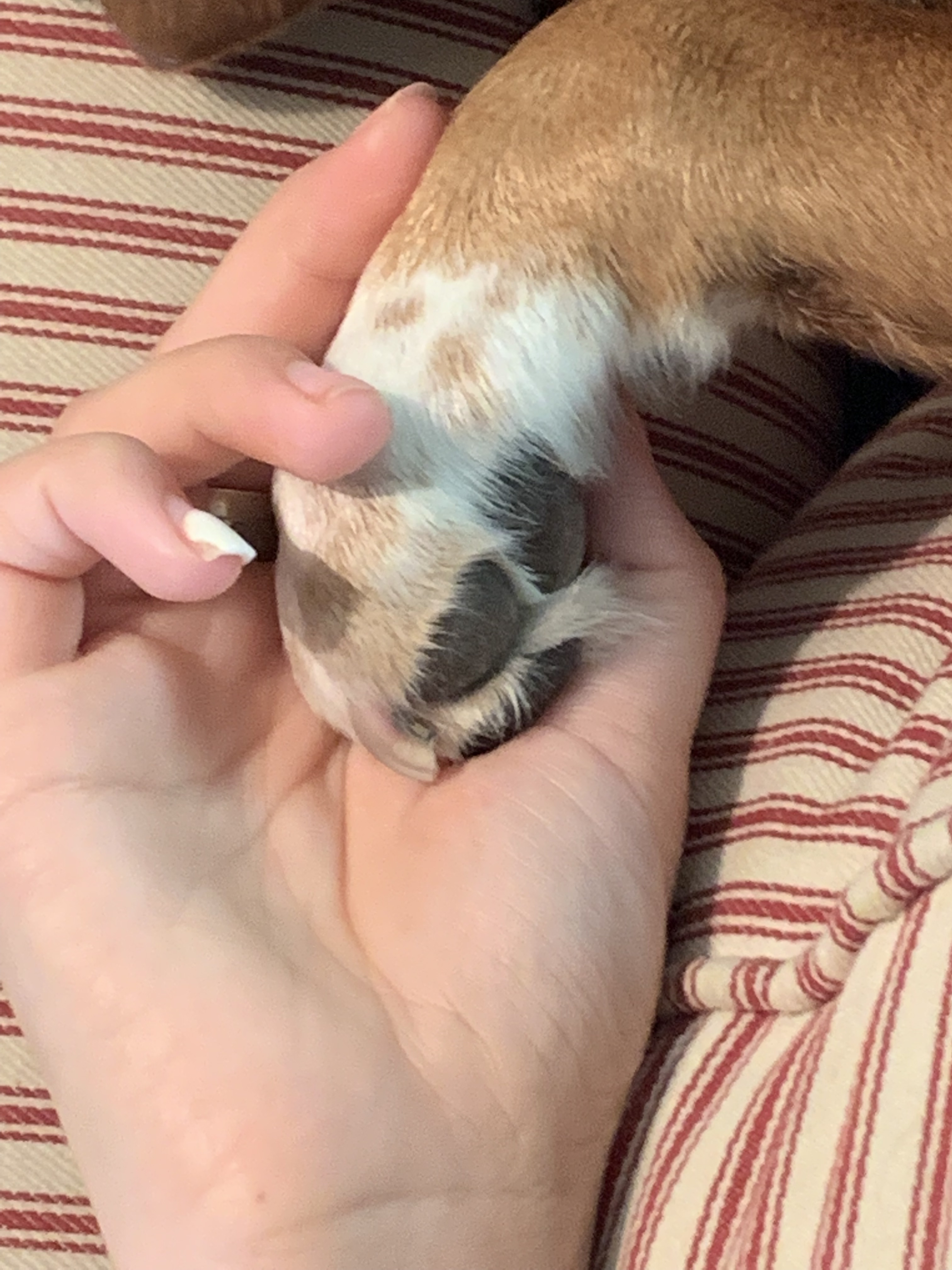
The above photo is one of Barry “holding hands” with our daughter who was home with us for 2 1/2 months earlier this summer working from home. When I saw it, I was shocked and so was she as Barry hates it when you touch or try to hold onto his paws. For some reason, he didn’t mind that day at that time. Did he sense a bit of anxiety in our daughter or perhaps he himself felt a a tad unsettled with our home’s “new normal” and the simple touch was easing. I’ll never know but I know it meant something. Something sweet and something special.


One last interesting dog connection I recently came across comes from none other than the Bible and the story about Lazarus, who demonstrated the consummate level of humiliation during those times as he was covered in sores and scorned by all. Jesus, of course, heals him but not before we read that “dogs came and licked his sores.” Some would suggest that those dogs were the original therapy dogs, including a Dominican Priest who wrote the article I read. I love this idea and something else he wrote: the Latin root words for “Dominican” are “domini” and “canis,” or “dog of the Lord. Makes total sense to me being that GOD and DOG are the same word spelled backwards!


If you know me you know. I’m a dog person so it only makes sense that one of the closest to my heart philanthropies that I try to support at all costs is “Hounds for Heroes,” which focuses on healing the wounds of war by healing veterans and their families through programs that incorporate the powerful human/canine bond. The multi-faceted and amazing program features service dogs, emotional support dogs, companion dogs, veterans helping fellow veterans, as well as professional service dog trainers and counseling. To watch a successful match develop and unfold is truly phenomenal.


Today Barry showed me something phenomenal too…that a dog who is skittish about almost everything knew when he was needed and calmly attended to the need and asked nothing in return. He did what we humans should do every day. I’m pretty sure this dog-eat-dog world would be much better for it.


Dogs are indeed amazing animals. Here are just a few fun facts about my favorite four-legged animals:

  • Dogs are healers. Simply caring for a dog can reduce anxiety, brighten a mood and reduce stress.
  • One study showed that within 10 minutes of looking into a dog’s eyes or petting a dog, the brain gets neurochemical bursts of oxytocin, prolactin, dopamine and endorphins, all chemicals that make us happy and relax us.
  • Other studies suggest that living with a dog reduces the symptoms and severity of depression and also boosts one’s immune system, reduces blood pressure, and lowers heart rates.
  • A British hospital actually “prescribes” a dog for patients who have suffered heart attacks and has found the chances of a second heart attack in them dropped 400 percent!
  • A study published by “Pediatrics” journal found that children who live with dogs during their first year of life got sick less often than kids from dog-less homes. The research revealed that the dirt and microbes brought in the house by Fido actually bolster helpful bacteria in a child’s immune system.
  • Babies who live with dogs are 31 percent more likely to be in good health than those who don’t, 44 percent less likely to develop ear infections, and 29 percent less likely to need antibiotics during their first year of life.
  • Owning a dog is known to help you better maintain an active lifestyle and retain a healthy weight.  Dog owners are said to be both emotionally and physically healthier and have lower cholesterol and blood pressure.
  • Dogs are said to be able to see things we cannot, as my friend can attest to following the deaths of her mom and dad. Her dog, she says, would look up in their bedroom and stare for minutes as if something or someone was up there. There are many similar reports of dogs doing this.
  • It is said that when a dog sees its owner its brain secretes the same substances ours do when we are in love. In short, your dog is truly in love with you!


Bird Sightings and Shoulder Taps June 23, 2020

Filed under: Uncategorized — carlawordsmithblog @ 6:26 pm

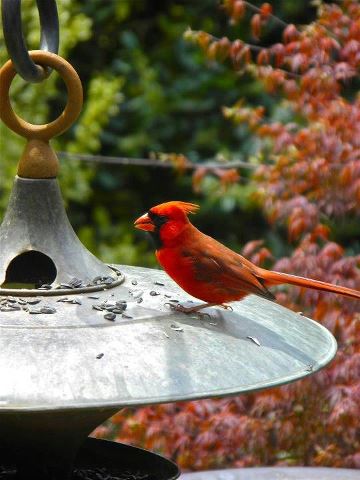
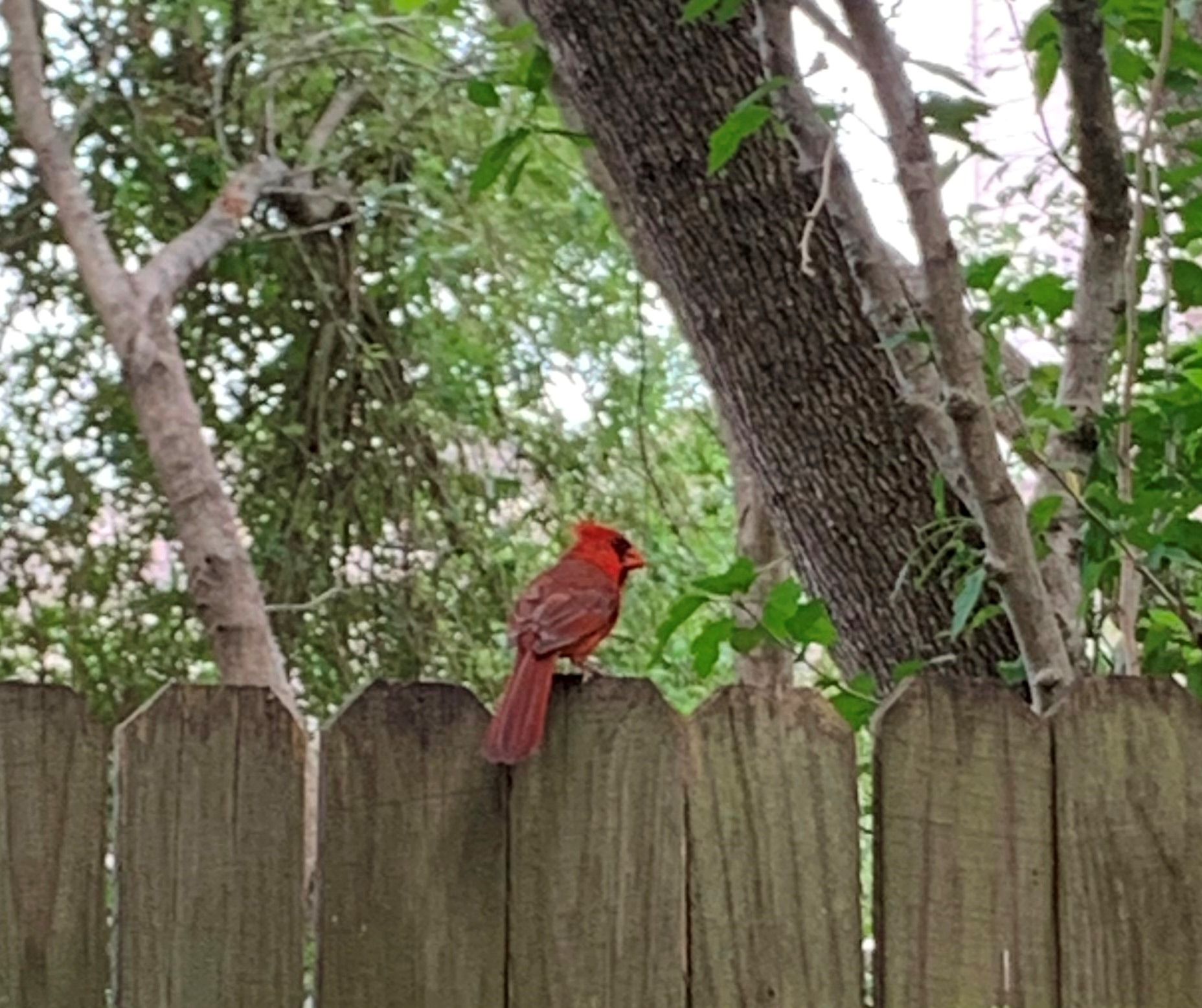
Sitting outside on our back patio the other day I saw a beautiful bright red male cardinal in a tree in our yard. We have lived in our “new” home for four years now, and I can’t think of one time I’ve seen a cardinal. We have lots of birds, squirrels, deer, and even a fox or two but cardinals not so much. I found this somewhat surprising when we moved here, as our last house was home to many a cardinal and it’s not all that far from our current home. So, like I do so well, I thought about it and analyzed what a rare cardinal sighting might mean.


I’d always heard cardinals represent a loved one who has passed and that when you see one, it means they are visiting you. I found it interesting to learn that they usually show up when you need them or miss them the most. But, I hadn’t recently lost anyone. I did however, have a friend who had just lost a beloved aunt and I immediately reach out to her to share my cardinal sighting story. Still, the “lost love one” theory didn’t personally move me or give me an “aha” moment. Until I read further.


Come to find out dear daddy cardinals also make appearances during times of celebration or despair. Bingo. I have been in despair and was in a somewhat disparaging mood as I sat outside that day. Who isn’t in despair right now, right? Nothing has gone on in my personal life or with any family members but our country is currently full of despair and destruction and it’s wearing me down. I’m tired of the news, I’m tired of the posting, and I’m tired of worry and anxiety. I’m. Just. Tired.


Thankfully, two co-workers and I agreed to meet for an outdoor visit at one of their homes this week. I miss these ladies so much and it was so nice to just catch up and laugh. We sat in my friend’s beautiful backyard and guess what showed up? Countless cardinals! It gave me chills and it made me happy. I felt like maybe, just maybe, they’re actually also good luck charms and the gloom and doom is about to change much like the season had just changed from spring to summer. Finger’s crossed, right?


Turns out, it is believed that whoever sees a cardinal will have good luck either at noon, midnight, or within 12 days of the sighting. I’m not sure what would qualify as “good luck” right now in my life, but just learning this cheered me up and gave me a bit of hope.


On top of that, spiritually a red cardinal sighting is a message from God who wants your attention and in a positive way. In addition, both cardinals and blood have long been symbols of vitality and in a Christian context, the cardinal is a symbol of life, hope, and restoration.


Hope and restoration.  I’m in need of both and I’m paying attention!


Just yesterday I got a video of hope and encouragement from my director. She sent out an update on what’s going on at work and included a video titled “Shoulder Taps.” In it, a man talks about seeing an elderly woman at a restaurant when a voice inside him tells him to go tell her how pretty she looks. He does so and is floored by what she says. “I know you and I know your spirit,” she tells him. “My husband died a year ago today and that’s something he would have said.” Needless to say, the man was speechless. He thought about it and concluded that God taps us on the shoulder and uses us at just the right moment. Whether we listen and feel those shoulder taps is up to us.


His story reminded me of a lunch my daughter and I were having many years ago when she was in high school. Sitting in a restaurant we notice a group of what looks like middle-school aged girls. All of them except one are pretty and have the air of “popular girls.” The one who doesn’t looks quiet and nervous. My daughter notices this and remembers suffering at the hand of middle school mean girls herself so as we walk out, she goes up to the table, looks right at the quiet girl and tells her how much she loves her top and how pretty she is. I’m not sure whose faces dropped more: the nervous young girl’s or those of the others sitting with her. Here is a pretty high school girl coming up and complimenting the one girl at the table who probably never got compliments. Shoulder tap? I’m thinking yes.


Courtesy Susie Davis

Maybe all those cardinals I’ve been seeing are shoulder taps or as I sometimes call them,“God winks.” I don’t know about you, but I’m in need of anything that can replace the blind hate and unchecked criminality destroying our nation and I’m loving the idea that a simple bird brought with it true hope for restoration and healing. I’m giving it a wing and a prayer.


Our Fathers June 21, 2020

Filed under: Uncategorized — carlawordsmithblog @ 6:43 pm

I recently read something that said one’s relationship with their dad is often the same relationship they have with God. If you have a caring, loving, and nurturing relationship with your dad, you’re likely to have that same type of relationship with God. On the other hand, if you share a more strict and measured connection with your dad, that’s probably how you see God.


Do you agree?


I gotta say AMEN as the relationship I had with my dad before he passed away my senior year of college is somewhat similar to how I was raised to worship God. Born a cradle Catholic, my faith as a child and young adult was one of strict rules and a “because I said so” mentality. Same when it came to household rules and fatherly advice. I didn’t know why I believed certain things or why I had to obey and respect my dad, I just knew it’s what you did. I didn’t question. I didn’t doubt. I was okay with it and turned out relatively okay.


It wasn’t until my dad was up in heaven with our Father and I became a bill-paying adult and parent that I begin to grasp the whys and the hows. I was able to maturely consider just how much my dad sacrificed for me and how very much our Lord sacrificed for all of us. Today my relationship with God is much more personal and reflective yet still respectful and indebted.


In much the same way, our daughter’s relationship with God mimics her relationship with her dad. “I love him dearly. He provides for me and is always there for me but I’m not going to get all touch-feely about it all.” That, pretty much sums up her relationship with her father and with the Father. She knows she has a loving dad who is always there for her and a loving God who is too and she loves them both.


Amazing, right?


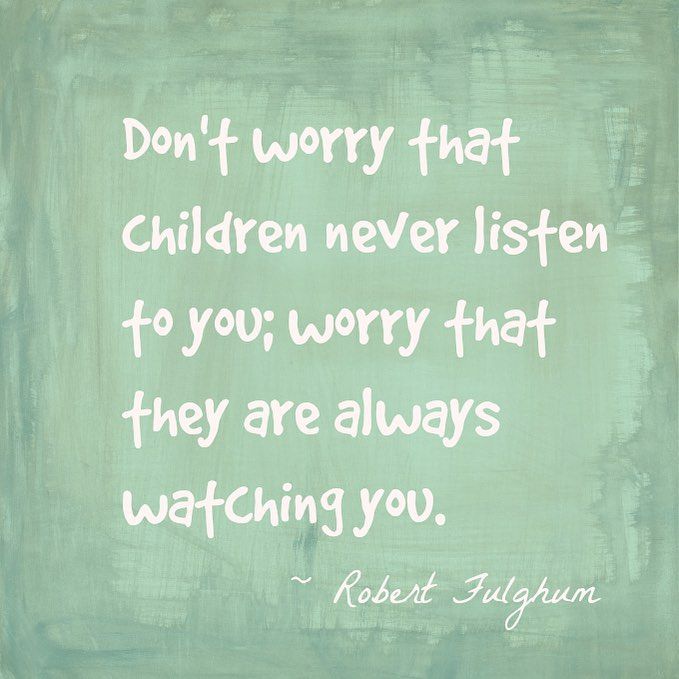
It is said that 80 percent of everything children learn in their first 12 years of life is done so through their eyes. To all you dads out there, what are your children seeing on a daily basis? Are they seeing respect and love or are they seeing distance and indifference? What are you allowing them to see on TV and social media? What events do you take them to and what behaviors do they see among you and your friends? The role of fathers in society has never been more crucial then now as we continue to see the growing and often tragic results of “stay away” dads. We have generations of kids without fathers or with an absence of fatherly figures. We blame society but we are society so it’s time to step up dads and men. All eyes on you!


In Spain and other countries, fathers are celebrated on the Feast of St. Joseph. The thought is St. Joseph is the perfect example of what a respectable father should be. He showed up. He supported. He loved. I like this idea and often times pray to St. Joseph for my husband, my dad, and other dads.


As we celebrate Father’s Day today, let’s honor all those dads who gave us life as well as those who show us how to live. Take a minute to not only appreciate them but also how to reflect on whether those relationships mimic your relationship with God. Then, pray for fathers everywhere by saying the “Our Father,” but do so with new eyes in the following way:


I cannot say “Our” if my life has no room for others and their needs

I cannot say “Father” if I do not believe in Him

I cannot say “who art in heaven” if all I care about are earthly things

I cannot say “hallowed by Thy name” if I use the Lord’s name in vain

I cannot say “thy kingdom come” if I don’t take time to pray

I cannot say “thy will be done” if I’m distrustful and anxious

I cannot say “on earth as it is in heaven” if I worry more about what others think of me than what God thinks of me

I cannot say “give us this day our daily bread” without giving to others first

I cannot say “forgive our trespasses as we forgive those who trespass against us” if I hold grudges and don’t forgive others

I cannot say “lead us not into temptation” if I stay in situations where I know I’ll be tempted

I cannot say “deliver us from evil” if I’m not spiritually prepared to fight the fight

I cannot say “for thine is the kingdom” if I don’t obey the commandants

I cannot say “thine is the power” if I’m unwilling to let Him control things rather than trying to control everything myself

I cannot say “thine is the glory” if I seek glory for myself first

I cannot say “Amen” unless I believe


Can I get an AMEN and a Happy Father’s Day?!


Hope and Faith in What Seems Hopeless June 14, 2020

Filed under: Uncategorized — carlawordsmithblog @ 7:00 pm

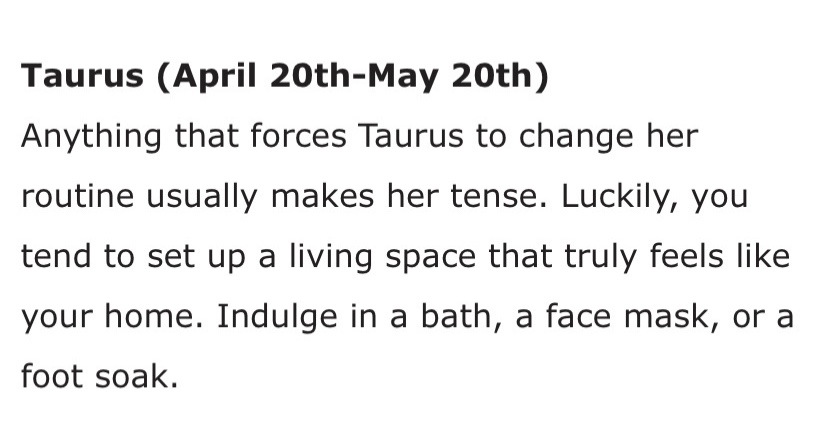
I’m in the process of learning a new skill that is pretty intimidating to me and the woman who’s teaching it to me sent me the above screenshot as we were getting started. She knows me so well. Nope, I don’t like change very much, my living space is something I design as a place of comfort and coziness, and yep I love me a good spa day.


Change is the word of the day though, right? Everything has changed and everything is still changing. First we were instructed to lock ourselves in our homes for months only to later be permitted to protest, riot, and loot in crowds practicing anything but social distancing and self-isolating. It’s a scary world out there and getting scarier by the minute.


It’s also the “new normal” they say, but the “new” seems to become ever more “new” on a daily basis. As spiritual mamma and mentor Susie Davis recently wrote, some days the new normal is fun and some days it’s tiresome. She’s learned along the way that finding a new normal requires comfort in perhaps ways you never realized before and takes heaping doses of patience, curiosity, and courage. It’s not easy to step into something new she explains, and it can be scary to leave behind what you know. But, we will get through this she assures us. I trust her and most of all I trust her faith.


I also have faith and I have hope. I have faith that everything is in God’s hands and I hope that if I do so I will see His hand in everything. But these are trying times and there’s more to hope and faith than that.


Often intertwined but dissimilar, faith and hope are equally powerful and empowering. The dictionary defines faith as “confidence or trust in a person or thing or a belief not based on proof.”  Hope is defined as “an optimistic attitude of mind based on an expectation or desire.” To simplify, hope is a feeling of expectation and a desire for a certain thing to happen while faith is complete trust or confidence in someone or something. Hope always pertains to the future while faith is all about now. Faith gives our hope substance and hope keeps our faith alive. Some say faith is actually based on hope in that if there’s no hope, there’s no faith. Faith is in your heart and you could say hope is the soil in which we plant our faith.


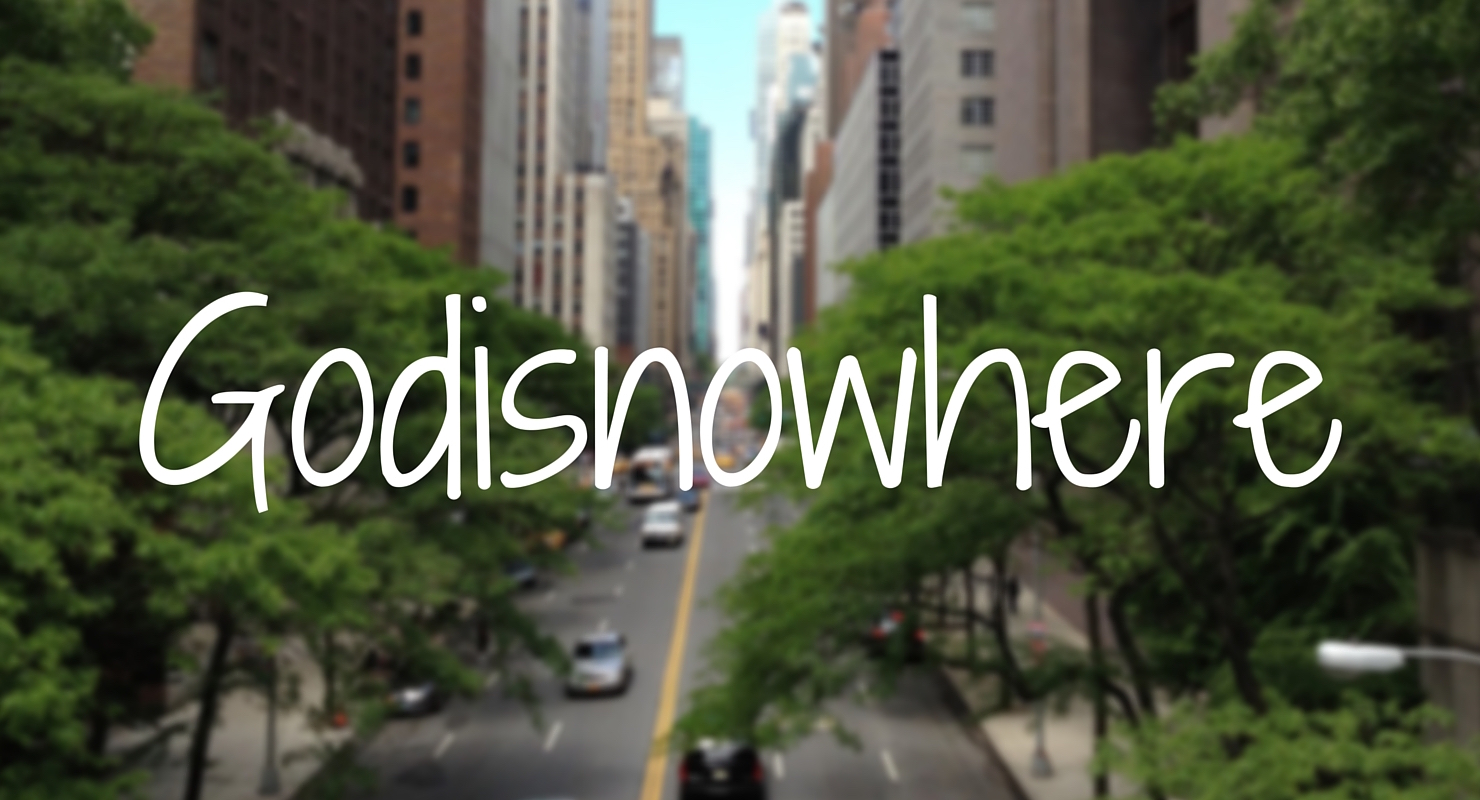
Then, there’s hope vs. hopefulness, and there is a difference. Much like the difference in what you might read the photo above says. Do you see “God is now here” or “God is nowhere?” Perspective, right. Similarly, “Greater Things Today” suggested reading three statements along the lines of these:


I hope healing will come

I know God will bring healing

God is a healer


All three demonstrate different levels of positivity and trust and the difference between merely being hopeful, possessing hope, and having faith. The first statement is hopeful in that it is filled with wishful thinking but still clouded with doubt and fear. The second statement, although more confident, expresses hope yet still a hint of doubt, especially if you add “but” at the end. The third statement is certain and is faith-filled.


So where am I going with this? Our novel and ever-evolving “new normal” is causing anxiety, fear, and worry but if we have hope and we have faith, some of those scary things can be somewhat reduced if not eliminated altogether. Courtney Carver writes that she sees these unsettled times as a time of “waiting, wondering, and creating” and is taking the time to see things through a new lens and a lens that is not hurried or certain or even exactly as it will be. Maybe a lens filtered with faith and hope and not worry or fear?


Now is not the time to give up hope. Instead, keep hoping for hope and trusting. We are all individually seeing many enemies out there and if you haven’t, just turn on the news or check social media. So much hate. So much disrespect. So much division. But in truth, we ALL have only one enemy and that enemy is enjoying every minute of the discourse and destruction and is laughing out loud. It all comes down to us…you, me, I. And as Life.Church so eloquently said today, the difference between UNITED and UNTIED is simply where you place the I. Where is your I? Is it firmly planted in an “I am right” position or an “I preach hate masked as all-knowing stance?” Are you uniting with your posts and positions or are you untying what little hope there is left?


As we all continue to witness and/or experience current or past unemployment, isolation, hate, vandalism, illness, and even death, I for one will continue to have hope that cooler heads will prevail and that the new normal will be one filled with a true faith that can move mountains. Will you take that first step and climb with me? I’m hopeful.


Just Breathe May 31, 2020

Filed under: Uncategorized — carlawordsmithblog @ 5:13 pm


Breathe. One word. A word that usually signifies life but currently represents just the opposite as cities across our nation burn. It’s the word George Floyd uttered again and again as a Minneapolis police officer killed him. I don’t know all, none of us do, but I do know that as a nation we need to collectively stop the rioting – both in our cities and in our hearts – and take a deep breath.


Breathe.


As God would have it, today we celebrate Pentecost Sunday, the day Jesus was gathered with His disciples when suddenly a violent wind filled the house they were in. They became frightened but Jesus breathed on them and said, “Receive the Holy Spirit.” He breathed on them.


Breathe deep.


Often depicted as “tongues as of fire, distributed and resting on each one of them,” the Holy Spirit reading presents powerful imagery today as we watch fires destroy cities and businesses; businesses that just started opening back up after COVID-19 closures. It’s an imagery not lost on me and one that speaks volumes.


The Holy Spirit is often thought of as the love part of the Holy Trinity; the love between Father and Son and the love bestowed upon those to share with others. In addition to love, the Holy Spirit works in us through the Fruits of the Holy Spirit and the Gifts of the Holy Spirit; the first being presence of God at work in us and the latter being the “matured fruits” and the Holy Spirit creating in us the good habits, virtues, and deeds for us to possess and demonstrate. Without getting too deep, the opposite consists of the “bitter fruits” such as jealousy, strife, anger, etc.  And yes, these are Biblical, listed by Paul in Galatians.


Since George Lloyd’s tragic death, we have witnessed an array of “bitter fruits” displayed in cities coast-to-coast. Sadly, what started out as rightly deserved peaceful protests of a wrong-doing and long-standing injustice has enfolded into violence-filled riots that do nothing to advance a cause that so desperately needs across-the-board support. Looting, vandalism, and anger do not breathe life into it all. If anything, they deflate cooperation and breathe the life out of it.


Ironically, on that first Pentecost when the disciples “began to speak in other tongues,” the entire group was amazed and wondered how it was that they could all understand each other. You see, the gathering was one of very diverse people; many with their own native languages, customs, and cultures. And yet suddenly, they could miraculously understand each other even though they were different. They were different.


And got along.


If all of this doesn’t take your breath away, you may need to check your pulse.


Check your motives today as well as you watch the news. Then look in the mirror. Are you a builder of harmony and unity or a judger with words and stones? The voices of both the Holy Spirit and George Floyd are powerful yet gentle. Let’s be like them.


Webster defines the verb “breathe” as to draw air into and expel from the lungs; to inhale and exhale. We often say a wine needs to “breathe” in order to develop its flavor and bouquet by exposure to air. We also use the word to express or utter something as when we say “Don’t breathe a word about it.”


George Floyd was denied his right to breathe and we all need to stop not breathing a word about similar wrongs. By imitating the Holy Spirit and instead practicing peace, patience, kindness, goodness, self-control, gentleness, and faithfulness, we can start breathing the flavor and bouquet of love and tolerance into a society so desperately thirsting for them.


Staying Connected in a Disconnected Time May 28, 2020

Filed under: Uncategorized — carlawordsmithblog @ 1:18 am

If you know me at all, you know I’m a big fan of author/spiritual mamma/inspirator Susie Davis. I go to her often and today I went to her as I had a 40 minute drive to take my dog to the vet. I scanned through her podcasts for one I hadn’t listened to and found what seemed like the perfect one for these times: “When You Feel Disconnected.” Don’t we all right now? I was all in and pressed play.


In the podcast, Susie interviewed fellow author/spiritual mamma/inspirator Kate Merrick and she had me at hello. Early into the podcast she noted that 41 percent of Americans say they don’t have one friend and yet…we are the most “connected” we’ve ever been. And although the podcast was recorded before the current COVID pandemic, both those statements are so very relevant today.


Think about it: how many of us have been sheltered at home either alone or among family and feeling like we don’t have a friend in the world while at the same time how many of us are connected to tons of social media “friends?”


I’d bet the house that during the past few months we have collectively been on social media or some sort of technology maybe more than ever before. I remember reading a post saying how horrific things would really be if we “ran out of” Wi-Fi. Sad but true, right? But, we’ve been bored in the house and in the house bored so we log-on and “like.” All things Netflix, Tiktok, Instagram and beyond have been our sources of entertainment and distraction. We’ve also needed the internet for work, school, and even exercise so sites like Zoom have boomed. Even my book club has Zoomed and I’ve been getting my weekly doses of much-need yoga on Zoom. Recently before doing our downward dogs and warrior twos, we chatted briefly that yes, we are all sadly addicted to our phones and technology but right now they are the only ways we stay in touch with others. Right now. But how about before Corona and after Corona?


Our 27-year-old daughter was back home with us working from home for two months before leaving this week and I remember her at one point saying she had a headache. We put our heads together and decided it was because she was looking at either her phone or her laptop pretty much nonstop. After putting a slight stop to that, the headaches disappeared. Technology rocks, but it also hurts.


Merrick is the first to get off the social media bandwagon for a number of reasons. She hates that scanning through IG accounts just isn’t healthy for her mindset in that it often left her feeling inadequate, ugly, and out-of-shape. Instead, she chooses to love what God has given her and not pine after what God has given others. Brilliant, right? But she says, we’ve become convinced that social media is the only way to connect with someone because it’s currently the most common way. As a culture, we buy what is being sold and today social media is what’s selling.


These are unique times however and they call for unique measures. Yes, it’s easy to say shy away from social media when things are “normal,” but when stuck inside for days on end it’s tough to not log on and look. If you must, Merrick suggests shunning comparison and unfollow any accounts that make you feel lame. If you feel the need to follow anyone, follow those accounts that inspire you or make you smile. Merrick also recommends “practicing presence” by living in your present moment and life situation. Again, don’t compare and instead listen to her wise words of, “I’ll love what I’m doing a lot more if I’m not aware of what everyone else is doing.” Or where they’re going to. Or what they’re buying. Or who they’re with. Live in your space and time not Facebook’s.


I gotta admit, I do enjoy a little Facebook and Instagram but I try my hardest not to compare, contrast, or compete and if your feed is only photos of you, I’m out. I agree with Merrick in that it can all sometimes make me feel dry and thirsty and wanting. Are we really connecting when we are so anonymous and so arbitrary?


We arbitrarily post the pretty in our lives and let others into the portions of our lives that we choose. They comment and we comment but there is no commitment of actual friendship required. Merrick says social media is like a cheap date: lots of affirmation with not a lot of work. Bingo.


Still, in isolated times like the present, socializing on social media is all we have. But, don’t let these faux communities let you forget your real communities: the groups of your people, or as the doctors on “Grey’s Anatomy” so famously refer to each other: “my person.” These are the persons who bring you casseroles when you’re sick, send cards and flowers for deaths and birthdays, and are your ride or dies whether laughing or crying. These are the connections we should all crave and seek once lockdown has died down.


The first place to start is to maybe check your distractions; especially those I mentioned above as being COVID sanity savers. Do you truly enjoy scrolling through post after post or is doing so simply a distraction. Own that distraction before it owns you and keep in mind that even Jesus had to get away to pray. Jesus was also present to His disciples…a group that BTW was extremely diverse…and spent time with them. As Merrick says, if we are enormously distracted we cannot hear God’s voice. Listen up and slow down.


I somewhat reluctantly realized this just today and owning it hurts my heart. Since our daughter headed back to her home, I’ve found that I’m back to my morning prayer and meditation time. I get away and I pray and read. For some reason, I didn’t do it daily the two months she was here. I was, you got it, distracted and shame on me. A daughter should witness her mom spending every morning in prayer and this mamma failed.


I bet you’ve discovered a sliver of who “your people” are during our current national emergency. I know I have. I’ve learned who has reached out, went out of their way to celebrate me on my birthday, asked if I needed any groceries, and have called or texted again and again. They are who I’ve felt connected to. Truly connected.


In the end, be picky about who and what you spend your time on. Whether we like it or not, all of our days are numbered so why not fill them with some real connections? I’m ready.