
Honey I’m home! We’ve all heard that announcement and have probably hollered it more than a few times at our honies. It’s sometimes fun and so was a recent talk I attended on bees and honey. It was actually fascinating and thanks to guest speaker Konrad Bouffard of Round Rock Honey, I’m officially fascinated with all things honey and all things bees.
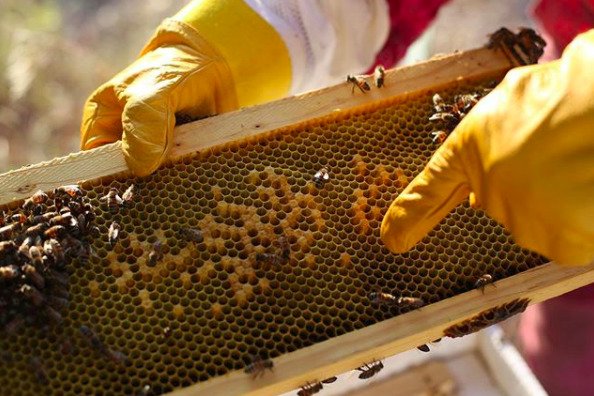
Round Rock Honey
A few fun facts:
- Some bumble bees sting, some don’t, and they generally only sting once.
- The different stripes on a bee signify different dads.
- Females rule the beehives! You go girls!
- Bees are the only insects that produce a substance man can eat without any side effects.
- Other insects besides bees produce honey, including ants and the Mexican honey wasp but the honey they produce is likely poisonous due to the types of flowers they visit for nectar.
- Honey is the only food made by an insect and eaten by both humans and insects.
- 10 bee stings can be equal to one rattlesnake bite.
- Honey contains a wide variety of vitamins, minerals, proteins, antioxidants, and antibacterial qualities as well as every single nutrient needed to keep man alive: water, vitamins, minerals,
- and enzymes.
- All species of bees don’t produce honey, with only honeybees and stingless bees making enough honey to really matter from the human consumption perspective.
- Bees need honey to survive and without it, they would not be able to perform their daily activities.
- To produce a pound of honey, more than 2 million nectar producing flowers must be visited. An average bee produces just one-twelfth of a teaspoon of honey in its lifetime, which may last a mere six weeks in a busy season.
- One colony of honeybees may produce 60-100 pounds a year.
- Foraging bees have to fly about 55,000 miles to produce one pound of honey; visiting 2 million flowers. They not only collect pollen to make honey; they inadvertently pollinate crops and nearby flowers that produce almost one-third of food eaten in America. They also move from flower to flower pollinating as they go. If pollinating bees were removed, the U.S. economy would be greatly affected as pollination plays a vital role in our country’s agricultural development.
- Honey never goes bad as long as it’s tightly covered to keep out humidity, no liquid is added to it, and it’s stored at room temperature. It may thicken or crystallize over time, but that’s not a sign of spoilage. When storing honey, do so in non-metallic containers as it can corrode metals.
- Honey is mostly a combination of glucose and fructose as well as other liquid sweeteners from natural sources, much like both agave and maple syrup are.
- Compared with granulated sugar, honey is sweeter and higher in calories, carbs, and total sugars. But it’s as nature made it!
- Honey is said to have been in existence for thousands of years, with some estimating that beekeeping has been practiced since 700 B.C. with the earliest reference to the use of honey is said to be around 5500 BC in Egypt.
- Ancient Greek civilizations regarded honey as a symbol of blessings and happiness and used it in funerals.
- Honey is also Biblical. You might be familiar with the phrase “land flowing with milk and honey,” which is actually found in numerous books in the Bible. It’s all part of God’s word to deliver His chosen people to the Promised Land and the idea of milk and honey reflects the promise of richness and liveliness that God pledges to provide as we enjoy His bountiful blessings.
So, there’s the fun facts, but what about some fun details? Bee patient honey and read on…
 From Bouffard we learned there are four types of pollinators: wasps, which are what he called the bad guys; flies, which are annoying but critical; butterflies, which are warm and fuzzy; and honeybees, which are a combination of all of these. Oh, and BTW, those “dirt daubers” you see that make mud nests are essentially stingless wasps. Good to know! Managing these habitats so they…and we…can all coexist is crucial. Let’s look at wasps and bees…
Wasps are essentially agents of disease control, sting repeatedly, and die in winter. Bees on the other hand, generally only sting once, are “furry,” have three-pronged feet, and some varieties produce honey. As for where the two flying critters live, Bouffard had great description of this too.
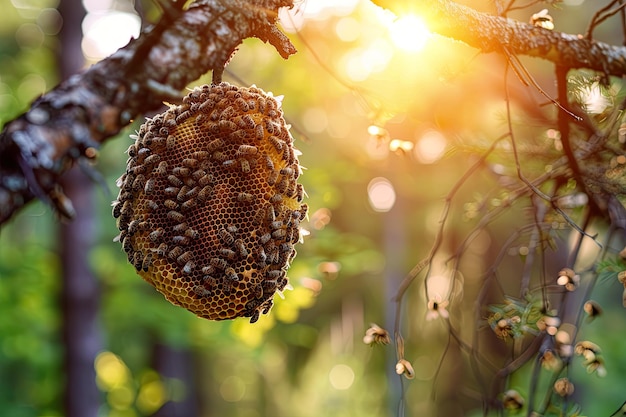
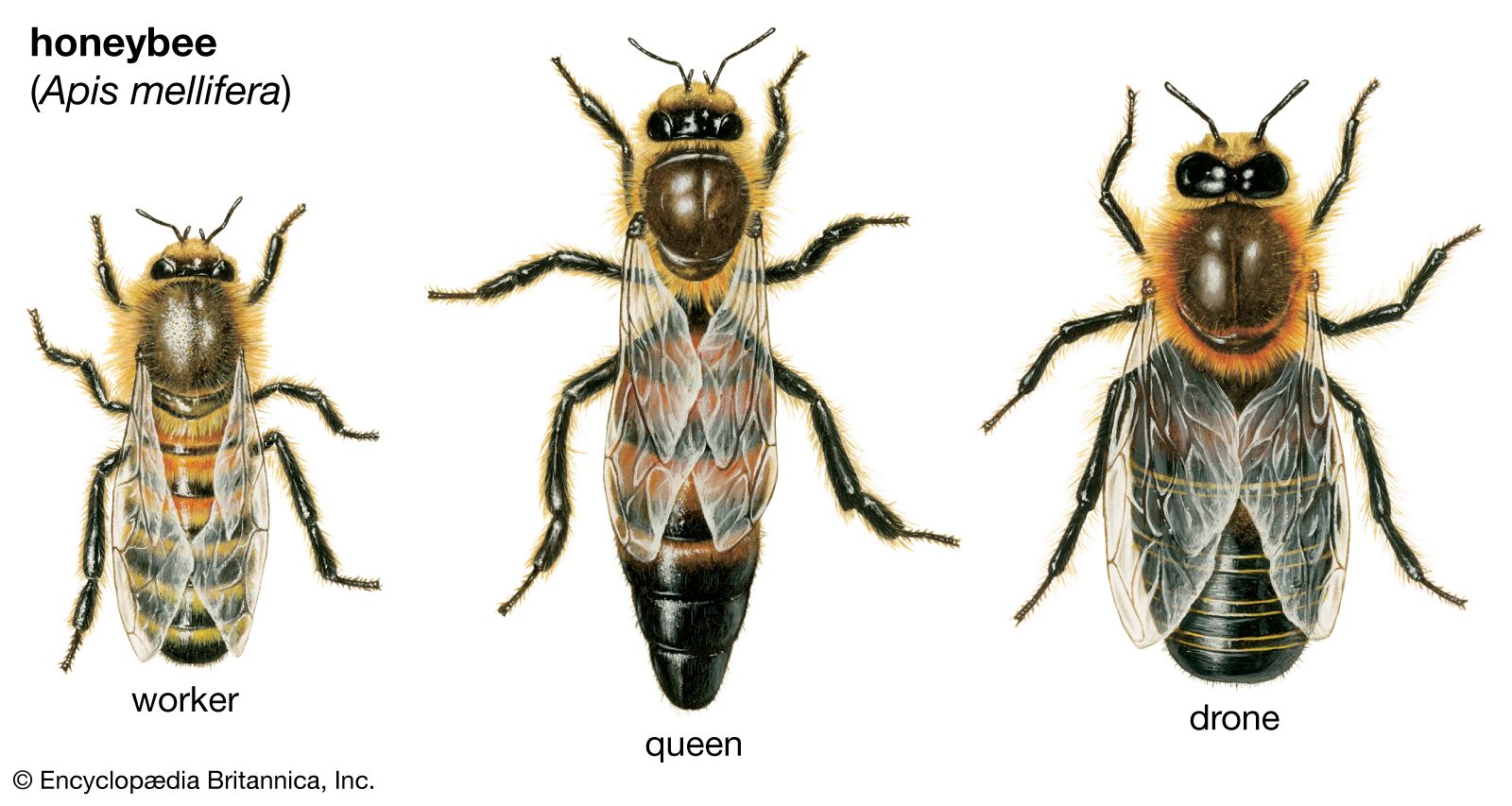
Wasps live in nests and bees live in hives. My favorite description he gave was calling wasps nests “frat houses” as they are sloppy, messy, and residents tend to no work together as a team. Sigma No! On the other hand, bees take care of each other in their hives, which are made of wax. Like I mentioned earlier, female bees rule the hive. Their male hive-mates male are called drones and these daddy bees don’t have a stinger, don’t gather nectar or pollen, cannot feed themselves, are larger than worker bees but smaller than queens, and they’re the ones with big eyes. Their main role is to mate with a new queen and afterwards, they lose part of their reproductive system and die shortly afterward.
As for those worker bees, they are aptly named as they do all the work. They have stingers but don’t lay eggs unless the queen dies. That queen boasts a big tail and mates with up to 50 drones. Yikes! Those queens are royally busy little bees!
 One popular myth about honeybees is that when one stings, it leaves behind its stinger, called a barb, and dies after. Sometimes this happens; sometimes it doesn’t. When a honeybee stings, which is rarely BTW, the stinger lodges in the victim’s skin, tearing the bee’s abdomen from its body, causing the bee to die. Sometimes however, the stinger doesn’t get stuck and the bee survives.
Show Me the Honey
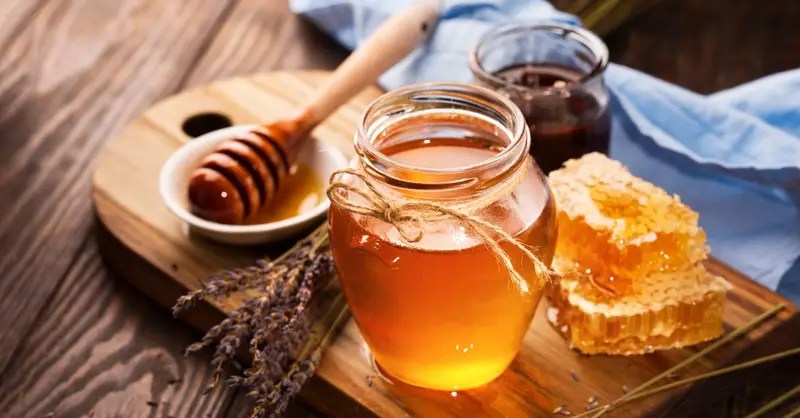
Now for the honey. As mentioned earlier, honey is nature’s only perfect food. We eat it and so do the bees themselves and it also serves as insulation in hives. According to everydayhealth.com, the sweet stuff we put in tea and create hotty toddys with is actually a nutritious and concentrated energy source that is also an ancient folk remedy for health and healing as well as a current active ingredient in beauty and skin care products. And you thought the sweet, syrupy substance was only yummy!
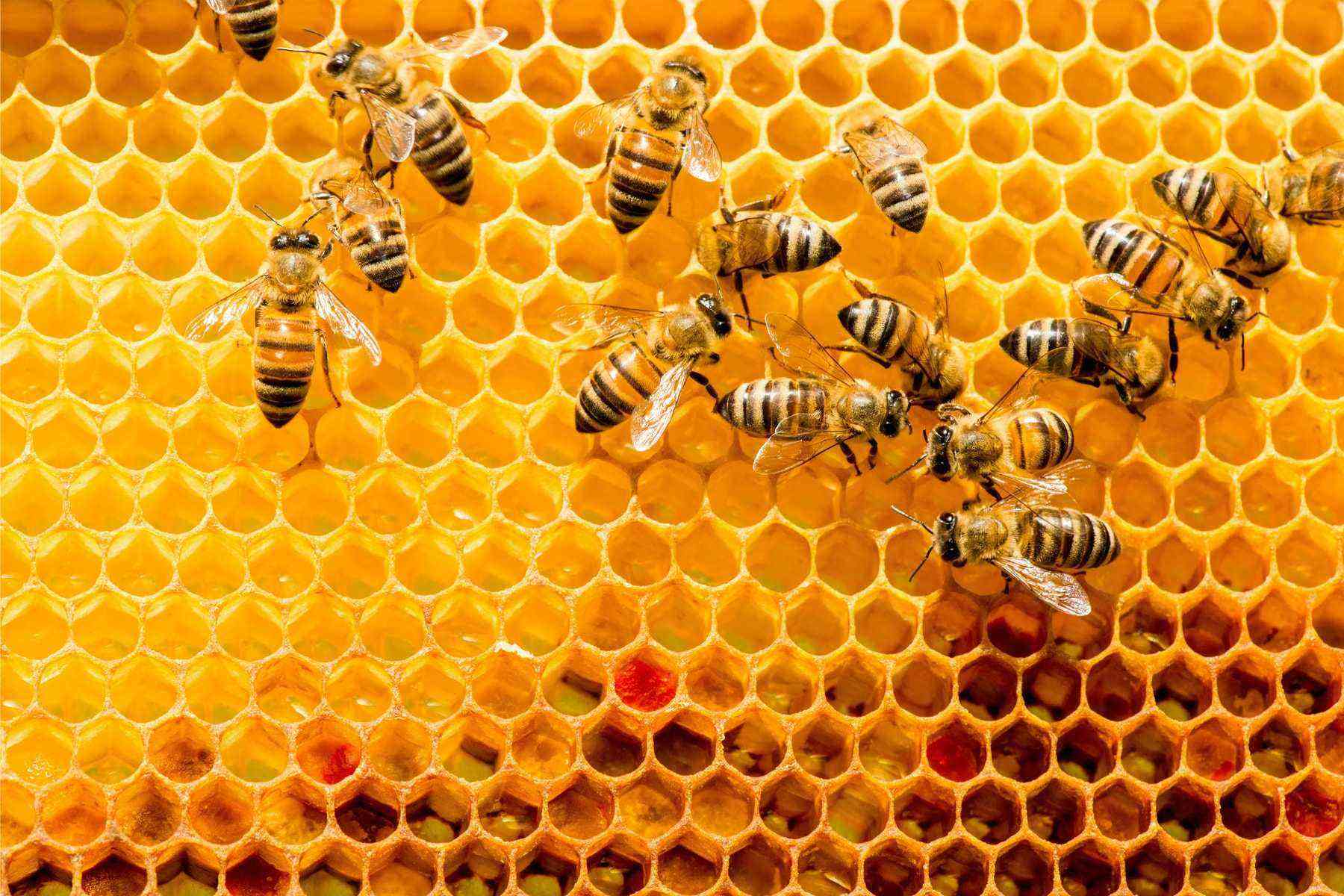
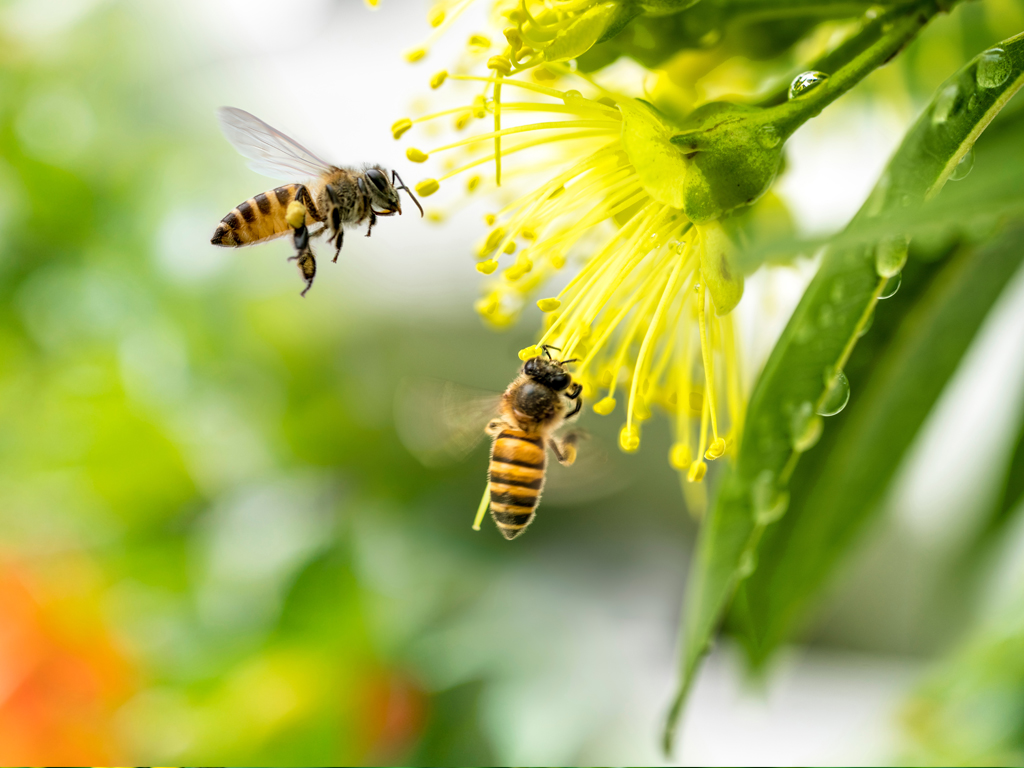 But how do honey bees actually make honey? They do so from flower nectar that they gather as they travel around and then bring it all back to the hive. From there, the nectar is transferred from the collector bee to the worker bees who process it into a thick syrup and store it in the honeycomb, which is made of wax produced by younger bees and molded into hexagonal-shaped cells. While doing so, they fan it with their wings to help evaporate moisture so it becomes even thicker, stickier, and more resistant to spoilage. It really is an amazing process!
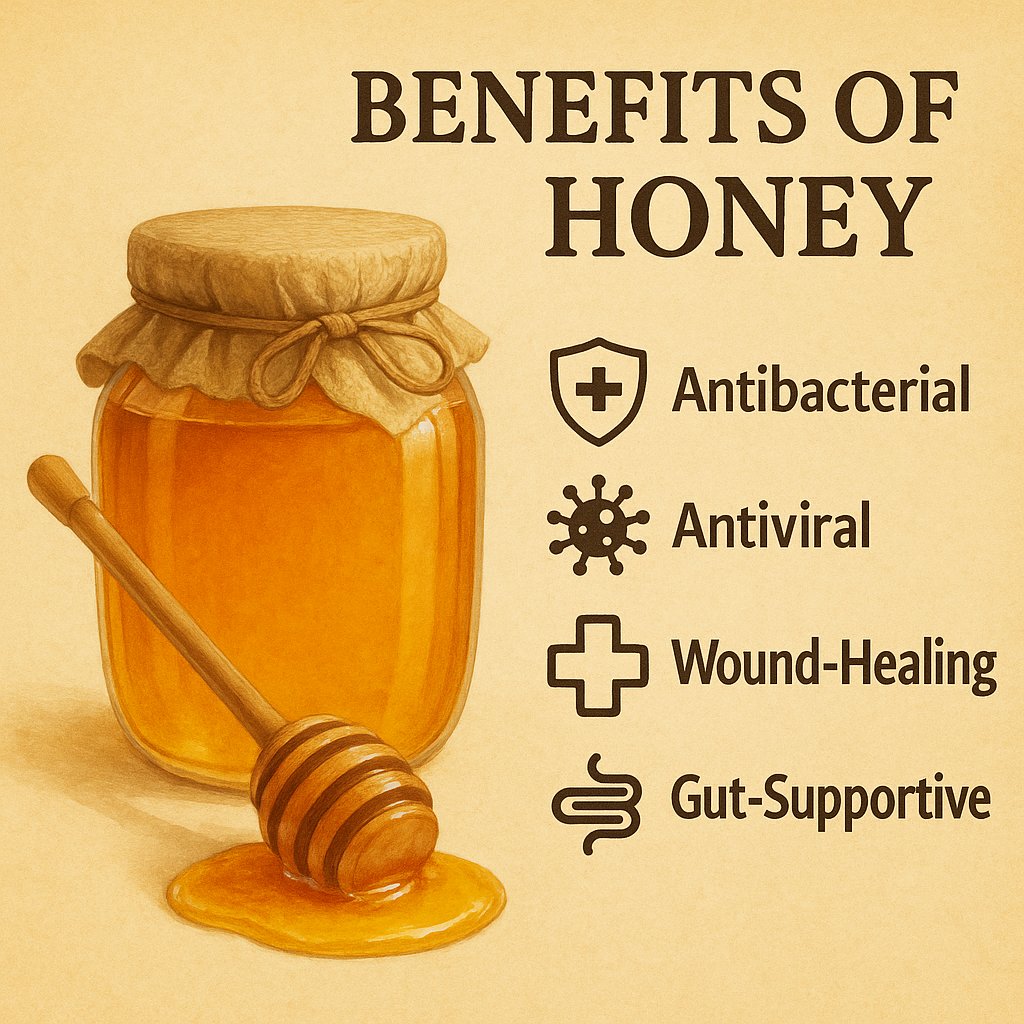 Honey in general is the subject of ongoing research as a potential ingredient in supplements and medications that can be used to treat of variety of health issues like asthma, gum disease, allergies, swelling, viruses, diabetes, and inflammation as well as helping facilitate the production of immune cells in the body. Bouffard even suggested taking two tablespoons of honey daily to flight inflammation, with local honeys being a double win due to their local pollens.
Some practices also have uses for honey as a home remedy, including gargling it for sore throats and combining it with ginger juice as a natural cough syrup while others use it as a topical remedy for burns, cuts, and skin disorders. And here’s a sweet tip: stir in two teaspoons of honey and ½ cup plain yogurt into ½ cup orange drink for a hangover remedy. Cheers!
NOTE: As with anything however, always consult your doctor before doing anything, which is especially important when it comes to honey if you have high blood sugar, diabetes, or are watching your carb intake and keep in mind that though rare, there have been isolated reports of allergic reactions to honey so take extra care if you are allergic to bees or pollen.
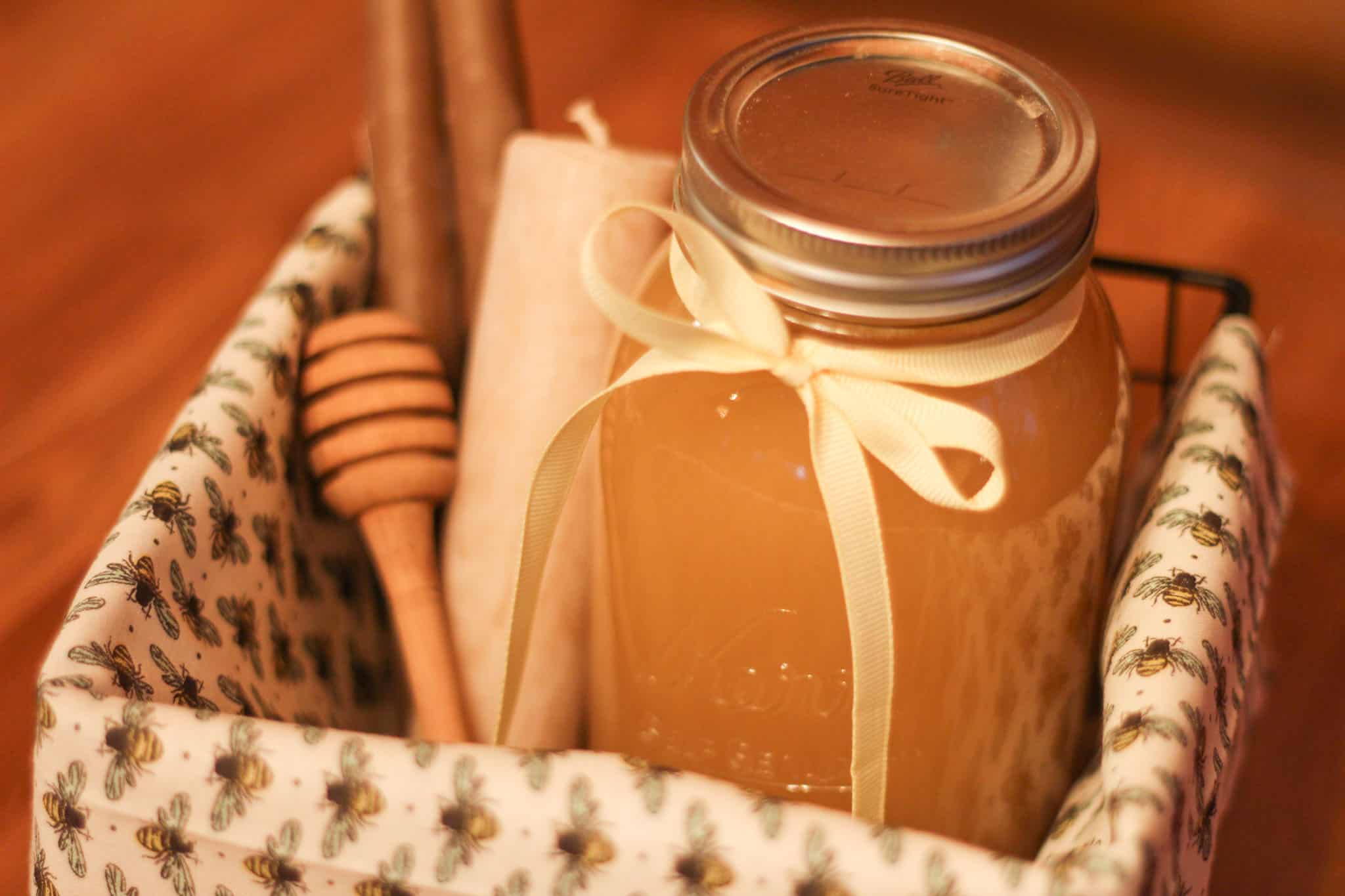 The healing components of honey are also used in many cosmetic skin and hair products, not only for their antiseptic and antioxidant potential, but for their softening, soothing, and conditioning effects. Honey lubricates the skin and holds onto moisture, making it an ideal ingredient in beauty products ranging from lip balms to lotions to shampoos. Some even recommend applying honey directly on pimples and dry lips for quick relief.
Everydayhealth.com also reports that scientists have found that raw unprocessed honey provides protection for teeth and against tooth decay as well as helping fight periodontal disease and gingivitis.
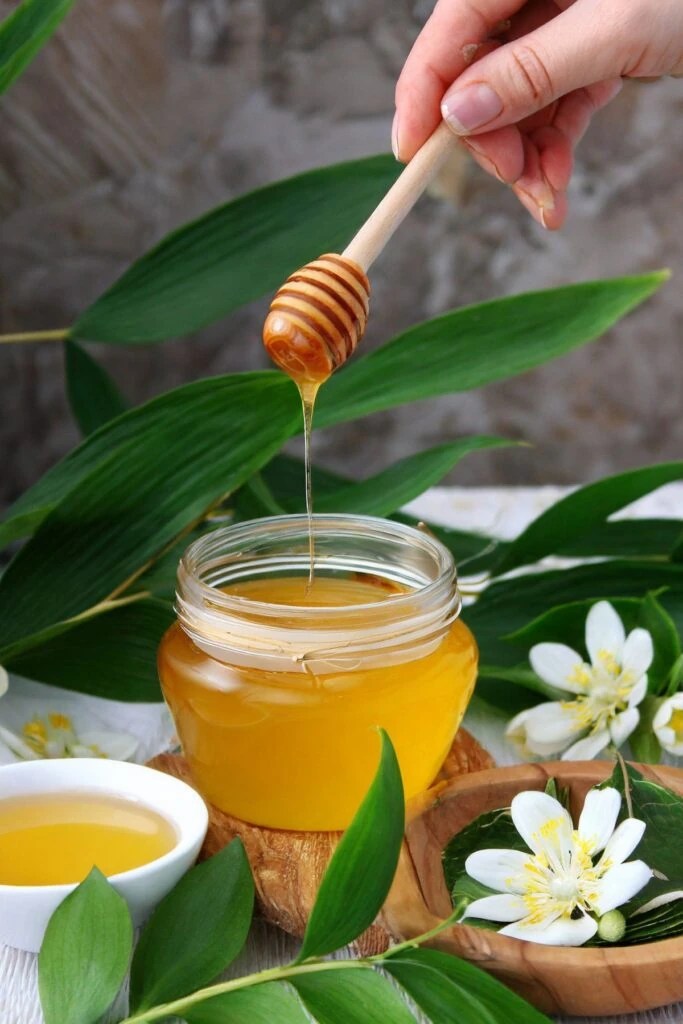 All this isn’t entirely breaking news, as long ago, wealthy men bought gallons of honey to bathe in and some were even buried in it. Alexander the Great was said to have valued it so much he was embalmed with honey since it was so expensive and scarce.
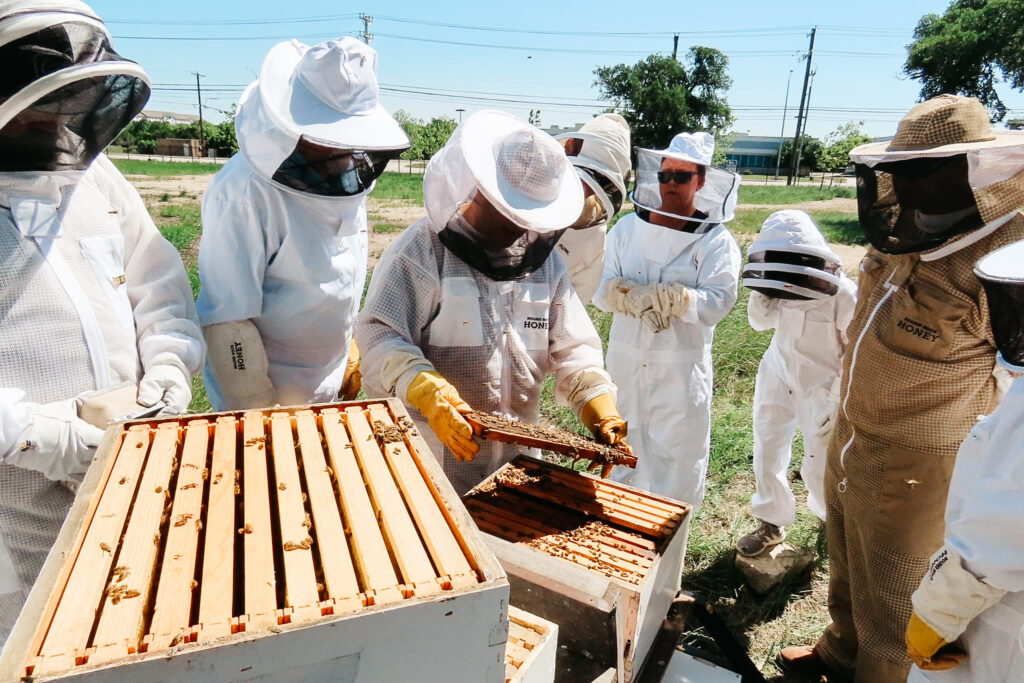 Okay, so you want to give this honey magic a try but where to start? For one, it’s always best to buy from a local beekeeper as it means the honey is harvested pretty much straight from the hive. To be sure you’re getting the real deal, buy raw honey from a locally known and respected beekeeper. Not only will you get a good product, local honeys may help alleviate local allergies and you’ll be supporting a local business. If store bought is your go to, be sure to check the labels before buying anything.
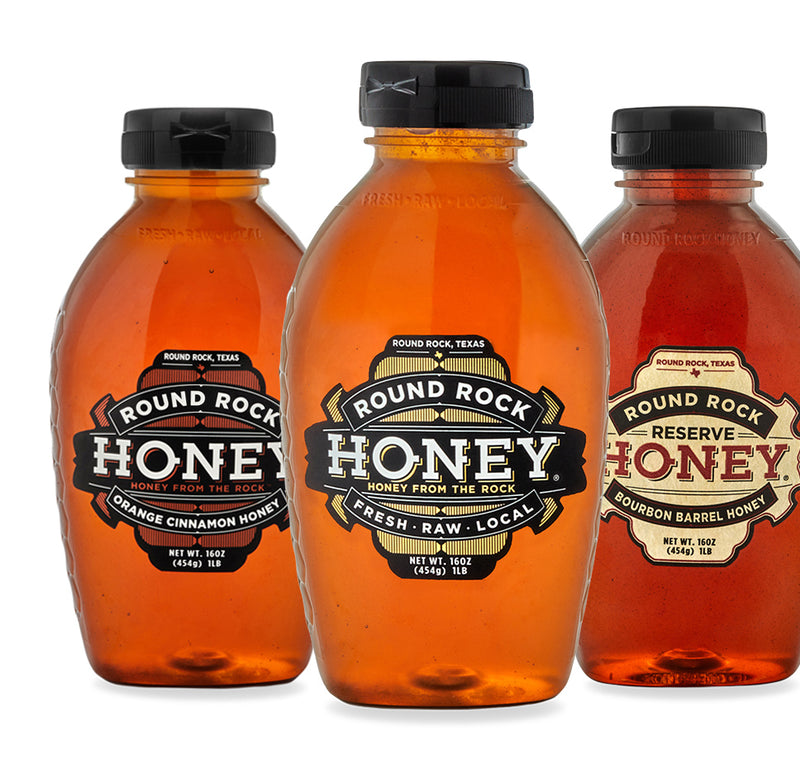 And although you shouldn’t judge a book by its cover, you might want to judge a honey by its color. In general, the color of honey is dependent on what flower the bees suck the nectar from and the taste and scent of honey depends on the flower as well. It can all also be affected by weather conditions. Dark honey is usually the result of a dryer year during which bees work harder for nectar, while a light honey was likely harvested in a wet season. Those lighter-colored honeys like clover and tupelo (yes, that’s a real honey not just a Van Morrison song!) are generally milder in flavor while amber-colored honeys like orange blossom and eucalyptus are more moderately flavored. The more deeply colored honeys like buckwheat have the most intense flavor. In addition, like with any harvested product, soil, climate, and region also determine the color, flavor, and scent of honey.
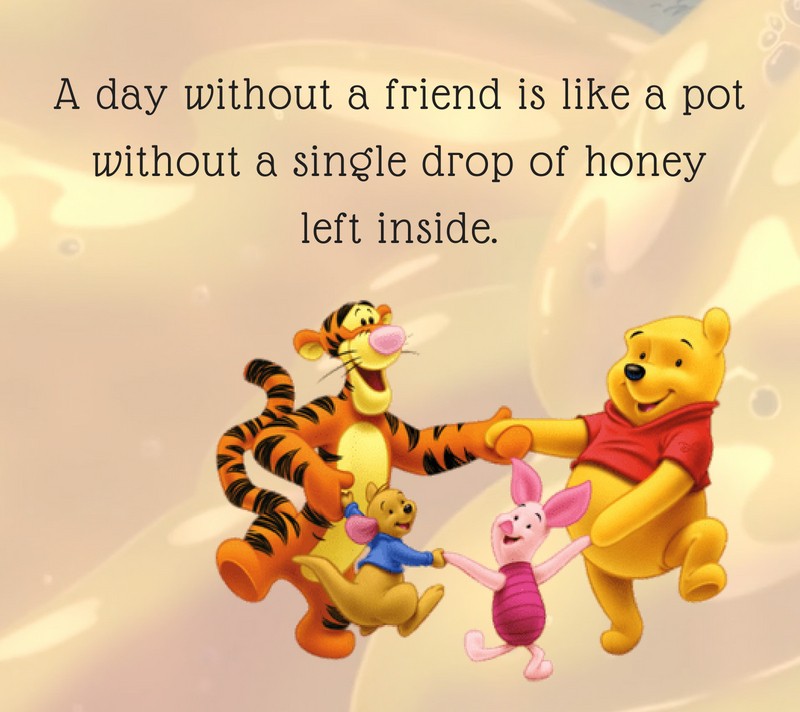
I’ll wrap things up with one of my favorite characters, Winnie the Pooh, who as we all know loved honey. Bee sweet my friends!
Discover more from Beyond Words
Subscribe to get the latest posts sent to your email.


