
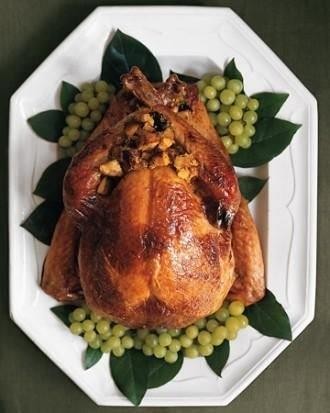
 Few things in American life strike a collective chord like Thanksgiving. It means getting together with friends and family to eat the most yummy meal that we don’t eat any other time of the year. Turkey. Stuffing. Yams. Cranberries. Mashed potatoes. Green beans. Mac and cheese. And pies. Pumpkin. Pecan. Apple. Lots of pies!
But, as we gather around our tables and our TVs (Go Bills!) in celebration of the uniquely American holiday, let’s make sure we also serve up heaping helpings of gratitude. Let’s actually take time to be thankful. Even in crazy years like this, there is always something to be thankful for.
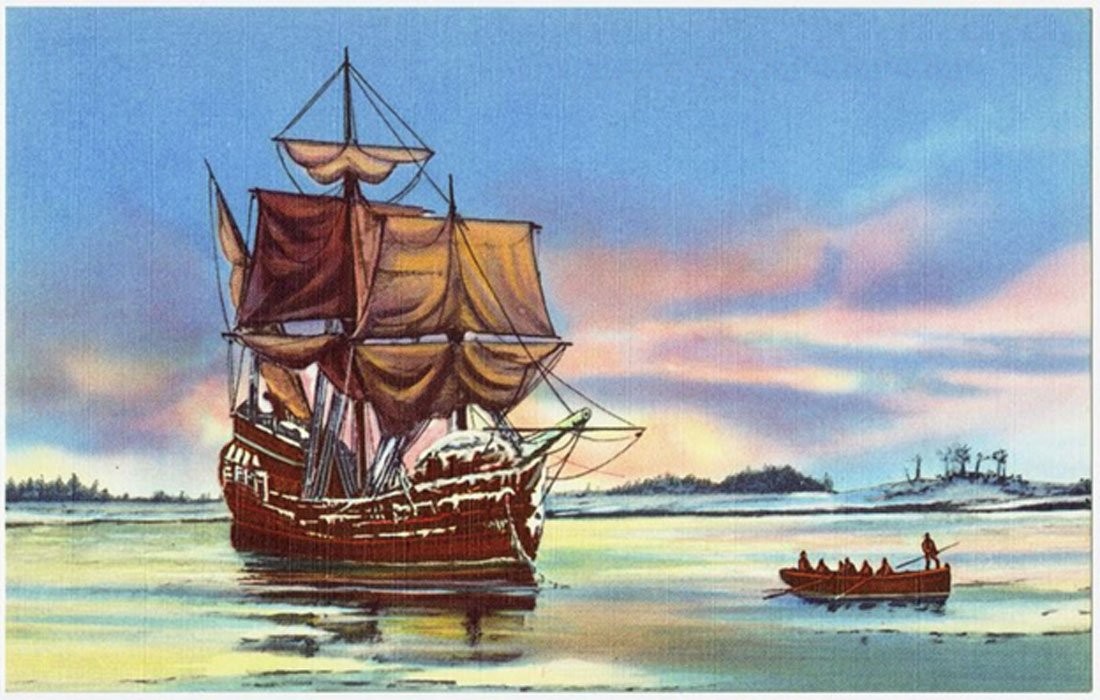
Appropriately, the very first Thanksgiving was preceded by crazy times, starting in September of 1620 when a small ship called the Mayflower left Plymouth, England carrying 102 passengers. The group consisted of an assortment of religious separatists who were seeking a new home where they could freely practice their faith. They were joined by others lured by the promise of prosperity and land ownership in a New World. You could say the Mayflower was filled with the original faithful capitalists. God love them.
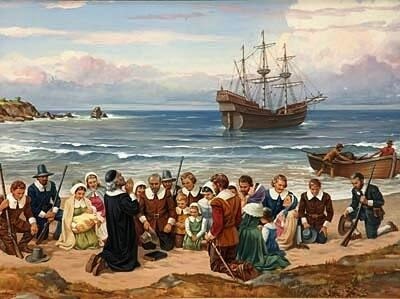 After a very treacherous trip, the Mayflower dropped anchor near the tip of Cape Cod and one month later crossed Massachusetts Bay where who we now call Pilgrims established a village at Plymouth. It still was rough going however, as during that first brutal winter, most of them remained on board and many got sick. In fact, only half of the Mayflower’s original passengers and crew lived to see their first New England spring a reap the benefits of the coveted new world.
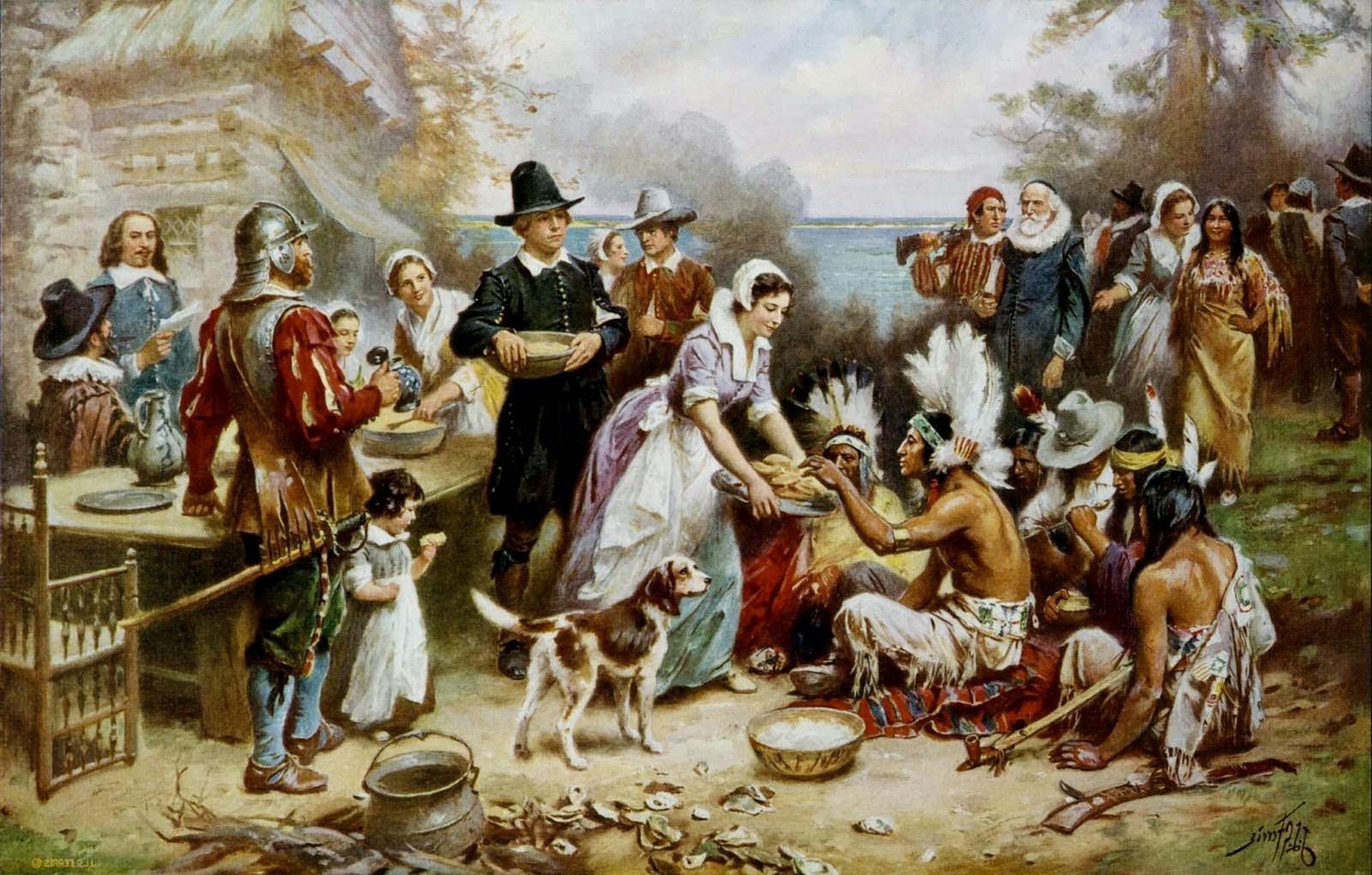 The following March in 1621, surviving settlers moved ashore and were later visited by various Native Americans who taught them how to cultivate corn, extract sap from maple trees, catch fish, and avoid poisonous plants. In November, after the Pilgrims’ first corn harvest proved successful, Governor William Bradford organized a celebratory feast and invited their Native American allies for what is now considered America’s first “Thanksgiving.”
In 1789, George Washington issued the first Thanksgiving proclamation when he called upon Americans to express their gratitude for the happy conclusion to our War of Independence and the ratification of the U.S. Constitution. It wasn’t until 1846 however, that Thanksgiving became a national holiday when Abraham Lincoln made it official during the height of the Civil War. His proclamation entreated all Americans to ask God to “commend to His tender care all those who have become widows, orphans, mourners, or sufferers in the lamentable civil strife” and to “heal the wounds of this nation.” Lincoln deemed the fourth Thursday in November “Thanksgiving Day” but in 1939 Franklin D. Roosevelt moved the holiday up a week in an attempt to spur retail sales during the Great Depression. Three presidents. Three meaningful moves.
As I write this, I can’t help but think what those former leaders would think if they could see our nation today. Washington would probably cringe that our Constitution is being disparaged in many ways and Lincoln would think his words sadly ring as clear today as they did back then. Civil strife. Praying to God. Heal our nation. Chills, right? And as for Roosevelt’s move, it was probably a wise one for the times, but how ironic that a holiday meant to stimulate gratitude is today followed by a day when we’re cajoled to buy more. Yes, we’re so thankful and yet we want so much more.
So much of this many of us don’t know about Thanksgiving and I love learning all about it. We all kinda know about the Mayflower and Plymouth and we know about the Native Americans, but do we know all of that?! Many of you probably also don’t know that the first meal of thanksgiving between pilgrims and Native Americans took place far from and before Plymouth. It also had deep Catholic roots.
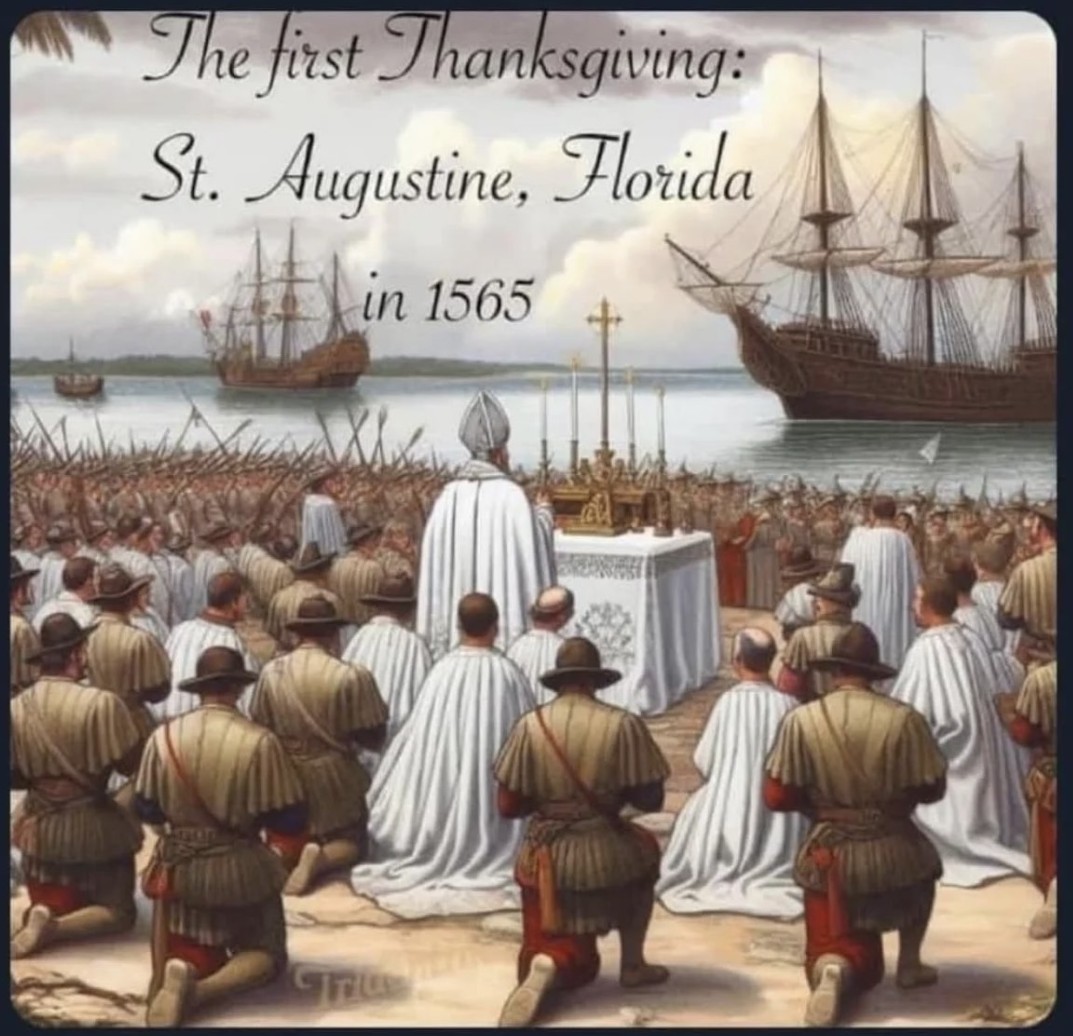 Many historians credit Spanish settlers with celebrating a “thanksgiving” long before Plymouth when they arrived safely in St. Augustine, Florida in 1565. The event marked a significant moment in American history, as it involved Spanish settlers and Native Americans of the Timucua tribe coming together to give thanks to God. One of the first things they did was celebrate a Catholic Mass followed by the sharing of a communal meal.
The Mass is central to Catholic worship and is considered the highest form of thanksgiving. In fact, the word “Eucharist” means “thanksgiving” in Greek.
 Wherever you celebrate Thanksgiving and whoever you celebrate it with, take a moment to be truly thankful and count your blessings. Let us all count our joys instead of our woes, count our friends instead of our foes, count out courage instead of our fear, count our health instead of our wealth, and count our smiles instead of our tears. Happy Thanksgiving everyone!
Thanksgiving Fun Facts
Benjamin Franklin wanted the turkey to be named the national bird instead of the bald eagle.
The tradition of the president pardoning a turkey every year started with Harry Truman.
More than 250 million turkeys are raised in the U.S. with more than 40 million gobbled up on Thanksgiving.
Male turkey gobble; females cluck.
The original Pilgrms and Native Americans probably shared rabbit, chicken, fish, goose, pigeon, squash, cabbage, beans nuts, onions, eggs, and cheese at the first Thanksgiving, with not a green bean casserole in sight. Gobble gobble!
Discover more from Beyond Words
Subscribe to get the latest posts sent to your email.


